








Star Citizen Monthly Report July 2026: PU Development Update

CIG’s July 2026 PU report covers Alpha 4.9 and 4.10 work, valakkar AI, ship progress, Economy updates, Online Technology, R&D weather systems, and more.
At a Glance
- Teams supported Alpha 4.9 while preparing mission and AI content for Alpha 4.10, including Siege of Orison and Recco Battaglia's instanced gameplay.
- The Anvil Liberator, RSI Galaxy, Kruger Stingray and Drake Kraken all passed or approached major production reviews.
- Online Technology improved server-load reporting and continued groundwork for more dynamic server management.
- Item Recovery planning progressed alongside work on missions, economy balance and new in-game ship availability.
- Planet Tech advanced snow accumulation, weather simulation, cloud rendering and planetary climate systems.
July’s PU Monthly Report tracks a broad sweep of Star Citizen development, from Alpha 4.9 support and Alpha 4.10 preparation to creature AI, new vehicles, backend reliability, planet simulation, and a healthy dose of mission and narrative work. If you spent the month dodging valakkar spit or watching the server gods with suspicion, this one has plenty for you.
CIG’s teams pushed on both the visible and invisible parts of the ’verse: new ship milestones, updated mission content, smarter server-load reporting, Item Recovery planning, snow and weather simulation, cloud-rendering work, and more. In short, lots of machinery under the deckplates, and some of it has teeth.
PU Monthly Report
July saw continued progress across new vehicles, characters, backend technology, and planet generation, with work spanning releases currently in players’ hands and content planned for upcoming patches.
AI Content
AI Tech supported content for Alpha 4.9 and 4.10, including the reintroduction of Recco Battaglia. That work brought several challenges, including setup and maintenance of repeatable mission comm calls for the initial release and content supporting her upcoming instanced gameplay.
The team also put considerable effort into new Siege of Orison content, filling social spaces in the lead-up to the shuttle, adding a new mission provider, introducing new enemies, and tackling various bugs.
Beyond release support, AI Tech continued initiatives started the previous month and supported a performance-capture shoot to provide additional content for upcoming releases.
AI (Features & Tech)
AI Features & Tech enhanced the ‘FlyTo’ behavior in July. Heavy fighter NPCs now have distinct flight behavior parameters so they strafe more quickly, correcting behavior that was previously too slow.
For creatures, work began on initial animations for a new creature and its variants.
Development continued on the valakkar, including a fix for the creature failing to hear while underground and another for the irradiated variant not immediately emerging. The valakkar now targets players correctly, has increased line of sight and spitting range, and will track and spit more accurately if you stay within range while moving.
The juvenile sentry valakkar now prefers to avoid close combat. If you enter melee range, it will not bite and instead retreats by submerging underground until you move farther away. A non-sentry juvenile valakkar behaves differently: if you enter melee range, it bites once, then tries to avoid you by submerging and repositioning before resurfacing and resuming spitting.
Adult sentry valakkar are less polite about the whole affair. In close combat, they bite without retreating, though the bite attack occurs less often than the spit attack. The non-sentry adult valakkar bites and spits, and once you inflict enough damage, it enters a triggered state where it chases and bites relentlessly.
For the yormandi, the creature no longer gets stuck or fails to perform the ‘major pain reaction’ after a shock barrel is blown up in its mouth. A partial fix was also submitted for the second yormandi not spawning from an AI perspective, though that bug still requires further investigation.
The kopion no longer gets stuck if it cannot hit its target. It also no longer fails to give up combat when it has no target, can no longer perceive targets through walls, and correctly circles targets when required.
Human combat AI received several fixes. Mounted-weapon AI no longer fails to fire because it incorrectly thinks something is in the way, and fire logic no longer checks whether the player is on the gun too early. Mounted-weapon AI also no longer gets stuck in a failure loop if an NPC fails to get on a mounted weapon.
The team solved an issue with super heavy HMG backpack ammo feeders not working, plus a bug where NPCs who finished their clip just before climbing onto a ladder would surrender when they reached the bottom. Super heavy NPCs also no longer try to use cover.
Another single-fire-mode issue was fixed where NPCs gradually took longer and longer between shots, eventually taking over 10 secs and appearing unresponsive.
A beam-weapon bug was also solved. Previously, impact sound events were not registering on surfaces, so AI would not respond to laser beams being fired meters away from their heads. Elsewhere, weapon-selection failure debug output was improved, and reaction animations were improved across the board.
Animation
Animation continued work on the apex valakkar and its gameplay attacks, while also creating enter and exit animations for new vehicles.
Art (Characters)
The Character Art team polished the upcoming super-heavy armor and supported the creation of ‘loadouts.’ They are also progressing new armor sets and mission reward items planned for later in the year.
Art (Ships)
In the UK, the Ships team finalized the Grey’s Market Basher and released it into the ’verse. The team has since moved on to other vehicles, while looking ahead to implementing a range of cosmetic items for the Basher later this year.
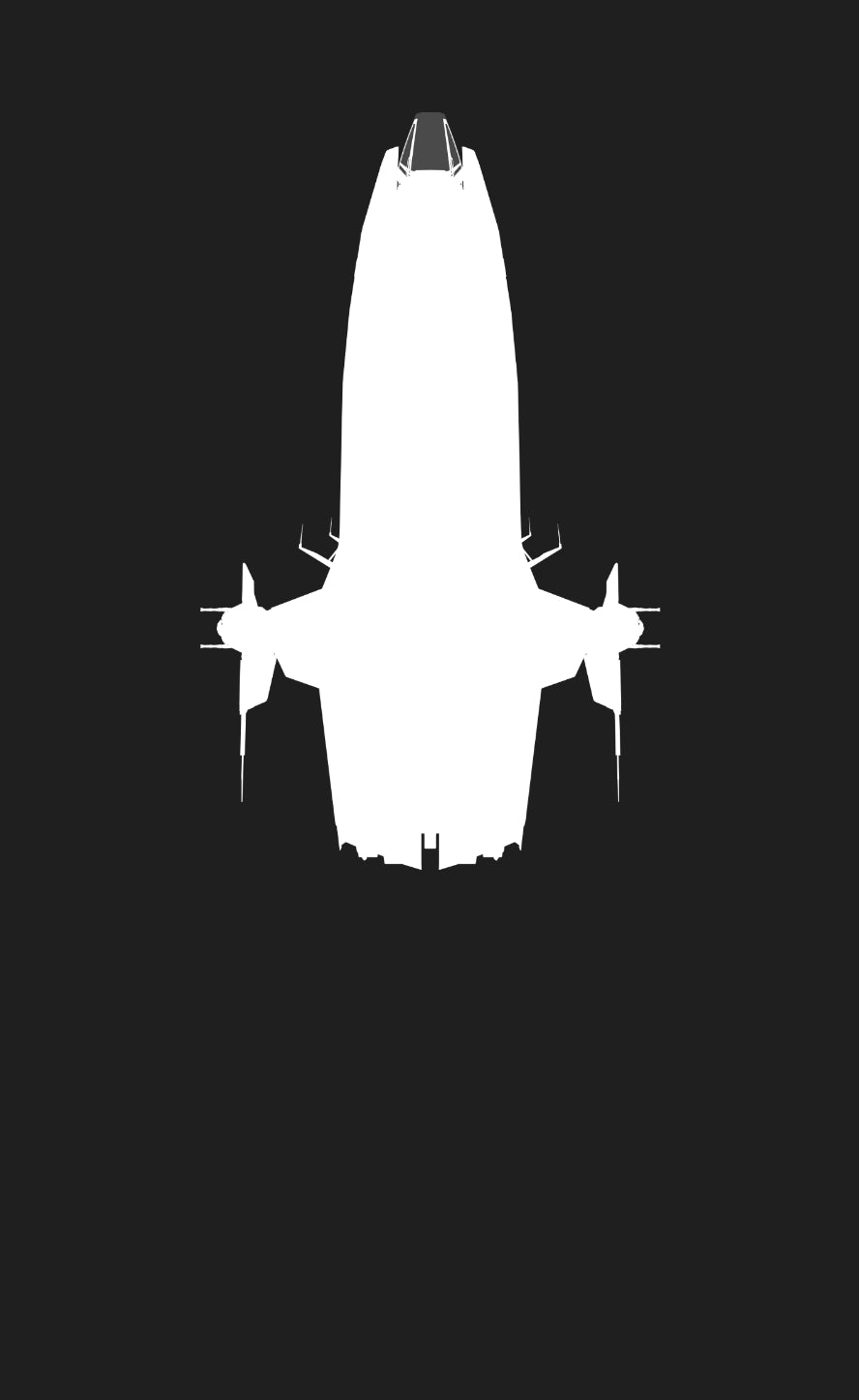
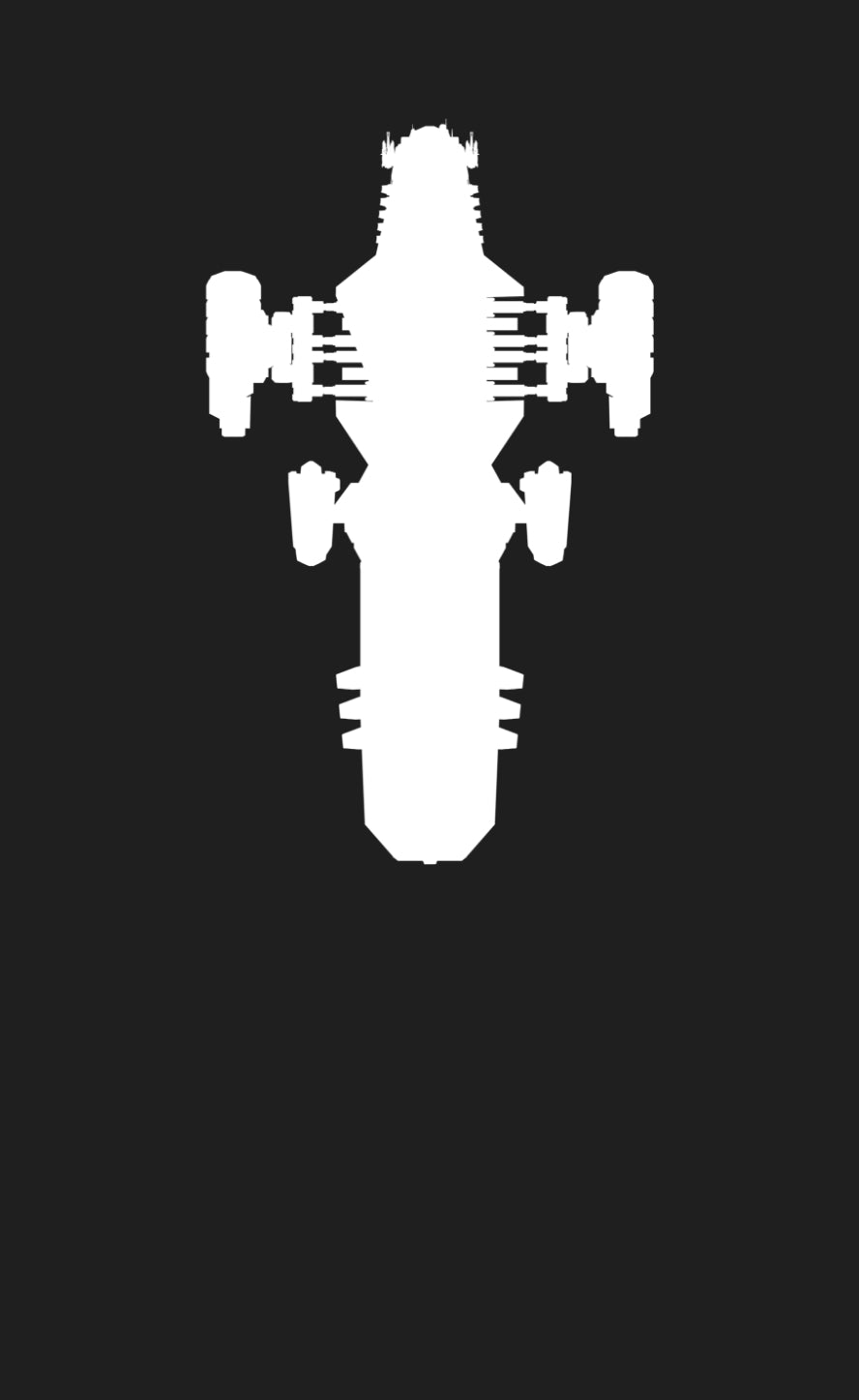
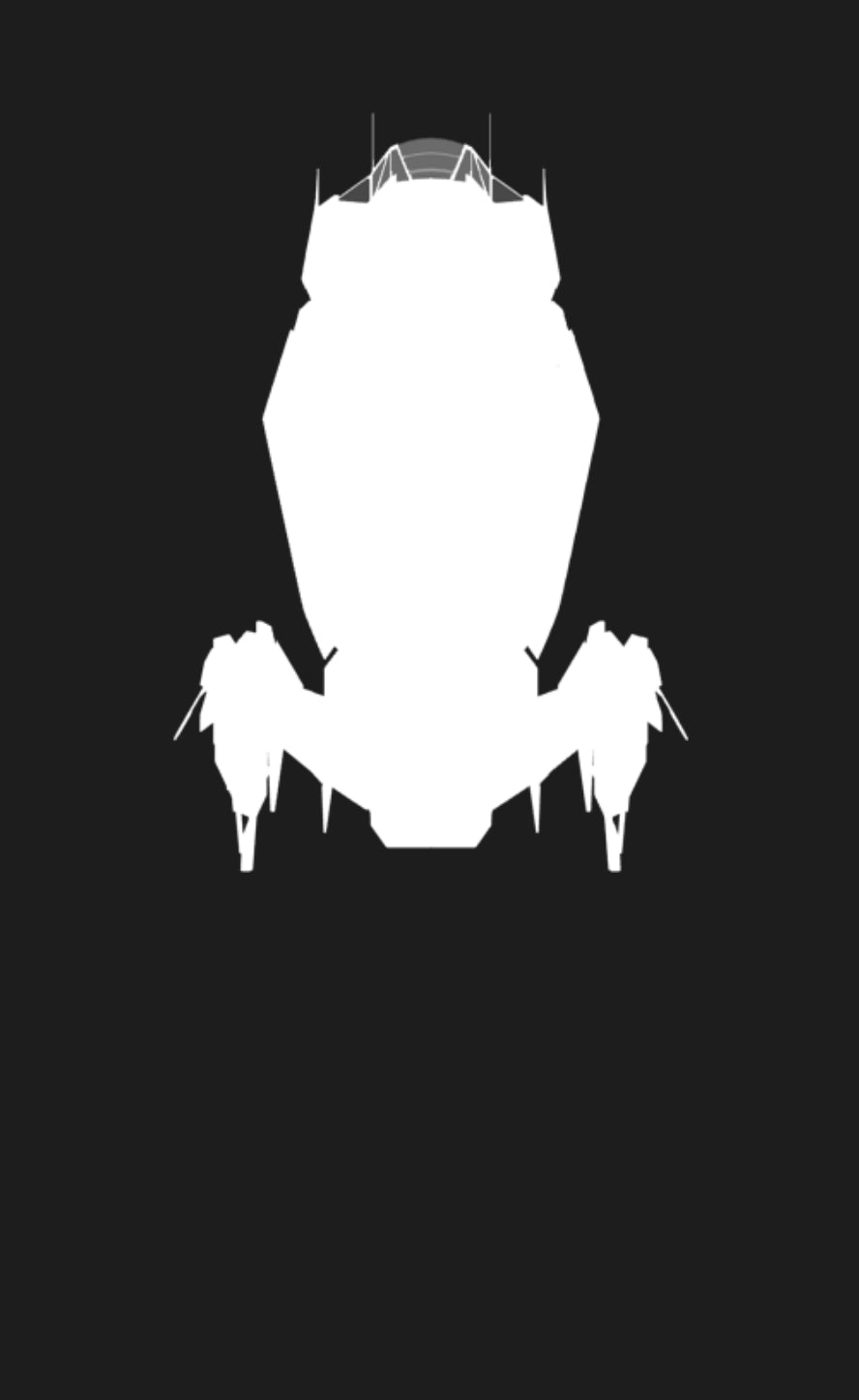
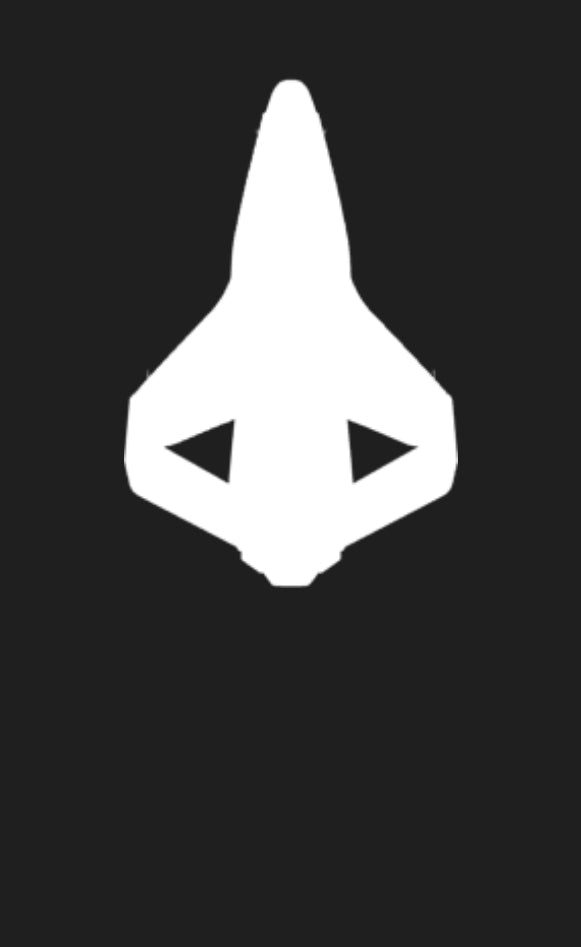
Work progressed on the Anvil Liberator, with developers wrapping up the whitebox ahead of its review at the end of the month. This whitebox phase took longer than planned because the team wanted the ship to use as much as possible from existing ships, setting a stronger foundation for later stages. CIG expects that time investment to pay back in future stages.
The RSI Galaxy also continued development and passed its whitebox gate review earlier in July. Additional art resources helped the ship progress significantly across the lower engineering area, upper corridors, modular lower section, and rear hangar.
The upcoming Kruger Stingray moved quickly through development. With rapid progress from all teams, CIG chose to hold a combined LOD0/Final Gate review at the end of July, which the Stingray successfully passed.
Two other vehicles continued down the pipeline. One is essentially art and design-complete and is waiting for downstream-team availability. The other received additional art and design work before passing its LOD0 review on the day this report was published.
Two unannounced vehicles also progressed throughout July. The first is in greybox, with Art and Design continuing to refine the setup for some of its more complex moving parts. The second is in whitebox after various teams sanity checked the ship’s complex landing state to avoid future problems before Art moved deeper into production. Some expected issues proved less severe than anticipated and were efficiently resolved.
For the North American team, the Drake Kraken made further progress and passed its greybox gate review after a major team push. It remains on track for its planned release next year. The main review callout was resolving how some capital-sized components are integrated into their rooms.
Community
The Community Team opened July by publishing the June PU Monthly Report and announcing winners for the Show Us Your Colors Celebration and Xeno Craft Challenge contests.
They also supported the release of Star Citizen Alpha 4.9 by creating a central Spectrum information post for updates, information, and relevant links. The Welcome Back, Pilot and New Player Guide pages were updated alongside it.
After Alpha 4.9 released, the Community Team worked with Development, QA, Player Experience, and senior leadership to surface player concerns, share community feedback, and communicate updates through Spectrum, Hotfix Central, the RSI Status page, and other channels.
On July 18, the Bar Citizen World Tour stopped in Chicago, Illinois, with a strong turnout. Team members met local players, swapped stories, heard favorite ’verse moments, and met familiar Spectrum faces in person. The next stops are Denver, Colorado, on August 15 and Gamescom in Cologne, Germany, on August 28.
Ship Showdown 2956 returned in July and was in Phase 1, with players submitting original creations to the Community Hub and X to champion their favorite flyable and drivable vehicles and help them reach the Top 16.
“Ship Showdown really brings out the competitive side of the community, with players showing up in support of their favorite ships. The rivalry and excitement are what make this event one of our favorites throughout the whole year.” — Community Team
July also brought support for the return of Foundation Festival and its accompanying Free Fly. The event focuses on helping new and returning players find their footing while celebrating community members who make that easier. The team published a Spectrum catch-all post covering activities, rewards, participation details, and Guide System updates introduced for this year’s event. The Welcome Hub was also revamped as a Community Team-championed initiative to make information, resources, and guidance easier to discover.
As part of Foundation Festival, the team launched a Twitch Drops campaign rewarding players for watching participating Star Citizen creators, discovering new channels, and supporting creators who inform, entertain, and welcome audiences. A dedicated page for the latest Referral Bonus was also prepared.
Throughout July, the Community Team monitored player feedback, answered questions, and shared updates. They also continued recurring communications, including This Week in Star Citizen, biweekly Roadmap Updates and Roadmap Roundups, plus regular Community Hub spotlights highlighting standout contributions.
Economy
Chawla’s Beach and Ashland commodity runs have landed well with the community, and the Economy team is looking forward to adding more opportunities that create similar emergent gameplay.
In July, the team worked on mission and commodity balance. They are currently adding long-awaited ships to in-game stores for purchase in Alpha 4.10, including the Kruger L-22 Alpha Wolf, Drake Golem OX, and the RSI Aurora Mk II and its modules, as requested by the community.
Graphics, VFX Programming & Planet Tech
The Graphics team spent July comparing GI and reflections against an offline path-traced reference and making improvements. The ray-traced reflection denoiser now preserves finer material roughness details while also running faster on the GPU.
Near-range occlusion of both diffuse and rough specular reflections now accounts for radiance cache cell size, producing a closer match to the path-traced reference. An accuracy issue with glancing-angle reflections was resolved as well, creating brighter and more convincing reflections.
Narrative
The Narrative team worked on several major projects in July that highlight how gameplay and story align, with the goal of getting them into players’ hands over the next few patches.
Narrative supported recent Siege of Orison polishing, which features a new mission provider representing Northrock Services. This provider will help mercenaries test their skills against the Nine Tails’ infamous Mendo Ren. The team also collaborated extensively with mission and narrative designers to ensure the expanded Battaglia mission set delivers an engaging story with more face-to-face NPC interactions than before.
Multiple writers worked on missions for incoming Starchitect locations. This new technology will allow for more places to visit than before, and Narrative is helping ensure there are new contracts to experience.
The team also worked on missions for a new guild that will arrive alongside an all-new gameplay style. Finally, several scripts were written for a performance-capture session that brought back several faction representatives to record updated line sets matching the current mission system.
Online Technology
The Network team focused on two major areas in July: making server infrastructure smarter and more reliable, and laying groundwork for more dynamic server management in the future.
On the server-load side, the team resolved several bugs affecting how game servers measure and report busyness, delivering a fix so that data is now captured and reported accurately. They also cleaned up load calculation by removing an outdated component that did not accurately reflect real server performance. Together, these changes give a much clearer view of how hard each server is working at any moment.
On the server-distribution side, developers have been building and testing a system that allows servers to scale up and down based on demand. Work is underway to request extra game servers automatically when a busy event creates heavy network load, then release them when they are no longer needed.
Progress was also made on a smarter way to divide the game world into regions that can each be handled by their own server. This includes support for grid-based spatial mapping, making it easier to identify exactly which servers should be responsible for specific areas of space. Several fixes cleaned up the underlying codebase by removing old unused modes and outdated code to make the system simpler and more reliable going forward.
The Online Services team resolved dozens of player-reported bugs while continuing work on key features, with Item Recovery still the biggest focus. Current development includes improvements that will let players reclaim items lost to bugs or crashes, while detailed planning with UI designers covered exactly how players will see and select which lost items to recover, including very large collections.
A major push also targeted server stability connected to how missions and delivery contracts are generated behind the scenes. The team found the current system was generating too much background data, straining servers and contributing to instability players may have noticed in-game. Several dedicated design sessions were held to plan a proper rebuild that should make the system faster and more reliable.
Early designs continued for Crafting and Refining, including how crafted or upgraded items will interact with players’ existing gear and protections such as insurance.
The Live Tools team wrapped up several major initiatives across all three internal tools in July.
The most significant was Hex, the internal platform for player support and operations staff. The first part of the Hex 4.0 feature parity effort was completed, rebuilding redesigned platform core investigation tools including inventory and ownership records, sanction and infraction detail pages, and reputation and ledger views. A second round of user research wrapped up and is now feeding into pre-release UX work. The team then shifted toward making Hex 4.0 release-ready alongside further Citadel work on role-based access.
On Bootstrap, the tool developers use to set up local work environments, the team drafted a technical design document for a full client revamp. It captures current pain points, near-term improvements, and a longer-term front-end rewrite. Work then moved to finalizing the plan and starting the rebuild.
For error reporting, the team completed automatic handling of crash reports tied to a known hardware fault affecting 13th and 14th-generation Intel processors, which should noticeably reduce manual triage for operations staff. Panic Switch also received post-launch polish, including a cleaner rule creation flow that handles stream and matcher rules separately and automatically detects malformed payloads.
R&D
R&D work in July covered two areas: adding snow and expanded weather behavior to the planet simulation, and improving cloud-rendering performance.
For weather and snow, developers implemented a time-of-day-dependent local temperature model based on planetary conditions such as elevation, humidity, wind, and broader climate properties. Precipitation is now driven by local temperature, precipitation probability, and those planetary conditions to determine where and how much it rains or snows.
Snow accumulation will interoperate with rain accumulation. Rain accumulation now runs stably over very long periods and mild precipitation without numerical precision issues, and snow accumulation will work similarly.
Additional weather work included a local precipitation and lightning probability model driven by local climate conditions and an approximate cloud coverage calculation used to evaluate local temperature, precipitation, and lightning. Local temperature and snow amount were exposed in both CPU and GPU weather queries, and terrain debug visualization was updated to render temperature and snow-related attributes.
The temporal mode for clouds and gas clouds saw further progress toward release readiness. The team also improved quality when viewing a planet from far orbit and optimized guide storage. Ongoing work targets stability of the upsampled image under little or no motion, result sharpness, and removal of transmittance halos.
Tech Art/Animation
The Technical Animation team continued refining the DNA head pipeline that drives every character face in the ’verse, resolving alignment and expression issues across several background-character heads and restoring save-and-load support for hybrid DNA heads.
Work also progressed on head exports for the Tumbril Cyclone’s driver and passenger, alongside facial-expression-system fixes to keep performances reading naturally.
New meshes for a new creature family progressed and are now ready for playtesting, while weakspot implementation moved forward on the apex sand valakkar.
Significant R&D went into cloth throughout July, including new tools for proximal face constraints and per-vertex goal weight painting, allowing fabric to react more naturally to character movement. The team also refined the corrective-shape system behind facial rigs, including a fix for jaw movement bleeding into collar motion.
The Aegis Retaliator’s cockpit was re-rigged and re-exported after an interior redesign, keeping its animations working smoothly with the refreshed interior.
Work continued on the game-wide usable refactor, covering door panels, buttons, and railings, plus grip fixes for one-handed carryable props, new rigging for collectible items, and a fully interactive arcade joystick prop.
Together, these efforts continue the push to make every character, creature, and object in Star Citizen feel tactile and alive.
Source: Roberts Space Industries