






















Arrow vs Gladius: Which Star Citizen Light Fighter Should You Choose?

Anvil’s compact challenger meets the Aegis veteran: a closer look at size, shields, weapons and the appeal of each cockpit.
The Arrow and Gladius are two of Star Citizen’s clearest expressions of a light fighter. One pilot, no cargo business to distract you and a ship built around the next engagement. They make a satisfying contrast in a hangar: Anvil’s compact, angular Arrow beside the longer, twin-engined Aegis veteran.
For a new fighter pilot, we would lean towards the Gladius as the more conservative starting choice, particularly because its current fit lists two small shield generators against the Arrow’s one. The Arrow remains an enticing alternative if its smaller dimensions and focused carrier-fighter design are what you want. Neither recommendation is a promise of winning a duel.

A smaller target, or more shield hardware?
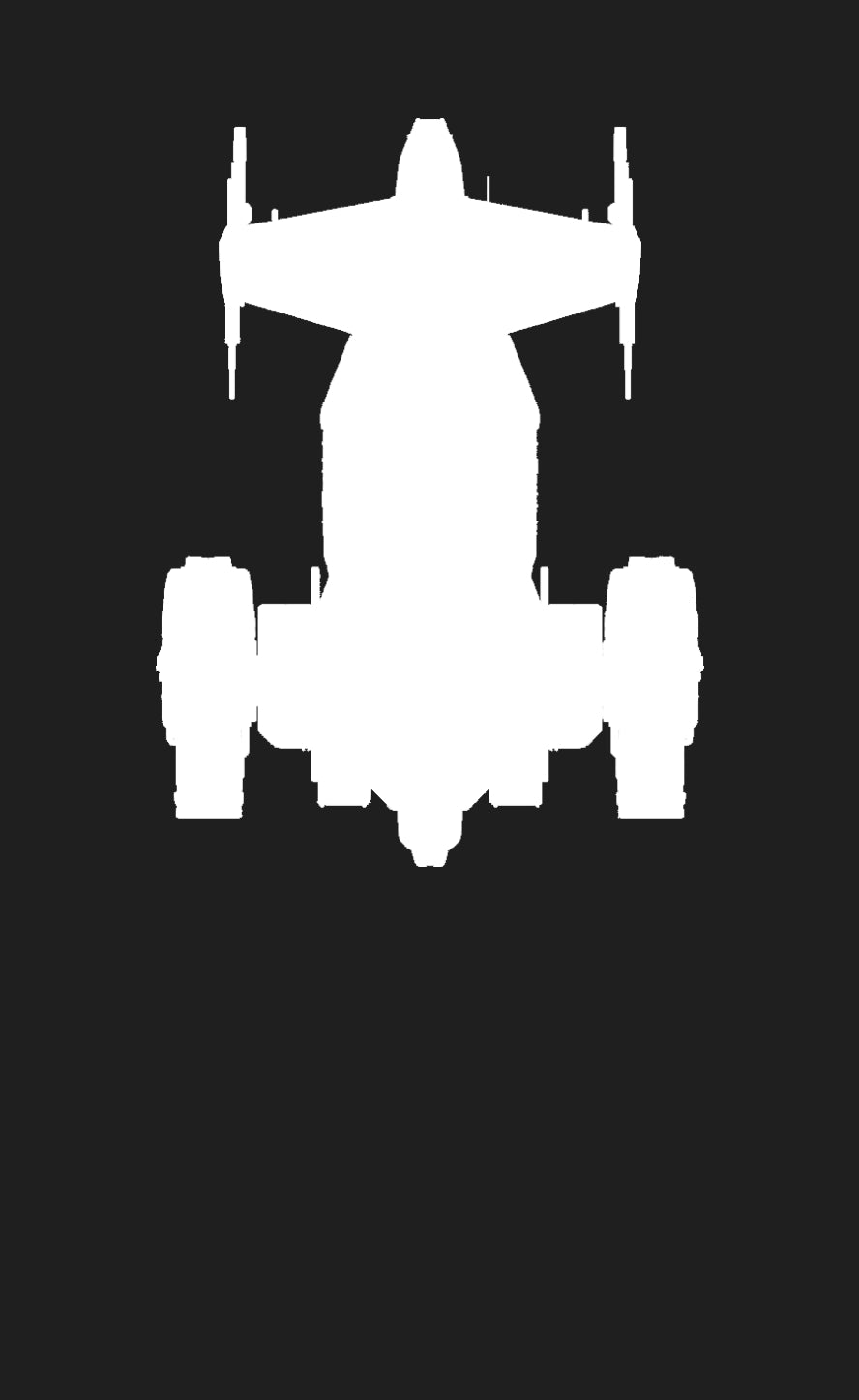
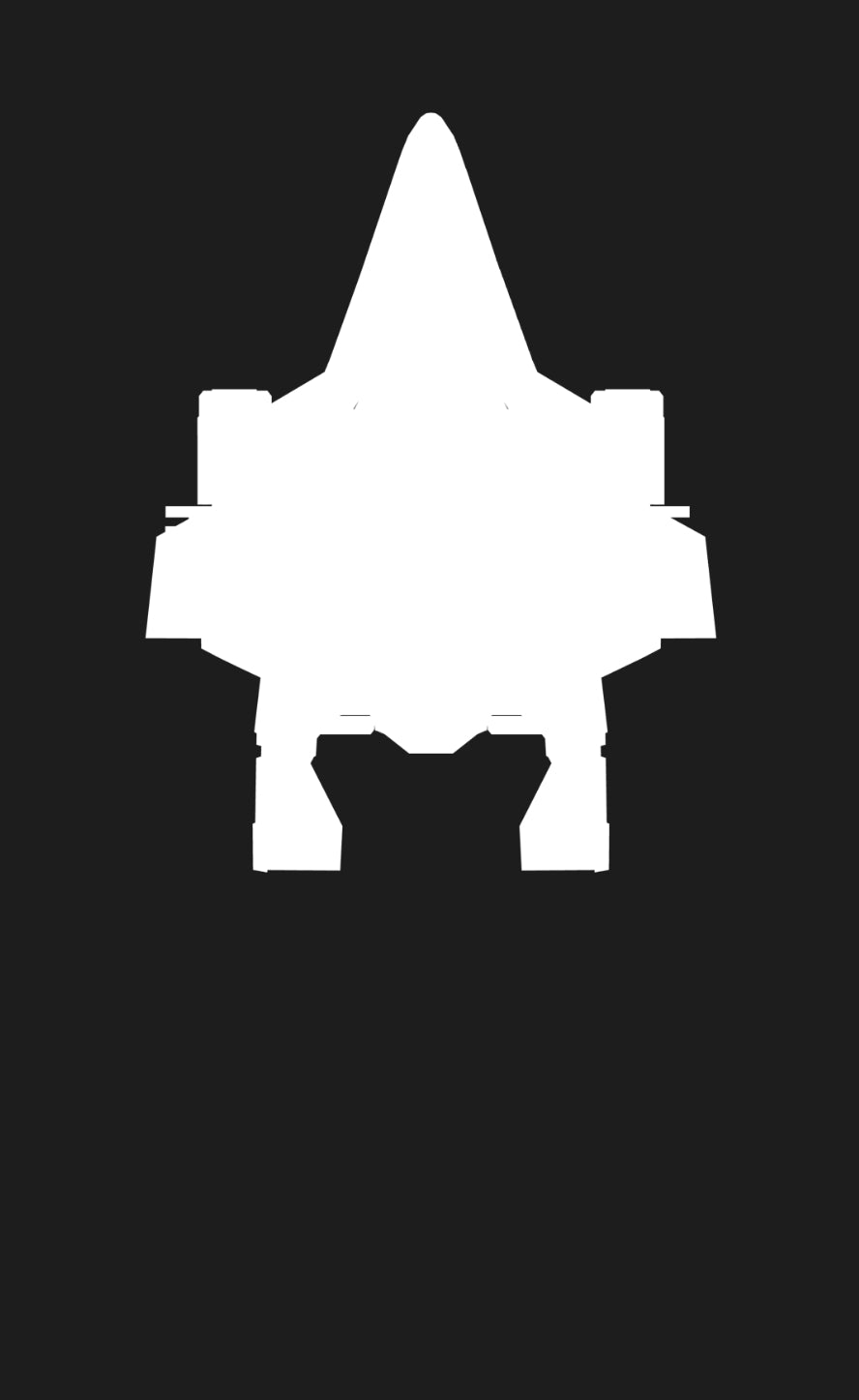
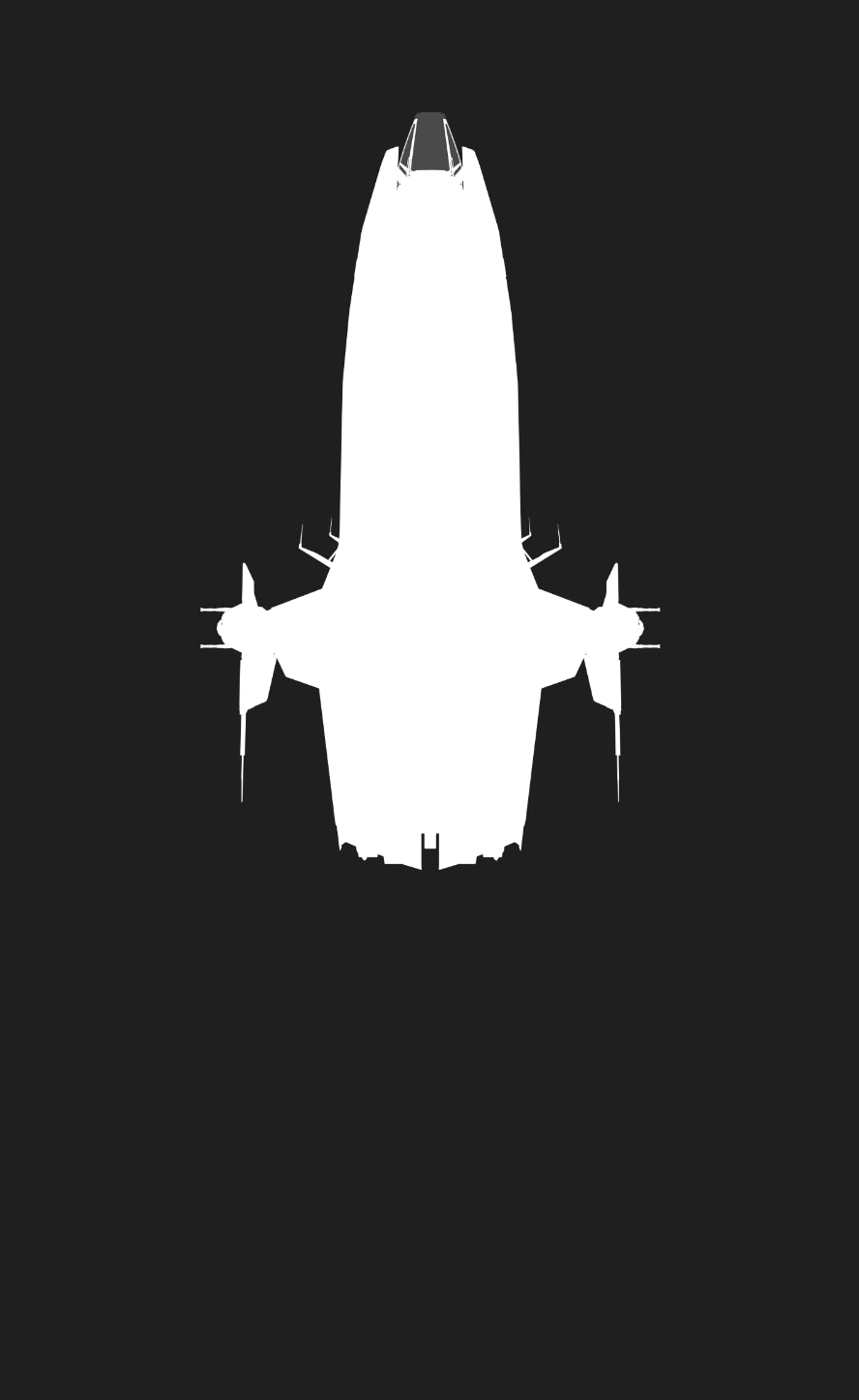
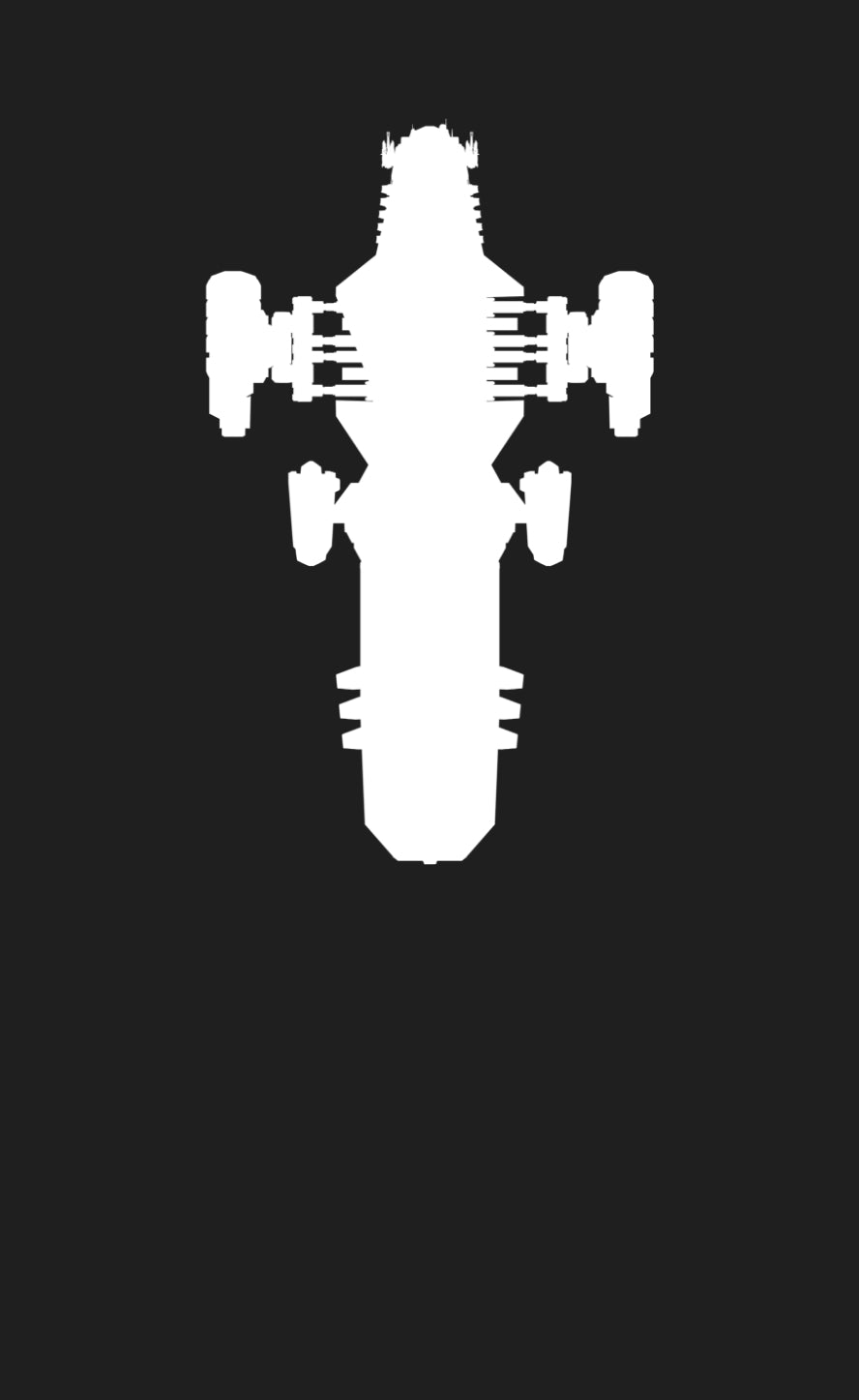
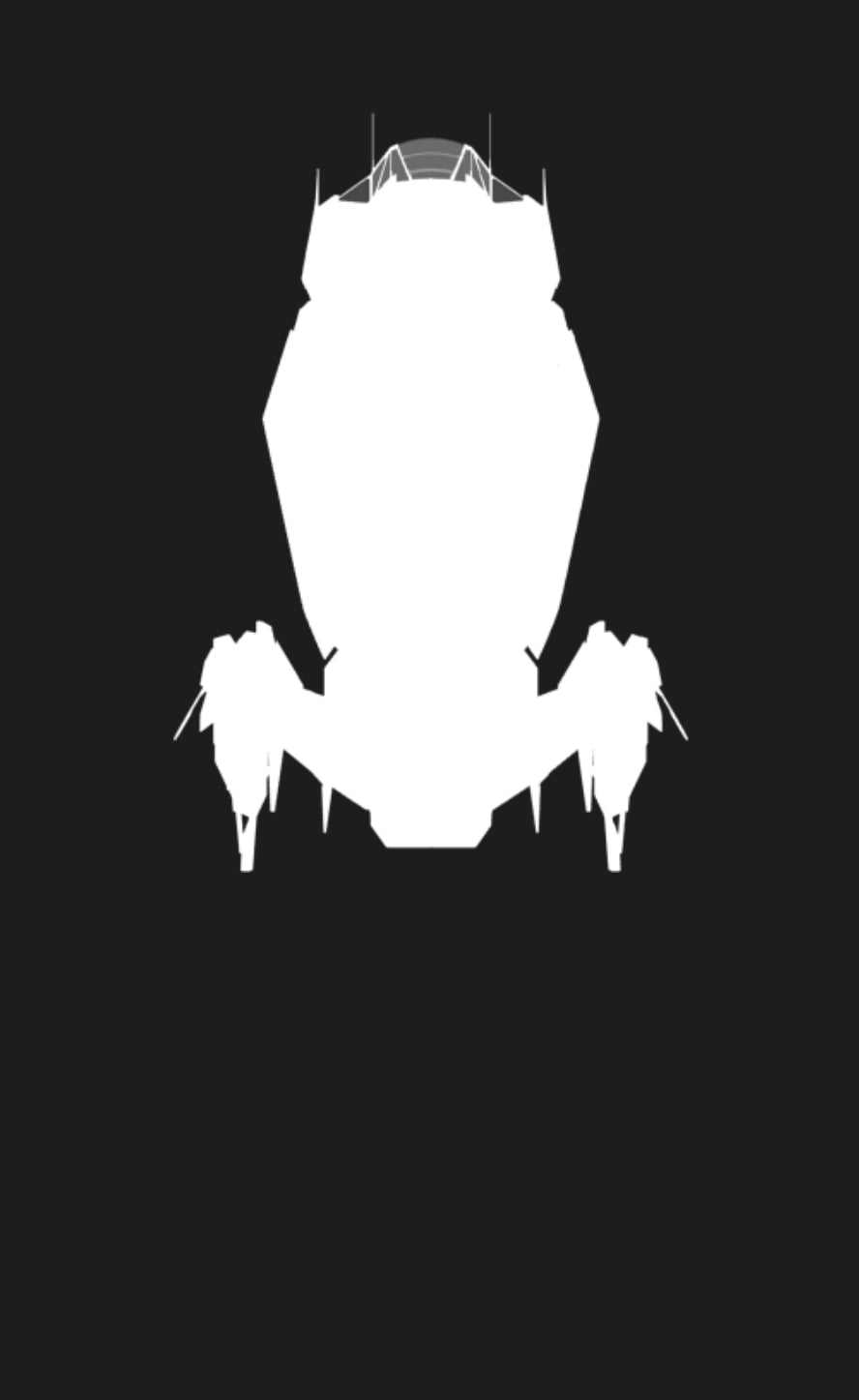
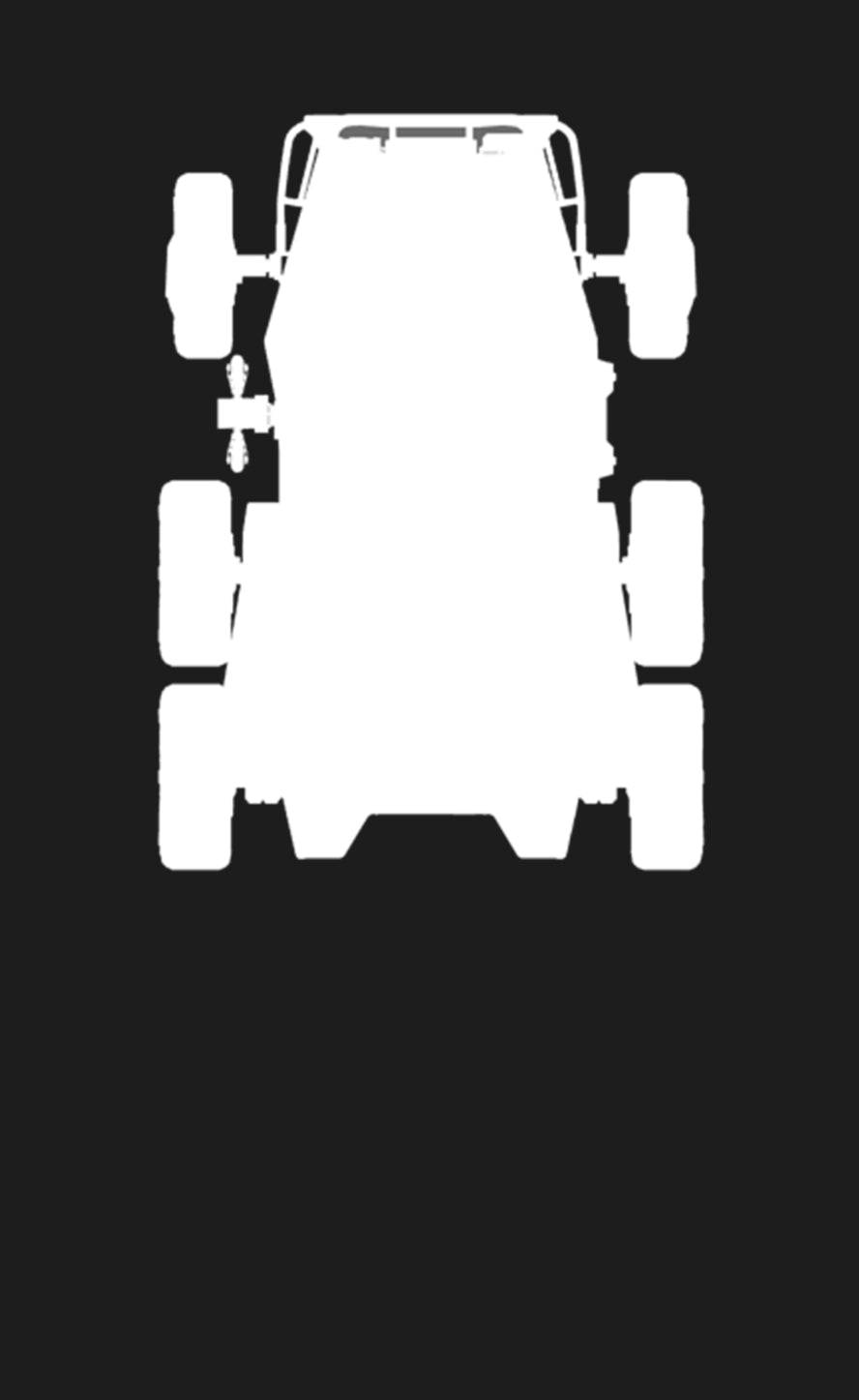
The Arrow measures 17.25 metres long and 12.25 metres wide. The Gladius is 21 metres long and 17.5 metres wide. That is a noticeable difference in the space occupied by the two airframes, and it explains some of the Arrow’s appeal before you even start comparing equipment.
Size does not produce a complete combat ranking. Orientation changes the profile an opponent sees, while movement and aim decide whether shots connect. Still, a pilot attracted to a compact fighter has a concrete reason to look closely at the Arrow.
The Gladius offers a different reassurance. Its two Size 1 shield generators give it more installed shield hardware than the Arrow’s single Size 1 generator. We would not convert that into an exact survival-time claim: shield behaviour, incoming damage and balance changes all matter. It is nevertheless a meaningful equipment difference, especially when you are choosing your first dedicated fighter.
| Details | Arrow | Gladius |
|---|---|---|
| Crew | 1 | 1 |
| Cargo | 0 SCU | 0 SCU |
| Length | 17.25 m | 21 m |
| Width | 12.25 m | 17.5 m |
| Height | 4.5 m | 5.5 m |
| Shield generators | 1 × Size 1 | 2 × Size 1 |
| Gun layout | 2 × Size 3 wing mounts; dorsal turret | 3 × Size 3 mounts |
| Status | Flight ready | Flight ready |
Both carry proper fighter weapons
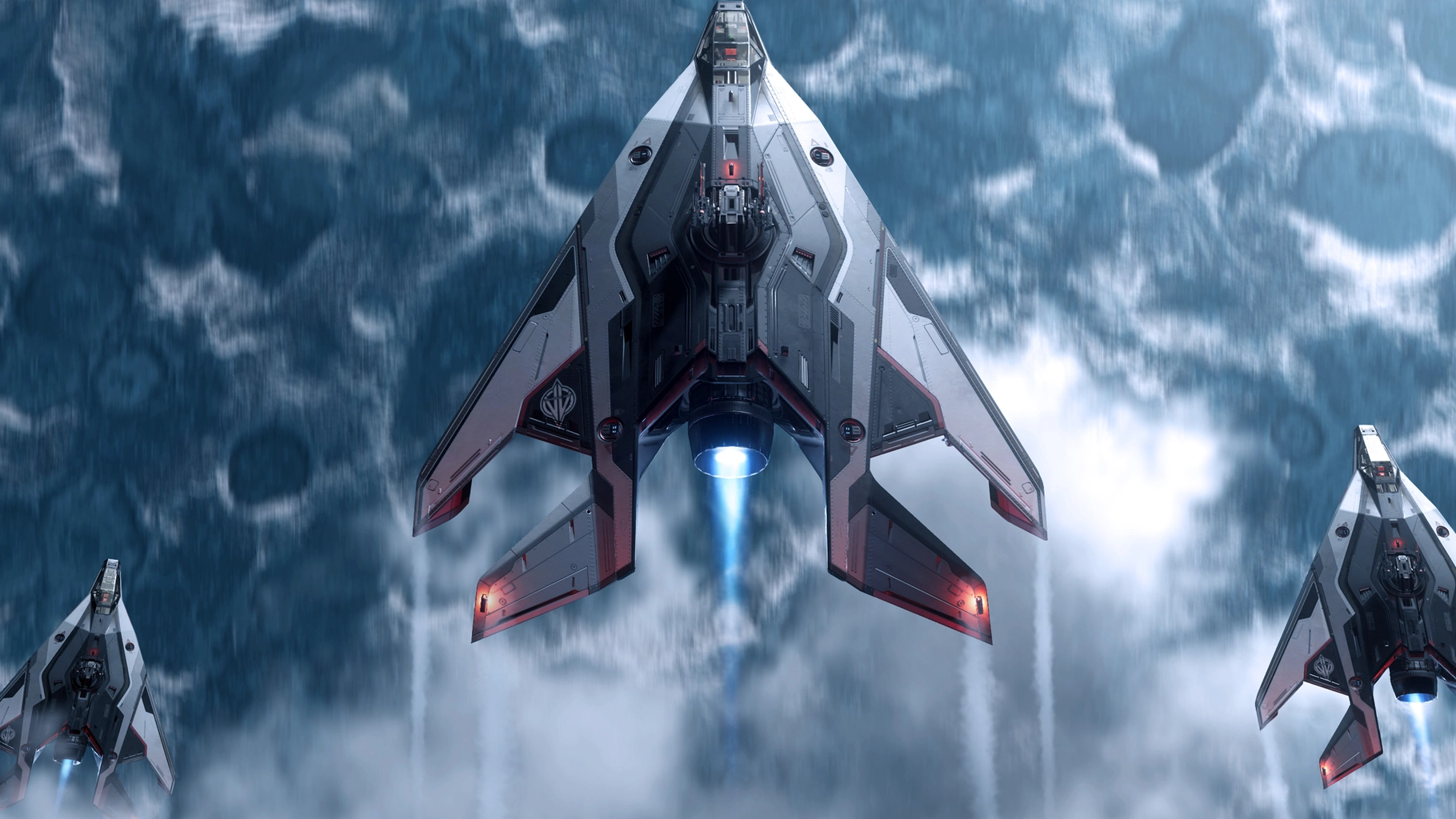
The Gladius uses three Size 3 gun mounts. The Arrow combines two Size 3 wing mounts with its distinctive small dorsal turret. The Arrow’s turret is part of the pilot’s weapon arrangement; it does not create a seat for a friend.
For the Gladius, the attraction is the straightforward three-gun layout. With the Arrow, the wing guns and dorsal arrangement give it a different configuration to consider when choosing weapons. Compare the actual fitted equipment rather than adding every size label on a store page as though it were a separate gun.
Neither ship has a cargo grid, and neither is a general-purpose starter. If you are trading away your only useful hold, make sure you are happy to give up those jobs. A dedicated light fighter can be a wonderful second ship precisely because another craft already handles the errands.
The rivalry goes back to a military contract
The Arrow was designed to challenge the Gladius for military work. Its folding wings and small form were part of a carrier-focused brief, while the Gladius already had the reputation of an older design kept relevant by repeated upgrades. That is a much more interesting rivalry than two rows in a damage calculator: a compact challenger against an established machine pilots still want to fly.
The same care applies to carrier fit. Folding wings do not automatically make the Arrow suitable for every small hangar. A carrier choice needs the actual bay and current docking behaviour checked, rather than a guess based on the fighter’s length.
Our choice for the hangar
Pick the Gladius if you like a simple dedicated fighter layout and would rather start with the extra shield generator. Its long service history is part of the charm, but the current equipment is the stronger reason for that recommendation.
Pick the Arrow if the smaller airframe is what excites you and you are comfortable accepting the single-generator fit. It is a purposeful little aircraft, with very little wasted on anything beyond the pilot and the fight.
If you already enjoy one, do not assume changing ships will solve an awkward matchup. Both ask you to manage positioning and stay on target. The better purchase is the fighter whose compromises you willingly accept, leaving you keen to climb back into its cockpit after a rough sortie.