


















Gladiator Guide, Specs & Features

What to know
The Anvil Aerospace T8C Gladiator is a civilian variant of the UEEN's T8A Gladiator. On the Gladiator, bombs or torpedoes give the ship a focused strike role against targets that justify scarce heavy ordnance.
Gladiator specifications
Heavy ordnance aboard the Gladiator
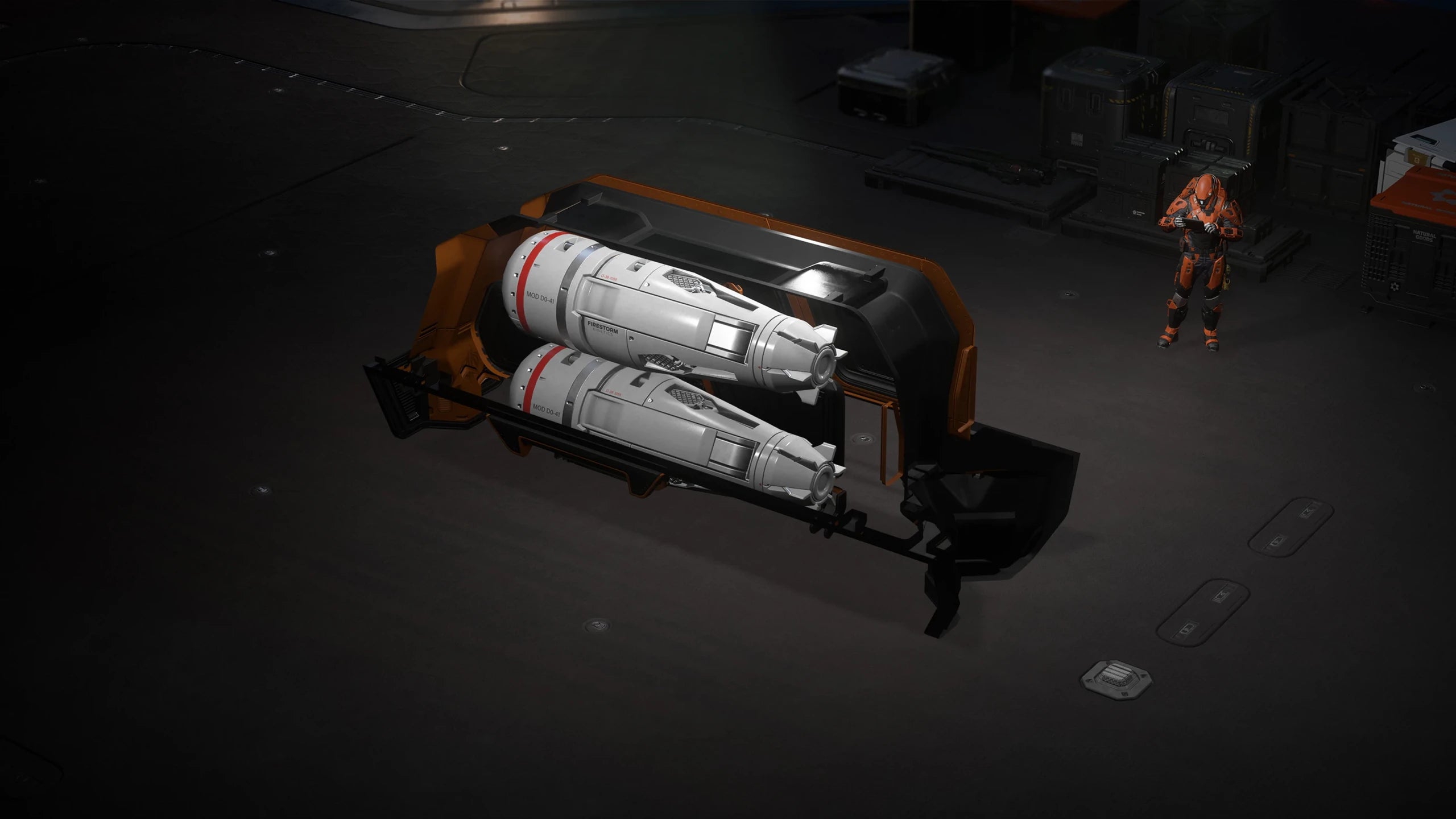
The Gladiator carries the configurable bomb bay with pilot and turret guns for attacks on major surface or space targets. Target confirmation and release timing matter because every heavy weapon is limited. The Gladiator's lower bay carries four Size 5 missiles. A compatible bomb rack can replace them with twelve Thunderball bombs or two Stormburst bombs. The Gladiator's 'bomb-bay' can be exchanged for a cargo module, and the weaponry on the manned turret can be substituted with a tractor beam.
The route, sensors, and protection behind the Gladiator's strike
Bombs or torpedoes give the Gladiator a focused strike role against targets that justify scarce heavy ordnance.
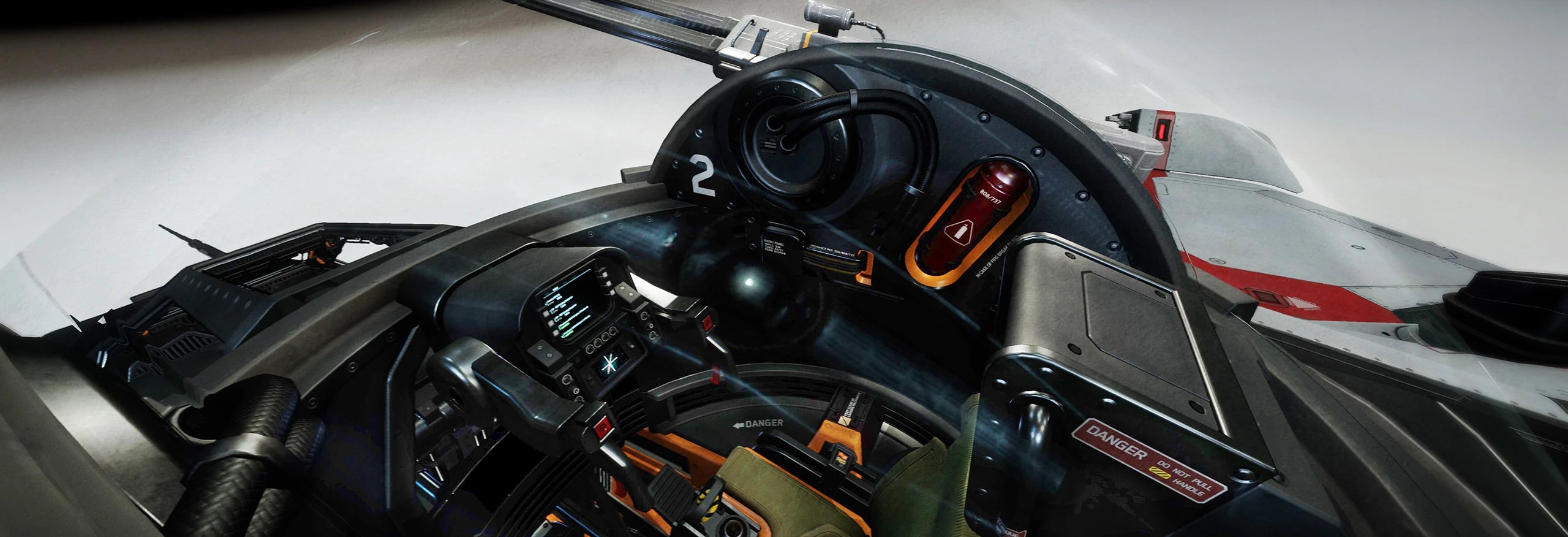
Development note: The Gladiator is flight ready and entered the live game in Alpha 1.1.1. Because Star Citizen remains in active development, specifications, features, and imagery may change over time.
The equipment behind the attack run on the Gladiator
The Gladiator carries the configurable bomb bay with pilot and turret guns for deliberate attacks. Its sensors, weapon controls, and protection help the crew reach the target and use the limited ordnance carefully.
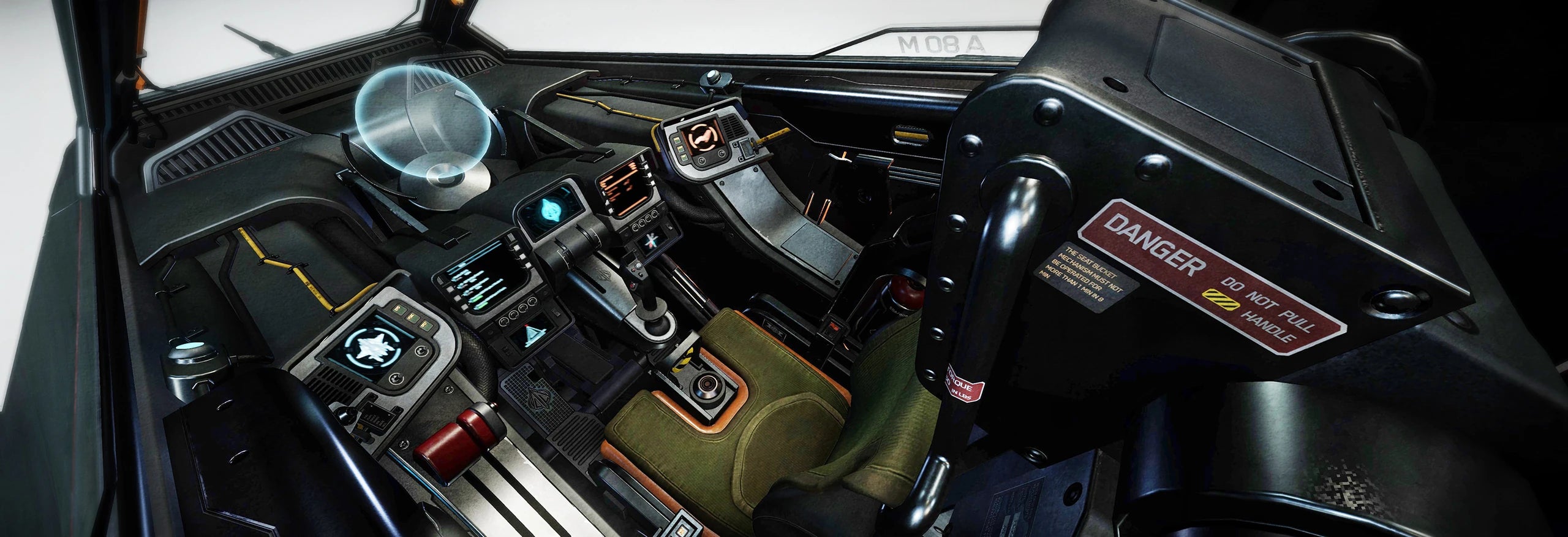
The Gladiator's lower bay carries four Size 5 missiles. A compatible bomb rack can replace them with twelve Thunderball bombs or two Stormburst bombs.
The Gladiator's 'bomb-bay' can be exchanged for a cargo module, and the weaponry on the manned turret can be substituted with a tractor beam.
The route to the target should limit incoming fire before the main weapon is ready.
On the Gladiator, access, arming controls, and clear crew procedures keep the gun battery secure until the attack is ready.
Weapon placement on the Gladiator
The Gladiator combines two pilot-controlled Size 4 guns, a manned turret with two Size 3 guns, four Size 5 missile positions, and four additional Size 4 ordnance mounts. Its dedicated bay can instead take a bomb rack with twelve Thunderball bombs or two Stormburst bombs.
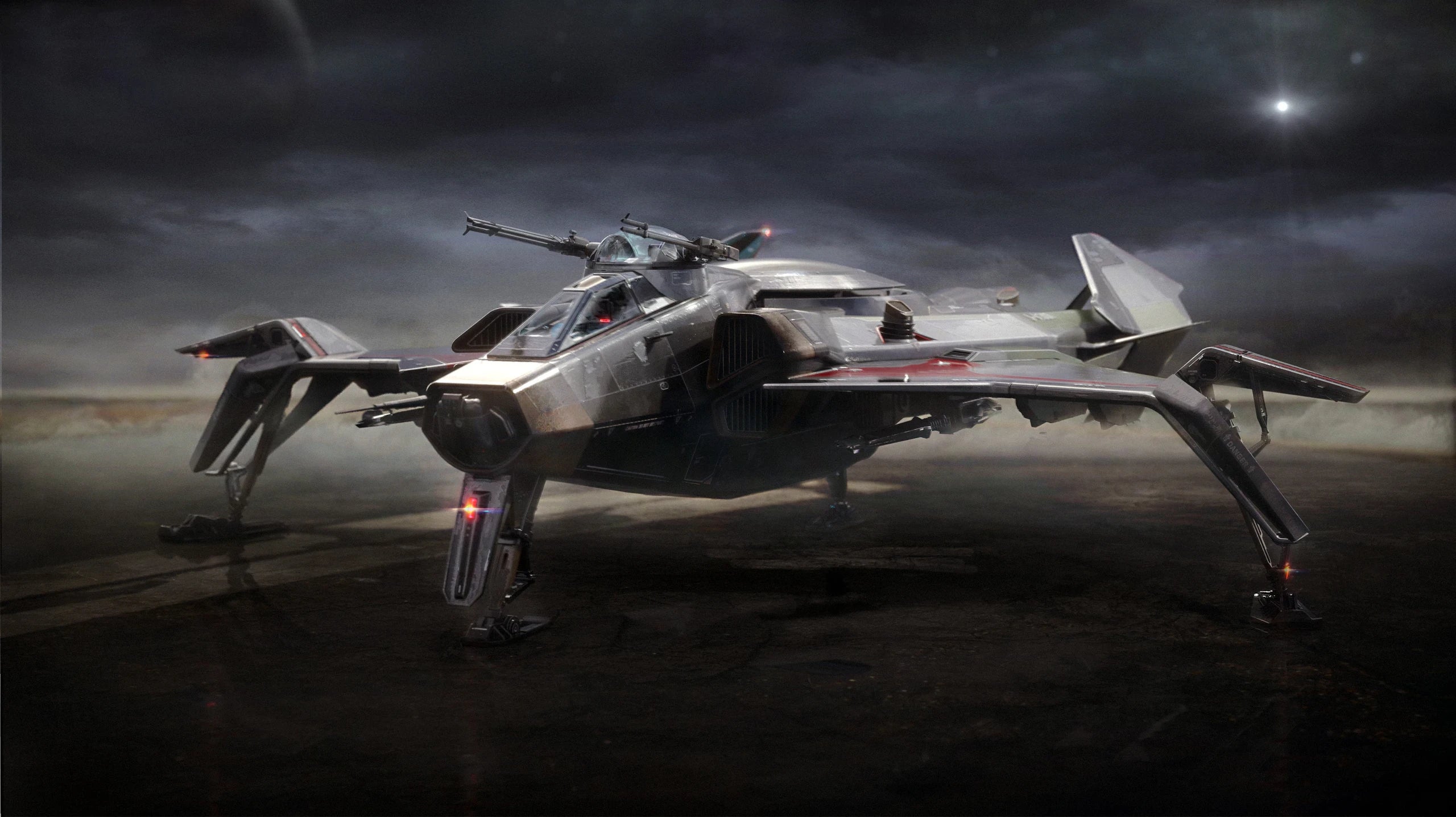
A configurable bomb bay with pilot and turret guns
Verify the target and friendly positions before the Gladiator uses the configurable bomb bay with pilot and turret guns.
Hold the Gladiator steady and use the configurable bomb bay with pilot and turret guns from the planned range.
Use the damage report to decide whether the Gladiator attacks again or returns to rearm.
Preparing the primary weapon
The Gladiator identifies the target, reaches firing range, uses the configurable bomb bay with pilot and turret guns, and saves enough ordnance for what comes next.
-
Confirm the target before the Gladiator's strike
For the Gladiator, heavy ordnance should begin with clear identification, friendly positions, and an agreed release condition.
-
Protect the Gladiator until weapon release
For the Gladiator, route, stealth, escorts, terrain, or defensive stations exist to get the weapon close enough to matter.
-
Use the configurable bomb bay with pilot and turret guns
The Gladiator's operator checks the damage before deciding whether the configurable bomb bay with pilot and turret guns should be used again.
-
Inspect the Gladiator before another strike
Aboard the Gladiator, after release, the crew needs damage information, defensive awareness, and a clear decision about another strike or return for rearm.
Gladiator's strike equipment in detail
The Gladiator pairs its configurable bomb bay with pilot and turret guns with target identification, a planned approach, release controls, and the defenses needed to leave after the attack.
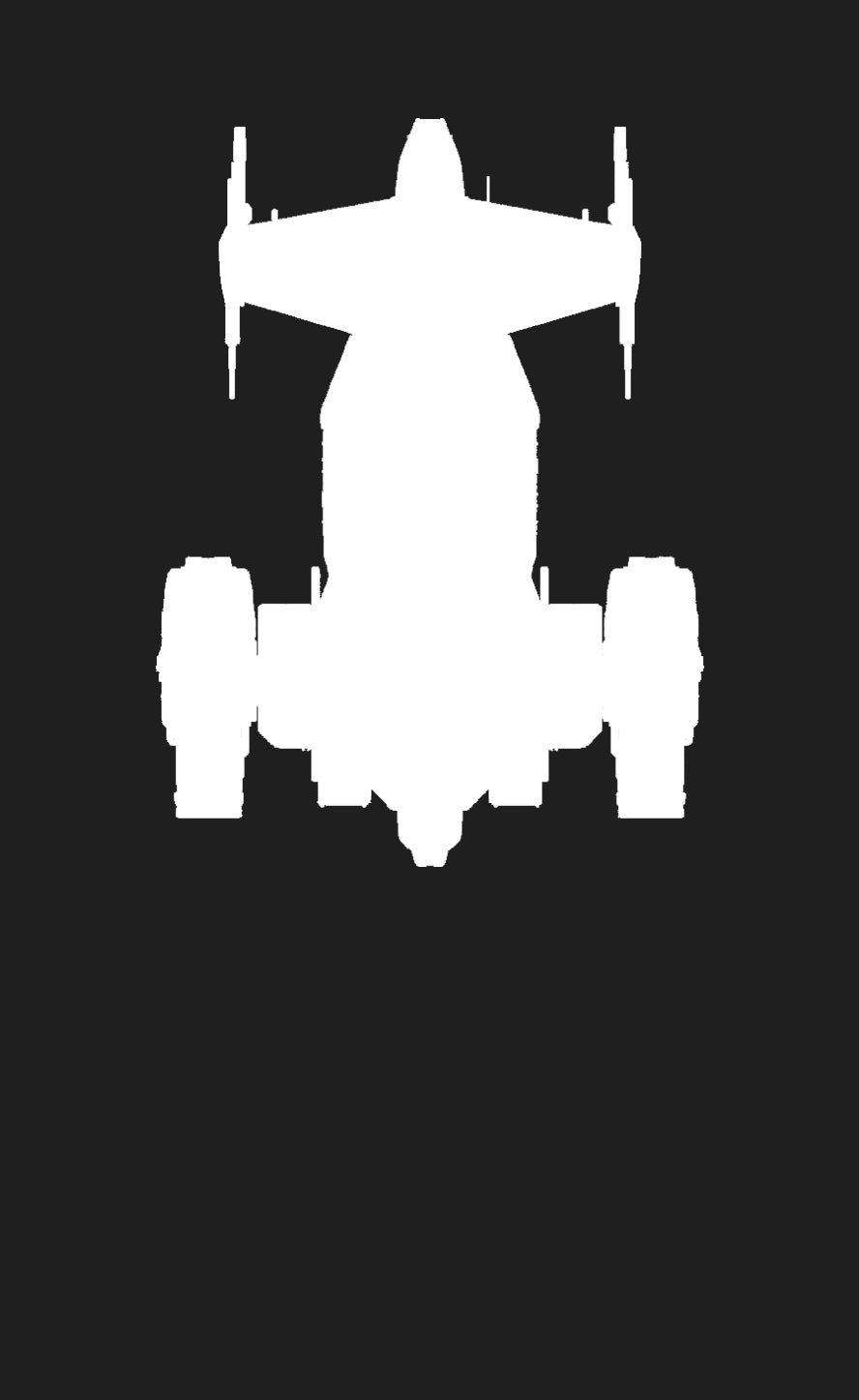
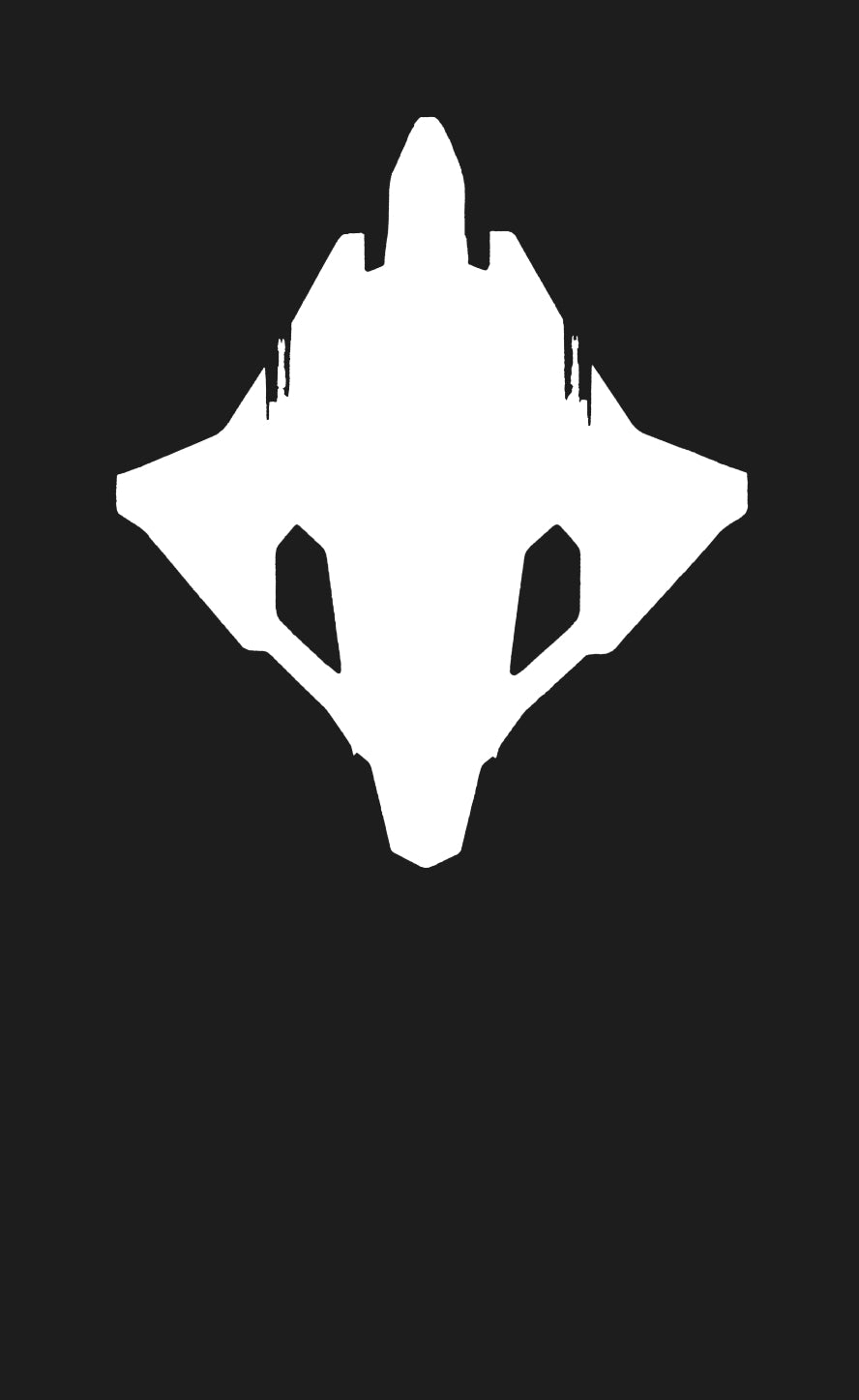
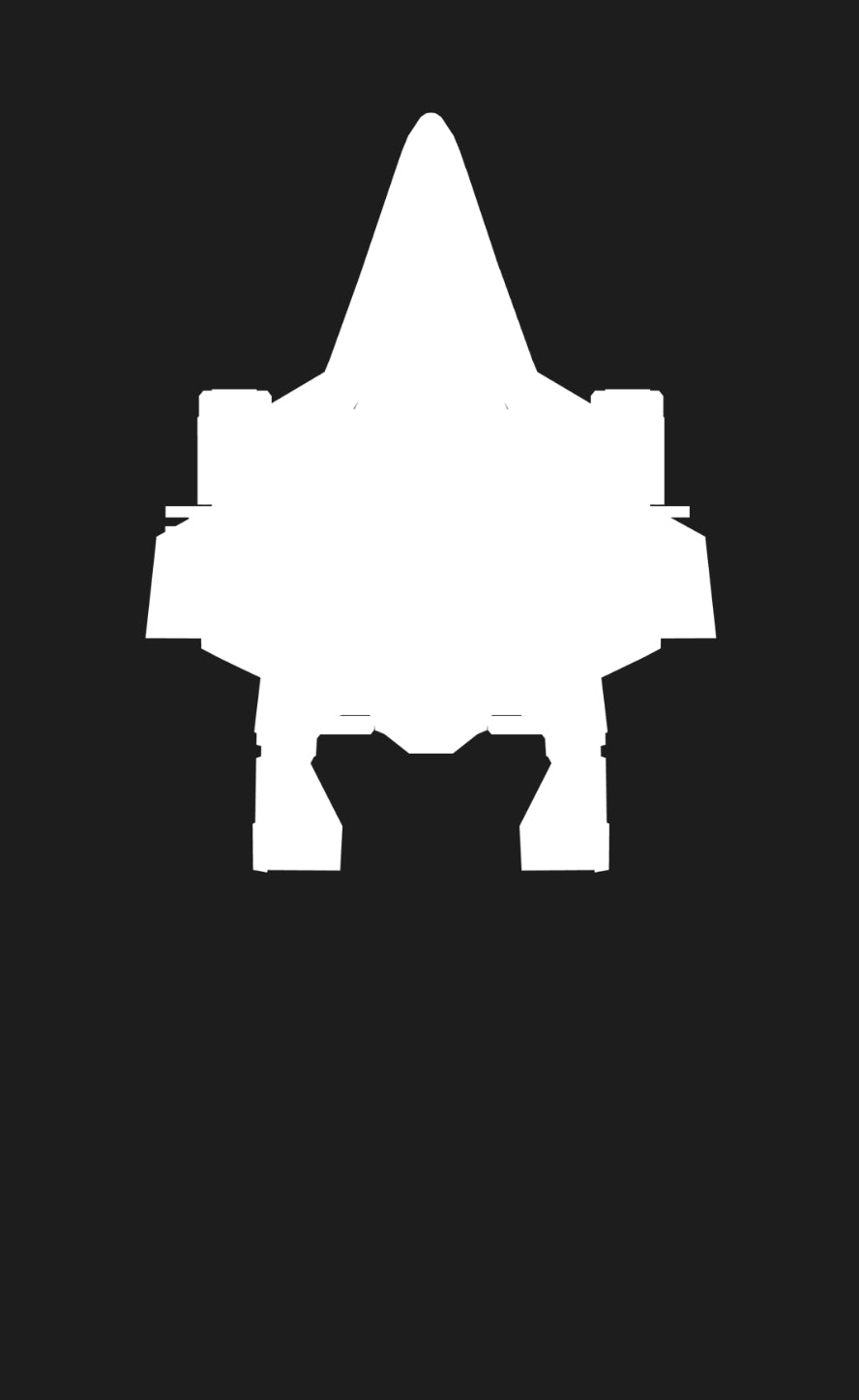
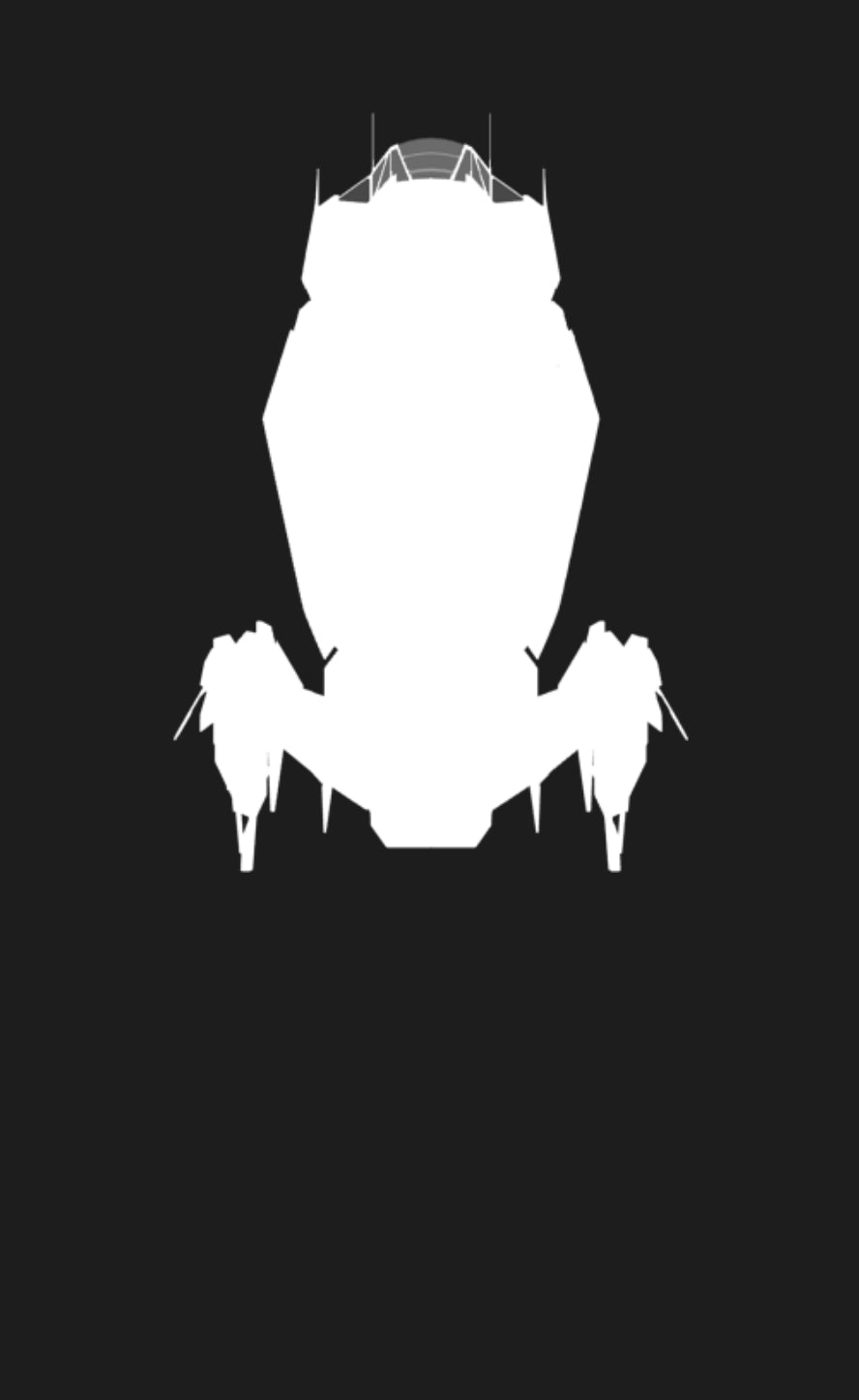
The Gladiator's wing-mounted landing gear are situated at the limits of its horizontal axis in its wing-tips. This means that the loss of one or both wings can leave the Gladiator unbalanced when landed, and that the Gladiator's landed footprint can be.
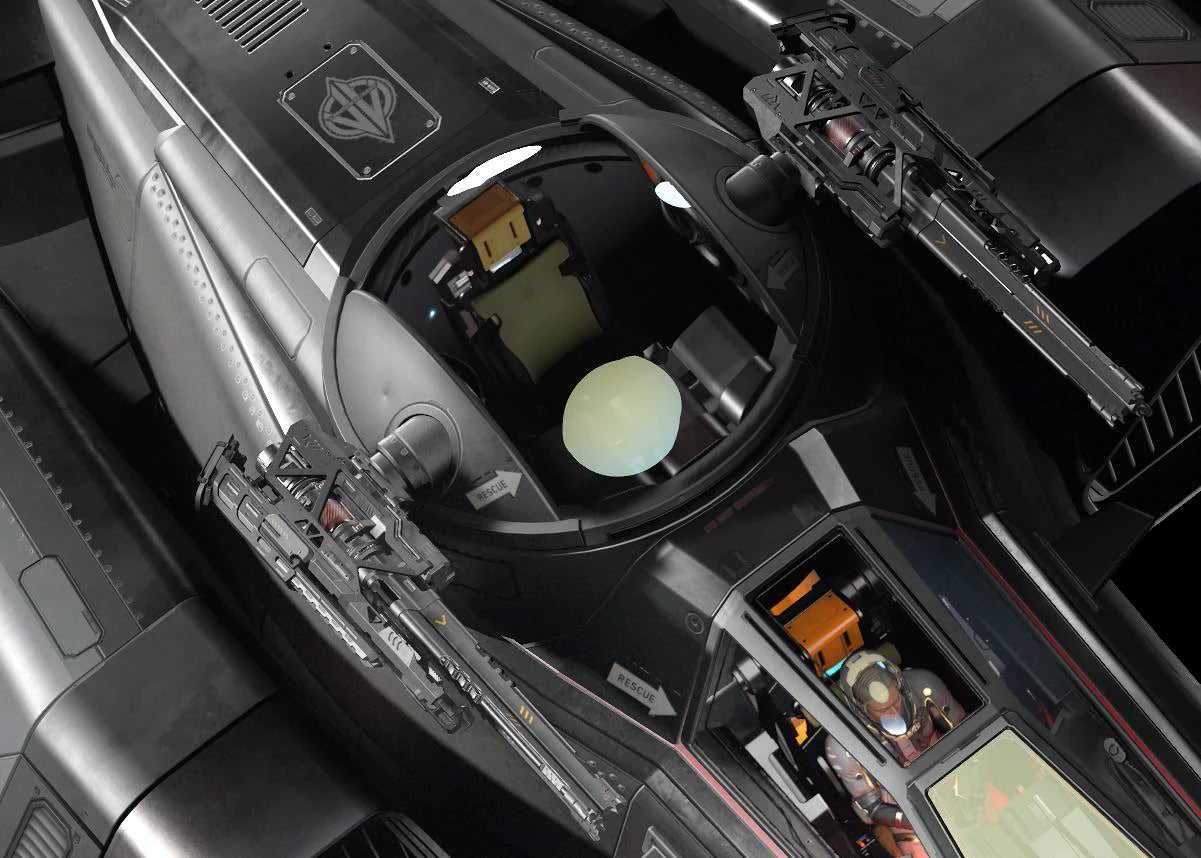
The Gladiator has two pilot-operated Size 4 gun hardpoints mounted under its wings, in addition to a manned turret controlling two Size 3 guns.
For the Gladiator, target identification and tracking help the crew choose when and where to use the gun battery.
Aboard the Gladiator, the crew keeps the ordnance organized so the right weapon is ready for each target.
The Gladiator's crew is focused on one decisive release
Target confirmation, approach, defense, and the configurable bomb bay with pilot and turret guns all support the moment when the heavy weapon leaves the ship.
Protect the Gladiator until its torpedoes are away
The Gladiator should not spend its limited heavy ordnance on an uncertain target. The crew has to bring the right weapon from the Gladiator's payload to the planned release point.
The Gladiator's crew keeps target confirmation, payload condition, and release authority separate enough to prevent an expensive mistake.
The Gladiator's sensors, flight controls, and defenses help bring the configurable bomb bay with pilot and turret guns within range of a suitable target.
Defensive stations, route calls, and damage information help the Gladiator preserve any remaining weapons for another strike.
Find your Gladiator
Explore in-stock Gladiator ships, upgrades, and game packages available from The Impound.