




















Hurricane vs Scorpius: Which Two-Seat Fighter Suits Your Crew?

Anvil keeps it compact. RSI brings folding wings and a moving turret. The better choice starts with the person in your second seat.
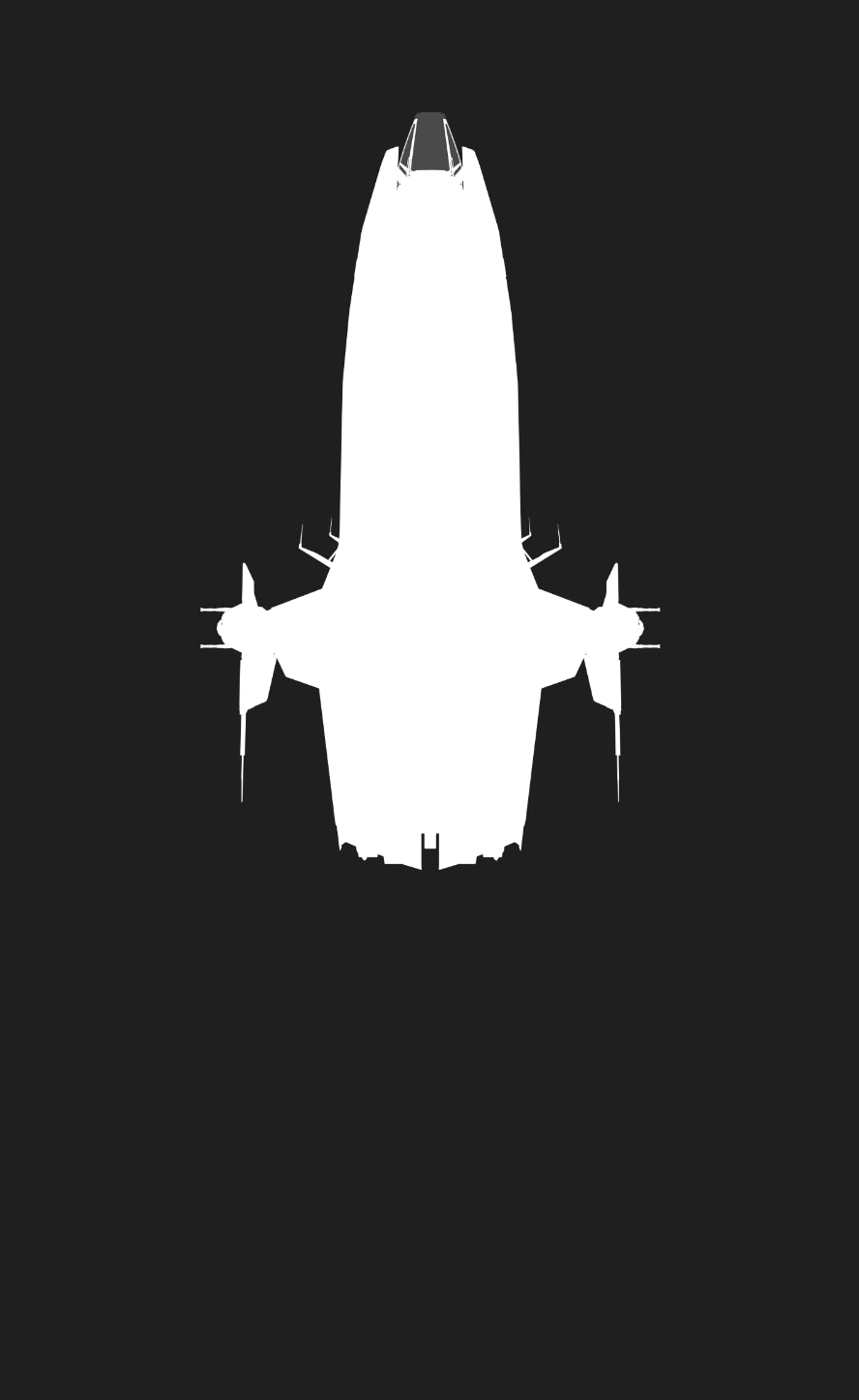
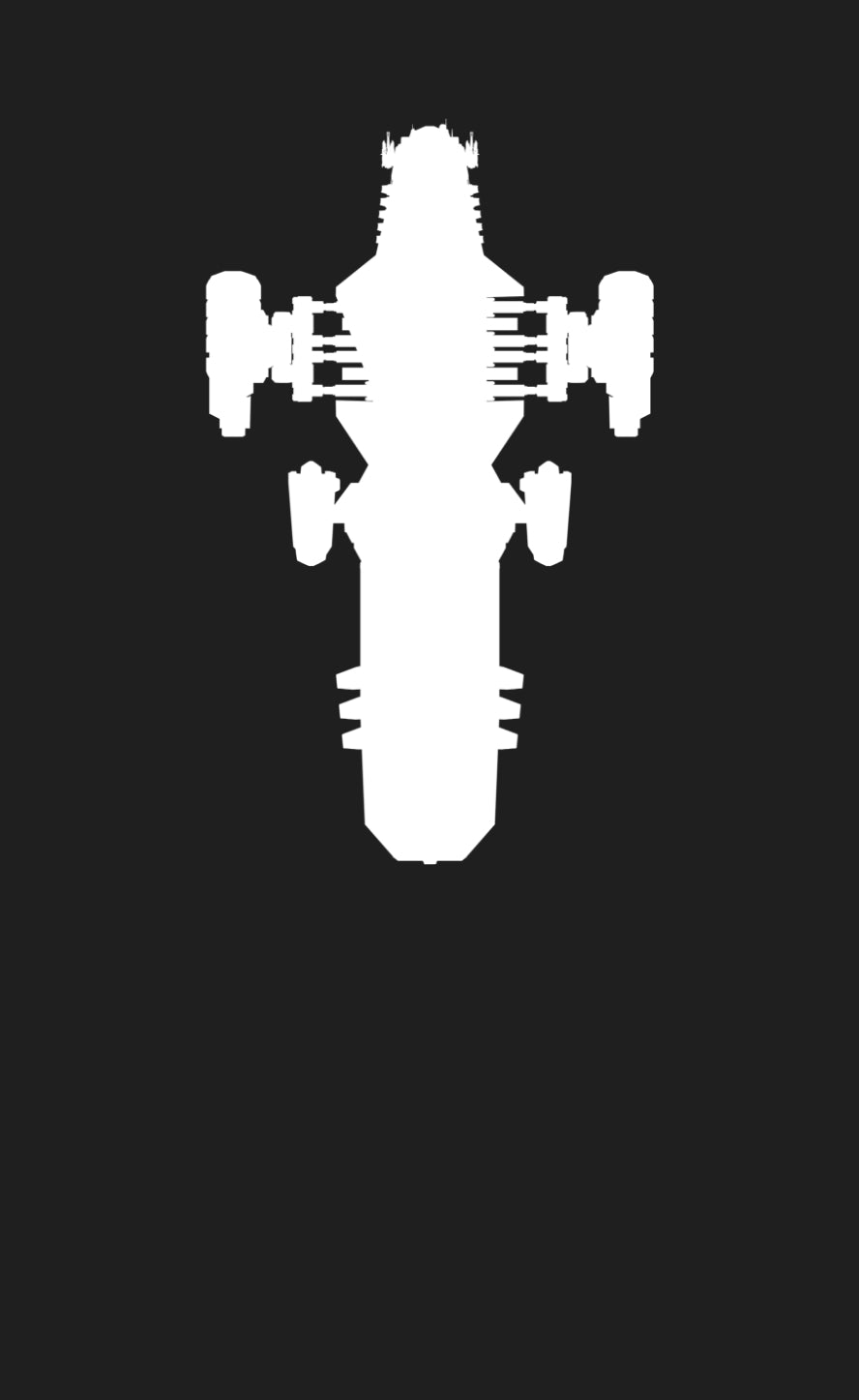
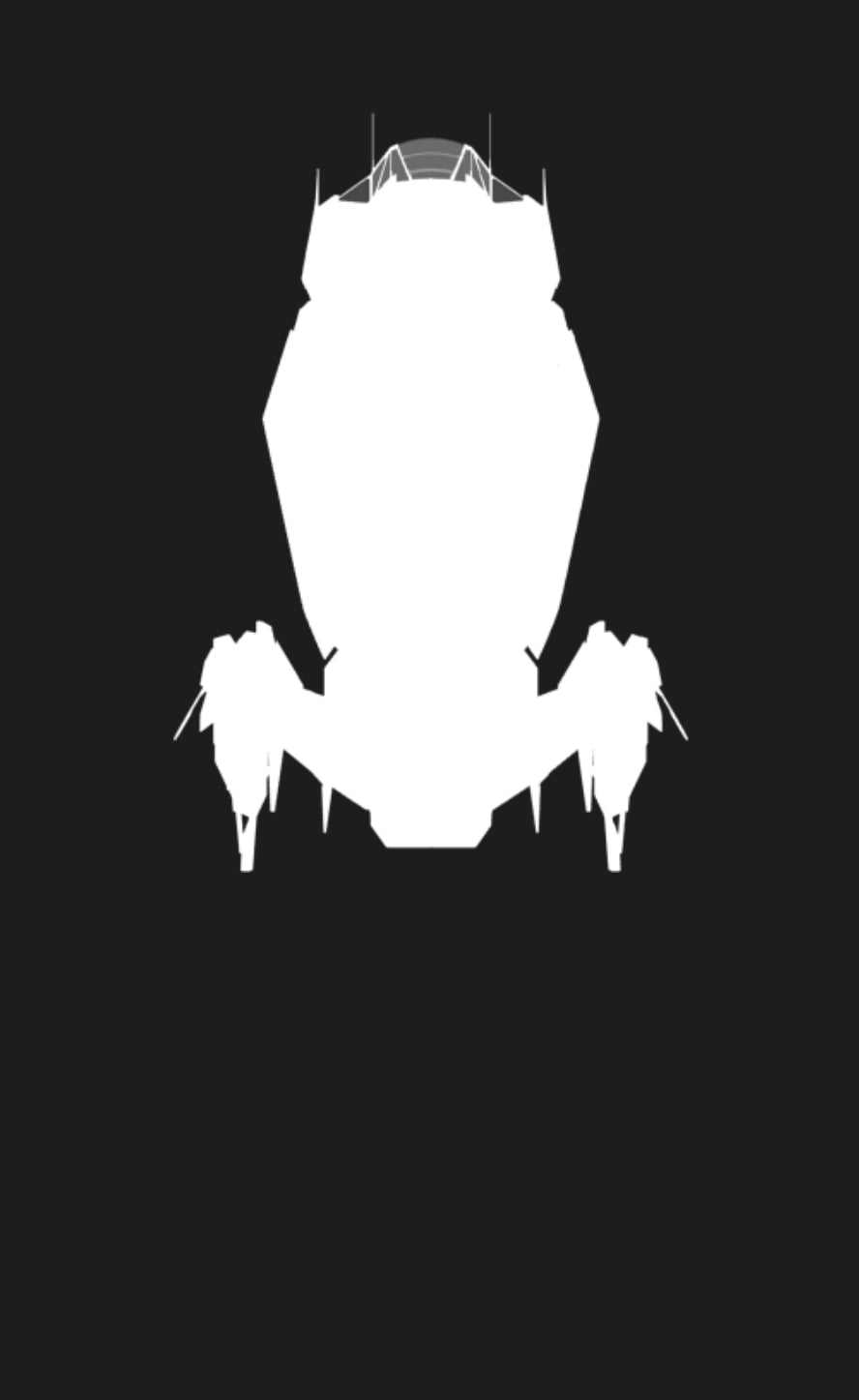
A Hurricane does not try to hide its intentions. There is a cockpit, a turret and a remarkable amount of gun attached to a relatively small spacecraft. The Scorpius arrives with considerably more theatre: four wings spread into an X, and a remote turret travels along the spine to cover the fight from a different angle. Both are built around the same enjoyable proposition—give a pilot and a gunner one ship, and let them make trouble together.
Choosing between them starts with those two seats. The Hurricane concentrates its pilot armament into a pair of larger guns; the standard Scorpius spreads its forward weapons across four wing mounts. Their turret arrangements differ just as noticeably. For a regular duo, that division of work is more useful than a blanket claim that one is the best heavy fighter.
Two crews, two very different silhouettes
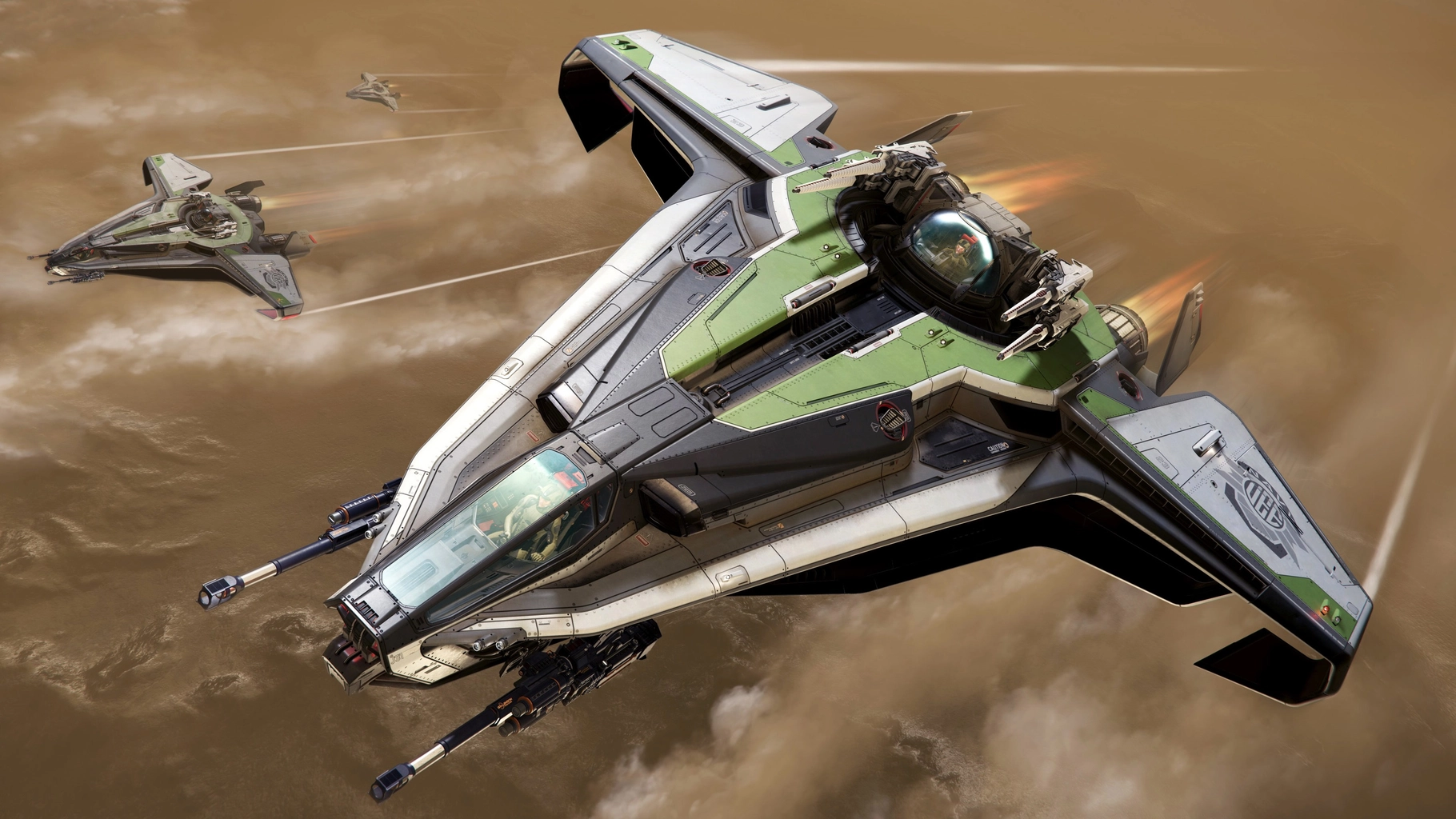
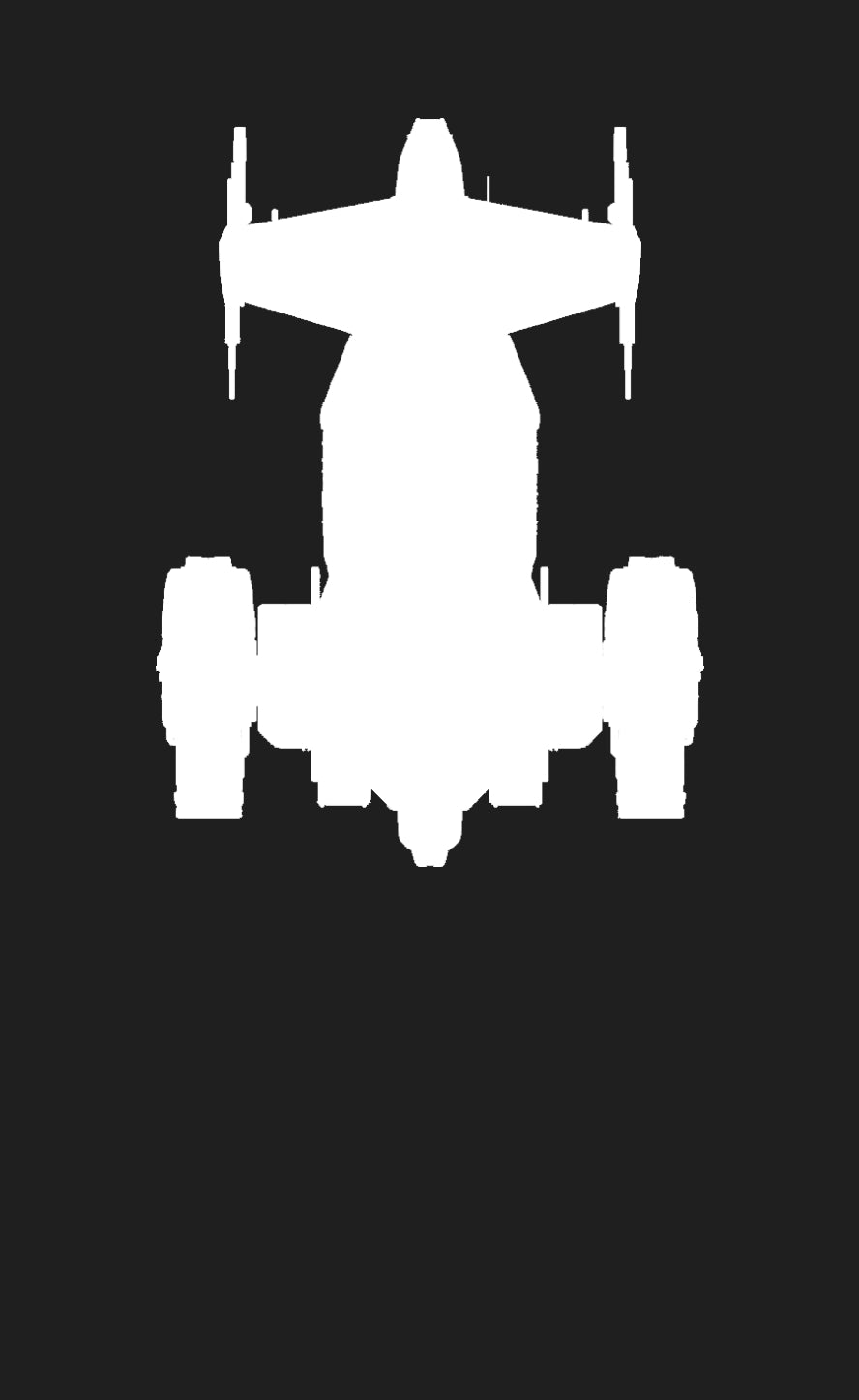
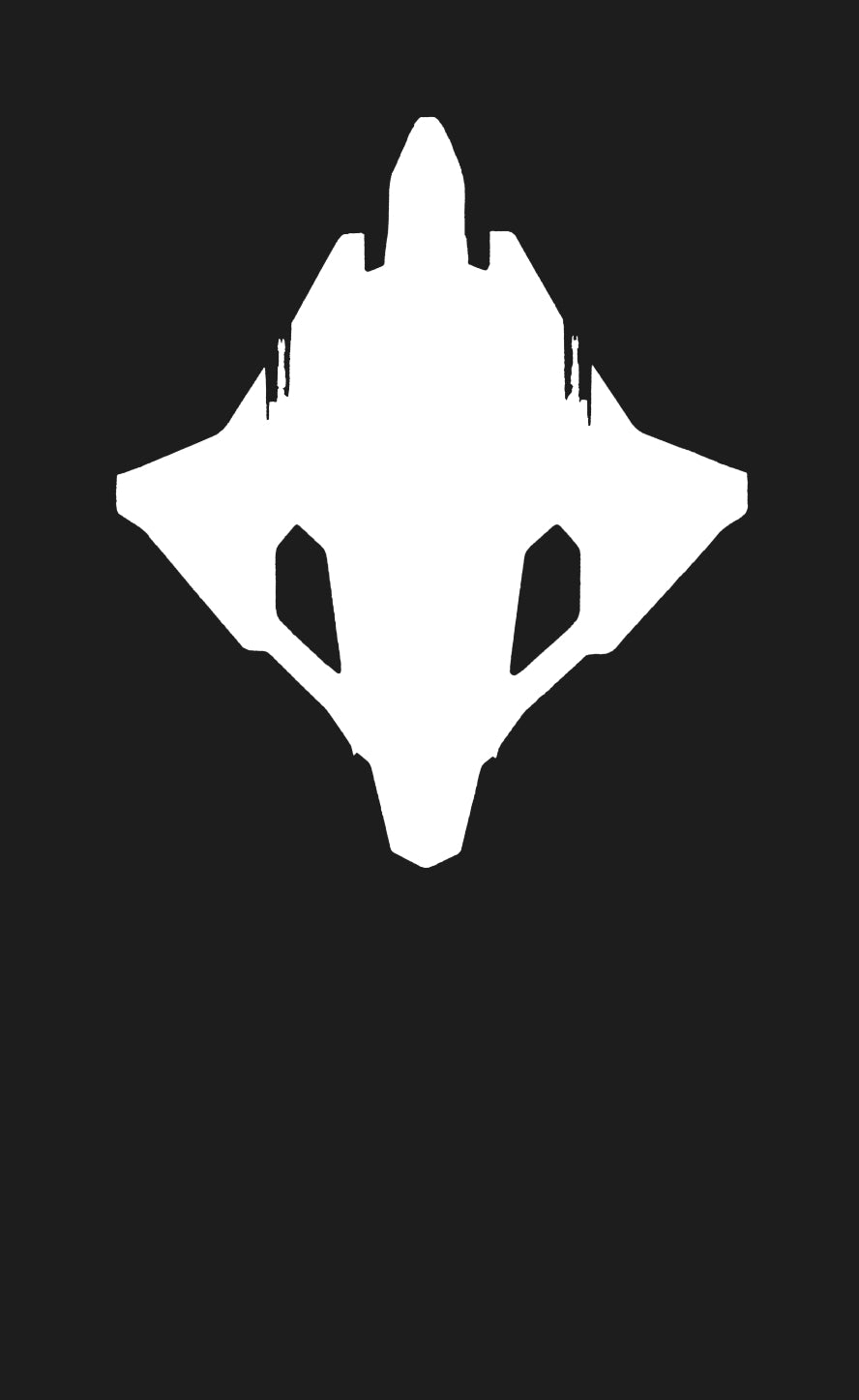
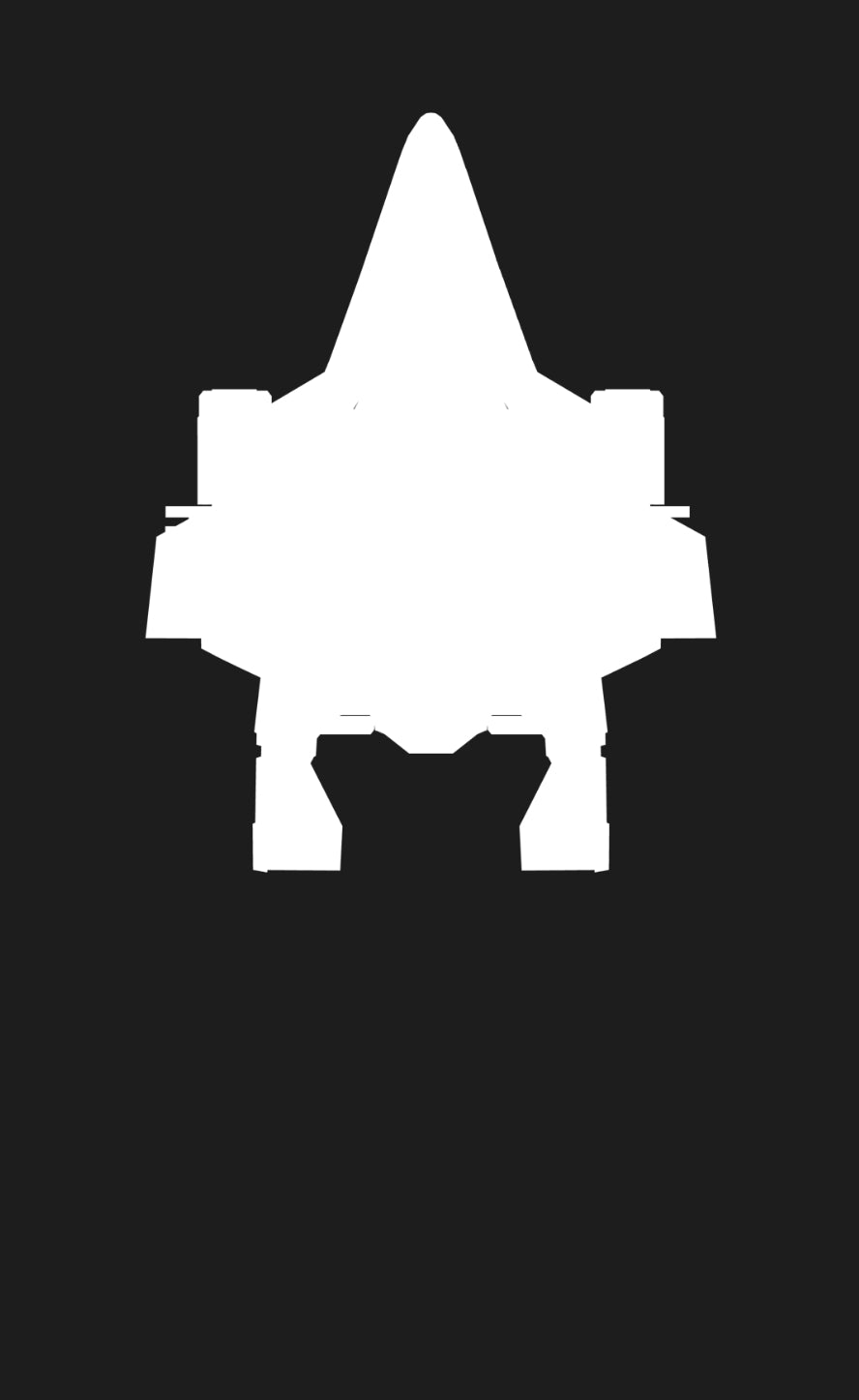
The Hurricane is the compact choice. Its current listed dimensions are 24 metres long, 18.5 metres wide and 6.5 metres high. The Scorpius is listed at 32 metres long, 24 metres wide and 13 metres high, with a folding configuration that changes its footprint when parked. Those figures describe the ships; they do not, by themselves, establish a dogfighting advantage.
Anvil’s fighter also carries a much older story. The Hurricane originated with Casse Aerospace before Anvil brought the design into its own fleet. Its wartime purpose was brutally direct: exploit openings in Tevarin defences with concentrated firepower. That heritage suits the shape of the modern ship. There is little about it that suggests a leisurely expedition.
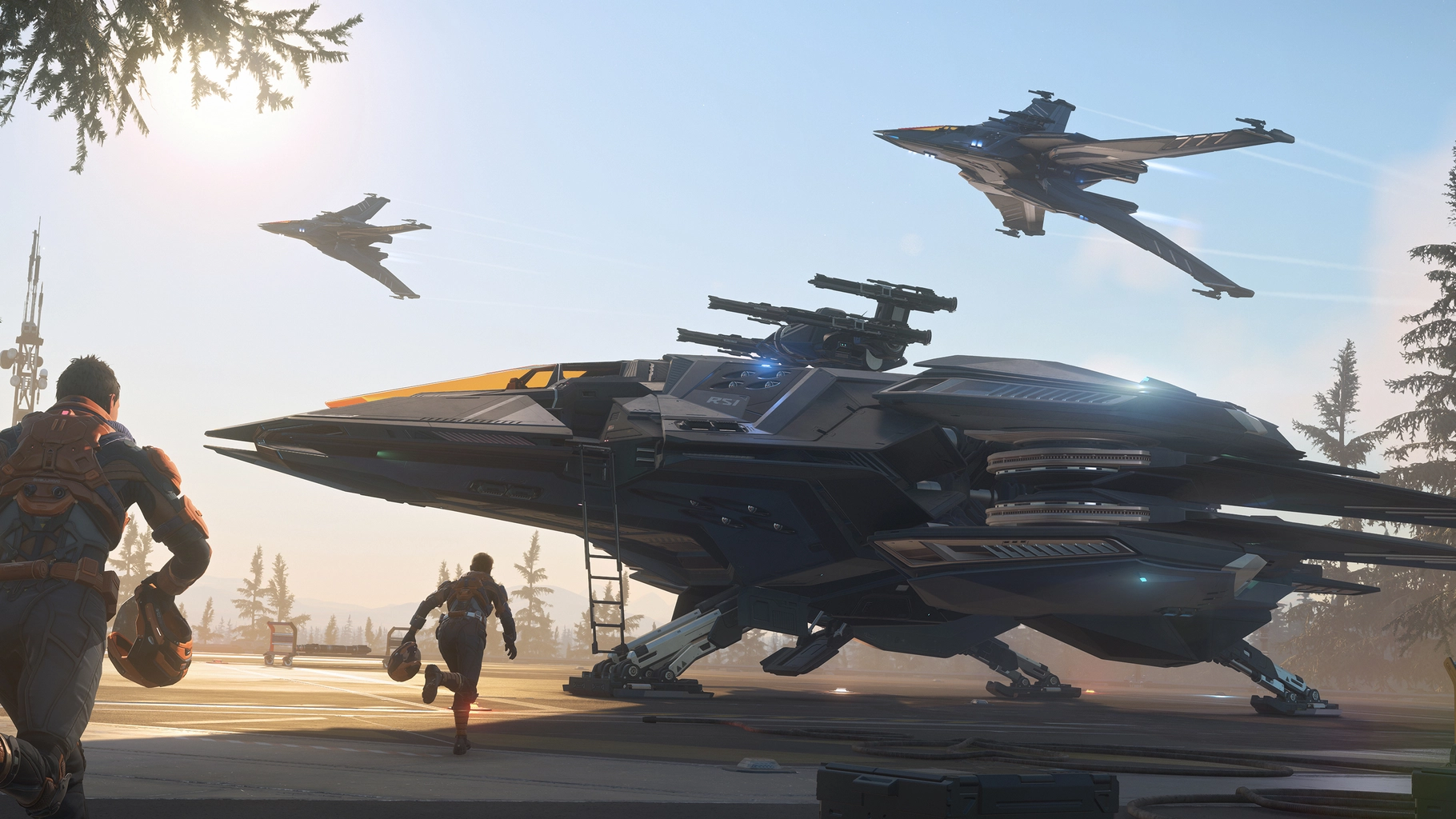
The Scorpius feels more elaborate even before the engines start. Its wings and moving turret give the crew two distinct systems to think about, and its appearance changes dramatically between landing and combat. If the machinery of a spacecraft is part of what draws you to Star Citizen, that transformation has an appeal beyond a loadout comparison.
What each person controls
| Feature | Anvil Hurricane | RSI Scorpius |
|---|---|---|
| Crew | Pilot and gunner | Pilot and gunner |
| Pilot gun mounts | 2 × Size 4 | 4 × Size 3 |
| Gunner position | Manned turret | Rail-mounted remote turret |
| Turret armament | 4 × Size 3 | 4 × Size 3 |
| Dedicated cargo capacity | 0 SCU | 0 SCU |
| Listed dimensions | 24 × 18.5 × 6.5 m | 32 × 24 × 13 m |
The Hurricane gives its pilot two Size 4 mounts, with another four Size 3 weapons in the gunner’s turret. The standard Scorpius uses four Size 3 wing weapons and a four-gun Size 3 remote turret. Weapon size and barrel count describe the installation, not the damage you will achieve in a fight. The fitted weapons, available power, firing opportunities and ability to keep shots on target all matter.
For the person in the second seat, the more interesting distinction is the turret itself. In the Hurricane, the gunner occupies a manned turret. In the Scorpius, the gunner operates a remote mount that can switch between upper and lower positions along its rail. It cannot fire during the transition. Choosing when to move it is therefore part of using the ship, rather than a free way to aim through every obstruction.
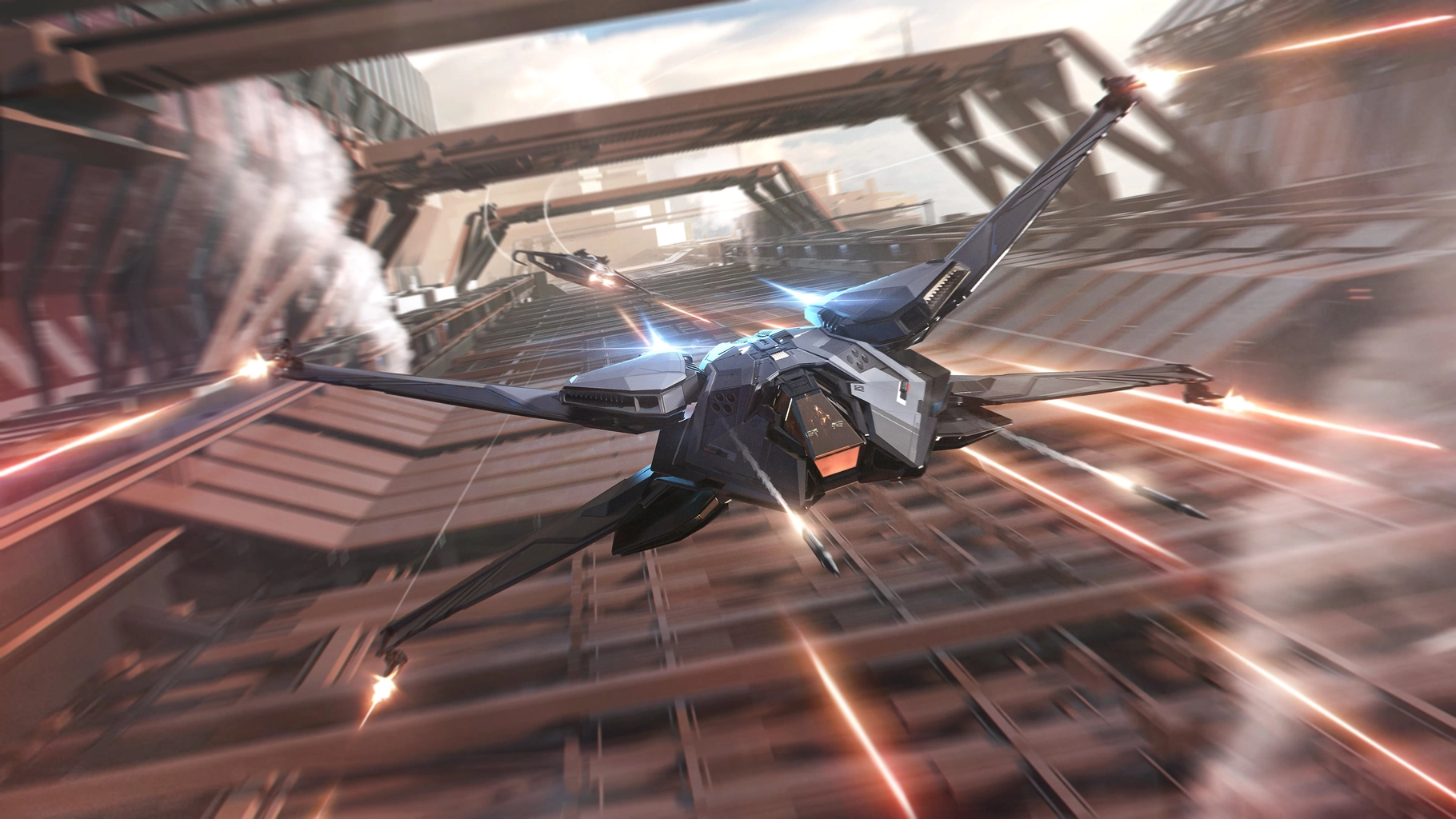
That arrangement can give the Scorpius gunner another way to cover a target as the pilot manoeuvres. It does not mean the turret can shoot through the hull, or that every target will remain in view throughout a roll or turn. The crew still has to understand where the other person can see and fire.
The best reason to bring a gunner
A good two-seat fighter gives the second player something worth doing. In these ships, the gunner is responsible for a substantial weapon installation, with the freedom to track a target while the pilot concentrates on flying. That can make a combat session feel more cooperative than simply following a friend in another spacecraft.
The pilot can turn to escape, reposition or avoid an obstacle while the gunner continues looking for a shot. Sometimes both players will concentrate on one opponent; at other times the turret will cover a direction the nose guns cannot reach. Neither arrangement excuses careless flying. A gunner cannot compensate for a pilot repeatedly blocking the target with their own ship.
If one of you enjoys flying and the other would rather concentrate on gunnery, either ship gives that partnership a clear home. If both of you want to pilot every session, two single-seat fighters may be the more enjoyable answer. There is no need to turn a shared evening into an argument over who gets the controls.
When your second seat is empty
Choose around the people who actually join you. Flying a two-seat fighter alone leaves an important part of its design without a human operator, so do not compare its fully crewed weapon total with a single-seat ship’s pilot armament as though they were equivalent.
Older design discussions describe computer blades and turret slaving as future possibilities. Those plans are not a sound basis for promising eight pilot-controlled guns on a Scorpius today. A ship that suits your regular crew is a better choice than one bought around an assumed future shortcut.
Also check the exact Scorpius variant. This comparison concerns the standard turret-equipped fighter. The Scorpius Antares replaces that emphasis with electronic-warfare equipment; its second seat and combat purpose should not be treated as interchangeable with the standard model.
Which one belongs in your hangar?
Choose the Hurricane if you like the compact frame, the larger pilot gun mounts and the straightforward partnership of pilot and manned-turret gunner. Its appeal is wonderfully direct: bring someone you enjoy flying with, put them in charge of the turret, and take a dedicated combat ship out together.
Choose the Scorpius if the four-wing configuration and repositionable remote turret are the features you want to fly. The extra interest lies in how the crew uses that arrangement, as well as in the spectacle of the ship itself. It is a compelling choice for a duo that enjoys the machinery as much as the fight.
Neither is a cargo runner with guns added as an afterthought, and neither offers dedicated SCU capacity. For an evening centred on freight, travel or a larger group, choose a ship built for that job. For two people who want to fight from the same spacecraft, these remain two very different ways to enjoy the same role.
Browse our Anvil Hurricane offers and RSI Scorpius offers, or use the Ship Matrix to compare other crew sizes and roles.
Bring your wingmate aboard
Find your next two-seat fighter at The Impound.
Browse Hurricane offers Browse Scorpius offers