




















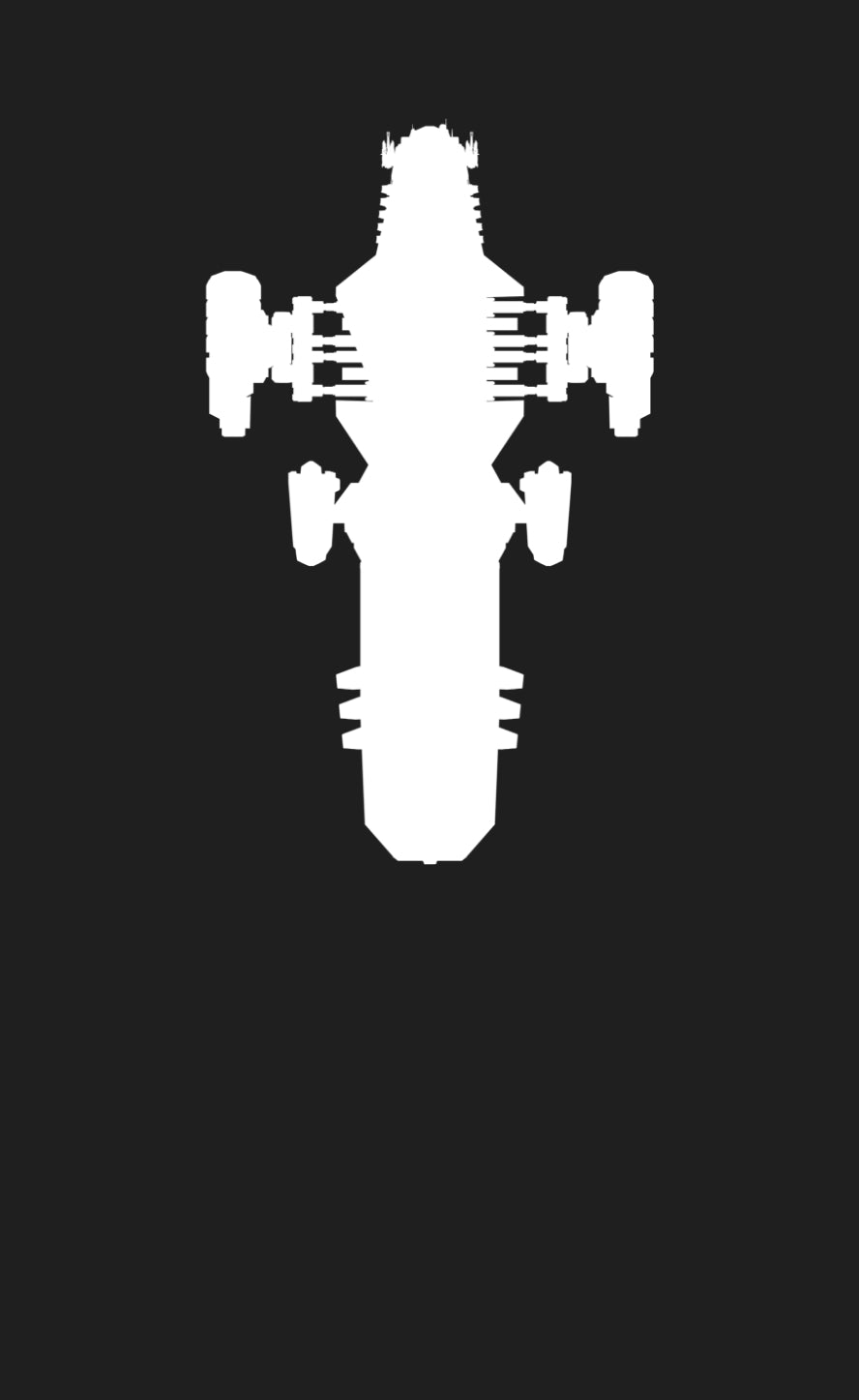
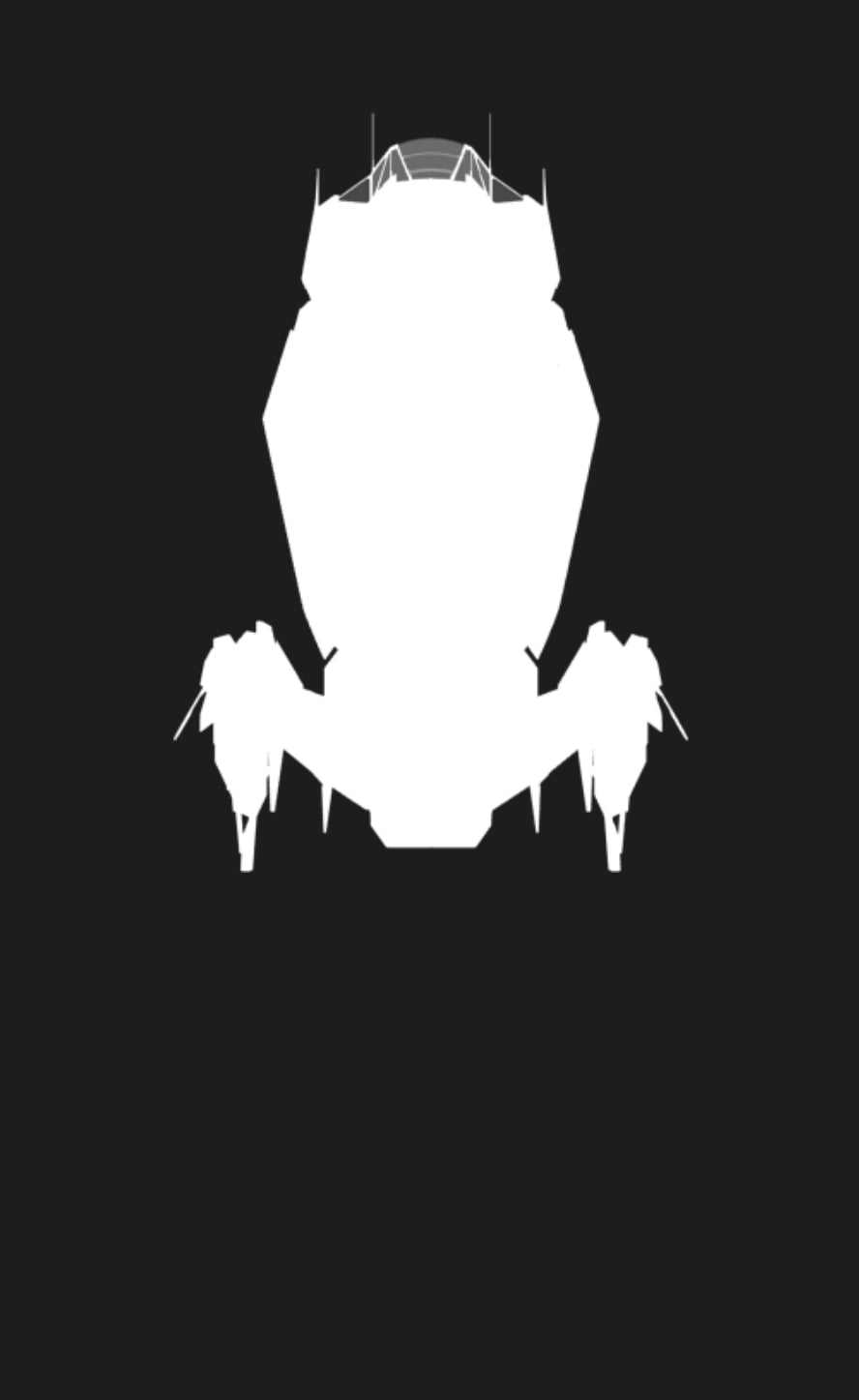

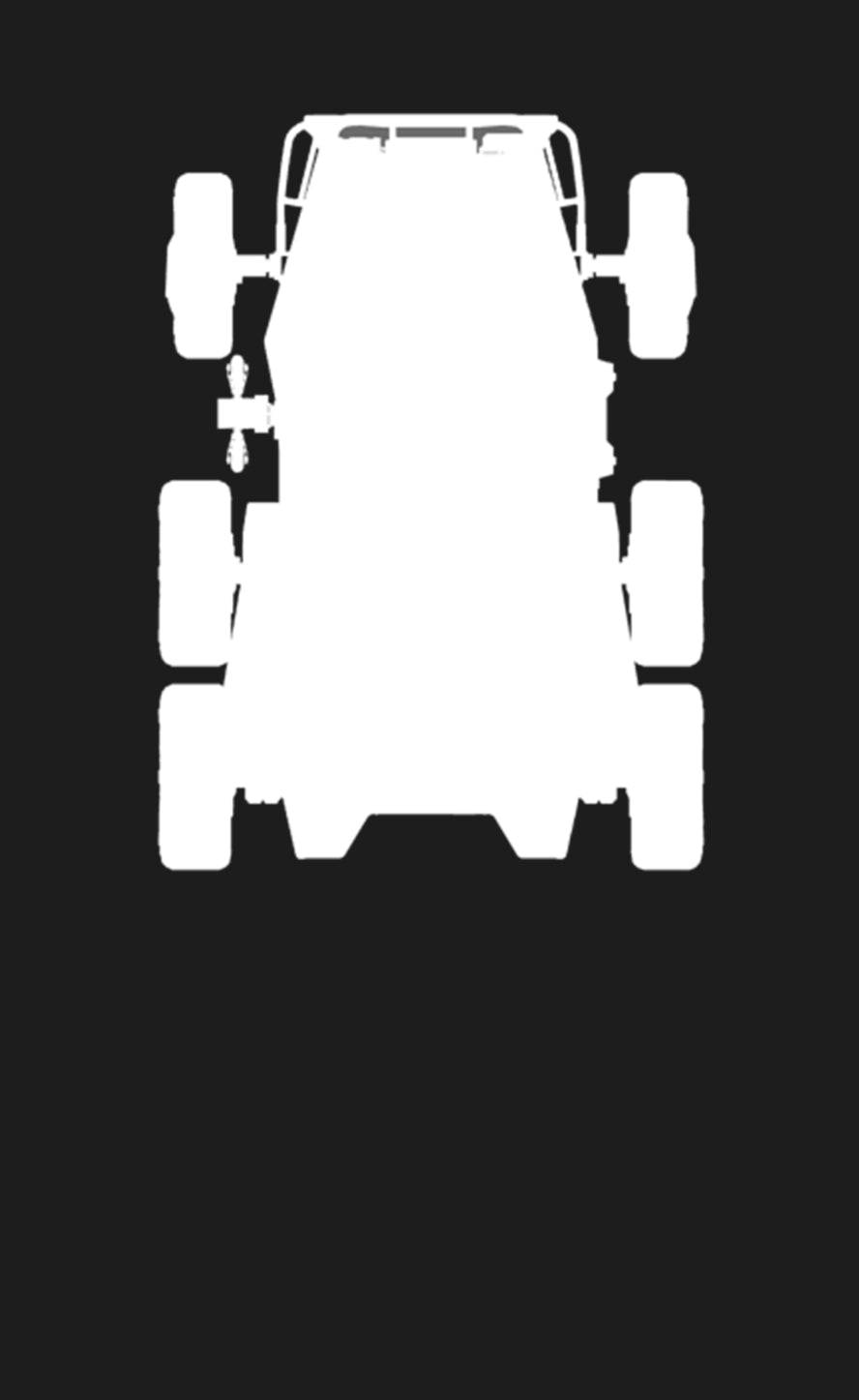
Carrying a Cyclone, Ursa or Nova: C1 Spirit, Starlancer MAX and C2 Hercules

Take the ground vehicle that suits the destination—and a ship that gives it room to work. These three carriers make very different journeys possible.
A rover changes what happens after landing. The ship becomes transport and shelter while the crew heads out across the ground, whether that means taking a Cyclone on a short excursion, keeping everyone together in an Ursa or bringing a Nova to a much less peaceful appointment.
Getting the pairing right takes more than comparing the vehicle’s length with the ship’s cargo capacity. The ramp, doorway, room to disembark and the cargo you still want to carry all matter. Three useful pairings show how differently that can work: the C1 Spirit with a Cyclone-sized vehicle, the Starlancer MAX with an Ursa and the C2 Hercules with tank-sized transport.
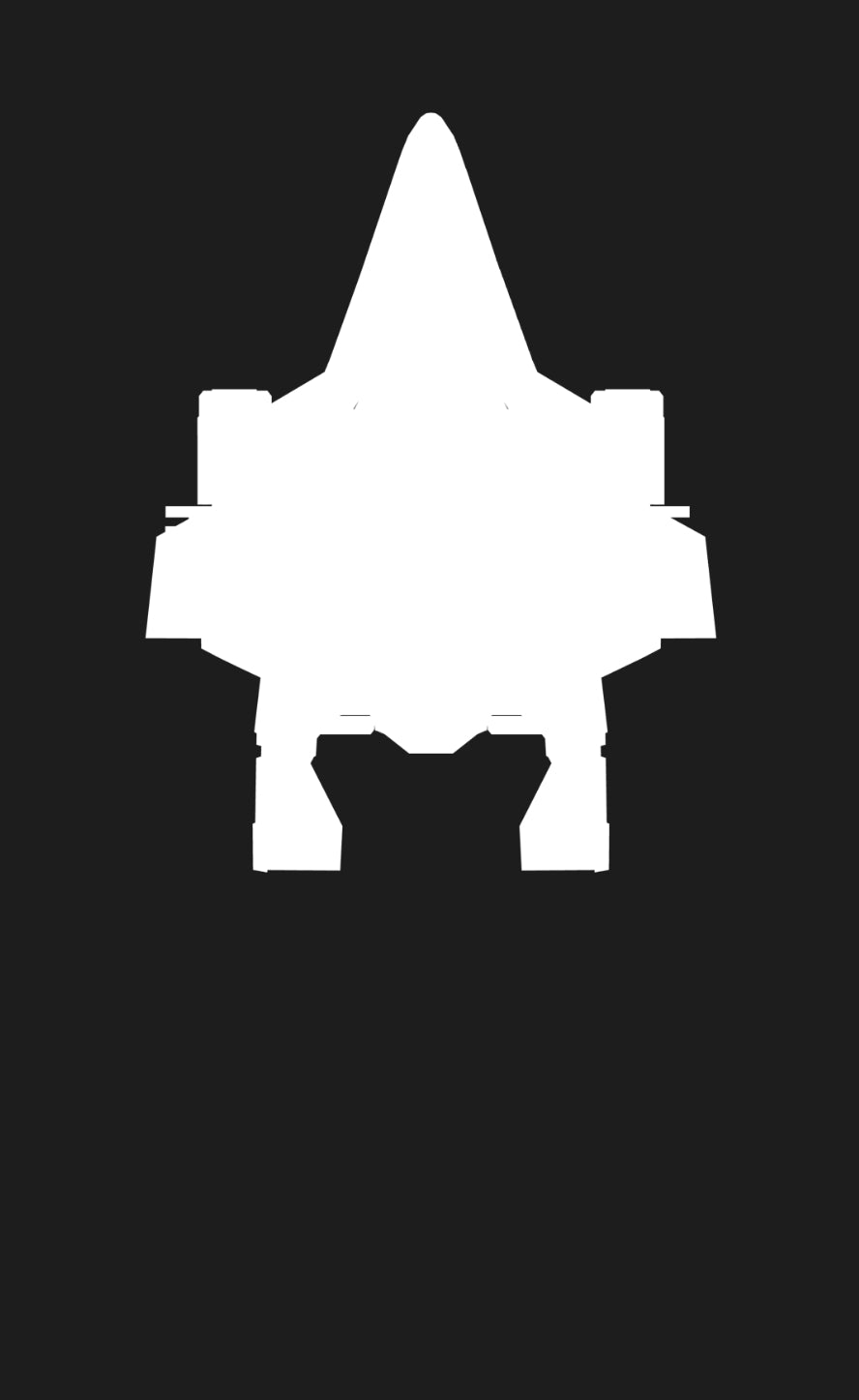
C1 Spirit: a compact expedition with a Cyclone
The C1 is the Spirit variant designed to carry a vehicle, with the published design supporting Cyclone-sized vehicles or smaller. It has a straight route through the rear ramp into the cargo compartment, making the ground vehicle part of the ship’s working space rather than a separate garage.
That suits a pilot or pair who want a vehicle for the destination without stepping up to a much larger ship. The C1 has accommodation for two, a 64 SCU cargo grid and a tractor beam for freight handling. Once a vehicle occupies the hold, however, you should not plan around retaining the entire advertised cargo load.
A Cyclone outing and a full freight run ask different things of the same space. Keep access to the vehicle and the way forward into the ship clear. A car jammed among boxes may technically be aboard, but it is a poor arrangement for arriving somewhere you want to leave quickly.
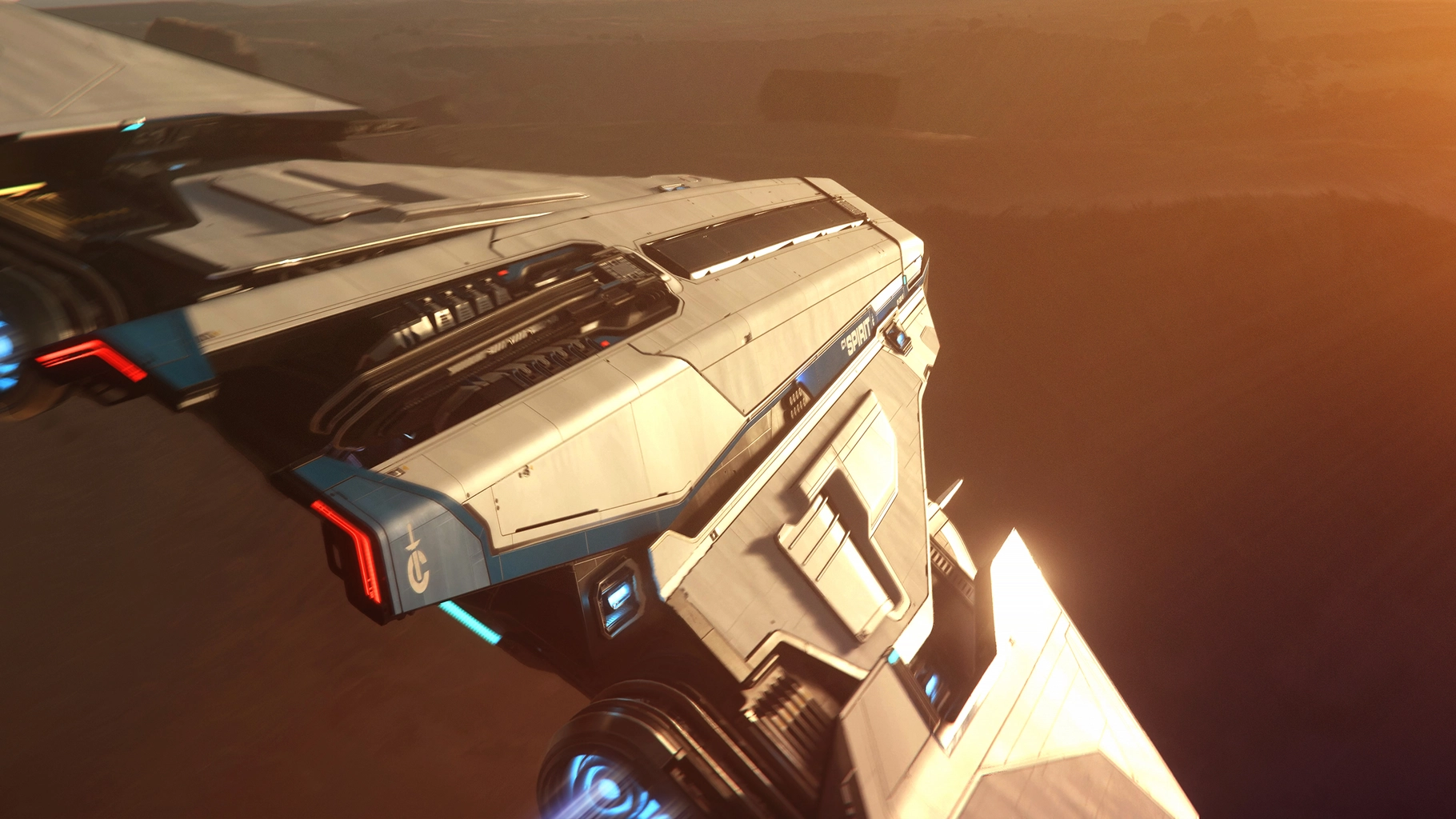
The A1 and E1 are not interchangeable answers to this question. The Spirit family Q&A names only the C1 as designed for vehicle carriage. Similar exterior shapes do not make the bomber or passenger variant an equivalent transport choice.
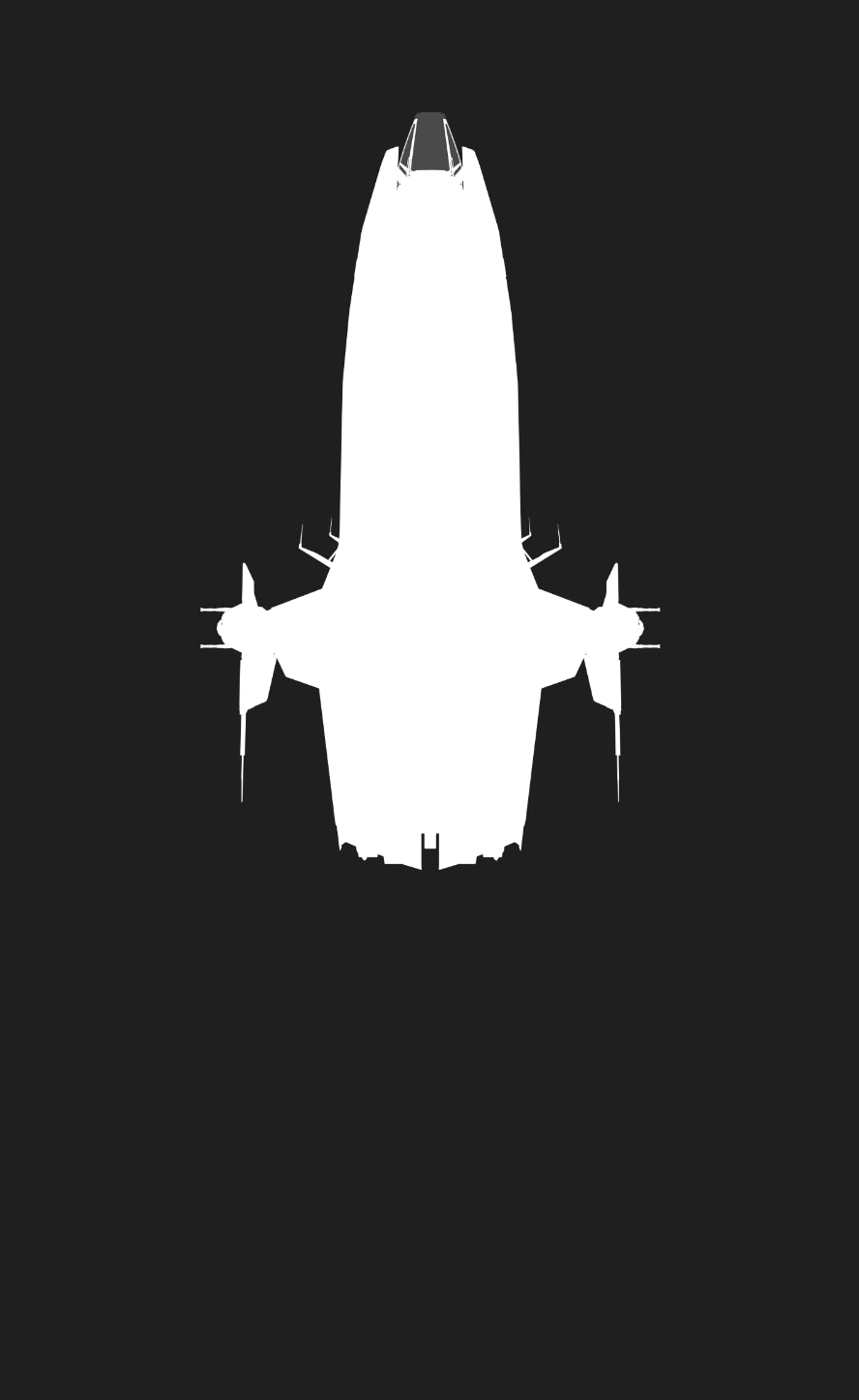
Starlancer MAX: an Ursa without giving up the freight load
The MAX makes a much clearer separation between ground transport and cargo. Its Ursa-sized vehicle space can be used alongside the full 224 SCU cargo allocation. That is the important distinction for a crew intending to carry supplies and a rover on the same trip.
The freight is divided between a 128 SCU midsection and 96 SCU aft section. The rear ramp is also the route for the vehicle. With four crew positions, individual cabins and living facilities, the MAX offers a different sort of trip from a small cargo ship carrying a runabout: there is room for a regular group to travel and work aboard.
The Ursa is the pairing explicitly covered by the ship’s Q&A. Do not turn “Ursa-sized” into a promise that every vehicle with one similar measurement will fit. A turret, protruding equipment or a different roofline can matter as much as the wheels’ footprint.
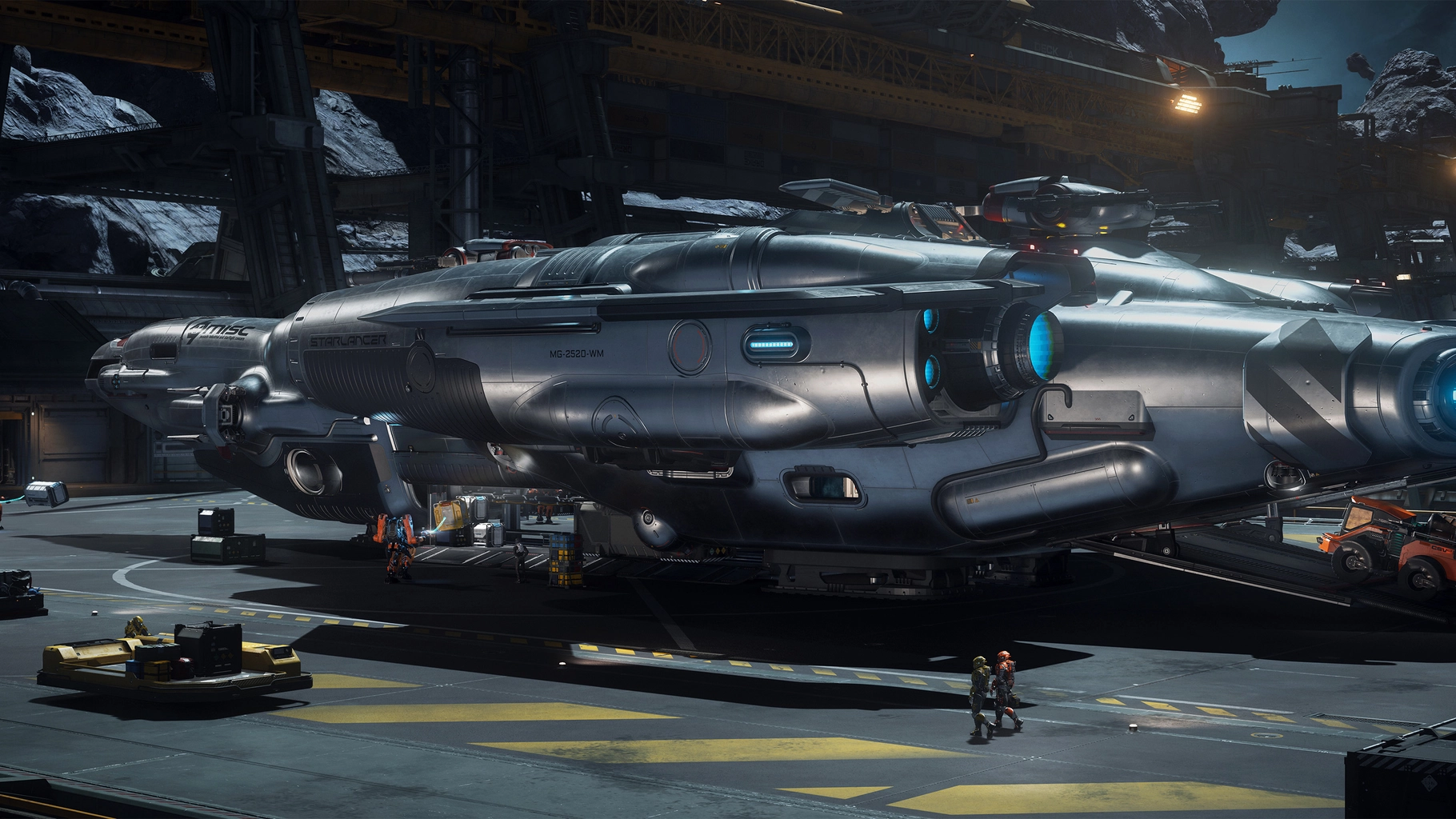
For someone choosing between a compact freighter and the MAX, the rover arrangement may be more decisive than another increment of SCU. Carrying passengers and their ground vehicle while retaining the freight allowance is a useful capability in its own right. It also comes with a larger ship to land, move around and maintain.
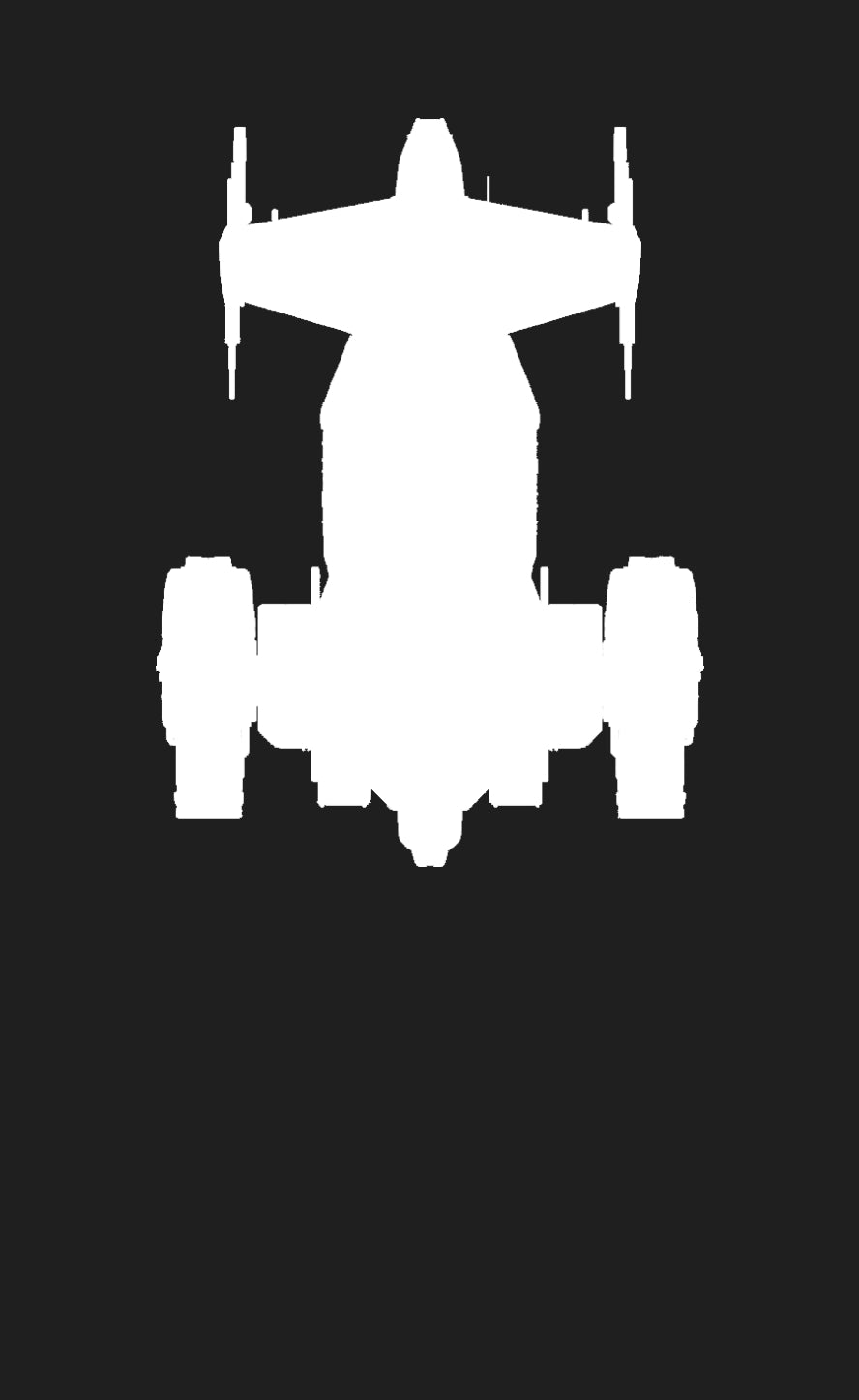
C2 Hercules: when the vehicle is the reason for the flight
The C2 sits in another class of transport. Its current specification lists 696 SCU and a bay that accommodates two tank-sized vehicles. The Hercules is the obvious step up in this group when you are moving heavy ground equipment rather than adding a small runabout to an ordinary journey.
Both the ship’s military-derived frame and its enormous cargo deck make sense when a Nova rolls down the ramp. This is the sort of load a C1 is not built to take. A two-person listed crew does not mean that carrying and operating several vehicles somehow becomes a two-person ground operation, though; the transport crew and the people using its cargo are separate considerations.

Vehicle carriage uses the cargo bay. The 696 SCU figure and the two-tank capability are not additive promises that you can load all the freight and both tanks together. Decide what the flight is carrying before treating a maximum cargo statistic as spare room around a heavy vehicle.
On arrival, the Hercules needs enough space for its own landing and for the vehicles to leave. A broad, usable landing area is part of the transport plan, particularly if the ground team needs to disembark promptly. The ship can move the equipment; it cannot make an unsuitable landing site convenient.
Fit, access and cargo are three separate questions
- Fit: can the vehicle pass through the actual entrance and occupy the intended space? Exterior ship dimensions and total SCU do not establish this.
- Access: can people get into and out of the vehicle and still reach the ship’s doors, equipment and working areas?
- Cargo: is the vehicle space separate from the cargo grid, or are you replacing some freight with wheels?
These distinctions explain why two ships with similar capacities can make very different vehicle carriers. The MAX has a documented full-cargo-plus-Ursa arrangement. The C1 shares its working hold with the carried vehicle. The C2 scales up to heavy transport, with freight and vehicles competing for its vast bay.
For a small trip with a light ground vehicle, the C1 keeps the ship manageable. For a group carrying both supplies and an Ursa, the MAX has a particularly useful layout. For moving tanks, the C2 is doing the job its spaceframe was built around. Choose the journey first, then the ship that lets the vehicle be useful when you arrive.