















Crusader Industries: The History Behind Orison, the Hercules and the Spirit

August Dunlow wanted a company that could change lives. Crusader grew into a shipbuilding giant—and inherited the much harder job of looking after a planet.
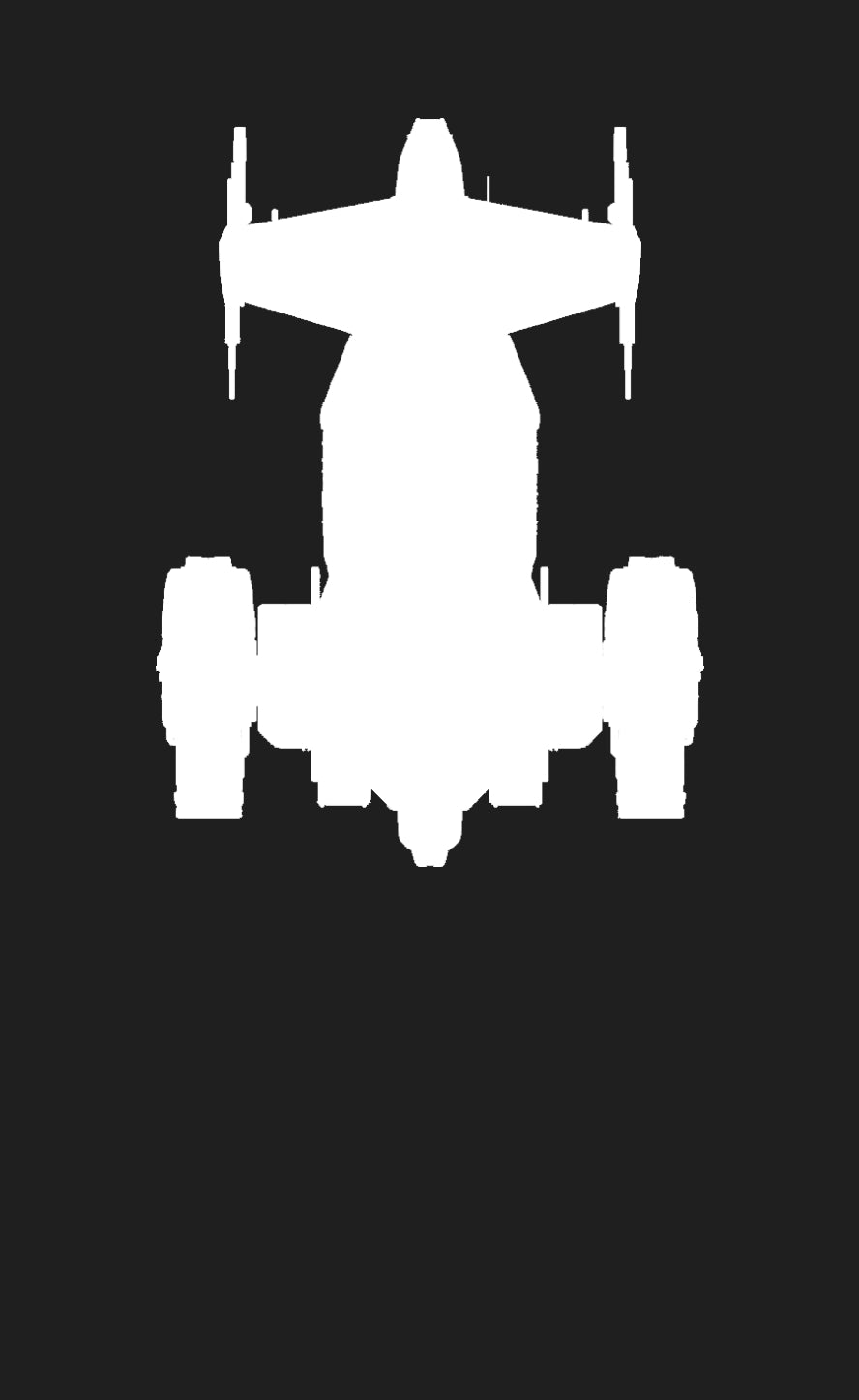
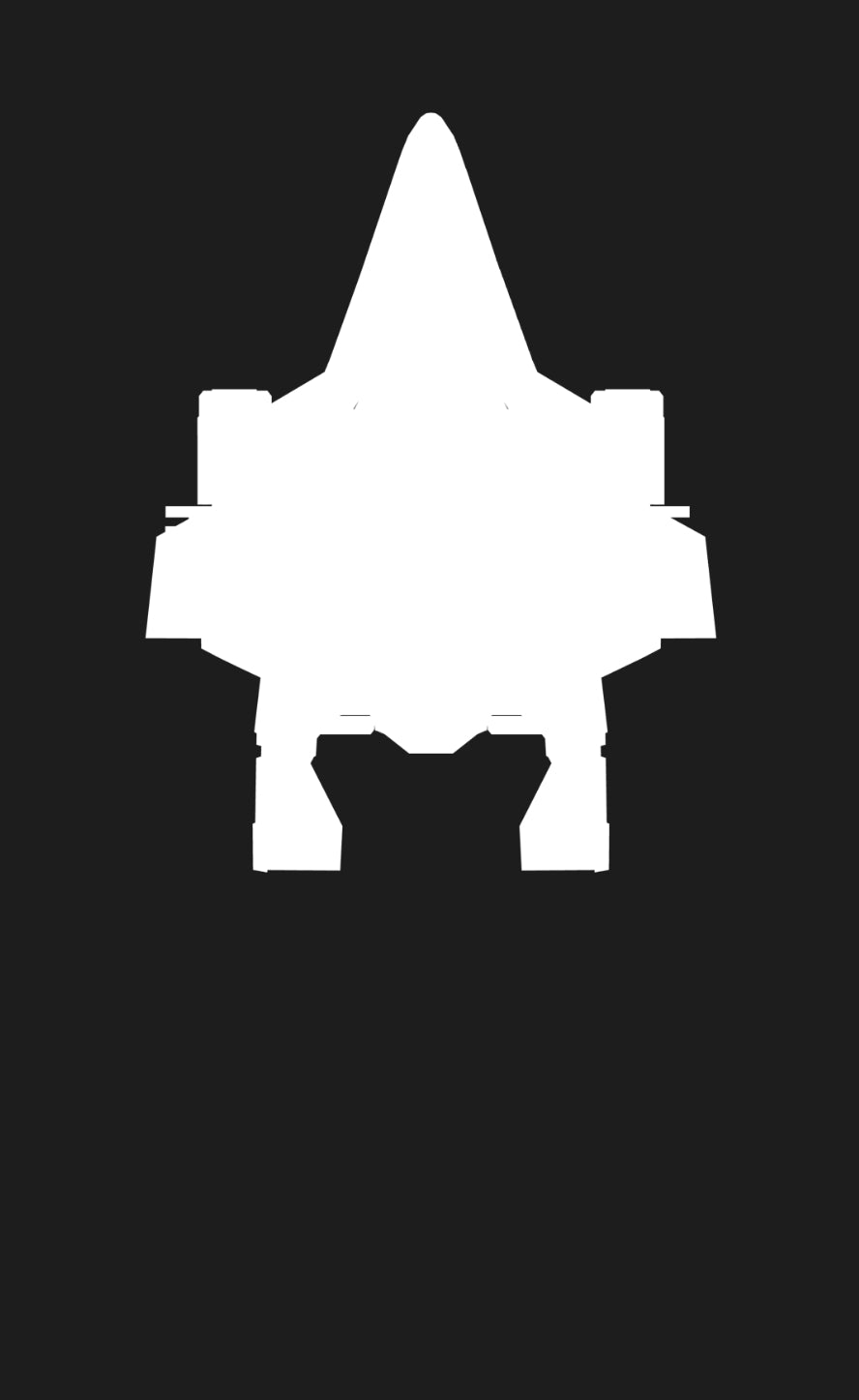
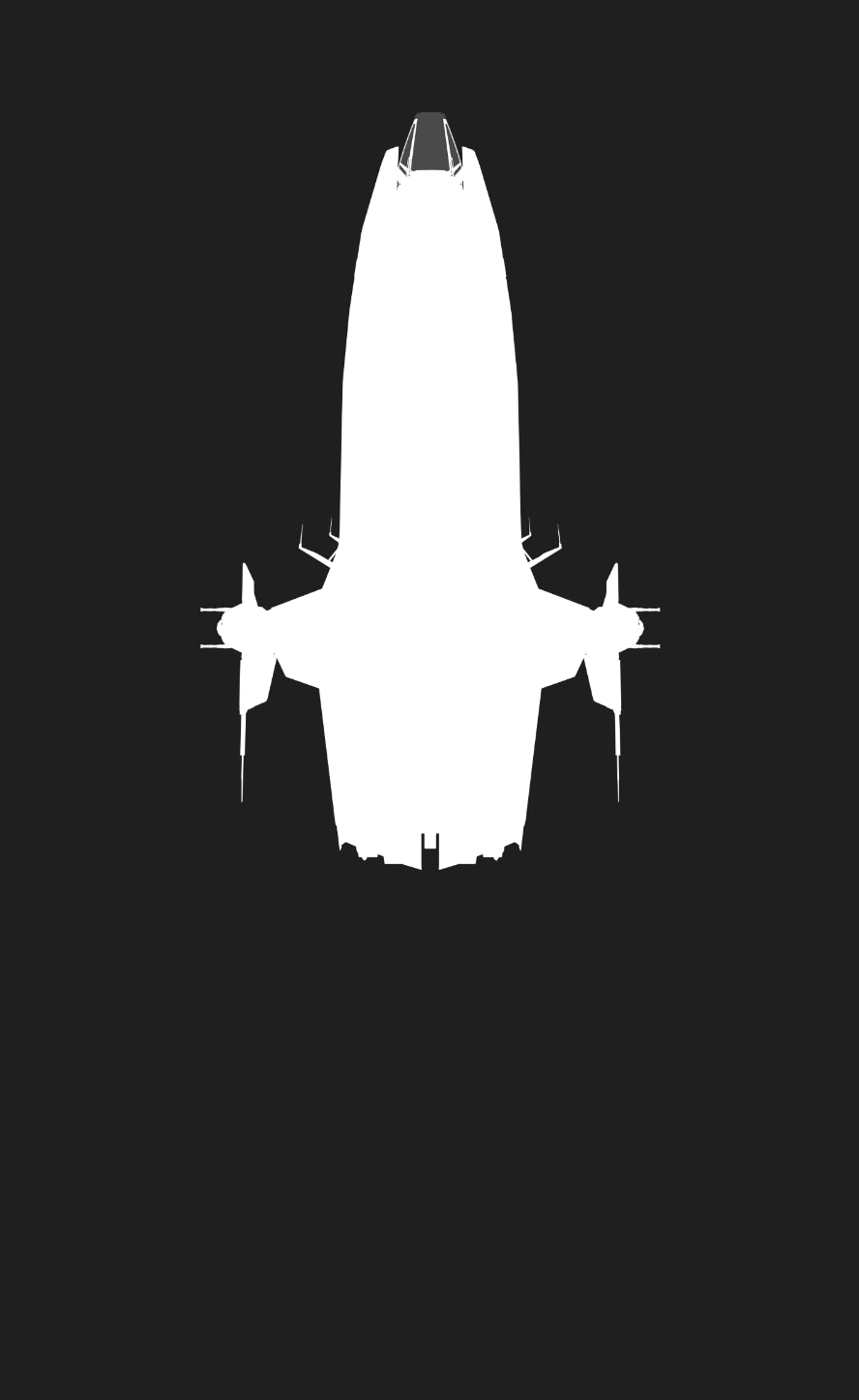
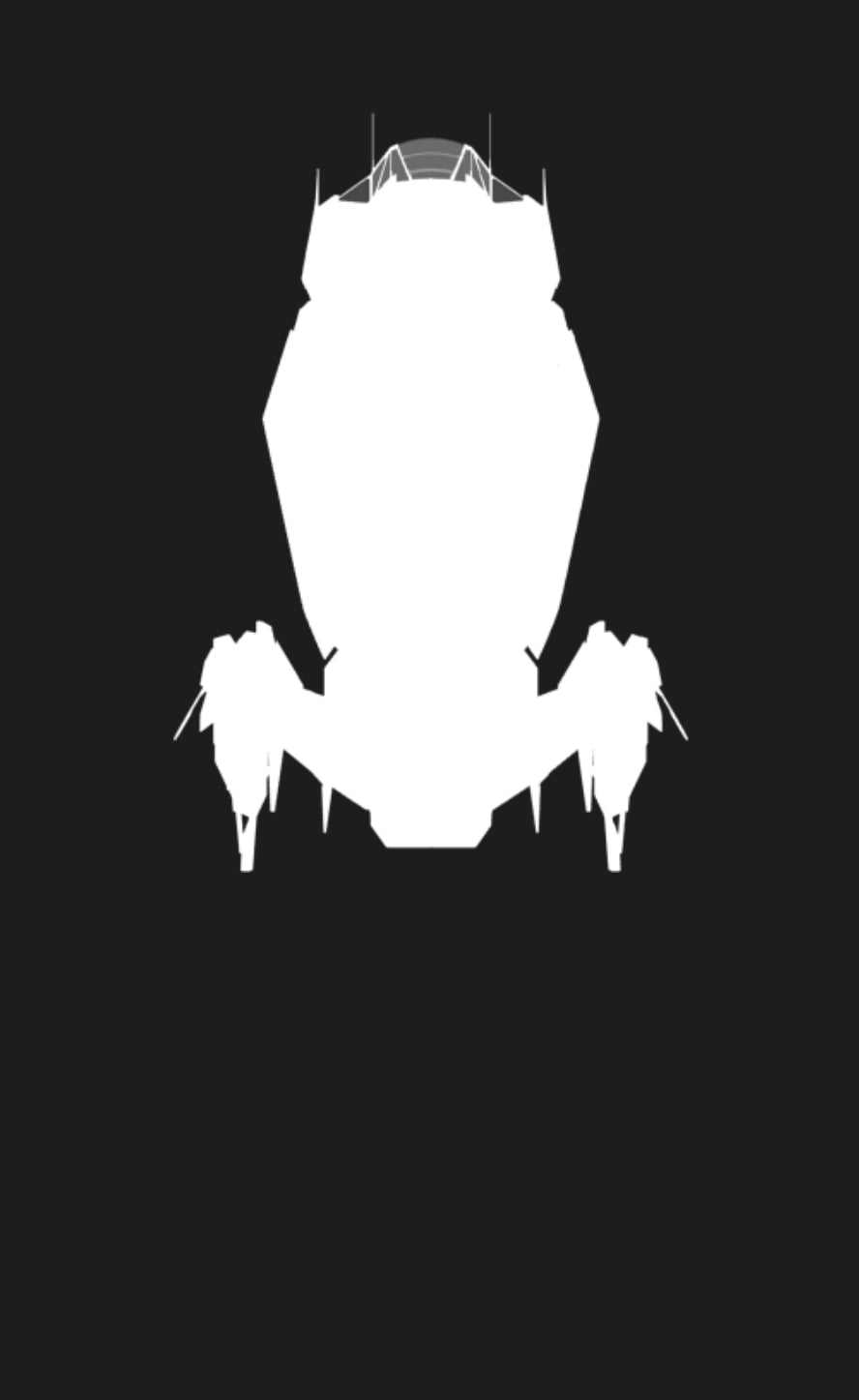
Crusader is the manufacturer that can sell you on a ship before you have read a single specification. The broad wings, clean fuselage and enormous engines have a confidence about them, whether you are looking at a C1 on a small landing pad or a Hercules swallowing a ground vehicle. They look as though somebody has already planned a very long journey.
Behind that recognisable fleet is one of Star Citizen’s more interesting corporate histories. Crusader’s founder wanted commercial success to fund social change. His successors took that ambition from a shuttle factory to ownership of a planet. The result is a company whose generosity, military contracts and responsibilities as a government sit uncomfortably close together.
August Dunlow’s company began with a cause
In 2781, eleven-year-old August Dunlow witnessed the destruction of Khanos Stadium in Angeli. His mother died in the attack and his injured father later died after the family fell into poverty. A shelter called Angeli’s Angels helped Dunlow escape homelessness. That experience would remain central to what he wanted his future company to accomplish.
He became an anti-Messer activist, spent time in Xi’an space and returned during the upheaval of 2792. After the regime fell, his work in politics convinced him that influence needed financial backing. Buying into a promising shuttle manufacturer offered a way to build both.
Seraphim Systems became Crusader Industries in 2799. The business expanded, won government work and committed part of its profits to charity. Dunlow retired in 2846, but that charitable commitment survived him. Angeli’s Angels became a lasting beneficiary.
It is a strong foundation for a manufacturer because it gives the machinery a purpose beyond winning another battle. Passenger transport, relief supplies and industrial freight all fit naturally into Dunlow’s ambition. A ship that moves people safely or delivers equipment where it is needed can be heroic without carrying the biggest gun in the system.
From shuttles to ships that carried them
Transport problems inside Crusader’s own business helped push it towards larger vessels. The Jupiter carrier entered production in 2812, initially carrying the company’s shuttles. Success in that larger market opened the way to a far more ambitious military transport programme.

The Hercules grew out of a very specific problem: conventional supply chains could get heavy equipment to a war, but not necessarily to the place where troops needed it in time. The UEE wanted a protected transport that could bring armoured vehicles directly to a battlefield. Crusader proposed a new spacecraft instead of simply modifying an existing freighter.
The first M2 unit formed in 2821. A combat deployment in 2824 demonstrated the value of putting troops and armour on the ground together, and the Hercules became a familiar part of military logistics. The civilian C2 followed much later, announced in 2940, trading some specialised military equipment and protection for more freight capacity.
That ancestry is visible in what players ask a C2 to do. The appeal is not only the amount of cargo it holds, but the sheer size of the things that can enter its bay. An organisation moving vehicles to a surface operation and a trader moving containers are using different parts of the same design. The big ramps and expansive hold make the ship useful in ways a simple capacity figure cannot fully describe.
Why a shipbuilder bought a gas giant
Kelly Caplan, a designer associated with the Genesis starliner, became CEO in 2863. Two years later, Crusader bought its namesake planet and three moons. The floating industrial platforms and low-gravity working environment offered an attractive home for building large spacecraft.
For players, that industrial decision gives Crusader something unusually tangible. You can visit the place where the company’s identity is built into the skyline. Orison’s suspended platforms, open views and shipbuilding infrastructure give the brand a physical setting far beyond a badge on the nose of a ship.
It also changes what owning a planet means. A manufacturer can concentrate on delivering a good product. A planetary owner inherits security, residents, traffic and the consequences of failing to protect them. Crusader’s lore includes criticism of inaccurate crime figures and the difficulty of policing its territory. Its charitable record does not make those obligations disappear.
That tension is more compelling than a spotless corporate biography. There is room to admire the work Dunlow wanted to fund while questioning whether a company equipped to build transports is equally equipped to govern the space around them. Star Citizen’s setting becomes richer when its attractive places have difficult questions underneath the view.
The family resemblance in today’s hangars
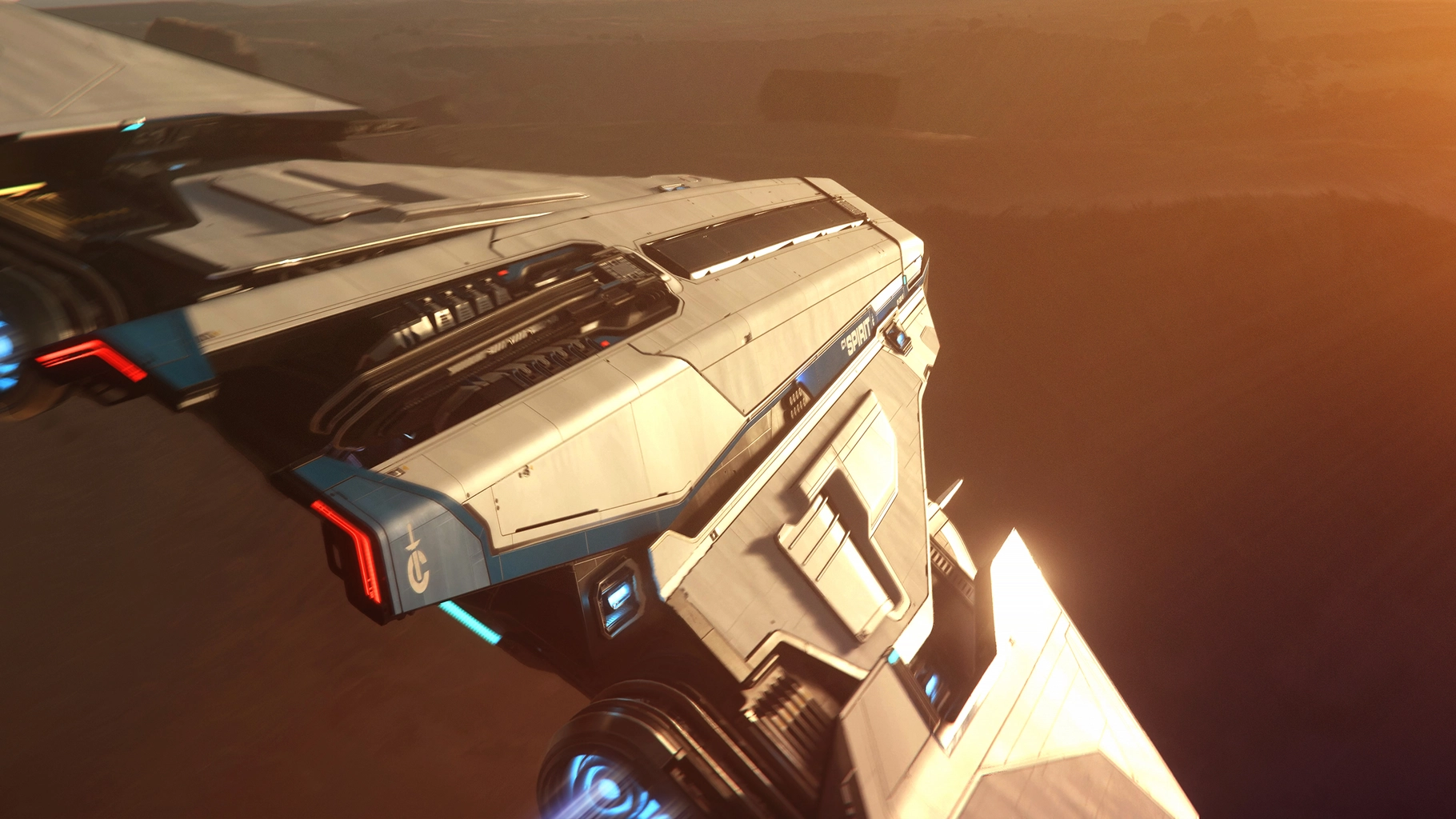
The C1 Spirit makes Crusader’s transport identity accessible to a much smaller operation than the Hercules. With a 64-SCU grid and a dedicated tractor beam, it is a ship for pilots who want regular freight work without committing to a vast hold. Its two-person arrangement also makes sense for a pair of friends sharing the loading and flying.
The C2 goes in the other direction. Its current directory lists 696 SCU and a hold intended for large vehicles, with two crew listed. That does not mean two people are always the ideal loading team, or that an immense cargo bay fills itself. It means the flight crew and the scale of the cargo operation are separate decisions.
Placed side by side, those ships show why a manufacturer identity can be useful without dictating one universal playstyle. The C1 supports a modest evening’s hauling; the Hercules invites much larger commitments. Both carry the same broad visual confidence, but the amount of freight, equipment and time around them changes considerably.
Our Star Citizen career guide is a useful starting point if you are still deciding what to do with that cargo space. Crusader’s design is attractive, but choosing one still comes down to the sort of journey you actually want to make.
A transport company with a reputation to live up to
What makes Crusader worth following is the breadth of work its ships suggest. The same manufacturer can belong in a relief convoy, a civilian cargo operation or an armoured deployment. Those uses are not interchangeable, and the company’s history does not pretend they are free of contradictions.
For us, that is the appeal. A Hercules arriving over the horizon can mean reinforcements, supplies or the lift home after a long surface expedition. A C1 can be a much more personal version of that promise: enough room for useful freight and a friend, with the next landing already somewhere beyond the clouds.