
























What to know
The Tumbril Cyclone is a compact all-terrain vehicle built for fast surface travel, light transport, and scouting from a carrier ship.
Cyclone specifications
Terrain, payload, and recovery in the Cyclone
Once the ship lands, the Cyclone takes over. The all-terrain suspension and payload space, terrain mobility, payload, and the route back to the carrier define what it can accomplish away from the ramp. Independent suspension design for speed and comfort across all kinds of terrain. Articulated off-road tires adapt their tread for loose or firm ground, helping the Cyclone maintain traction as the surface changes.
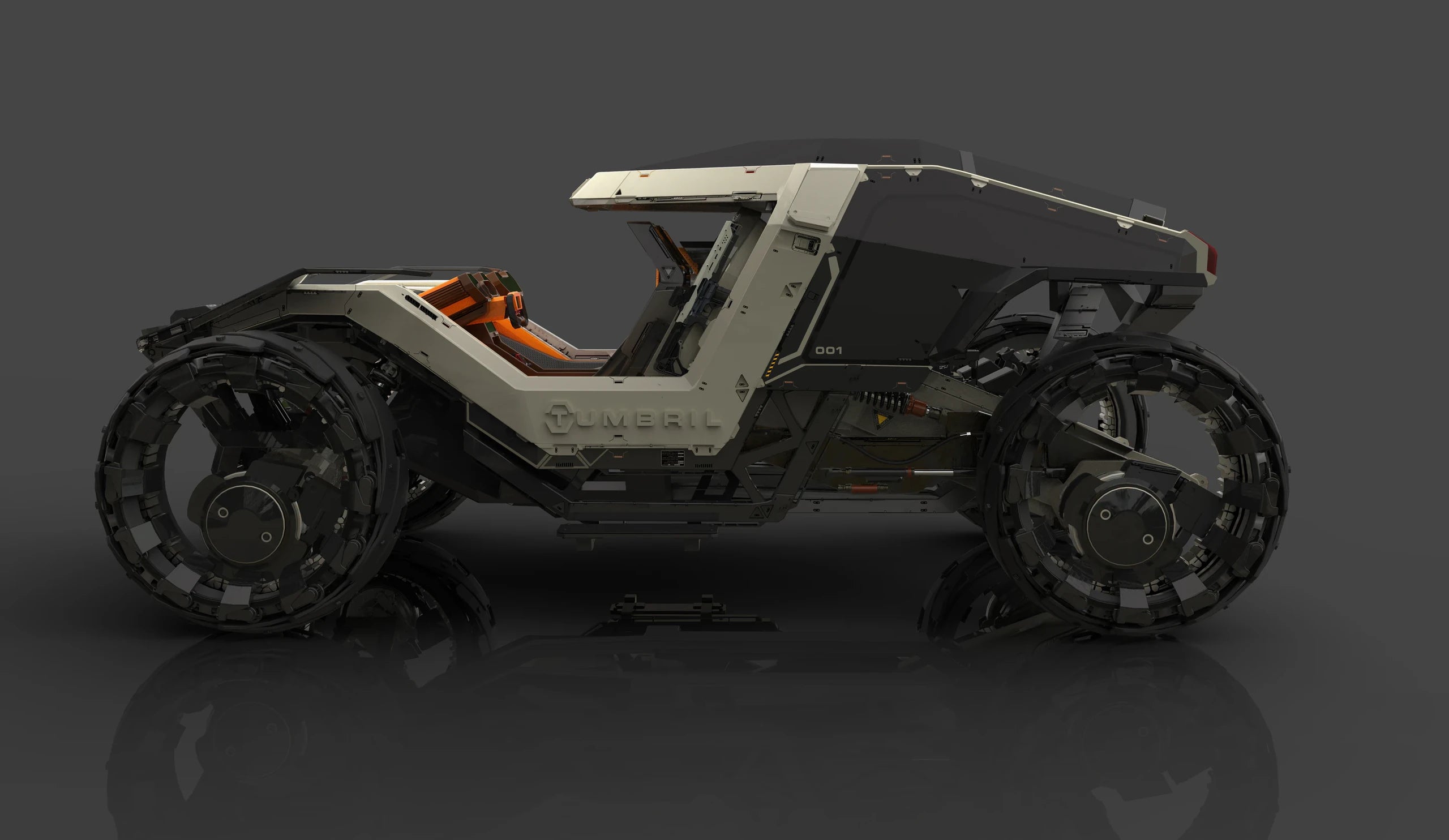
Cyclone's mobility, access, and payload
Seats, manageable size, and all-terrain mobility make the Cyclone a practical way to move people and equipment after landing.
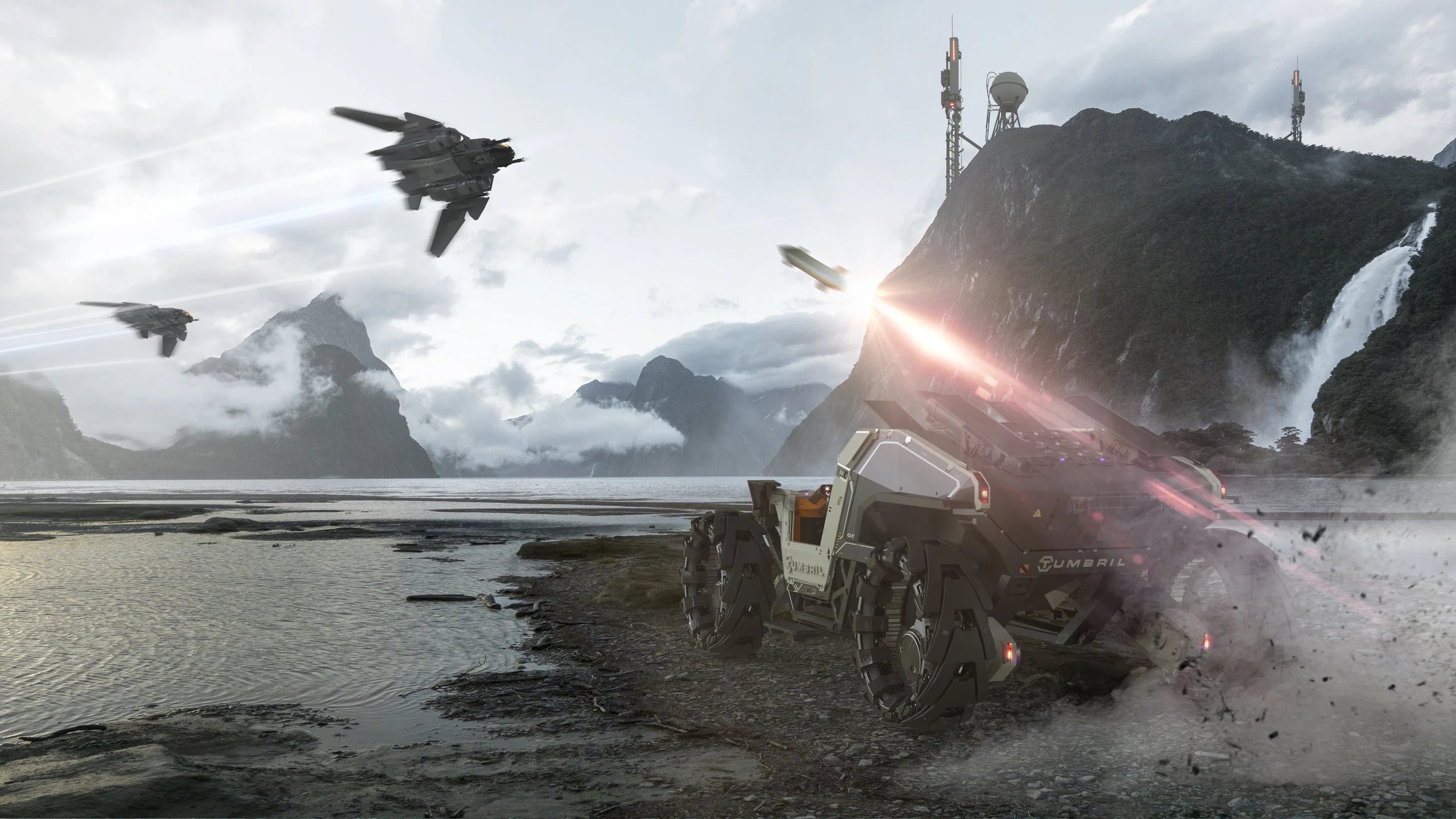
Development note: The Cyclone is flight ready and entered the live game in Alpha 3.1.0. Because Star Citizen remains in active development, specifications, features, and imagery may change over time.
Mobility, payload, and surface access on the Cyclone
The Cyclone earns its carrier space through the all-terrain suspension and payload space, enough range for the planned ground route, and straightforward recovery at the ramp.
Independent suspension design for speed and comfort across all kinds of terrain.
Articulated off-road tires adapt their tread for loose or firm ground, helping the Cyclone maintain traction as the surface changes.
A suitable transport must fit the vehicle without blocking other cargo or equipment.
Wide sightlines make it easier to work safely around a busy landing area.
The base Cyclone's all-terrain chassis
The standard Cyclone is the general-purpose member of the family. Its suspension and compact footprint let two occupants move quickly over broken ground while carrying supplies or equipment for the work beyond the ramp.
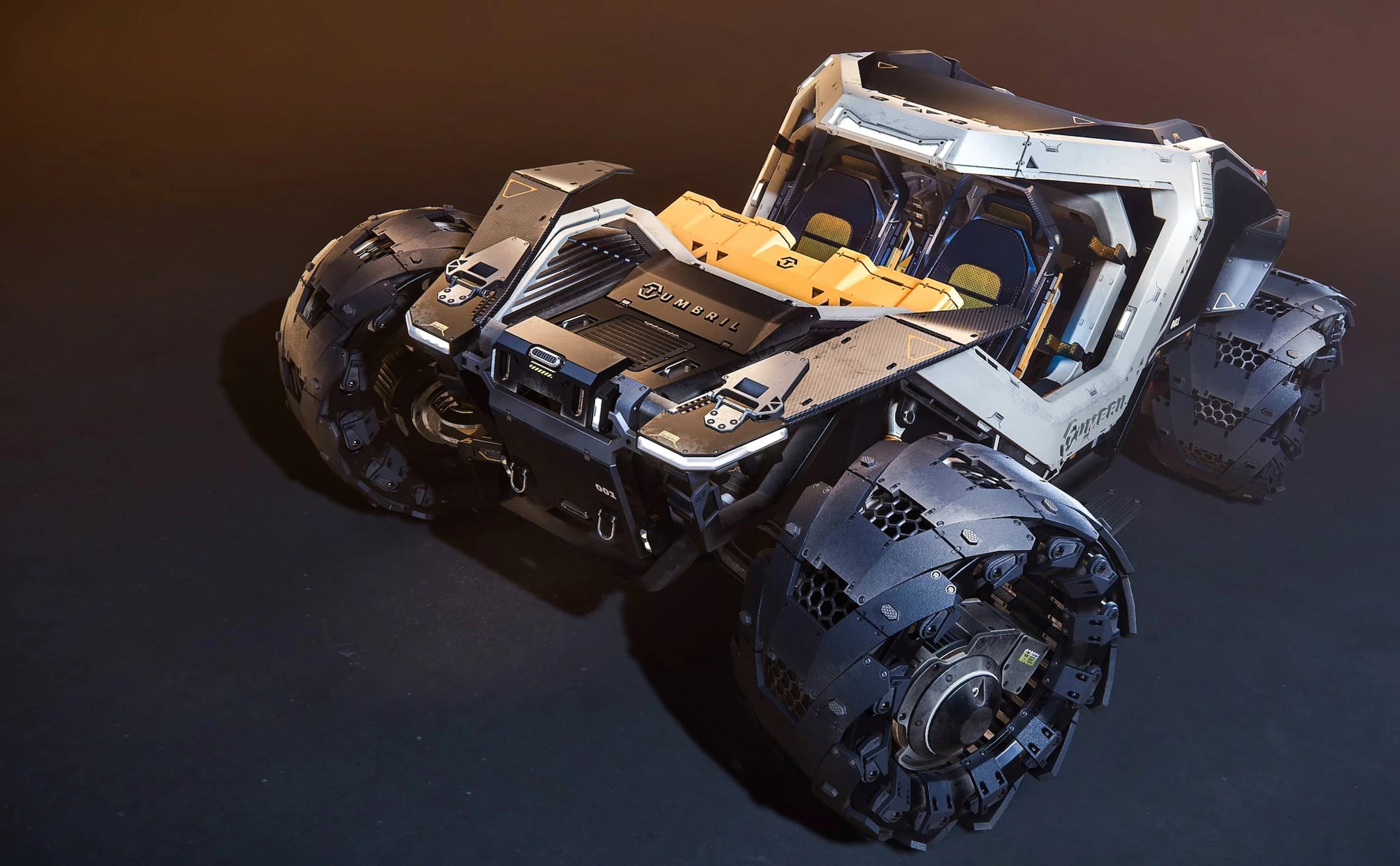
Fast suspension travel and practical payload in a compact rover
Set the Cyclone down with open ground ahead and enough room to return.
Use the all-terrain suspension and payload space within the grip, clearance, visibility, and range available to the Cyclone.
Keep enough range and vehicle condition after using the all-terrain suspension and payload space to return to the carrier.
Surface Runabout in action
The Cyclone uses the all-terrain suspension and payload space beyond the landing zone while the operator manages terrain, payload, and the return to the carrier.
-
Choose terrain the Cyclone can cross safely
A surface trip begins with a route the Cyclone, its passengers or payload, and the recovery plan can all complete.
-
Match speed and payload to the terrain
On the Cyclone, terrain and access at the destination determine how the crew puts the all-terrain suspension and payload space to work.
-
Carry people and equipment with the Cyclone
The Cyclone should arrive with passengers safe, cargo secure, and enough range to return to the carrier.
-
Bring the Cyclone back aboard
The Cyclone returns before range, damage, weather, or changing terrain closes the route to the carrier.
Cyclone's surface equipment in detail
The Cyclone uses its all-terrain suspension and payload space after the carrier ramp comes down, with terrain, payload, and recovery shaping the work away from the ship.
A compartment beside the Cyclone's driver-side door provides 1.8 SCU of storage for equipment and supplies.
Personal equipment aboard the Cyclone can be secured in a single-weapon rack beside each seat.
Clearance, traction, and steering determine which routes the Cyclone can cross after leaving prepared roads.
Passengers, supplies, and personal equipment stay protected and accessible when the Cyclone reaches the destination.
The Cyclone carries people and equipment across the final ground leg
The operator balances terrain, load, vehicle condition, and the distance back to transport.
Unload the Cyclone ready to work
The Cyclone uses its all-terrain suspension and payload space away from the ramp while the operator manages visibility, traction, nearby people, and carrier access.
On the Cyclone, surface conditions, obstacles, slopes, and safe turning space should be read before speed or payload becomes a problem.
The Cyclone's operator plans the route, payload, and return to the carrier around the limits of the all-terrain suspension and payload space.
Aboard the Cyclone, range, damage, and changing terrain still matter after arriving at the destination.
See the Cyclone in action
Watch official footage of the Cyclone in action and see it from every angle.
Find your Cyclone
Explore in-stock Cyclone ships, upgrades, and game packages available from The Impound.