



















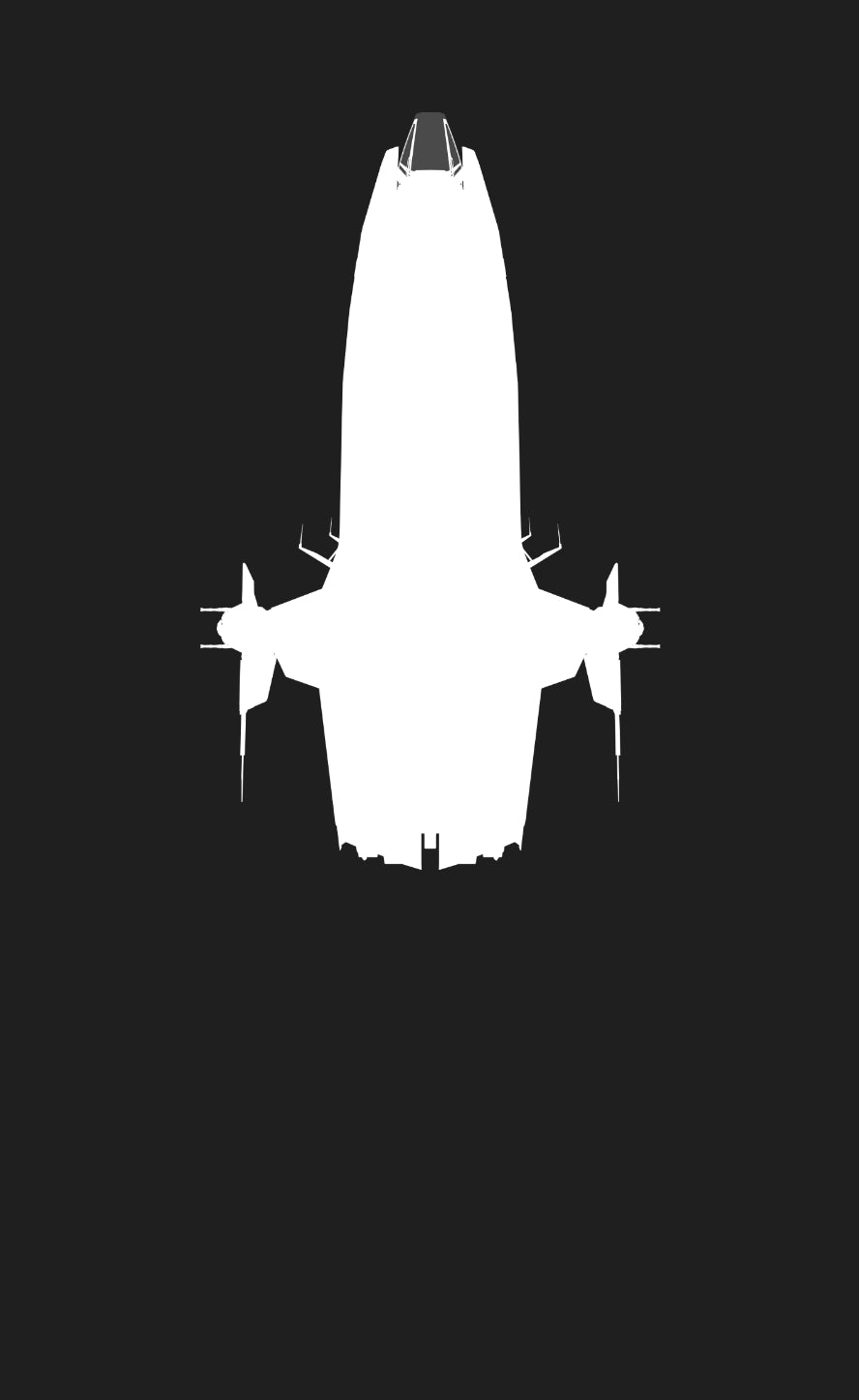
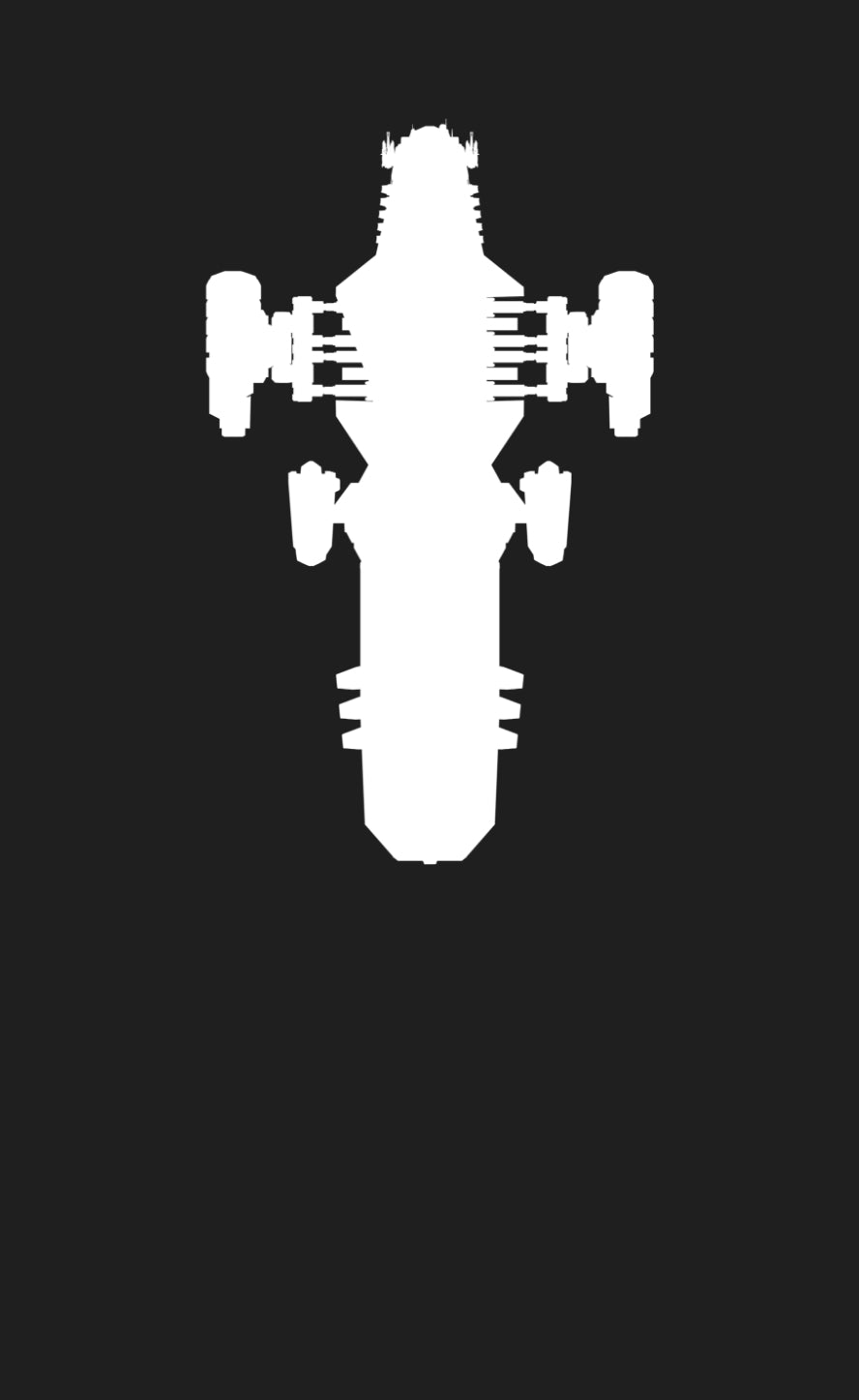
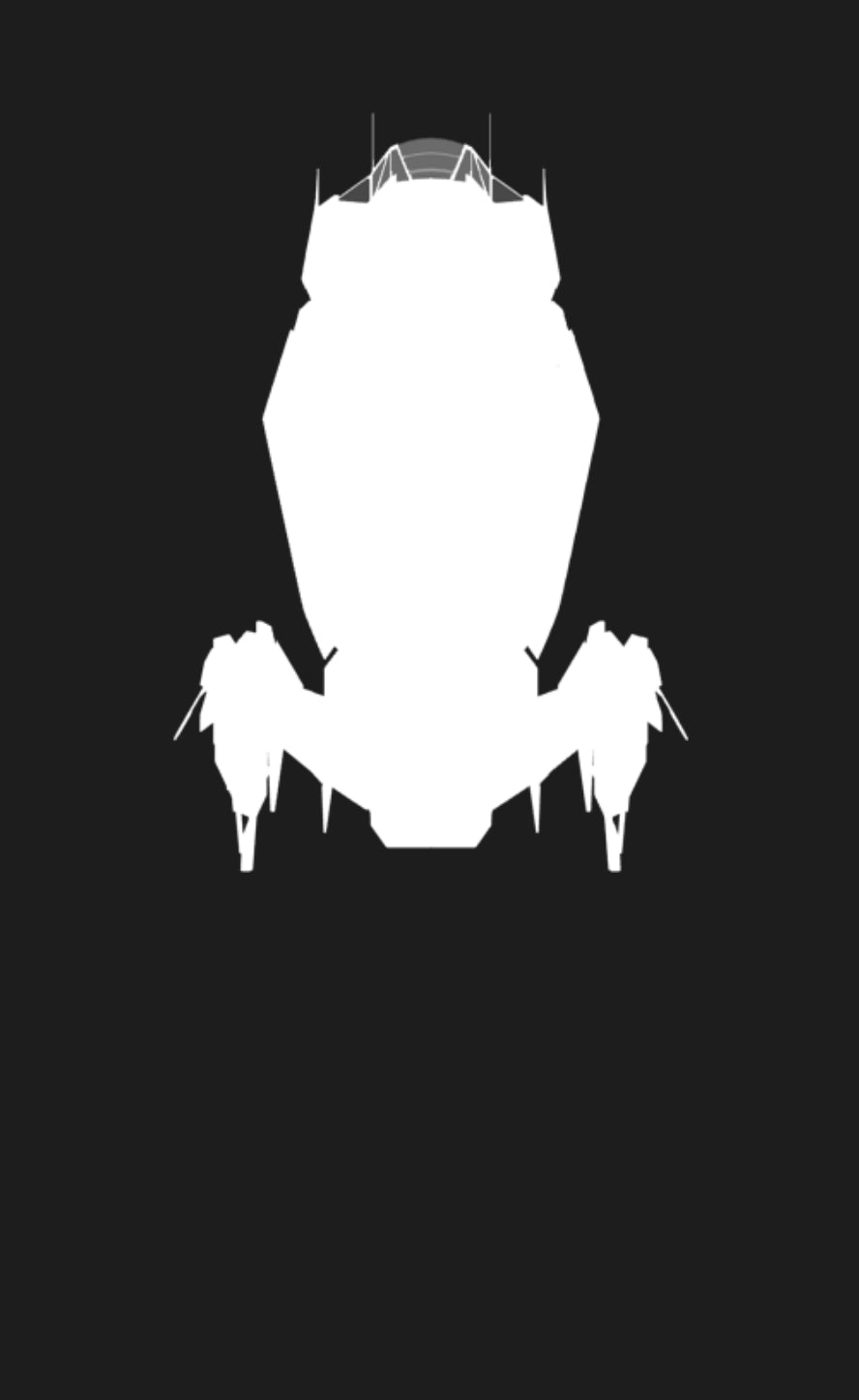

Paladin Guide, Specs & Features

What to know
The Paladin is a medium-sized gunship, developed by Anvil Aerospace. For the Paladin, pilot, turret, sensor, and engineering roles combine to keep several weapons working through a longer fight.
Paladin specifications
The airframe and weapons behind the Paladin
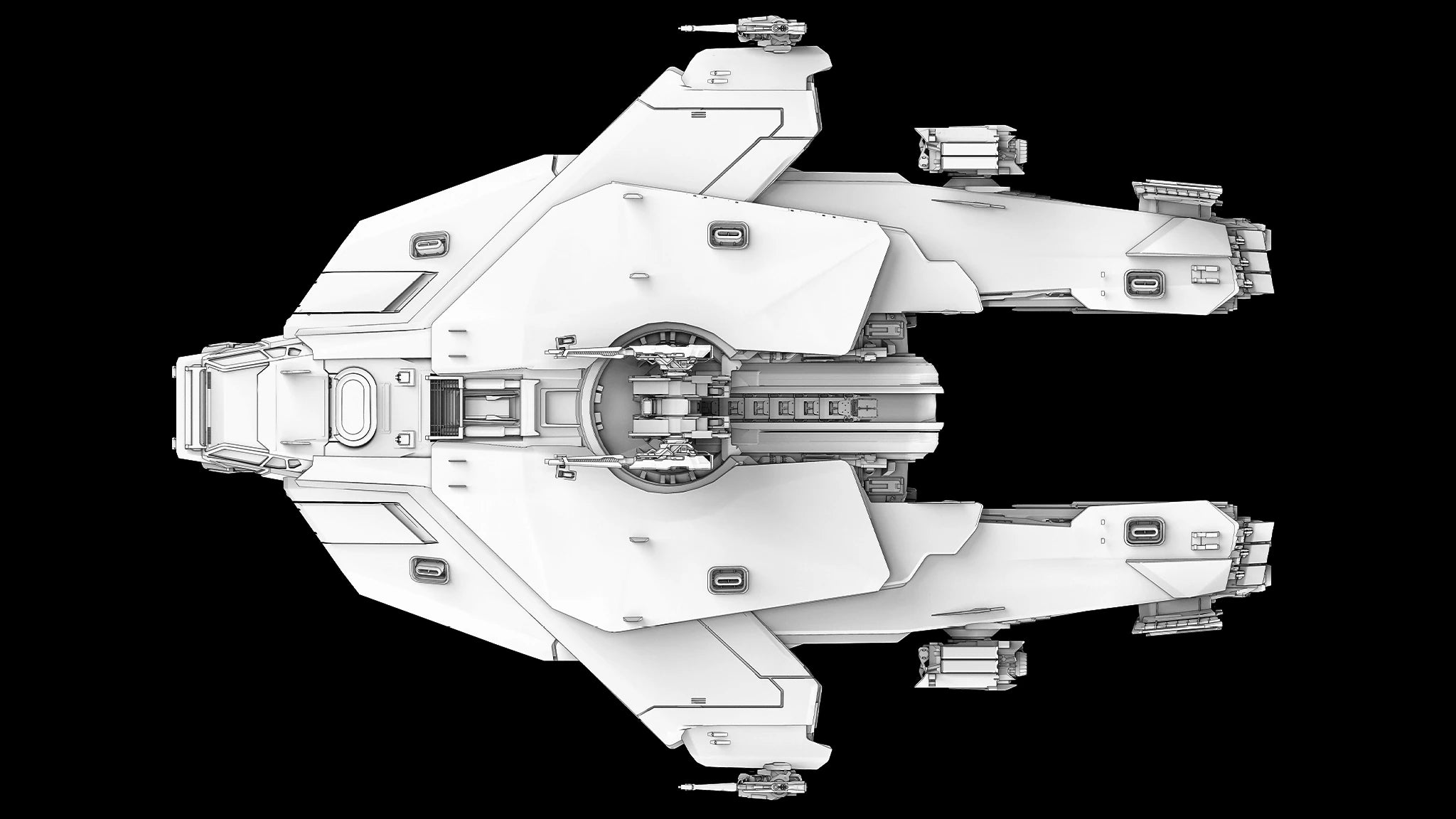
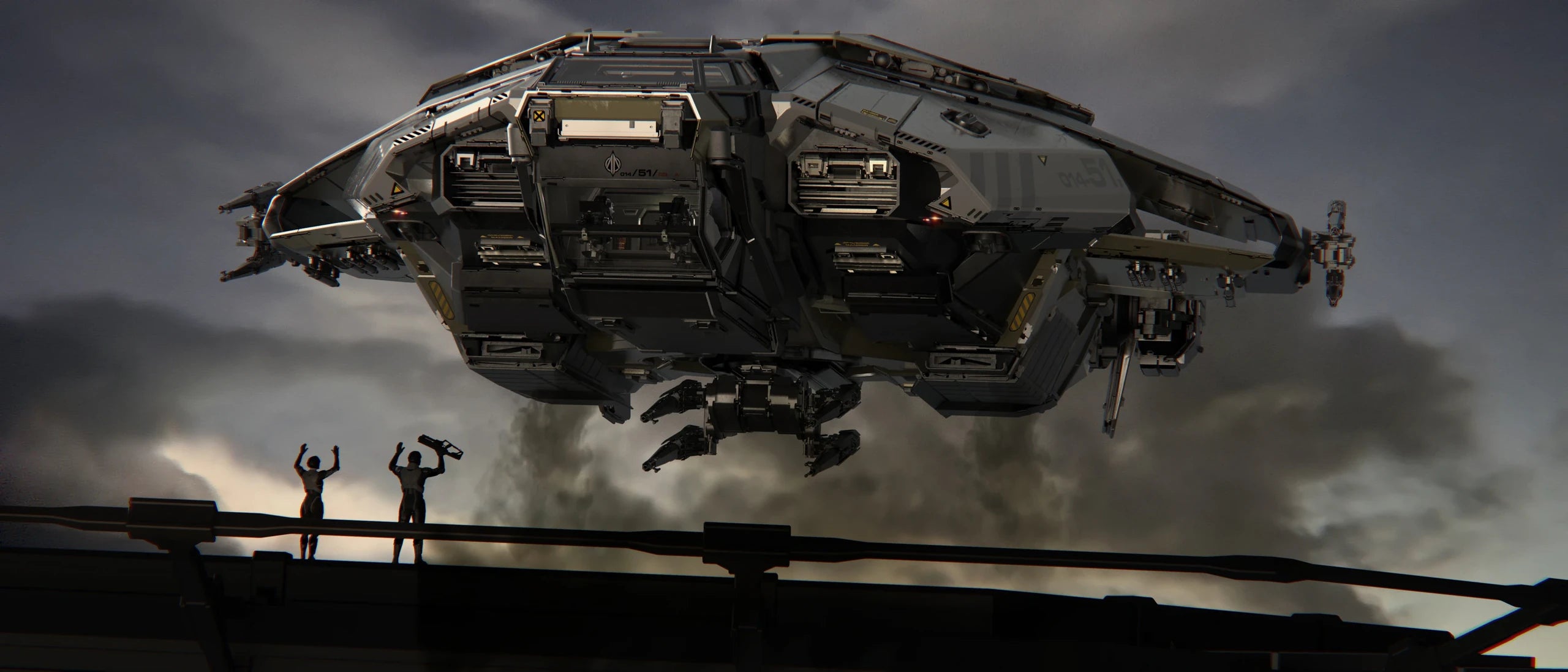
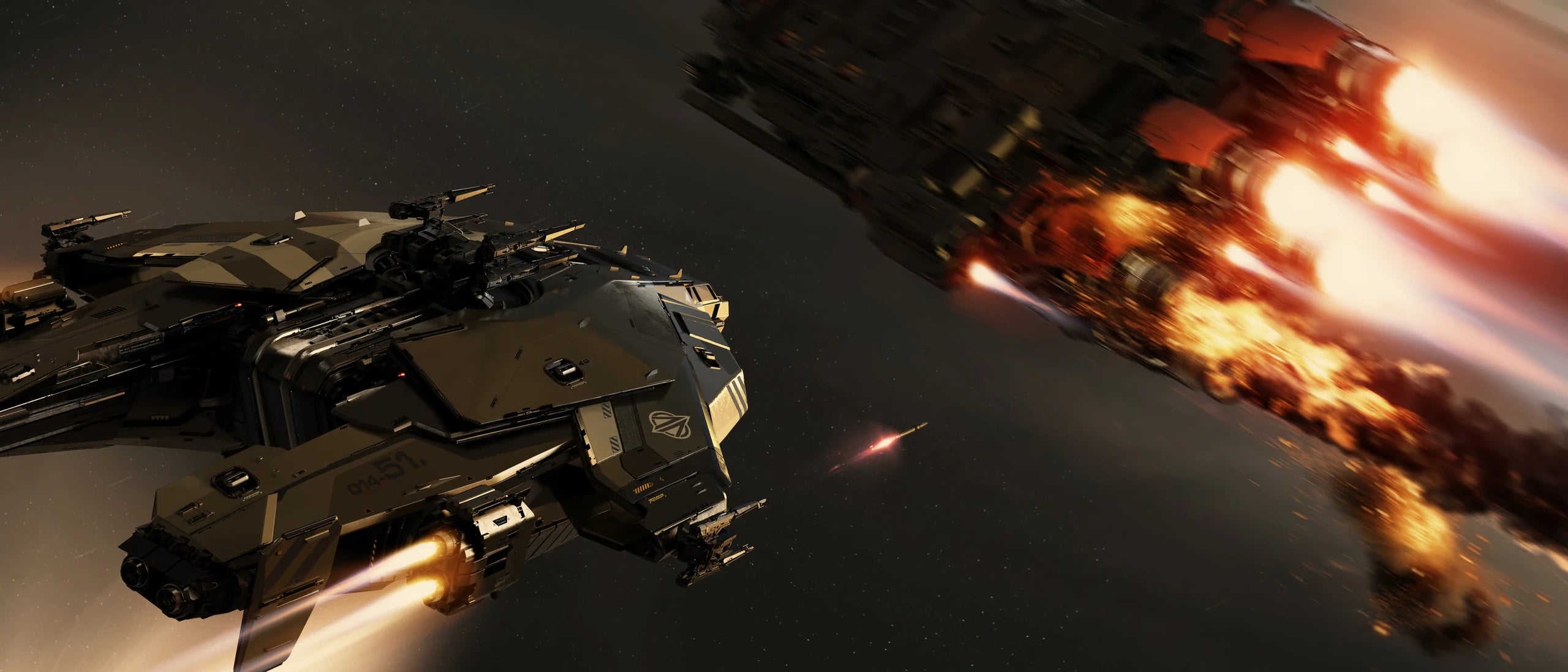
With the four Size 5 guns that move above or below the hull, the Paladin turns several crew stations into one coordinated gun platform. Heavy armor protects the Paladin, and a retractable cockpit blast shield gives the flight crew extra cover when incoming fire becomes a direct threat.
The combat tradeoffs built into the Paladin
For the Paladin, pilot, turret, sensor, and engineering roles combine to keep several weapons working through a longer fight.
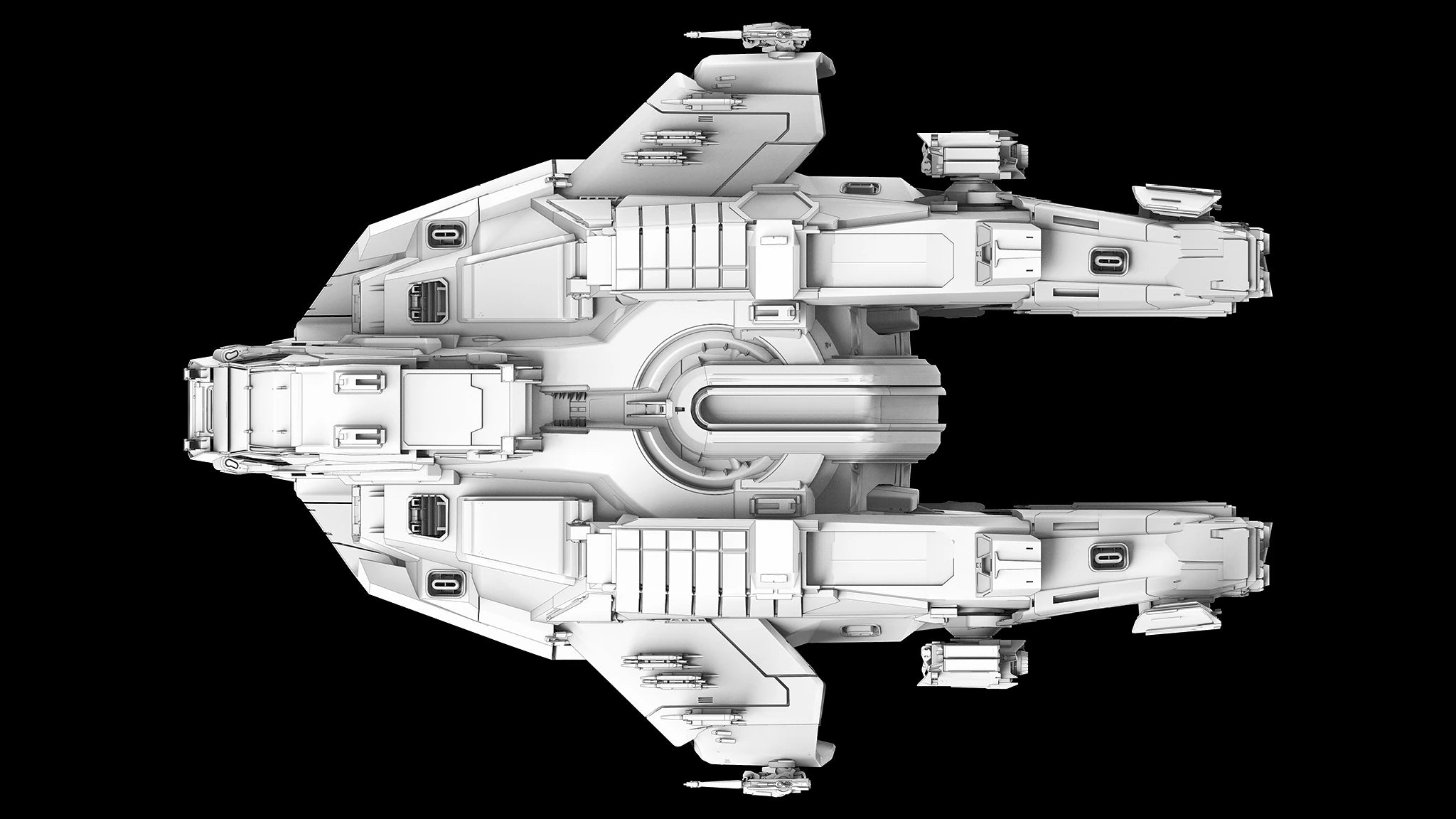
Development note: The Paladin is flight ready and entered the live game in Alpha 4.3.2. Because Star Citizen remains in active development, specifications, features, and imagery may change over time.
Paladin combat systems
The Paladin divides the main turret that move above or below the hull across pilot and crew stations. Shared targets, turret coverage, and engineering support let the ship maintain fire longer than a single-seat fighter.
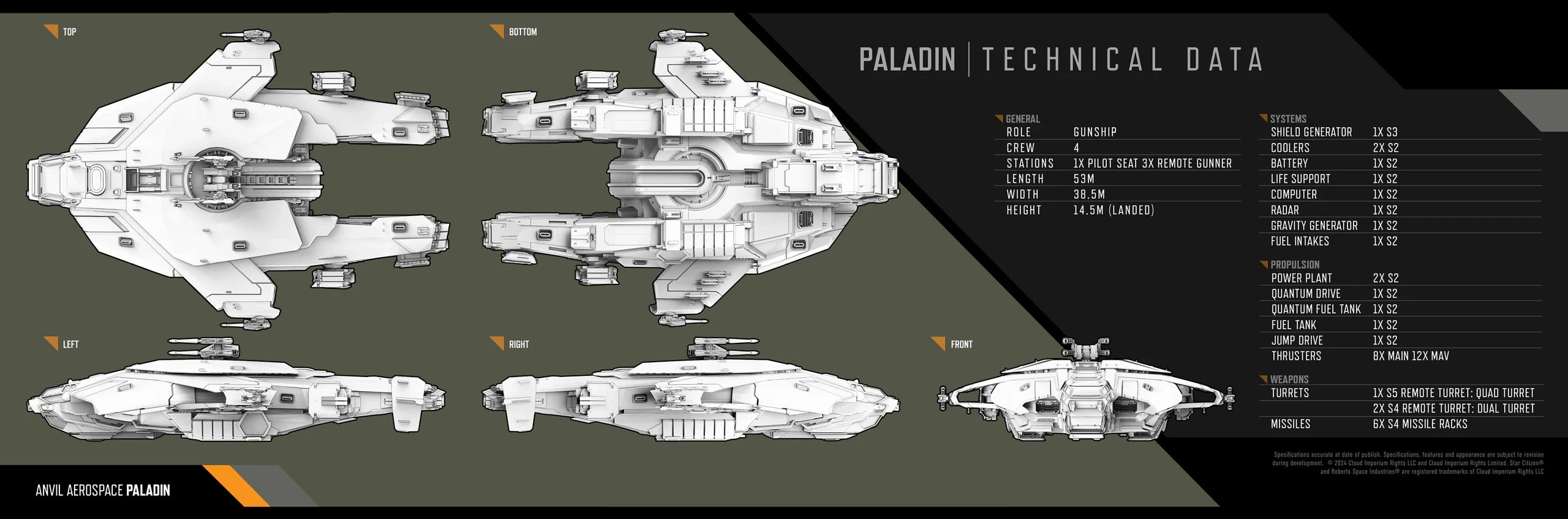
Heavy armor protects the Paladin, and a retractable cockpit blast shield gives the flight crew extra cover when incoming fire becomes a direct threat.
The Paladin's remote turret carries four Size 5 guns and moves along a rail from the top of the ship to the underside for broader coverage.
Six Size 4 missile hardpoints add guided firepower to the Paladin's gun battery.
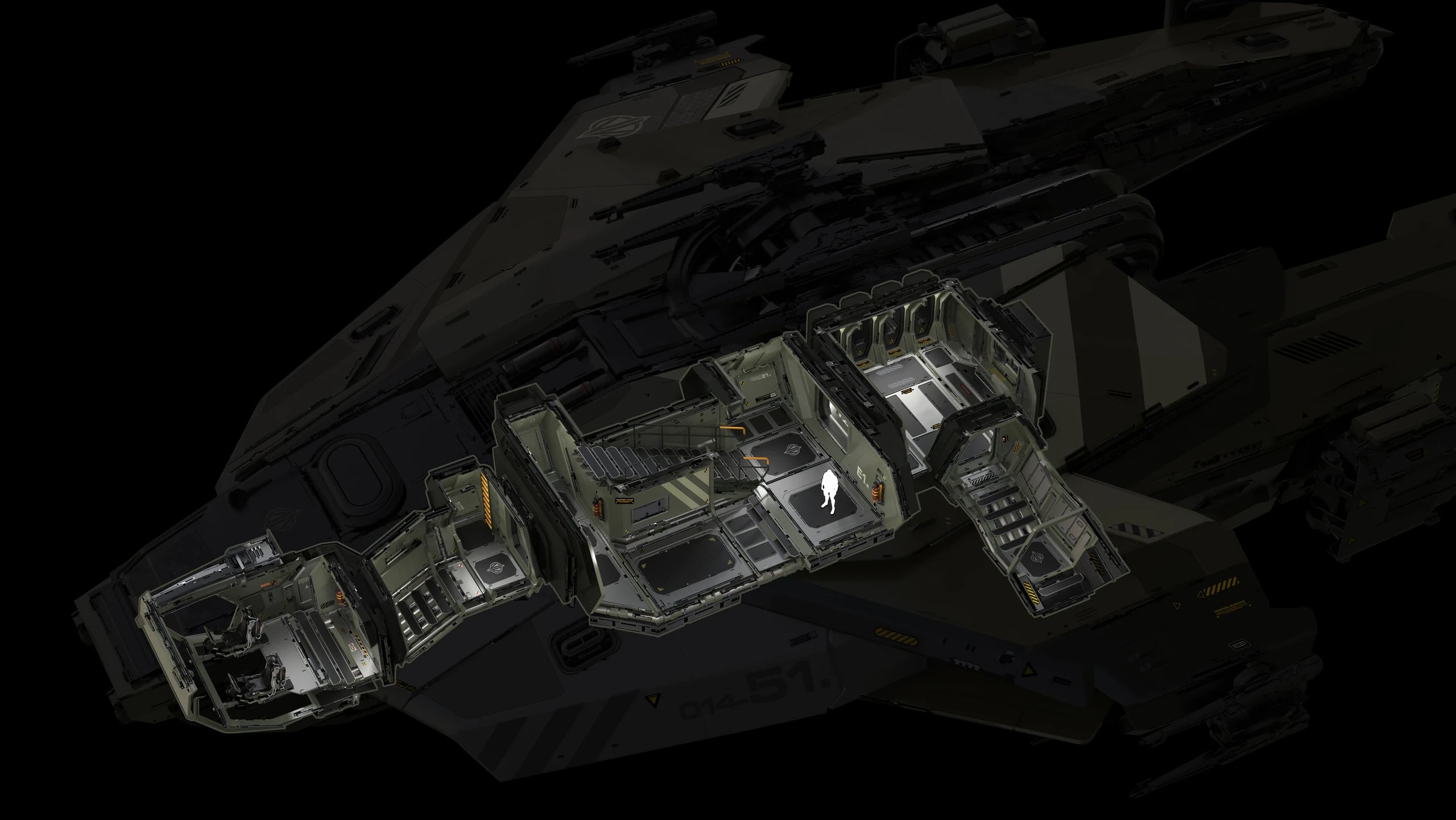
Two shared crew quarters, a kitchenette, seating, and a bathroom make longer Paladin deployments more comfortable for its four-person crew.
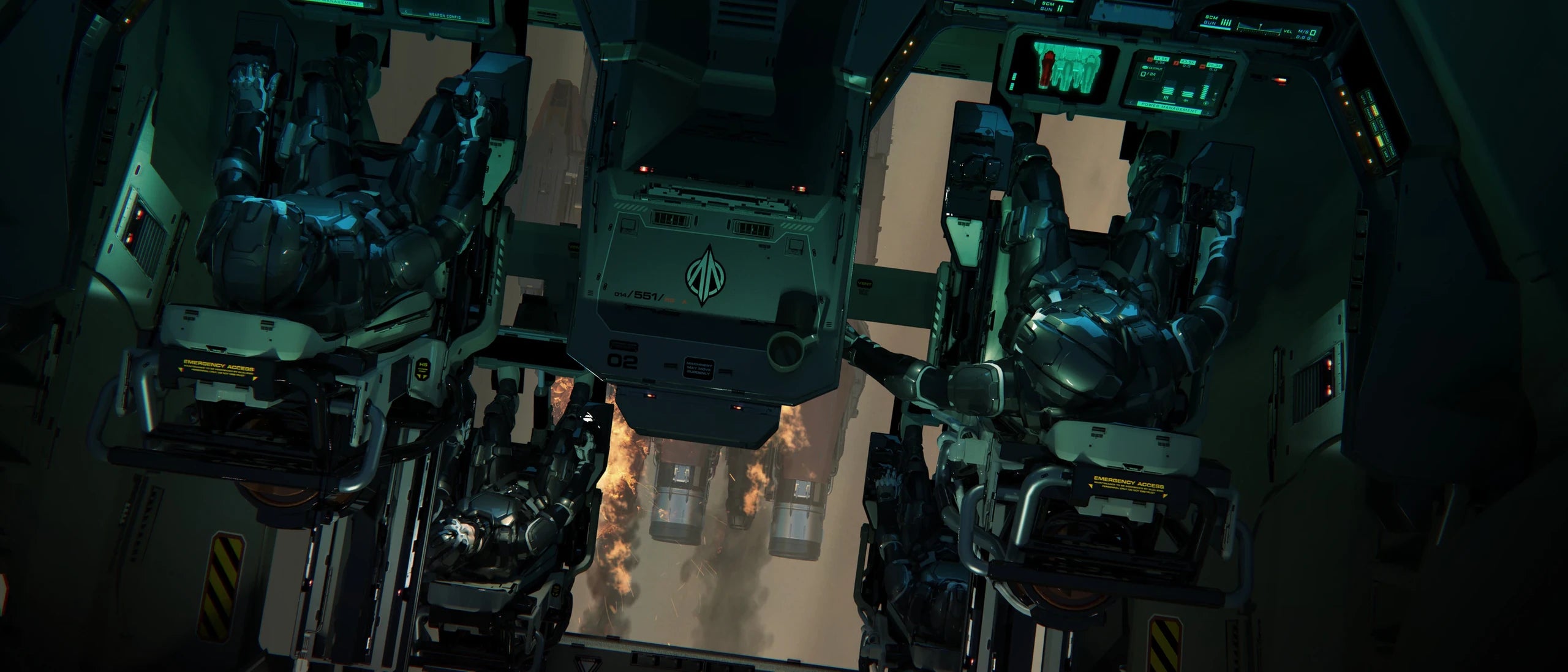
The single-seat cockpit keeps the information needed for flying and fighting within easy reach.
The crew balances power and cooling so sensors, shields, and weapons remain available when they are needed.
The Paladin's rail-mounted heavy turret battery
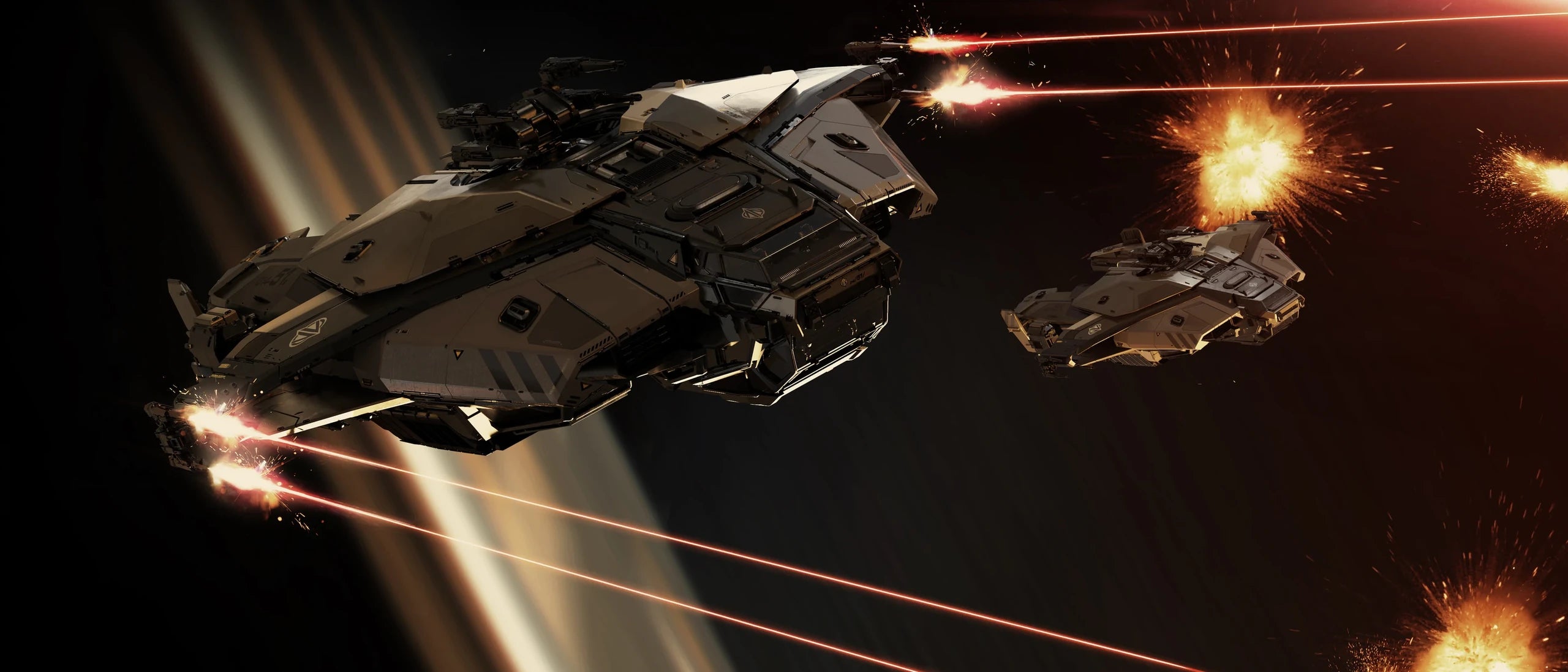
The Paladin's main remote turret carries the rail-mounted battery on a rail that moves between dorsal and ventral positions for a wider field of fire. Two flank turrets add four Size 4 guns, and six Size 4 missile hardpoints complete the gunship package.
Four Size 5 guns that move above or below the hull
The rail system lets the gunner shift the main battery above or below the ship instead of asking the pilot to roll the whole hull for every target.
The side batteries protect sectors the main turret is not handling and keep smaller targets from receiving a free approach.
Shared target priority prevents the Paladin's heavy stations from wasting fire on separate targets without a clear reason.
Combining movement, protection, and firepower
The Paladin gets its firepower from teamwork, with flight control creating coverage and the crew bringing the main turret that move above or below the hull onto the same priority target.
-
Give every weapon station a clear responsibility
Turret sectors and target priorities prevent the Paladin's crew from wasting several guns on the wrong threat.
-
Keep the rail-mounted turret and support guns coordinated
Aboard the Paladin, flight control has to hold effective coverage while sensor calls keep every gunner aware of threats outside the current target.
-
Commit the weapons when the target is clear
The Paladin brings the rail-mounted battery that move above or below the hull to bear while the pilot watches for missiles and other attackers.
-
Keep engineering in the combat loop
Power, cooling, ammunition, shield condition, and damaged components decide how long the Paladin can keep its full battery active.
Flight and weapon controls in one cockpit
The Paladin combines its four Size 5 guns that move above or below the hull with the handling, protection, and targeting systems needed for its combat role.
The ships components are accessible from within, which allows for more efficient and rapid maintenance.
The Paladin's remote turrets give the crew broad firing coverage without requiring a gunner to sit inside each mount.
A compact 4-SCU cargo area sits beside the main staircase, and each crew quarter includes two 0.75-SCU lockers for personal equipment.
Aboard the Paladin, responsive handling helps the pilot keep the gun battery on target through tight turns.
The Paladin's firepower grows from crew coordination
The pilot controls the firing geometry while turret crews, sensors, and engineering keep the heavy gun battery that move above or below the hull active against the same threat.
Turn the Paladin's crewed guns into one battery
The Paladin relies on steady, coordinated fire. The Paladin's crew must share target priorities, turret coverage, damage information, and power needs instead of running separate fights.
Aboard the Paladin, flight and weapon responsibilities remain clear enough for the crew to respond without repeating every decision across the ship.
The pilot uses the Paladin's speed and handling to bring the main turret that move above or below the hull onto the target, then moves before the target can return fire.
Power, cooling, shields, ammunition, and repairs decide how long the Paladin can maintain fire.
Inside the Paladin's combat systems
The cockpit and weapon stations bring the heavy gun battery that move above or below the hull together with flight and targeting controls. Each operator can see the information needed for their part of the fight.
See the Paladin in action
Watch official footage of the Paladin in action and see it from every angle.
Find your Paladin
Explore in-stock Paladin ships, upgrades, and game packages available from The Impound.