

















Why the Anvil F7C-S Ghost Mk II Is the Solo Ship Large Orgs Should Fear

When a large org brings more ships, more pilots, and more guns, a solo fighter normally has little room to work. The F7C-S Ghost Mk II changes that by getting close unseen, hitting one target hard, and leaving before the rest of the group can react.
F7C-S Hornet Ghost Mk II at a glance
Master Modes Made It A Assassin
For a solo pilot, fighting a large org in Star Citizen often comes down to one brutal rule: the side with more ships and more guns usually wins. Master Modes has made focused fire especially powerful, so a lone fighter can disappear quickly once several enemies lock onto it.
Light fighters can dodge and outfly opponents, but missile spam is always a threat. Heavy fighters hit harder, but once a group closes in, they often cannot get away. Ballistics make kills faster, but they also make every mistake more expensive.
The Anvil F7C-S Hornet Ghost Mk II changes the equation. It does not try to outgun an entire org. It stays hidden, catches one ship away from support, disables it, and disappears before backup arrives.
Lurking in the shadows
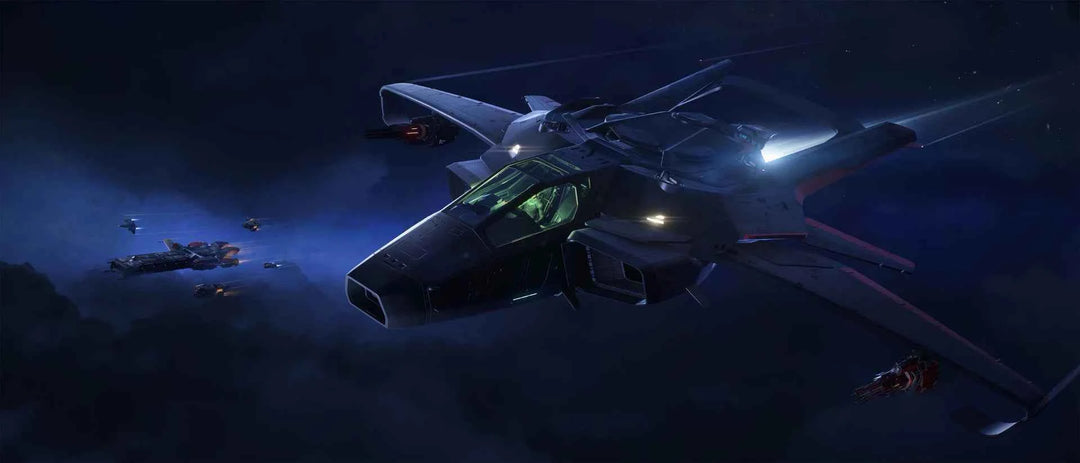
The Ghost's real advantage is the time it steals from the target. A careful pilot can stay off radar, watch a formation, and wait for one ship to drift just far enough away from the others.
Then the Ghost moves in fast, aims for a critical component such as the power plant, and leaves before the rest of the group can react. The fight is meant to be short. The longer it lasts, the more the Ghost loses its advantage.
That makes the ship less of a front-line brawler and more of an ambush fighter. It gives a solo pilot a way to turn one large fight into a series of smaller, more manageable ones.
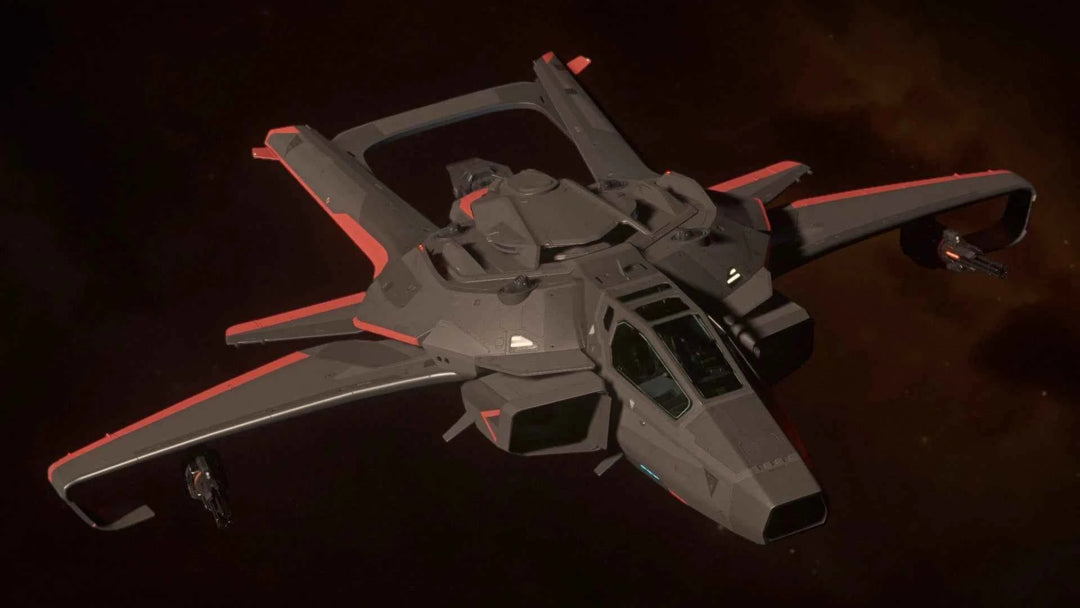
Why orgs hate the Ghost
The Ghost cannot erase a numbers disadvantage, but it can keep every enemy from joining the fight at the same time.
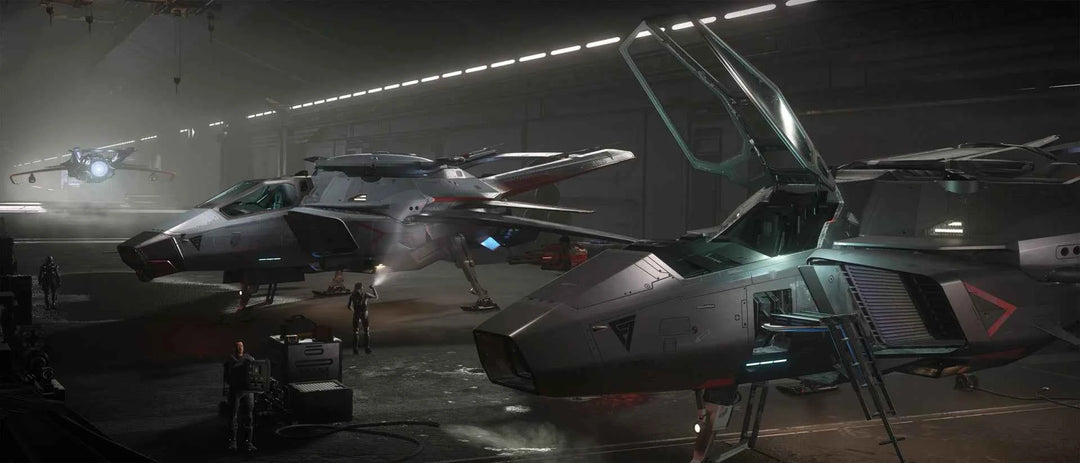
Its low signature lets the Ghost get close before the target has much time to react.
Ballistic weapons can focus on the power plant and end the fight faster than slowly wearing down the full ship.
The pilot looks for the ship that has drifted away instead of attacking the whole formation.
Low signatures can delay missile locks while the Ghost creates distance after the attack.
Once the ambush is over, it still flies and fights like a Hornet in a one-on-one duel.
A good attack includes the escape route from the start. The Ghost is not meant to stay in the middle of the group.
By the time it appears on radar, it's already too late
With the tested stealth loadout, an Arrow did not detect the Ghost until roughly 2.2 kilometers. An Polaris picked it up at about 2.4 kilometers. At those distances, the target may have only a few seconds to understand what is happening.
Those numbers are test results, not fixed guarantees. Detection changes with the patch, loadout, emissions, radar, and approach. The important point is simple: a properly set up Ghost can get very close before it is noticed.
The fighter had very little warning before the Ghost entered close combat range.
Even the capital ship reportedly detected the Ghost only shortly before the attack.
Those few seconds that you gain through stealth, give you a huge upper hand before enemy can react.
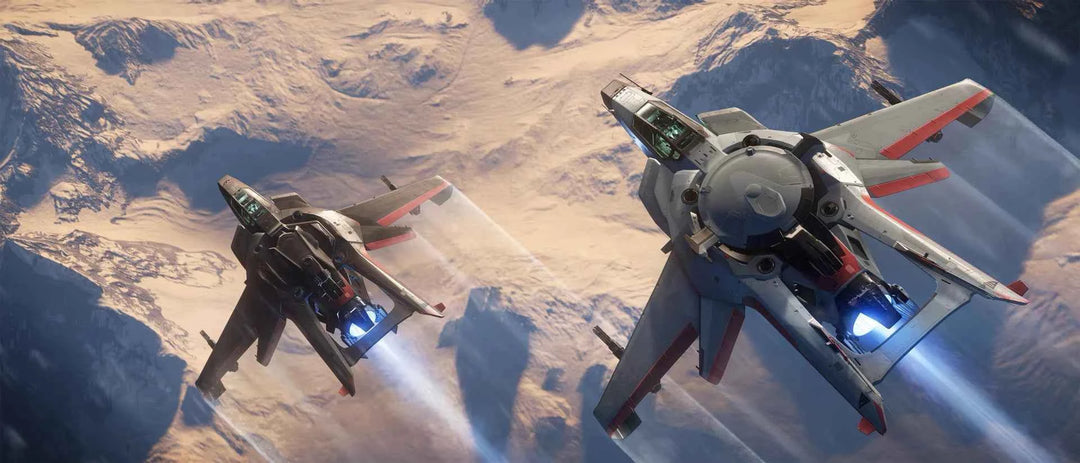
How the ambush works
Flying the Ghost well is less about rushing in and more about planning the whole attack before the first shot.
-
Watch the group
The pilot checks the escorts, spacing, radar coverage, and safest direction to escape.
-
Pick the straggler
A ship only a few kilometers from its support can still be exposed long enough for one decisive pass.
-
Hit the power plant
The attack focuses on disabling one key component instead of trading damage with the entire hull.
-
Leave immediately
Once the target is disabled, the Ghost exits before the rest of the group can surround it.
Why use the Ghost instead of another stealth ship?
The Sabre, Talon, Eclipse, and other stealth ships can all approach quietly. The Ghost stands out because it combines stealth with enough immediate firepower to finish the opening it creates.
The Hornet platform can put heavy pressure on a fighter before help has time to arrive.
Its weapon layout supports the quick component kill this tactic depends on.
It can still dogfight instead of relying on a single torpedo or highly specialized attack.
It gives up some toughness for stealth, but keeps the handling and firepower needed for a direct duel.
Stealth does not make the Ghost invincible
A bad attack is still a bad attack. When an org stays close, communicates, and reacts as one group, the Ghost may get a first pass but have nowhere safe to go afterward.
Several ships firing at the same time can overwhelm it just like any other solo fighter. Stealth lets the pilot choose when the fight starts; it does not turn a four-on-one into a fair duel.
The Ghost can also be punished by an excellent light-fighter pilot, heavy missile pressure, or an enemy that correctly guesses the escape route. Staying after the target is disabled is often the quickest way to lose the ship.
The Ghost punishes sloppy groups. It does not beat well-organized ones.
Even capital ships can be vulnerable
Capital ships are huge, but their outside weapons, engines, and defensive systems can still be exposed. A stealthy approach can let the Ghost reach those parts before the crew is ready.
In the tested ballistic environment, the fighter could damage point-defense weapons and other exterior systems without first wearing down the capital ship's massive shields. Once those defenses were gone, new attack angles opened against engines and other components.
That does not mean the Ghost should be a true capital killer, and this interaction may change as armor, engineering, and component damage are balanced. For now, a poorly crewed capital ship cannot assume that size alone will protect it.
Why the Ghost still feels fair
The Ghost is dangerous because it creates an opening. It does not guarantee that the pilot will survive or win.
Once detected, experienced opponents can attack the same weaknesses found on other Hornet variants.
Overlapping radar and fast support make it much harder for the Ghost to isolate anyone.
Without a clear escape route, the pilot can be trapped before stealth becomes useful again.
Surprise helps, but aim, timing, positioning, and component targeting still have to be right.
The bigger issue is the flight model
The Ghost works well in today's combat, but it also shows why solo pilots feel pushed toward stealth in the first place.
Older flight systems gave pilots more ways to break up a group through speed control, energy management, and smart positioning. A skilled player could stretch a formation apart and create one-on-one fights through flying alone.
Master Modes makes that harder. Lower combat speeds and tighter limits keep ships closer together, so focused fire and the number of guns often matter more.
Stealth lets the Ghost create the kind of isolated fight that maneuvering used to create. It is an effective answer, but it is also a workaround.
A deeper flight model would give skilled pilots more ways to fight outnumbered without needing to remain invisible.
The verdict: one of the smartest solo combat choices
The F7C-S Hornet Ghost Mk II is not the strongest ship in every fight, but it is one of the most interesting choices for a patient solo pilot. It has enough stealth to get close, enough component damage to disable a target quickly, and enough Hornet performance to survive when the ambush becomes a dogfight.
Its biggest strength is control.
A large org still has the advantage. A coordinated group can destroy the Ghost as soon as the pilot makes a serious mistake. But a careless group can no longer assume that one lone fighter is an easy kill.
In the right hands, the Ghost can watch from the edge of a fight, choose the weakest target, strike before anyone is ready, and disappear before the rest of the organization arrives.
It does not promise victory. It gives a solo pilot a real chance to fight back.
Shop the F7C-S Hornet Ghost Mk II
Browse standalone ships, upgrades, and compatible Hornet Mk II paints available from The Impound.