















Kruger S-65 Stingray: a fighter with a little flair

Three configurations, a clear cockpit and a taste for vintage design: the Kruger Stingray puts handling at the heart of its medium-fighter identity.
The Kruger S-65 Stingray is for the pilot who would rather win space to manoeuvre than choose a fighter by its damage output alone. Its wings change shape for landing, flight and combat; its cockpit puts the view ahead of a wall of controls. The old-car glamour is obvious, but the more interesting ambition is a medium fighter whose movement has as much personality as its silhouette.
A little vintage eccentricity, with moving wings
The Wolf and Alpha Wolf reintroduced Kruger the year before this film, complete with a fin that divided opinion. The development team remained pleased with the pair’s visual and gameplay identities. The Stingray carries that willingness to be distinctive into the manufacturer’s first medium fighter: high-end, traditional shapes and materials, drawing on vintage cars and aircraft rather than trying to look relentlessly modern.
There is a natural stingray in the outline, but industrial design anchors it. One inspiration was a Second World War aircraft prototype that never flew, mixed with automotive styling. The team’s closing hope is that the ship recaptures something of vehicles from the 1960s and 1980s that still have character today. It is an appealing brief for a spaceship: a shape with a reason to be remembered, rather than another collection of aggressive angles.
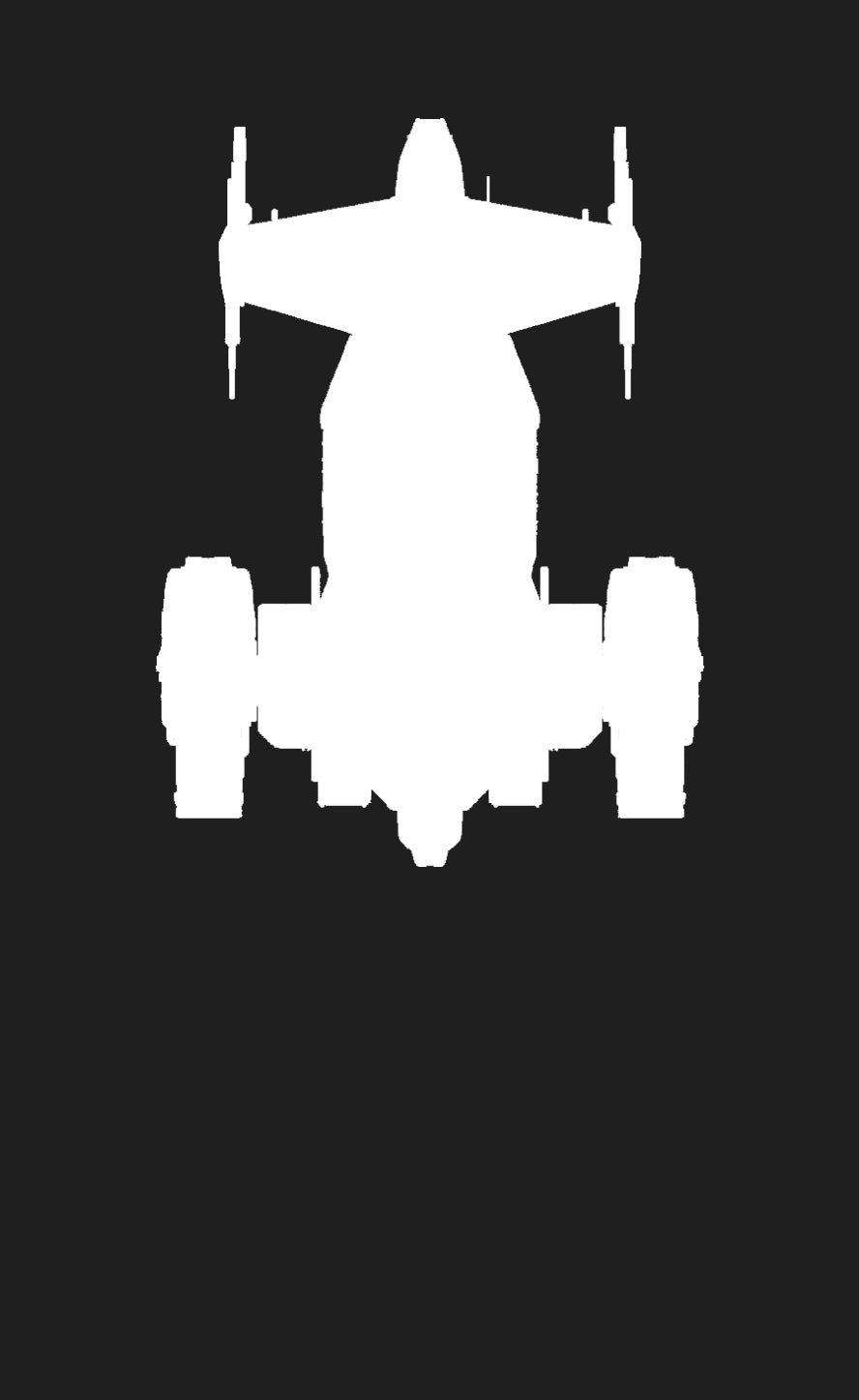
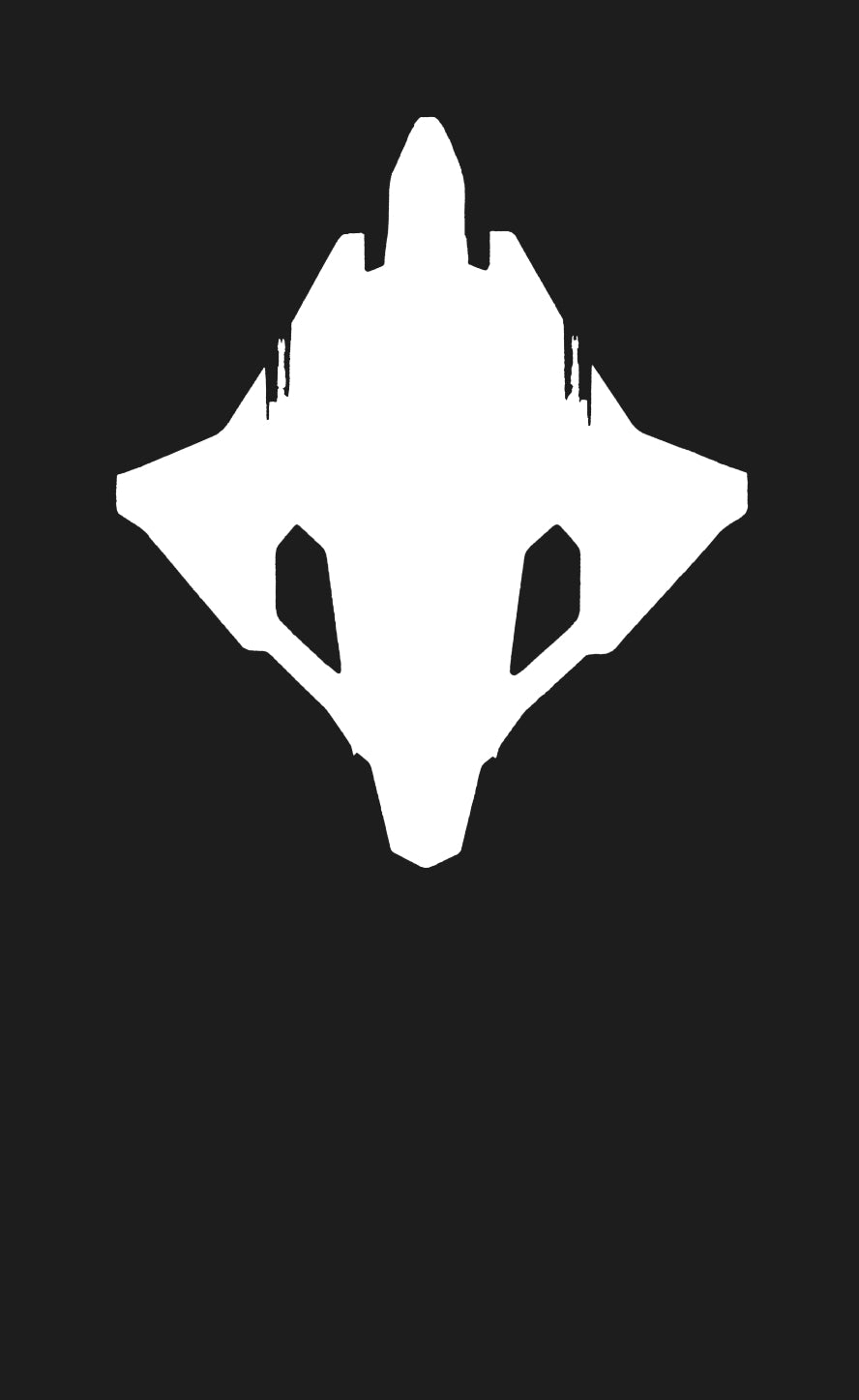
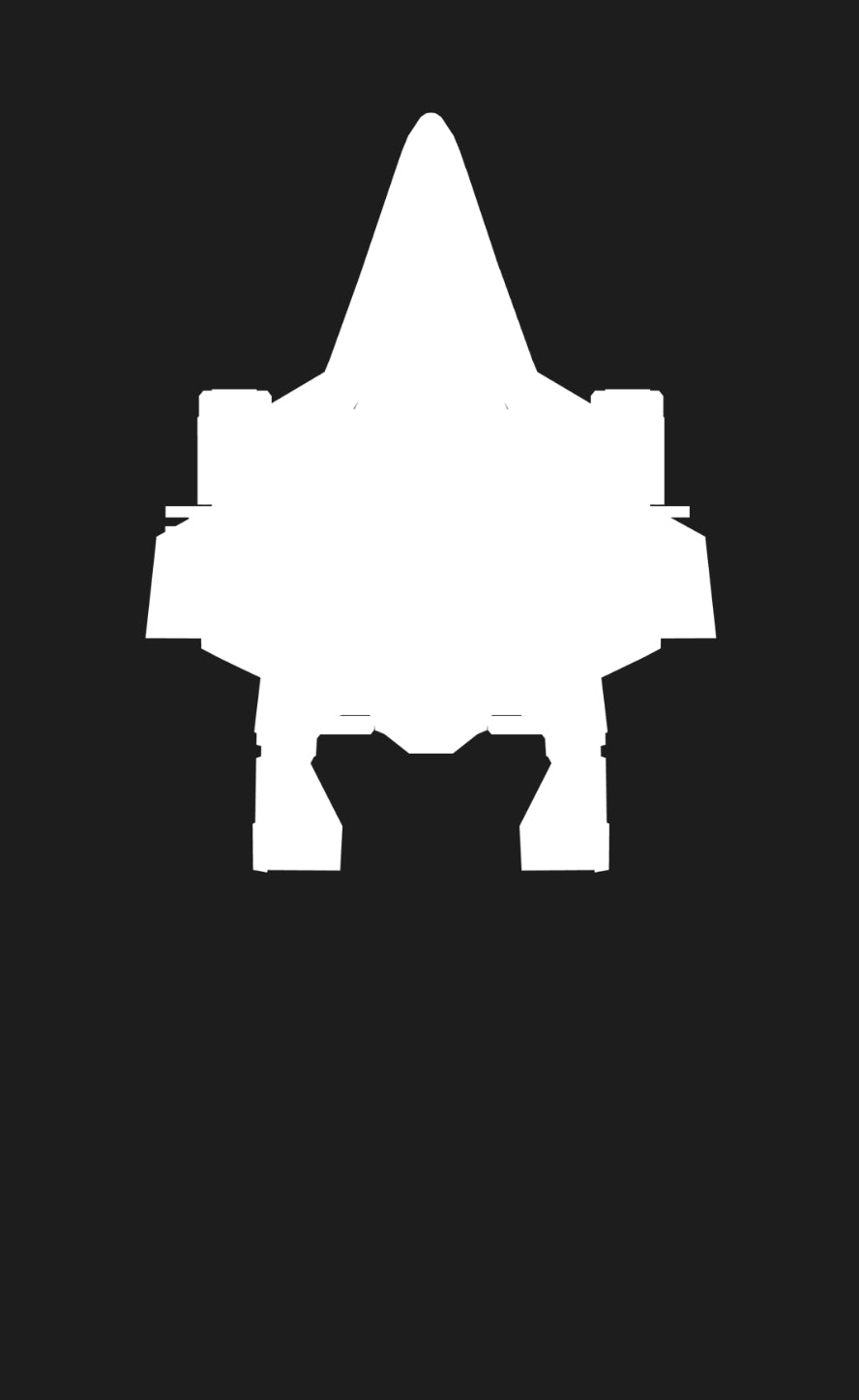
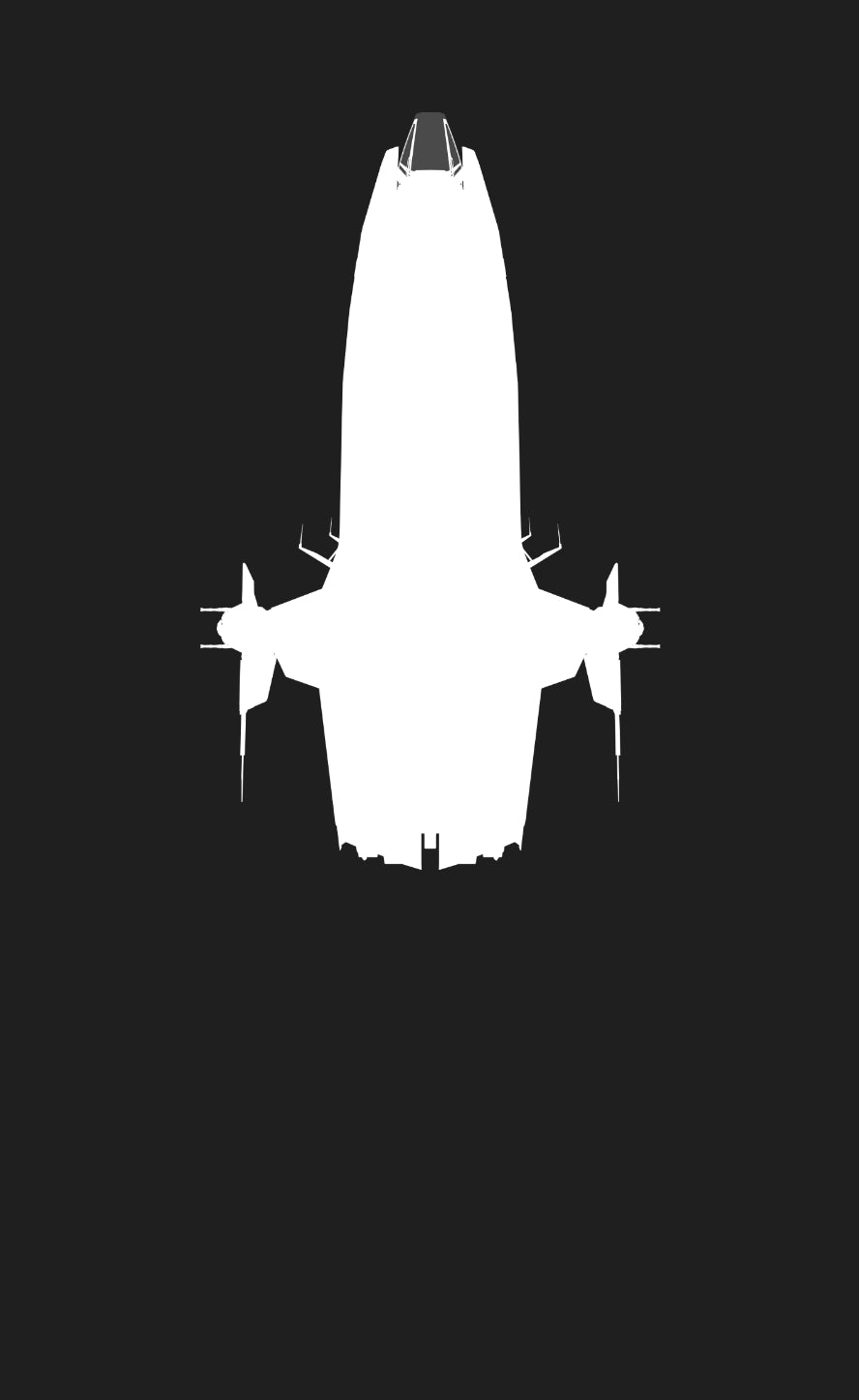
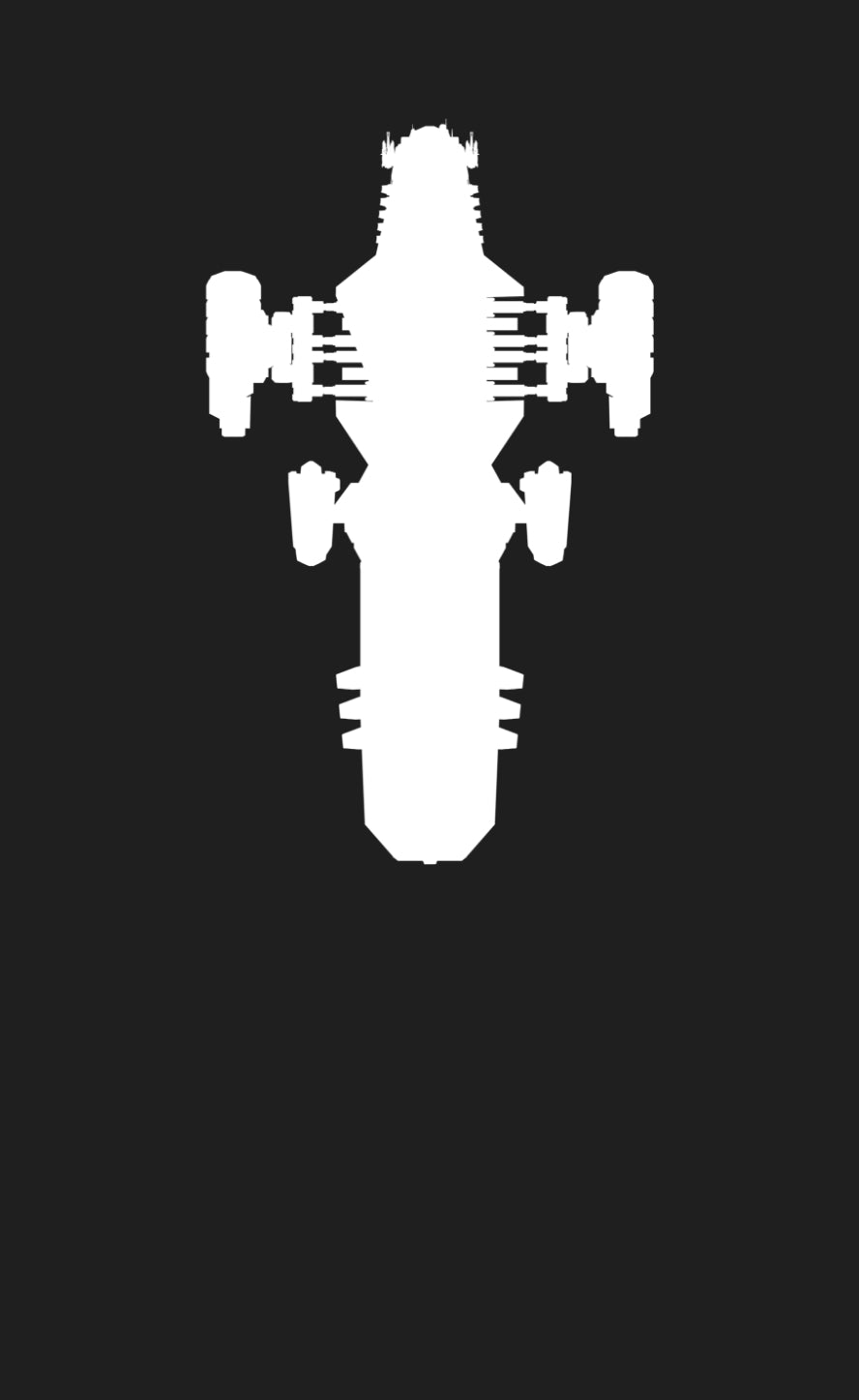
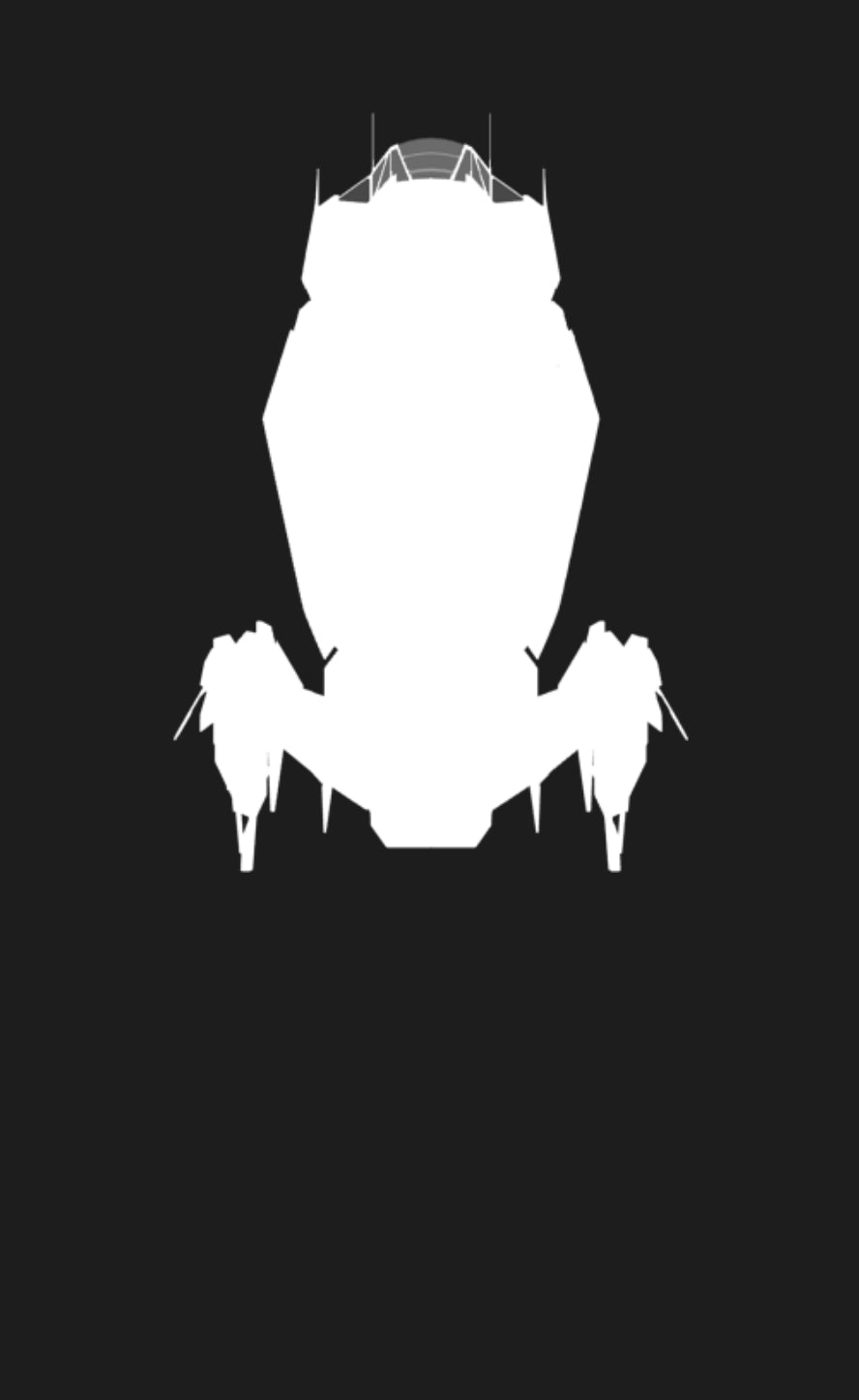
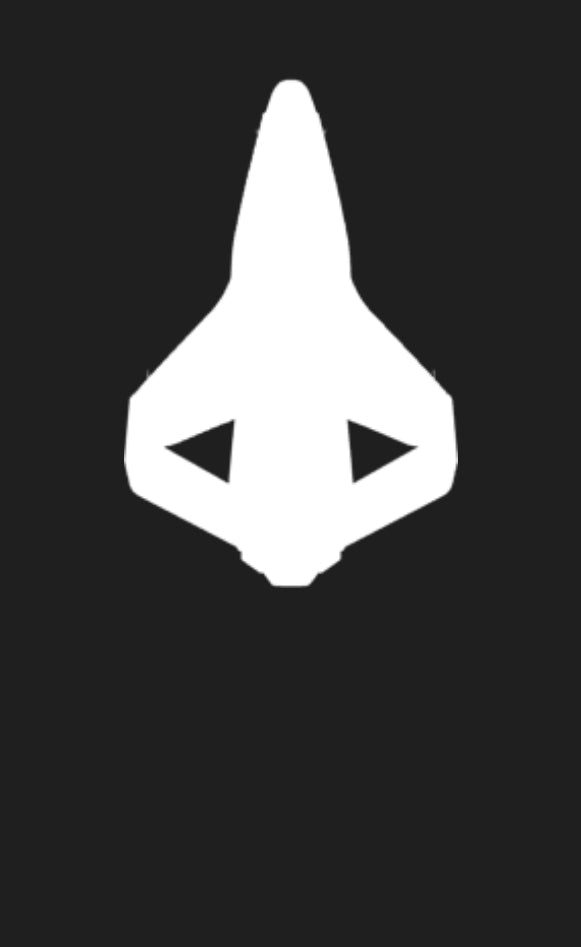
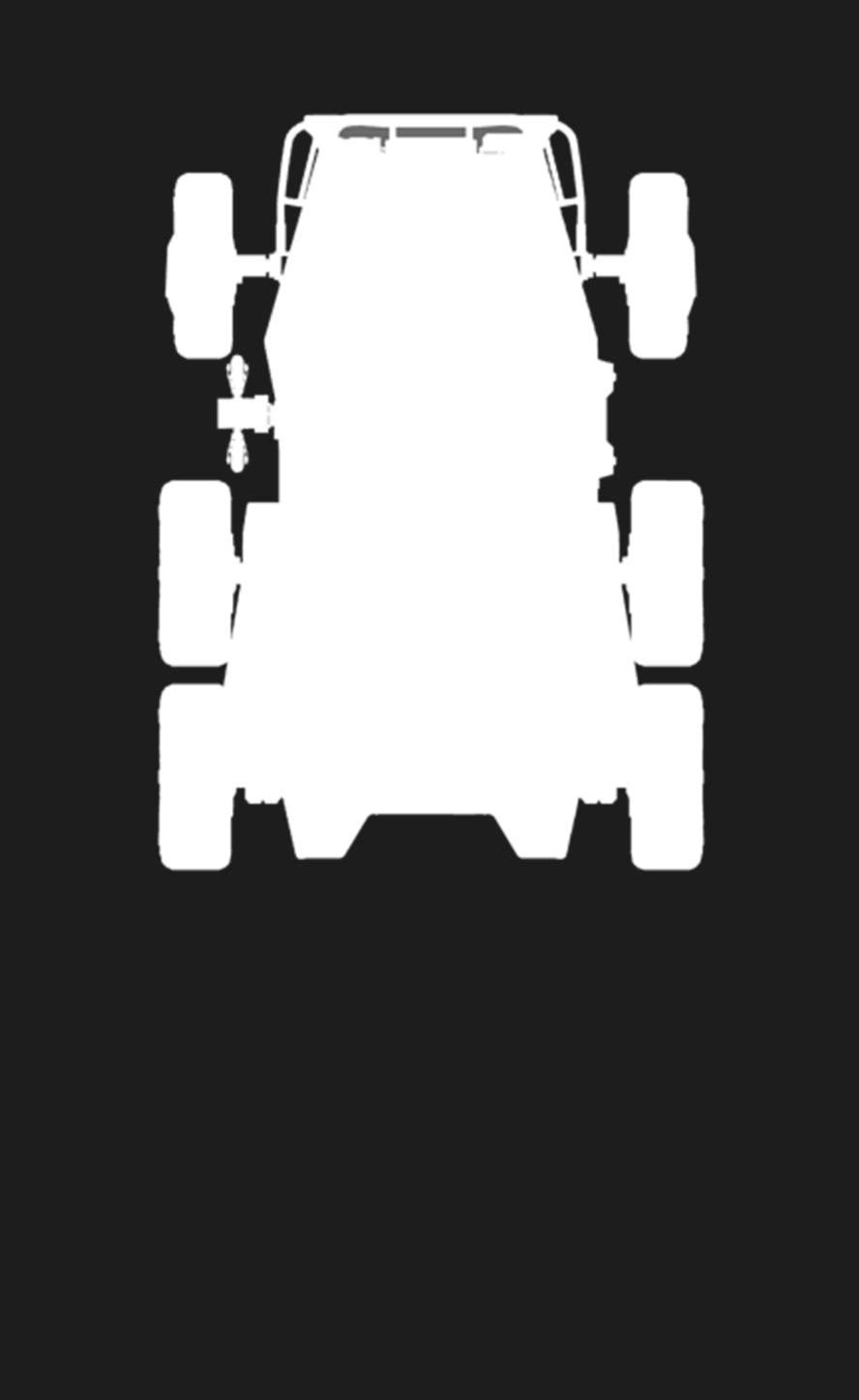
The developers describe the Stingray as their first implementation of three distinct states. Landed, the wings bend upwards and the landing gear extends from them, with a Spitfire comparison in the film. In flight the curves form a continuous, swept shape; for combat the wings retract inwards. The contracted chassis presents a smaller target. The retracted posture is meant to convey agility and a readiness to fight, pulling the broad silhouette into something tighter and more purposeful.

| Configuration | Length | Width | Height |
|---|---|---|---|
| Landed | 20.45 m | 15 m | 8.23 m |
| Flight | 22.15 m | 24.3 m | 4.2 m |
| Combat | 22.2 m | 20 m | 7.5 m |
The Stingray trades span for height when it folds into combat mode. Width drops from 24.3 metres in flight to 20 metres in combat, while height rises from 4.2 to 7.5 metres. That is a change in profile, rather than a ship simply shrinking in every direction. Landed, the wings stand taller still, leaving a 15-metre span and an 8.23-metre height. Anyone drawn to transforming spacecraft gets three noticeably different shapes to enjoy, with the same single-seat fighter underneath.
We like that the transformation has a clear visual purpose. The spread flight shape sells the stingray resemblance; the tucked combat posture looks more guarded. It gives the pilot something more distinctive than a static hull with a different loadout, and makes the transition from a parked ship to a fighter ready for trouble part of the appeal.
There is also a brief answer for Eclipse owners: its flight mode is intended to arrive with gold-standard work at some point. No date accompanies that commitment.
Six guns, with a Kruger family connection
The default armament starts with two Size 4 laser repeaters, the same weapons found on the Wolf. Size 4 weapons from the Wolf and Alpha Wolf can be fitted to the Stingray in any combination. Each wing also carries two new Size 2 laser repeaters—four in total—which are interchangeable with other Size 2 Kruger ship weapons.
That compatibility gives the Merlin a useful connection to its larger stablemate. A pilot favouring ballistics can move the Merlin’s Size 2 weapons onto the Stingray; the Stingray’s energy weapons can go the other way onto a Merlin. These swaps stay within the compatible Kruger weapon family. For someone already attached to the manufacturer’s smaller ships, it gives the family resemblance a practical side.
For a pilot planning a loadout, the two hardpoint sizes deserve separate attention: Wolf-family options belong on the Size 4 mounts, while compatible Size 2 Kruger weapons fit the smaller positions. A shared manufacturer does not make every weapon interchangeable across every mount. Eight Size 2 missiles complement the six guns, with the entire armament under one pilot’s control.

| Item | Specification |
|---|---|
| Crew | 1 |
| Guns | 2 × Size 4 and 4 × Size 2 |
| Missiles | 8 × Size 2 |
A climb onto the hull, then a clear view out
Getting into the Stingray meant building more than a conventional cockpit animation. Its size called for a new, long ladder that could tuck away afterwards, plus custom interaction and motion-capture work for the climb and the walk across the top of the ship. Traversing the hull into the cockpit was a particular animation challenge.
The boarding sequence is worth watching in the video because it gives the Stingray a sense of scale that the specifications cannot provide on their own. You climb up, cross the hull and then settle into the seat. Designing somewhere for that long ladder to disappear was only part of the job; the animation team also had to connect those movements into a usable route. It is the sort of everyday interaction that can make a ship feel like a place.
Inside, shared Wolf assets keep the Kruger identity, but the controls sit mainly to the sides rather than crowding the centre. The lower canopy is glass too. Our favourite part of that choice is its restraint: the cockpit’s visual drama comes from looking through it, not from filling every available gap with another panel.
At the rear, a clamshell door opens the component bay. Two cylindrical turbines balance the arrangement, the rear thruster provides its visual centre, and the components are accessible in the middle. The same preference for clear shapes extends into a part of the ship that could easily have been treated as an afterthought.
Those quieter details deserve a place beside the firepower. A clear view from the seat and an accessible component bay address different parts of owning a fighter: watching the fight ahead and reaching the machinery afterwards. The layout makes those priorities easy to understand, although their practical strengths still need to be judged in play. It is a reason to inspect the ship beyond its headline armament, rather than a claim that the design wins every comparison.

Not everyone wants the bright red one
Bright red gives the Stingray plenty of presence, but the alternative finishes take it in very different directions. Manta leans into black and orange, Protocol sharpens the contrast, Domain Camo brings a military treatment and Marina lets the iridescent blue do the talking.
| Finish | Appearance |
|---|---|
| Factory Standard | Black and red |
| Manta | Black with orange accents |
| Protocol | Black and white with red highlights |
| Domain Camo | Grey digital camouflage |
| Marina | Iridescent blue with gold highlights |
For us, the Stingray’s strongest pitch is that the moving silhouette, uncluttered cockpit and vintage influences pull in the same direction. The developers aim it at players who prioritise flight performance over raw DPS and want a different-looking way to approach combat. If the appeal of a fighter begins with how it moves and how it feels to sit in the cockpit, this is a Kruger worth taking seriously.