
















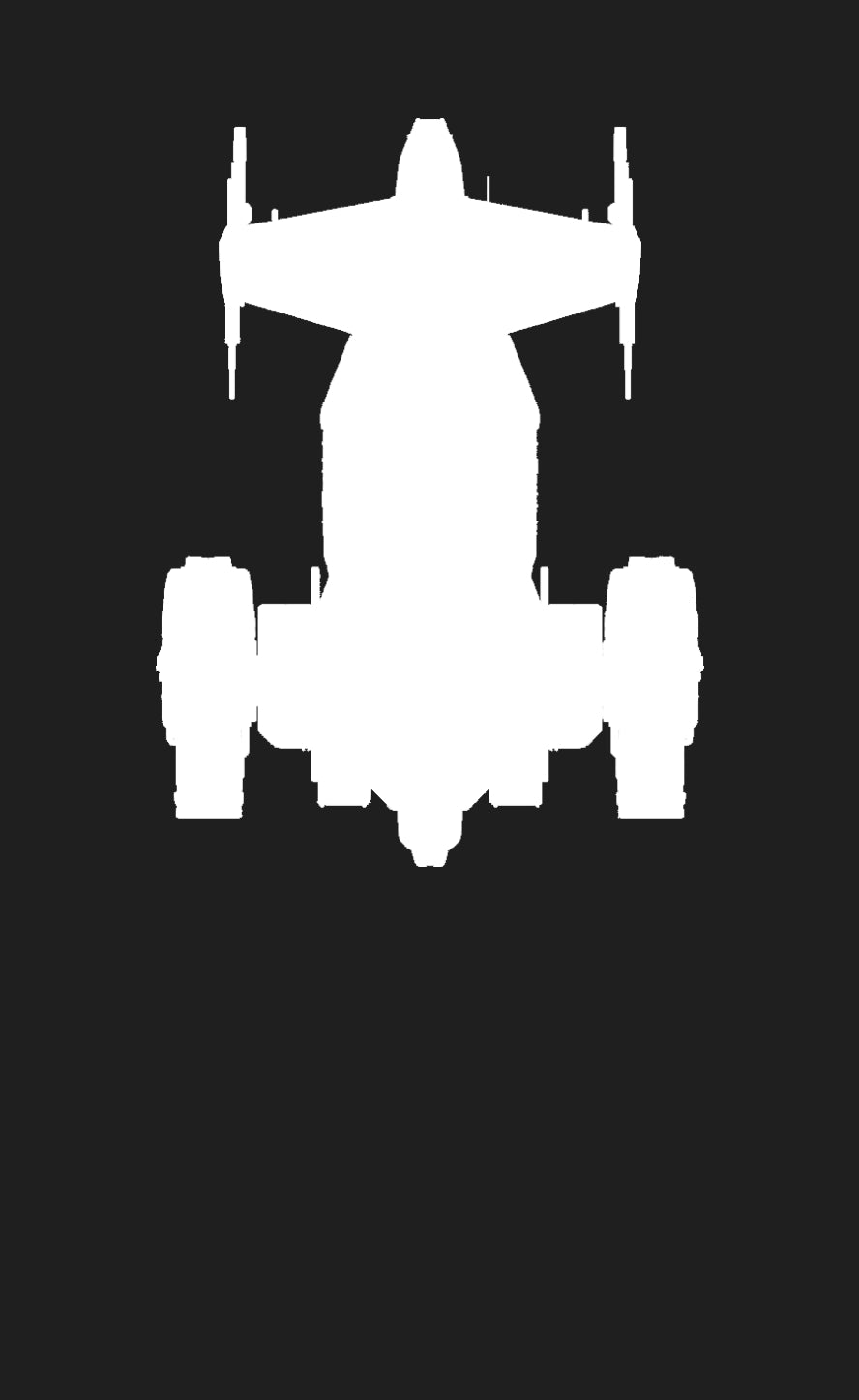

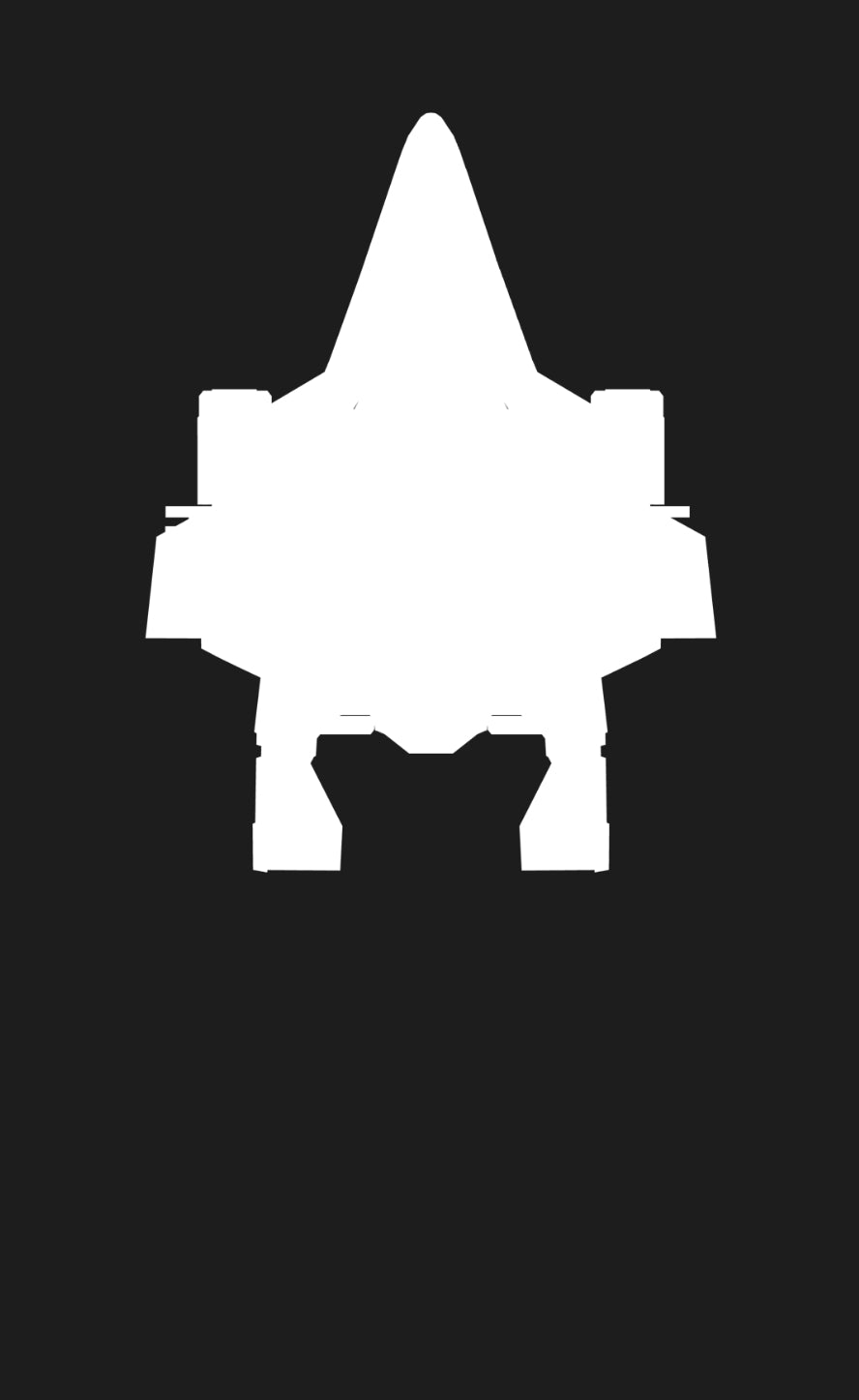
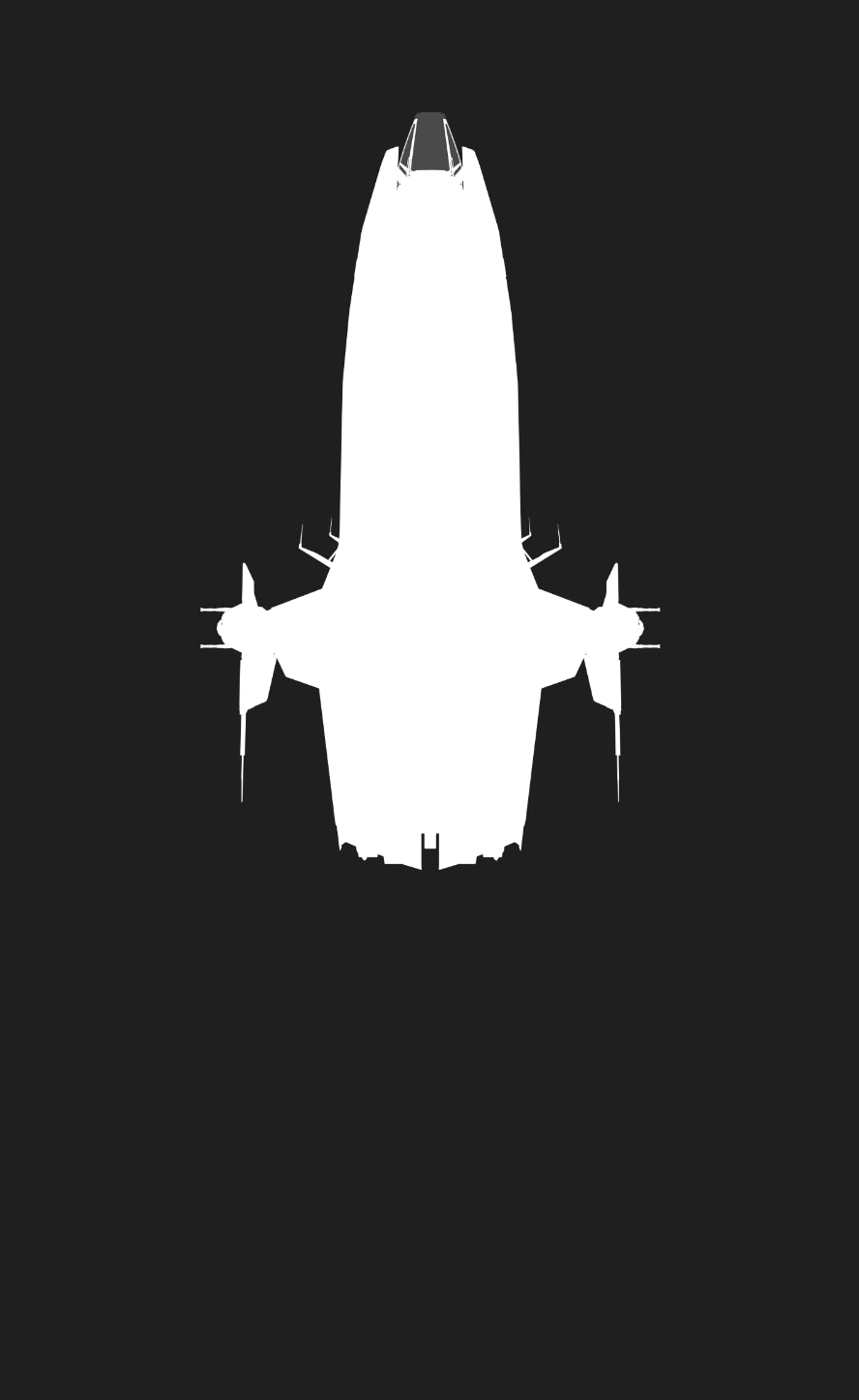
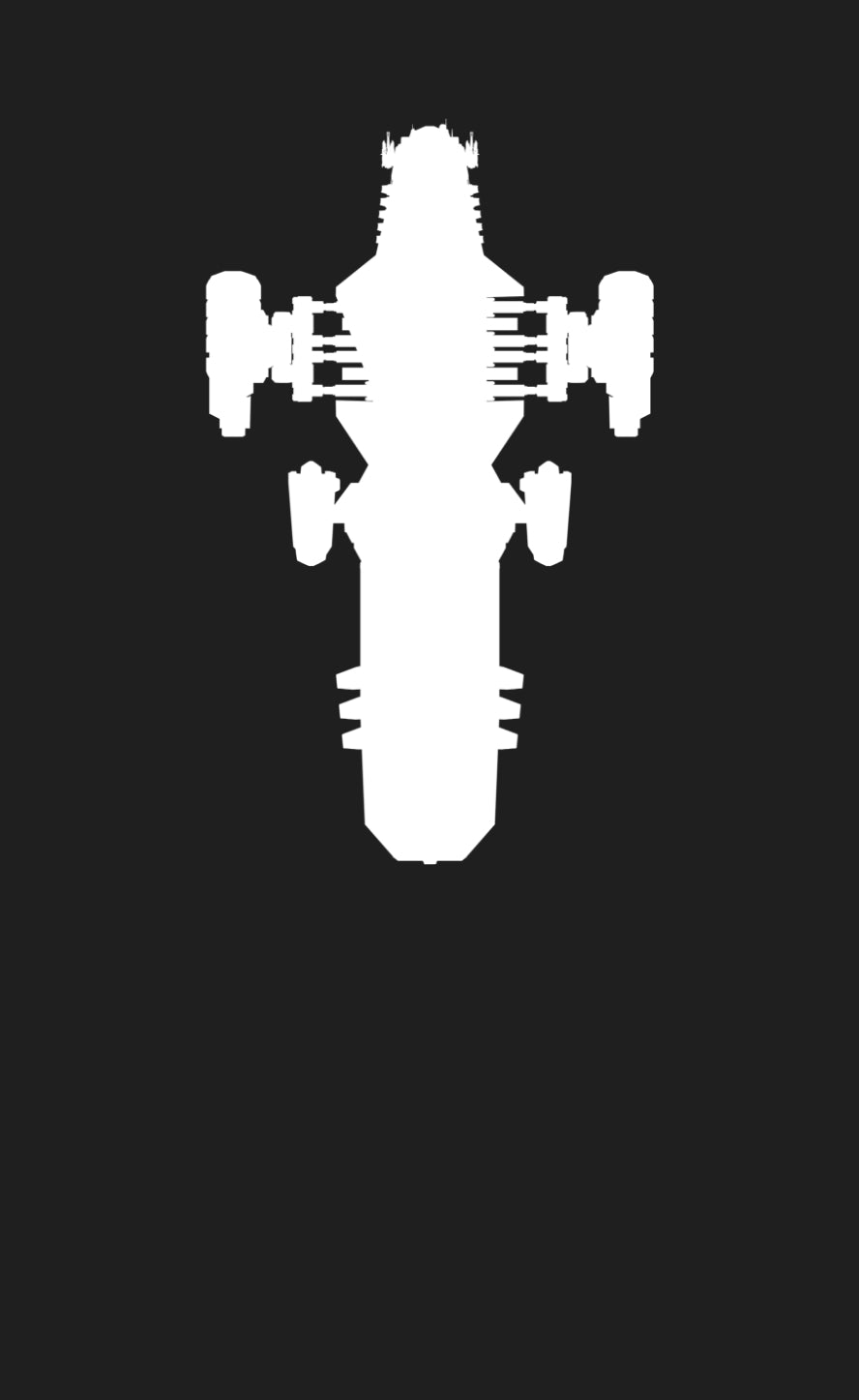
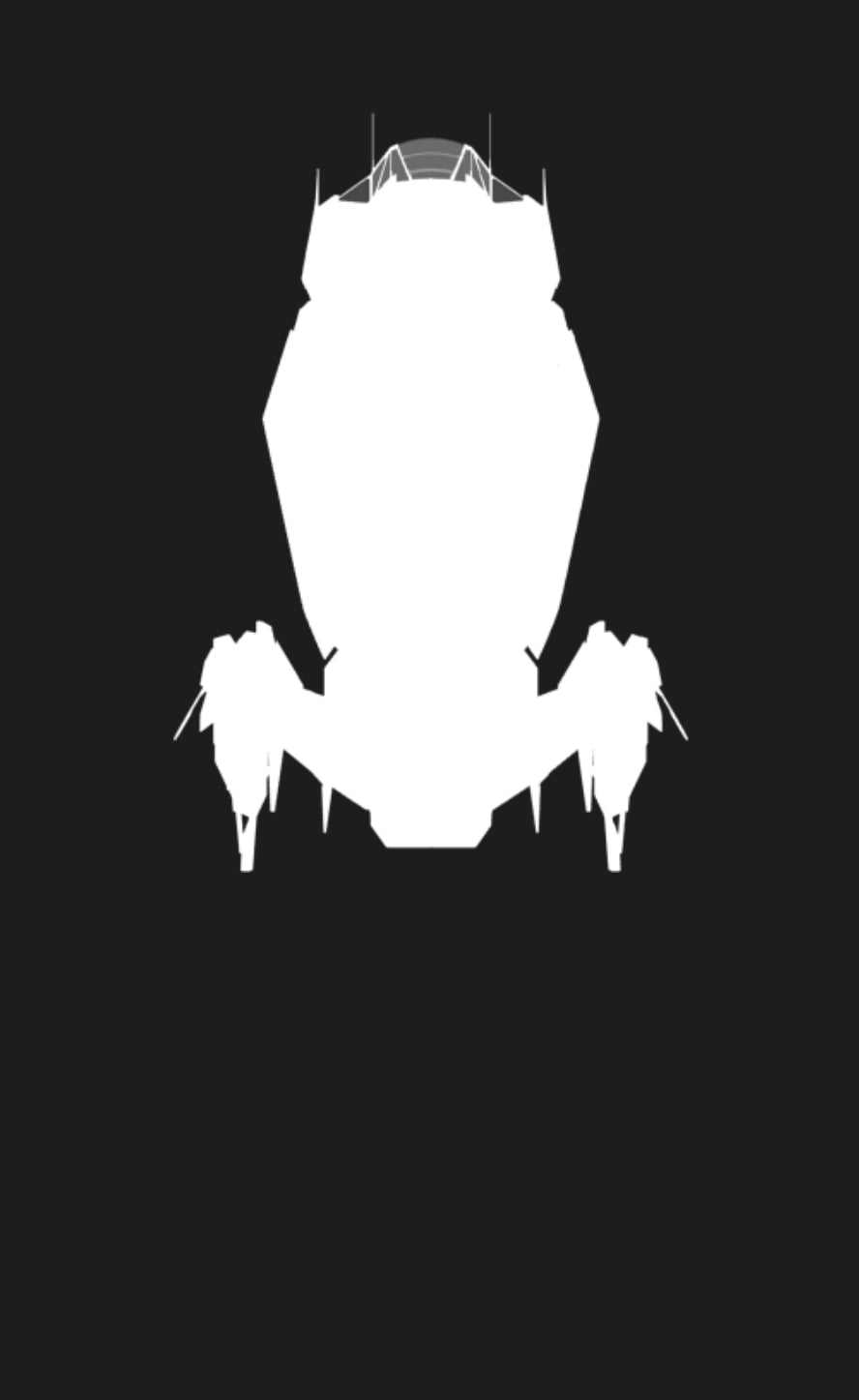

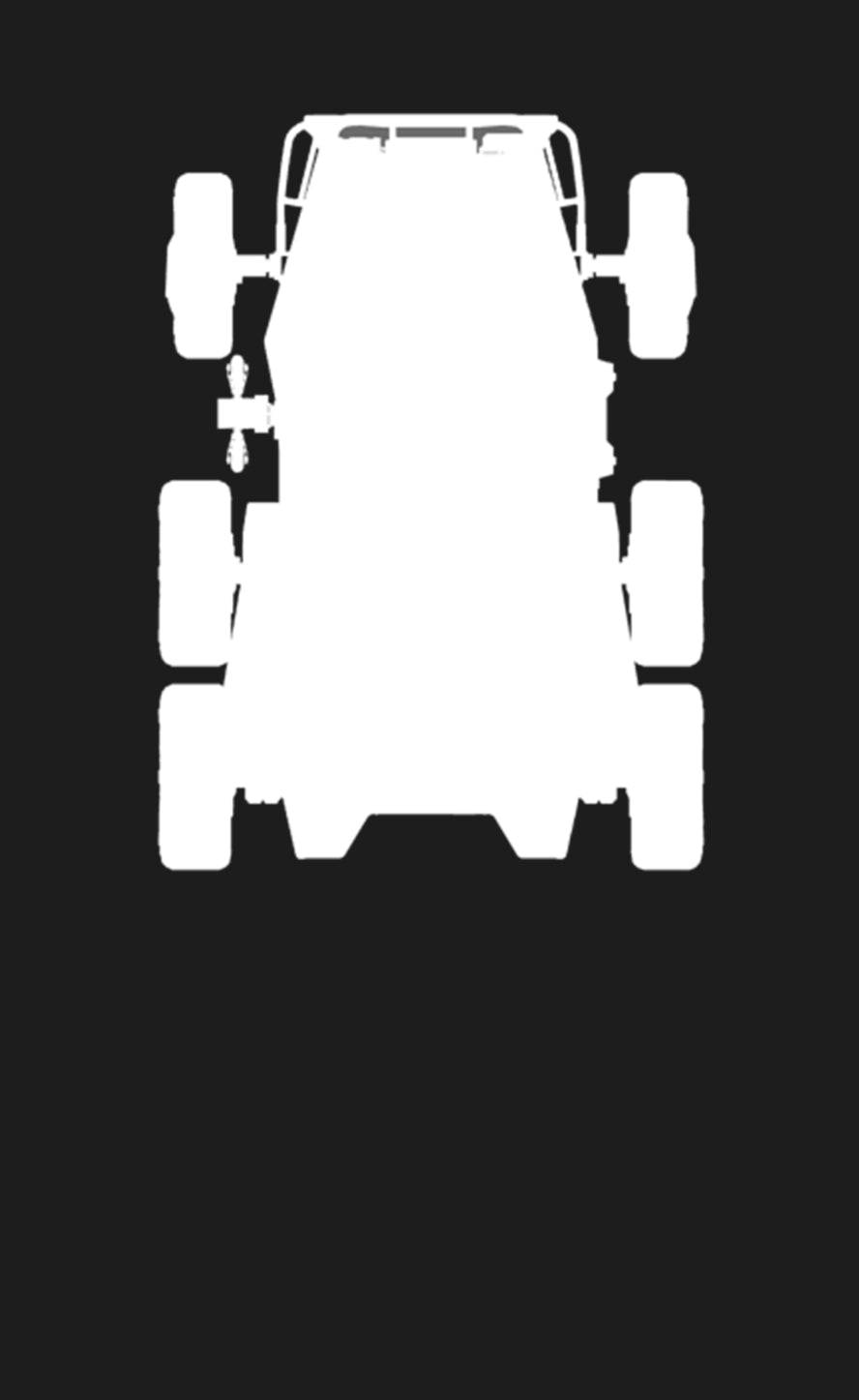
RSI Aurora Mk I After Retirement: What Owners Keep and How the Mk II Differs

The original Aurora still flies. Its successor brings external modules and a larger hull, but September’s retirement does not take the Mk I out of your fleet.
The Aurora Mk I has finished its production run, but it has not finished flying. Its retirement date, 30 September 2026, has passed. Existing ships remain part of the game, with repairs, refuelling, maintenance and component support continuing; the chassis is no longer meant to be available from standard in-game vendors.
For a ship that introduced so many pilots to Star Citizen, that distinction matters. Retirement preserves the old Aurora as a usable spacecraft rather than turning a familiar starter into a hangar ornament. The Mk II carries the name forward with a larger, newly designed hull and interchangeable external modules, while the original keeps its own identity.
Your Mk I still has a place in the fleet
The Aurora’s history reaches further back than its role as a starter. In the fiction, it descends from the RSI X-7 spacecraft used to test the first jump engines. That ancestry suits a ship whose appeal has always been straightforward access to the wider universe: a cockpit, a bed and enough practicality to begin finding your own way.
The end of production does not require an existing owner to replace it with a Mk II. The retirement guidance explicitly preserves its gameplay support, following the precedent of the Hornet Mk I. What changes is the normal route to obtaining the old chassis in-game, not an owner’s ability to keep using one.
Future ways to acquire rare older ships have been left open as a possibility. No specific method or date was promised for the Aurora, so a future mission reward or special acquisition route should not be treated as an announced feature.
The Celebration paint and final-run SE
The blue-and-red Celebration paint was tied to the now-ended promotion. The stated eligibility checks covered accounts with an active Aurora pledge at the start and again a few days after the promotion closed. It was limited to one non-transferable paint per eligible account. Once awarded, it remains with the account even if the associated Aurora is later gifted, upgraded or exchanged.
That is a description of the promotion’s rules, not a new claim window. We have not verified delivery to individual accounts. If you believe you met the conditions but have not received it, check the account with support rather than assuming that obtaining an Aurora now recreates past eligibility.
The Mk I SE is different again. Its exterior and interior are specific to that final-run variant; they cannot be applied to another Aurora as a cosmetic conversion. The Q&A stated that there were no current plans to offer the promotional SE again. Nor can Mk I paints be carried across to the Mk II: they are separate chassis, not interchangeable variants of the same hull.
Why the Mk II grew

The Mk II keeps recognisable Aurora features, including the circular side door, bed arrangement and window, but its structure was designed afresh. Modern ship interiors need room to move around equipment as well as somewhere to sit. Component access, a fire extinguisher, storage and weapon racks all contribute to the larger hull.
That is a more useful way to judge the redesign than expecting the old silhouette with a sharper finish. The extra room accommodates the systems and interactions a starter now has to support. It also gives the Mk II a modular approach to jobs that the original family handled through different variants.
Eight SCU with the Cargo Module
The base ship’s 2 SCU combines with the Cargo Module’s 6 SCU for 8 SCU total. The important point is that the module adds to the embedded capacity rather than replacing it. For a starter doing small freight work, that provides a clear reason to fit the cargo option.
More protection and missiles with the Combat Module
The Combat Module adds a third shield generator and an additional missile rack. It strengthens the ship’s combat equipment, but the mass has a cost: handling performance is slightly reduced. The Cargo Module also adds mass, so neither attachment is a free improvement to every aspect of the ship.
Modules can be attached or removed with a tractor beam or through the Vehicle Loadout Manager. Owned modules can be called through freight elevators, while found modules can be salvaged and attached. More module types are planned, but no particular future role should be promised before it is named and detailed.
Fold the wings, lose the wing guns
The Mk II’s wings can be folded independently in flight, and landing mode forces them into their folded position. The wing-mounted guns are disabled while folded. You therefore cannot treat the smaller frontal profile as a way to keep the same firepower while presenting less ship to an opponent.
Minor aerodynamic differences were described as future work in the launch Q&A. The confirmed launch behaviour was the change to gun availability; an unverified handling bonus should not be added to it. For the pilot, the immediate habit is simple: check wing state before expecting those weapons to fire.
The two generations now offer different reasons to keep an Aurora in the hangar. The Mk I retains the original ship and its supported place in the game. The Mk II adds room for modern equipment and a choice of external modules. Moving to the newer hull should be about wanting those capabilities, not fearing that retirement has taken the old one away.
Find your next Aurora
Explore The Impound’s Aurora offers and choose the ship for your next journey.
Browse Aurora offers