
























100i vs 125a vs 135c: Which Small Origin Suits Your Flying?

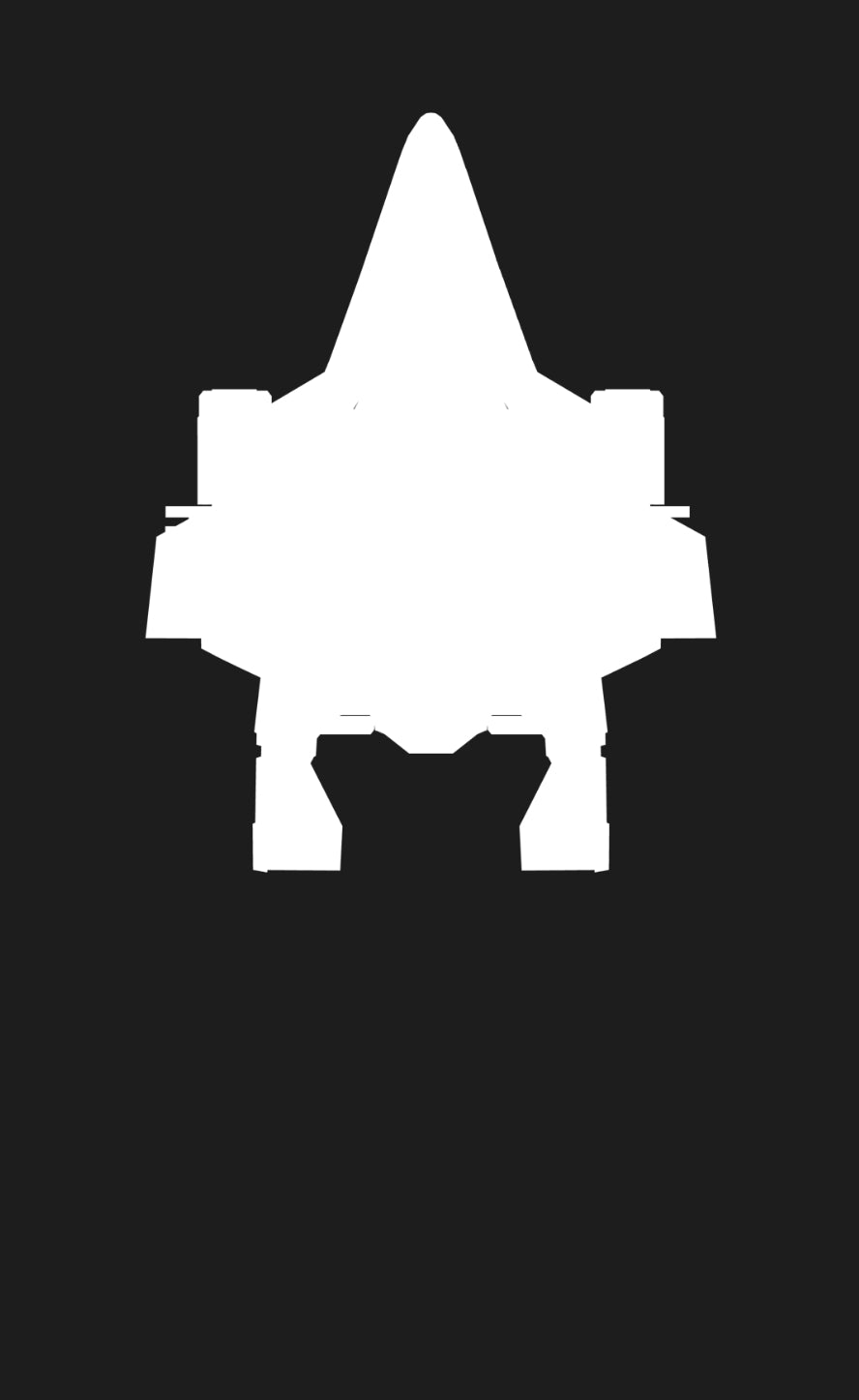
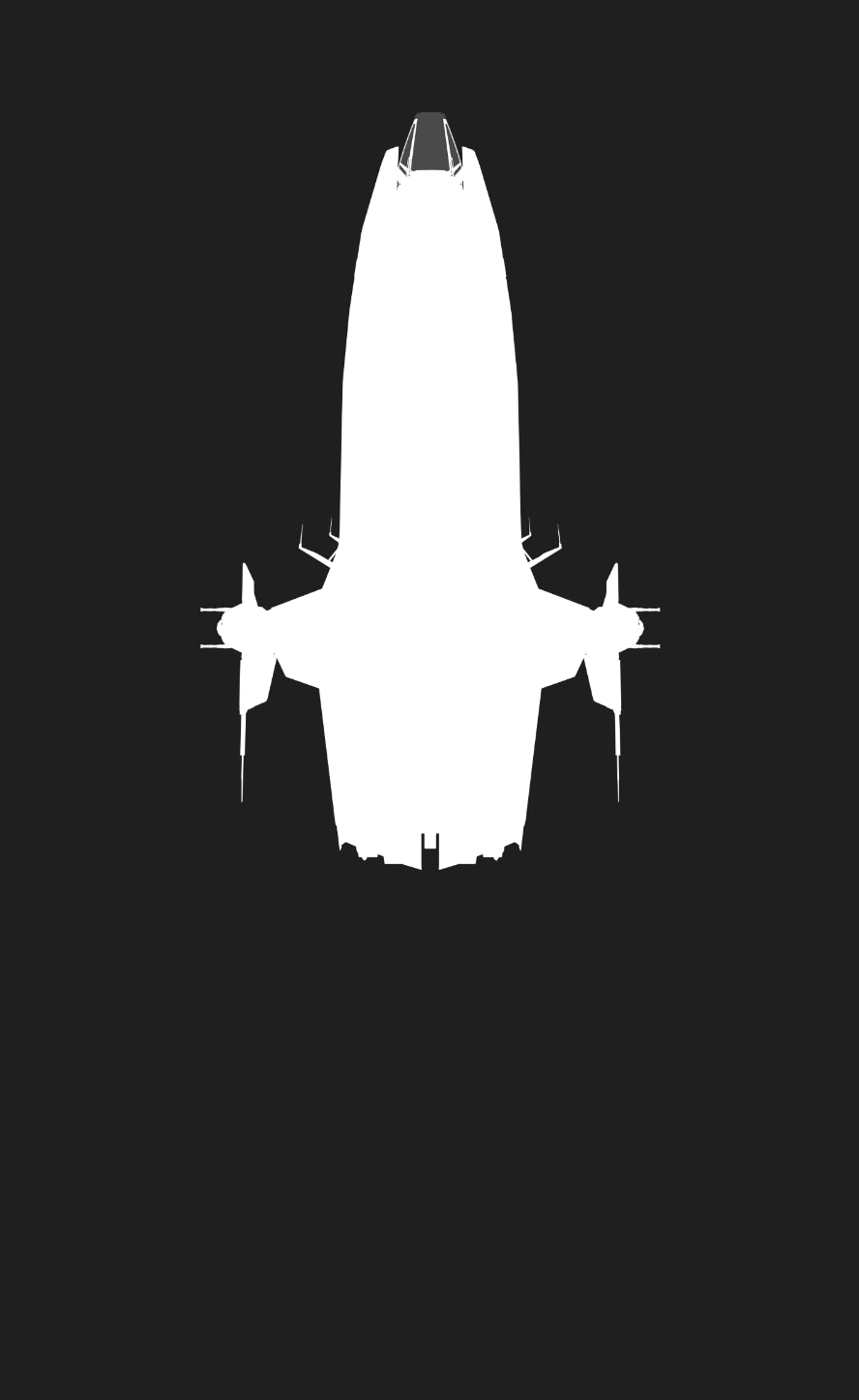
The same compact cabin, with three different priorities: personal travel, extra armament or useful carrying space.
There is a particular pleasure in a small ship that does not feel like a punishment for travelling alone. Origin’s 100 series has the low, swept shape of a little executive aircraft, a walk-in cabin and a bed, without asking its owner to find a crew. It is easy to see the appeal as a personal runabout even after a fleet has grown well beyond its first starter.
The choice between the 100i, 125a and 135c is more focused than the names suggest. All three keep the same basic scale and living space. The differences concern what you want that small ship to do once you have climbed aboard.
One cabin, three reasons to take it out
Each variant is a flight-ready, single-seat ship measuring 19 metres long, 12 metres wide and five metres high. Moving to the combat or cargo version does not buy a larger living area. The shared cabin is part of the attraction throughout the family, rather than a perk reserved for the touring model.
That makes the 100 series a different proposition from a fighter with no space behind its seat. You have a small interior to call your own, but you are still choosing a personal ship. It is neither a crew transport nor a substitute for a larger vessel when the job demands one.
100i: the little Origin for everyday travel

The 100i keeps the brief straightforward: touring, personal transport and a modest amount of carrying space. Its 2 SCU cargo allowance and pair of Size 3 gun mounts give it practical uses beyond simply getting from one landing pad to another.
It suits the owner who wants the family’s shape and cabin without a particular need for the specialised variants. The white-and-blue launch finish makes the design look especially crisp, but the attraction is not only cosmetic. A small personal craft with accommodation can be worth keeping even when a bigger ship handles the heavy work.
For that role, the 100i is an easy ship to understand. It does not need to be the largest carrier or strongest fighter in the hangar. It needs to be the ship you actually feel like taking when the evening begins with a journey rather than a carefully assembled crew.
125a: more attention to the fight

The 125a keeps the two Size 3 gun mounts and 2 SCU cargo allowance, but adds a second missile rack to the family’s basic arrangement. That is the meaningful armament distinction: the combat badge does not mean that every gun has grown larger.
Its light-fighter role will appeal to a pilot who wants the 100-series cabin and styling but expects more trouble along the way. The additional missile installation gives it a more combat-focused fit while keeping the same compact dimensions.
It is still worth deciding whether you want an armed Origin runabout or a ship chosen entirely for fighting. Those are different priorities. The 125a makes sense for the former; a dedicated fighter comparison should also consider the wider field rather than treating the 125a as an automatic answer to every opponent.
135c: the courier’s version

The 135c is the variant to look at when bringing things with you is the recurring reason for a trip. Its freight emphasis adds cargo accommodation while preserving the family’s living space and outer dimensions. You get the same little Origin, arranged around a more useful courier brief.

That is a better reason to choose it than expecting a starter-sized craft to take over a large hauling contract. Think small consignments and a personal ship that has room for more of the things you want to carry. If freight volume becomes the main job, moving up to a larger cargo ship is a different decision.
Container shape and access also matter. A capacity number does not promise that a particular box will fit through a doorway or onto a particular grid. Our guide to SCU, containers and loading access is the useful companion when planning a load.
Which would we keep?
For a personal runabout, choose the 100i when its straightforward touring role is enough. Choose the 125a if you specifically want the additional missile installation in this small Origin hull. Choose the 135c when carrying more is the practical benefit you will return to most often.
The cabin is the common thread. These variants let you change the emphasis without abandoning the appeal of setting off alone in a stylish little spacecraft with some living space behind you. Pick the compromise that suits your regular journeys, rather than assuming the highest number must be the best ship.