






















Esperia History: How Alien Warships Found Their Way into Human Hangars

From the Ingstrom brothers’ archive to the Glaive, Prowler and Talon: the stories behind Esperia’s remarkable recreations.
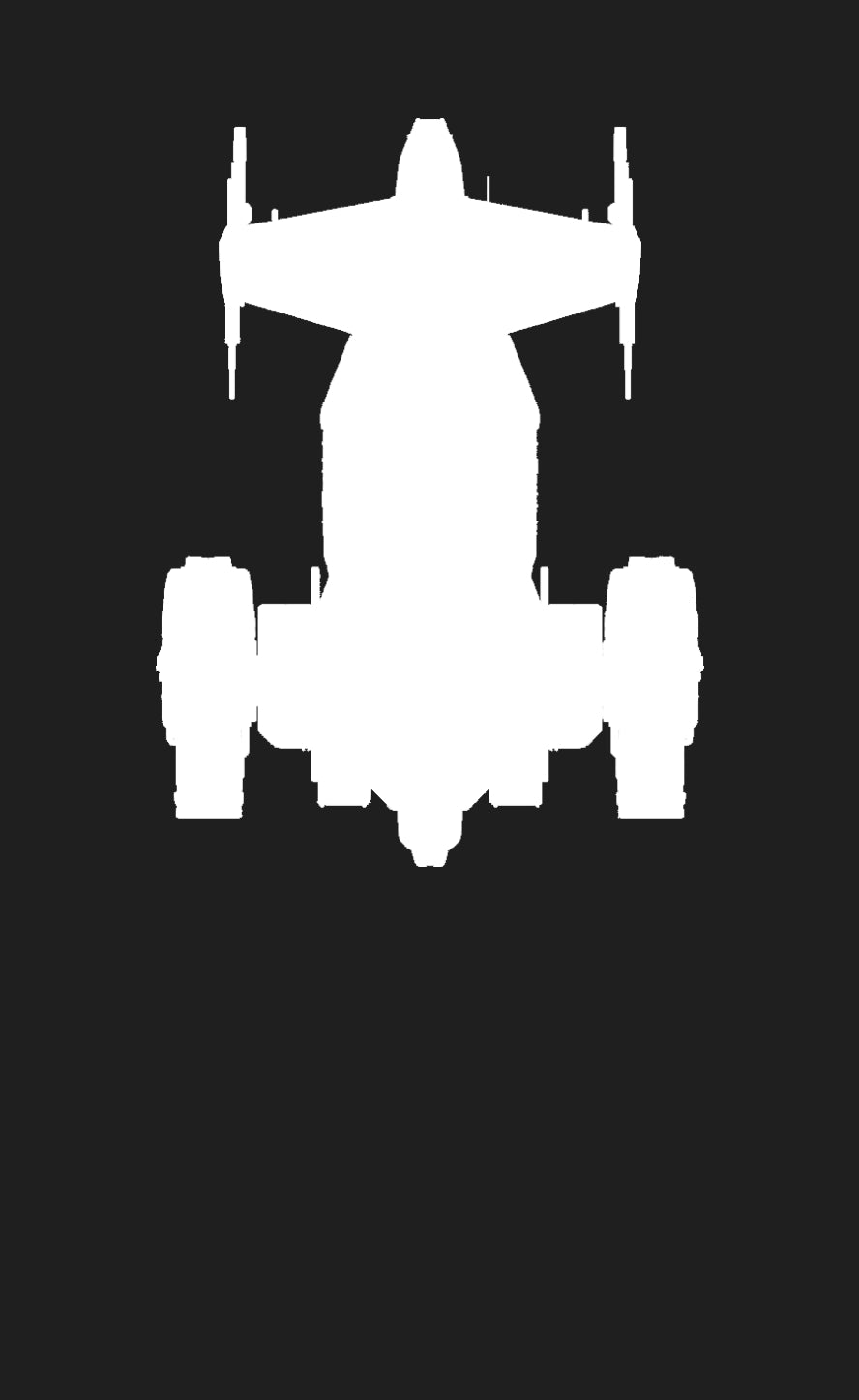
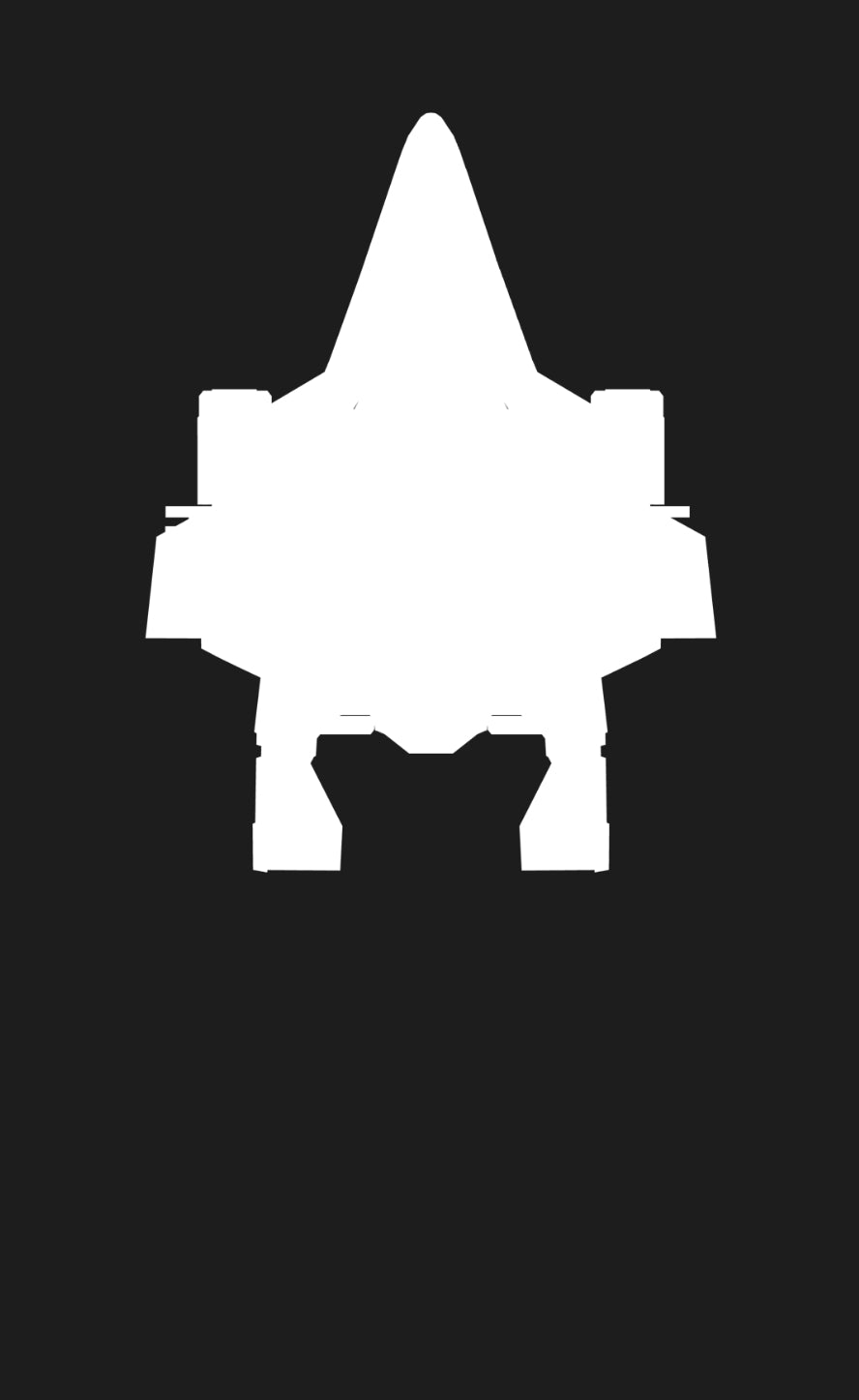
The Glaive looks like something you should be trying to escape. The Talon could almost fold its wings and perch. Put the two together and there is little to suggest a common manufacturer, yet both belong in Esperia’s extraordinary catalogue.
Esperia is a Human company, based on Terra. Its speciality is adapting and reproducing spacecraft that already have a history. That distinction explains the apparent mismatch: the resemblance is to the cultures that first built these ships, rather than to a single house style imposed across the fleet.
Two brothers and a vanishing engineering record
Jovi and Theo Ingstrom founded Esperia in 2873 to preserve spacecraft-building history. Jovi’s interest in archaeology complemented Theo’s engineering skills, but the original business was an archive, not an assembly line.
A damaged Gailforce ship had exposed the problem. Finding a hull was one thing; finding complete, usable plans was another. Jovi set out to save the drawings and technical knowledge before they disappeared. The archive struggled commercially, while Theo’s restoration work offered a more practical way to keep the company alive.
The decisive commission came from Victor Hurston, who brought the brothers a captured Glaive. Restoring an alien fighter without its plans was a much greater challenge. When Hurston flew the result at the 2877 Intergalactic Aerospace Expo, Esperia gained attention that an engineering archive never could.
There is something wonderfully fitting about that beginning. A company concerned with the survival of old knowledge became famous because it could put that knowledge back into the air.
A Vanduul fighter with a Human builder
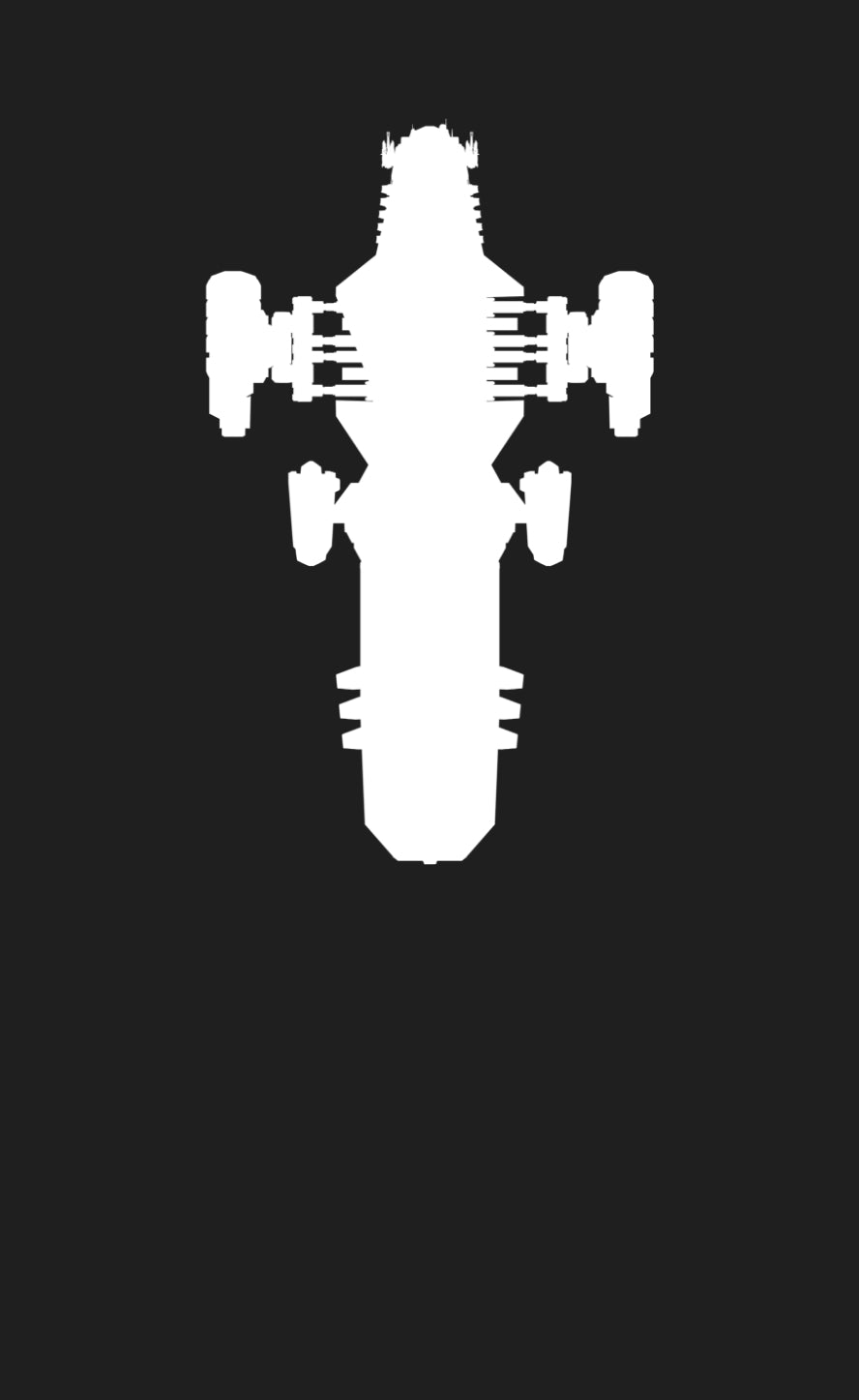
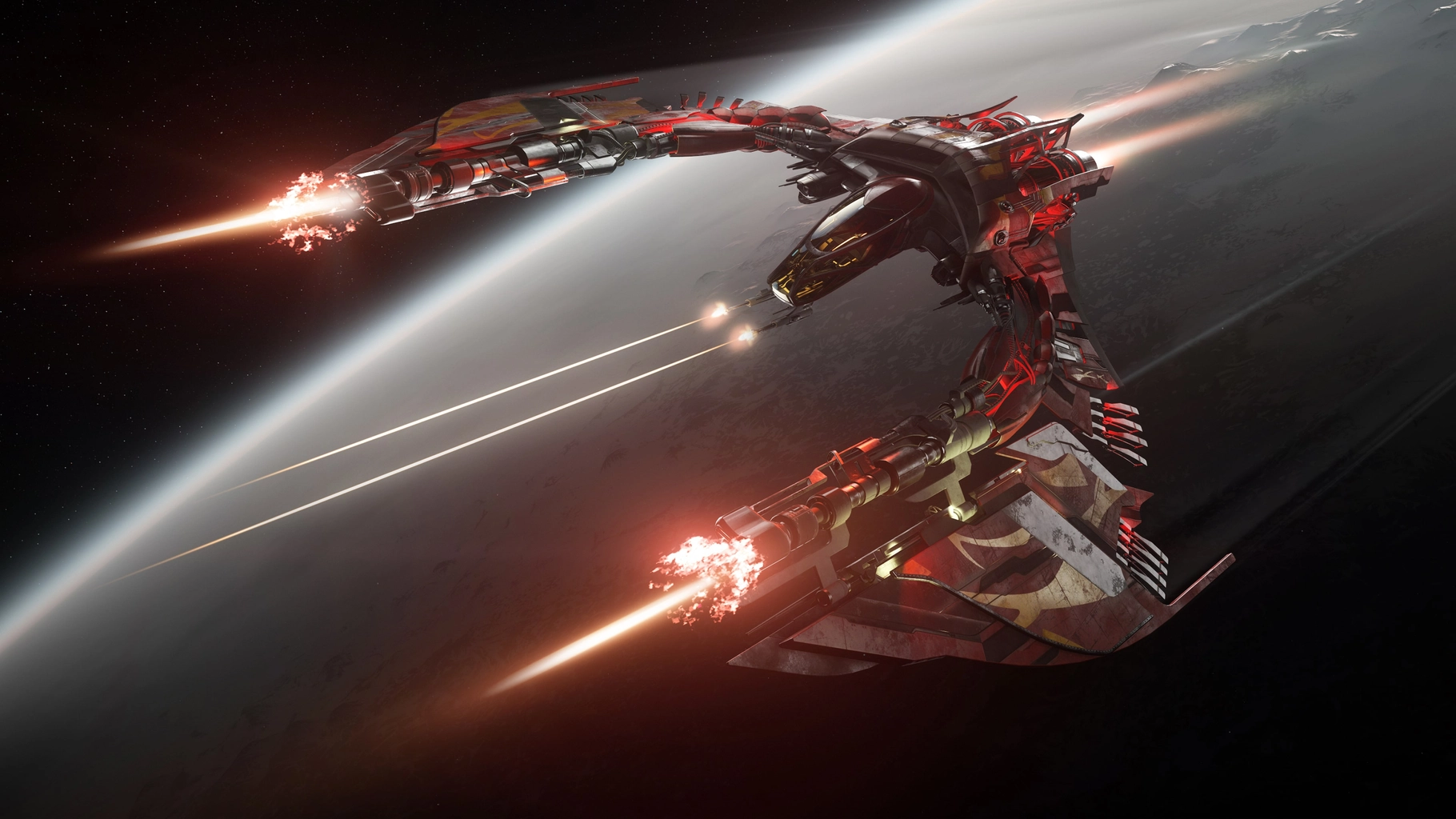
The Glaive’s name is a UEE Navy designation for a Vanduul fighter. Its paired blades distinguish it from the Scythe’s single blade, and Esperia’s civilian reproductions let Human pilots occupy a shape more often associated with an enemy.
A reproduction is not the same thing as a captured original. That matters when discussing Esperia’s place in the lore: the company manufactures replicas, while the Vanduul designs have their own origin and history. The modern manufacturer and the original designer answer different questions.
The Navy also uses Esperia replicas for testing and aggressor training. There is a practical reason to preserve an enemy’s engineering when pilots may have to confront it. For a civilian, though, the visual appeal is immediate. Few fighters make quite such an entrance as a Glaive. Our Glaive guide takes a closer look at the ship.
The Prowler and the ships that almost disappeared
Esperia’s Tevarin work has a different emotional weight. The original Prowler served in both Tevarin Wars. Surviving examples were destroyed in the Purge after the second war, leaving a gap that could not be filled simply by asking an old factory to resume production.
Recovered spacecraft and artefacts from the Kabal system gave Esperia something to study in the 2940s. From that material came a modernised recreation of the Tevarin personnel carrier, manufactured by Humans but recognisably rooted in another culture’s military engineering.
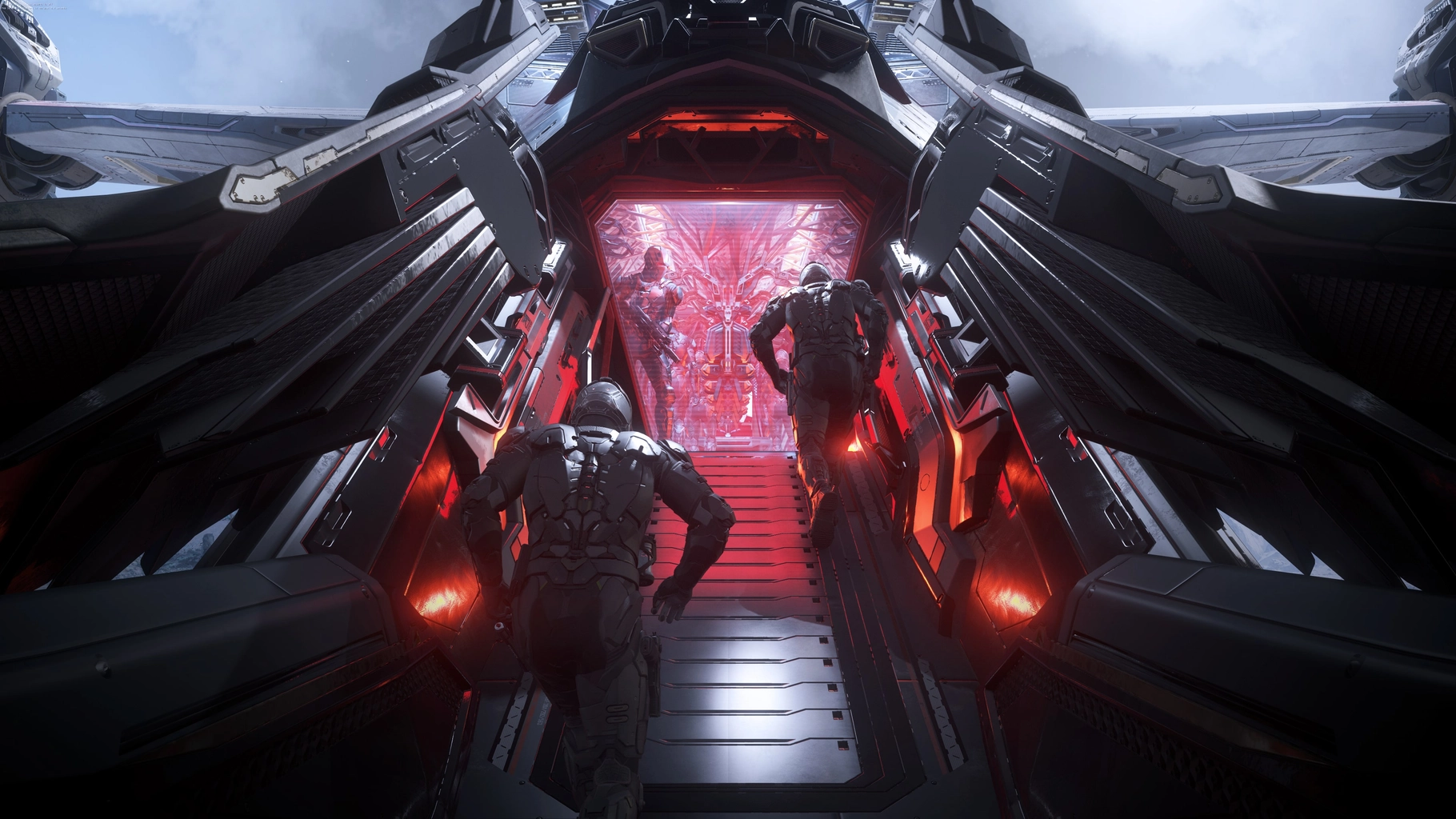
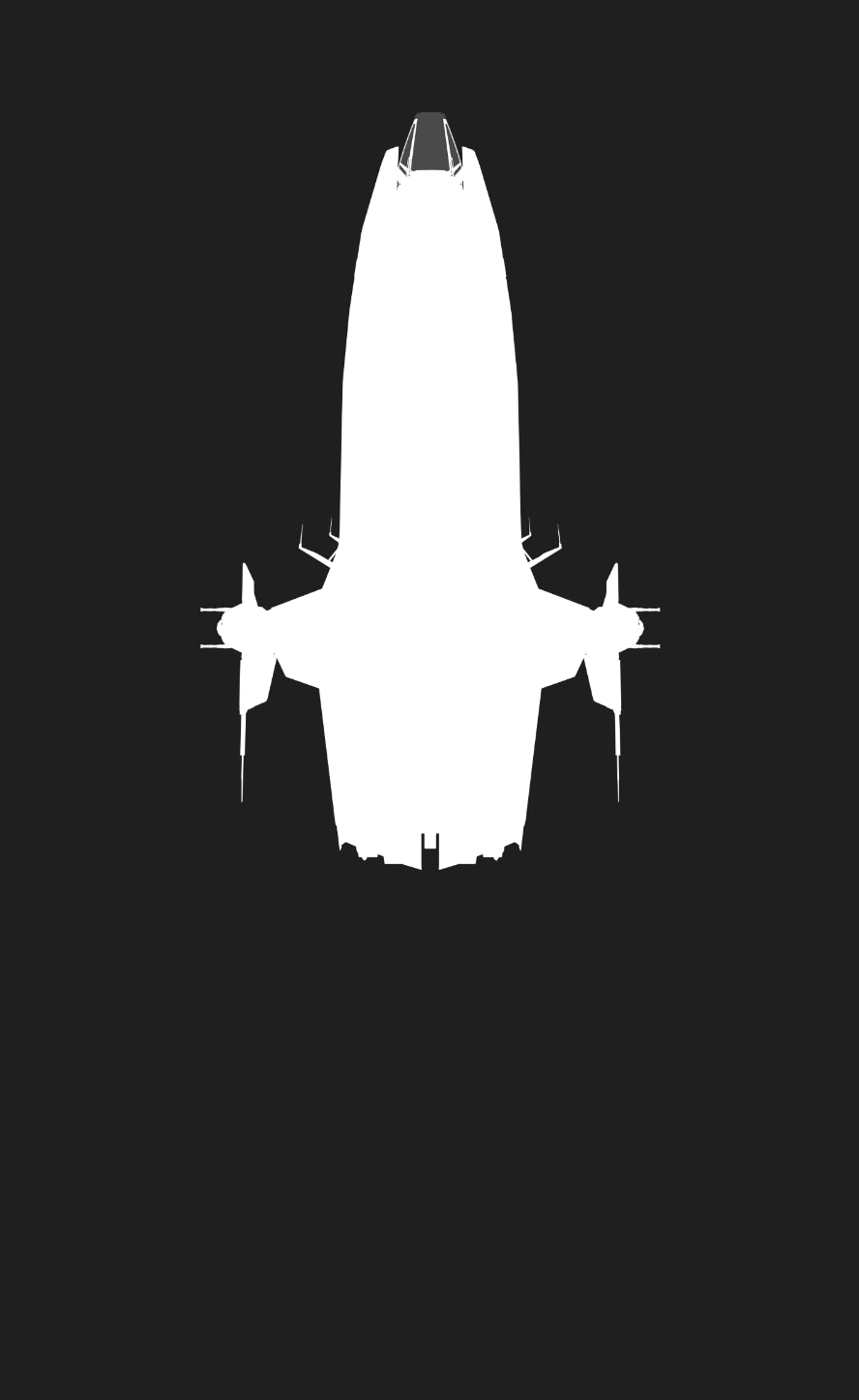
The Prowler’s air-shielded deployment doors are part of that identity. It was a vessel for delivering troops, and the modern recreation carries that purpose into its layout. The long body and spread wings are dramatic, but the dropship role gives them context beyond looking menacing in a hangar.
It also makes the Prowler an especially interesting ship to spend time looking around. The red-lit troop compartment is a very different environment from a familiar Human transport. Our Prowler guide covers the dropship itself; its place in Esperia’s history is the recovery of a design that might otherwise have remained a name in a war record.
Three partial hulls became the Talon
The Talon’s recovery is unusually specific. Three incomplete hulls were found on Kabal III in 2941, among Tevarin artefacts that had survived the Purge. Esperia used them to develop its modern replica and presented it at the 2950 Intergalactic Aerospace Expo.
Like the Prowler, “Talon” was a Human military designation for a Tevarin craft encountered during the First Tevarin War. The surviving pieces connected the new fighter to that much older history.
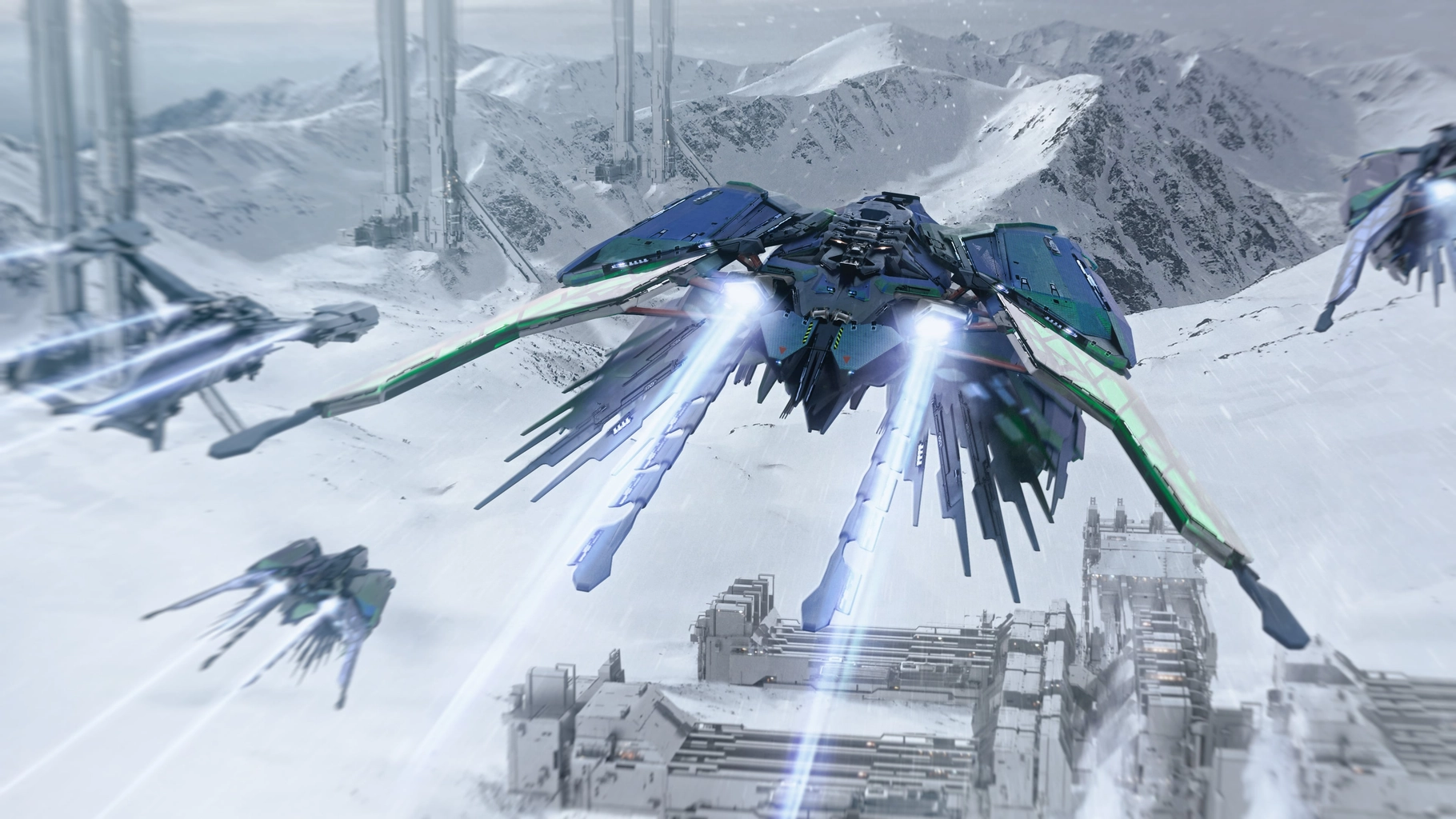
Visually, it is a beautiful counterpart to the Glaive. The swept wings and layered, feather-like surfaces suggest a bird in motion, where the Vanduul fighter looks jagged and threatening. Esperia does not need to make them resemble each other. Preserving those differences is precisely what makes the catalogue compelling.
The Talon and Talon Shrike have their own ship guides for readers choosing between them. Here, the remarkable part is that a handful of damaged remains became the basis for a spacecraft pilots could fly again.
Why Esperia belongs in an enthusiast’s hangar
We love a ship with a story you can see. Esperia offers several, and they do not all end with the same silhouette. The Glaive recalls the danger of a Vanduul encounter; the Prowler and Talon carry the memory of Tevarin designs that were nearly lost.
That does not make a replica automatically the strongest choice in a fight. It gives a pilot another reason to care about the ship. If you choose a spacecraft partly because you want to look back at it on the landing pad, the Talon’s wings or the Glaive’s blades are reason enough to take a closer look.