



























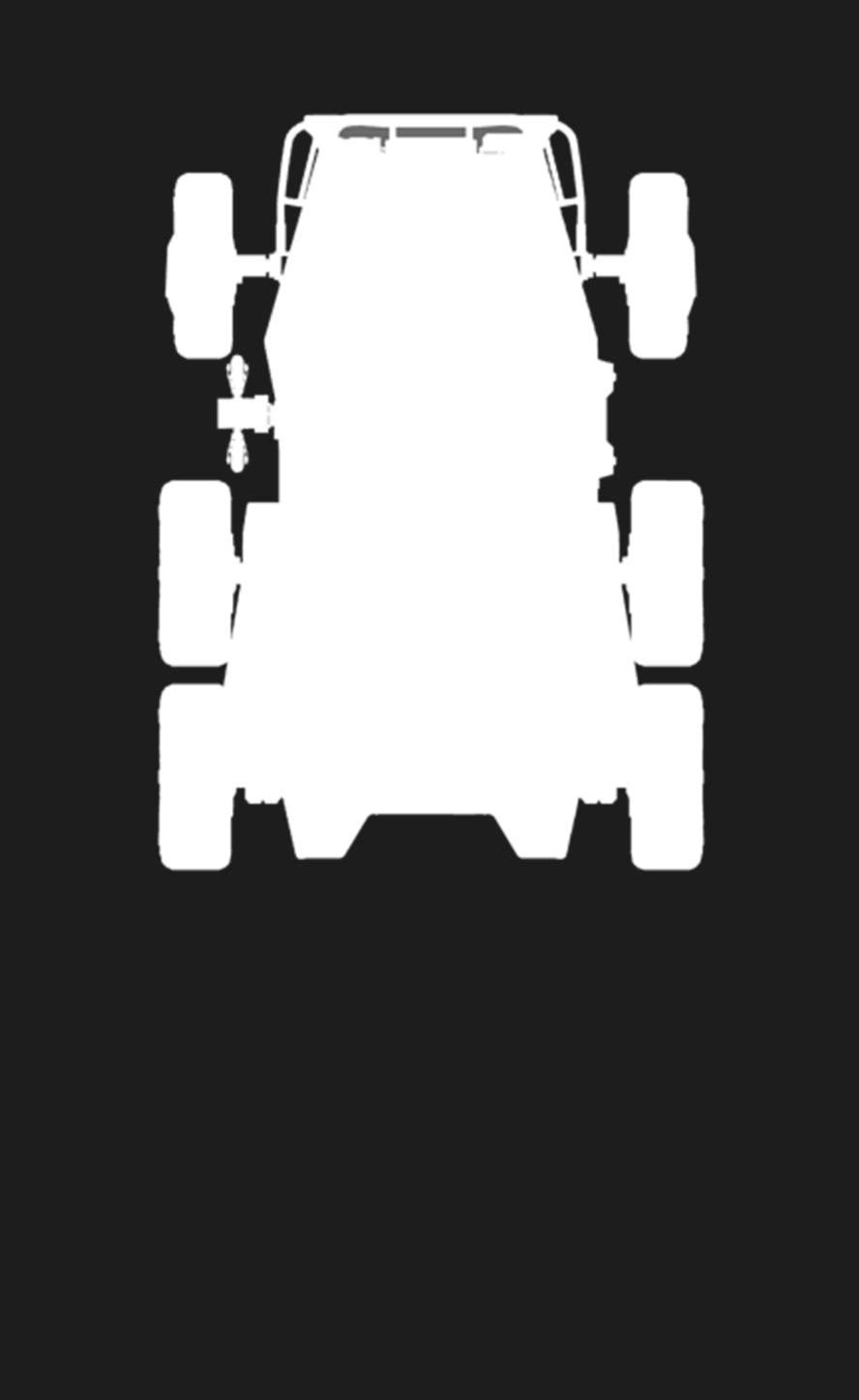
Freelancer Guide, Specs & Features

What to know
The Freelancer is a medium-sized long range cargo hauler manufactured by Musashi Industrial and Starflight Concern. With the Freelancer, usable cargo space and direct loading access make freight easier to load, secure, and deliver.
Freelancer specifications
Load and unload the Freelancer
The Freelancer treats loading, transit, and unloading as one transport job, with the protected internal cargo hold and rear ramp at the centre of the route. The Freelancer uses cargo to keep supplies and working equipment separate from crew access. The Freelancer supports four crew stations, although the two pilot-controlled remote turrets remain tied to the flight seats.
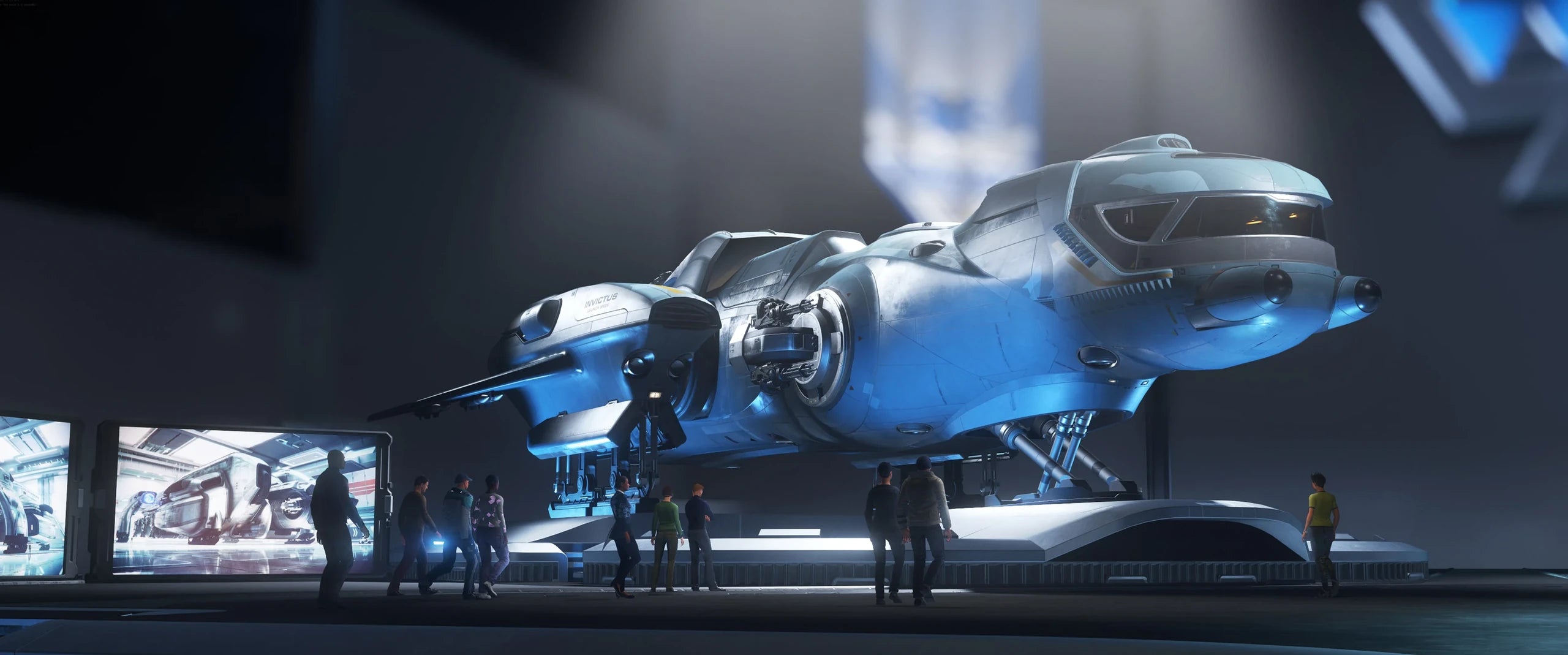
The cargo equipment that keeps the Freelancer moving
Aboard the Freelancer, usable cargo space and direct loading access make freight easier to load, secure, and deliver.
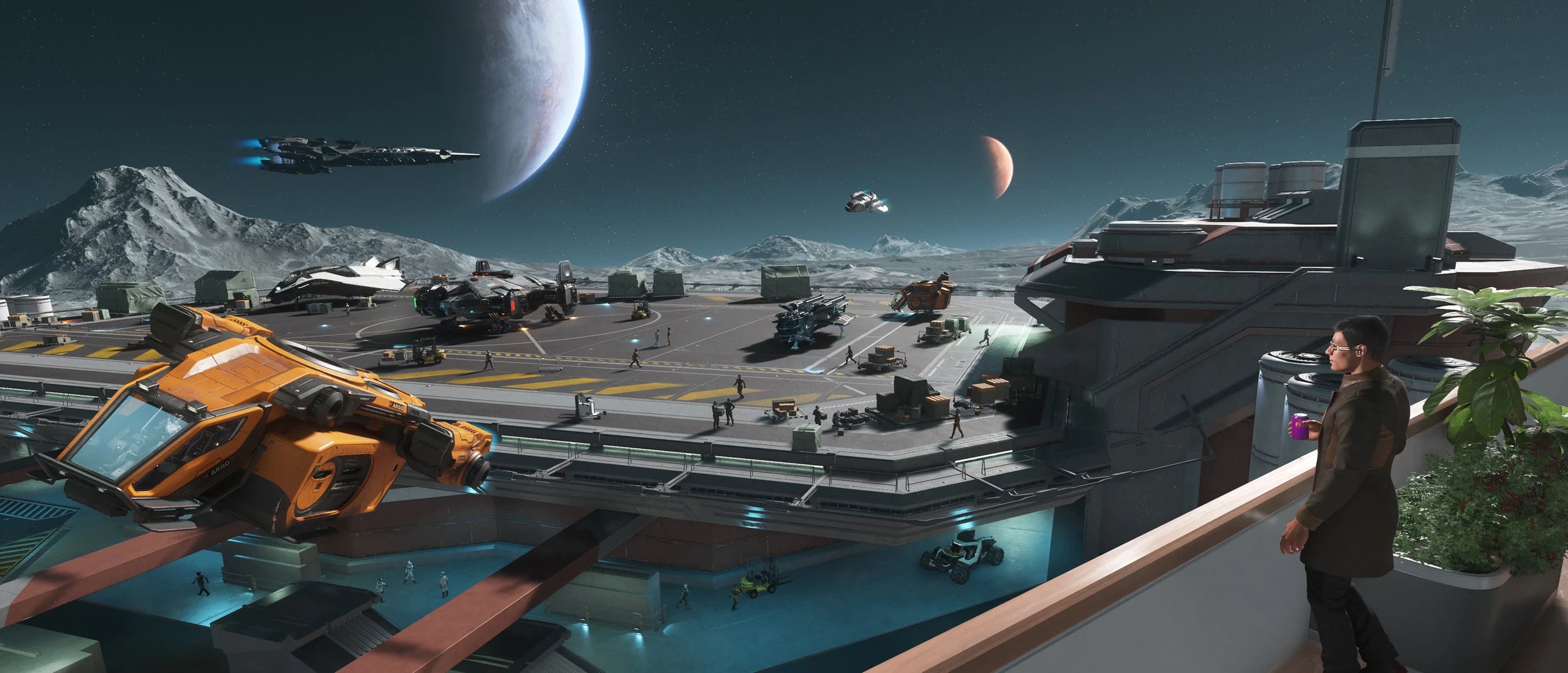
Development note: The Freelancer is flight ready and entered the live game in Alpha 2.1.0. Because Star Citizen remains in active development, specifications, features, and imagery may change over time.
Moving freight through the Freelancer
Cargo aboard the Freelancer is planned around the protected internal cargo hold and rear ramp, the doors or tractor equipment used to load it, and the order it must leave the ship.
The Freelancer uses cargo to keep supplies and working equipment separate from crew access.
The Freelancer supports four crew stations, although the two pilot-controlled remote turrets remain tied to the flight seats.
The two main engine nacelles can rotate to direct thrust downward for vertical flight, although the aft landing gear built into those nacelles limits how the feature can be used near the ground.
While the Freelancer can be flown solo, it can accommodate up to four people. Each crewmate enjoys their own bed in the crew area, along with a shared kitchenette and bathroom.
A large cargo figure helps only when the doors and clearances can accept the planned containers.
Tractor beams, lifts, clamps, ramps, and port equipment reduce the time needed to secure a load.
The Freelancer's all-purpose freight interior
The Freelancer keeps cargo protected inside the hull and combines the hold with a rear loading ramp, beds, and a defensive package. It is built for crews who want a working freighter that can stay on the route beyond one short delivery.
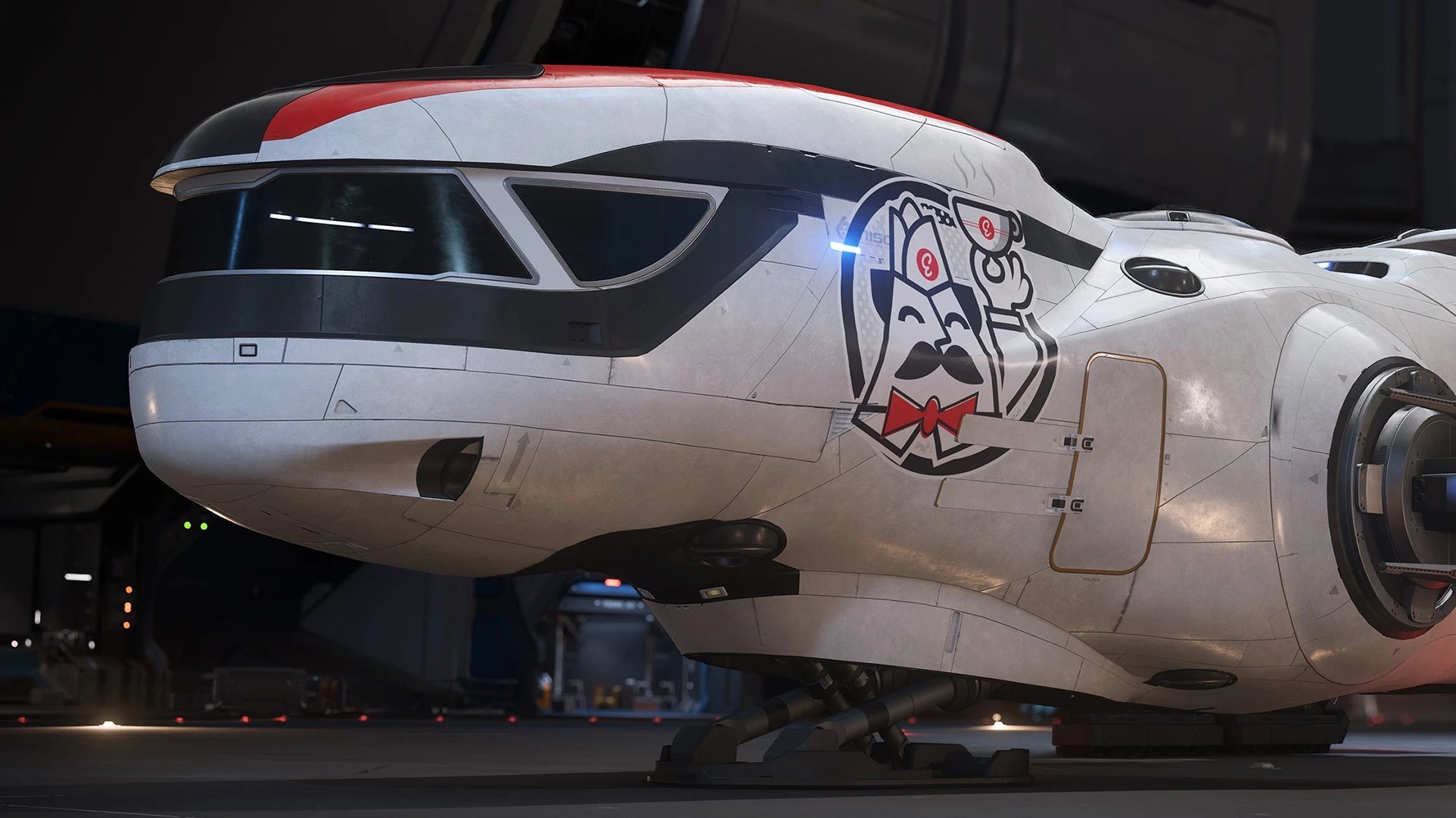
An internal hold, rear ramp, and crew facilities for the route
Match the load carried by the protected internal cargo hold and rear ramp to the container sizes and equipment available at both ends of the Freelancer's route.
Keep the load carried by the protected internal cargo hold and rear ramp restrained, balanced, and clear of the access the crew still needs.
Arrange the load carried by the protected internal cargo hold and rear ramp in the order the destination can receive it so unloading stays straightforward.
Loading and delivery aboard the Freelancer
The Freelancer turns the protected internal cargo hold and rear ramp into dependable freight work when the load is planned around access, balance, and the order it must come off.
-
Choose the Freelancer's cargo and destination
The crew accepts a load only after its size, mass, route, and receiving equipment suit the Freelancer.
-
Prepare the load
A clean freight load uses the Freelancer's access points without blocking controls, doors, or crew movement.
-
Keep the Freelancer's delivery route open
Aboard the Freelancer, a practical loading plan keeps cargo carried by the protected internal cargo hold and rear ramp secure, accessible, and ready to unload at the destination.
-
Keep the unloading area clear around the Freelancer
After unloading, the crew checks access, restraints, and equipment before the Freelancer accepts more cargo.
Freelancer's cargo equipment in detail
The Freelancer uses its protected internal cargo hold and rear ramp to keep cargo moving from loading and secure transport to delivery at the destination.
A residual trait from a period of ship design where vertical docking collars were common, all Freelancer series variants include a mid-section airlock with such a docking collar.
The Freelancer's defensive package combines four pilot-controlled Size 3 guns, two rear-turret Size 2 guns, four Size 3 missiles, and four Size 2 missiles.
The manned turret of the Freelancer series is subject to a restricted range of motion, particularly in elevation. Contributors to this issue are the large hump attachment common to Freelancers which is mounted forward of the turret and the manned turret's low.
Doors, ramps, clamps, or tractor coverage decide how directly cargo can reach the Freelancer's working capacity.
The Freelancer's route begins with the unload plan
Aboard the Freelancer, container choice, loading access, transit, and unloading all belong to the same delivery plan.
Keep freight accessible inside the Freelancer
Aboard the Freelancer, loading order, access, and unloading are planned around the protected internal cargo hold and rear ramp.
Container size and destination equipment decide whether the Freelancer can complete the delivery without rebuilding the load halfway through.
Freight aboard the Freelancer is arranged around weight distribution, secure restraints, and the order in which customers receive it.
Once the customer has the load, the crew clears the Freelancer, checks its cargo equipment, and prepares the next manifest.
See the Freelancer in action
Watch official footage of the Freelancer in action and see it from every angle.
Find your Freelancer
Explore in-stock Freelancer ships, upgrades, and game packages available from The Impound.