




















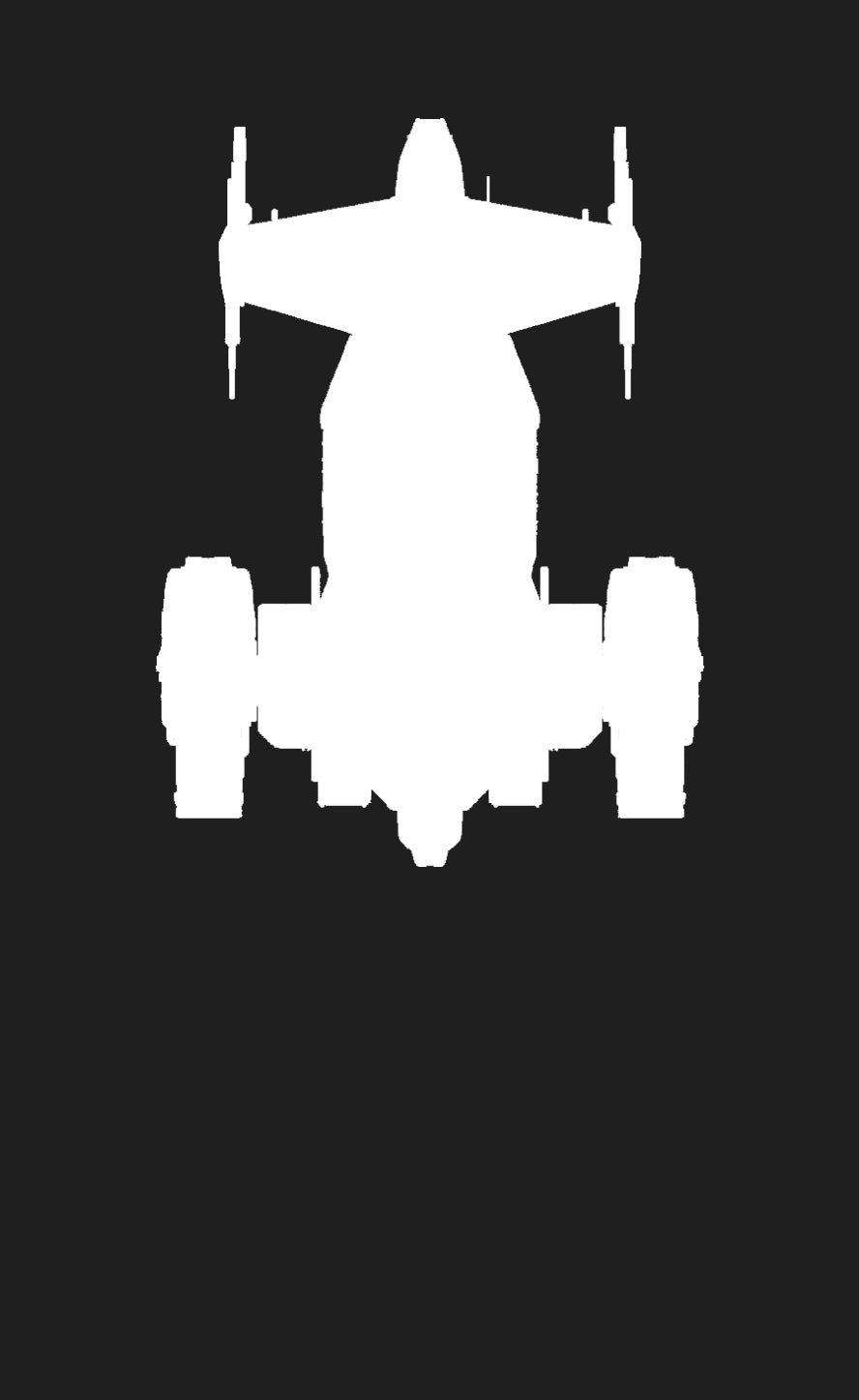

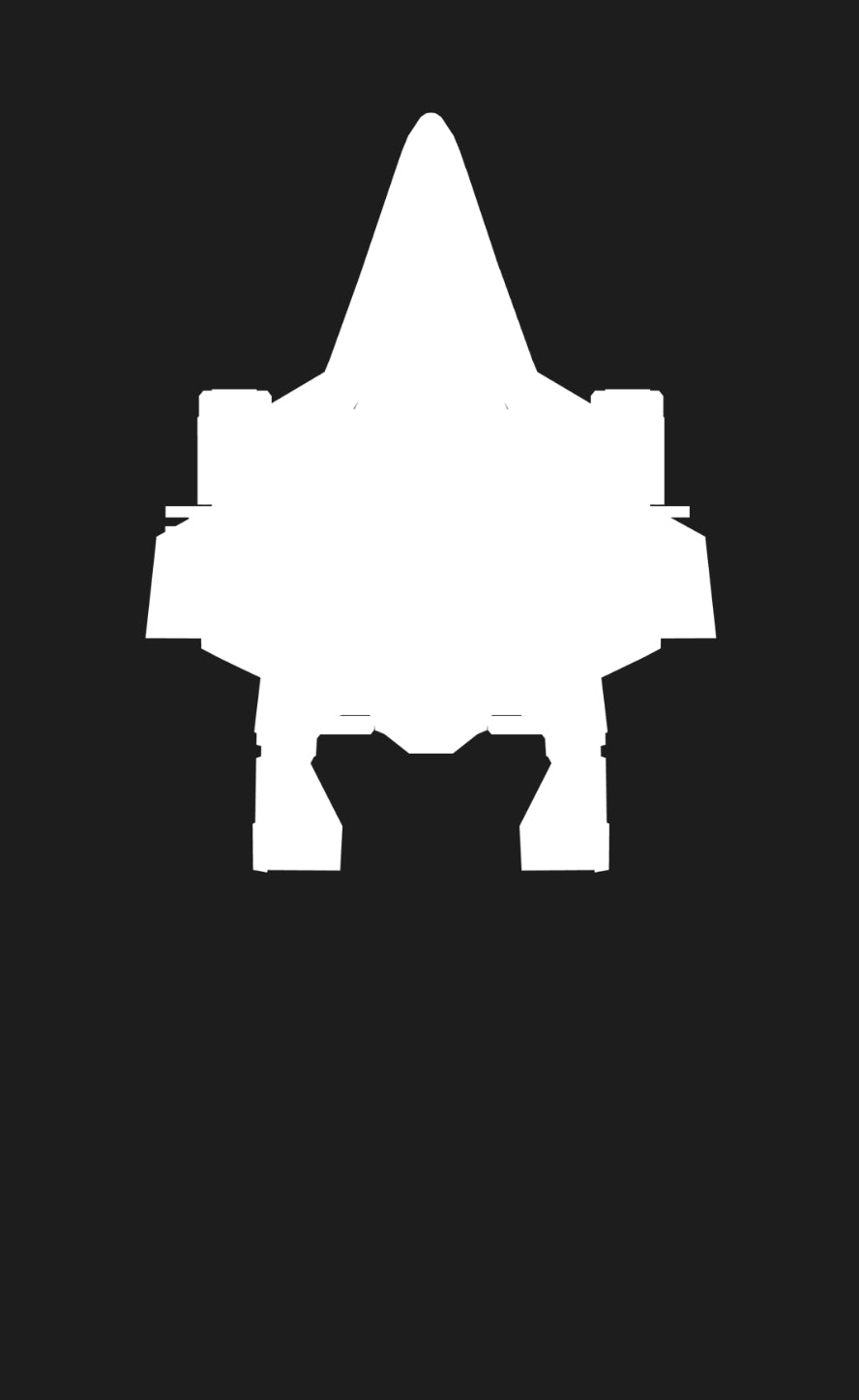
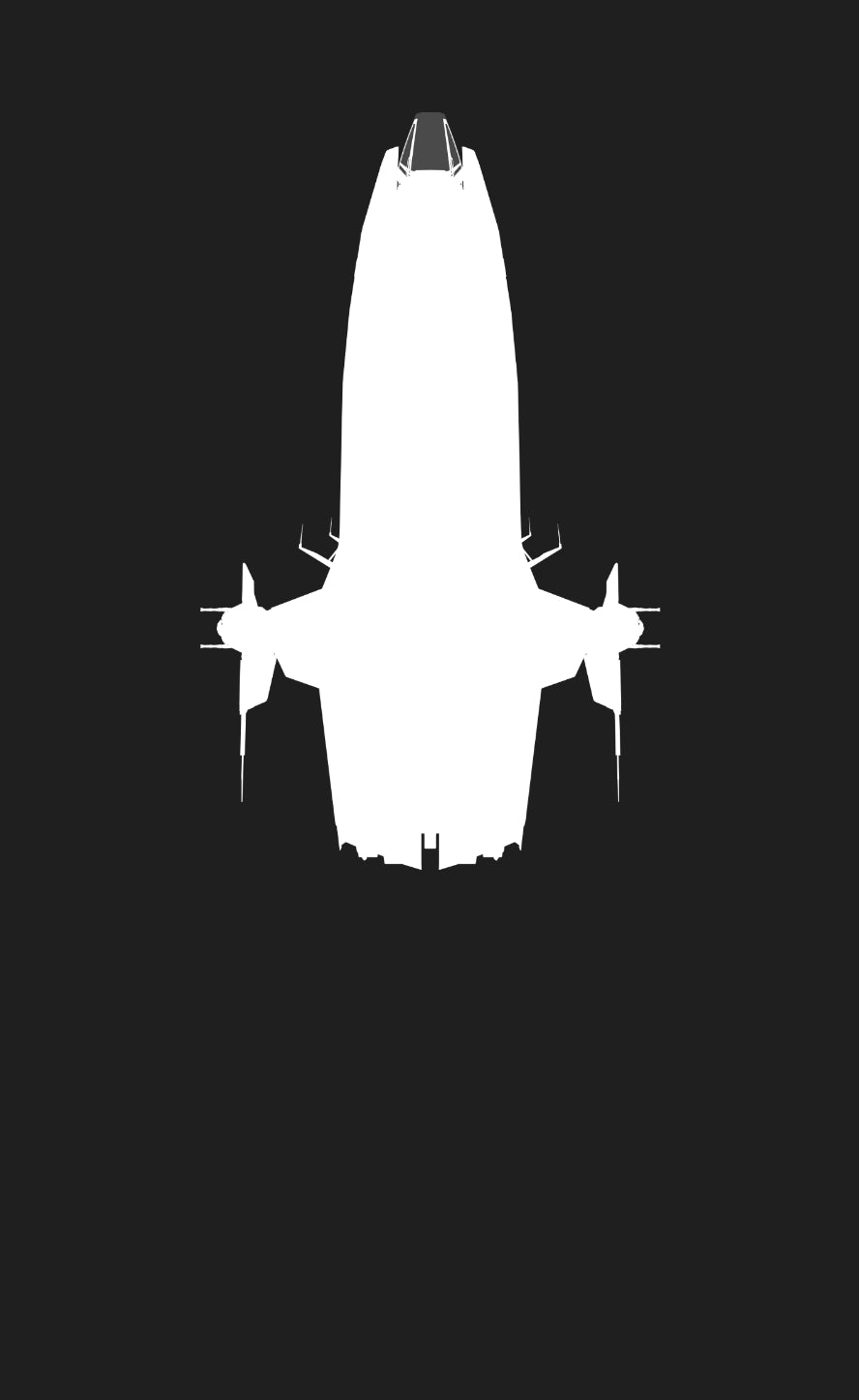
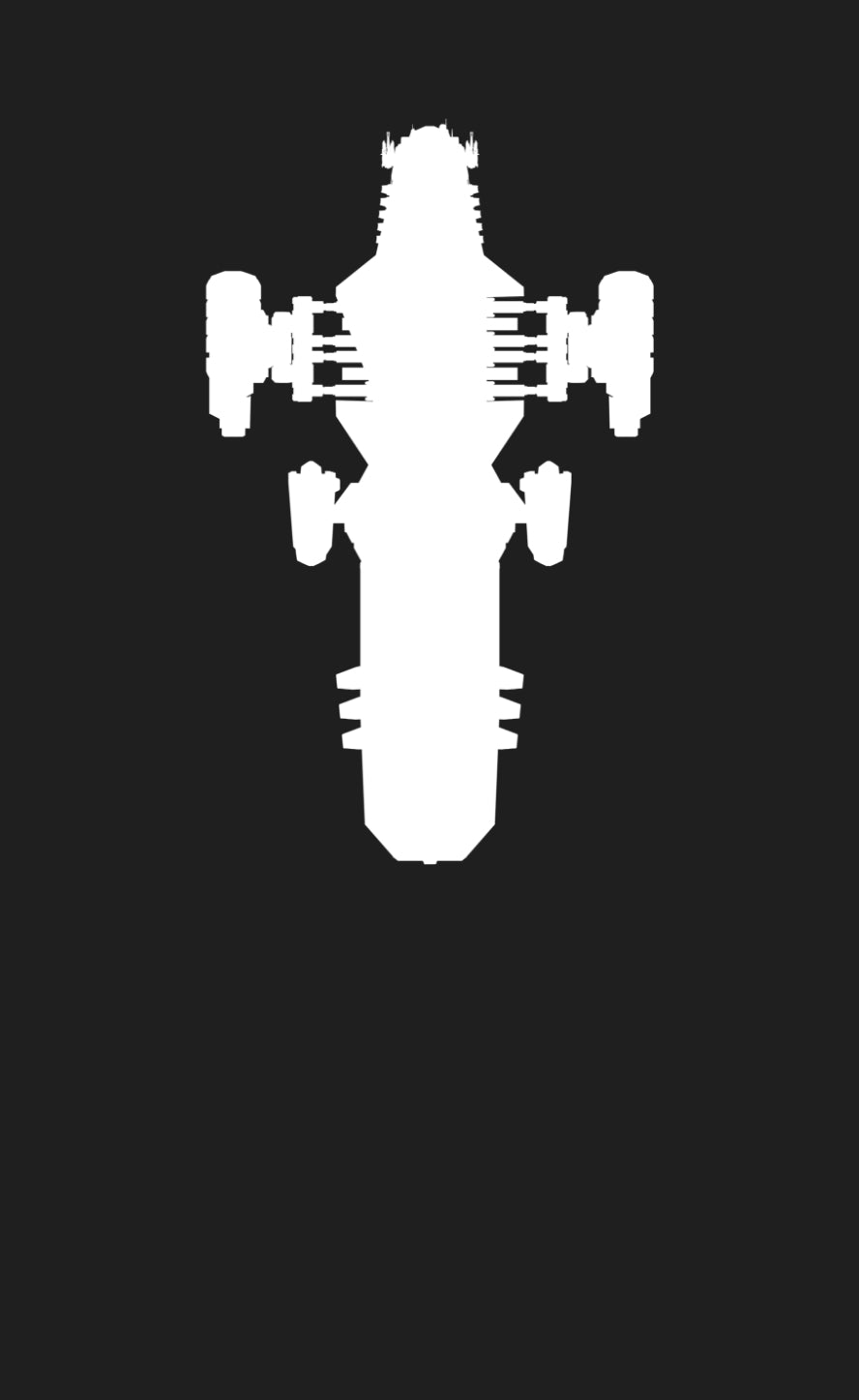


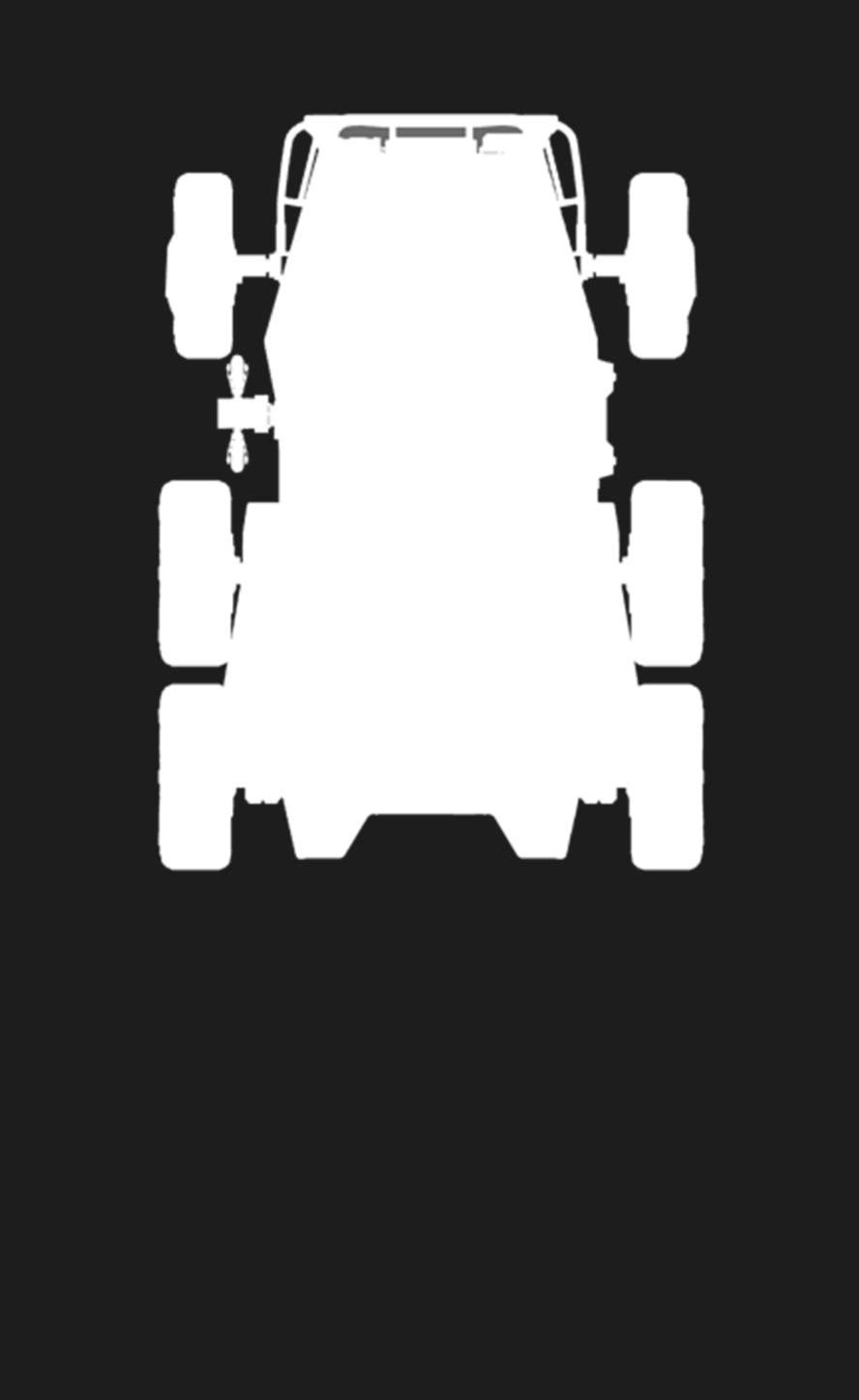
Hull C Guide, Specs & Features

What to know
The MISC Hull C is a heavy interplanetary freighter built to carry 4,608 SCU on an expandable external cargo structure. Four remote tractor beams help move the load, while shields and three defensive turrets support a crew working on major commercial routes.
Hull C specifications
One hundred and forty-four containers carried outside the hull
At full extension, the Hull C accepts 144 standard 32-SCU containers. Keeping freight on the external spindle gives loading equipment direct access, but it also makes compatible ports, balanced placement, and a clear unloading plan essential parts of every contract.
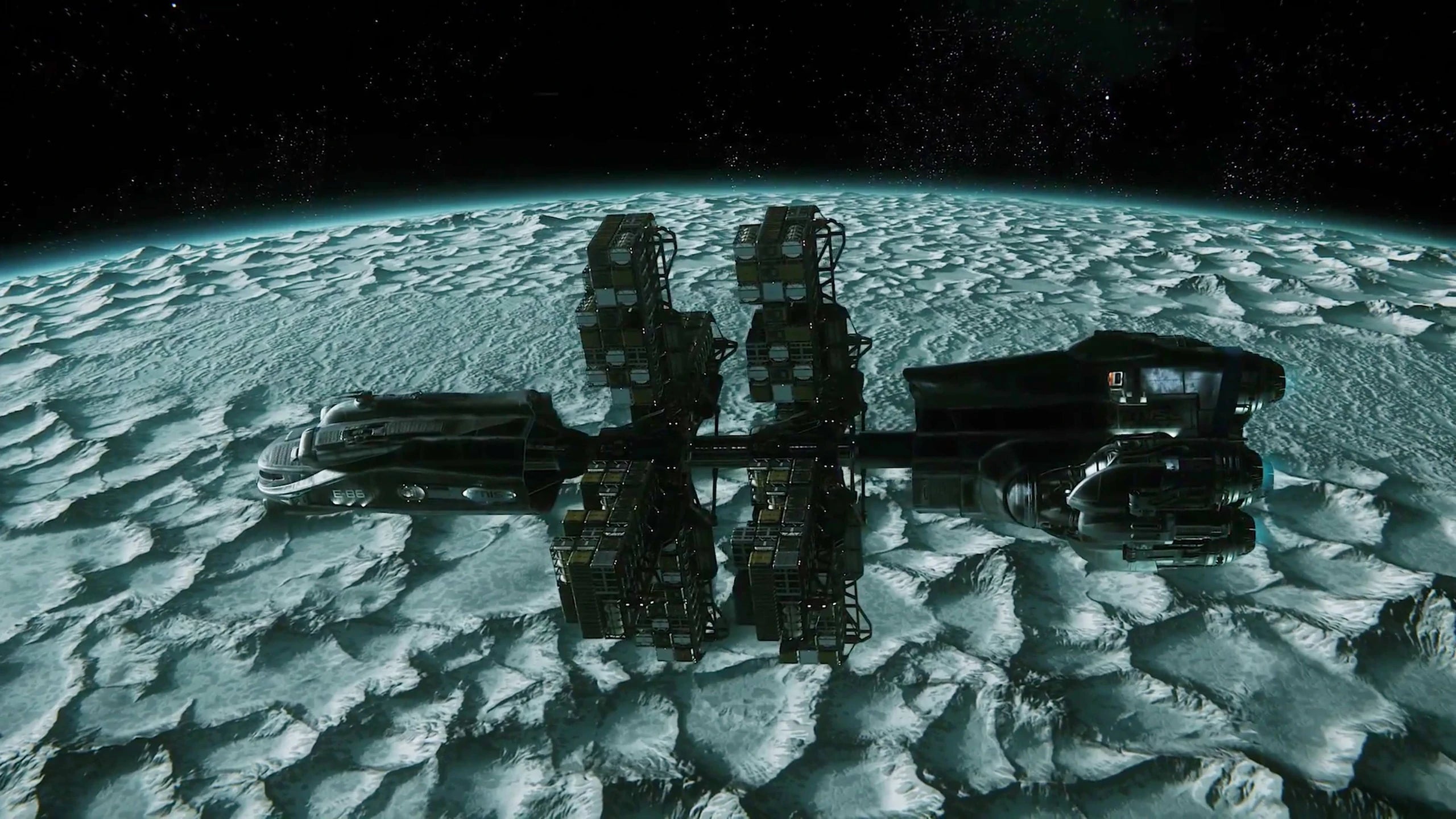
A true bulk hauler between equipped ports
The Hull C is not designed around a walk-in cargo bay or small outpost delivery. It makes sense on routes with enough volume and infrastructure to fill, service, and unload a ship carrying thousands of SCU at once.

Development note: The Hull C is flight ready and entered the live game in Alpha 3.20.0. Because Star Citizen remains in active development, specifications, features, and imagery may change over time.
External containers, tractor beams, and defensive turrets
The Hull C combines a 4,608-SCU external spindle with four tractor beams, industrial shielding, and three defensive turrets for bulk freight routes between equipped ports.

Four Size 4 tractor beams give the crew onboard control during container transfer and positioning.
The external load requires suitable cargo equipment and enough clear space at both ends of the commercial route.
Six Size 3 guns across three remote turrets provide coverage while the freighter travels or waits for cargo operations.
The central structure extends to carry container groups in space and retracts when the ship needs its compact configuration.
Four remote tractor beams help the crew position containers without relying entirely on equipment outside the ship.
The Hull C external cargo spindle
The expanded cargo structure carries up to 144 standard 32-SCU containers outside the main pressure hull.
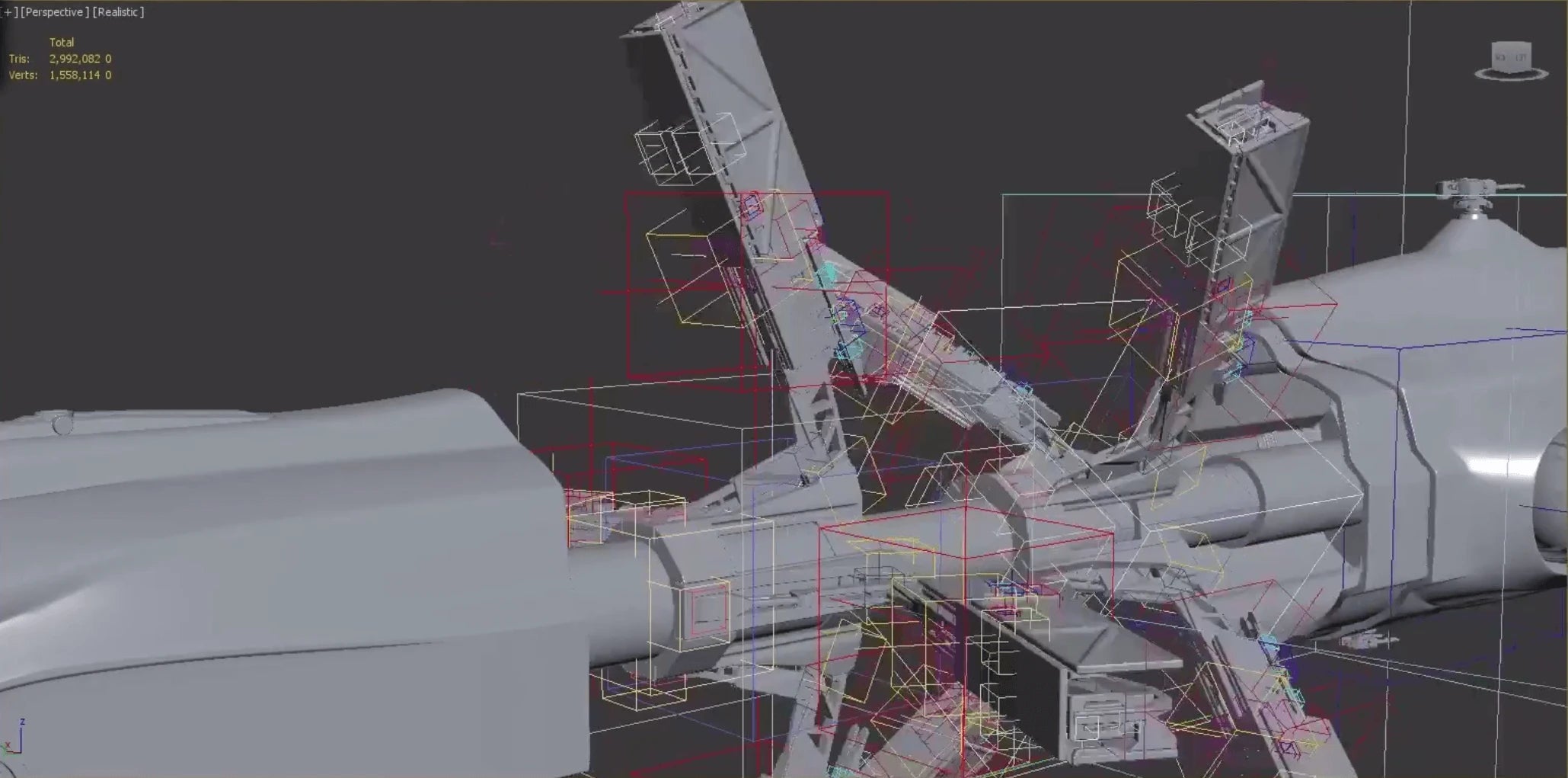
4,608-SCU external spindle
A profitable route needs enough cargo volume, clear space, and suitable loading equipment at both ends.
Arrange the container groups evenly around the spindle and keep each transfer point accessible.
Place the first containers due at the destination where the receiving crew can reach them without moving the rest of the load.
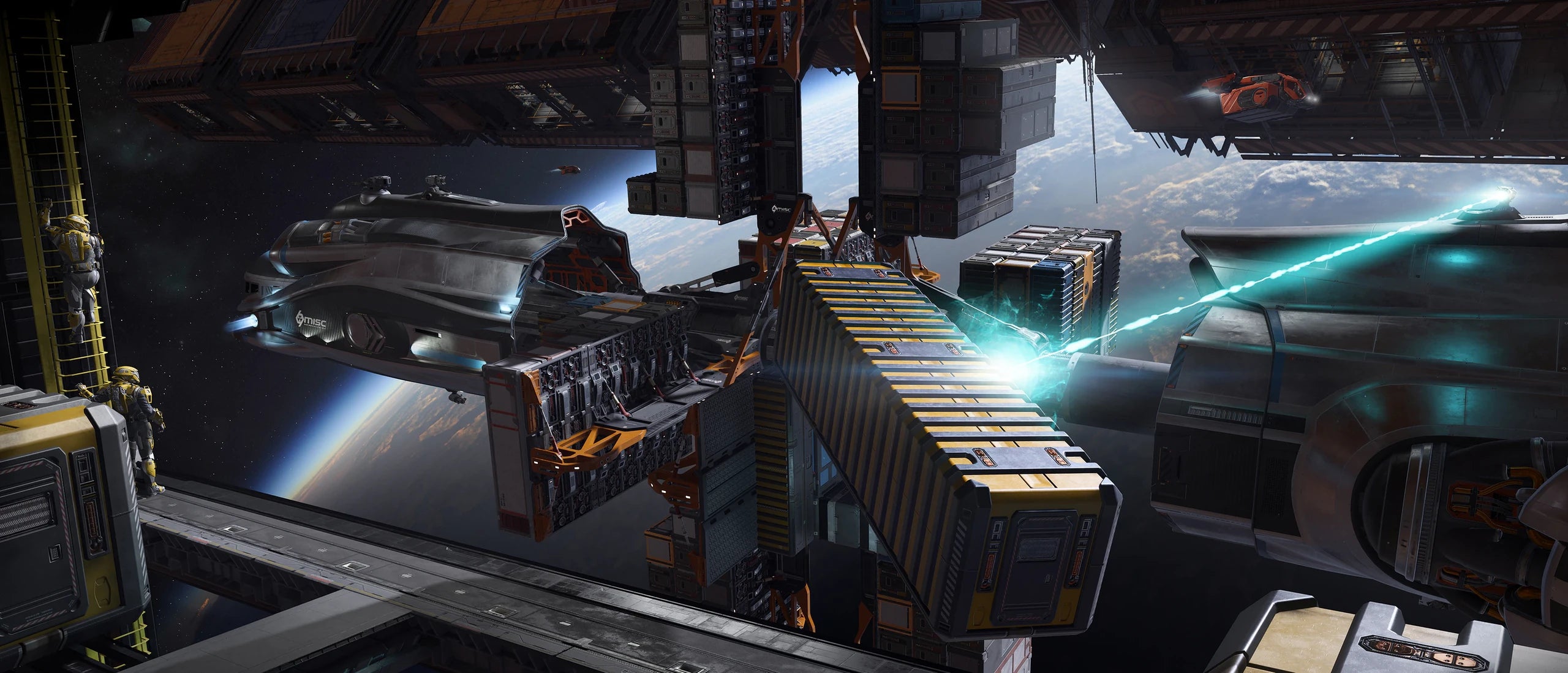
Move a full external load between equipped ports
The Hull C earns its keep on routes with enough freight and infrastructure to load, service, and unload 144 standard containers efficiently.
-
Choose a route built for bulk freight
Confirm the cargo volume, station clearance, and loading equipment before accepting the contract.
-
Arrange containers in delivery order
Balance the spindle and keep the first container groups due at the destination easy to reach.
-
Protect the exposed cargo
Monitor container restraints, ship balance, shields, and the route while the load remains outside the pressure hull.
-
Clear the spindle for the next route
Complete the transfer, inspect the attachment points, and leave the ship ready to accept another load.
The systems behind a 4,608-SCU freight run
An expandable spindle, remote tractor beams, industrial shields, and a multi-crew interior turn the Hull C into a true interplanetary freighter.
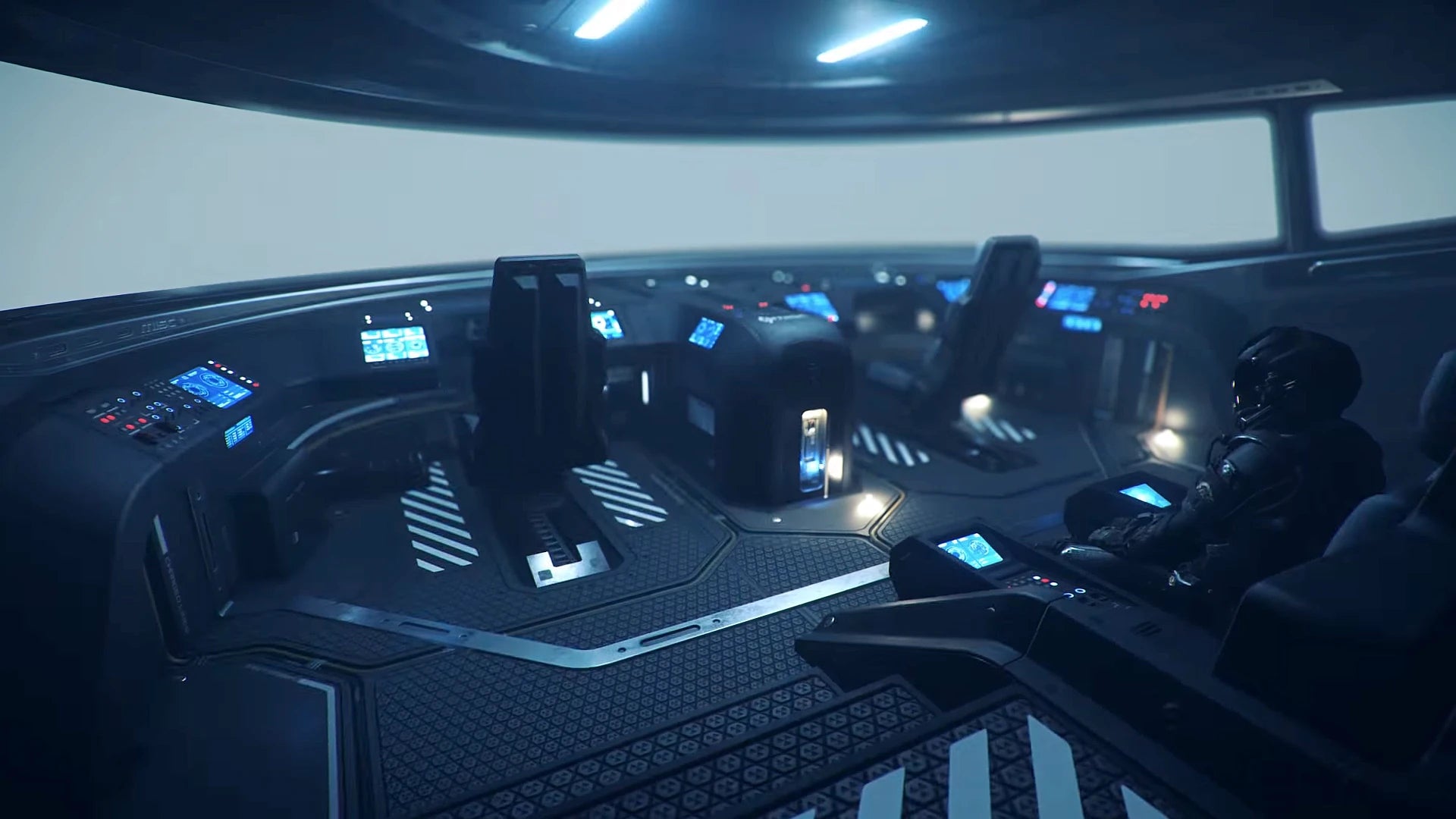
A pair of Size 3 shields helps protect the ship and its exposed container groups on long commercial routes.
Pilots, cargo operators, engineers, and turret gunners can divide the work needed to move a full load.
Four remote tractor stations help the crew position containers during loading and unloading.
The spindle keeps every container accessible to port equipment without moving freight through crew corridors.
A cargo crew for long interplanetary routes
Pilots, cargo operators, engineers, and turret gunners keep the external load secure and the ship ready for the next port.
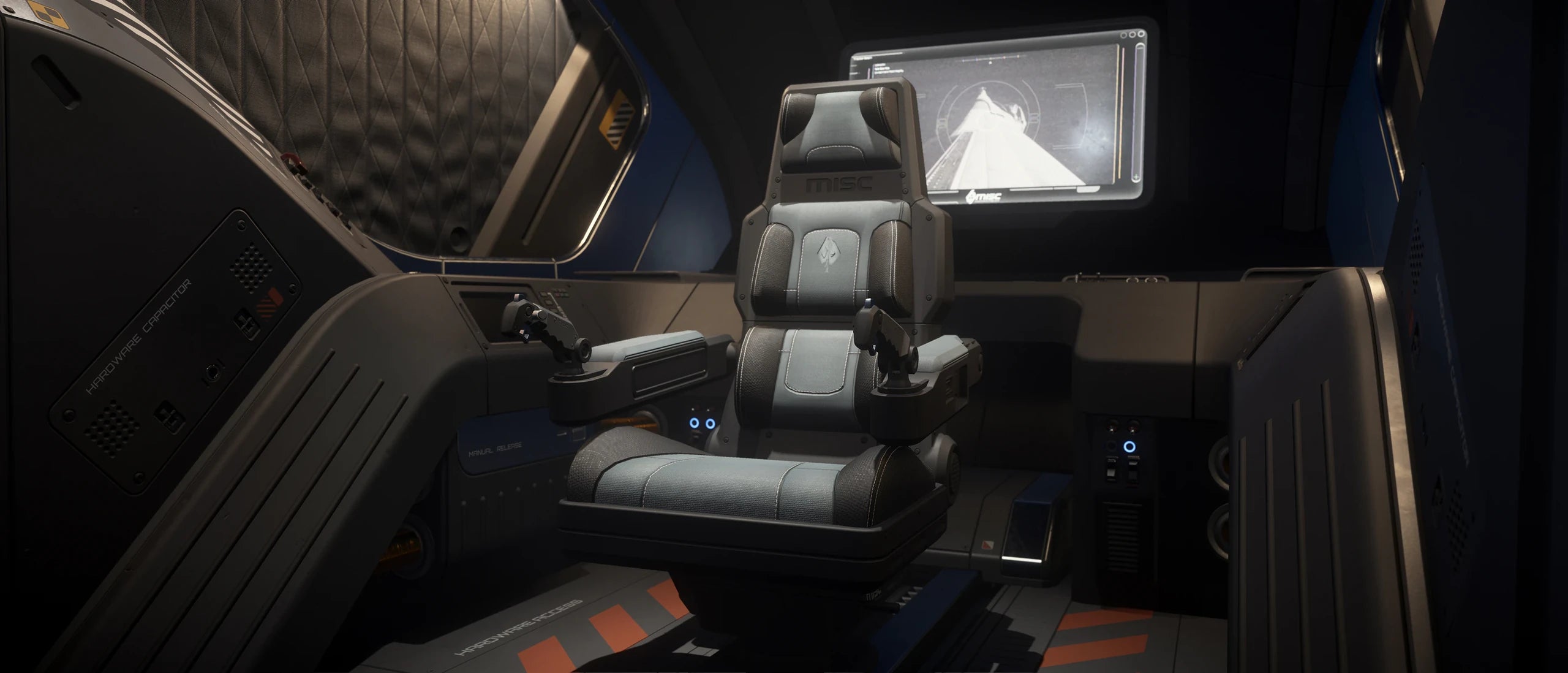
Plan the load before the Hull C leaves the dock
Container order, balance, port equipment, and route clearance all need to be settled before a fully loaded Hull C departs.
Check container size, total mass, station clearance, and unloading equipment before departure.
Balance the external spindle without burying the containers that must be unloaded first.
After unloading, check attachment points, tractor equipment, and any damaged restraints before accepting another load.
See the Hull C in action
Watch official footage of the Hull C in action and see it from every angle.
Find your Hull C
Explore in-stock Hull C ships, upgrades, and game packages available from The Impound.