
















What to know
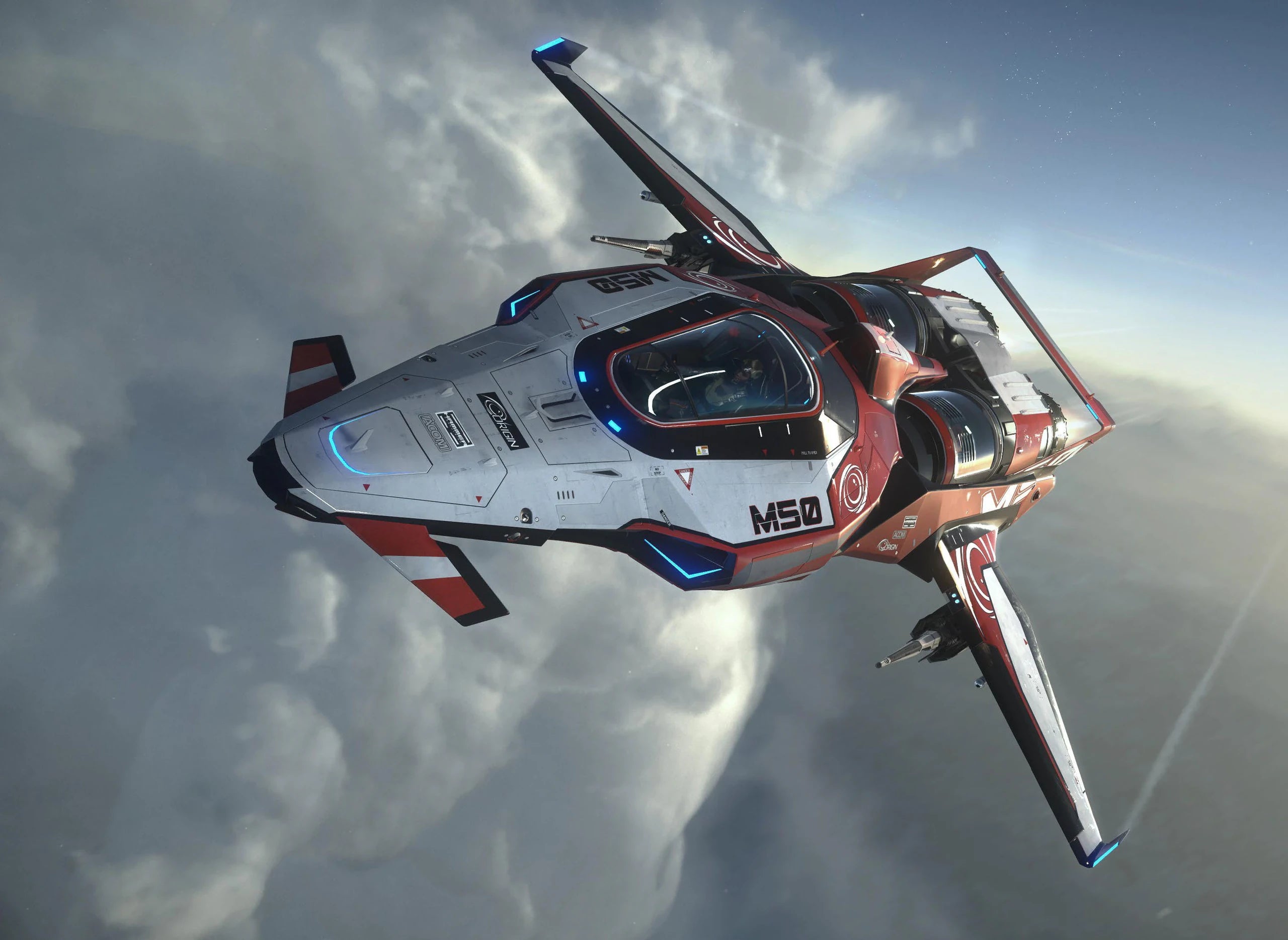
The Origin M50 is a single-seat racer built around low mass, rapid acceleration, and precise thruster response. It rewards a pilot who links braking, rotation, and the next gate cleanly instead of relying on speed along one straight section.
M50 specifications
Finding lap time in the M50
The M50 rewards a pilot who can make the twin-engine racing response repeatable from one corner to the next instead of spending the whole lap on a single burst of speed. Low mass and responsive propulsion give the M50 the acceleration and control needed for competitive racing rather than only a high top speed. Two Size 2 guns and two Size 1 missile launchers give the M50 a basic defensive package away from the race course.
The details that decide a full run in the M50
With the M50, high acceleration and precise thruster response reward a pilot who links braking, rotation, and the next gate without wasting momentum.
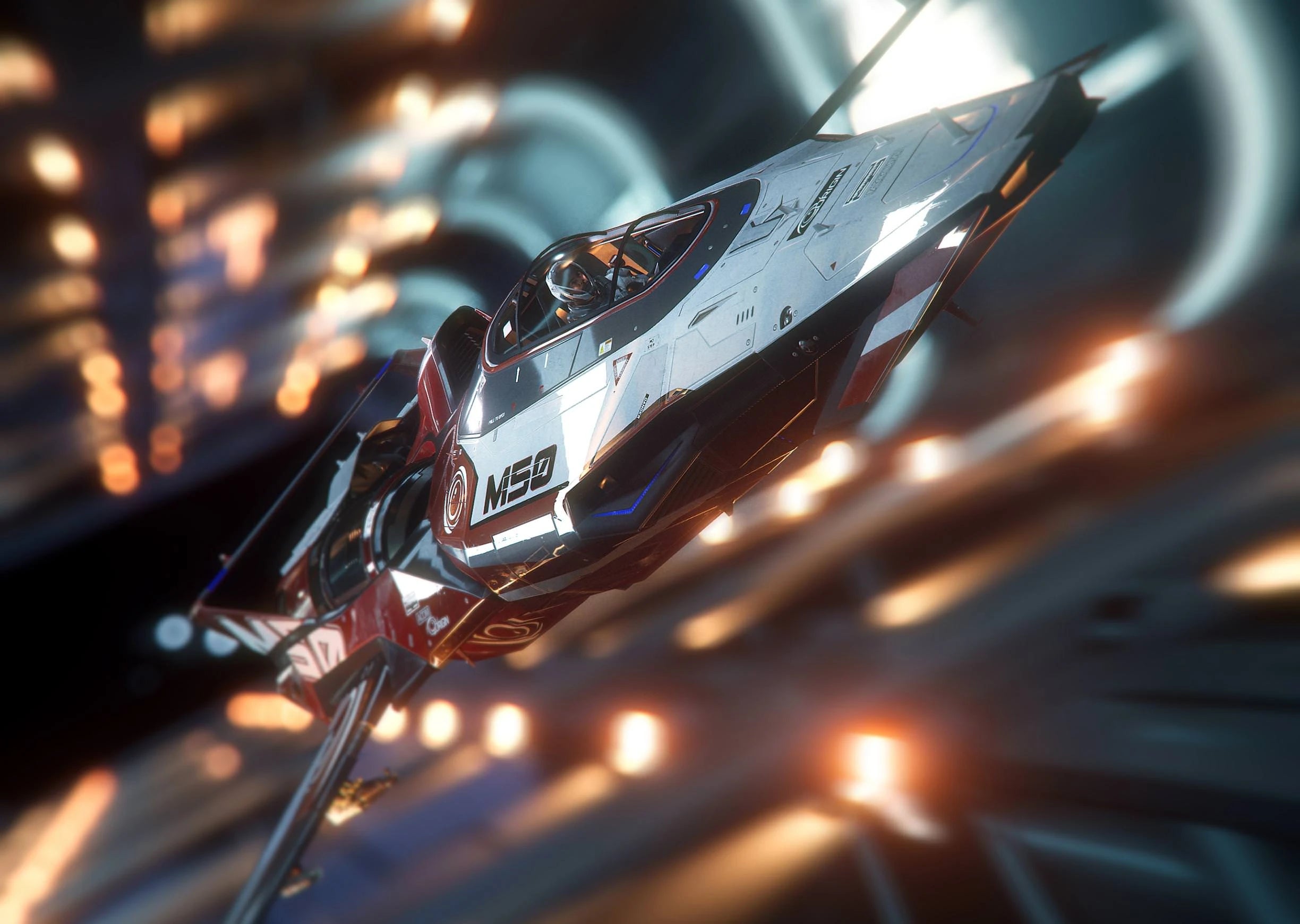
Development note: The M50 is flight ready and entered the live game in Patch V0.9. Because Star Citizen remains in active development, specifications, features, and imagery may change over time.
Propulsion, control, and cooling on the M50
The M50 uses the twin-engine racing response to carry speed into the next turn, while strong braking and precise control keep the pilot on line.
Low mass and responsive propulsion give the M50 the acceleration and control needed for competitive racing rather than only a high top speed.
Two Size 2 guns and two Size 1 missile launchers give the M50 a basic defensive package away from the race course.
Smooth acceleration protects the racing line into the opening corner.
At racing speed, small steering mistakes become expensive.
The M50's compact Formula-style airframe
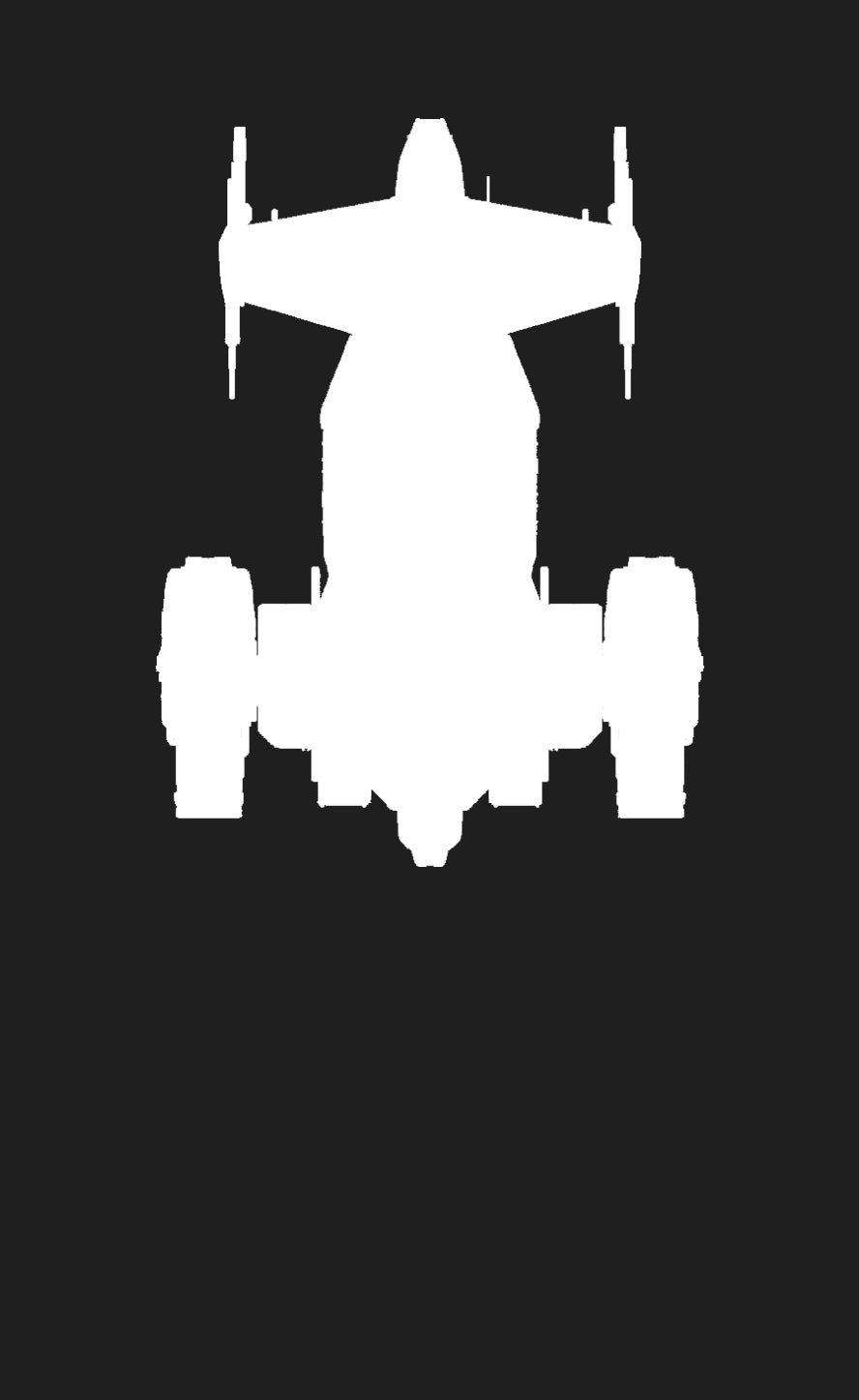
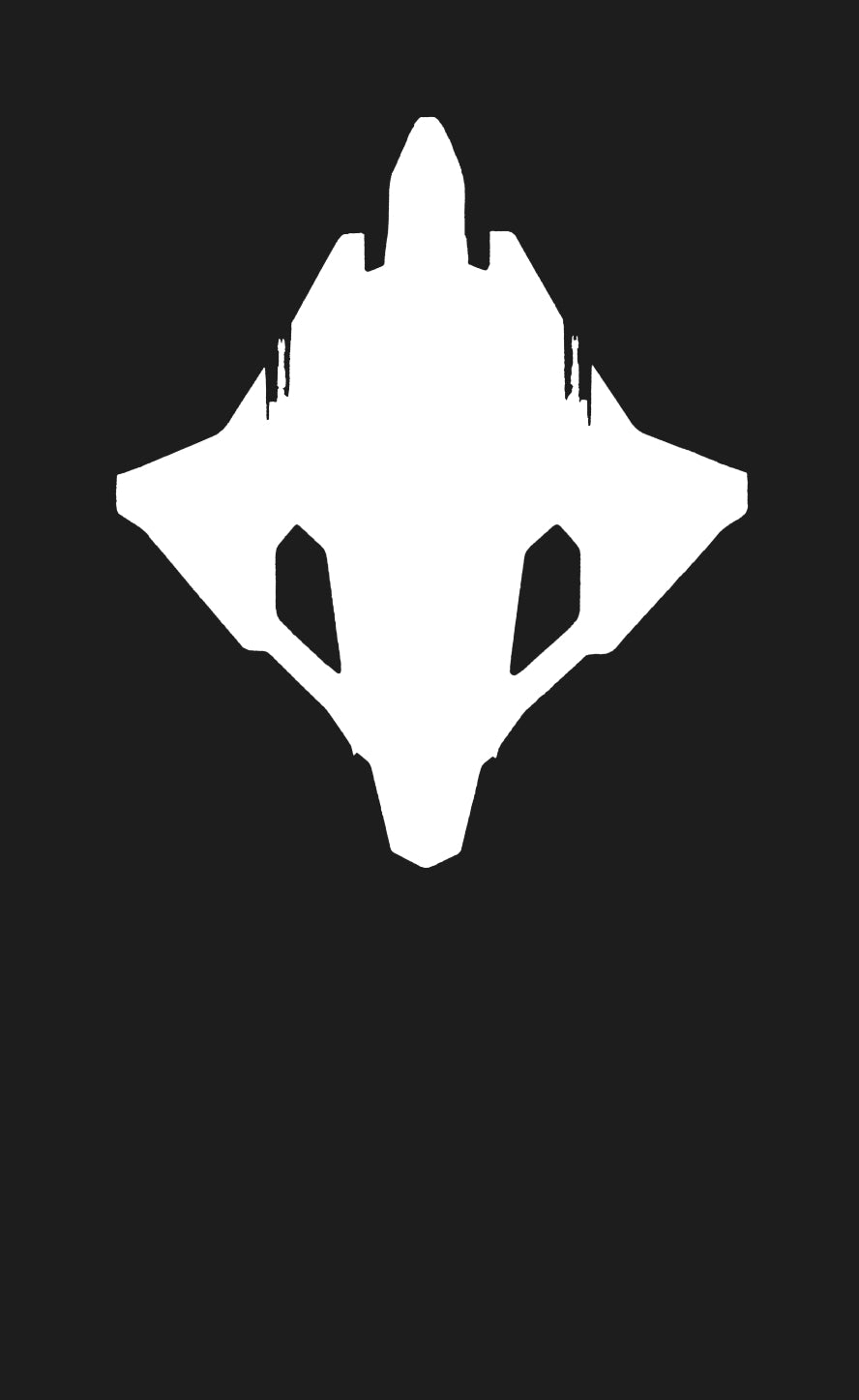
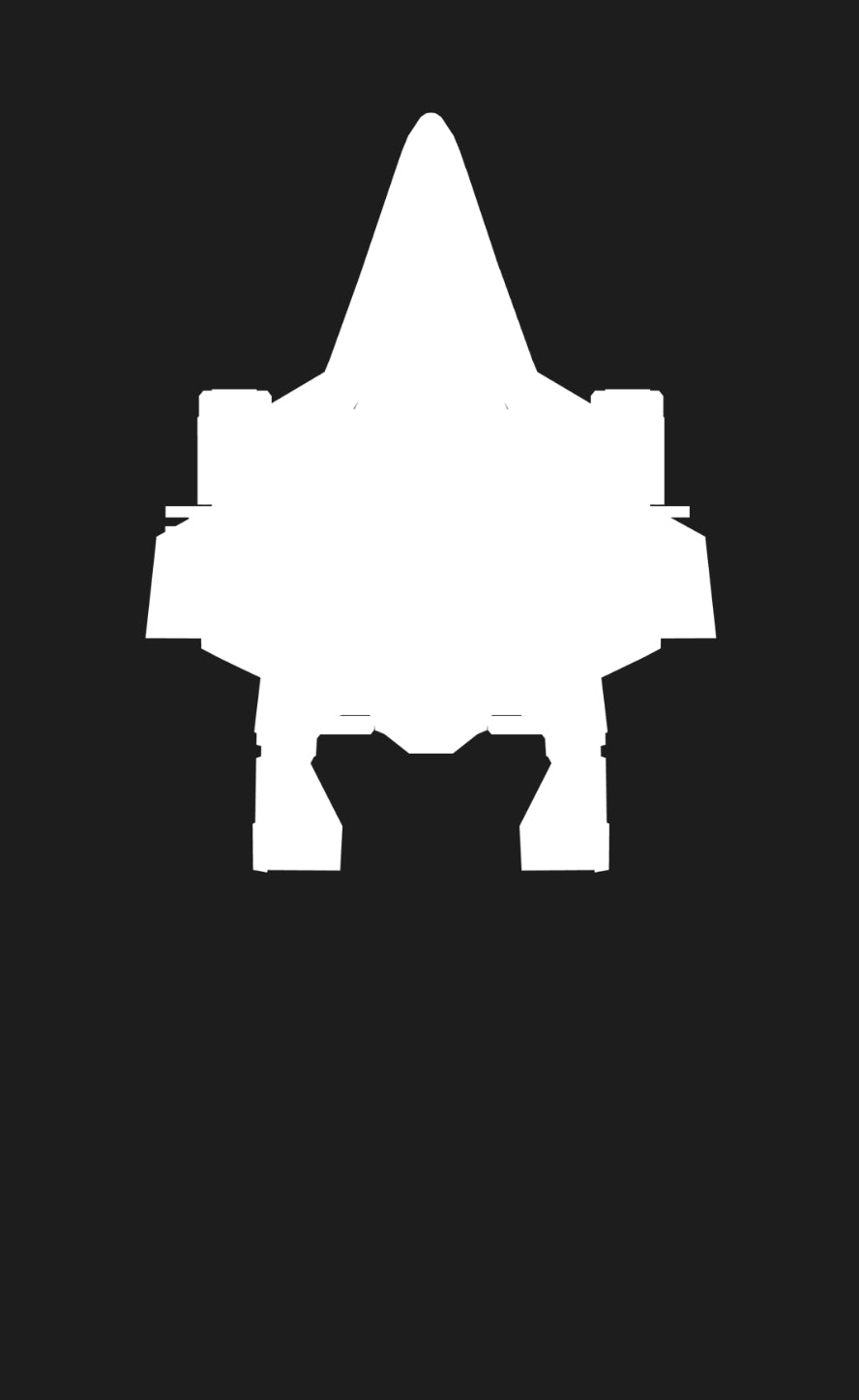
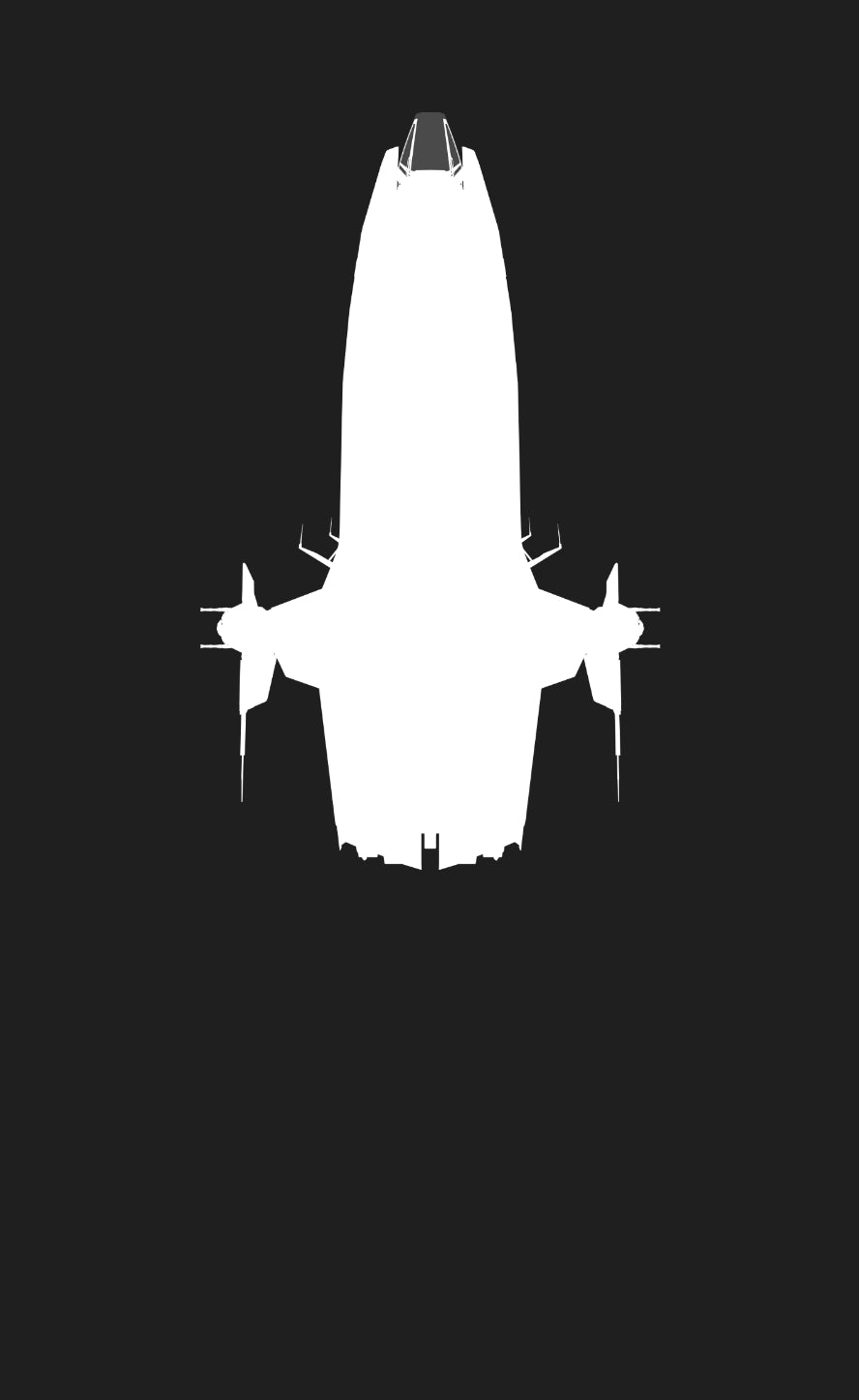
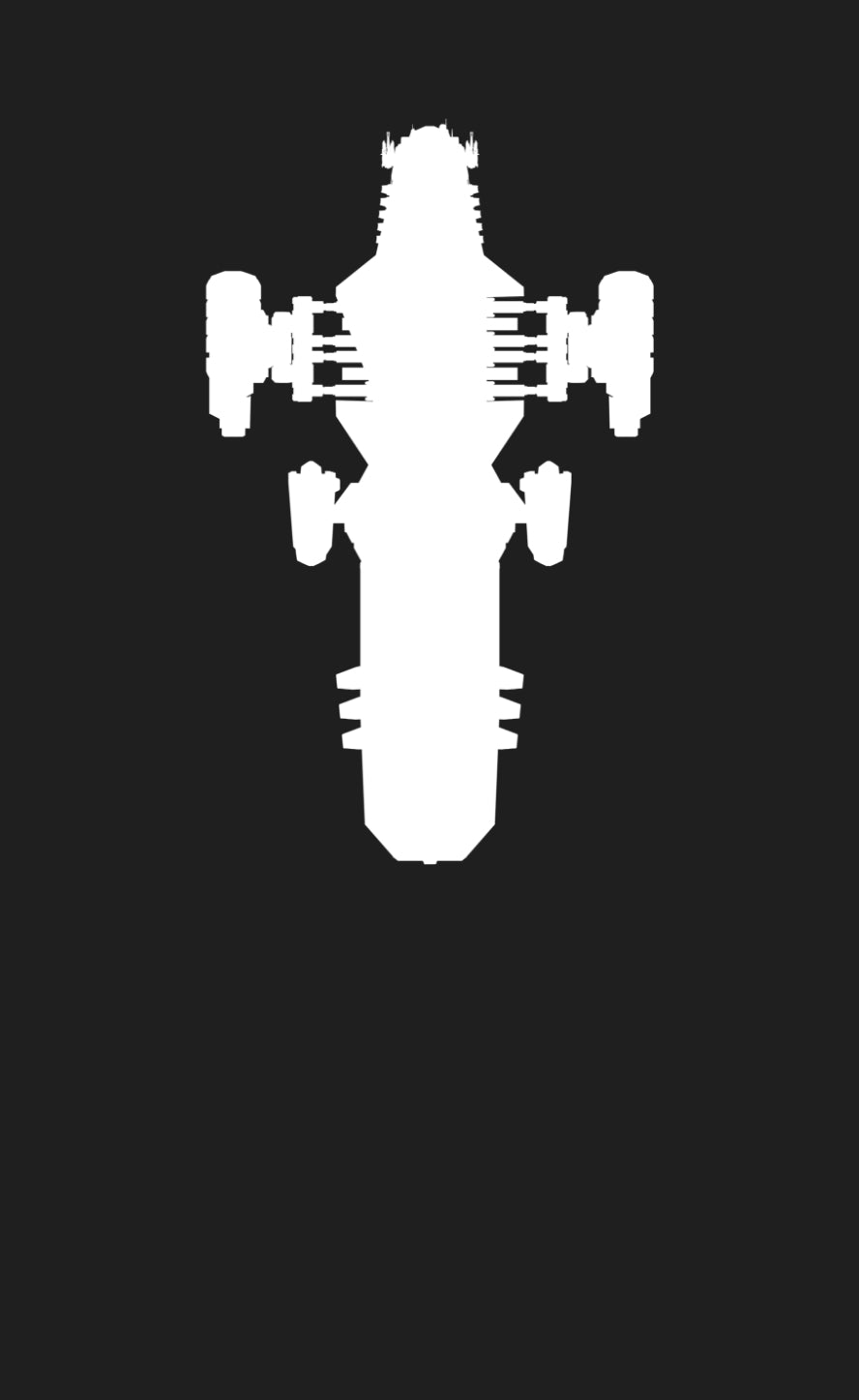
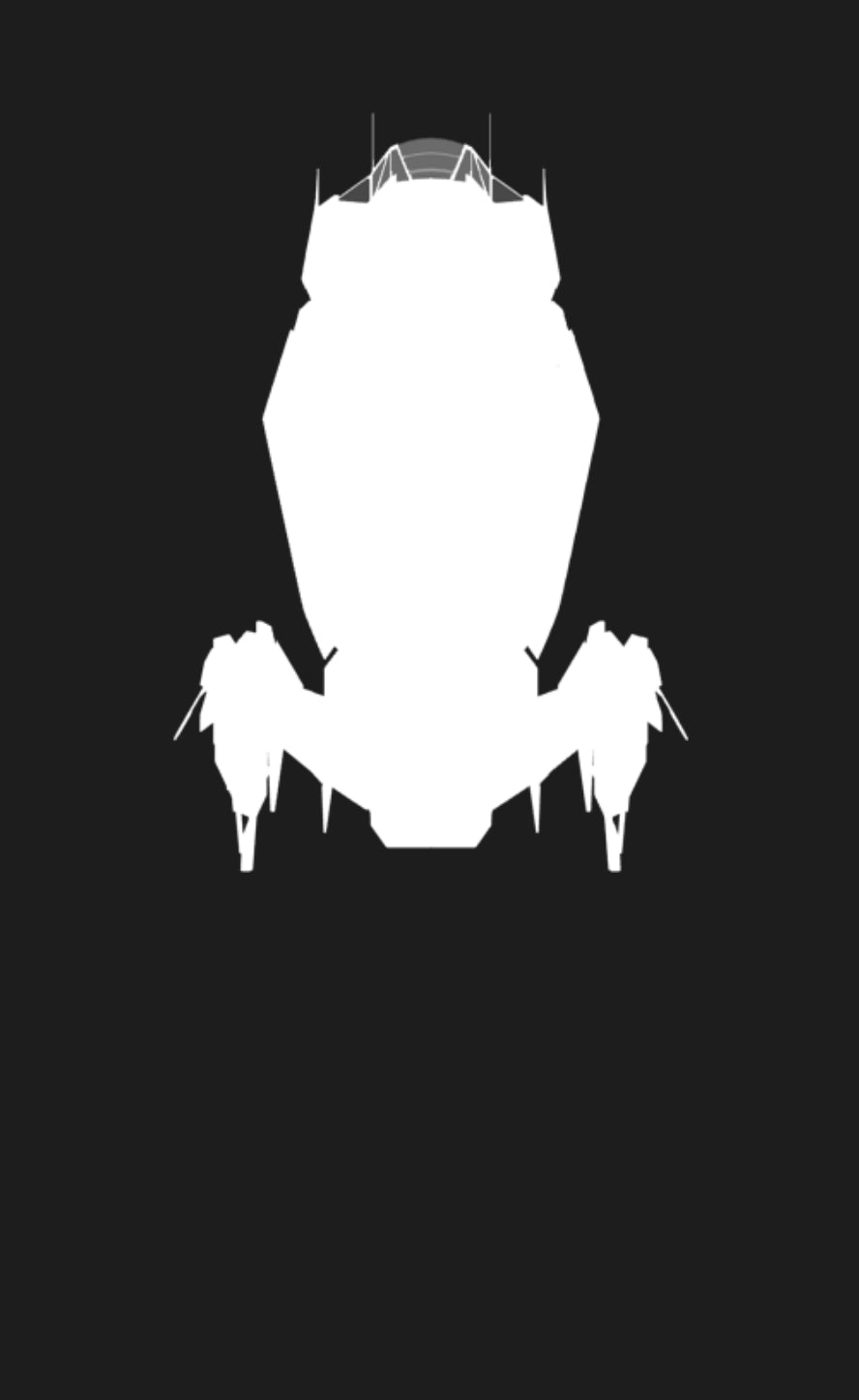
The M50 packs its pilot and propulsion into a very small racing hull. It can shed speed, rotate, and rebuild momentum quickly, rewarding a clean line through technical courses more than one long straight.
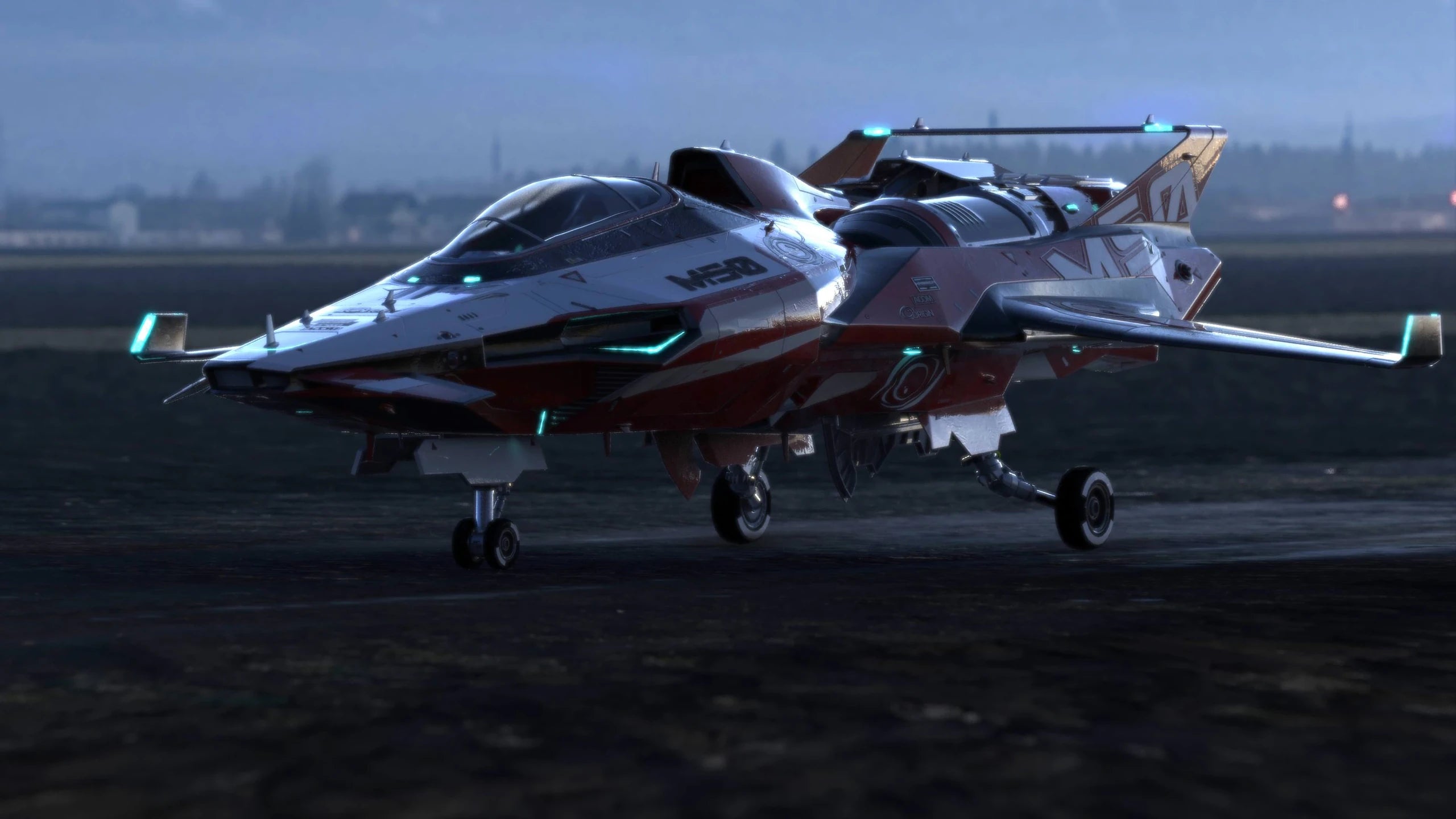
Twin-engine response built for braking, rotation, and acceleration
Use the twin-engine racing response to build speed without compromising the M50's position for the first turn.
Use smooth control inputs to carry the speed from the twin-engine racing response through linked corners and gates.
Check heat, damage, and control response after the run before asking more from the twin-engine racing response.
Twin-engine racing response across a full lap
The M50 rewards a pilot who can use the twin-engine racing response across the whole course rather than chasing one impressive burst of speed.
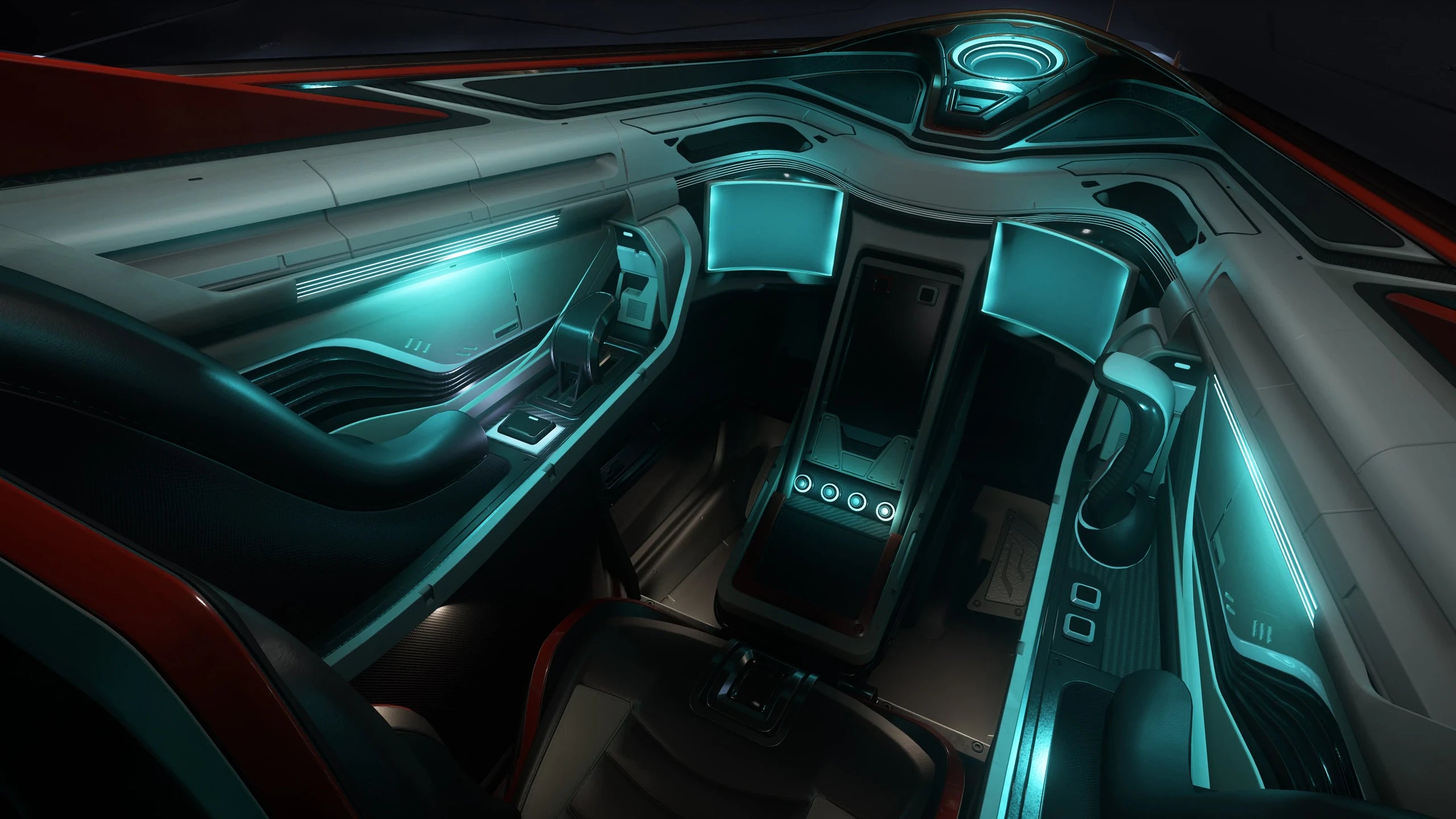
-
Tune the M50 for the course ahead
Fuel, heat, braking, and the hardest direction change guide the M50's setup.
-
Control the M50's launch acceleration
A controlled launch lets the M50 accelerate without spending the first sector correcting an avoidable mistake.
-
Carry the M50's speed through the full lap
Aboard the M50, course setup and smooth control inputs help the pilot carry the benefits of the twin-engine racing response from the first sector to the finish.
-
Compare the completed lap before changing the M50
The next M50 run improves when the pilot separates a line problem from a control or cooling problem.
The M50, from launch to finish line
The M50 combines its twin-engine racing response with low mass, predictable controls, and stable braking so the pilot can carry speed through the whole course.
The M50 needs enough thrust response to leave one turn already prepared for the next part of the course.
Steering and thruster response help the M50 change direction without giving away the speed built in the previous sector.
Predictable deceleration helps the M50 rotate cleanly and begin accelerating before the next sector opens.
Cooling, fuel, control settings, and damage condition give the M50 a stable baseline from one run to the next.
Set up the M50 for the entire course
Setup and driver input matter from the launch through the final corner.
Carry the M50's speed through the technical sectors
The pilot sets up the M50's twin-engine racing response for the course, then links braking, steering, and acceleration into a faster lap.
For the M50, control response, heat, fuel, and the hardest turns should guide the setup.
On the M50, course setup and smooth control inputs help the pilot carry the benefits of the twin-engine racing response from the first sector to the finish.
On the M50, after the run, the pilot reviews braking points, line choice, and how the twin-engine racing response behaved before adjusting the setup.
See the M50 in action
Watch official footage of the M50 in action and see it from every angle.
Find your M50
Explore in-stock M50 ships, upgrades, and game packages available from The Impound.