












Salvation Guide, Specs & Features

What to know
The Salvation is a small salvaging ship developed by Roberts Space Industries. With the Salvation, purpose-built salvage tools process wrecks into material the crew can collect, store, and return to market.
Salvation specifications
The recovery process inside the Salvation
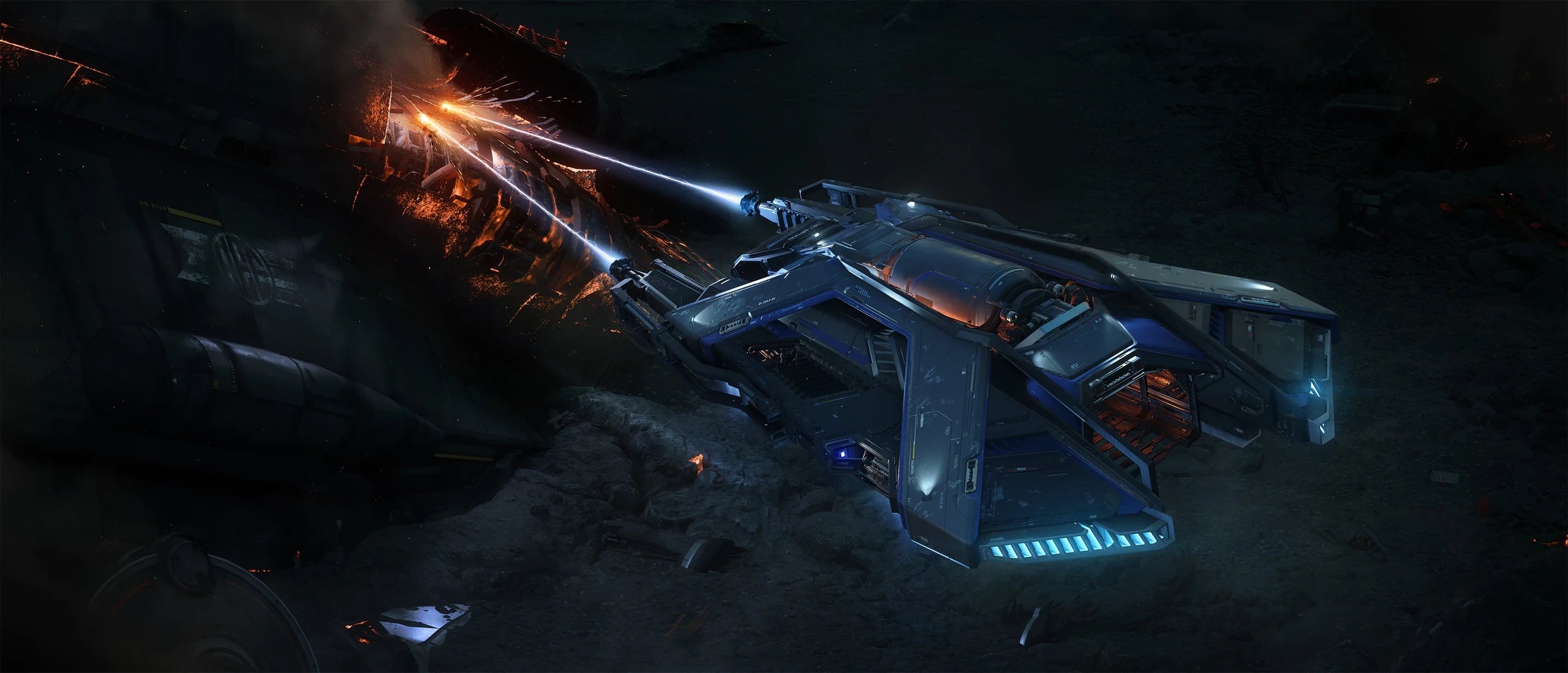
The Salvation is designed to recover value methodically. The retractable salvage heads and 6-SCU hold, positioning, material movement, and free cargo space have to remain in balance around the wreck. The Salvation has a pair of retractable bespoke Size 2 salvage heads, each built to carry a Size 1 module slot. Recovered material feeds into a 6-SCU rear hold that accepts containers up to 4 SCU.
Handling debris and recovered material
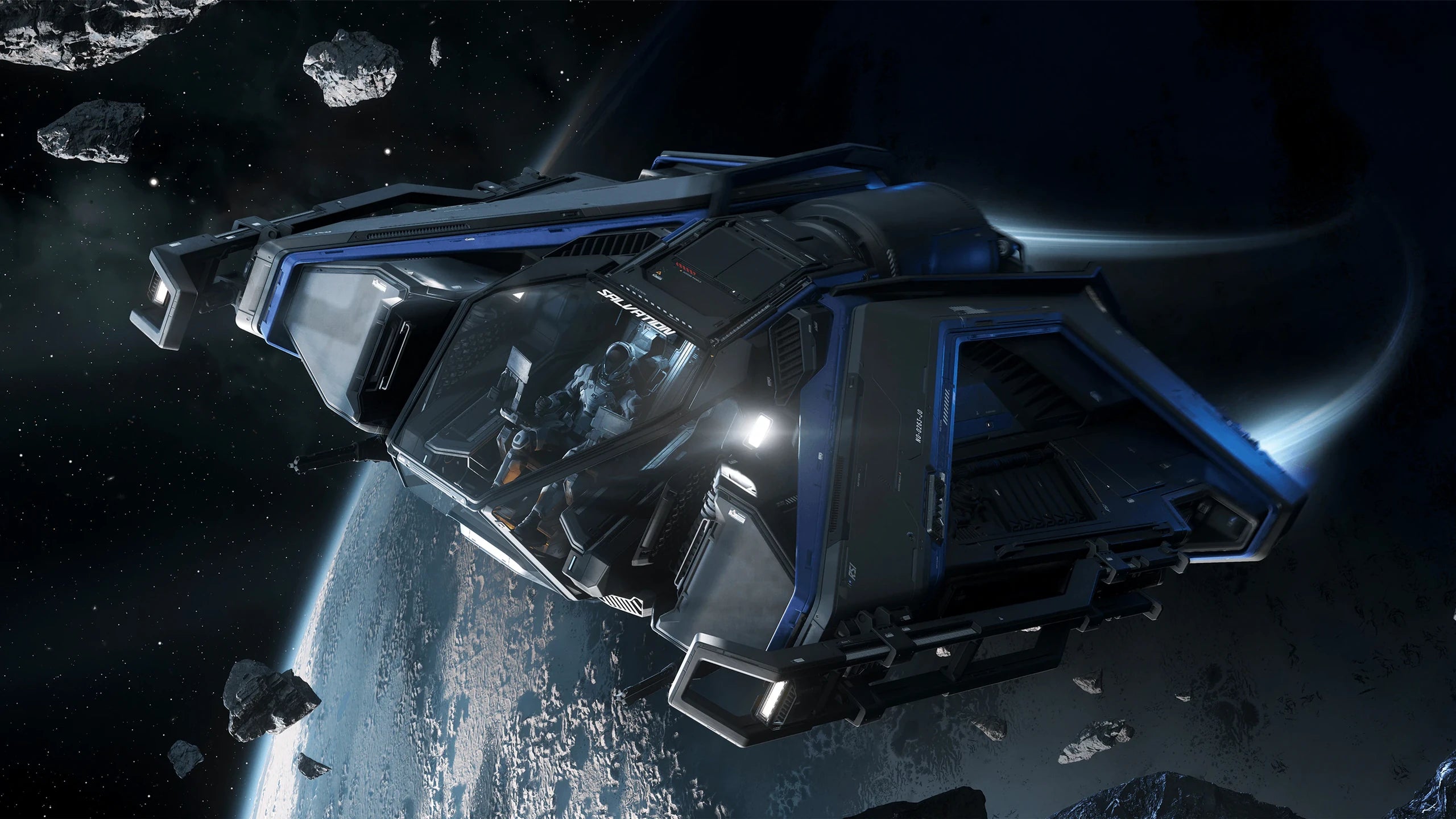
Aboard the Salvation, purpose-built salvage tools process wrecks into material the crew can collect, store, and return to market.
Development note: The Salvation is flight ready and entered the live game in Alpha 4.4.0. Because Star Citizen remains in active development, specifications, features, and imagery may change over time.
Moving a wreck through the Salvation
The Salvation uses the retractable salvage heads and 6-SCU hold at the wreck, then controls the recovered material until it is safely stored.
The Salvation has a pair of retractable bespoke Size 2 salvage heads, each built to carry a Size 1 module slot.
Recovered material feeds into a 6-SCU rear hold that accepts containers up to 4 SCU.
A separate 0.9-SCU internal compartment keeps the pilot's loose equipment and supplies organized.
The Salvation identifies valuable, stable structure before placing recovery equipment against a damaged hull.
Fine movement keeps the retractable salvage heads and 6-SCU hold working on selected material instead of scattering debris around the site.
Twin salvage heads feeding a compact hold
The Salvation uses two retractable Size 2 salvage heads, each accepting a Size 1 module, to recover material from a wreck. The output feeds a 6-SCU rear hold, giving one pilot a clear path from selected structure to stored cargo.
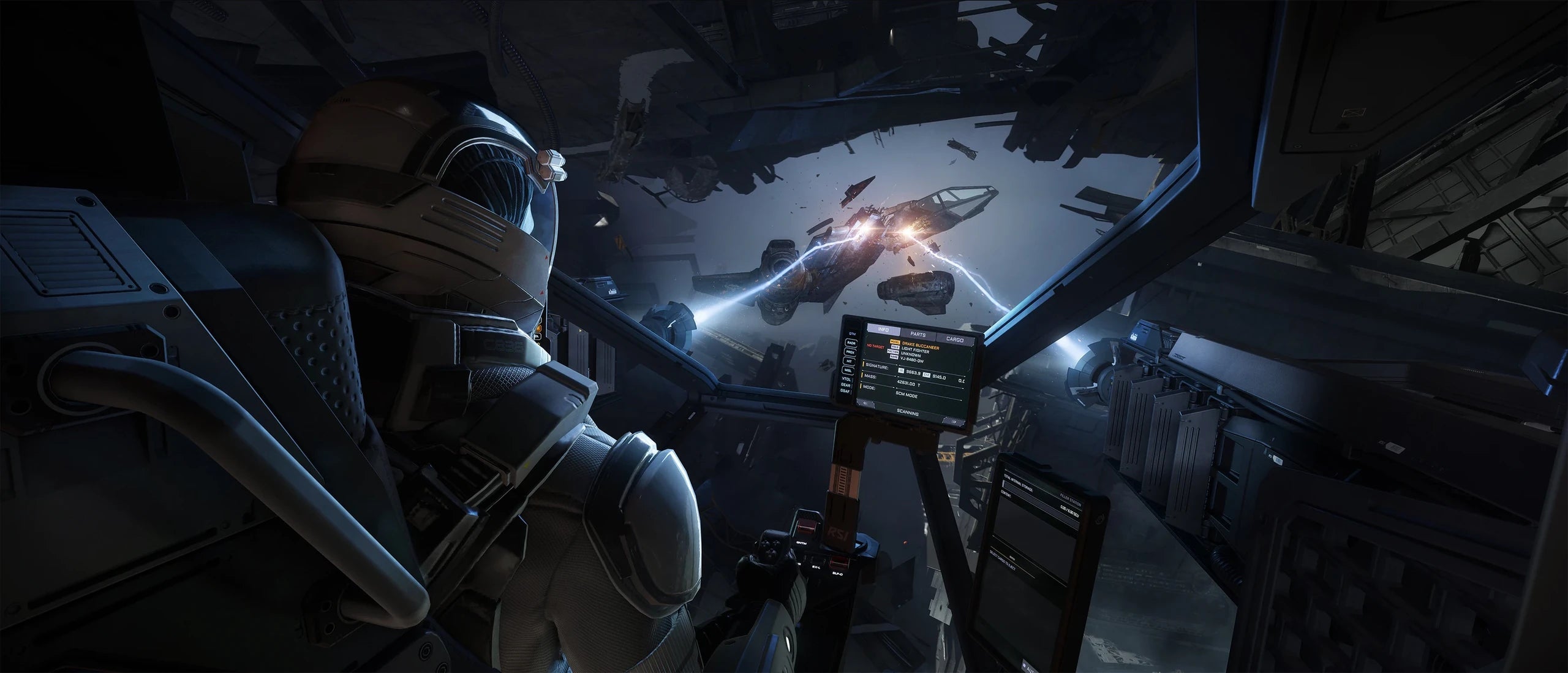
Two retractable Size 2 heads and 6 SCU for recovered material
Choose stable, valuable structure before the Salvation commits the retractable salvage heads and 6-SCU hold to the wreck.
Hold the Salvation steady and keep the material path clear while its salvage tools remove recoverable material from the wreck.
Leave enough cargo space for the material recovered by the retractable salvage heads and 6-SCU hold before continuing deeper into the wreck.
From wreck inspection to stored material
The Salvation uses the retractable salvage heads and 6-SCU hold as part of an organized salvage job, moving each recovered piece into storage before the work area becomes blocked.

-
Identify the sections worth dismantling first
Aboard the Salvation, hazards, ownership, remaining components, and material value should be understood before tools touch the hull.
-
Hold the salvage platform steady beside the wreck
The operator positions the Salvation so the wreck cannot trap the ship or block its storage access.
-
Process recovered material aboard the Salvation
For the Salvation, stable positioning and a clear material path let the retractable salvage heads and 6-SCU hold work without filling the area with unmanaged debris.
-
Keep recovered material ready for transport
For the Salvation, good material handling prevents a valuable salvage run from ending in a blocked hold or damaged cargo.
Salvage tools, handling, and storage
The Salvation applies its retractable salvage heads and 6-SCU hold at the wreck, then controls debris and stores the recovered material.
Two Size 1 gun hardpoints give the single pilot a basic defensive option around a salvage site.
Dedicated racks secure one Size 2 weapon or tool, one Size 1 sidearm or medgun, and one Size 1 utility tool.
The Salvation needs a stable position and clear sightlines before salvage work begins.
For the Salvation, recovered material has to move away from the work area as quickly as the tools produce it.
The Salvation keeps recovery tools and storage close to the wreck
The Salvation's pilot watches the wreck, tool position, loose material, and free storage throughout the recovery.
Inspect first, then recover what has real value
The operator holds the Salvation steady beside the wreck, uses the retractable salvage heads and 6-SCU hold, and keeps loose debris from blocking the remaining storage space.
On the Salvation, hazards, ownership, components, and usable material should be understood before processing begins.
Aboard the Salvation, stable positioning and a clear material path let the retractable salvage heads and 6-SCU hold work without filling the area with unmanaged debris.
On the Salvation, a clear hold and deliberate material flow stop valuable salvage from becoming an obstacle inside the ship.
See the Salvation in action
Watch official footage of the Salvation in action and see it from every angle.
Find your Salvation
Explore in-stock Salvation ships, upgrades, and game packages available from The Impound.