























Vulture vs Fortune vs Salvation: Which Solo Salvage Ship Suits You?

Three ways to turn a wreck into a haul: Drake’s working hold, MISC’s automatic loader and RSI’s compact cockpit operation.
A wreck hanging in the black is an inviting sight when you have the tools to take it apart. Getting the recovered material home is the less glamorous half of the job, and that is where the Vulture, Fortune and Salvation become three quite different ships to live with.
All three let one pilot get into ship salvage. The Drake Vulture gives you a larger working platform and an enclosed cargo bay; the MISC Fortune takes some of the box handling off your hands; the compact RSI Salvation keeps the whole operation close to the cockpit. Your choice depends as much on how you want to spend an evening as on how quickly a beam strips a hull.
The three ships at a glance
| Ship | Cargo grid | Material handling | The main appeal |
|---|---|---|---|
| Drake Vulture | 12 SCU, enclosed | Crates emerge at the filler station and need arranging | A self-contained salvage ship with space to work inside |
| MISC Fortune | 12 SCU external + 4 SCU rear lift | Automatic loading onto the side grids | Fewer interruptions to move freshly produced crates |
| RSI Salvation | 6 SCU, external | Cockpit-operated filler controls | A small, straightforward ship for shorter solo jobs |
These are cargo-grid figures, not a claim that every ship stops processing material the moment its grid fills. Internal buffers hold recovered material before it becomes a physical crate. Hull scraping recovers Recycled Material Composite (RMC); structural salvage breaks down the remaining hull. Loose boxes placed away from a grid are another matter again: they occupy usable space, can obstruct access and are not equivalent to secured cargo capacity.
Vulture: room for a working salvager

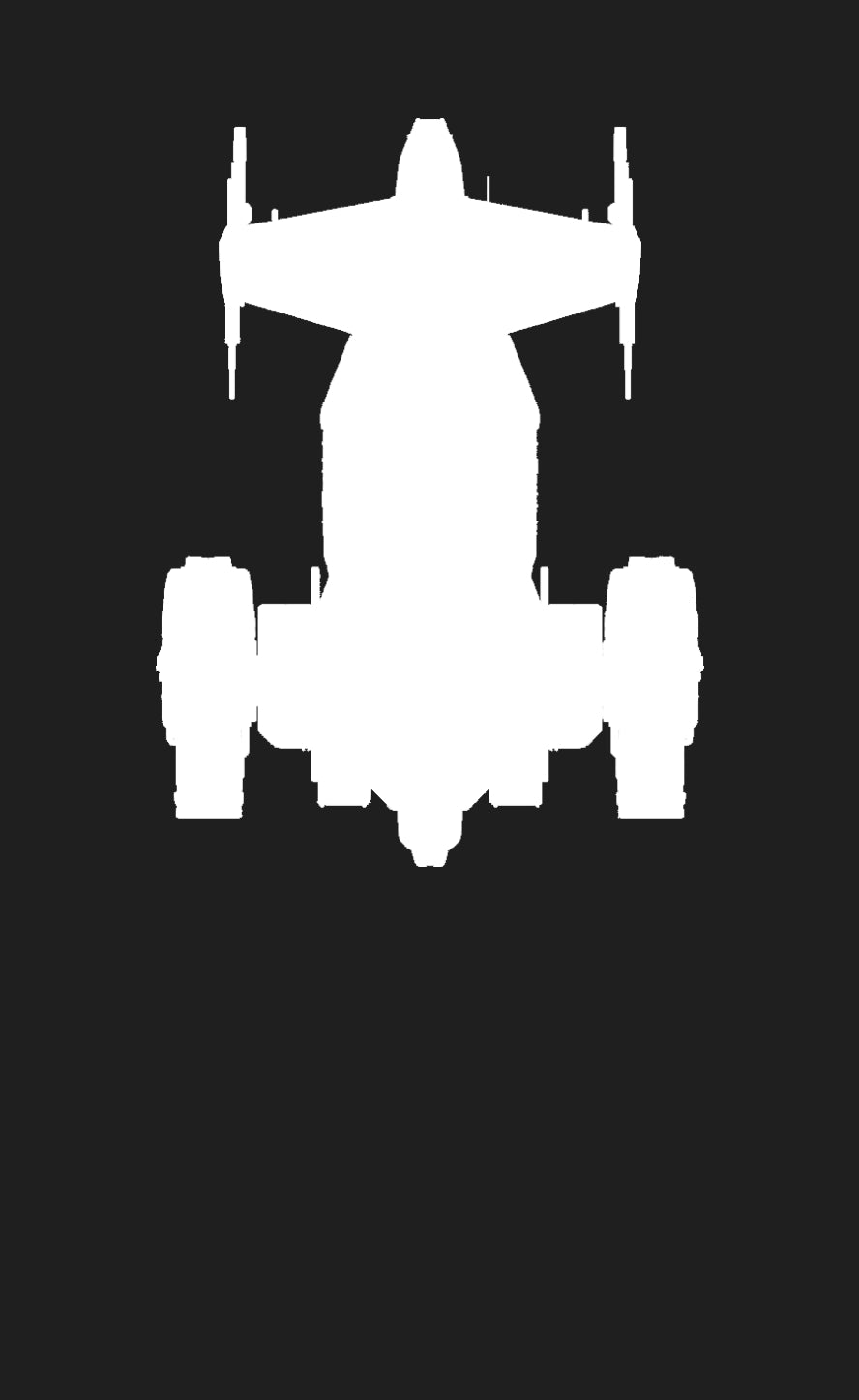
Drake's long twin booms make the Vulture instantly recognisable. The cockpit sits off to one side, with the tools stretched out ahead of you and the ship's working interior behind. It looks like something built to earn its keep, and that is much of its appeal.
The Vulture carries two Baler salvage heads, a 12 SCU cargo grid and accommodation for one pilot. At 34 metres long, it is considerably bigger than the 14.5-metre Salvation. That extra ship gives you a walkable interior and an enclosed place to organise what you recover, rather than an operation built entirely around external crates.
It also gives you a job to do downstairs. As the filler station produces containers, someone has to move them out of the way. For a solo pilot that means breaking off from the cockpit to sort the hold. Some players enjoy that hands-on rhythm: scrape, climb down, stack the haul and head back to work. If you find the repeated trips irritating, the Fortune deserves a particularly close look.
The Vulture's bay can hold more than the salvage you manufacture. Its grid also provides space for recovered items that fit, so an outing need not be limited to stripping paint from a hull. Keep access to the filler station and the route through the ship clear, rather than treating every spare patch of floor as a sensible loading position.
For a closer look at the ship itself, our Vulture guide explores the familiar Drake workhorse. Here, its strongest argument is the combination of salvage equipment, living space and an enclosed working hold in a ship one person can run.
Fortune: keep the crates moving

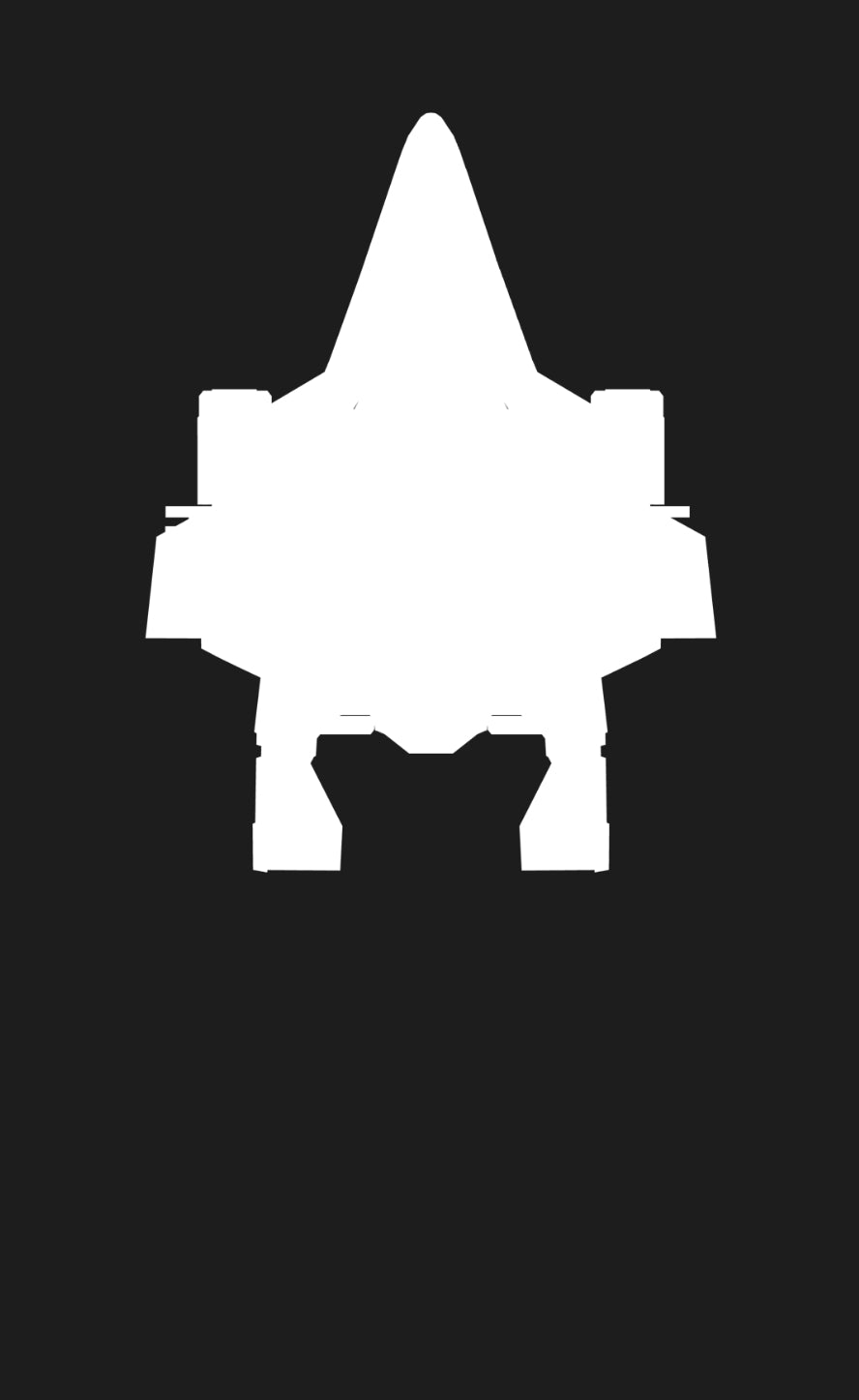
The Fortune will feel familiar to anyone drawn to the Prospector's rounded industrial shape, but the equipment behind that cockpit has a different purpose. The retractable salvage arm and its deployable whiskers handle hull work and structural salvage, while the external loader sends newly produced boxes onto the side grids.
Those side grids hold twelve 1 SCU containers. A further 4 SCU grid sits on the rear lift, giving the ship somewhere to carry additional items inside. You can place other valid cargo on the side grids too, but every occupied position is one the automatic loader can no longer use for a fresh salvage crate.
That is the Fortune's attraction on a long, quiet salvage session. You still have to find suitable wrecks, work them and unload the haul, but you spend less time interrupting the job solely to move a box out of the filler station's way. A solo operator gets the benefit without needing to recruit someone whose evening consists of stacking crates.
The interior retains the cockpit, habitation and bathroom arrangement familiar from the Prospector family, with salvage-control space and a rear cargo-lift room added for the new role. It offers a comfortable base for someone who intends to make salvage their regular occupation, rather than an occasional contract between combat missions.
Do not mistake convenience for a guaranteed faster extraction rate. The Fortune uses a single salvage head, so it offers a different working arrangement rather than doubling up the Vulture’s tools. Beam setup, available wrecks and the time spent travelling and unloading all affect a session. A universal earnings-per-hour figure would conceal more than it explains.
Salvation: a small ship with a clear job
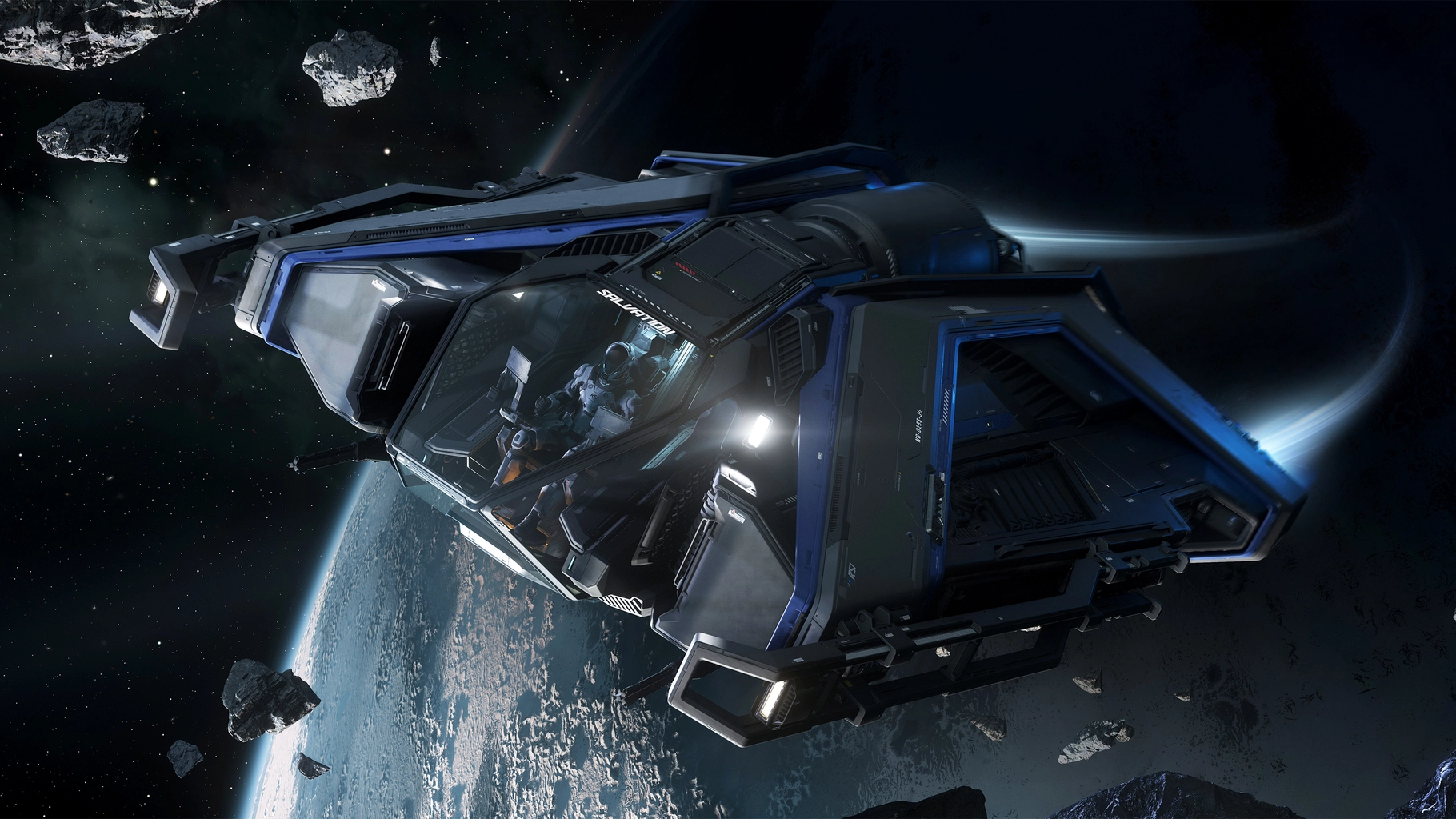
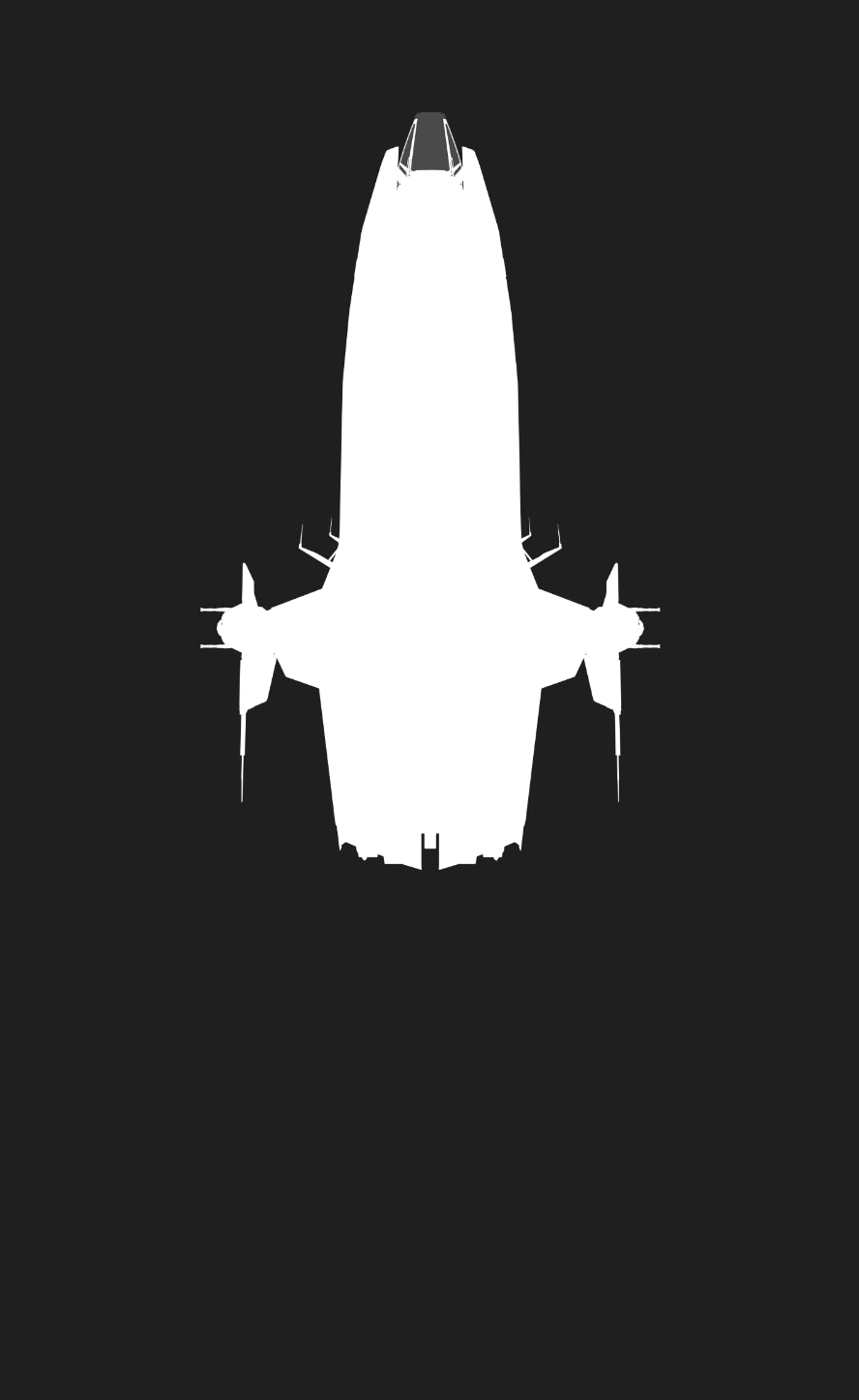
The Salvation cuts a strikingly different silhouette: a low, compact chassis with the cockpit between two extending salvage arms. There is no long walk through a working deck between pilot and processor. Filler controls are operated from a screen in the cockpit, keeping recovery and crate production within reach of the person flying.
Its 6 SCU external grid is accompanied by 6 SCU of internal material storage. That does not turn it into a ship with a twelve-box cargo grid. It means some of the recovered material can remain in the processing system while the physical grid holds the crates already produced.
The tools are deliberately simple. Its bespoke heads and scraper attachments cannot be exchanged, so this is not the ship for someone who enjoys building a collection of alternative salvage setups. The reward is a compact platform that lets a newcomer concentrate on finding a wreck, positioning the ship and recovering material.
It can carry out structural salvage as well as hull scraping. Its intended fracture limit is approximately Freelancer-sized, but its small storage provision makes hull scraping the stronger focus. Being able to break a hull does not automatically make consuming that whole hull the most practical use of the trip.
The little RSI ship also has a place alongside a larger operation, particularly where its manoeuvrability helps with hull work. That does not require an organisation to justify owning one: short solo outings are its central purpose. Our Salvation Q&A covers the specific equipment and structural-salvage answers in more detail.
Choose for the evenings you actually have
If you want to try salvage without taking on a much larger ship, the Salvation is the most focused introduction here. It suits smaller jobs and players happy to return and unload regularly. Its fixed tools are a limitation you can understand before setting off, rather than an elaborate loadout decision to solve first.
If you already know that salvaging is how you like to spend your time, the Vulture is compelling for its enclosed hold and self-contained working interior. Choose it because you like that combination, and accept the crate handling as part of flying it alone.
If the same crate handling is what keeps pulling you out of the flow, choose the Fortune. Its external loading arrangement tackles a very specific frustration. You do not need a second person aboard to appreciate it, especially if you prefer to spend your time working the wreck rather than rearranging the hold.
For a pair of friends, separate solo ships can also be more flexible than squeezing both players into one of these cockpits-and-cargo arrangements. Each pilot can work independently, while a dedicated transport can become useful once unloading starts to interrupt the group. Moving into larger multicrew salvage should be a choice about the jobs you want to share, rather than an assumption that a bigger hull makes every evening better. Our MOTH vs Reclaimer comparison explores that step. If you are still choosing between industrial careers, Vulture vs Prospector compares salvage with mining.