














Star Citizen Flight Suits and G-Force: What to Wear in the Cockpit

A bunker loadout can make a dogfight harder. How flight suits, mixed armour and the job after landing change the pilot’s equipment choice.
You can fit the right guns, know the ship inside out and still make a fight harder by climbing into the cockpit dressed for a bunker assault. Star Citizen now gives your worn equipment a direct part in how much g-force your character can tolerate. The heavy armour that helps you survive on foot can leave you less able to sustain an aggressive manoeuvre.
For a pilot spending the evening dogfighting or racing, a dedicated flight suit deserves a place alongside the ship loadout. For someone flying to a ground mission, the decision is less clear-cut. You still need to survive after opening the ramp.
What changes when you change clothes?
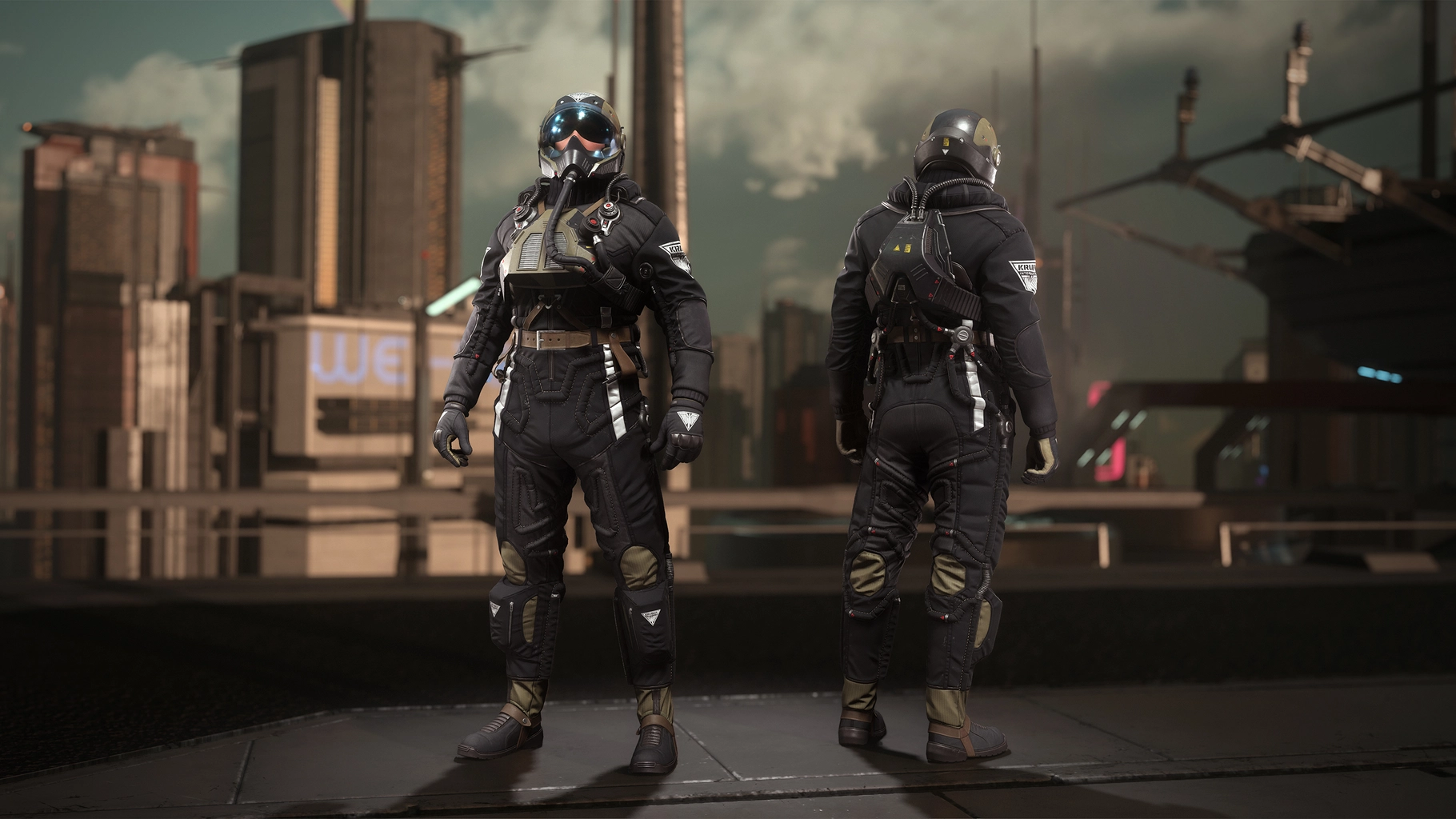
Flight suits improve g-force tolerance above the unequipped baseline. Combat armour reduces it, with heavier sets applying a greater penalty. Undersuits contribute to the calculation too, and partial armour loadouts adjust the result proportionally. Removing one piece does not turn the rest of a heavy set into flying gear.
The unequipped character is the reference used to describe these modifiers, not a sensible recommendation to head into space without a suit. G-force tolerance and environmental protection are different requirements. A pilot still needs equipment appropriate to the places they intend to leave the ship.
A flight suit also does not make blackouts impossible. It improves your character’s tolerance; it does not remove the forces produced by the manoeuvre or give the ship better thrusters. If the same aggressive input is pushing you towards a blackout, continuing to hold it is not made safe by the clothing bonus.
Dress for the part of the trip that carries the risk
An evening in the fighter cockpit
If the plan is ship combat from start to finish, a combat flight suit is a natural fit. You want the higher tolerance for manoeuvring, and combat flight suits also provide 15% damage mitigation. That limited protection is useful to have, but it is not a reason to treat the suit as heavy armour when a sortie turns into a firefight on foot.
The practical benefit is being equipped for what you are actually doing. A pilot who expects to remain aboard has little reason to accept the full heavy-armour penalty simply because that was yesterday’s ground loadout. This applies to an independent fighter pilot and to the person flying transport for a larger group; the troops and the pilot need not all wear the same kit.
A race session
Racing suits belong in the same highest-tolerance category. Arena Commander race modes equip players with the best available racing flight suit by default, so that mode already handles the starting outfit. Do not assume your Persistent Universe character has received the same equipment when you return to a normal session.
A suitable suit will not fix a missed braking point or turn an unsuitable ship into a course specialist. It does remove an avoidable loadout disadvantage, which is a good enough reason to take it seriously without promising a particular lap-time gain.
A flight to a ground operation
This is where a blanket “always wear a flight suit” rule falls apart. If you are flying alone to a hostile location and immediately leaving the ship, the protection you need on the ground is part of the decision. Wearing armour for the journey may be a reasonable compromise; just account for the reduced tolerance instead of expecting the same sustained manoeuvring as your flying outfit.
With a crew, the roles are easier to separate. The pilot can dress for flying while the people leaving the ramp equip for the destination. For a solo player carrying a change of kit, the ship’s actual accessible storage matters. Do not build the plan around a decorative locker or an item you cannot reliably reach. The aim is to arrive with usable equipment, not to turn every short trip into a wardrobe exercise.
Finding a flight suit in the game
Flight suits are available through in-game shops. The release documentation names Cubby Blast in Area18, Tammany and Sons in Lorville, Cordry’s in Levski, Skutters in Grim HEX and independent tradeposts in Pyro as locations carrying examples. Those are useful places to look, rather than a promise that every colour or model is stocked at every counter.
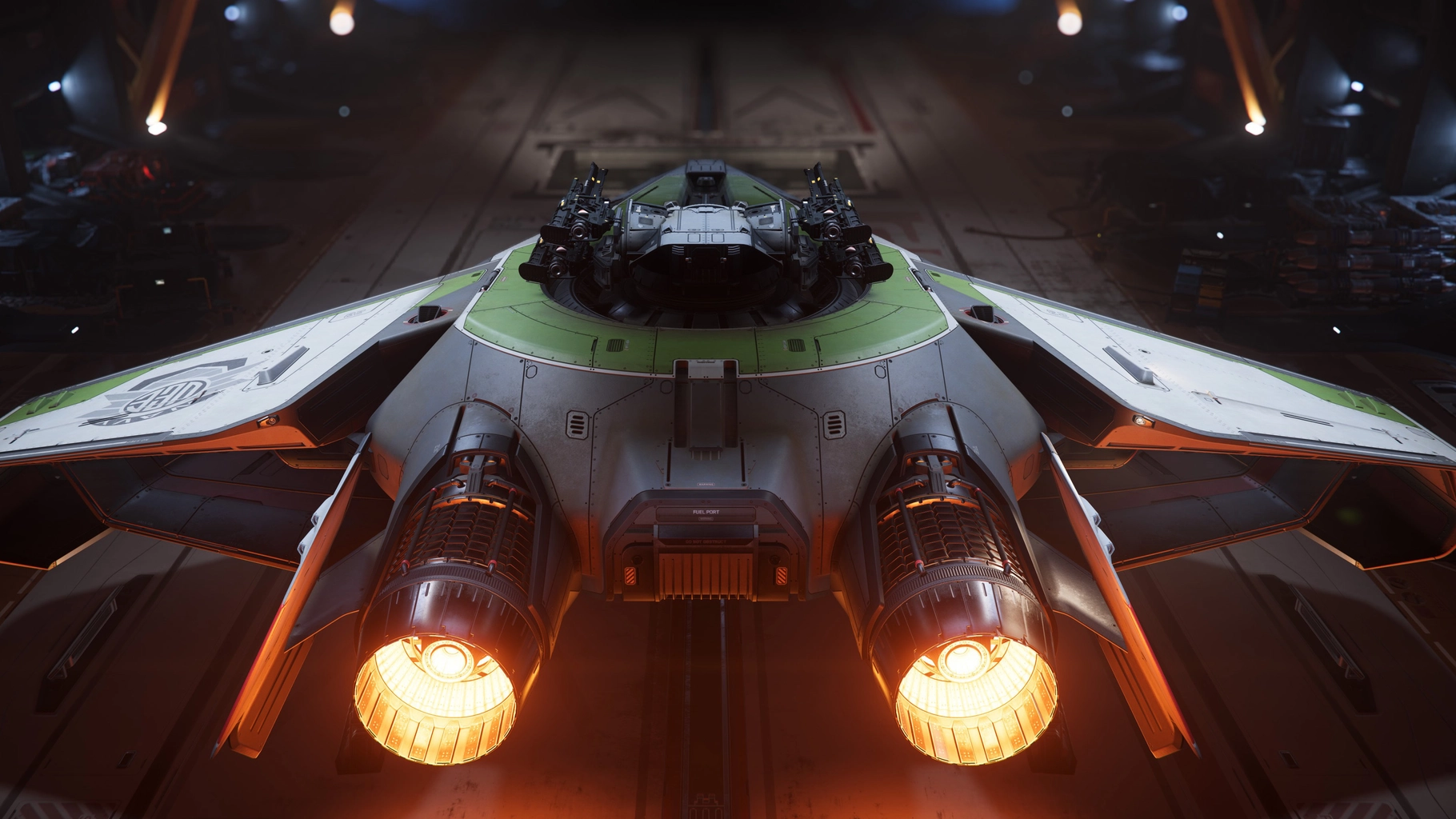
Check the item’s identity and description when choosing your kit. “Undersuit” and “flight suit” should not be treated as interchangeable labels just because both fit beneath a helmet. The Tailwind shown above is a dedicated flight-suit example; its appearance is not a claim that one particular colour scheme confers a stronger bonus.
Three questions pilots keep asking
Does a combat flight suit protect as well as combat armour?
No. Its documented 15% damage mitigation accompanies the flying benefit. Choose ground protection for the danger you expect after landing, rather than reading “combat” as a promise of heavy-armour protection.
Will removing some armour improve tolerance?
The system accounts for partial loadouts, so the effect changes with the equipment worn. There is no supported universal “remove this one piece” shortcut that makes every mixed outfit equivalent to a dedicated suit.
Is there a single blackout threshold for every pilot outfit?
No fixed threshold is given here because the worn set changes the result. A precise number without the outfit and manoeuvre conditions would be misleading. The useful choice is whether your loadout supports sustained flying, ground protection, or a compromise between them.
For the fighting after touchdown, see our combat, shields and armour guide. If you are also choosing a two-person fighter, our Hurricane versus Scorpius comparison looks at the ship and crew side of the decision.