

























C1 Spirit vs Zeus CL: Which Cargo Ship Fits Your Flying?

The Zeus CL brings twice the cargo space. Crusader’s C1 still has plenty to offer the pilot who wants a freighter with some spirit.
/source.webp)
/source.webp)
The first time you see a C1 Spirit sitting beside a Zeus CL, the cargo figures seem backwards. Crusader’s ship spreads across the hangar on those broad, swept wings, yet the narrower RSI freighter carries twice as much on its grid. The Zeus packs 128 SCU into its hull; the C1 carries 64. For a hauler with a full manifest waiting, that is a persuasive opening argument.
But the C1 has never relied on being the biggest box in its class. Its appeal is the combination of a useful hold, a clean interior and the unmistakable shape of a Crusader spacecraft. The Zeus feels more like a small working ship condensed around its cargo compartment, with extra entrances and a third bridge station. Both can support a solo cargo career, and both become more useful with company. They offer rather different homes for it.
64 SCU against 128: the Zeus earns its keep
| Specification | C1 Spirit | Zeus CL |
|---|---|---|
| Cargo grid | 64 SCU | 128 SCU |
| Length × width × height | 44 × 47.5 × 10 m | 46 × 35 × 9 m |
| Crew stations | Pilot and co-pilot | Pilot, co-pilot and gunner |
| Shield generators | 1 × Size 2 | 3 × Size 2 |
| Power plants / coolers | 1 × Size 2 / 1 × Size 2 | 2 × Size 2 / 2 × Size 2 |
| Quantum drive size | Size 2 | Size 2 |
| Loading equipment | Rear tractor beam | Co-pilot-controlled tractor beam |
| Access | Rear ramp | Ramp, ladder and airlock |
The CL’s capacity is its strongest advantage, especially when several consignments can travel together. A load between 65 and 128 SCU exceeds the Spirit’s grid but sits within the Zeus’s headline capacity, provided its containers suit the grid. That can eliminate a return journey rather than merely leave a little spare room on the floor.
Filling the CL also demands more care around the shape of the cargo bay. A capacity figure describes the volume assigned to freight, not an empty rectangular room into which every arrangement of boxes will fit. Tall stacks, large containers and a load spread across several destinations all make access important. The C1’s smaller hold is easier to take in at a glance, with a direct route from the rear ramp towards the living space and cockpit.
Neither ship benefits from boxes obstructing the crew’s route through it. Off-grid cargo may physically squeeze into an aisle, but it does not turn the published grid capacity into a larger supported figure. The loading space is also somewhere people have to work, particularly when a damaged ship needs attention in flight.
/source.webp)
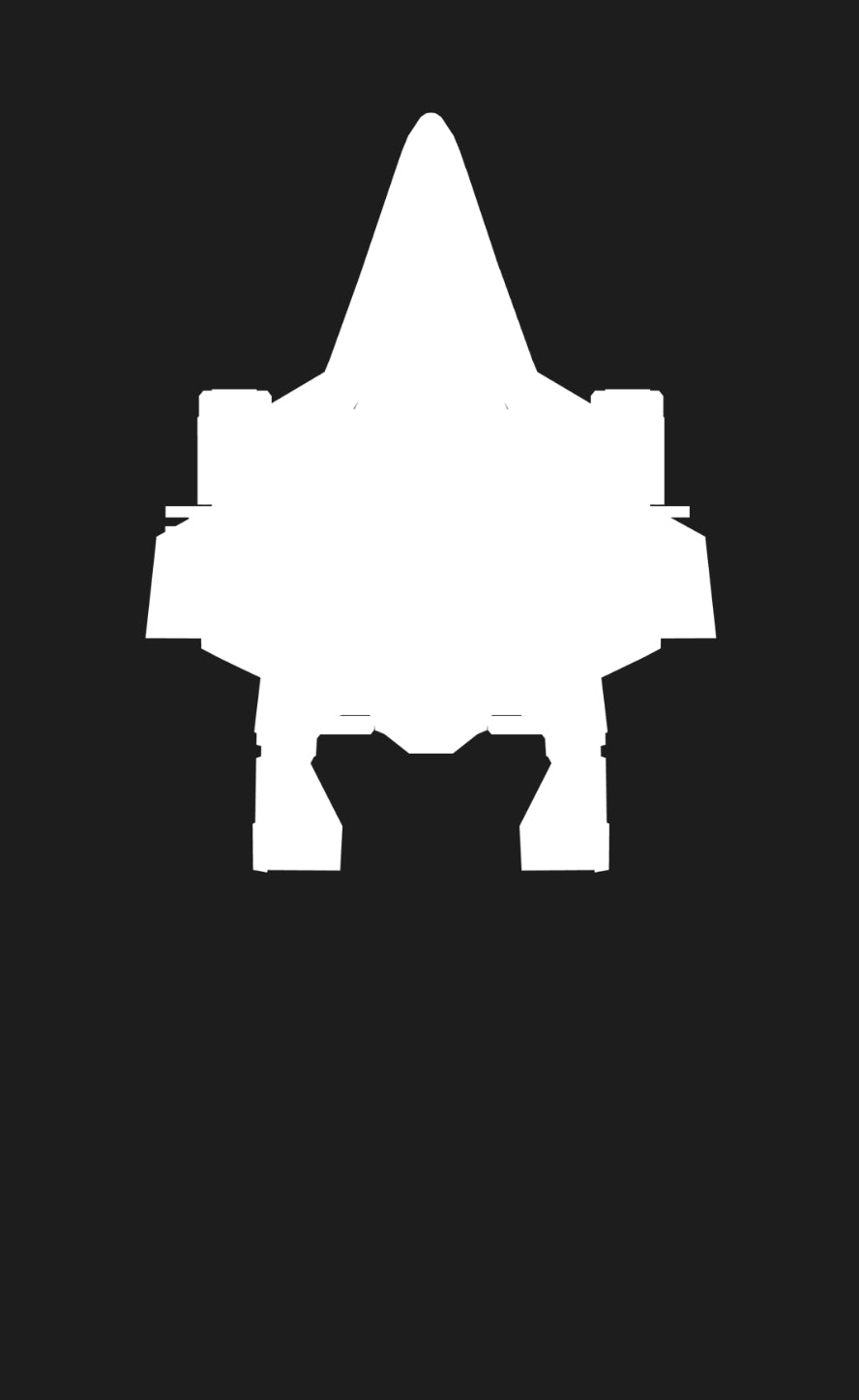
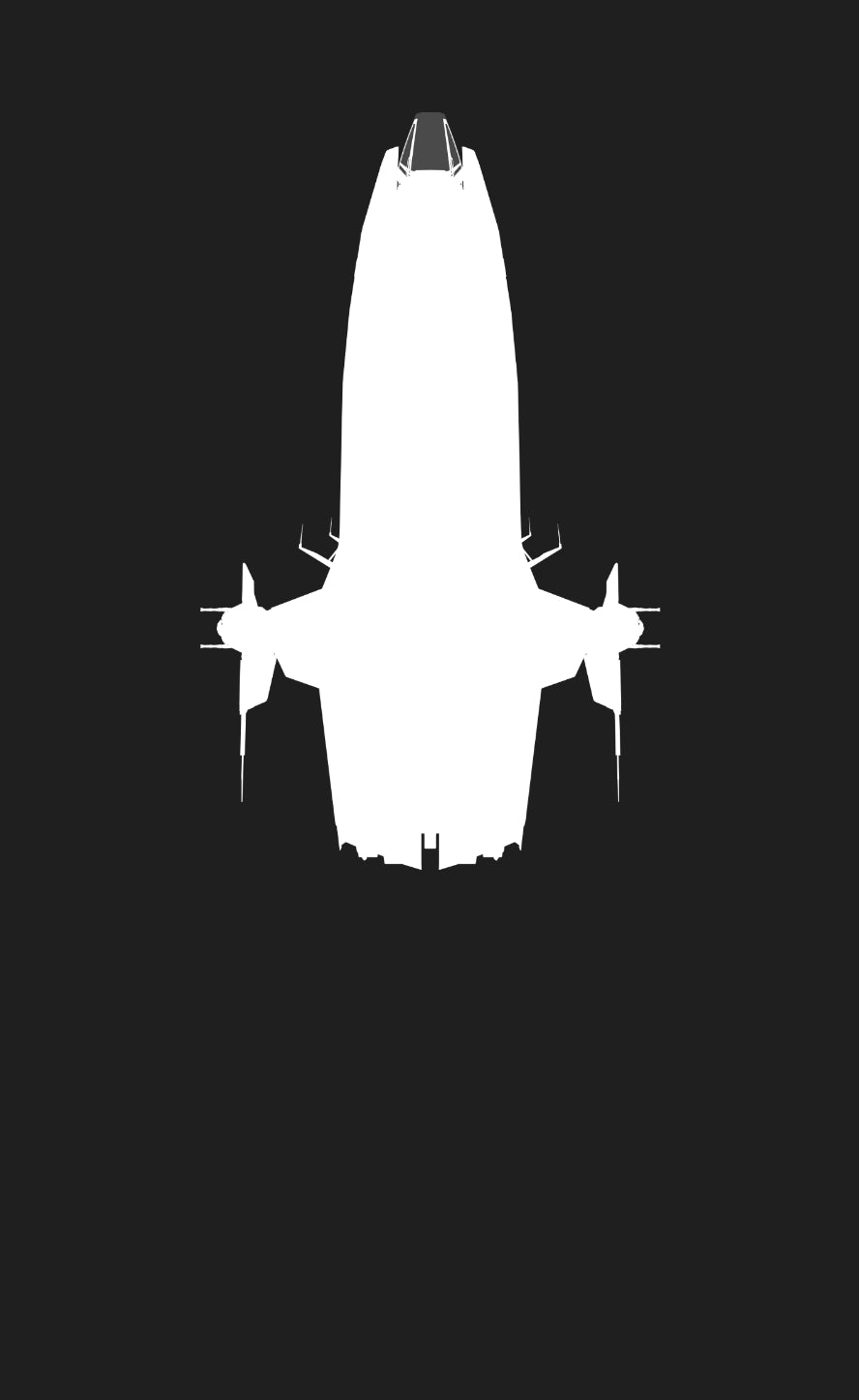
The dimensions explain the surprise. The Zeus is two metres longer, but 12.5 metres narrower than the Spirit. Calling it simply the smaller ship hides the useful distinction: the C1 spreads its bulk across those wings, while the CL spends more of its footprint on an enclosed hold. That difference is visible long before either ramp opens.
More shields, more machinery to look after
The CL also has three Size 2 shield generators to the C1’s one, plus paired Size 2 power plants and coolers. That is a substantial difference in installed equipment, although a generator count alone cannot tell you how quickly a particular loadout recovers under fire. Shield choice, power and the current combat model still govern what happens after the first shot.
A pilot flying alone still has to choose between staying in the seat and attending to a fault elsewhere. The Zeus’s extra machinery gives a crew more to work with, but it also gives them more to maintain. For someone who wants to fly freight without managing a busier engineering compartment, the Spirit’s simpler installation has an appeal of its own.
/source.webp)
Tractor operator or turret gunner?
The Spirit gives its co-pilot cargo-handling work through the rear tractor beam. Its C1 configuration does not provide the defensive rear gun turret fitted to other Spirit variants. Two friends can share loading and flight duties, but someone looking forward to a full evening as a turret gunner will find more to do aboard the Zeus.
RSI separates the CL’s pilot, co-pilot and gunner stations. That lets the tractor operator handle freight without borrowing the gunner’s seat, and gives a third player a dedicated combat station when the cargo run gets interrupted. The extra position is an option for a friend to join the flight, rather than a requirement to recruit three people before leaving the hangar.
Living aboard: Spirit’s open route, Zeus’s separate entrances
There is more to the Spirit than its hold. The shared crew area includes beds, a small kitchen and washing facilities, all arranged along an uncomplicated interior route. That makes it an appealing personal ship for someone who wants to carry freight without living inside a maze of machinery. Its broad wings give it a presence that a capacity table cannot convey.
The Zeus has a ramp, ladder and airlock, so the cargo entrance need not be the front door for every visit. That is especially welcome with a packed hold: getting aboard for a quick flight does not begin with opening the loading bay. It is a small convenience beside the capacity figures, but one an owner will encounter far more often than a perfectly full manifest.
The C1 also accommodates a Cyclone-sized vehicle or smaller, using the same space as freight. Its rear hold can therefore serve a cargo contract one evening and a surface outing the next. The living area includes a weapon rack and two suit lockers alongside the beds, so the ship gives an owner somewhere to keep equipment as well as somewhere to sleep.
For regular hauling, we would take the CL
We would choose the Zeus CL for a ship whose regular job is freight. It can take a substantially larger manifest without becoming a much longer vessel, and a friend who enjoys turret work has a proper seat waiting. The Spirit is the more tempting personal transport when cargo shares the evening with vehicle trips, exploring and simply enjoying a Crusader cabin. You give up half the supported capacity, but gain a ship whose uncomplicated interior may suit the way you actually spend your time.