

















Cyclone RN Guide, Specs & Features

What to know
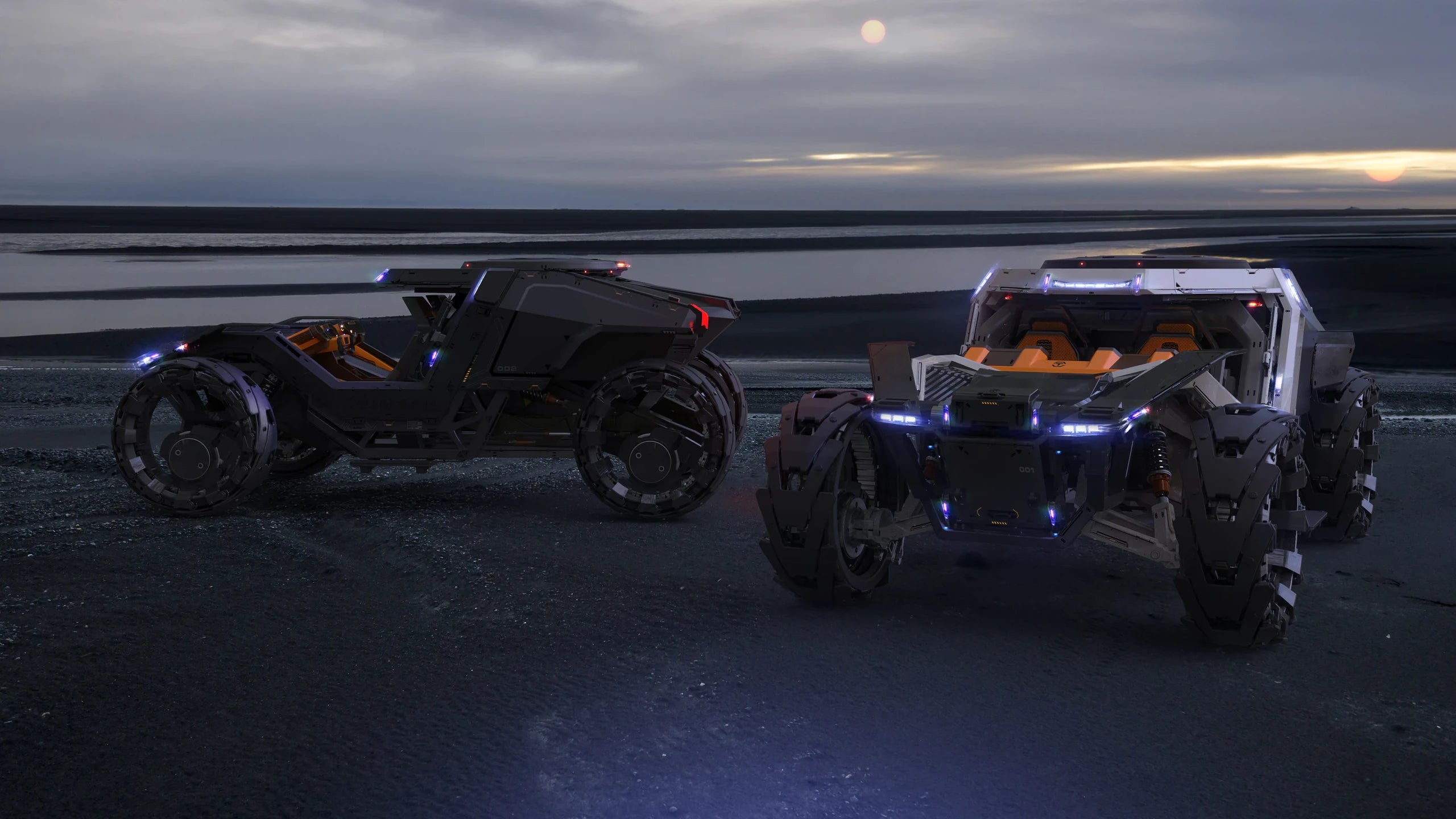
The Tumbril Cyclone RN is a fast ground-reconnaissance vehicle with a dedicated long-range scanner, adaptable X-TEC tires, jump jets, and 1.8 SCU of storage. It gives a small team the mobility and sensor reach to examine a route before heavier vehicles commit to it.
Cyclone RN specifications
Read the terrain before the convoy reaches it
The RN can move ahead of nearby units, scan for contacts or hazards, and report a route while remaining compact enough to carry inside many ships. Adaptive tires and suspension keep it controlled across loose, hard, or broken surfaces.
Reconnaissance that returns more than a coordinate
An effective scout identifies threats, cover, access, and the ground the following vehicles will have to cross. The Cyclone RN combines the scanner and mobility needed to build that clear surface report.
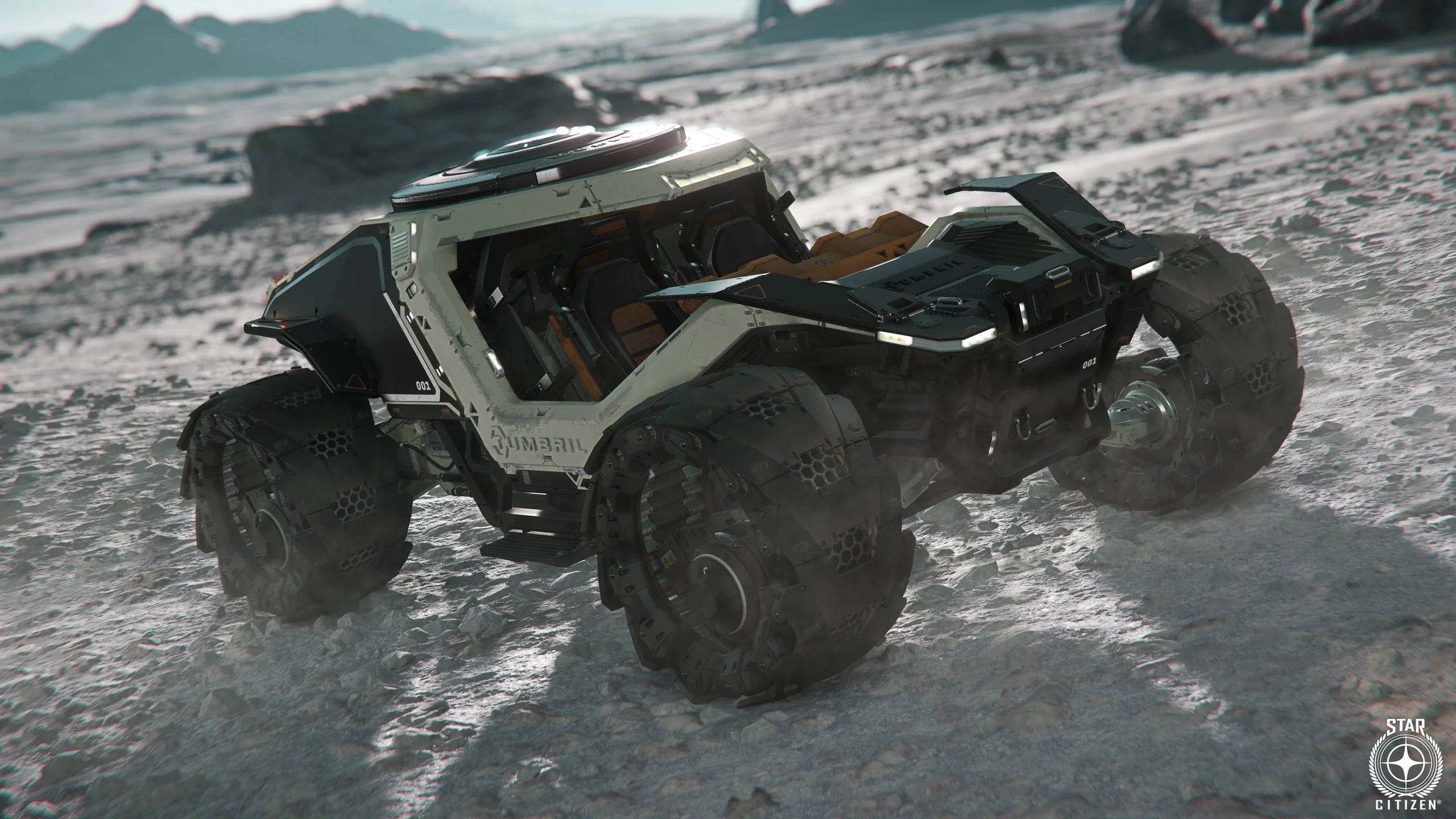
Development note: The Cyclone RN is flight ready and entered the live game in Alpha 3.3.0. Because Star Citizen remains in active development, specifications, features, and imagery may change over time.
Mobility, payload, and surface access on the Cyclone RN
Once unloaded, the Cyclone RN combines the long-range scanner, adaptive tires, and compact scout chassis with the mobility and carrying capacity needed for work away from the ship.
Articulated treads adjust for soft, loose, and hard surfaces to preserve traction across varied ground.
The suspension supports speed and control over uneven terrain during a longer reconnaissance route.
Embedded thrusters help stabilize the vehicle during longer jumps and difficult landings.
A suitable transport must fit the vehicle without blocking other cargo or equipment.
Wide sightlines make it easier to work safely around a busy landing area.
The Cyclone RN reconnaissance package
A dedicated sensor package improves detection range and helps the crew examine routes, contacts, and nearby terrain.
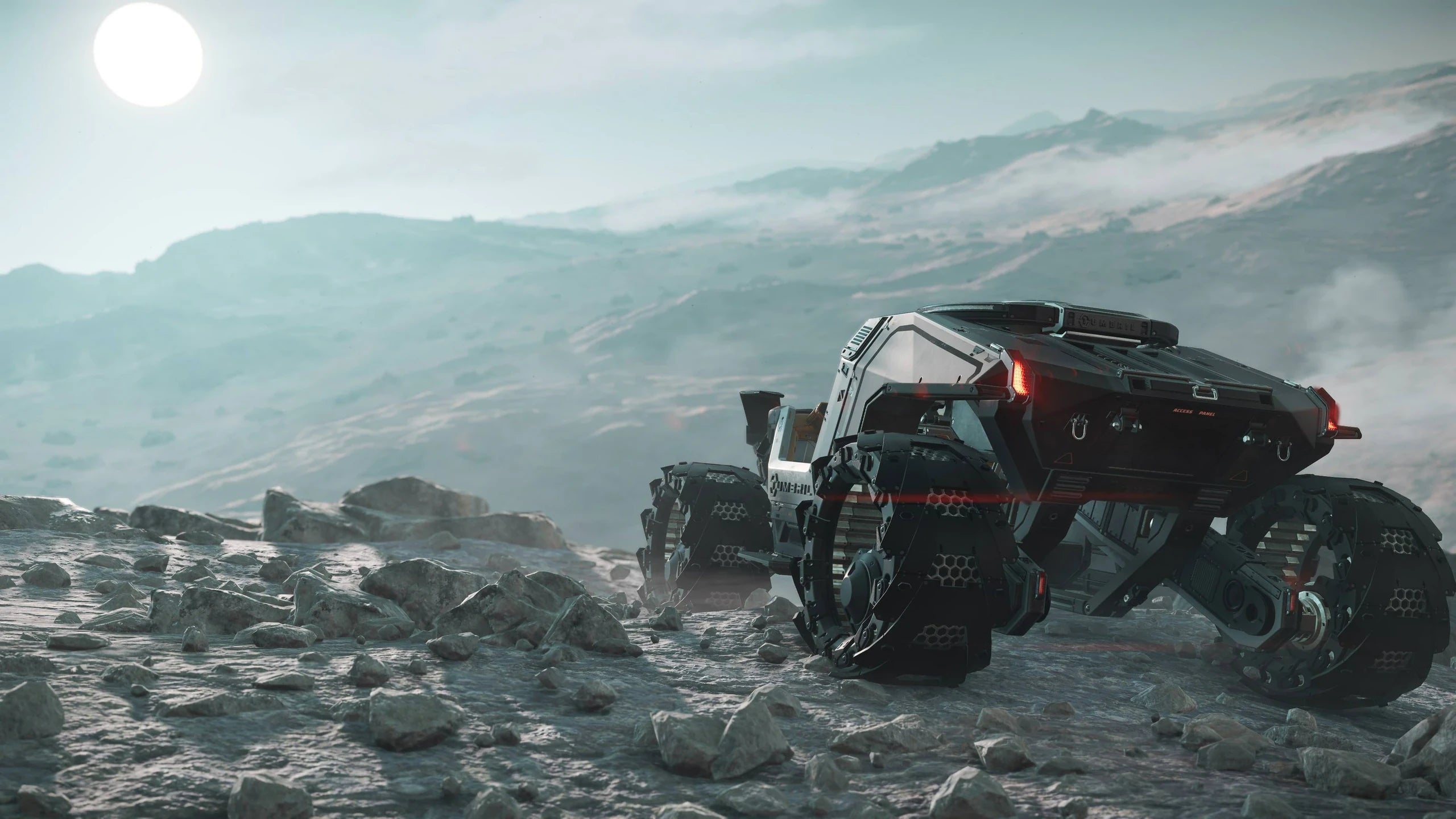
Long-range recon scanner
Choose an unloading point that lets the Cyclone RN start moving immediately.
Use the long-range scanner, adaptive tires, and compact scout chassis within the grip, clearance, visibility, and range available to the Cyclone RN.
Keep enough range and vehicle condition after using the long-range scanner, adaptive tires, and compact scout chassis to return to the carrier.
A complete surface trip in the Cyclone RN
A surface trip in the Cyclone RN connects terrain, payload, the long-range scanner, adaptive tires, and compact scout chassis, destination access, and the return to the ship that carried it there.
-
Choose terrain the Cyclone RN can cross safely
A surface trip begins with a route the Cyclone RN, its passengers or payload, and the recovery plan can all complete.
-
Survey with the Cyclone RN
Aboard the Cyclone RN, terrain and access at the destination determine how the crew puts the long-range scanner, adaptive tires, and compact scout chassis to work.
-
Reach the destination with the payload secure
The Cyclone RN carries its passengers or cargo to the destination in good condition and stays ready for the return to the carrier.
-
Return the information while it is current
The Cyclone RN returns before range, damage, weather, or changing terrain closes the route to the carrier.
Cyclone RN's surface equipment in detail
The Cyclone RN uses its long-range scanner, adaptive tires, and compact scout chassis after the carrier ramp comes down, with terrain, payload, and recovery shaping the work away from the ship.
A driver-side compartment carries survey tools, supplies, or equipment for work away from the transport ship.
The RN brings specialist sensors inside a vehicle small enough to deploy from a broad range of ships.
Route choice should match the Cyclone RN's traction, hover behavior, and available turning room.
Inside the Cyclone RN, people, cargo, or specialist equipment remain accessible when the vehicle reaches the worksite.
Operating the Cyclone RN on the surface
The Cyclone RN's operator combines scanner work, route choice, vehicle control, and a timely report for nearby units.
The reconnaissance run ends with a clear report
The Cyclone RN uses its long-range scanner, adaptive tires, and compact scout chassis to identify threats, hazards, cover, and usable approaches before heavier vehicles commit to the same ground.
The operator plans the Cyclone RN's surface leg around visibility, grades, obstacles, and a practical place to turn or stop.
For the Cyclone RN, terrain readings should show following vehicles where they can travel, stop, and remain protected.
On the Cyclone RN, locations, contacts, obstacles, and changing conditions should reach the team before it commits to the surveyed route.
Find your Cyclone RN
Explore in-stock Cyclone RN ships, upgrades, and game packages available from The Impound.