




















ROC vs ROC-DS vs ATLS GEO: Choosing Your Ground Mining Setup

Wheels, a second seat or a mining suit with a jump pack: three ways to put a crew beside the deposit.
A ROC trundling down a ship’s ramp and an ATLS GEO dropping onto a ledge belong to rather different mining trips. Greycat’s little vehicle brings a seat, wheels and an integrated collection system. Argo wraps the operator in a power suit and adds a jump pack. The ROC-DS takes a third approach: give the laser its own operator and make room for a larger haul.
If you are choosing between them, start with the deposits you want to reach and the people coming along. The GEO’s ability to get into smaller spaces is a real reason to choose it. So is the standard ROC’s self-contained, single-seat arrangement. The DS earns its place when two people actually want to work together in one vehicle.
Which one would we take?
ROC: the straightforward solo choice for a wheeled ground-mining setup. ROC-DS: a dedicated driver-and-laser pairing with more storage. ATLS GEO: a compact mining suit for tighter access, with a jump pack and support for both hand-mining and ground-vehicle deposits.
The ROC keeps the whole job in one seat
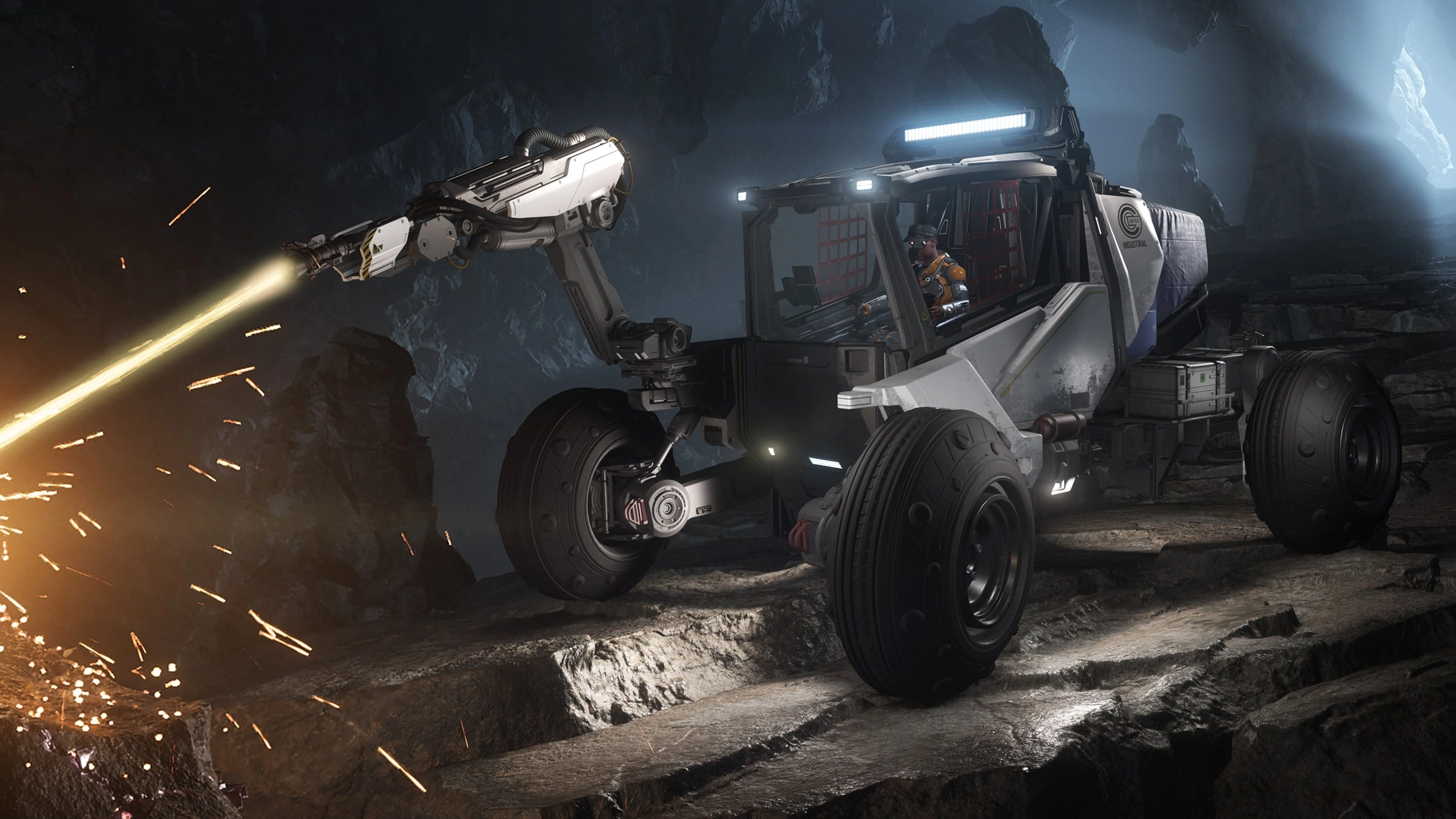
There is something wonderfully uncomplicated about the standard ROC. One operator drives to the work, runs the mining arm and collects the result. Greycat built extraction and storage into the same vehicle, so you are choosing a complete little ground-mining platform rather than an attachment for a separate machine.
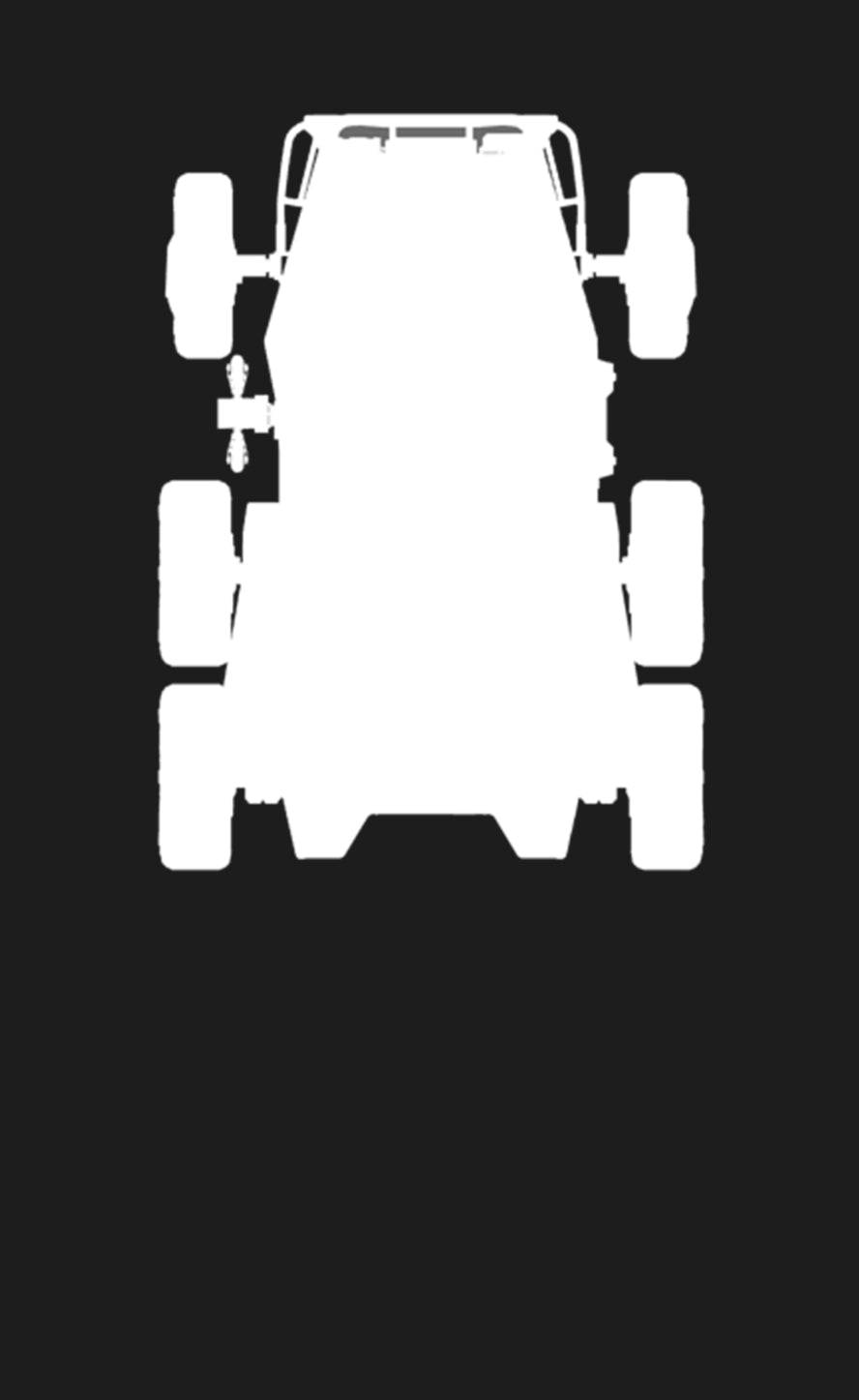
The current dimensions put it at 6 metres long, 3.9 metres wide and 3.5 metres high. That is compact beside a mining ship, but it is still a vehicle that needs a suitable ramp, entrance and parking space. Calling it “small” should never become a promise that it fits every cargo hold.
For a solo player who enjoys bringing a vehicle along and exploring a surface on wheels, the ROC is the easiest of these three arrangements to understand. There is no second station to crew and no reason to recruit a passenger merely to make use of its basic layout. A group can also bring several independent ROCs instead of concentrating everyone around one machine.
The ROC-DS gives the laser a crewmate
The DS separates driving from mining-arm operation. Its boom-mounted operator seat gives the person on the laser a different position and working arc from the standard ROC, while the driver can concentrate on placing the vehicle.
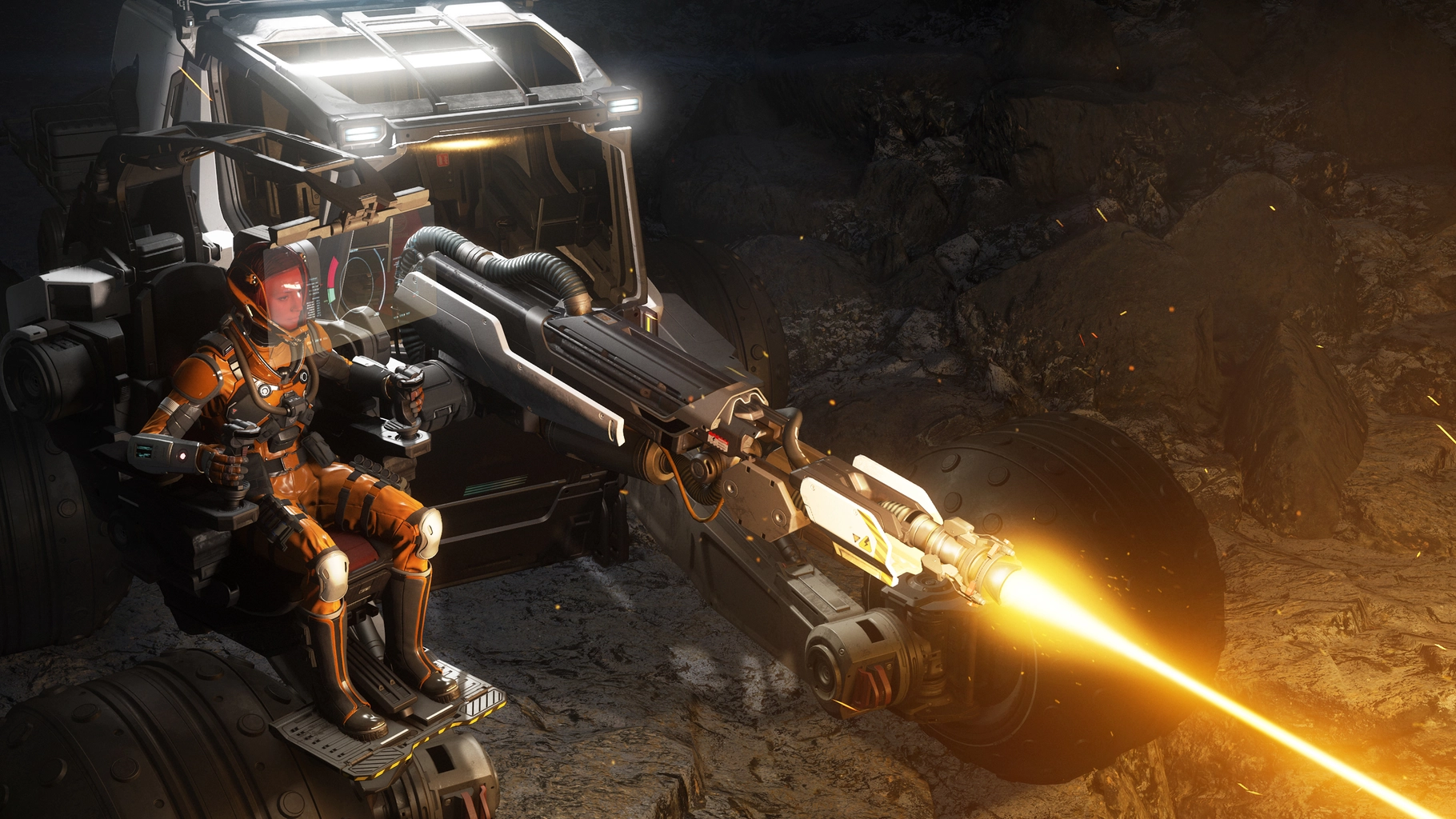
That separation is the appeal, and also the decision. Two players who enjoy coordinating around a single job have something to do together. Someone who normally mines alone should be more cautious: the extra seat is part of the working arrangement, rather than a passenger seat that can simply be forgotten.
The driver has an enclosed cab, but the mining operator sits outside it. Do not mistake the cab for environmental protection for the whole crew. The person on the arm still needs equipment appropriate to the conditions. The larger vehicle is also wider than the ROC, which can matter more than its modest increase in length when you approach a cargo entrance.
The DS also gives that pair considerably more room for the haul: 3.4 SCU of listed storage against the ROC’s 1.2 SCU. If you enjoy settling into a shared mining session, that larger allowance is a good reason to make space for the bigger vehicle.
Argo’s GEO goes where wheels become awkward
The ATLS GEO changes the scale of the equipment around the miner. At 1.8 metres long and 2 metres wide, the suit occupies a much smaller footprint than either Greycat. Its jump pack adds a way to reach elevated work, and the mining system can reduce laser power for the smaller deposits associated with hand mining as well as tackle ground-vehicle mineables.
That makes access its strongest argument. It is an appealing option when getting a wheeled vehicle beside the deposit is the difficult part. It does not follow that every rock becomes mineable, or that the GEO replaces a ship-mounted industrial laser. Match the equipment to the deposit rather than treating the word “mining” as one universal capability.
The GEO stores minerals in a replaceable 10 cSCU backpack container, equivalent to 0.1 SCU. It is a much smaller allowance than either ROC offers, and a full container needs replacing. That makes the supply of empties and somewhere to leave filled containers part of bringing the suit along.
The jump pack is built for surface work, not space manoeuvring. This is also a different machine from the standard cargo-handling ATLS. Make sure you are looking at the mining GEO when putting a ground crew together.
Size, crew and storage together
| Equipment | Operators | Length × width × height | Mineral storage |
|---|---|---|---|
| Greycat ROC | 1 | 6 × 3.9 × 3.5 m | 1.2 SCU listed |
| Greycat ROC-DS | 2 | 6.6 × 5 × 3.5 m | 3.4 SCU listed |
| Argo ATLS GEO | 1 | 1.8 × 2 × 2.8 m | Replaceable 10 cSCU backpack container |
The GEO’s vehicle page lists zero general cargo capacity; that does not mean it lacks mineral storage. Its dedicated backpack is described separately. Equally, a cargo ship’s SCU rating tells you how much cargo its grid accepts, not whether one of these machines can pass through its door.
Vehicle transport depends on the opening, ramp geometry, usable floor area and clearance, including the route out again. The figures above help explain why the machines impose different demands, but they are not a verified carrier-fit list.
One miner, a regular duo, or an organisation?
For a lone miner, the choice between ROC and GEO is mainly about how you want to get around and collect material. The ROC keeps driving, extraction and its larger storage allowance together. The GEO trades that vehicle footprint and storage arrangement for closer access and the freedom of a power suit.
For a regular pair, the DS is worth considering if sharing one machine is part of the fun. If you would rather work separate deposits, two independently operated machines offer a different kind of cooperation. More people do not automatically make the two-seat option the right one.
An organisation has room for all three roles. A GEO can accompany a team for work in awkward spaces; ROCs can operate independently; a DS gives a dedicated pair their own platform. The useful choice is the one that fits the expedition you are actually organising, rather than a theoretical winner on every possible mining trip.
)/85/atls-geo-gal-03-4k.webp)
Bring the right rig
Find your next mining vehicle at The Impound.
Browse ROC offersBrowse ROC-DS offersBrowse ATLS GEO offers