




















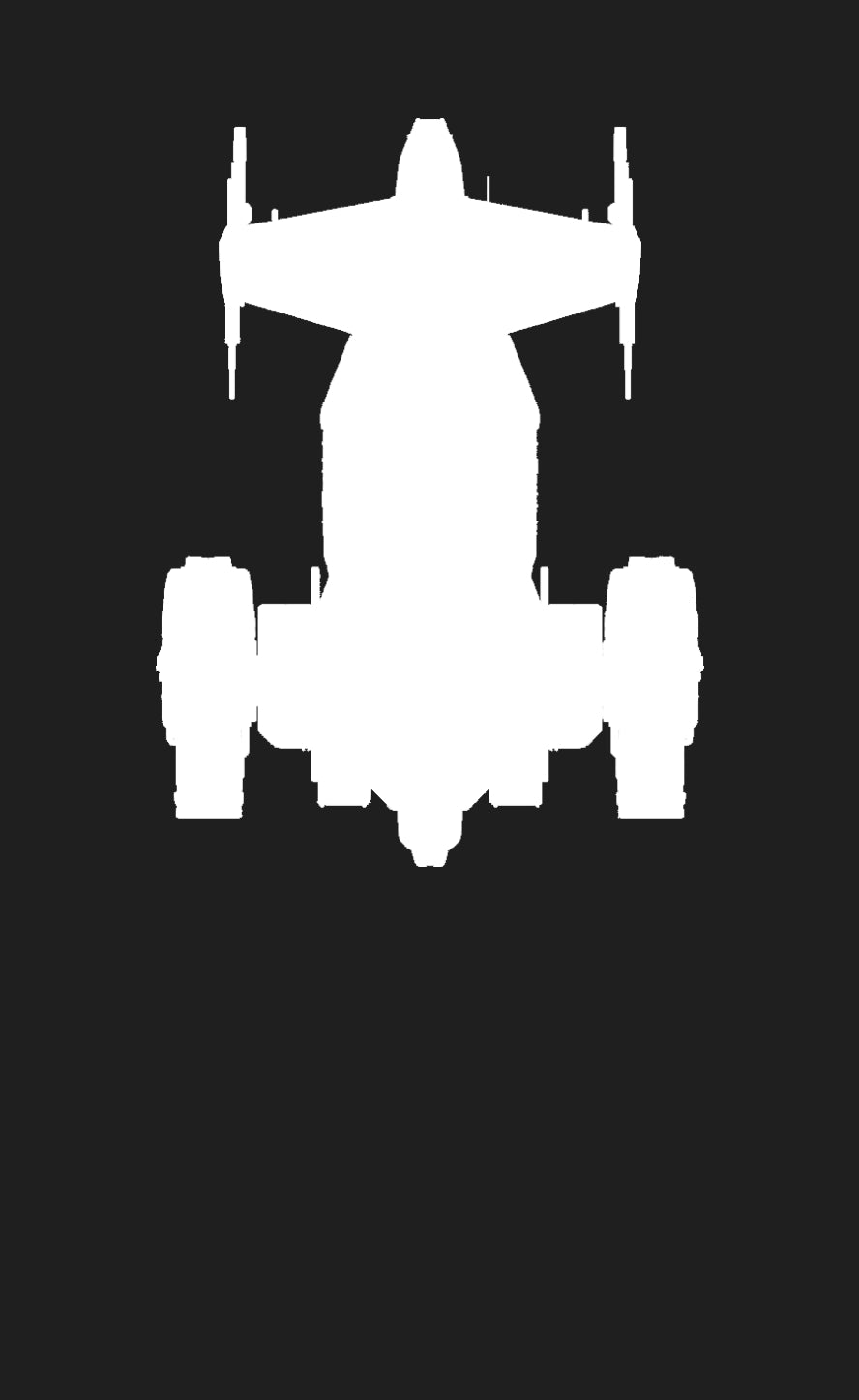

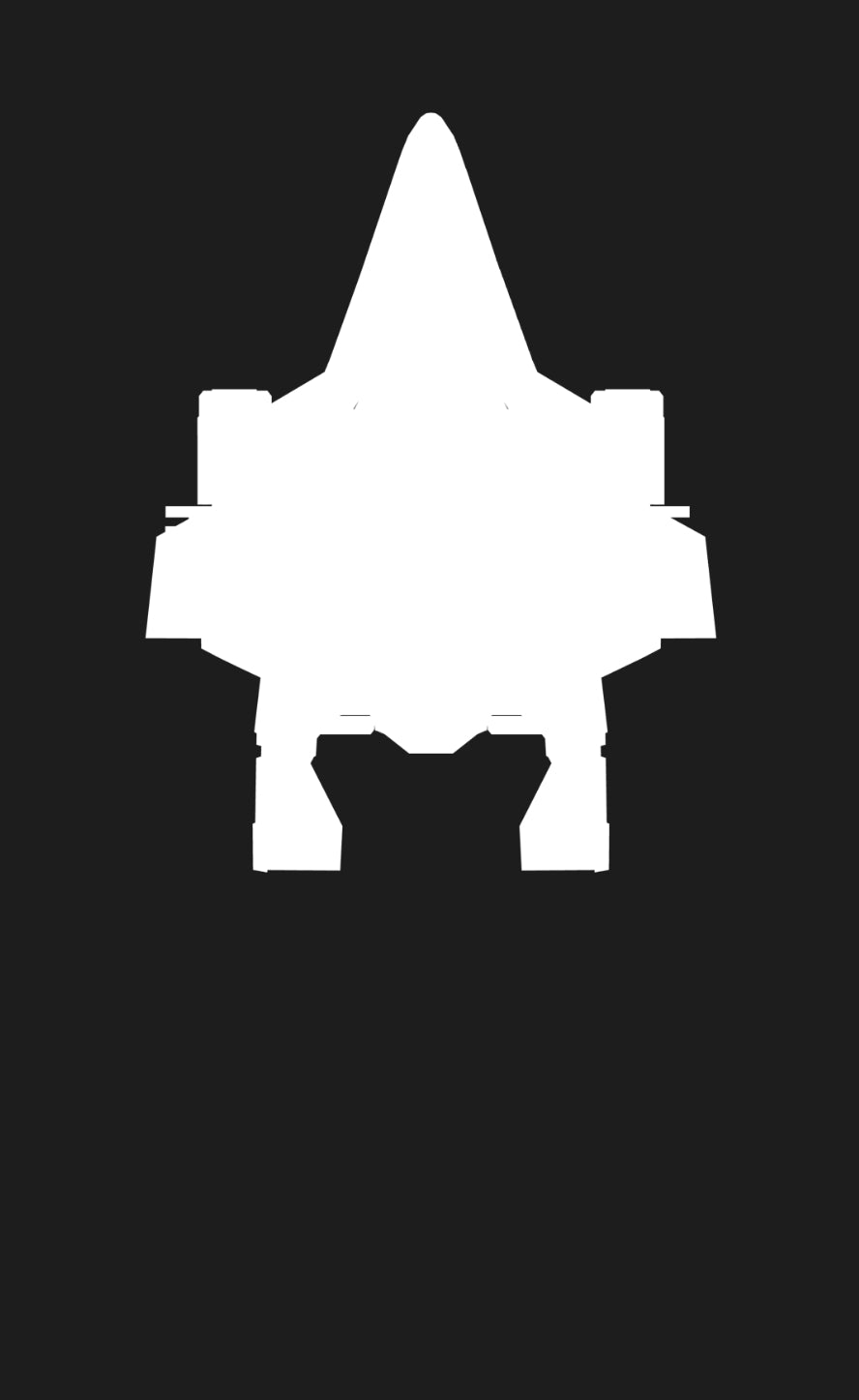
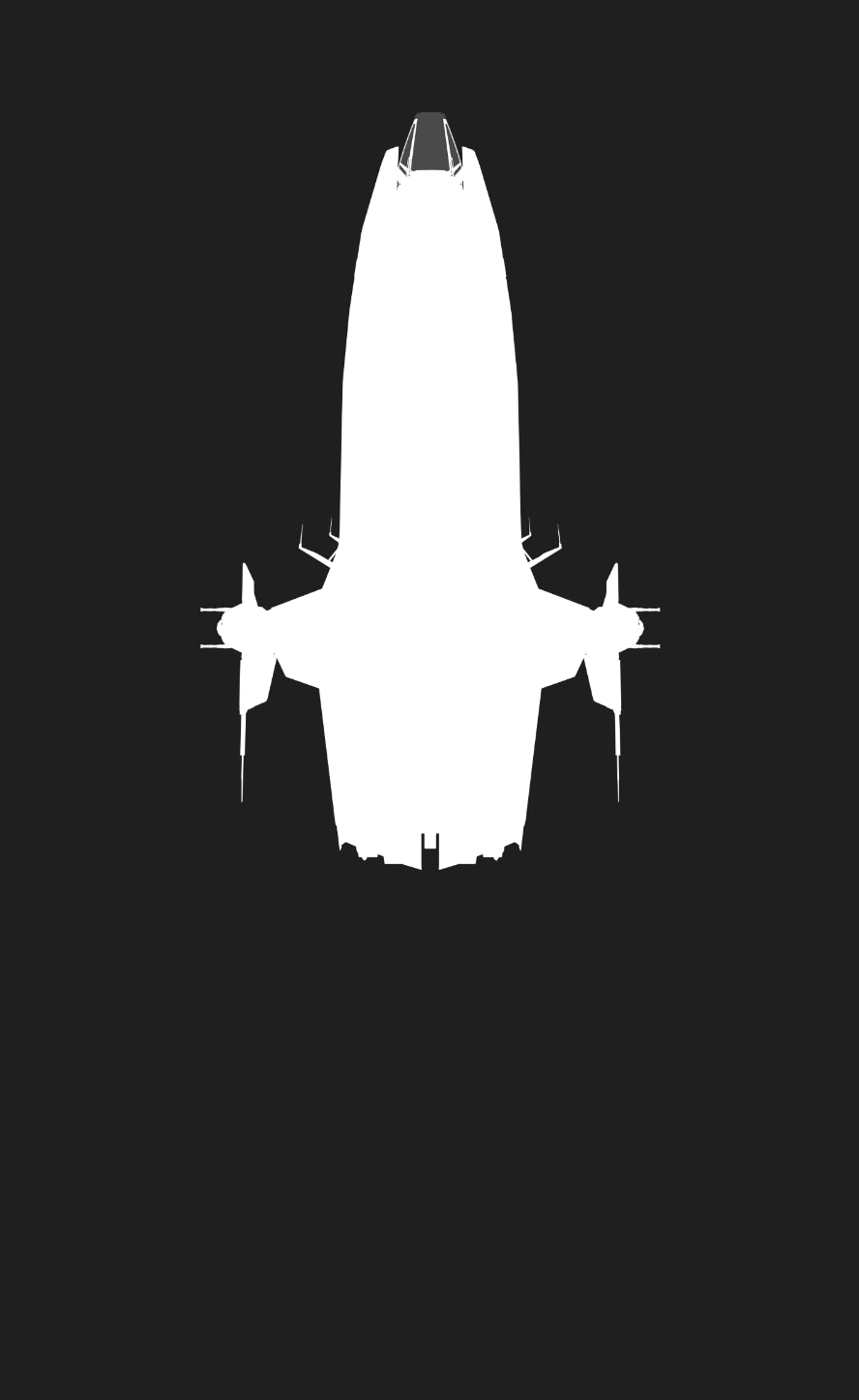

Fury vs MX vs LX: Guns, Missiles or Racing?

Mirai’s compact snub becomes a gunfighter, missile attacker or dedicated racer. Here is how to choose the right one for your flying.
Mirai built a tiny cockpit around a formidable set of thrusters, then sent it in three very different directions.
A Fury hardly looks like enough ship to hold its pilot. The cockpit hangs between moving arms and engines, with the machinery arranged around the person doing the flying. It is gloriously excessive in everything except size. Put several together and the attraction is obvious: a group can launch a swarm of compact craft without each pilot bringing a full-size fighter.
The standard Fury, missile-armed MX and racing LX are all flight ready. They share a single-seat snub chassis and have no quantum drive. Their differences are substantial, though, and buying the wrong one cannot be undone by exchanging a few weapons. Before choosing a colour or finding a corner of the hangar for one, decide what you want to do once the carrier's door opens.
Four guns and a reason to stay close
The standard Fury is the most straightforward combat choice. Four Size 2 guns give it a concentrated forward armament, supplemented by four Size 2 missiles. For a ship only seven metres long, that is a wonderfully aggressive allocation of space.
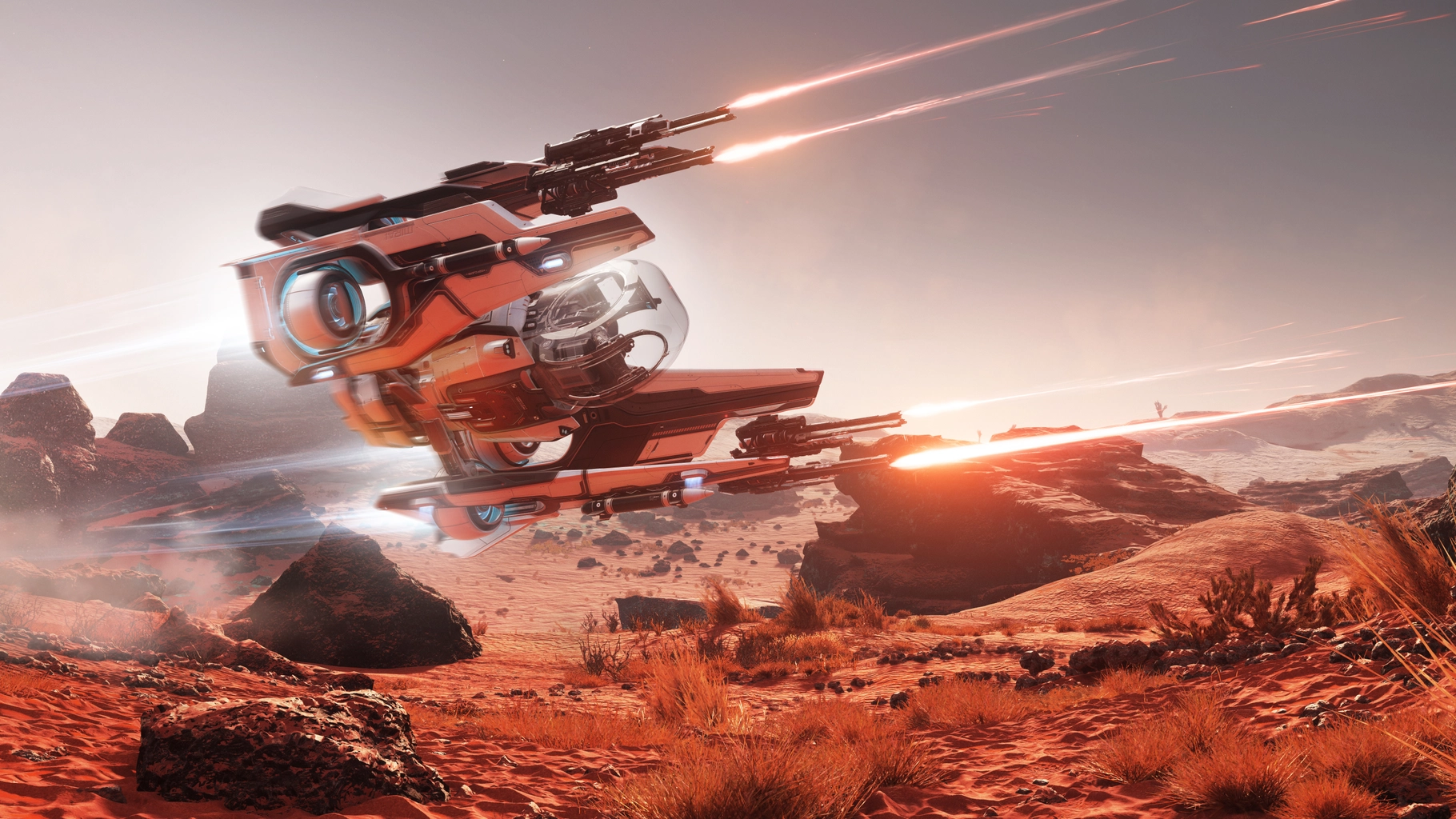
Its Xi'an-derived thruster technology comes through Mirai's relationship with MISC. The engines are central to the design's appeal: the Fury is built around quick changes of direction, with very little ship wrapped around them. The price paid in practical terms is vulnerability. A compact target is not the same thing as a durable one, and this is no place to settle into a prolonged exchange of hits.
For a group that wants pilots launching alongside one another, the gun-equipped model is the easiest Fury to recommend. It keeps a direct-fire role after its missiles are spent. That does not guarantee a win against a larger fighter, but it gives the pilot something useful to contribute throughout an engagement while fuel, power and the condition of the ship allow.
The MX lives by its missile supply
The Fury MX exchanges the guns for a total of twenty missiles. Its role is immediately more specialised: deliver missile pressure, then withdraw and rearm. Once the missiles have gone, there is no pair of backup guns tucked away to keep it in the fight.
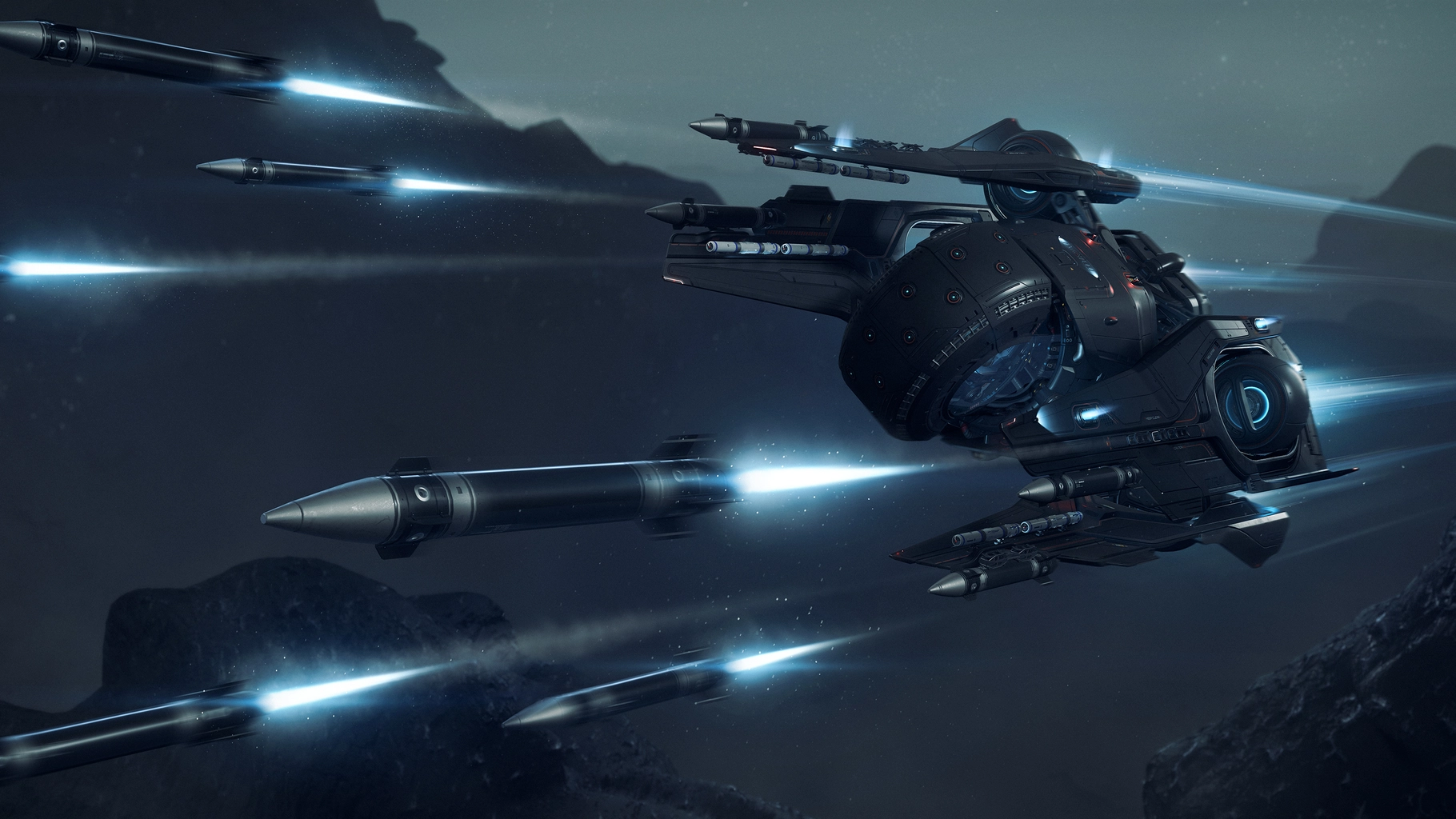
That makes the MX more attractive as part of a group than as an all-purpose personal combat ship. Other pilots can keep targets occupied while it makes its attack, and the group can plan around the need to replenish its ammunition. Twenty missiles are a substantial load for such a little craft; they are not twenty guaranteed hits. Countermeasures, lock conditions and the target's movement still matter.
The MX also has a deployable blast shield over the cockpit, giving its face a very different appearance from the open glass of the standard Fury. It provides additional protection, but it should not be mistaken for an excuse to trade blows. The underlying snub remains small and vulnerable.
The distinction is permanent at the variant level. The Fury's gun mounts cannot be exchanged for the MX's missile racks, and the MX's bespoke racks cannot become gun mounts. Missile types can be changed; turning one variant into the other is a different proposition.
The LX spends everything on the flight
The LX is the one to choose when the course itself is the reason to launch. It removes the weapons and adds manoeuvring thrusters: sixteen against the twelve listed for the two combat versions. With no guns or missiles to preserve, the design is free to concentrate on acceleration and agility.
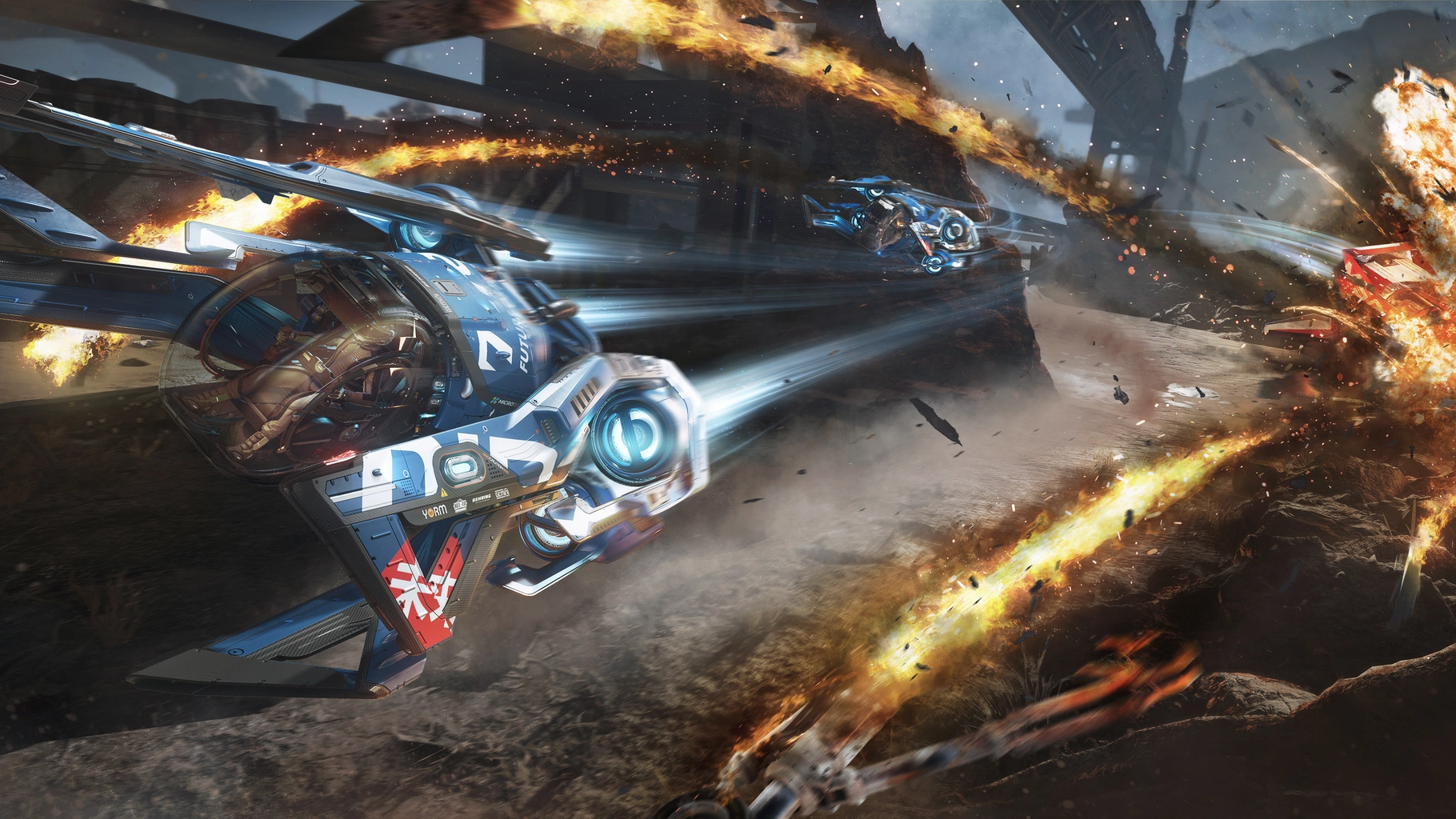
There is an especially appealing absurdity to a racing Fury. The pilot is close to the course, the ship is tiny, and its articulated shape looks completely absorbed in the act of changing direction. For someone who enjoys tight flying, that is a compelling reason to own one even before lap times enter the discussion.
We would not turn that enthusiasm into a claim that the LX is the fastest racer in the current patch. Course layout, handling and pilot familiarity all affect results, and older launch descriptions are not a substitute for current comparable laps. Its clear advantages within the family are its dedicated racing configuration and additional manoeuvring thrusters. Its sacrifices include the entire weapon loadout and, in the original design brief, further reductions in fuel and resilience.
Your way home matters as much as the launch
No Fury variant has a quantum drive, a cargo grid or room for another person. There is a small personal storage area, but no weapon rack, and the design Q&A specifies no pilot ejection mechanism. It is a specialist craft you bring to the activity, rather than a little ship that independently handles every part of the journey.
All three currently share listed dimensions of 7 metres long, 5.4 metres wide and 2.6 metres high. That compact envelope explains why they interest players well beyond the owners of dedicated carriers. The design team identified the Cutlass Black as the smallest intended internal carrier and also described carrying a Fury on the Nomad's rear bed. Those examples establish the intent; they do not guarantee effortless loading, persistence or recovery in every current build.
A carrier's exit, the room around the landed craft and access to the pilot seat all matter. The LX's missing weapons do not automatically make it compatible with more ships, either: that was not a design goal. If a particular carrier pairing is central to your plans, use current evidence for that pairing rather than assuming the published dimensions settle it.
Which Fury belongs aboard your ship?
Choose the standard Fury for repeated gun attacks. It offers the broadest combat usefulness of the three, with four Size 2 weapons and missiles as a supplement. For most groups looking to add a small fighter, this is the natural starting point.
Choose the MX for a deliberate missile role. Its twenty-missile load can give a group another way to pressure a target, provided everyone understands that rearming is part of the arrangement and there are no guns to fall back on.
Choose the LX because you want to race. It makes the biggest commitment to flying for its own sake. The lack of weapons is the point, and a plan for getting it to the course is part of owning a racing snub.
That is what makes the family interesting: these are three convincing uses of the same outrageous little machine. The right one is the Fury you have a reason to launch, a place to recover and someone waiting to hear how the flight went.