










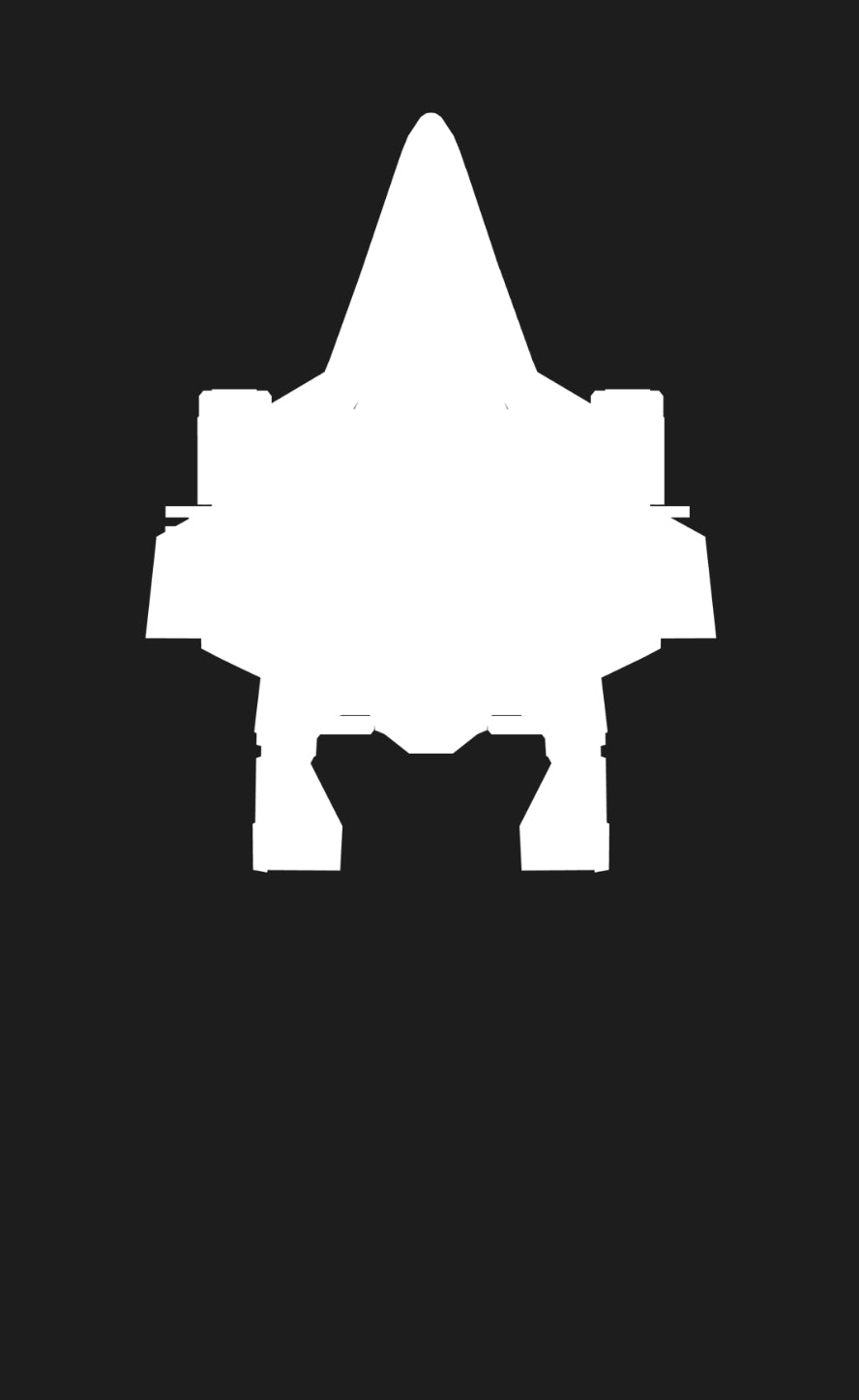
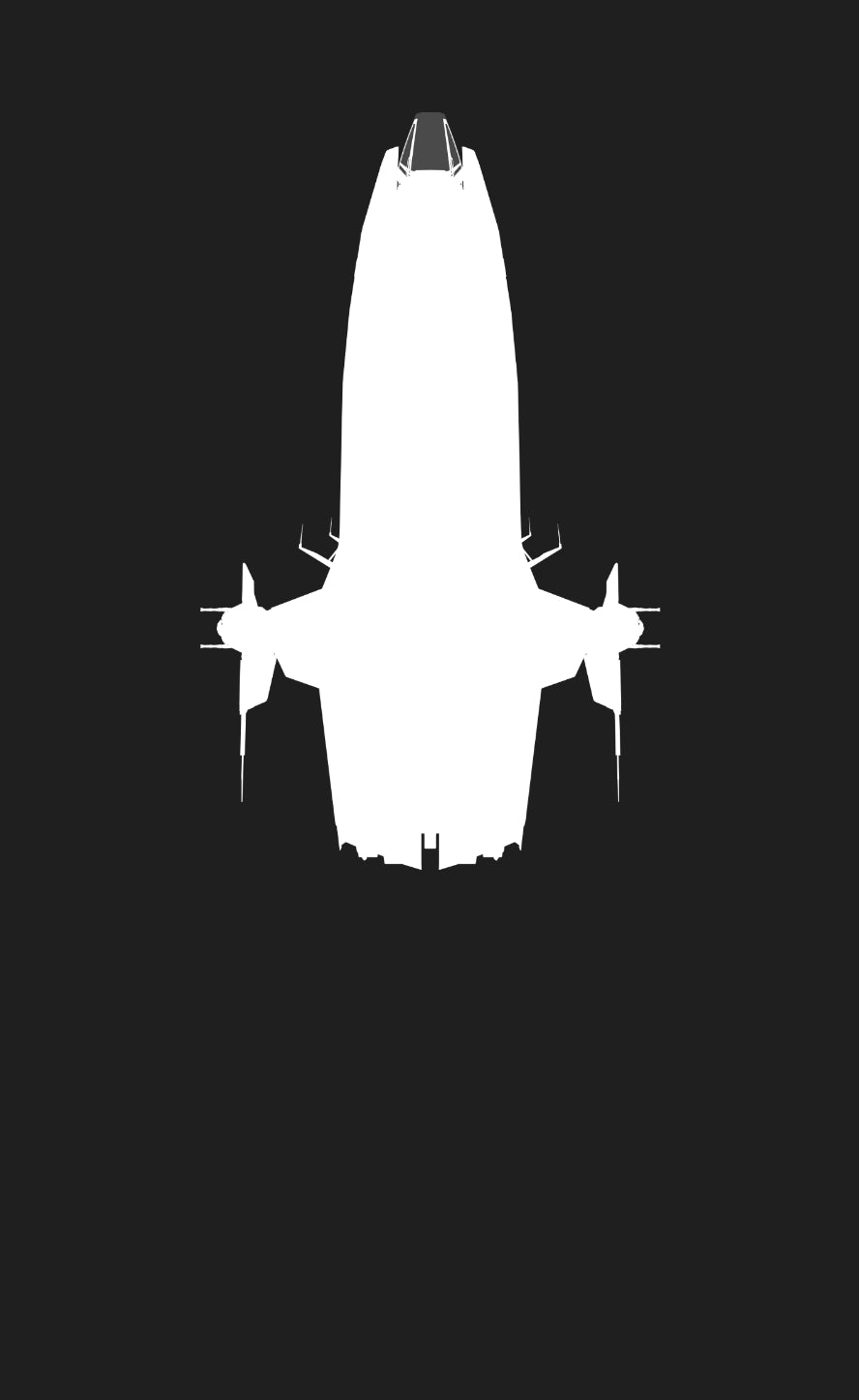
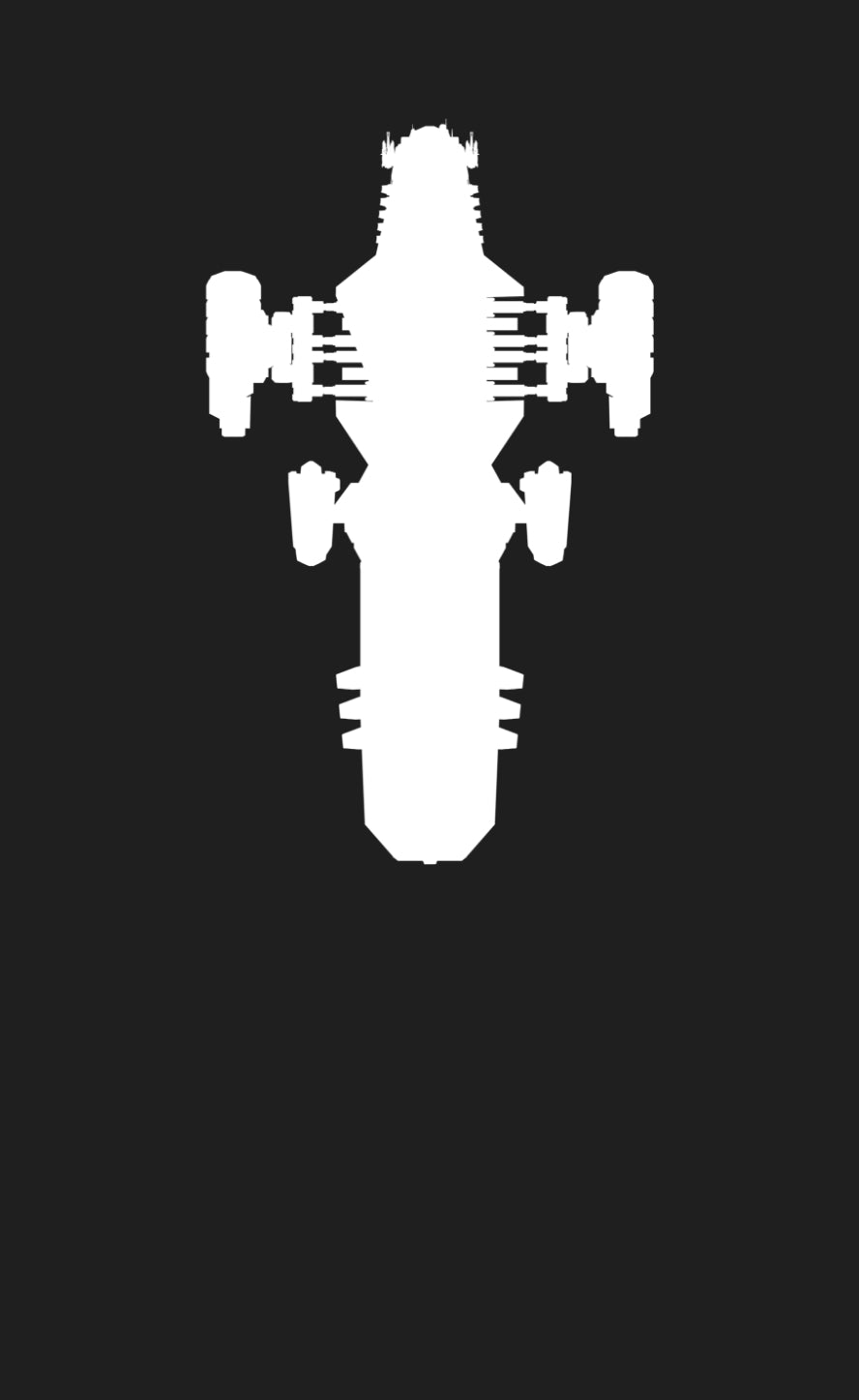
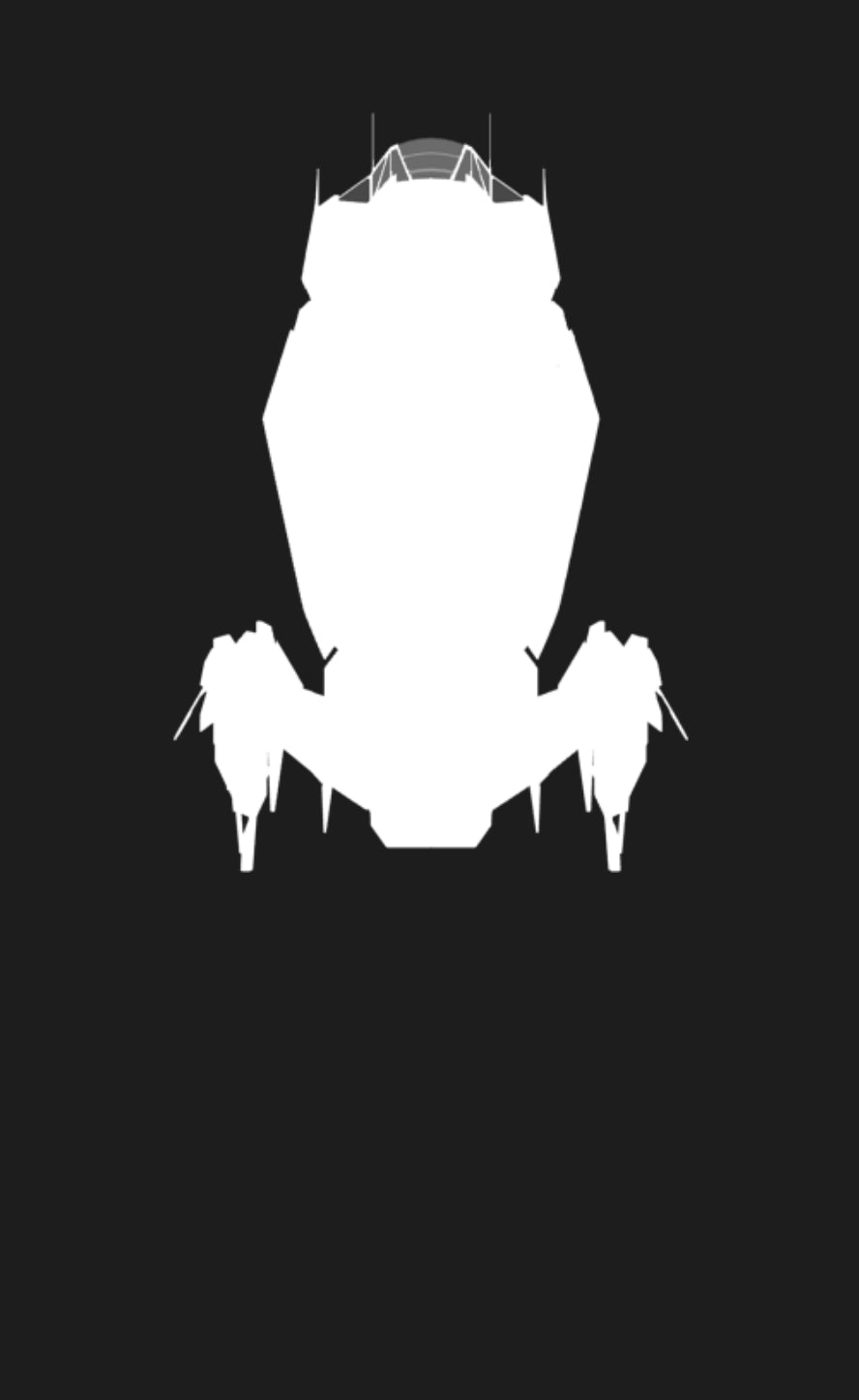
Constellation Mk IV Comparison: Andromeda, Taurus, Aquila or Phoenix?

Freight, firepower, expeditions or a better place to spend the journey: four classic Connies, four reasons to bring a crew.
The Connie is still an unusually persuasive answer to “what shall we do tonight?” There is room for a crew, a proper cargo lift, heavy pilot weapons and enough interior to make the journey feel like more than a seat with an engine attached. Choosing the right one, though, means deciding which part of that life aboard matters most.
The Andromeda, Taurus, Aquila and Phoenix now carry the Constellation Mk IV name. All four have received the Alpha 4.10.2 Gold Standard refit, but they remain different ships: the Taurus gives more of its hull to freight, the Andromeda brings the most rounded fighting arrangement, the Aquila favours exploration, and the Phoenix makes room for passengers who expect something nicer than a crew bunk.
Our starting point: Taurus for cargo-led flying; Andromeda for a group mixing freight and combat; Aquila for an expedition-minded crew; Phoenix when the interior and journey are a major part of the appeal. None needs to win every category to be the right Connie.
The four Mk IVs at a glance
| Variant | Cargo | Length | What changes the choice |
|---|---|---|---|
| Andromeda | 96 SCU | 62 m | Two gun turrets, broader missile arrangement, P-52 Merlin |
| Taurus | 174 SCU* | 69 m | Extended hold, lower tractor station, no docked snub |
| Aquila | 96 SCU | 62 m | Exploration equipment, Ursa rover, P-52 Merlin |
| Phoenix | 80 SCU | 62 m | VIP cabin, Lynx rover, P-72 Archimedes |
All four list a crew of four and four Size 5 main weapon mounts. Andromeda, Aquila and Phoenix are 26.6 metres wide; Taurus is 28.6 metres wide. All are 16.3 metres high. Those are the refreshed Mk IV dimensions, rather than the older figures still circulating in some ship lists.
The listed crew figure describes the ship's crew capacity, not a requirement to find three friends before you can leave the hangar. It also does not mean one pilot can operate every crew station at once. That distinction becomes particularly important when comparing a cargo tractor, a gun turret and a separate snub fighter.
Taurus: the one for a working cargo lift
/source.webp)
The Taurus is the Connie that makes the strongest case when freight is the regular job. Its longer body accommodates a much larger hold, and the lower crew station carries a tractor beam rather than another gun turret. That gives a second person something directly useful to do during cargo handling, instead of leaving everyone waiting for the pilot to finish shifting boxes.
The 174 SCU technical listing is 78 SCU above the Andromeda or Aquila. For a contract that fits within the Taurus but exceeds 96 SCU, that can make the difference between carrying the requested load together and splitting it. It does not make every job quicker: box sizes, lift access, loading time and the destination still matter. A hold full of freight also leaves less room for whatever vehicle you hoped to bring.
You give up the stern-mounted snub and the Andromeda's second gun turret, but keep the four large main weapons. The Taurus is therefore a freighter with a substantial bite of its own, rather than an unarmed box waiting for an escort. For a solo pilot or a small group whose usual evening begins with a cargo contract, that is a more useful compromise than paying attention only to how many combat stations another variant carries.
The current technical listing is 174 SCU, although the feature panel still says 168. Until that mismatch is resolved, avoid planning a tightly packed load around an assumed explanation for the difference.
Andromeda: freight with a proper fighting crew
The Andromeda makes more sense when your group regularly changes its mind after undocking. Its 96 SCU hold can carry freight or ground equipment, while two manned gun turrets and both top and side missile racks give the crew more combat stations than the Taurus. There is also a P-52 Merlin docked at the back for a pilot who wants to leave the bridge behind.
/source.webp)
That is the attraction of the classic arrangement: a pilot with heavy forward guns, people covering other angles, and a small fighter that can separate from the parent ship. With friends aboard, the Andromeda gives you several ways to share the action. It is a much harder arrangement to exploit alone. An empty turret cannot contribute the same coverage as an occupied one, and launching the Merlin means moving a person out of a station aboard the Connie.
We would choose it over the Taurus for a group that expects combat to be a regular part of the evening, rather than an interruption to the freight run. The Taurus remains the stronger cargo specialist. The Andromeda's appeal is that the rest of the ship is worth having even when the hold is not full.
The Merlin also brings a limitation that is easy to overlook in a feature list. It is a local snub, without its own quantum drive. It can leave the Constellation and fly independently nearby, but it cannot replace a separate quantum-capable escort for a journey across the system.
Aquila: take the crew beyond the landing pad
/source.webp)
The Aquila turns the same basic ship towards expeditions. Its rounded cockpit, exploration equipment, Ursa rover and docked P-52 Merlin give it a different rhythm: fly out together, land, and continue across the surface without making everyone travel on foot. It retains the 96 SCU cargo listing, although bringing a rover uses physical space that cannot simultaneously be filled with freight.
Its sensor-oriented upper installation is not another Andromeda-style gun turret. That matters if you are choosing purely around combat coverage. Four large pilot weapons still give the Aquila teeth, but the variant's purpose is to support discovery and travel, not to maximise the number of people firing at a target.
The strongest reason to want an Aquila today is that you enjoy the expedition itself: travelling with friends, carrying equipment and a rover, finding somewhere interesting to land, and having a ship that feels built around that idea. A complete future exploration economy is a separate question. Advanced equipment in a ship description should not be read as a promise that every intended scanning, discovery or data-selling activity is already available.
There is still plenty to like about the shape of that journey. The rover gives the landing a purpose beyond opening the ramp, and the Merlin offers a different view of the surrounding area. Just remember that using both supporting vehicles requires people to operate them; their presence does not make a solo pilot a three-vehicle expedition.
Phoenix: the cabin is the point
The Phoenix is easy to misunderstand if every comparison begins and ends with cargo. Its 80 SCU allocation is the smallest here, but the space it gives up has become the reason to own it: a passenger cabin with a bar, dining area and entertainment space, rather than another stretch of industrial hold.
/source.webp)
The associated Lynx rover and P-72 Archimedes continue that character away from the main cabin. The Phoenix still carries four Size 5 main weapons and two manned gun turrets, so luxury has not stripped away the family's capacity to defend itself. It simply asks a different question of its owner: how much do you care about the place you and your friends spend the journey?
For a crew that likes meeting aboard a ship, travelling together or making an arrival feel like an occasion, the Phoenix has a charm the cargo figures cannot express. For someone who wants to load as much freight as possible and leave, the Taurus is a much clearer fit. Neither answer needs a claim that luxury passenger missions will pay for the difference; the cabin is a feature you can appreciate without inventing a future earnings calculation.
The Mk IV refit is especially relevant here. Working controls and locks, corrected furniture, new bedding and the side airlock give practical attention to the spaces that distinguish the Phoenix. Our full Gold Standard feature covers the changes across all four ships.
What changes when you bring more people?
A solo pilot can make good use of the main guns and cargo space, but the ships separate more clearly once other people come aboard. On a Taurus, a crewmate can work the tractor while freight is being moved. On an Andromeda, two gun positions give friends a direct role in a fight. The Aquila's rover and snub suit a group that wants to split its activity between the ground and the air. The Phoenix makes the shared interior a reason to stay aboard.
For an organisation, those same differences can justify different ships on different evenings. A Taurus supporting logistics and an Andromeda supporting a combat outing are not redundant merely because both say Constellation on the hull. For one person choosing a regular ship, the more useful question is which job will occupy most of their time. Occasional interest in a feature is a weaker reason to choose it than a role you already enjoy.
Where the Mk V fits
The Mk V Centaurus is a new generation, not a fifth Mk IV variant to drop into this table. Its arrival does not turn the Andromeda, Taurus, Aquila and Phoenix into the same ship, nor does the Mk IV refit replace their Kruger snubs with the RSI Skylark. The Skylark belongs to the new Centaurus pairing.
The Mk IV retirement window ends on 27 January 2027, but the ships remain in the game and are intended to receive future systems and balancing work. If you want to try the new pairing through the current event, our Discovery Month guide explains the five-day Centaurus and Skylark rental. That is a separate decision from which classic Connie suits your crew.
A Connie becomes much more than its equipment list once it becomes your regular ship. Choose the spaces you want to spend time using: a busy cargo lift, occupied gun turrets, a rover waiting for the next landing, or a cabin where your friends are happy to linger.