
























Aegis Dynamics: The Ships That Outlasted the Messers

The Idris, Gladius and Retaliator carry a history of imperial patronage, industrial power and civilian reinvention.
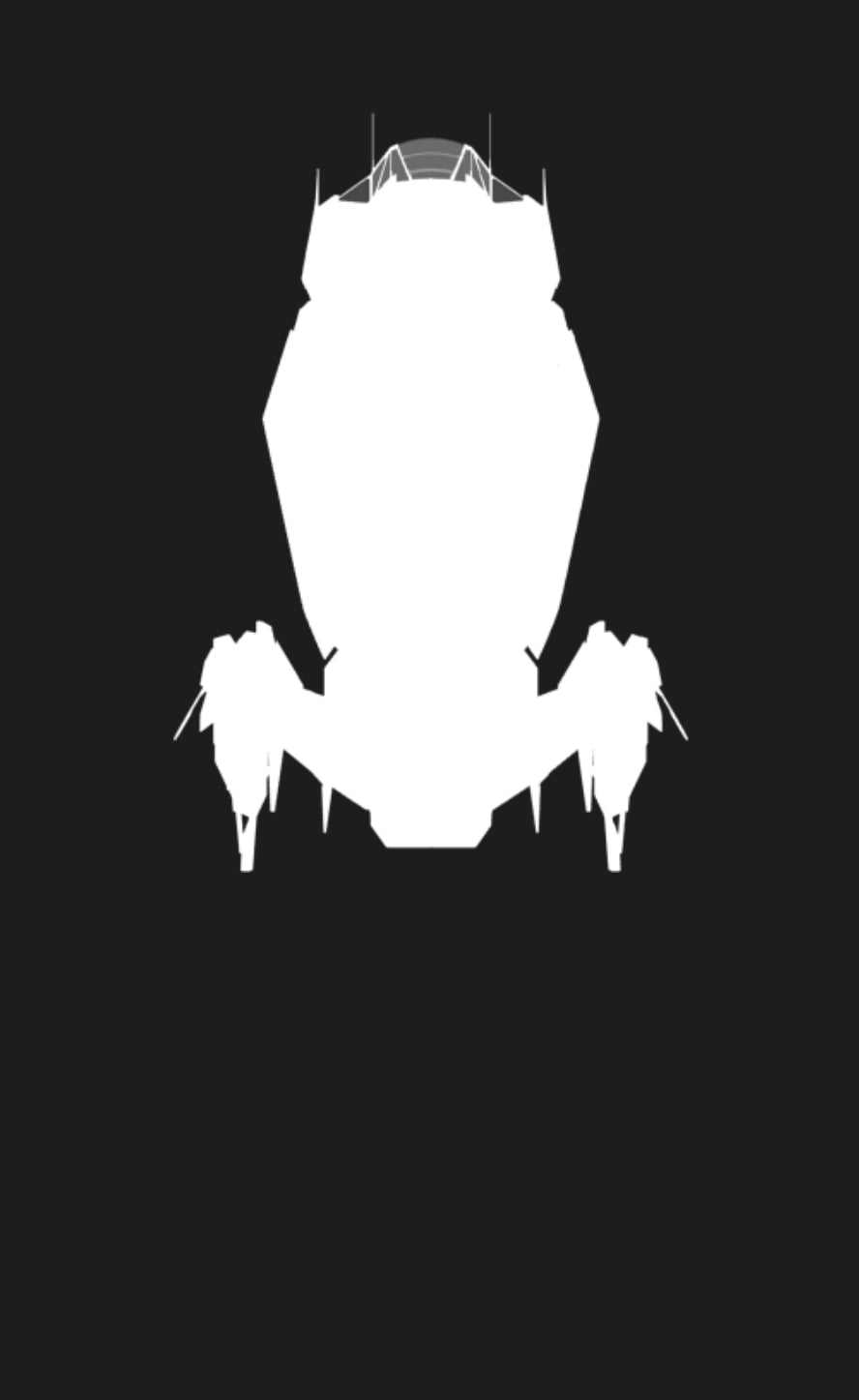
A Retaliator can be a home, a working ship or the centrepiece of a fleet. In the history of Star Citizen’s universe, it was also a warning: the shape of a government prepared to enforce its authority from the sky. Aegis Dynamics has spent centuries living with both associations.
Its relationship with the Messer regime explains something a catalogue of fighters cannot. Aegis built excellent machines for a brutal state, then had to survive after that state collapsed. The ships lasted long enough for their owners to give them other purposes. That uncomfortable inheritance is still part of the appeal of the manufacturer’s fleet.
Computers, shipyards and an imperial customer
Founded in 2532, Aegis began as a merger between Earth’s Aegis Macrocomputing and Dynamic Production Systems in Davien. One supplied spacecraft computing expertise; the other brought production yards across four systems. Together, they were equipped to compete for naval construction work just as humanity’s military ambitions were expanding.
The company prospered alongside Ivar Messer. Its military designs became associated with the regime, and the Retaliator in particular acquired a reputation tied to state coercion. For Aegis, political patronage meant business. For the people on the receiving end of those ships, the manufacturer’s name carried a very different meaning.

Why the Idris carries that name
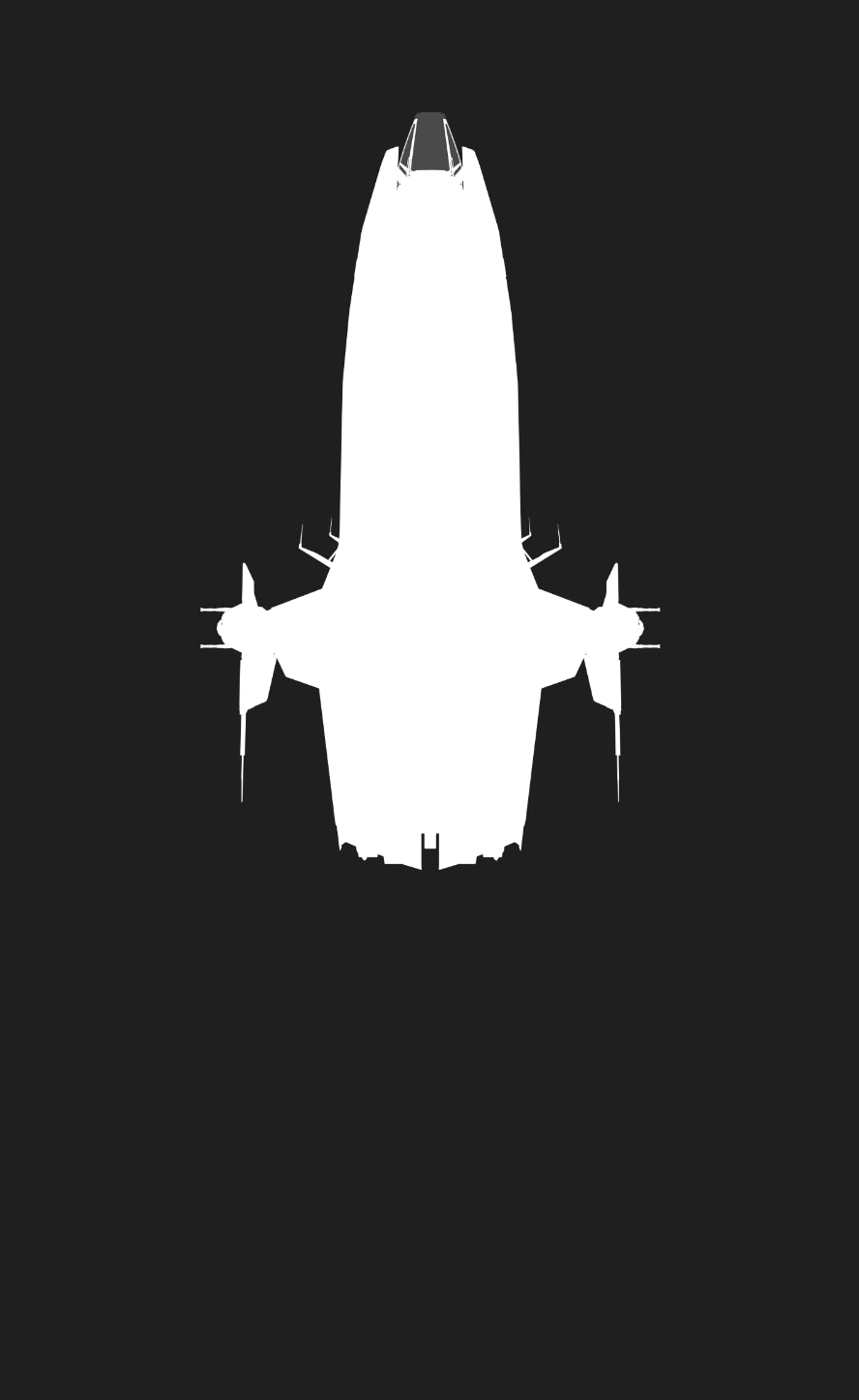
The Idris system had already become part of Messer’s political story. During the First Tevarin War, the fighting there helped establish his military reputation; after the war, reconstruction gave his government another opportunity to cultivate its image. In 2551, Aegis named its new capital-ship line after the system and opened a manufacturing facility on the planet.
The gesture honoured the system’s wartime sacrifice while also courting Messer’s favour. He appeared at the inaugural launch, presenting the ship as a threat to the Empire’s enemies. The Idris name therefore reaches beyond a class of warship: it joins a devastated world, a rising ruler and an industrial supplier in the same piece of history.
Aegis later expanded its factories on Idris IV, buying inexpensive land as the system grew into a manufacturing centre. Military protection and favourable business conditions helped industry flourish. Workers did not share equally in that prosperity. The strikes of 2808 drove labour reforms known as the Idris Amendments, an important legacy of the system that is easily overshadowed by its warships.
The fighter the Messers renamed
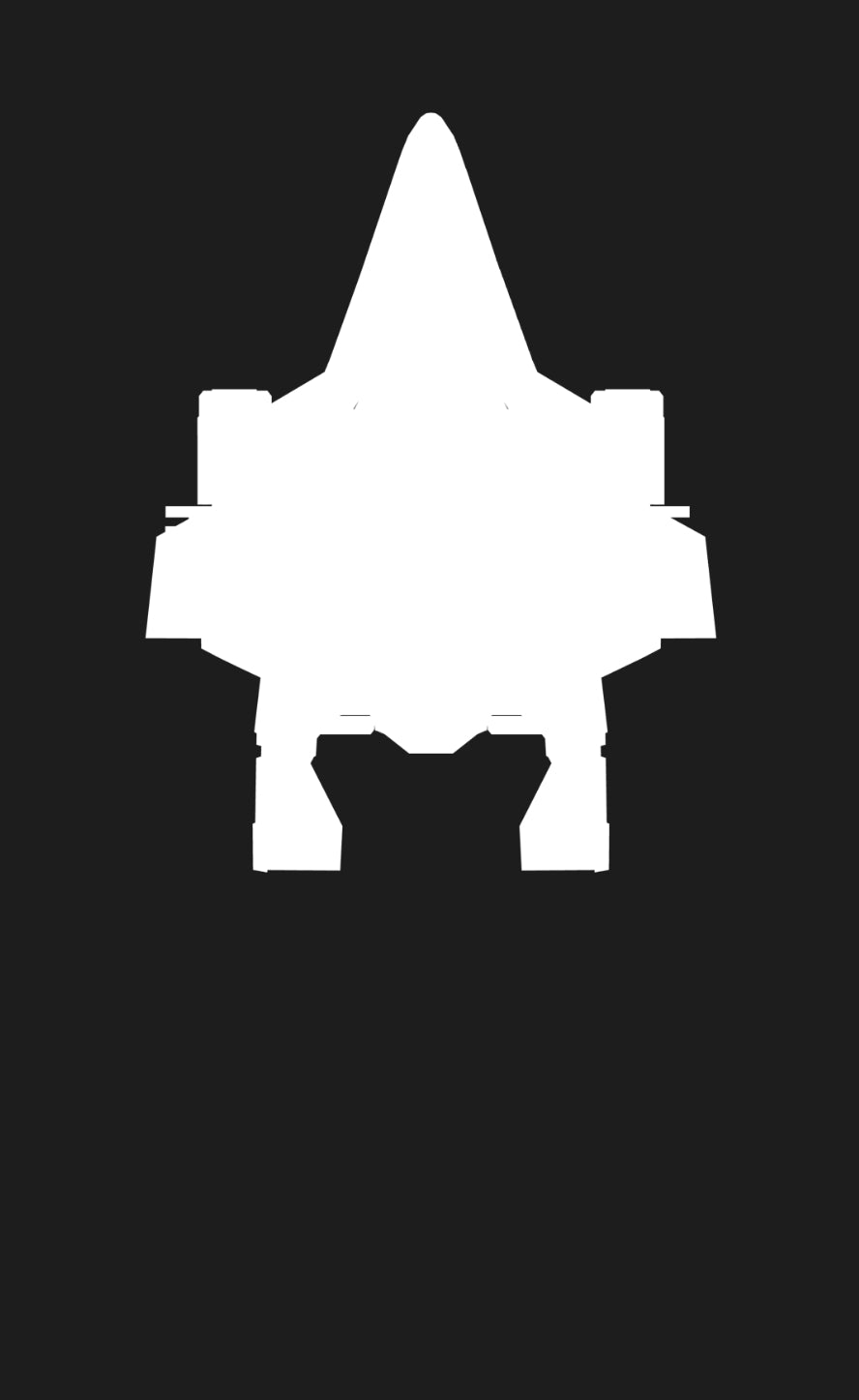
Even the Gladius’s name reflects imperial politics. During development, the fighter was called Wildcat. The Imperator’s administration requested the change to Gladius, drawing on the Roman imagery the Messers used in their propaganda. A new fighter could serve as a recruiting symbol as well as a weapon.
Its design also made a real military difference. Earlier interceptors such as the Stiletto were closely tied to operations from larger warships. The Gladius could operate in atmosphere and from existing ground facilities, widening where fighter units could be deployed. Its service through the Second Tevarin War helped establish the importance of dedicated fighter forces.

The recognisable outline endured while Aegis repeatedly revised the structure and systems beneath it. That is a different sort of continuity from political loyalty: a machine can remain useful through changes of government, doctrine and ownership. The full fighter story deserves its own treatment; here, it shows how deeply Aegis hardware became embedded in the Empire.
After the regime, the civilian hangar
The fall of the Messers in 2792 damaged Aegis badly. Contracts disappeared, staff were laid off and rivals including Anvil and MISC benefited. The company changed its militant branding, but a new logo could not remove the history attached to its products.
Civilian owners helped keep those products—and the business—alive. Former military designs found other uses, and the company turned more attention to civilian variants. A Retaliator in private hands could acquire a life its original builders had never put at the centre of the brief.
That makes the civilian fleet more interesting than a simple redemption story. The ships did not erase what they had been built to do, and their new owners did not all use them in the same way. A hull could carry an old reputation while becoming someone’s transport, livelihood or home. There is room in that history for pride in the engineering and discomfort with the customer it once served.
Flying a ship with a past
Star Citizen’s manufacturer lore works best when it changes how a familiar ship looks to you. The Gladius is an enduring fighter, but its name also carries an administration’s propaganda. The Idris is a powerful crewed vessel, but its name remembers a system whose residents lived through invasion, reconstruction and industrial expansion.
Those connections give an Aegis fleet character without requiring every owner to roleplay the same allegiance. A civilian pilot can admire the engineering, an organisation can build a naval identity around the ships, and a salvage crew can simply want equipment suited to its work. The manufacturer supplies the history; the people aboard decide what happens next.
Explore individual designs in our Retaliator overview, Gladius overview and Idris overview. Each tells another part of the story, from a single-seat fighter to a ship that needs a community around it.

Take an Aegis ship into your next chapter
Explore the fighters, working ships and crewed vessels in The Impound’s Aegis collection.
Browse Aegis ships →