

























Cutlass Black vs C1 Spirit: Cargo Work, Combat and a Friend Aboard

The Spirit makes more room for freight. The Cutlass gives your gunner a seat. Two very different daily ships, and a choice shaped by what you enjoy doing together.
A friend joins your session just as you finish a delivery. Do you take another cargo contract, head out for a bounty or load some equipment and see where the evening goes? Both the Drake Cutlass Black and Crusader C1 Spirit can handle that sort of change of plan. They make different compromises to get there.
The Spirit gives more space to freight and a stronger ship-mounted tractor beam. The Cutlass gives a crew member a combat turret, keeps a smaller footprint and carries enough cargo to remain useful between fights. Neither is confined to one profession, but choosing between them becomes much easier once you decide what you want the second person aboard to do.
When the job is moving cargo
The C1 carries 64 SCU on its cargo grid, compared with 46 SCU in the Cutlass Black. That is 18 SCU more, or roughly 39 per cent additional rated capacity. On a route with enough freight to use the space, the difference can be the reason a load fits in one journey rather than needing another trip.
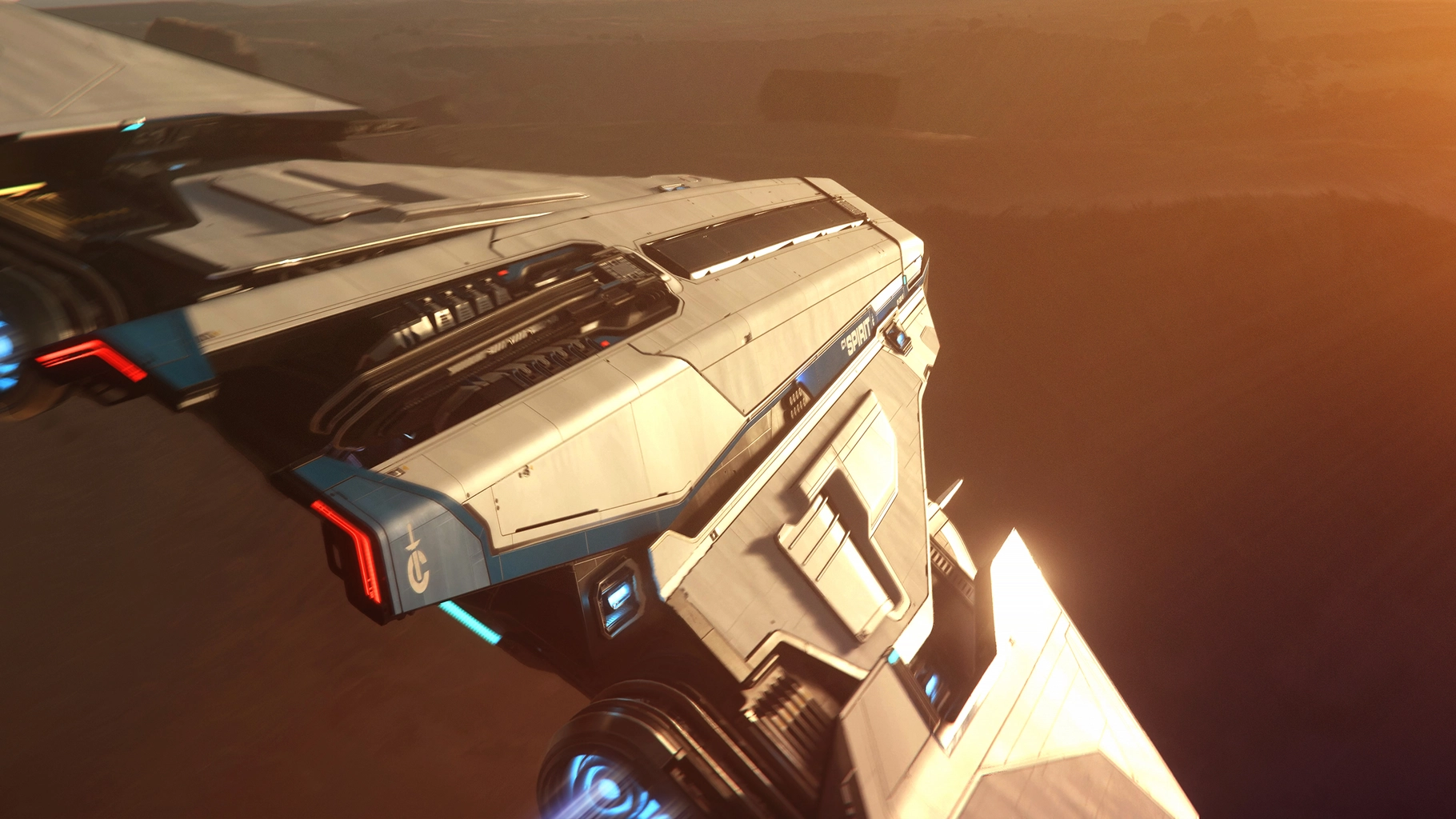
There is more to the Spirit’s hold than its capacity. The rear-mounted Size 2 tractor beam is part of the ship’s working equipment, giving the co-pilot a practical role in loading. Its straight-through interior leads from the cockpit towards the rear ramp, with the cargo area forming a substantial part of the ship. The broad wings and clean Crusader lines wrap around a vessel built to make delivery work its everyday occupation.
The Cutlass has its own Size 1 tractor beam, so choosing Drake does not mean committing to handheld loading alone. Its smaller hold is easier to outgrow when the contract board starts offering larger consignments, but it is enough for many mixed-purpose trips. A pilot carrying equipment to a ground mission may not gain much from another 18 SCU; someone spending the whole evening hauling has more reason to value it.
Do not read either capacity as a promise that every combination of crates will fit neatly. The container sizes, cargo-grid shape and access through the ship still matter. A vehicle also occupies physical space in the hold, even when a ship’s description says it can carry one. Artwork and a total SCU figure are not a verified fit list for every rover.
The Cutlass gives your gunner a reason to come along
The Black’s manned turret is the clearest difference for a combat-minded pair. While the pilot flies and uses the forward weapons, another player can operate a separate gun position. It gives a friend something active to do when a quiet trip turns into a fight, and makes the ship a more convincing choice for a group deliberately mixing cargo work with combat.
The C1 does not have an equivalent gunner station. Its rear remote mount carries the tractor beam. The Spirit family includes other variants with different equipment, but that does not make the C1 an A1 with its bombs removed or give it a freely interchangeable combat turret. Buy into the C1’s actual freight configuration rather than features belonging to another Spirit.

Both ships carry pilot-controlled weapons and missiles. The difference is therefore not armed versus unarmed: it is the extra combat role available to the Cutlass crew. A turret is only useful when someone operates it. A solo Black pilot should not count its manned position as additional firepower they will automatically bring to every engagement.
Drake’s lore dresses the Cutlass up as a practical ship for local militias and search-and-rescue work. Its appeal has always reached further than that respectable sales pitch. The open working hold, exposed industrial character and willingness to take on another job suit players who would rather keep moving than organise an entire fleet around each activity. The C1 has its own charm, but it wears its civilian freight role much more openly.
Two people aboard, different jobs to share
The current directory lists a crew of three for the Cutlass Black and two for the C1. Those are design crew figures, not a rule that the pilot must assemble a full group before leaving a hangar. For the common two-person evening, the meaningful choice is how the work is divided.
- A hauling pair: the Spirit’s larger grid and stronger tractor mount give the second player useful work around the cargo operation.
- A pilot and gunner: the Cutlass provides the separate combat station the C1 lacks.
- A mostly solo owner: both remain plausible daily ships, but neither performs every crew job simultaneously. Pick for the work you personally do most often.
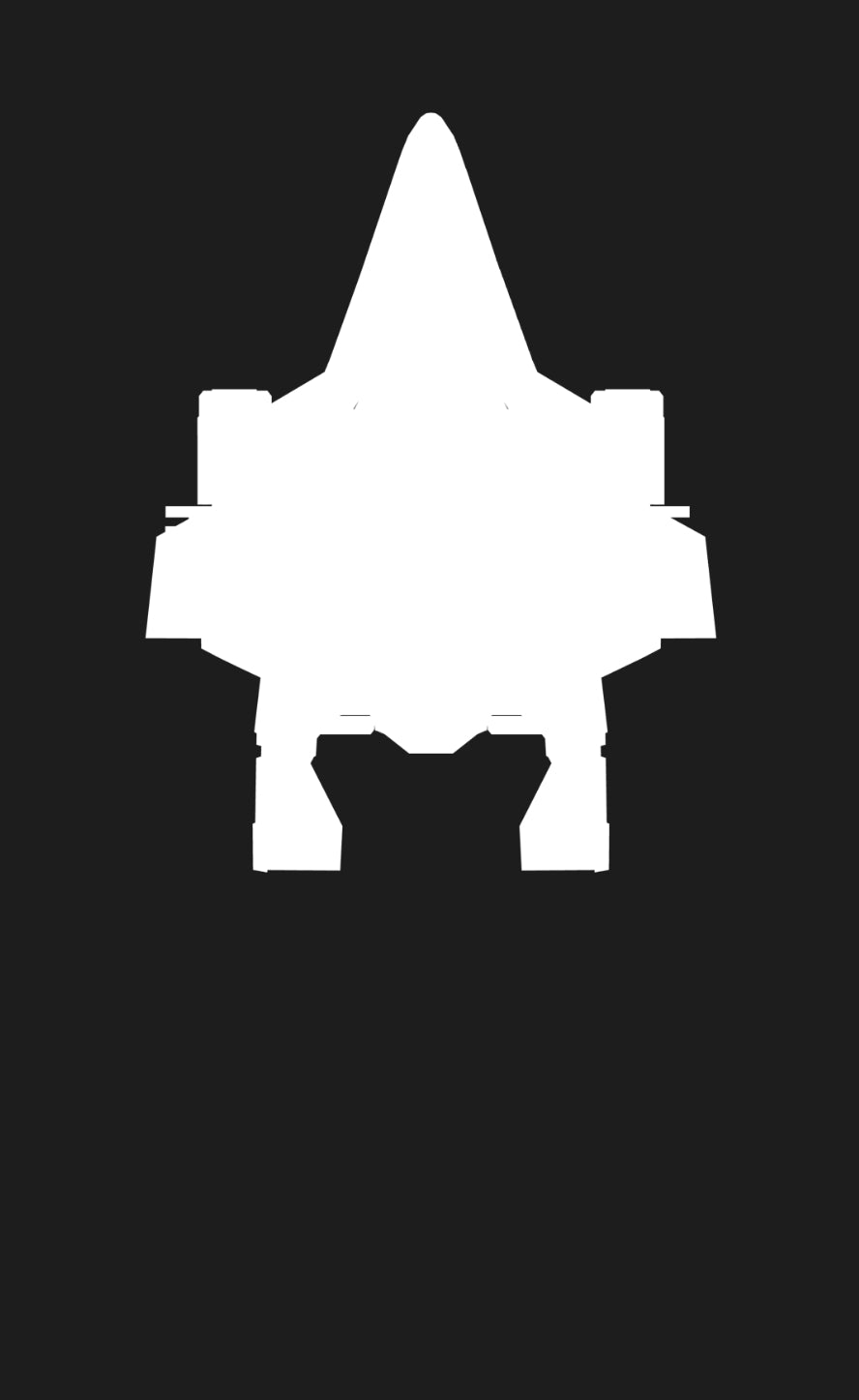
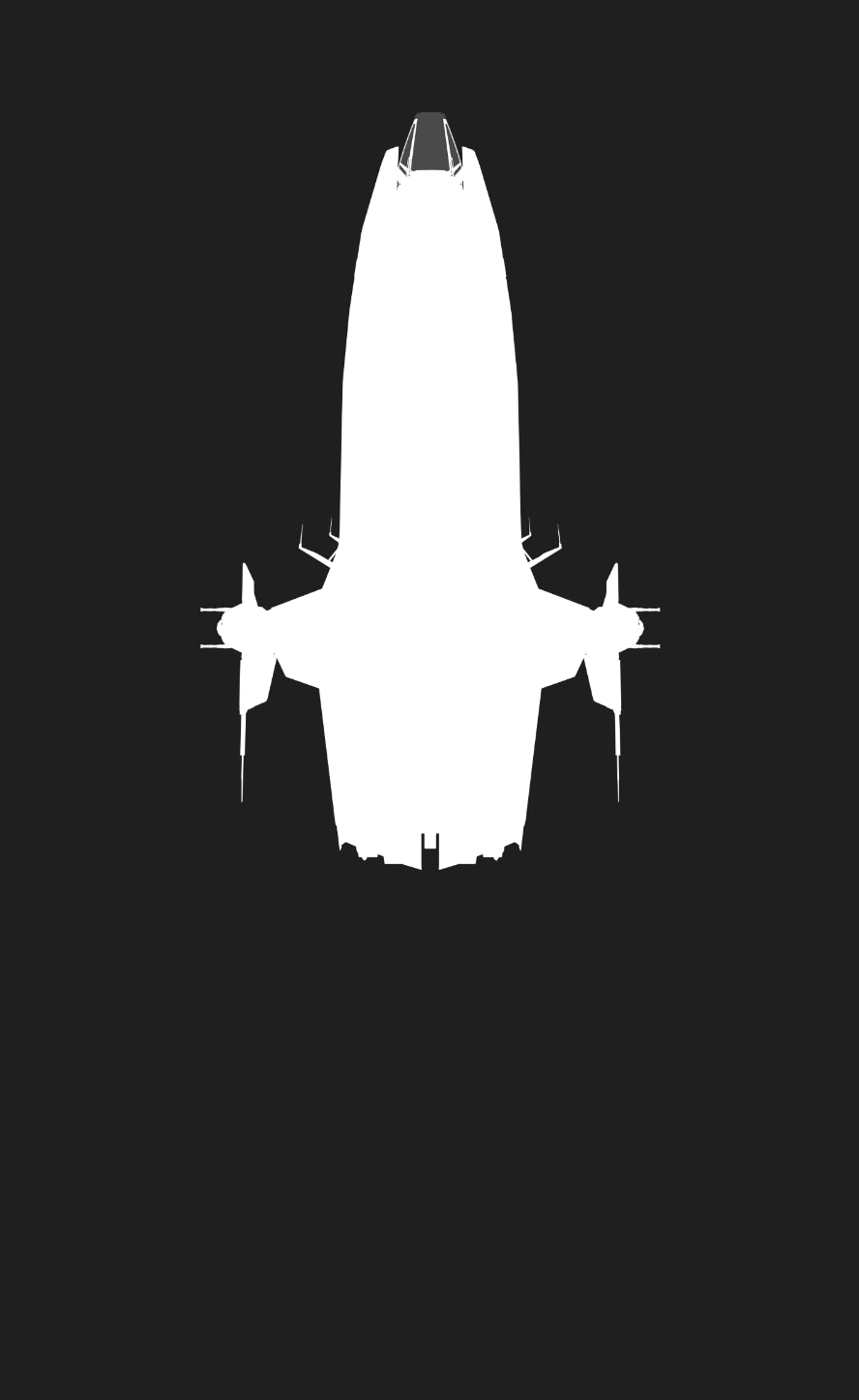
The Cutlass is also notably more compact. Its listed dimensions are 37.5 metres long and 26.5 metres wide. The C1’s wide, low shape makes its footprint worth considering around landing areas even though its hold is not dramatically larger. Neither a graceful silhouette nor a smaller hull guarantees an easy landing in every location, but they produce different ships to place beside an outpost or manoeuvre through a hangar.
Which belongs in your hangar?
If freight is the main reason you log in, we would lean towards the C1 Spirit. The larger hold earns its place on regular delivery runs, and the ship’s equipment supports that work. It is a particularly good fit for a pilot who wants one comfortable-looking, recognisable freighter rather than a collection of specialised ships.
If cargo shares the evening with bounty hunting, ground excursions and whatever your friends suggest next, the Cutlass Black is harder to dismiss. Its turret gives a second player a clear combat role, while the hold and tractor beam preserve its everyday usefulness. You give up freight capacity, but you gain a different kind of flexibility.
Neither choice needs to be treated as a stepping stone you must replace immediately. These are working ships with distinct strengths. The better one is the ship you will enjoy taking out for the jobs you actually accept.