

























UTV Guide, Specs & Features

What to know
The Greycat UTV is a compact ground utility vehicle for the short route between a landed ship and the worksite. A 1-SCU rear grid, 0.6 SCU of internal storage, and two side equipment racks give it practical room for one container, tools, and carried gear.
UTV specifications
The loading plan behind every UTV run
The UTV treats loading, transit, and unloading as one transport job, with the 1-SCU rear grid and internal storage at the centre of the route. Two side racks each hold one Size 2 personal weapon, keeping carried equipment outside the passenger and cargo space. A rear cargo grid carries one standard 1-SCU container for the final ground leg of a delivery.
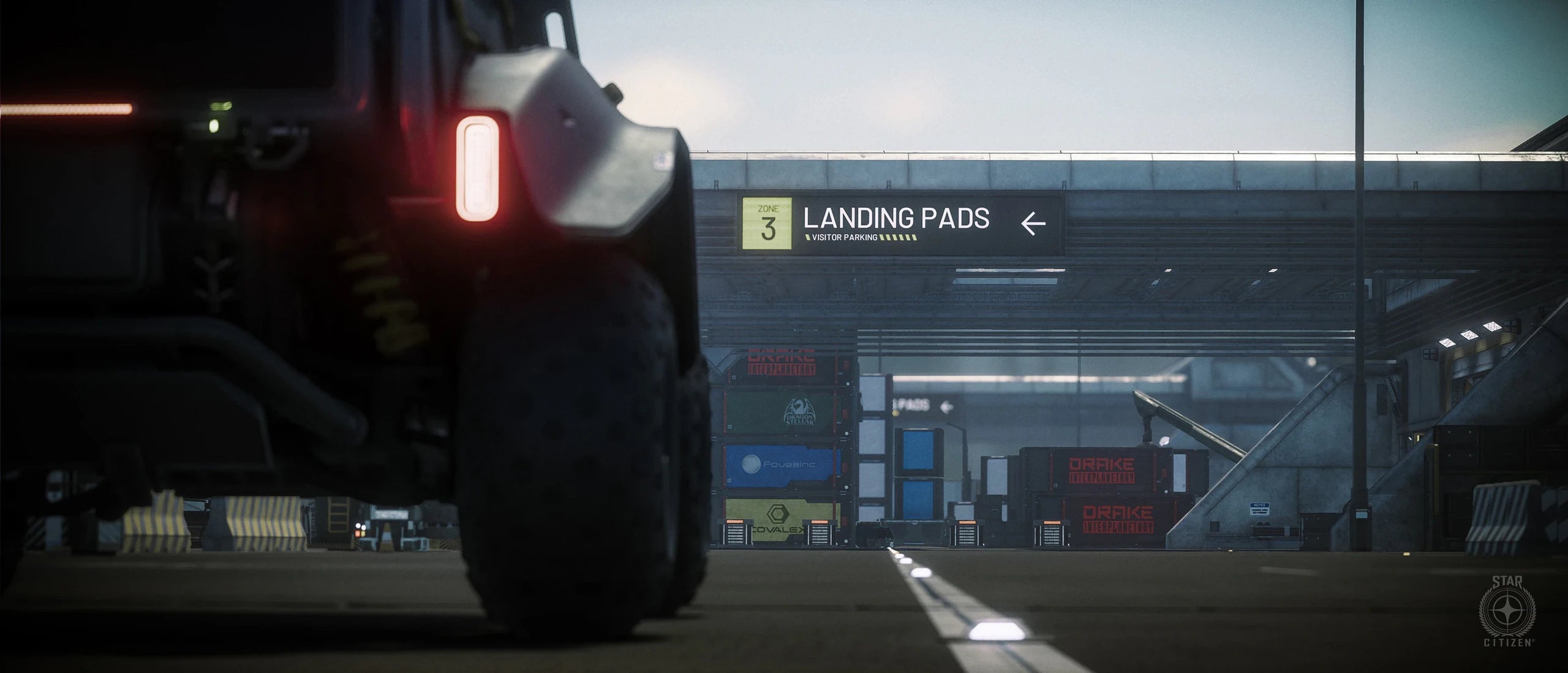
The cargo equipment that keeps the UTV moving
The UTV carries containers, tools, or supplies through the final ground leg of the route.
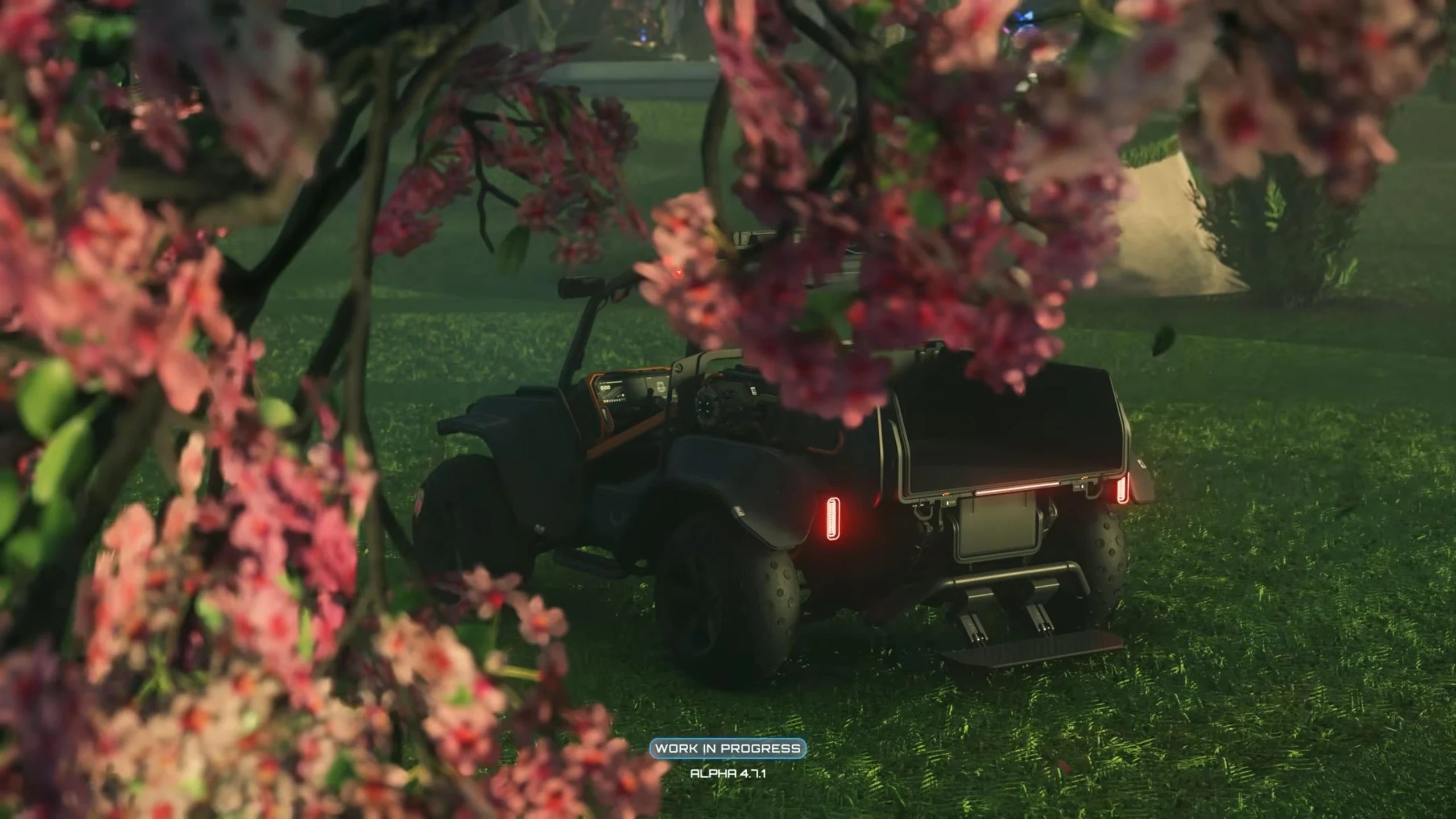
Development note: The UTV is flight ready and entered the live game in Alpha 4.7.1. Because Star Citizen remains in active development, specifications, features, and imagery may change over time.
Moving freight through the UTV
The UTV pairs the 1-SCU rear grid and internal storage with the access and handling equipment needed to move freight from the first container to final delivery.
Two side racks each hold one Size 2 personal weapon, keeping carried equipment outside the passenger and cargo space.
A rear cargo grid carries one standard 1-SCU container for the final ground leg of a delivery.
The hold's shape and access points matter as much as its total cargo capacity.
Ramps, lifts, clamps, or tractor beams determine how quickly the crew can load and secure freight.
The UTV's compact worksite cargo system
The UTV carries one standard 1-SCU container on its rear grid and another 0.6 SCU of tools or supplies inside the vehicle. Side racks keep two Size 2 personal weapons available, but its main value is moving cargo and equipment through a hangar, outpost, or worksite after a ship has landed.
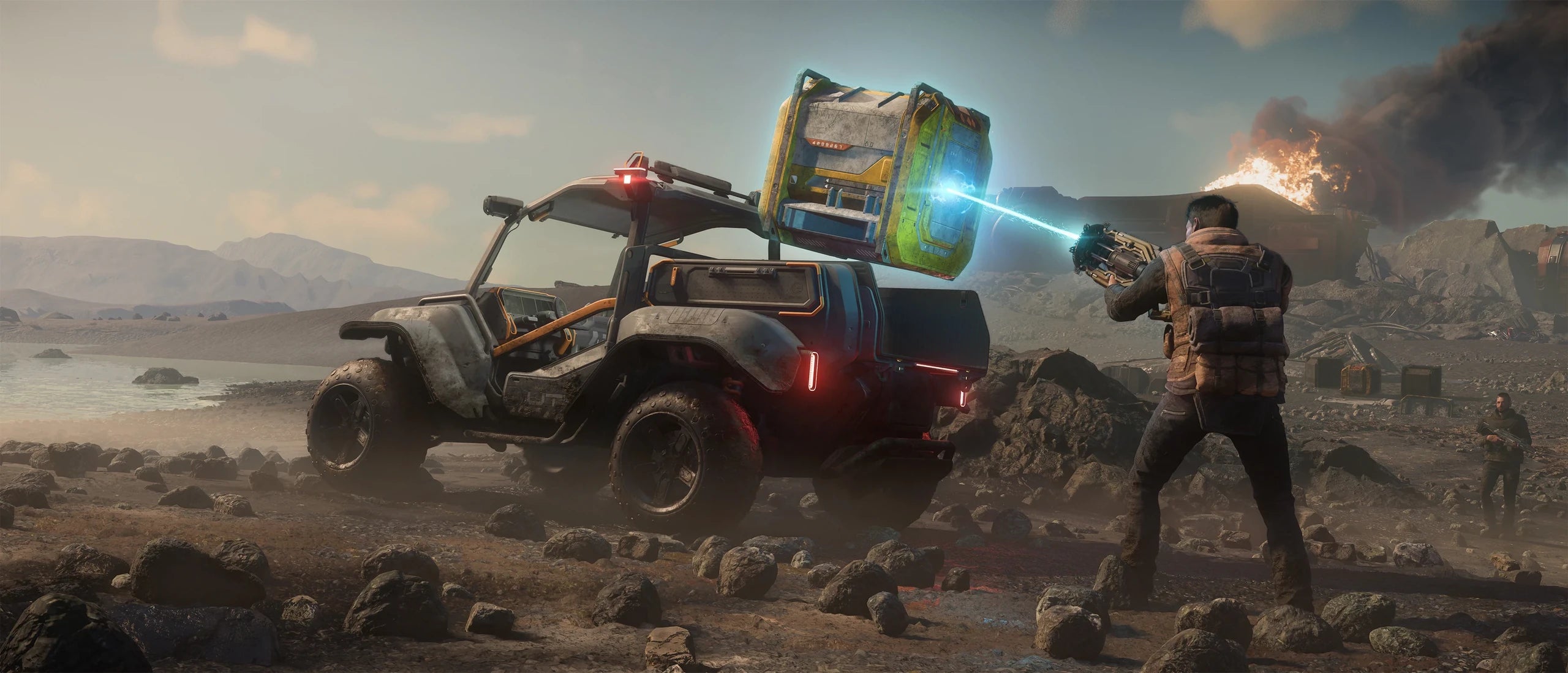
A 1-SCU rear grid backed by 0.6 SCU of internal storage
Match the load carried by the 1-SCU rear grid and internal storage to the container sizes and equipment available at both ends of the UTV's route.
Keep the load carried by the 1-SCU rear grid and internal storage restrained, balanced, and clear of the access the crew still needs.
Arrange the load carried by the 1-SCU rear grid and internal storage in the order the destination can receive it so unloading stays straightforward.
Move cargo with the UTV
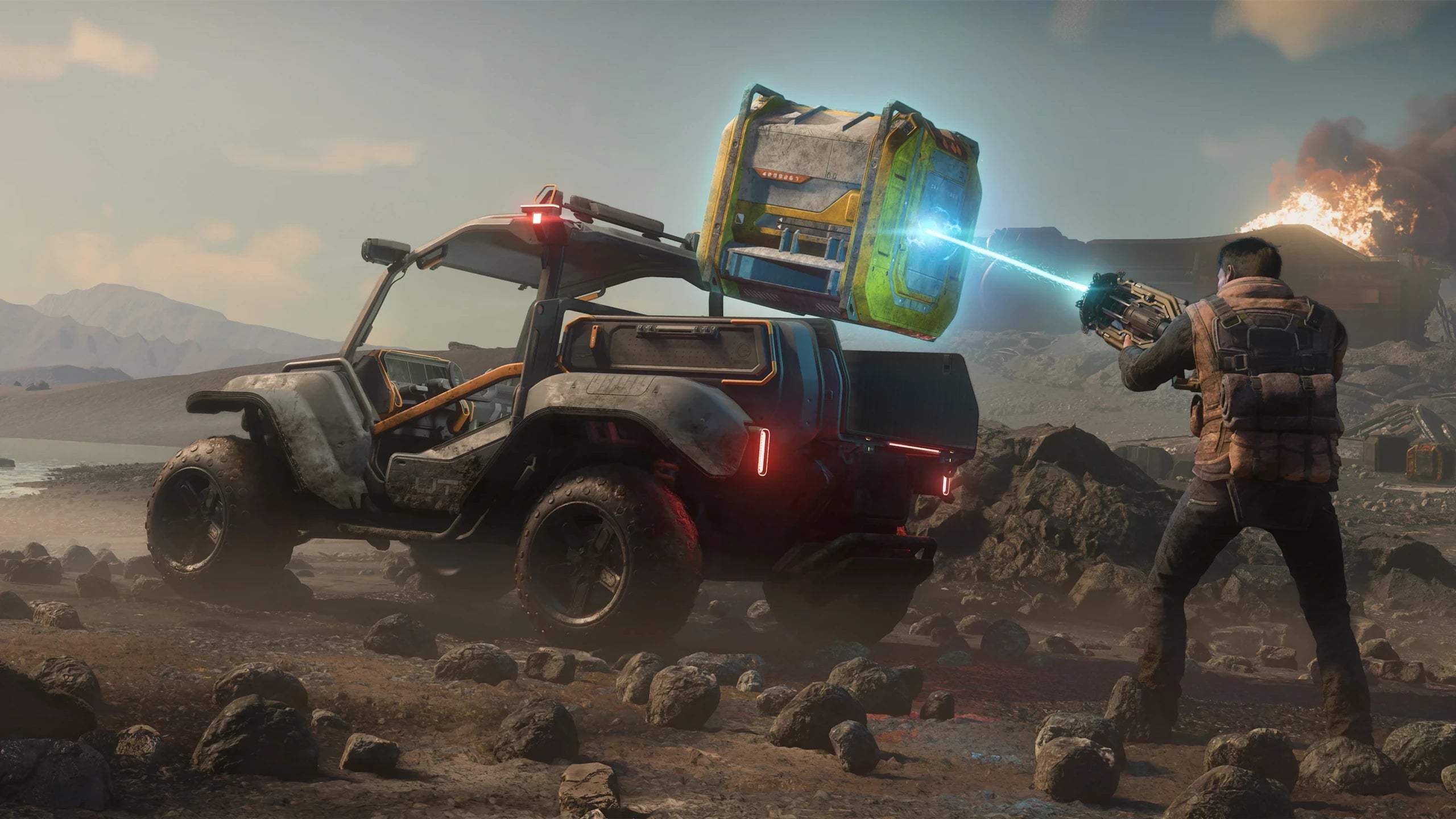
The UTV turns the 1-SCU rear grid and internal storage into practical support between a larger ship, station, landing area, or nearby worksite.
-
Meet the load where the UTV leaves it
The first UTV decision is whether the load, route, and receiving port suit a freight job.
-
Keep the first delivery from being buried
The UTV's load should remain balanced, restrained, and reachable in the order the customer expects it.
-
Carry the UTV's load without blocking access
On the UTV, good placement reduces another handling step and keeps exits, tools, and active work areas clear.
-
Clear with the UTV
The next contract begins with the UTV clear, inspected, and ready to receive another manifest.
The UTV, from loading to delivery
The UTV uses its 1-SCU rear grid and internal storage to keep cargo moving from loading and secure transport to delivery at the destination.
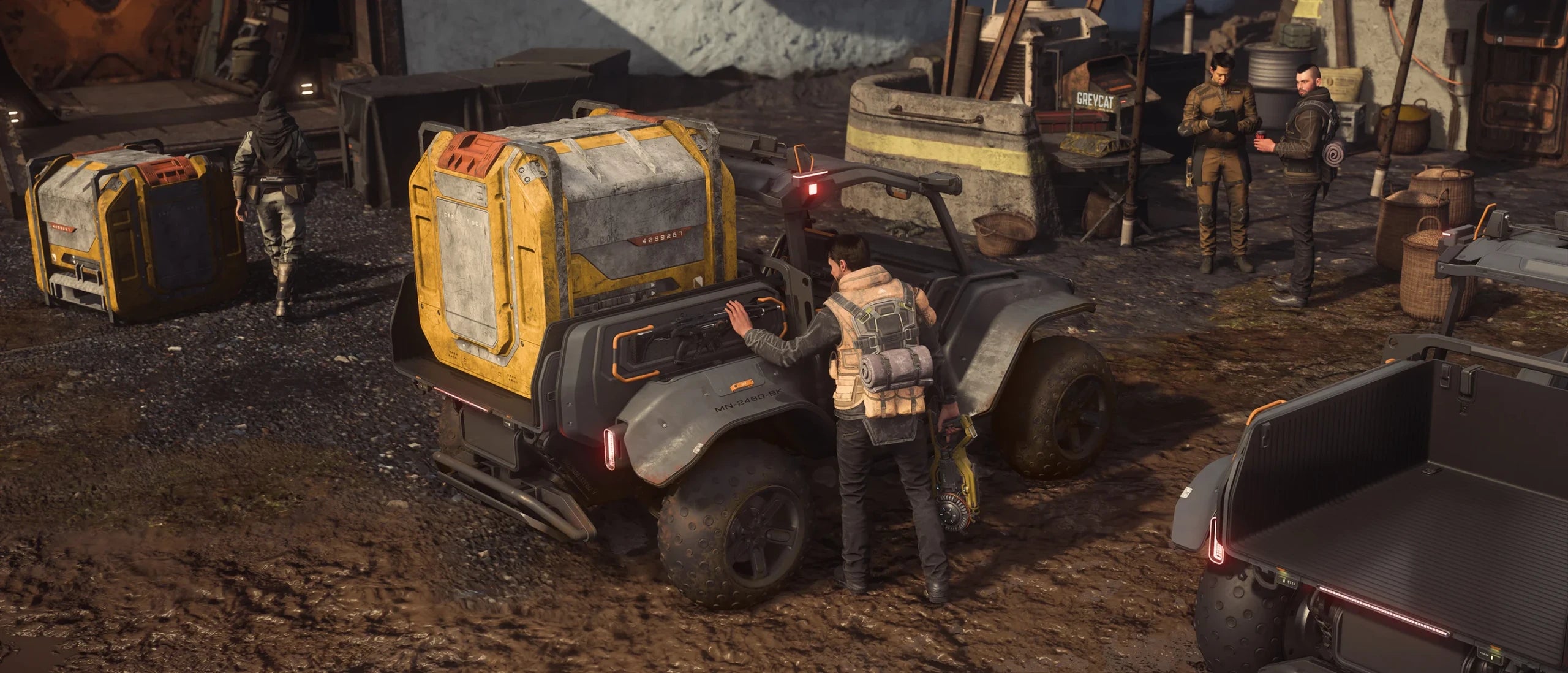
A separate 0.6-SCU internal compartment keeps tools and loose supplies protected inside the vehicle.
The crew checks container dimensions against the UTV's entrances and handling equipment before loading.
Secure freight aboard the UTV still leaves a usable route for crew movement and unloading equipment.
For the UTV, crew movement and service access remain important after the cargo is aboard and the route begins.
Planning a UTV cargo run from both ends
Aboard the UTV, container choice, loading access, transit, and unloading all belong to the same delivery plan.
Leave the UTV ready for a second delivery
Aboard the UTV, loading order, access, and unloading are planned around the 1-SCU rear grid and internal storage.
The UTV should accept cargo only after both ports can handle its size, weight, and loading route.
The UTV carries a cleaner load when security, balance, and delivery order are settled together.
The next cargo job starts after the UTV is cleared, its restraints are checked, and every loading route is open again.
Find your UTV
Explore in-stock UTV ships, upgrades, and game packages available from The Impound.