























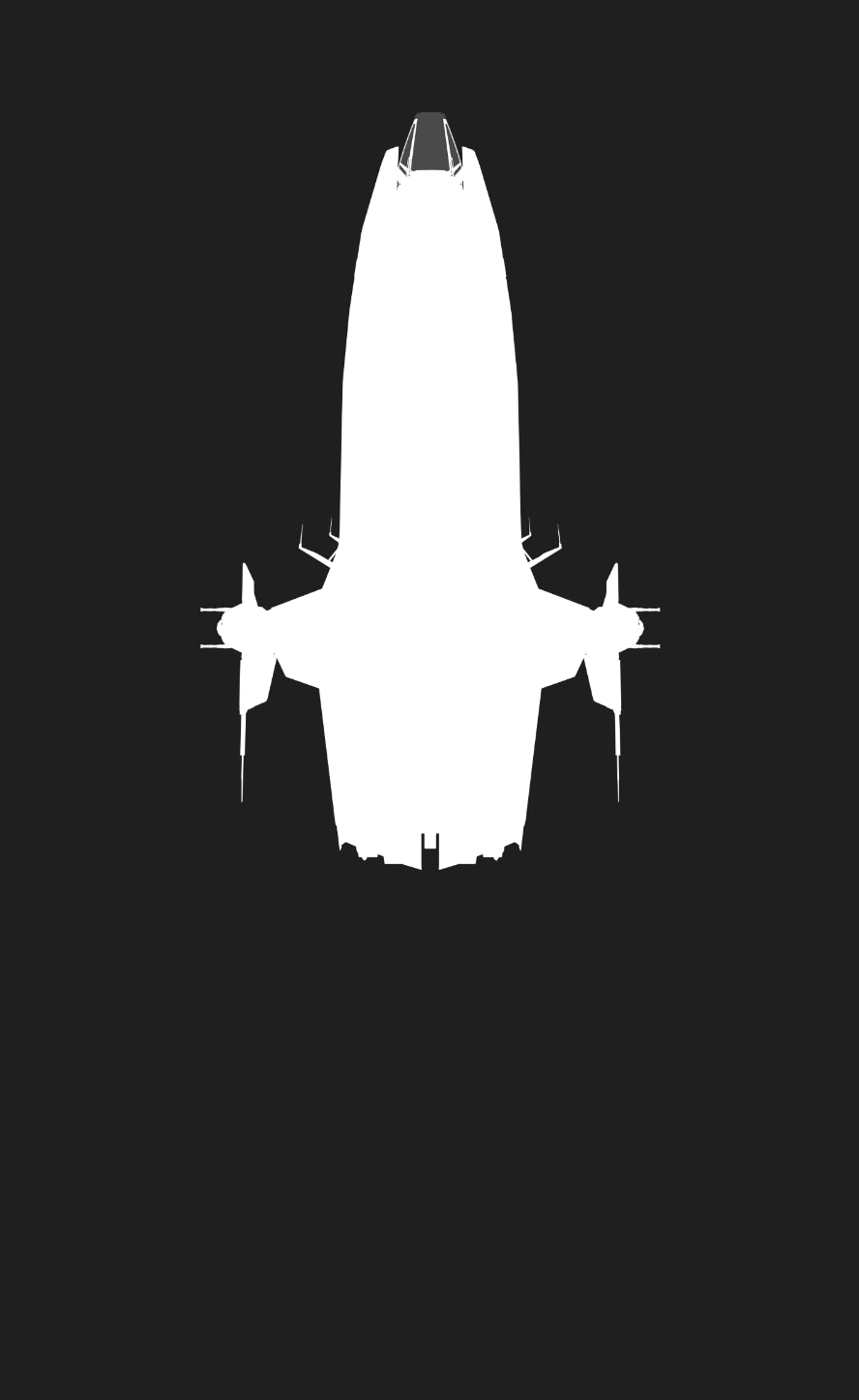




Is Star Citizen Worth Playing? What to Enjoy and What to Expect

Fly detailed spacecraft, work aboard with friends, salvage wrecks, explore cities and fight for valuable loot. Here is what makes Star Citizen worth trying, and what to expect from its unfinished alpha.
Yes—especially if you want a space game where you can fly the ship, walk through its interior, load its hold and bring friends along to work aboard it. You can already hunt bounties, mine asteroids, strip wrecks for salvage, move freight, raid hostile facilities, rescue injured players or take a small ship out to see what lies beyond the spaceport.
The attraction is how much of that happens in the same physical world. The cargo is in the bay behind you. The gunner is another person aboard your ship. A ground mission begins with getting there, choosing where to land and stepping out with the equipment you brought. Star Citizen remains an unfinished alpha, with bugs that deserve a serious place in any buying decision. There is also a compelling game to enjoy today.
A spaceship you can actually spend time aboard
A spacecraft in Star Citizen has a layout worth learning. Depending on the vessel, you can move between the cockpit, cargo bay, crew quarters, turret stations and component access points. Walk up a ramp with a friend, find somewhere for the equipment, then take your seat for departure. The interior continues to exist around you while the ship flies.
That changes what choosing a ship means. A compact starter keeps the controls and essentials close to one pilot. A larger transport can give you room for friends, freight and a compatible ground vehicle. An industrial ship brings machinery for a particular job. The shape of an entrance, the position of a lift and the route from the cockpit to the hold all become things you use, rather than details on a model.
There is plenty to enjoy in flying, too: learning a cockpit, making an approach in poor visibility, bringing a heavily loaded transport into a hangar or finding a landing spot outside a settlement. You can start with keyboard and mouse. Flight sticks and head tracking are options for enthusiasts, not a requirement to find out whether the game appeals.
From city streets to moons and frontier stations

Stanton gives you strikingly different places to visit. Area18 rises through ArcCorp’s cityscape, while New Babbage sits on frozen microTech. Orison’s platforms occupy the clouds of Crusader. These locations give ordinary journeys character: collecting equipment in one city does not look or feel like arriving at a remote industrial outpost.
Pyro adds a harsher setting of gang-controlled stations and dangerous encounters, while Nyx takes you towards frontier settlements and Levski. The currently playable universe is smaller than Star Citizen’s long-term star map, but its appeal is in the detail of the places you can reach. A cockpit view, a station concourse and a landscape explored on foot give you different ways to appreciate the same setting.
You can make sightseeing the purpose of a trip: visit a different landing zone, look for a suitable place to put down, explore a cave or take photographs with friends and their ships. That freedom is enjoyable now, even though specialised exploration careers and some exploration-ship functions are still developing.
Give your friends something useful to do aboard
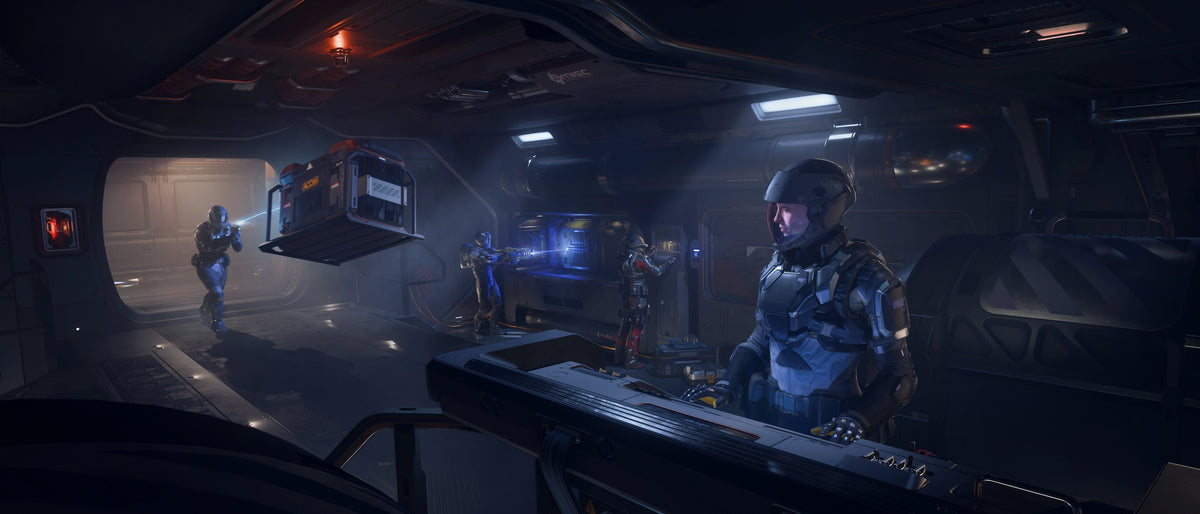
Multicrew play is one of the strongest reasons to try Star Citizen. A pilot can concentrate on the approach while a gunner watches for targets. Someone in the hold can handle freight. On an engineering-equipped vessel, a crewmate can monitor the ship’s systems and respond to trouble while the pilot keeps flying.
Engineering adds decisions beyond aiming the guns. Power allocation affects what the ship can deliver; damaged components, blown fuses and fires can call for hands-on work inside. CIG’s implementation varies between vehicles, so a large crew should choose a ship with the functions it actually wants to use. Our engineering guide explains the practical jobs.
The same crew can then land and continue on foot. Nobody has to remain permanently assigned to “the pilot” or “the fighter”: you can change roles between trips and learn what you enjoy. You also do not have to own the ship to contribute. Joining someone else’s crew is a useful way to experience larger vessels before deciding whether you want one yourself.
Mining, salvage and cargo offer more than target practice
If you enjoy working machinery and building up a business in a game, Star Citizen has several distinct industrial routes. They involve different machinery, materials and destinations, and you can switch between them instead of committing your character to a permanent class.
Mining: judge the rock, then control the break
Mining involves finding a worthwhile deposit, reading its properties and controlling the energy used to fracture it. Push too hard and a rock can overcharge; get the break right and you can extract the useful material. That gives the process a skill to learn rather than making every deposit a simple collect button.
You can try small-scale mining with a handheld tool, work deposits from a ground vehicle or move into a dedicated ship. Refining and transporting the resulting cargo add further choices. A group can divide extraction and hauling, while a solo miner can build a routine around a smaller machine and manageable loads.
Salvage: turn a wreck into a cargo hold of recovered material
Salvage appeals to a different kind of scavenger. You can recover useful cargo and components, scrape a hull for recycled material and process suitable wreckage with the appropriate salvage machinery. The job takes you close to the object you are dismantling, then back into the business of handling and moving the recovered goods.
For someone choosing a first industrial role, the difference is tangible: mining asks you to assess and fracture natural deposits; salvage asks you to make use of abandoned machinery. Our Vulture and Prospector comparison helps explain the equipment and working style behind each choice.
Cargo: fly the route and work the hold
Hauling gives transport ships a purpose beyond their advertised capacity. Containers have physical dimensions. Ramps, tractor tools and cargo grids matter when you load, and the order of several deliveries can affect how you arrange the hold. A good cargo ship is enjoyable because you learn how to work it efficiently.
You can take contracts to move somebody else’s freight or buy commodities to trade yourself. The latter puts your own funds into the load; the former lets you concentrate on transport work. Our hauling guide covers contracts and reputation, including the progression from smaller jobs towards more demanding routes.
Crafting gives gathered materials another destination
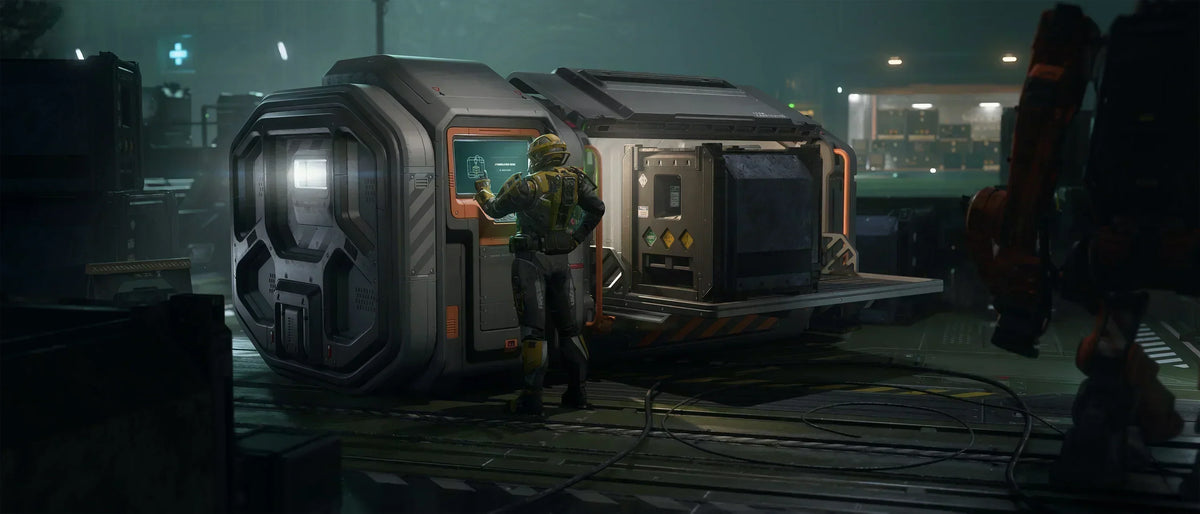
Crafting is already part of the playable game. The Item Fabricator uses blueprints and collected materials to make equipment, with material quality influencing the result. Finding a blueprint can give your next gathering trip a specific purpose: you are looking for the inputs to something you want to make.
That is a worthwhile addition for players who enjoy collecting, improving equipment and choosing their own projects. It also gives combat rewards and industrial work a point of contact. The crafting guide explains the current system; larger-scale manufacturing remains separate from this item system.
Dogfights, ground contracts and places worth fighting over
Combat offers several reasons to learn a ship well. You can pursue NPC bounties, take on contracts involving hostile spacecraft or seek the less predictable challenge of another player. Weapon choice, positioning and keeping the ship operational all matter, while larger encounters give escorts and turret crews work of their own.
On foot, mercenary work takes you into facilities and other contested locations. Some jobs involve defending friendly security; others require clearing hostile occupants or retrieving material. That makes the briefing important: the people in front of you are not always all targets. The bunker-missions guide explains the differences.
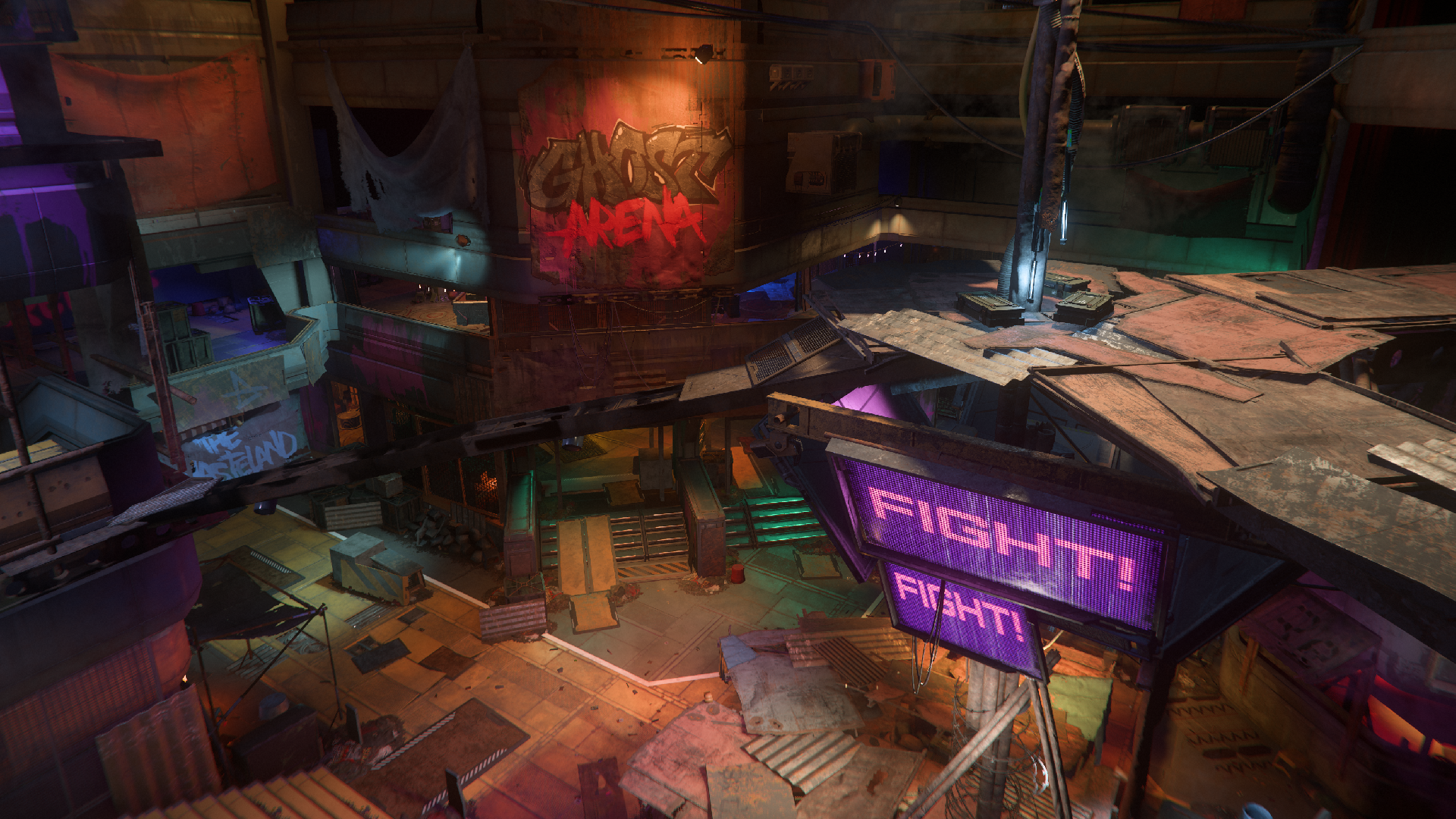
Pyro’s contested zones give that ground combat a larger objective. Access cards, fuses and valuable loot draw players through shared station interiors. Other crews can be pursuing the same prize, and collecting all seven different compboards leads towards an Executive Hangar reward. Getting the equipment out is part of the challenge.
For organised groups, larger contracts and scheduled events can bring several ships and ground teams together. Community creator CMDR Quattro’s October 2026 Discovery Month guide, for example, separates a smaller solo defence encounter from a more demanding crew contract. Choose an encounter to suit the people playing; you can enjoy combat without beginning with the biggest operation available.
Rescue someone, race a ship or make plans of your own
Medical work offers an appealing reason to head towards trouble without looking for a fight. A player who is incapacitated can need help from someone else; carrying medical equipment and knowing how to use it lets you assist a friend or answer a rescue request. Injury severity and the available treatment facilities determine what you can do on site and when transport is needed.
For a quicker test of flying skill, Arena Commander includes ship racing as well as free flight and combat modes. It is a useful place to practise without arranging a long journey through the Persistent Universe. Community racing adds another outlet for players who would rather refine a line through a course than fit more guns.
Friends can also supply the objective. Arrange a vehicle trip, visit each other’s ships, take a newcomer through their first landing or organise a convoy. Star Citizen’s combination of movable equipment, walkable vehicles and a shared environment gives those plans room to develop. A group outing can involve people with different interests without requiring everyone to fly an identical ship.
Can you enjoy Star Citizen solo?
Absolutely. A small ship, manageable contracts and an activity you enjoy are enough to give a solo session direction. Mining, salvage, hauling and NPC combat each offer work one player can approach at an appropriate scale. A quiet journey to another city is just as legitimate a use of your time as earning the next ship.
The Persistent Universe remains shared, so solo does not mean a private or offline mode. Crews expand your options when several jobs need doing together. If you want to meet people, the Guide System pairs newcomers with experienced volunteers, and our party and shared-missions guide helps a group get underway.
What makes it different from other space games?
Star Citizen’s particular strength is the combination of spacecraft detail, first-person activity and shared physical tasks. You can enjoy the flight model, then get out of the seat and do something that matters elsewhere aboard. Cargo handling, crew stations, engineering and a ground operation can all belong to the same trip.
Other games offer excellent reasons to play them. Elite Dangerous’s galaxy-scale travel serves a different appetite for discovery, for example. Star Citizen is especially attractive if you want to spend time inside the craft and places you visit, and if working with other people is part of the appeal. Our Star Citizen versus Elite Dangerous comparison explores those preferences in more detail.
The alpha limitations still matter
Star Citizen is not yet a dependable, finished release. CIG’s current known-issues list includes mission, interaction, inventory and renderer faults. A bug can interrupt an enjoyable session or cost you equipment and a contract reward. If reliable short sessions are essential, waiting is a reasonable choice.
Progression also remains provisional. The alpha currency is aUEC; updates can reset progress, and support cannot manually restore aUEC lost to a crash or bug. Play towards ships and equipment you want to use, while keeping enough spare funds to recover from a failed trip. A real-money ship purchase does not remove these risks.
The game asks a lot of a PC. An SSD is required, and CIG recommends 32 GB of system memory. Check the requirements before committing. Learning the controls and allowing time to prepare also helps: someone expecting an immediate match from every login may find the Persistent Universe slow to get started.
Start with one ship and an activity you want to try
For players drawn to its ships, places and cooperative possibilities, Star Citizen is worth trying now. Pick the part that interests you most, whether that is flying a small fighter, learning industrial equipment or joining a crew. You will get a better introduction from one understood activity than from trying to master every system on the first evening.
Free-fly events periodically provide temporary access; check the event calendar for actual dates and terms. Outside those events, you need Star Citizen game access. If your account already includes it, you can start with what you own. Many ships are available through in-game purchases, and rentals let you investigate another role.
If you need access, compare The Impound’s game packages by their exact contents and included ship. Standalone ships and unused upgrades do not provide the game licence. Squadron 42 is a separate, story-led game; check for its inclusion separately. Once ready, the first-session guide takes you from retrieving a ship to your first contract.

Choose a first ship and get out into the ’verse
Find a package with Star Citizen access and a ship you want to learn. Check the exact contents, then build your experience through contracts, exploration and time with a crew.
Compare Star Citizen game packages