






















MISC Starlancer TAC: Crew, Interior and Life Aboard

Explore the Starlancer TAC’s crew stations, shared quarters, medical bay, Fury hangar and vehicle space, with clear advice on who the ship suits.

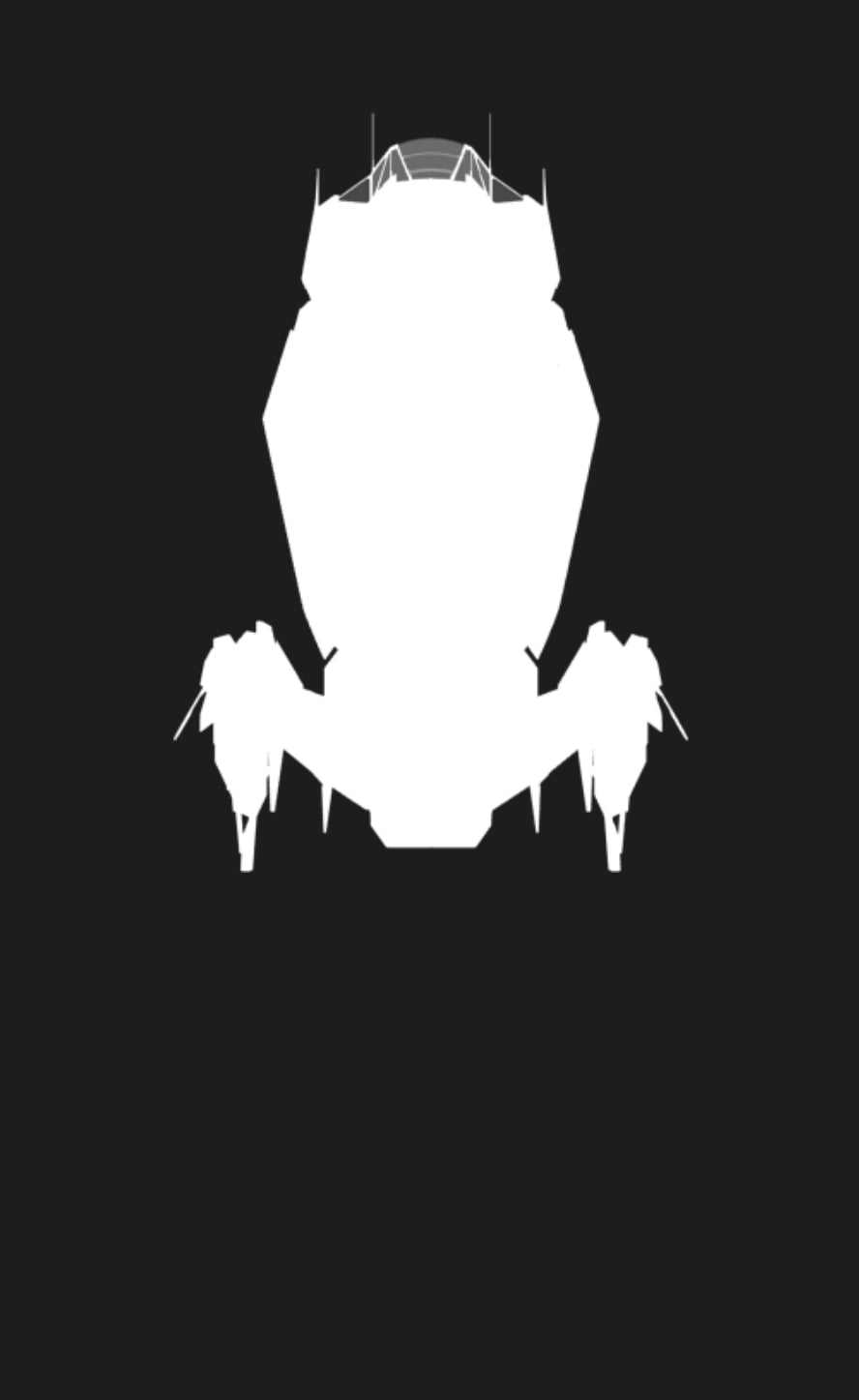
The Starlancer TAC gives up the MAX’s central freight compartment for people: gunners, an infantry squad and casualties returning to the medical bay. Above them, a small hangar is sized for a Mirai Fury. The rear hold remains available for freight and ground transport.
The tactical variant combines infantry transport with manned side turrets and onboard treatment. Inside, shared quarters accommodate eight crew, while another eight seats carry the ground team.
Flight ready
The TAC’s place in the Starlancer family
The largest changes are inside the middle of the hull.
The Starlancer family was revealed in 2024 with freight, tactical and construction roles. The TAC became flyable in 2025. Its long body and broad rear ramp preserve the transport ancestry, while the central compartment is arranged around deploying and supporting people.
In the MAX, the middle of the ship accommodates a substantial cargo lift. The TAC replaces that space with combat and support facilities. Its cargo grid is confined to the aft hold; the medical bay and drop seats are permanent parts of this variant, rather than modules swapped into a MAX.
The layout separates the squad from the flight crew: infantry travel beside their rifle storage and leave through side ramps, while gunners occupy dedicated stations. The Fury launches through the top of the hull, leaving the rear ramp available for ground vehicles.
Living aboard with eight crew
Shared accommodation replaces the MAX’s more generous arrangement.
Bunks, lockers and washing facilities
The TAC has eight bunks in shared quarters, personal lockers and two bathrooms. The shared sleeping area gives each crew member less privacy than the MAX’s cabin arrangement.
The mess between deployments
The shared mess provides an eating area away from the bridge and weapon stations. It serves the same eight-person crew as the bunkroom.
The extra jump seats do not extend these living facilities. They allow a squad to travel with the crew, but a full complement of passengers cannot all have a bunk of their own.
Which weapons belong to which crew member?
The pilot, remote gunners and side gunners operate different parts of the battery.

Pilot guns and dedicated turrets
The forward armament uses two cheek mounts with two Size 4 weapons on each: four pilot-controlled guns in total. The two dorsal remote turrets also carry paired Size 4 guns, but belong to separate gunner stations.
The TAC adds a manned turret on each side of the hull, each carrying two Size 5 weapons. These are not additional pilot guns. A solo owner cannot treat the ship’s combined weapon count as a battery available from the cockpit.
Coverage around a broad hull
The dorsal turrets cover the upper approaches. The side mounts extend coverage beneath and beside the ship, but their opposite positions prevent them from sharing every target. A ship on one flank is not automatically within reach of the other side gunner.
CIG’s design Q&A also assigns the rear remote missile turrets to the co-pilot and distinguishes them from the pilot’s quad launchers.
Crew size in practice
One person can fly the TAC and use its pilot-controlled weapons. The dedicated gunner stations require additional crew, and launching the Fury takes a pilot away from the carrier. A smaller group therefore has to choose which positions to fill.
The listed eight-person complement is not a minimum requirement for flight. It describes the crew the ship is designed to accommodate.
Drop seats and a medical bay
The central section carries the ground team and provides treatment when it returns.

A separate place for the ground team
Eight jump seats give the infantry squad designated places to travel. Rifle storage accompanies the seats, and the deployment area opens through side ramps. Door-mounted guns provide positions for players covering the exit.
Two Tier 3 treatment beds
The medical bay has two Tier 3 beds, allowing two casualties to receive treatment aboard the ship that brought their squad to the surface.
More serious injuries can require a higher-tier facility. The TAC’s medical bay supports recovery from a ground operation, but cannot treat every injury.
Treatment and regeneration
A medical bed’s treatment tier determines which injuries it can heal. Regeneration is a separate function: the ability to respawn at a bed does not increase its treatment capability.
A Fury above, freight and vehicles aft
The hangar and rear hold serve different kinds of transport.

The 96 SCU rear hold
The TAC retains a 96 SCU cargo grid in its aft compartment. It can bring equipment and supplies alongside its combat role, although it gives up the MAX’s central freight capacity.
CIG designed the rear arrangement with space for an Ursa between the loaded cargo grids. Other vehicles need their own clearance checks; the Ursa arrangement does not establish compatibility with every vehicle that can enter the ramp.
A hangar designed around the Fury
The dorsal hangar was built specifically around the Mirai Fury, allowing the TAC to transport and deploy the small fighter.
CIG describes a ship-specific fit rather than a standard hangar size. Compatibility with other snub ships cannot be assumed from the Fury’s fit.
Is the Fury included?
The standard Starlancer TAC pledge does not include a Fury. The fighter must be owned separately or explicitly included in the bundle being purchased.
Who should choose the Starlancer TAC?
The TAC favours combined ship and ground operations over freight capacity.
A group mixing space and surface work
The strongest case for the TAC is a regular group that uses the turrets, takes a team to the surface and benefits from medical support. The cargo hold can bring ground transport while the upper hangar gives another player a fighter.
When the MAX or a smaller ship makes more sense
For freight work, the MAX assigns more of the ship to cargo. For one or two players, a smaller vessel may leave fewer stations unused and make access between cockpit, cargo and living space simpler.
For a group interested only in ship combat, the jump seats, medical bay and vehicle hold may see little use. Those facilities account for much of the TAC’s appeal over a dedicated combat ship.
Frequently asked questions
Crew, cargo, treatment and the contents of a ship pledge.
Is the Starlancer TAC flight ready?
Yes. The TAC is a released, flyable ship. Its first live release was in Alpha 4.1.1 in 2025.
Does the TAC need eight players?
No. A single player can fly it, but the dedicated turrets and other facilities need additional people to operate them alongside the pilot.
Are the eight jump seats included in the crew figure?
CIG lists eight crew and eight additional jump seats. The jump seats are for the transported squad; they are not extra bunks.
How many pilot-controlled guns does it have?
Four Size 4 guns, arranged as two paired cheek mounts. The Size 5 side guns belong to manned turrets.
Are all the gun turrets remote?
No. The dorsal gun turrets are remote-operated. The large side turrets are manned.
Does a Fury come with the TAC?
Not as standard. The ship has a Fury-sized hangar, but a separate craft or an explicitly described bundle is needed to supply the fighter.
Does it have medical beds?
Yes: two Tier 3 beds. Their treatment capability is more limited than higher-tier medical facilities.
Can it carry an Ursa and cargo together?
CIG’s design Q&A describes room for an Ursa between the loaded rear cargo grids. Vehicle fit depends on the actual loading arrangement and clearances.
Does it retain the MAX’s central cargo lift?
No. The TAC uses the middle section for combat and support facilities. Its designated cargo grid is in the rear hold.
Is the TAC a modular MAX?
No. These are separate Starlancer variants. Choosing the TAC means choosing its tactical interior rather than swapping a temporary role module into a MAX.
Does a standalone ship include game access?
Check the selected listing. A standalone ship is not automatically a game package.
What does CCU’ed mean on a TAC listing?
It means the pledge has already been upgraded to the TAC. An unused CCU is different: it requires the starting ship specified by that upgrade.
Compare Starlancer TAC ships and upgrades
Check the pledge type and included extras before choosing.
A complete TAC pledge
Our Starlancer TAC Standalone Ship listing is a complete CCU’ed pledge, with the upgrades already applied. Check the selected insurance option and the listing’s contents.
Upgrading an existing ship
An unused upgrade requires its named starting pledge. The upgrade application guide explains that process. Neither a TAC upgrade nor a standard TAC pledge should be assumed to include a Fury.