


























Star Citizen Fleet Planning: Ships for Solo Players, Friends and Organisations

Build a fleet for the people who join you: quiet solo evenings, a regular wingmate and the nights when the whole organisation turns up.
A hangar full of brilliant ships can still leave four friends arguing about what to fly. Two want their own cockpit, somebody has been waiting all week to work a turret, and the owner of the biggest ship would quite like everyone to come aboard. The answer is rarely another capital ship. It is a fleet that gives those people an evening they actually want to play.
That starts with accepting that your solo fleet and your organisation’s fleet serve different purposes. A ship you enjoy alone does not become redundant when the group acquires something larger. Equally, a specialised crew ship can be a fantastic choice even when you cannot use all of it on your own. The useful question is who will be flying it, and what everyone else will be doing.
The ship you can take out on a quiet evening
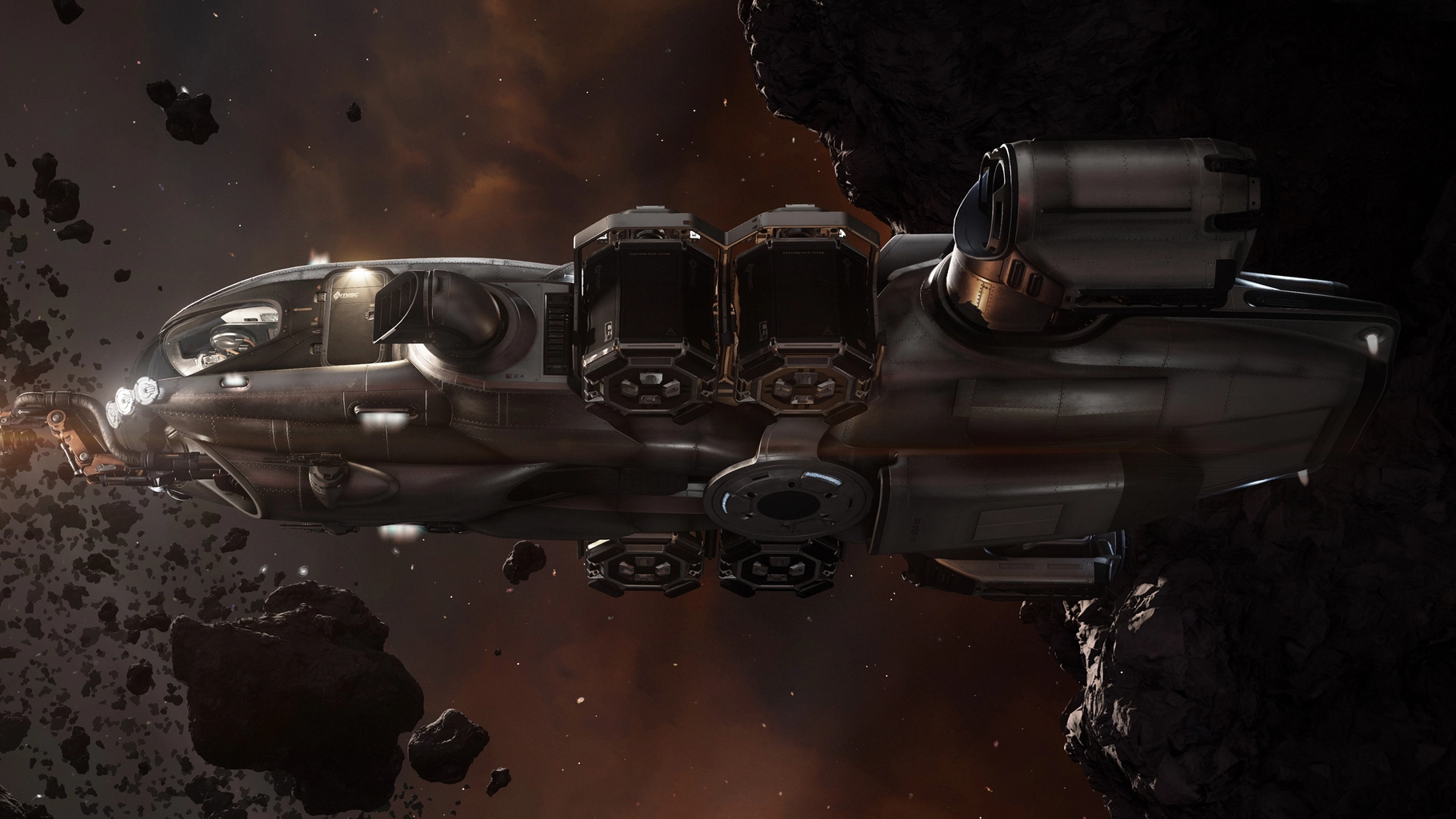
Keep a ship for the nights when nobody else is around. It might be a fighter, a small hauler, a miner or simply a runabout you love. What matters is that its main job remains available from the seat you occupy. A Prospector puts the flying and mining work in one player’s hands; a MOLE divides the flying and its three mining stations between separate positions. Both can belong in the same player’s hangar without one being a failed upgrade.
There is a difference between being able to move a ship and enjoying its intended job. Flying a multicrew hull alone does not put people into its turrets. Climbing out of a MOLE’s cockpit to mine also leaves that cockpit unattended. Those compromises can be perfectly acceptable when you know why you are making them. They are less appealing when the entire purchase was based on a larger number in a specification table.
A dependable solo ship also keeps your group flexible. If an operation is cancelled or you only have a short time to play, you still have something worth taking out. Resist the temptation to make every ship in the hangar dependent on the same handful of friends.
Two friends: share the fight or fly as a pair?
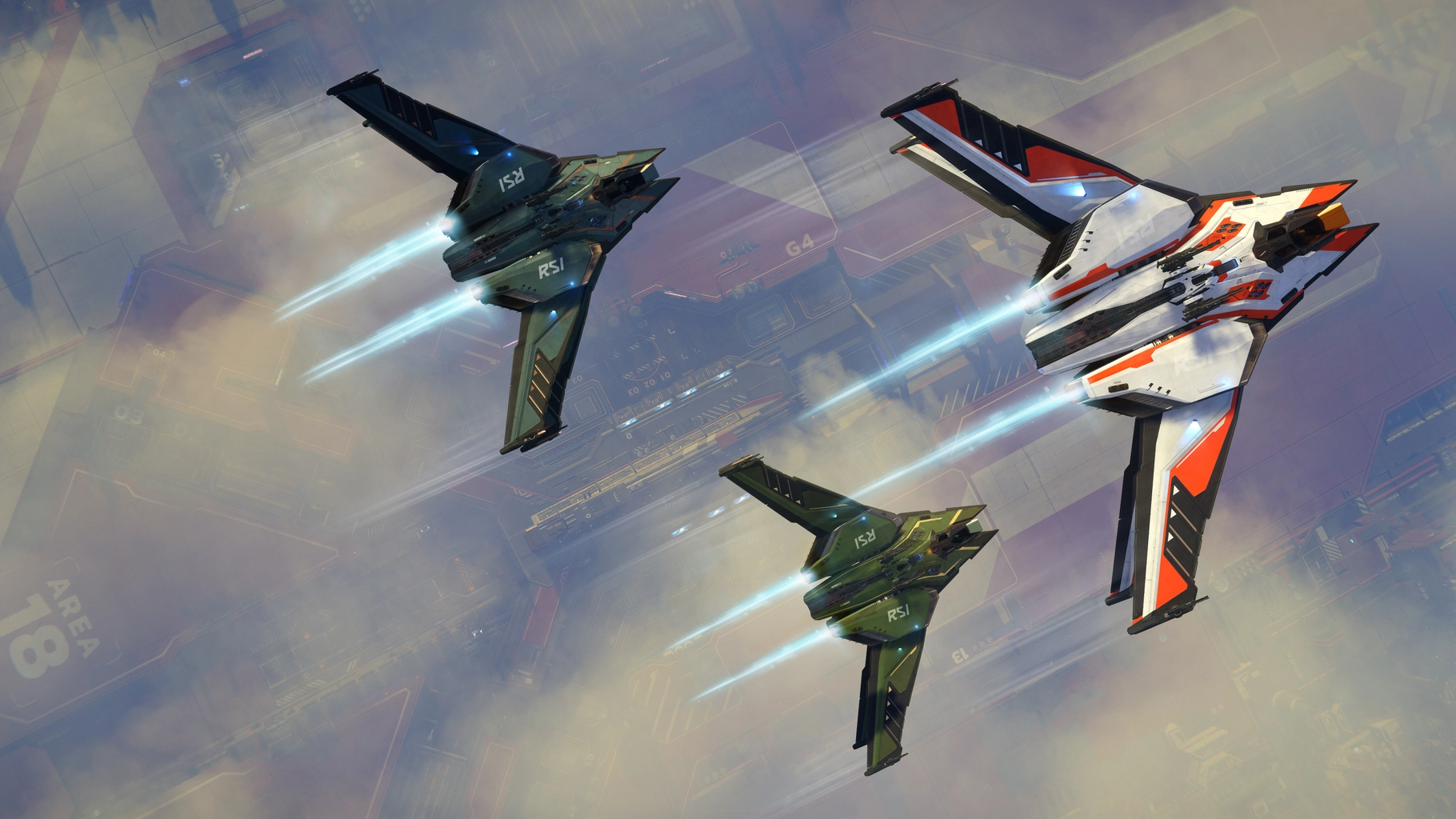
A two-seat fighter makes a lovely partnership when one player wants to fly and the other wants the gun. The standard Scorpius gives a gunner their own turret while the pilot manoeuvres and fires the forward weapons. The Hurricane offers another dedicated pilot-and-gunner arrangement. For the friend who loves tracking a target while somebody else handles the evasive flying, that second seat is the point of the ship.
If both players would rather be pilots, two fighters may be the happier answer. You gain two independently positioned ships, but you also have two craft to gather, maintain and bring home. Neither arrangement is automatically superior. A well-practised pair in one ship and two pilots who enjoy coordinating their own approaches are different kinds of fun.
That preference matters beyond combat. Two independent miners can split up and choose their own deposits. A shared mining ship keeps everyone working around the same hull. A cargo partnership might divide flying and handling the load, then swap jobs on the next trip. Choose the arrangement that makes your friend a participant, rather than a passenger waiting for something interesting to happen.
For the weapon layouts and practical differences between the two-seat fighters, see our Hurricane and Scorpius comparison.
Four regular players do not need four large ships
With a small, reliable group, a specialised multicrew ship becomes much easier to justify. The MOLE is a straightforward example: a pilot and three separately operated mining stations give four players distinct positions aboard one industrial ship. Its attraction is working the deposit together. Buying one for a group that dislikes mining will not change that.
There is also no rule that all four people must remain aboard the same ship for the entire evening. A mixed group might prefer two miners, a hauler for the transport work when needed, and a fourth player moving between those jobs. The fleet should accommodate that preference without requiring every hull to be deployed at once. A transport ship parked until it has a useful load is doing its job just fine.
One player cannot fill two simultaneous jobs. A pilot who also owns the escort fighter is still only one person. If they leave the freighter to fly the escort, somebody else must take the freighter. Count the people available during the operation, not the ships listed in their hangars.
The same applies to rescue and support. A medical ship is valuable when somebody wants to answer the call and can reach the casualty. It does not provide medical cover simply because an absent member owns one. For a small group, arranging where to regroup and who can bring another ship may be more useful than adding a specialist vessel to every outing.
An organisation fleet has to work on an ordinary night
A full-roster event is a poor measure of what your organisation can routinely crew. Members have different time zones, favourite activities and evenings free. Build the regular fleet around the people who usually turn up, then keep the larger operation as something you assemble deliberately.
For a cargo-focused group, that might mean choosing the transport first, assigning the people handling its load, and deciding whether the route warrants an escort. For a combat group, it may mean a crewed fighting ship with enough independent craft to scout, escort or recover people. These are planning examples, not fixed fleet recipes: adding an escort to every safe journey can leave a willing pilot bored, while asking a single busy hauler to cover everyone’s supplies can stall the whole group.
Support ships deserve the same scrutiny as the flagship. An SRV moves a ship; towing is not a repair service. A tanker needs someone who enjoys bringing fuel and arranging the rendezvous. A carrier also needs a plan for what happens to its smaller craft when the main ship cannot continue. Buy into the job as well as the silhouette.
The enjoyable part of a well-organised fleet is how those jobs connect. A pilot returns to a ship where the crew is ready for them; the next load arrives before everyone runs out of work; a latecomer has a useful place to join. You do not need a huge organisation to achieve that, but you do need people who want the roles you have assigned.
When overlapping ships make sense
Two ships with the same broad role are not necessarily wasteful. A compact hauler for a short solo trip and a larger freighter for a group session solve different problems. A fighter you fly alone can coexist with a turret fighter you take out with a friend. Even two similar ships can be worthwhile if their owners regularly play at different times.
The weaker addition is the ship that repeats an existing job without improving an evening you actually have. If three members already bring suitable transport, another transport may be less useful than equipment that opens a different activity. On the other hand, if everyone enjoys hauling independently, forcing them into one bigger ship in the name of efficiency misses the reason they logged in.
Future ships belong in a separate part of the conversation. A planned capability is something to look forward to, not a job your current fleet can already perform. Keep today’s activities covered by ships and mechanics you can use, and revisit the arrangement when the new vessel is available. There is no need to dismantle a working group around a promised feature.
Use the Ship Matrix to answer the remaining questions
Once you know the role and the people, the Ship Matrix is useful for comparing the candidates. Look at the ship’s role, crew arrangement and relevant equipment together. A headline crew number is a starting point; it does not explain which weapons the pilot controls or what your friends will do at the other stations.
Our career and ship guide helps narrow the field by activity. Use the dedicated ship pages for the details that could change your decision, and compare the exact variant. The standard Scorpius and Scorpius Antares, for example, are not interchangeable answers to the same two-player job.
You do not have to complete a fleet all at once. Start with the ships that make your regular sessions work, enjoy them, and add something when there is a job you genuinely want to do. A smaller hangar that gets used is far more satisfying than a grand fleet that only comes together in your imagination.
Bring your next crew together
Find ships for your next shared adventure at The Impound.
Explore ship offers