






Constellation Taurus vs Starlancer MAX: Freight, Firepower and Life Aboard

A Taurus brings its tractor beam and four large pilot guns. A Starlancer MAX makes room for more freight, a rover and a crew that wants to stay awhile.
A loaded freighter is a good place to discover what you value in a ship. Perhaps it is a tractor beam that saves another trip down the ramp. Perhaps it is room for a rover after the cargo is aboard, or a cabin where every member of the crew has a little space of their own. The Constellation Taurus and Starlancer MAX answer those needs differently, despite sitting close enough together to appear on the same shopping list.
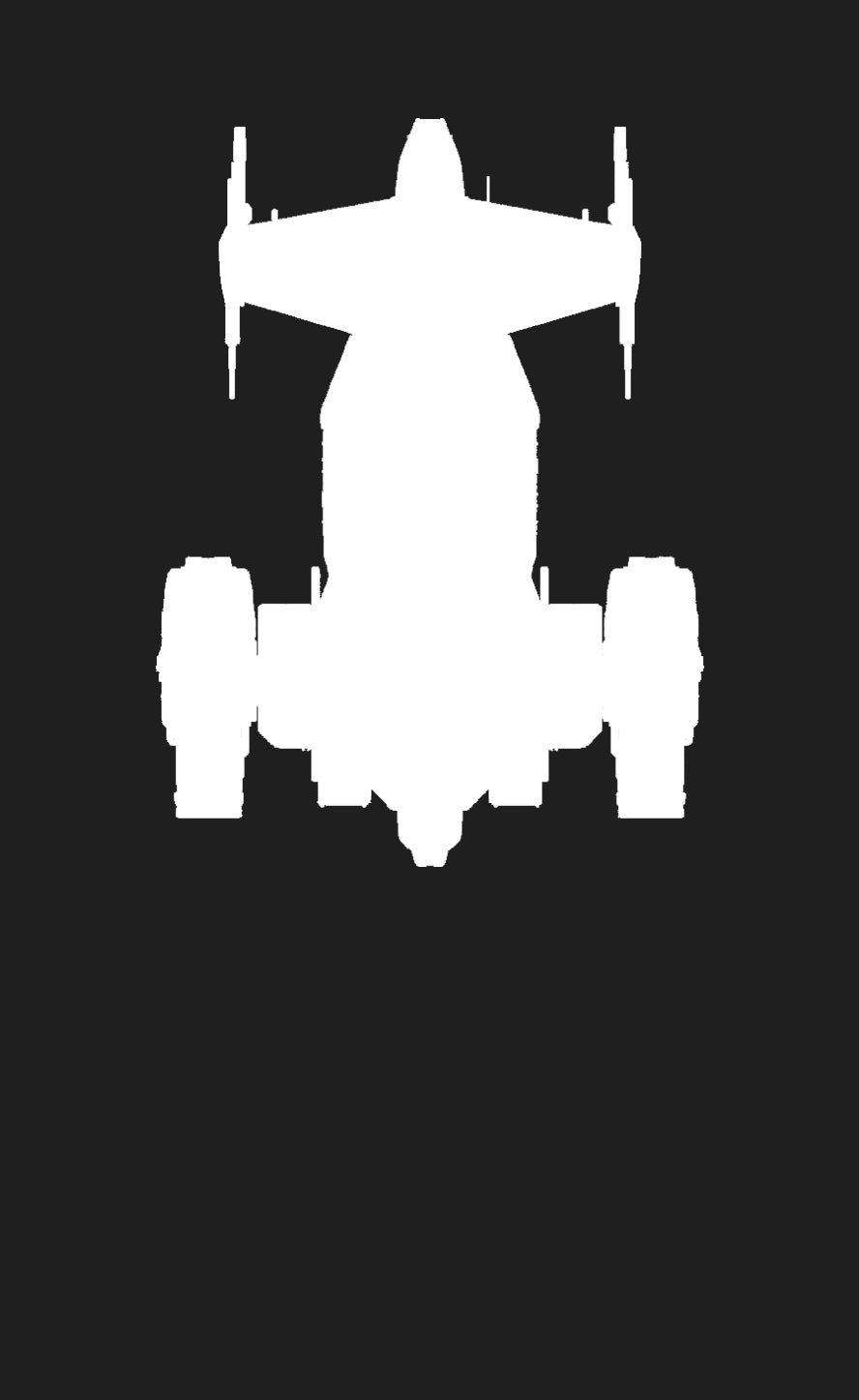
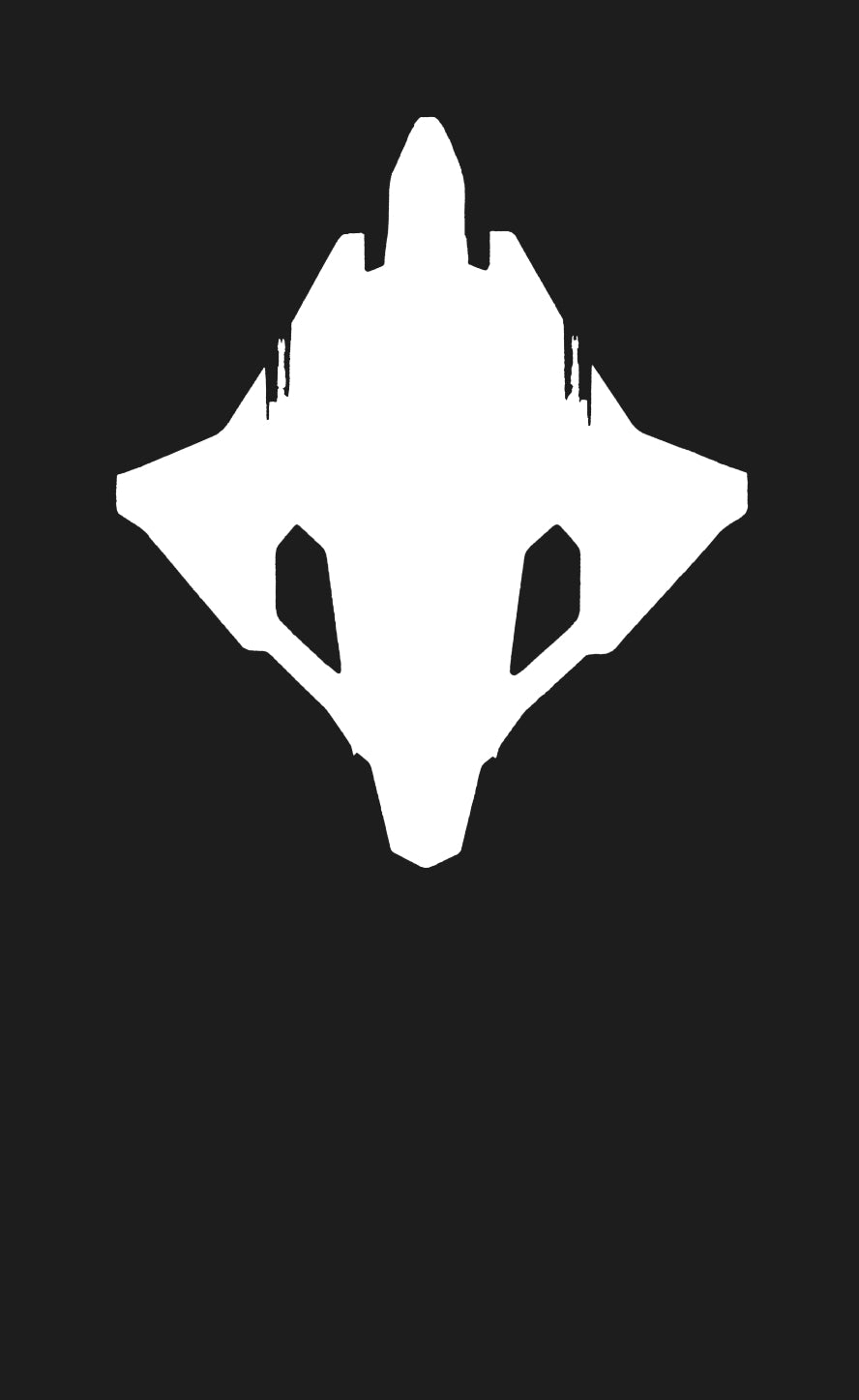
The Taurus puts a powerful pilot-controlled weapons package and a dedicated tractor position around the familiar Constellation cargo lift. The Starlancer carries more freight, keeps space for a ground vehicle and gives four crew members much more generous accommodation. For an owner choosing a regular working ship, those differences are more useful than declaring one the universal winner.
The MAX has room for the trip as well as the delivery
The Starlancer MAX’s 224-SCU capacity is split between a 128-SCU midships hold and 96 SCU at the rear. The layout also includes space for a vehicle such as an Ursa without surrendering that rated cargo capacity. A crew heading out with supplies can therefore take its ground transport along without turning the whole evening into a choice between freight and a rover.
Its crew accommodation is unusually generous for a working hauler. Each of four people gets a sleeping area and bathroom, alongside a shared common room, kitchen and forward armoury. Those spaces will not automatically make a contract more rewarding, but they give the Starlancer considerable appeal as a ship a group wants to spend time aboard. It looks and feels designed around a journey that continues after the first delivery.
/source.webp)
MISC also gave it VTOL thrusters and two remote defensive turrets, each mounting a pair of Size 4 weapons. A crew can cover more work than a lone pilot, and the ship’s recommended complement of four makes sense when defence and cargo handling are part of the same outing. Flying it alone is a different proposition from operating all those stations at once.
The Taurus brings its own loading tool
The Taurus has a dedicated Size 2 tractor-beam position. That is an advantage worth taking seriously before dismissing it for carrying less freight. A ship-mounted loader is already there when you reach the next stop, rather than being another vehicle or tool you need to bring, retrieve or borrow.
The Starlancer MAX has no integrated tractor beam. Its holds still need loading equipment and people to use it. That might mean handheld tools, an ATLS or equipment supplied at the destination, depending on the job. Its accessible cargo layout helps, but it does not remove the work of moving the containers.
/source.webp)
The Taurus’s main cargo area accommodates 168 SCU, while its technical listing gives 174 SCU total including the smaller separate compartment. These are not two competing sizes for the same main lift. When comparing a straightforward freight load with the Starlancer, remember where the containers have to go rather than assuming the extra space forms one continuous hold.
Carrying a ground vehicle in the Taurus uses space that could otherwise carry freight. The MAX’s dedicated vehicle provision is therefore especially attractive to a group regularly mixing cargo work with surface travel. If the rover usually stays at home, the Taurus’s own tractor and smaller overall footprint may be more useful every day.
Four large guns make the Taurus a serious proposition
The Taurus puts four Size 5 weapons under pilot control. The Starlancer’s pilot has four Size 4 guns, backed by its two twin-Size-4 remote turrets when crewed. That gives the RSI ship a clear attraction for an owner who wants substantial forward firepower available from the pilot’s seat.
It does not settle every fight. Weapon size alone cannot tell you whether a ship will keep a target in front of it, how an opponent will approach or how many of the defensive stations are occupied. The Starlancer brings meaningful crew firepower of its own. Comparing a solo Taurus with a fully crewed MAX as though both were firing everything from one seat would miss the point of the ships.
Both are freighters carrying a valuable load. A plan that lets the crew leave a dangerous situation is often more useful than assuming the guns will save every delivery. The Taurus’s armament gives the pilot options; it does not turn a full cargo hold into a reason to seek out trouble.
| Working specification | Constellation Taurus | Starlancer MAX |
|---|---|---|
| Listed cargo total | 174 SCU, with 168 SCU in the main area | 224 SCU across two holds |
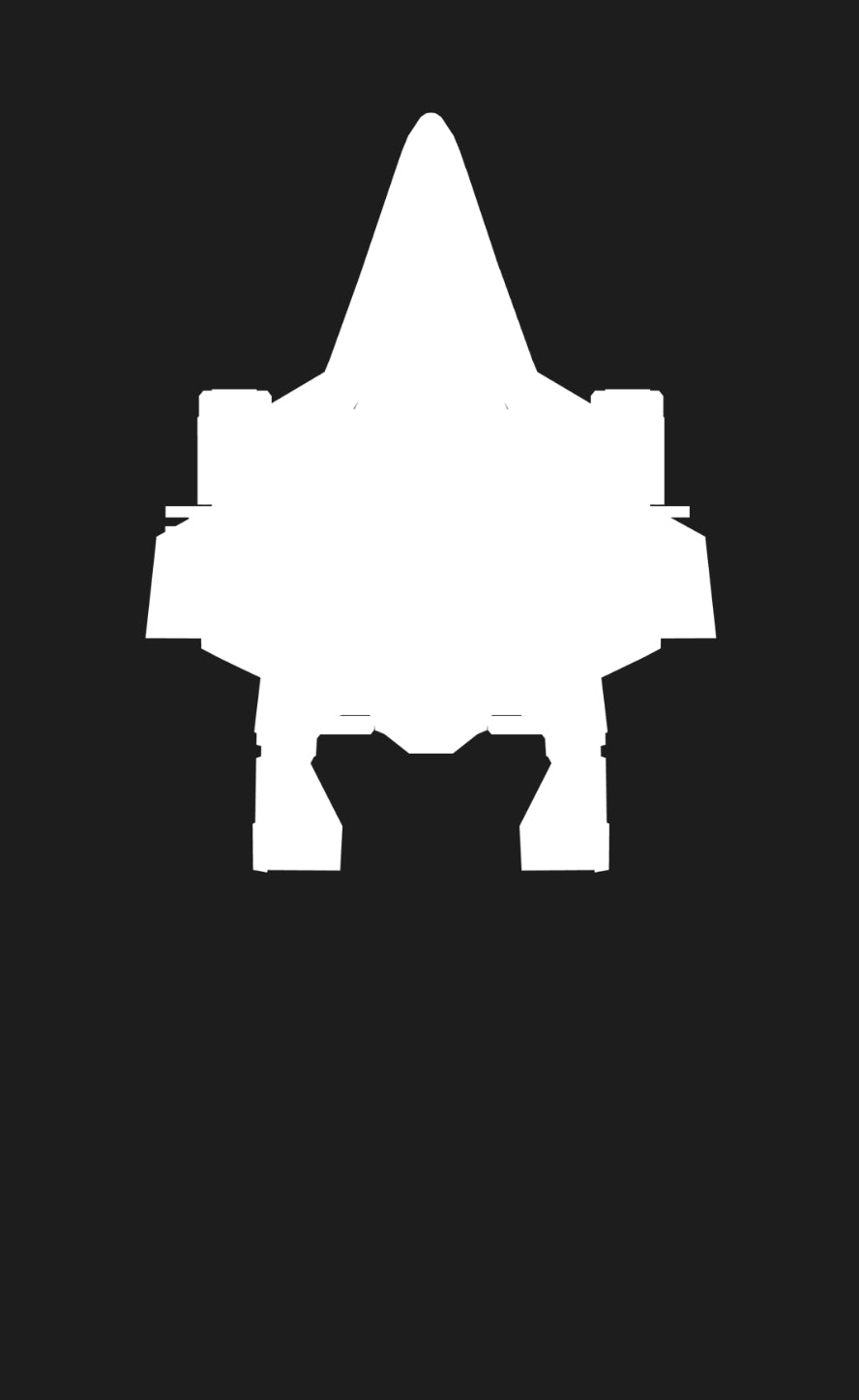
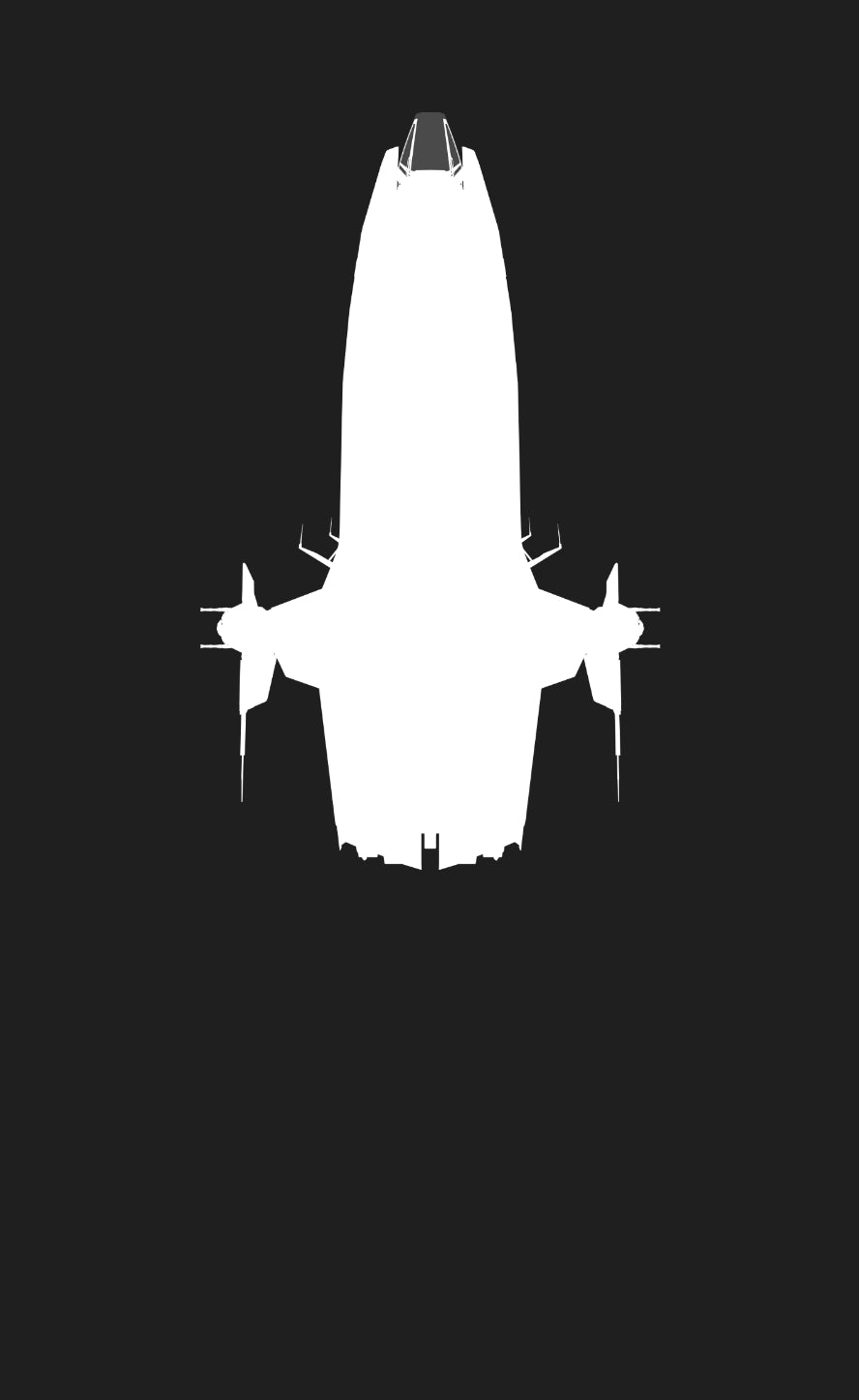
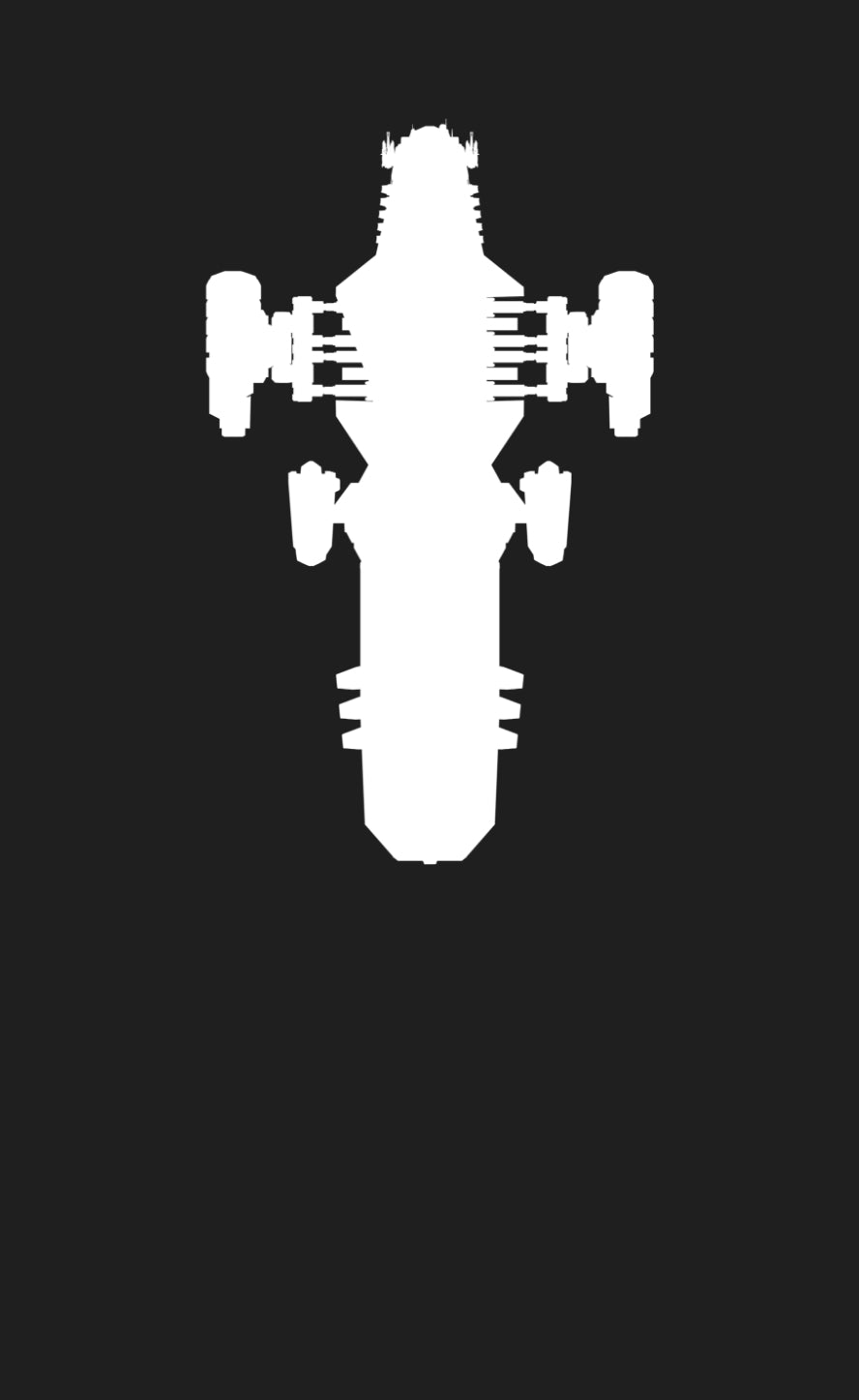
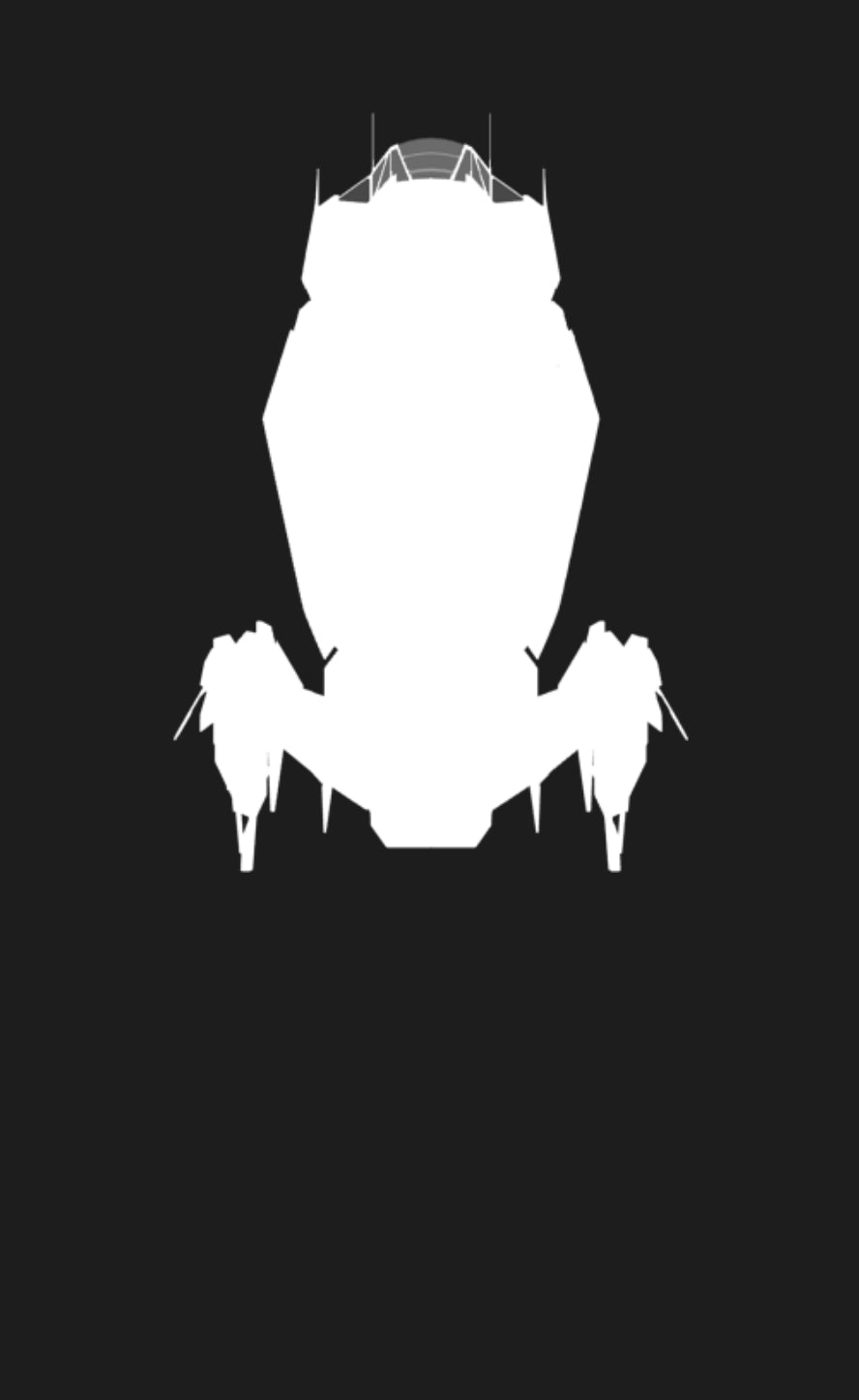
| Length × width × height | 69 × 28.6 × 16.3 m | 83 × 52 × 16 m |
| Listed crew | 4 | 4 |
| Pilot guns | 4 × Size 5 | 4 × Size 4 |
| Integrated tractor | Yes, Size 2 | No |
| Vehicle alongside full rated cargo | Vehicle occupies cargo space | Dedicated space for an Ursa-sized vehicle |
A regular crew, or a pilot with company some nights?
We would put the Taurus high on the list for an owner who often flies alone and brings a friend when available. Its pilot weapons and dedicated loading equipment are compelling, and the narrower hull is less of a step up in physical scale. It remains a useful freighter even when the trip does not need a rover or extensive crew accommodation.
The Starlancer MAX makes more sense when several people regularly share the ship and want to bring equipment for activities beyond delivery work. Its cargo separation, vehicle space and cabins support that kind of outing. The missing tractor beam needs a loading plan, but it is a manageable trade for a group that already brings the tools and enjoys working together.
Existing Taurus owners also have a separate development story to follow: the Mk IV Gold Standard work and the newer Constellation teaser. Neither gives us a basis to substitute unannounced Mk V specifications into this comparison. This is a choice between the established Taurus and MAX configurations, with their current strengths and compromises.