























Gatac Manufacture: The Xi’an History Behind the Syulen and Railen

An imperial charter, a new trading relationship and ships that make room for two very different species.
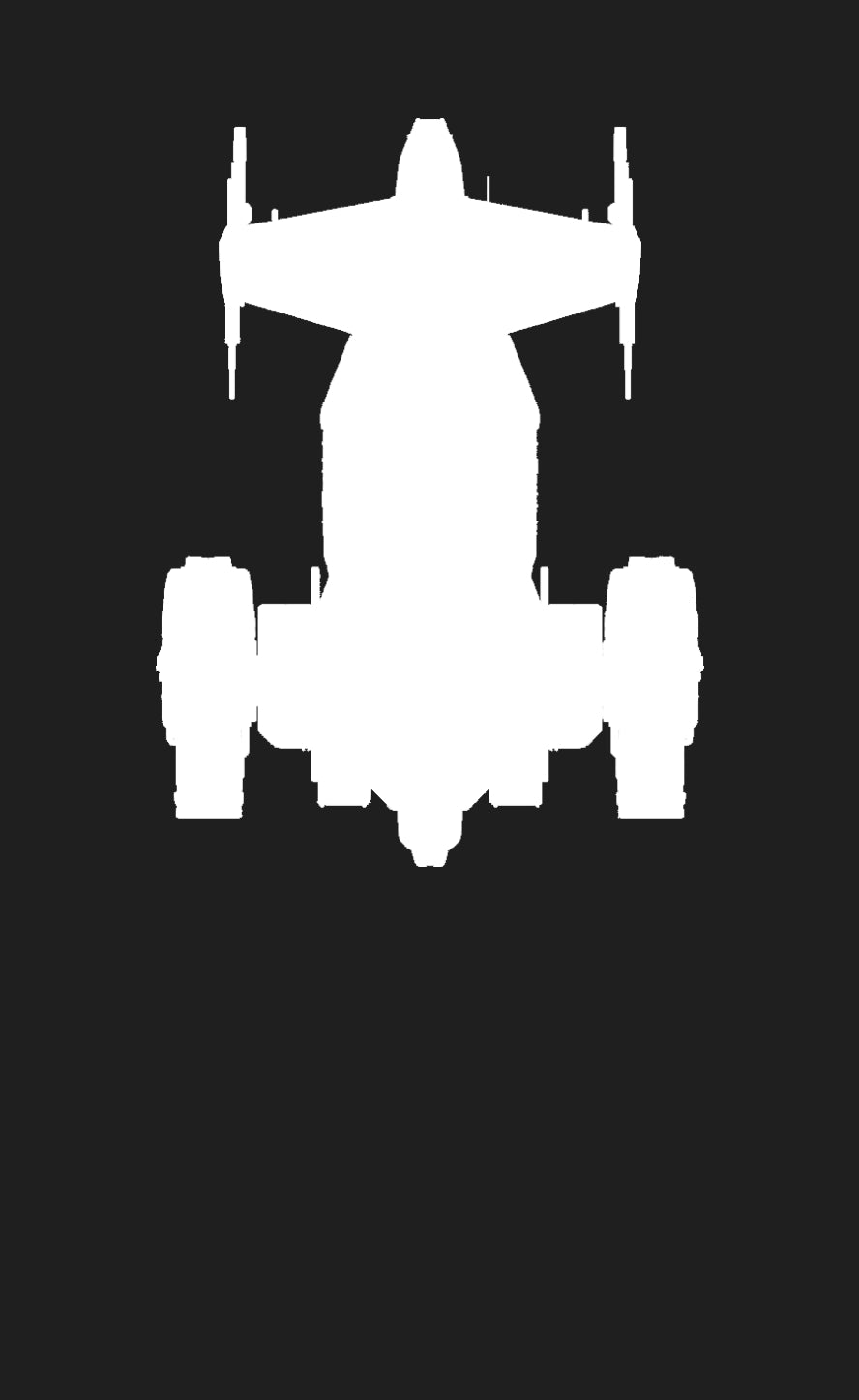
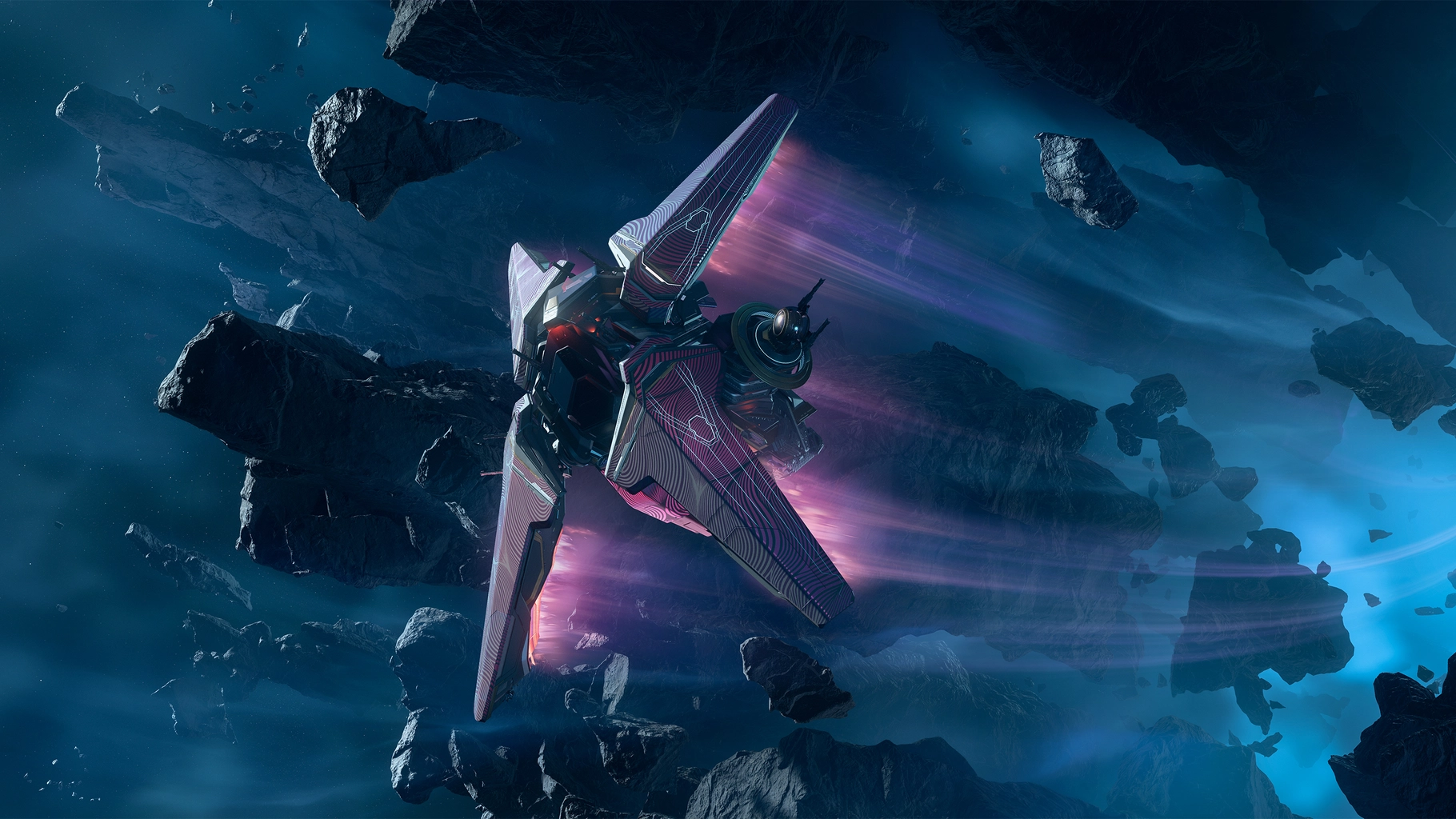
A Syulen standing on its tail is a lovely reminder that Human shipbuilders do not have the final say on what a spacecraft should look like. The three wings fold around a tall body, the cockpit rises above the ground, and a routine arrival at a landing pad suddenly feels unfamiliar. Gatac makes even a small cargo run look as though it belongs to another civilisation.
That is the appeal of Gatac Manufacture in Star Citizen. These are Xi’an ships built to welcome Human pilots without quietly becoming Human ships in the process. Their history helps explain why.
The House behind the hulls
Gatac is the familiar name for House Ng.at’ak, one of the major Houses of the Xi’an Empire. Its industrial roots reach back to the Great Divide, when it served House Ru’a by building and maintaining the vehicles and spacecraft on which Ru’a’s logistics depended.
The relationship survived a catastrophe. Three Ng.at’ak elders died with Ru’a’s leadership when House Kl.ō accidentally poisoned the atmosphere of the Xi’an homeworld. After Ru’a became the first Imperial House, Emperor Ya.l’ē se Ru’a rewarded that service with exclusive rights to manufacture industrial spacecraft for the empire in perpetuity.
It is an extraordinary origin for a name now appearing on Human landing pads: a family’s place in imperial history, carried forward through the machinery that keeps a civilisation supplied. The House still owns Gatac Manufacture and retains close family ties with the current Imperial House.
A long-established builder meets a new market
Based on Tethle’a in the Hyoton system, Gatac built its reputation around dependable cargo craft and advanced industrial engineering. Human customers arrived much later in that story.
The Human–Xi’an Trade Initiative, or HuXa, opened the way in 2947. Kelos Costigan’s agreement relaxed import and export restrictions between the two empires and encouraged Xi’an Houses to work with UEE businesses. It narrowly passed the Senate after weeks of argument. Trade across the border was becoming easier, but the politics were far from effortless.
Gatac responded by investing in spacecraft that could accommodate both species. The Railen followed in 2951 as its first Xi’an–Human ship.
Gatac is a Xi’an manufacturer. Its Human-compatible ships are products of that living industrial culture. That gives them a different background from Human-built reproductions of alien spacecraft.
Living aboard someone else’s idea of a ship
The Syulen makes that shared accommodation wonderfully tangible. Alongside familiar provisions such as a bed, shower and storage, there is a back-scratcher for its Xi’an occupants. The vessel does not pretend that every pilot brings the same body or habits aboard.
Its six SCU of cargo sit on three external racks, each taking two one-SCU boxes. Loading calls for a handheld tractor beam rather than an onboard tractor hardpoint. It is a small hauler with an unusual layout, not a conventional cargo box given a different paint job. Our Syulen guide covers the individual ship in more detail.

The larger Railen and Tyilui carry the cultural differences into their communal spaces. Xi’an fermentation pods occupy the food-preparation area, while cave-like shared accommodation sits alongside individual bed pods for Human comfort. Xi’an writing remains prominent; Human translations are reserved largely for critical information and systems.
That restraint is welcome. An alien interior loses much of its charm if every unfamiliar surface immediately gives way to something from a Human apartment. Here, the accommodation comes through practical concessions, with enough left intact to make you curious about the people who designed it.
From the Syulen to the Railen and Tyilui
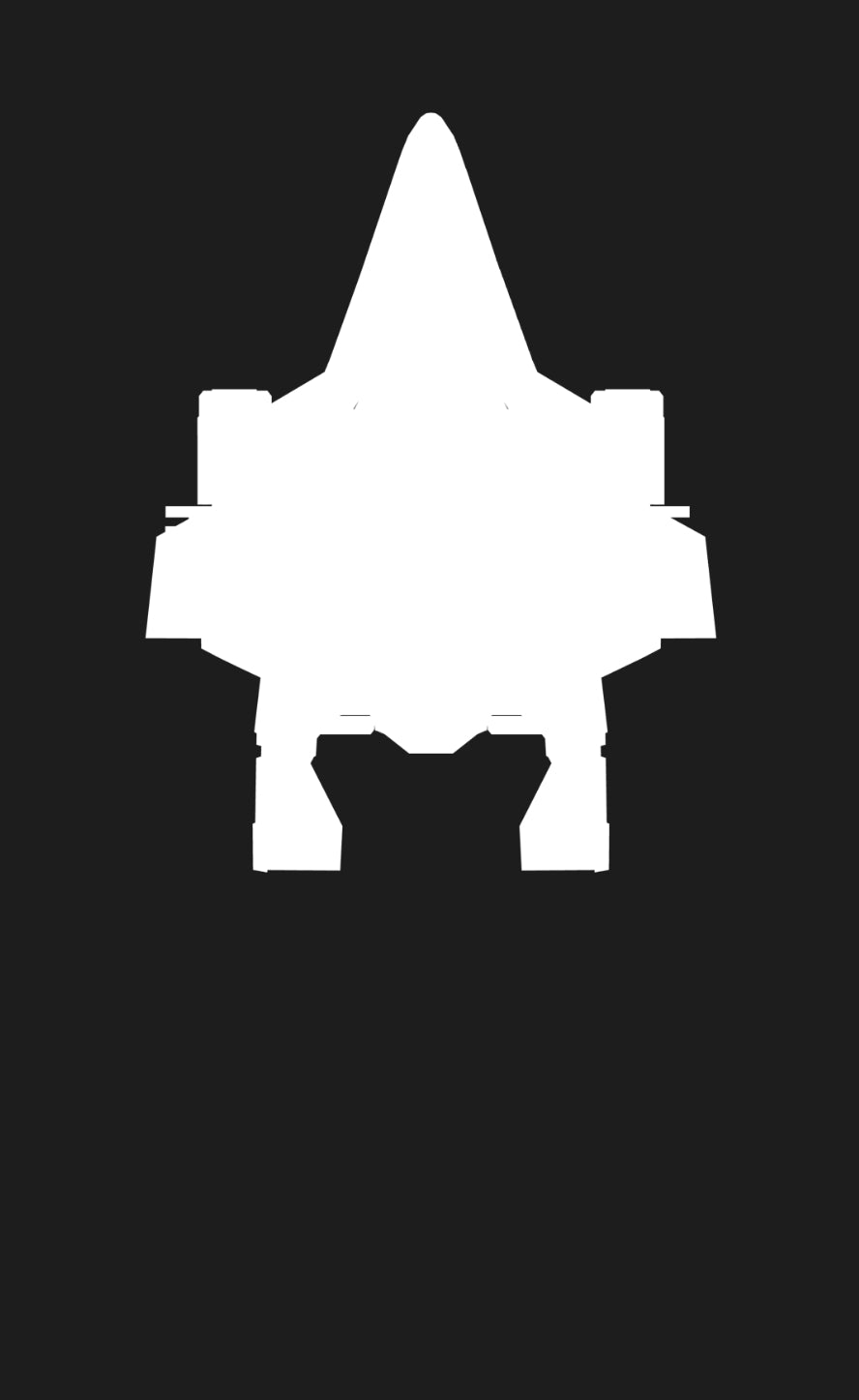
The range now stretches well beyond the little starter. The flight-ready Railen accommodates a four-person crew and carries 640 SCU of cargo, with grav-lev entry and an unfolding hull. The Railen guide is the place for a closer look at the freighter.
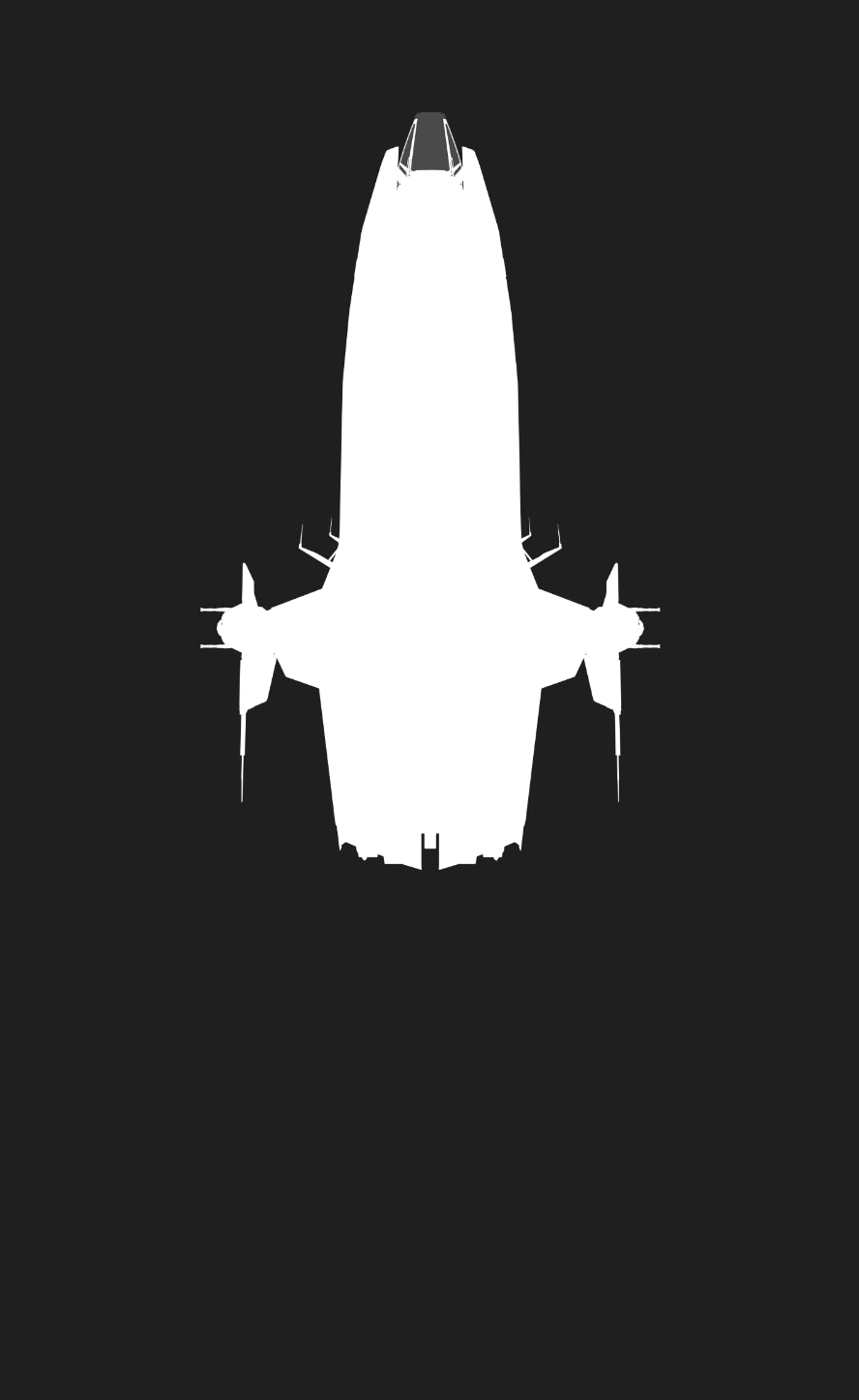
The Tyilui takes the family into snub-carrier territory with a zero-gravity hangar. Its unusual use of space is particularly fitting for Gatac: the manufacturer can explore an arrangement that would look out of place in a straightforward Human cargo hold. Our Tyilui coverage introduces that carrier role.
For us, the attraction is how much personality survives across such different jobs. A solo cargo runner and a carrier do not need the same deck plan, but both can belong unmistakably to a manufacturer with its own idea of how people should move, work and rest aboard a ship. Gatac gives the verse room to be strange, and everyday flying is more interesting for it.