






















MISC and the Xi’an: The Partnership Behind the Unusual Ships

The road from MISC’s factories to Mirai’s distinctive fighters runs through one of humanity’s most intriguing relationships with the Xi’an.
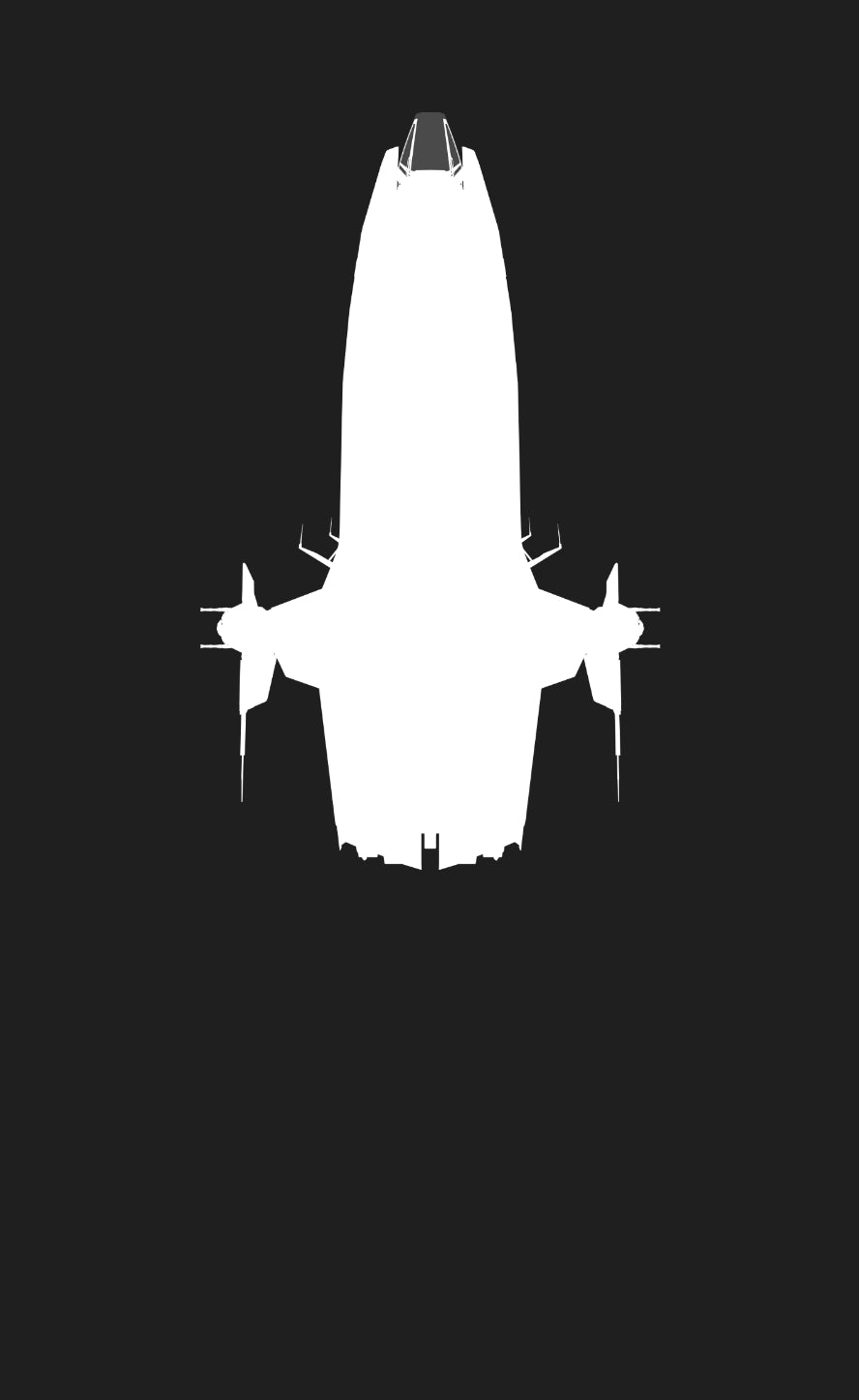
The Fury looks like somebody built a cockpit, surrounded it with thrusters and decided there was very little else a fighter needed. It is a wonderful departure from the freighters and industrial ships associated with its parent company. Yet the connection to MISC is exactly what helped make that little machine possible: Mirai inherited access to the company’s Xi’an technology partnership.
That relationship began with cargo ships crossing a border once defined by suspicion. Human transport designs found buyers in Xi’an space, a manufacturer saw an opportunity, and an agreement followed that would eventually leave its mark on some very different spacecraft. The Fury is a striking result, but the story starts long before Mirai put its name on a hull.
2805: factories on Saisei
The Musashi Industrial & Starflight Concern formed in 2805 from the merger of Hato Electronics and Musashi Lifestyle Design. Hato brought production facilities; Musashi brought a reputation for design. Based on Saisei in Centauri, the combined company developed an industrial business around automated, modular factories and dependable transport ships.
Bulk freight supplied much of its early success. MISC’s heavy industrial division produced configurable hulls for the movement of goods across human space, and the same ships found an audience among the Xi’an. Their usefulness gave the company an opening that a diplomatic speech alone could not have provided: customers across the border already wanted what MISC built.
/source.webp)
2910: four months behind closed doors
Relations between humanity and the Xi’an had improved after the 2789 peace agreement, but distrust lasted much longer. The UEE continued covert reconnaissance, and an abandoned Xi’an scout recovered in 2896 gave human researchers a close look at Aopoa’s technology. Its articulating structures and multi-directional thrust were of particular interest.
Aopoa subsequently approached MISC about a commercial partnership. Four months of closed-door negotiations produced the 2910 agreement, linking the human manufacturer with a Xi’an manufacturing council. The popularity of MISC’s transports helped make it a plausible partner on both sides.
The terms remained secret. One explanation circulating among historians was that a commercial agreement gave the Xi’an more control over the exchange than simply waiting for human researchers to copy recovered machinery. Whatever persuaded the negotiators, the signed deal gave MISC access to knowledge that had previously been pursued through reconnaissance and salvage.
The lend-lease agreement became a landmark in the company’s history. It joined an established human transport business to a manufacturing tradition with very different ideas about thrust and moving structures, without requiring either side to reveal everything it knew.
The Freelancer still had to be a useful freighter
A technology partnership did not change MISC’s customers overnight. Independent captains still needed cargo space, somewhere to live and a ship they could keep working. The Freelancer’s blunt industrial body and restricted cockpit view divided opinion, but its popularity gave the company a personal ship with a following beyond fleet operators.
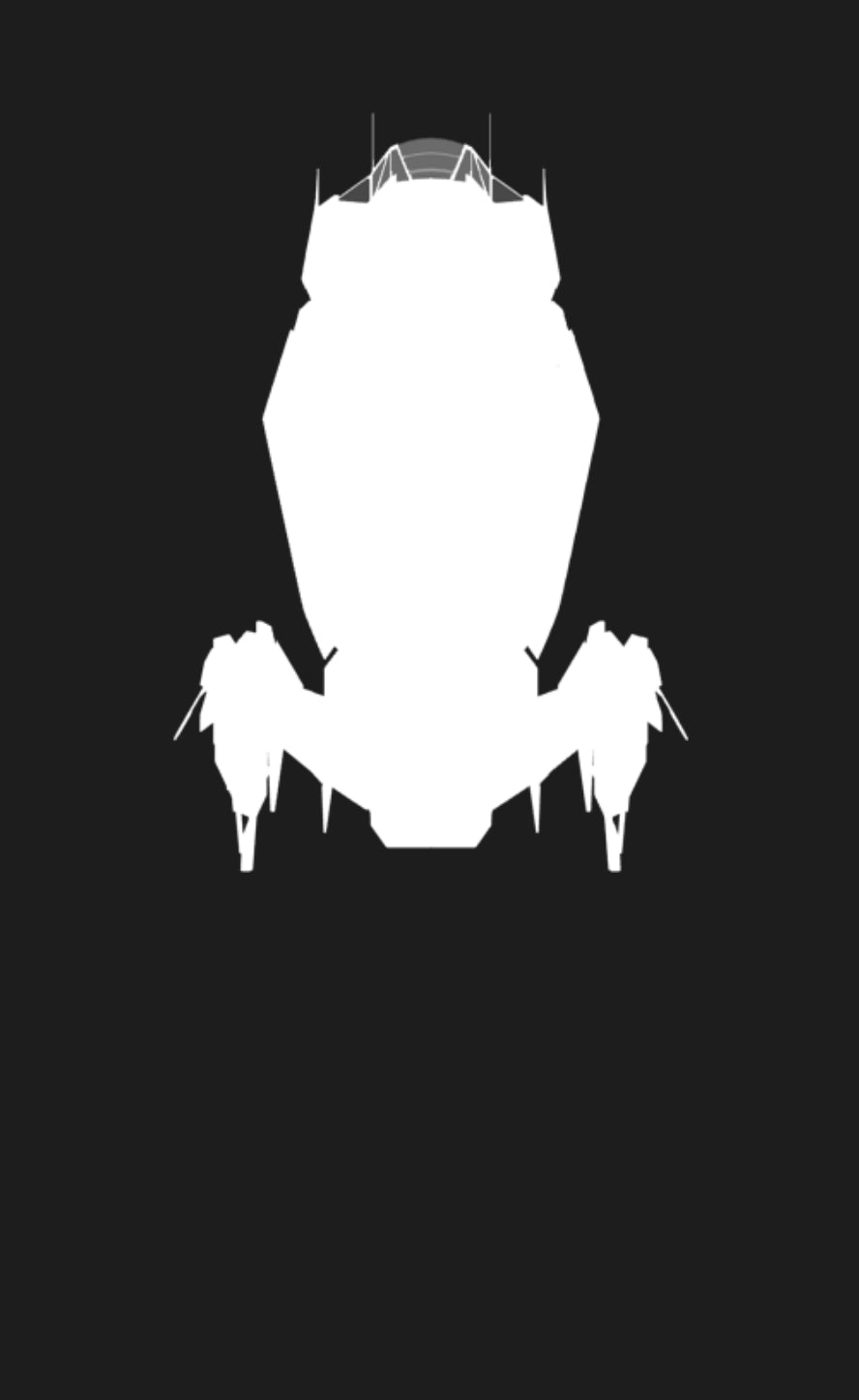
The base Freelancer carries 66 SCU; the broader MAX pictured here carries 120 SCU. Both figures describe cargo variants with practical interiors, not the Fury’s single-minded combat brief. The MAX’s widened rear body is particularly good at explaining MISC without a slogan: the hull grows where the freight needs room.
Rumours about Xi’an components followed the Freelancer, though the details of their contribution remained private. The captains buying one had more immediate concerns: how much it could carry, how easy it was to live aboard, and whether it would keep earning its place in the hangar.
The Reliant wears the partnership openly
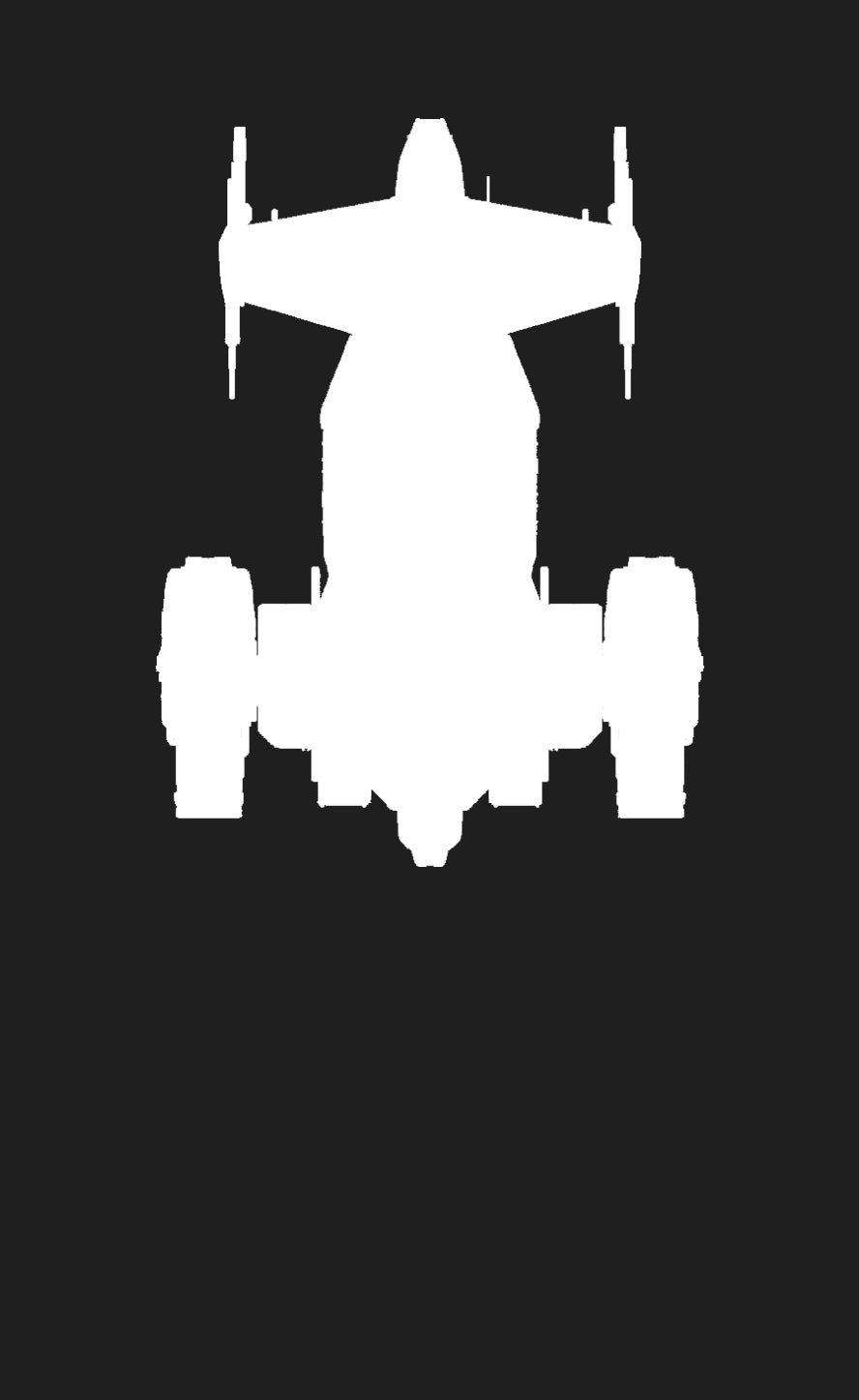
The Reliant is a much clearer visual meeting of the two traditions. Its broad wing rotates between the horizontal landing arrangement and a vertical flight configuration, while its two occupants remain together in the cockpit. The moving structure and omnidirectional thruster approach give it a character unlike a conventional small human freighter.
/source.webp)
The Kore keeps that unusual engineering attached to a very ordinary job: moving freight. Its current matrix specification lists a two-person crew and a 6-SCU cargo grid, in a hull 14.75 metres long and 28.5 metres wide. It is broad for a small transport, and the distinctive wing is part of the ownership appeal rather than an invisible technical detail.
That is what makes the Reliant an essential part of this story. MISC did not have to choose between a recognisable working ship and a design shaped by Xi’an ideas. It put the two together. The result may be less conventional than a boxy shuttle, but the pilot still has cargo to move and another seat beside them.
Industrial scale: the Starfarer’s separate assignment
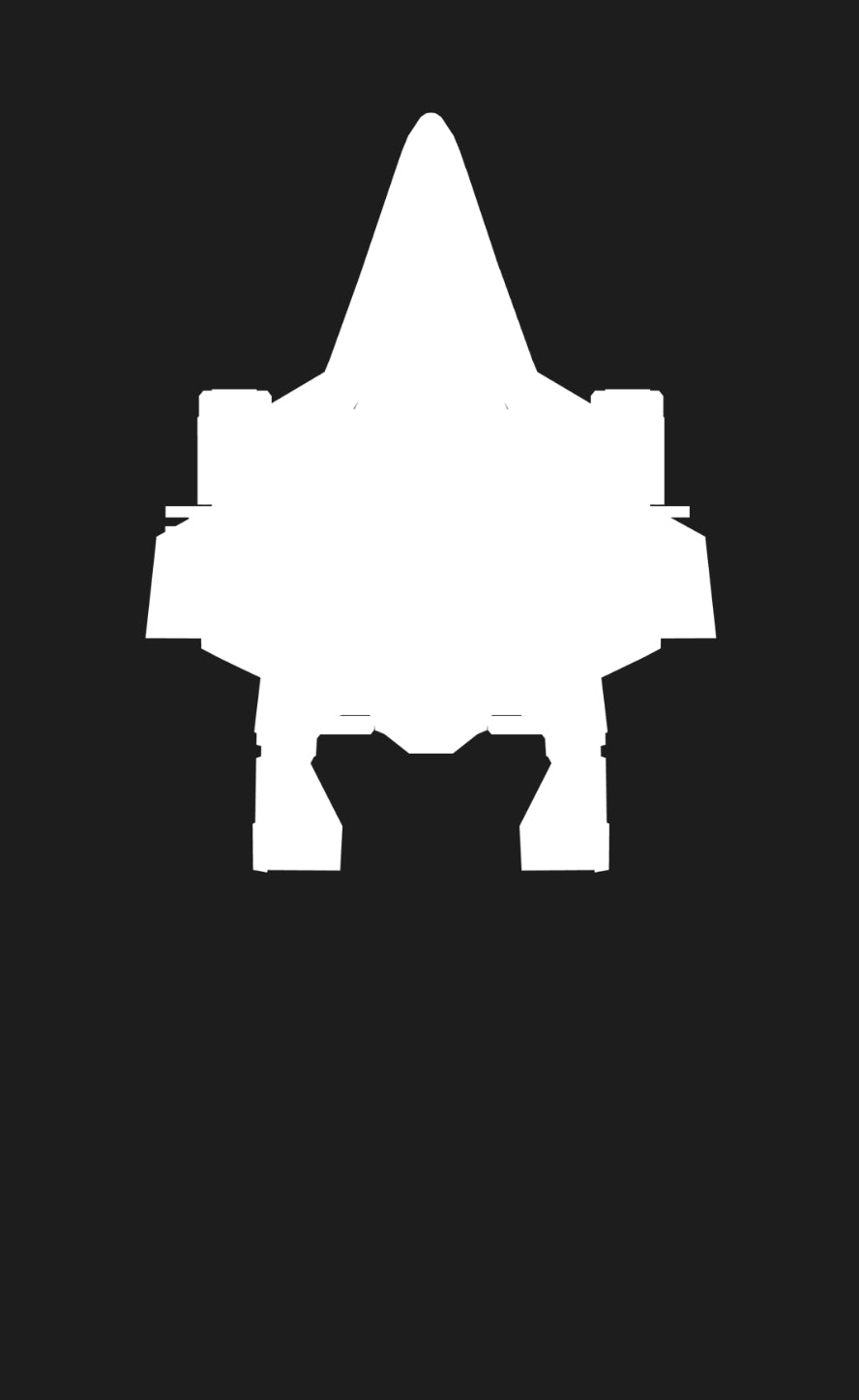
The Starfarer shows another side of the same company. Its development followed an eighteen-month study that ran to roughly 15,000 pages, examining the market for a dedicated fuel ship. Rather than rely on tanks added to an unrelated hull, MISC designed the spacecraft around carrying and transferring fuel.
Fuel tanks and transfer equipment demanded a different arrangement from a Freelancer’s cargo hold. MISC later worked with Aegis on the military Gemini, adding another partnership to the company’s history and another very specialised ship to its industrial range.
/source.webp)
Mirai Fury: the thrusters become the silhouette
On the Fury, the propulsion units are impossible to ignore. They frame a tiny cockpit and can direct thrust across a range of angles, helping explain how such a compact craft is intended to move. The design has the energy of a machine that wants to get loose from its carrier and fight.
The standard fighter, missile-focused MX and unarmed LX racer take that same small platform in different directions. The LX gives up weapons for a stronger emphasis on handling, while the MX’s missile installation is a distinct arrangement rather than a set of gun mounts that can simply be exchanged for racks.
Compactness comes with hard limits. The Fury has no quantum drive and no ejection mechanism. Its small hull is vulnerable to damage, and another ship must carry it when the wider journey requires quantum travel. A Cutlass Black was the smallest intended enclosed carrier in the original design guidance, while a Nomad can carry one on its rear cargo area.
A Fury launching from a friend’s transport is a lovely sight: a tiny cockpit separating from the larger hull before its thrusters swing into action. Carrying several turns that transport into a base for local sorties. Without a carrier already available, though, a solo owner must arrange the outward journey and a way to bring the little fighter home.
Trade crossed the border before the Fury did
Star Citizen’s alien relationships are often easiest to picture through weapons and wars. MISC’s Xi’an connection offers something more ordinary and, in its way, more convincing: people finding each other’s machines useful, then deciding to build a business around that usefulness.
The agreement did not make the two cultures identical. It gave their manufacturers another set of ideas to work with. That is what makes the Fury such an appealing little outcome. Its cockpit and combat role are familiar enough to a human pilot, while the arrangement of the machinery around them suggests a different engineering tradition.
We like that the same corporate family can produce a hardworking industrial ship and a fighter this unusual. The link between them is not a shared wing shape. It is a manufacturer with the scale to build practical spacecraft and the willingness to find some of its most interesting technology beyond human space.