













P-52 Merlin vs P-72 Archimedes: Small Ships, Different Jobs

Kruger’s tiny fighters turn a carrier flight into a chance to launch something far more personal. The Merlin’s latest gun-mount change gives the comparison a fresh wrinkle.
Watching a small fighter peel away from a much larger ship captures a particular Star Citizen fantasy. The carrier continues on its course while another pilot gets a cockpit of their own, a local sortie and a very different view of the same encounter. The P-52 Merlin and P-72 Archimedes were built around that appeal.
Both are single-seat snub craft without quantum drives. They can fly and land independently nearby, but need transport for a wider journey. That gives them a different place in a fleet from an Arrow or Gladius: they are companions to another ship or local flying machines, rather than independent fighters shrunk down a little further.
P-52 Merlin: the centre gun is no longer locked down
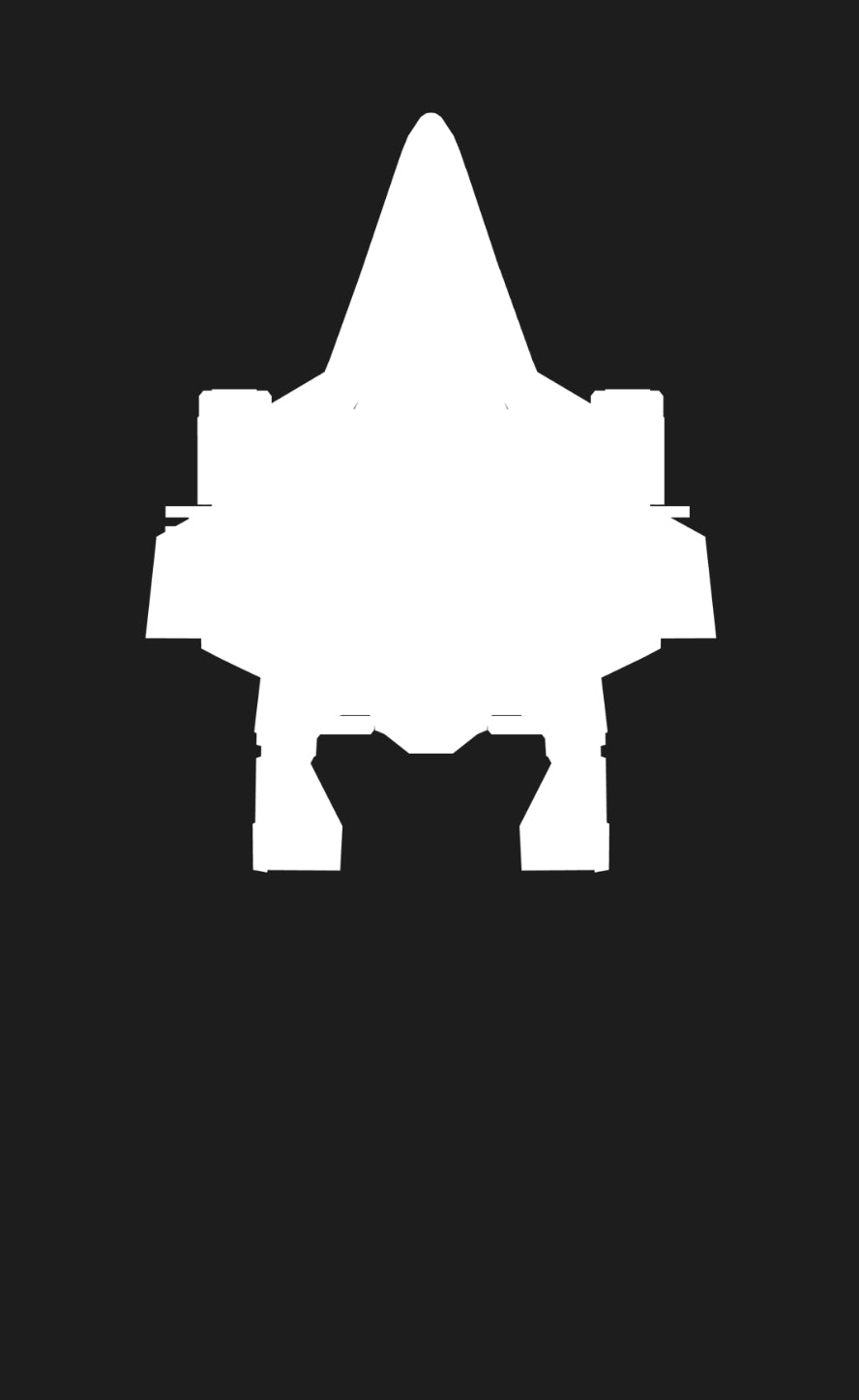
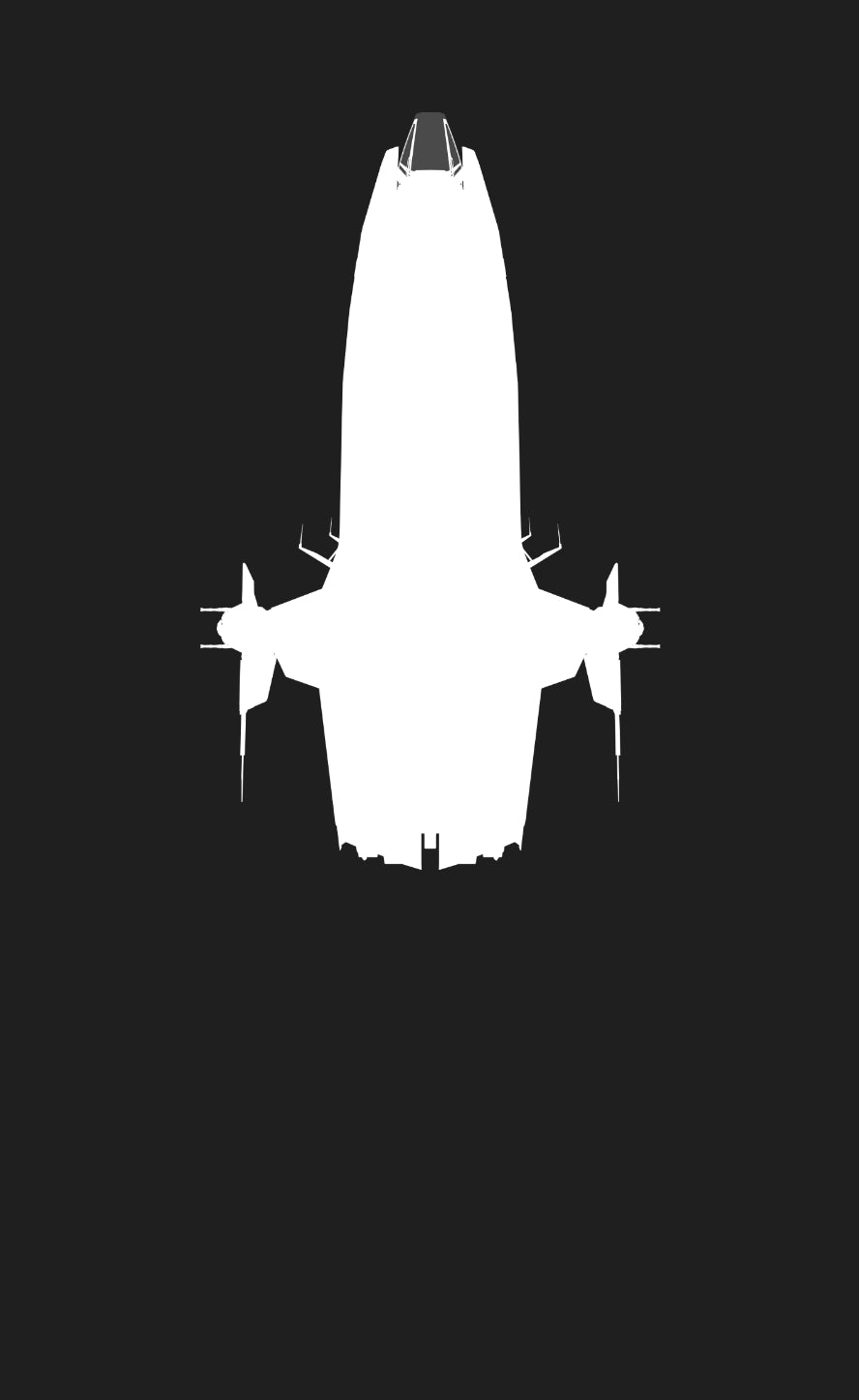
The P-52 Merlin has two small wing weapons and a larger centreline gun position. That central weapon has always been a defining part of its appearance, giving the little craft an armed-escort character that suits its place behind a Constellation.
Older descriptions treated the Merlin’s nose weapon as a fixed, bespoke installation. Alpha 4.10 made the centre gun mount editable and added a gimbal. It is no longer accurate to describe the current ship as permanently locked to that original gun arrangement. The centreline position remains an important difference from the Archimedes, but the owner has more flexibility than those older guides suggest.
The appeal of the Merlin is easy to understand alongside a carrier. A second pilot can leave the larger ship and contribute from another angle, returning to the parent vessel when the local flight is over. It offers a small, focused combat craft without pretending to supply the endurance or independence of a full travelling fighter.
/Back.webp)
P-72 Archimedes: four guns and a sporting brief
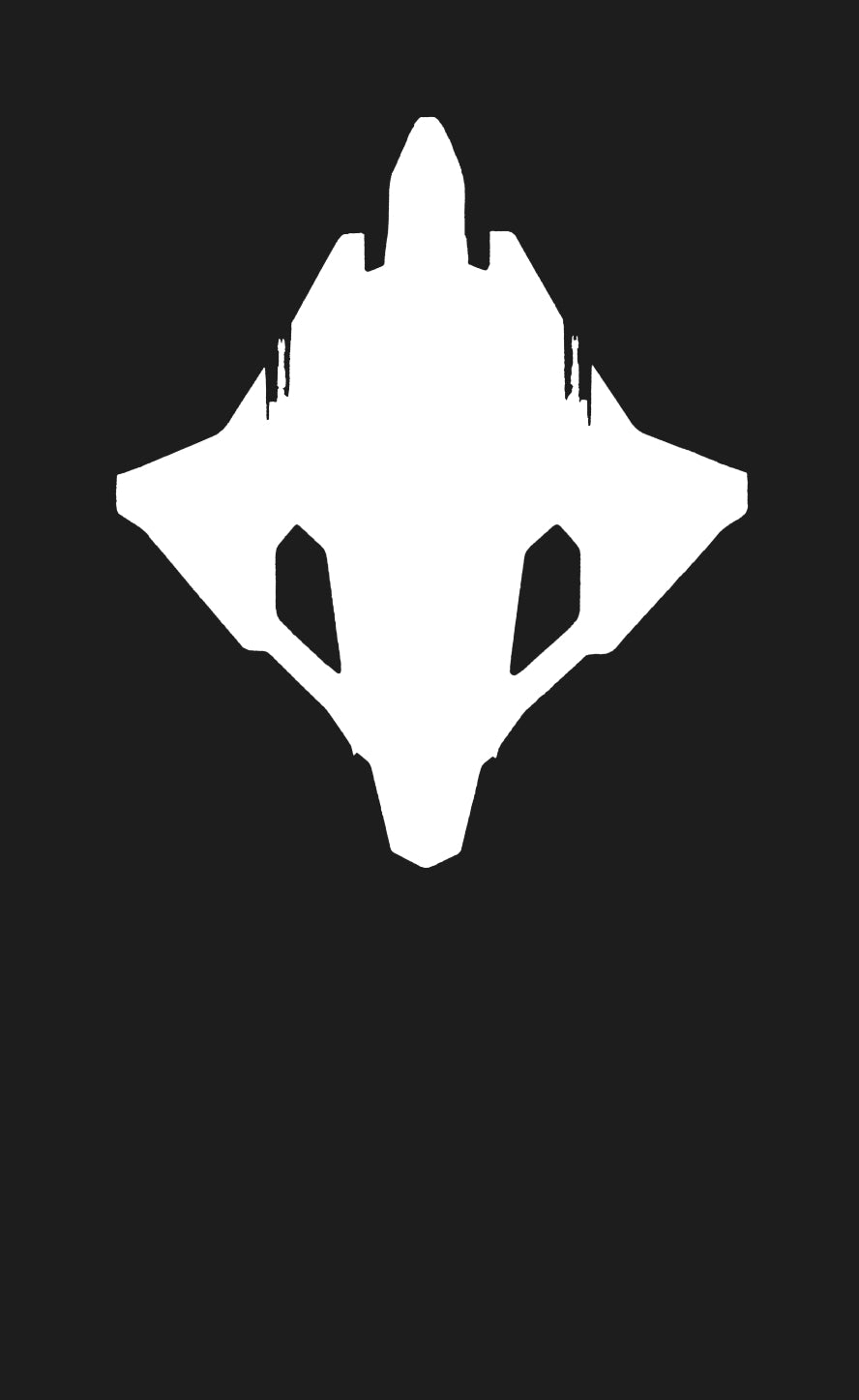
The P-72 Archimedes replaces the Merlin’s central gun installation with an intake and uses four Size 1 weapon mounts. Removing the heavier centreline weapon and its ammunition contributed to its lighter design, with greater emphasis on speed and handling. Its sporting appearance suits that shift in purpose.
The original design brief positioned it as a performance-oriented companion with an energy-weapon configuration. That remains useful context for the difference between the ships, although historical boost and speed claims should not be mistaken for an unchanged specification across years of flight-model updates.
For a pilot drawn to local racing, close flying and the pleasure of a very small cockpit, the Archimedes is the more tempting machine. It still carries weapons, but its character is less tied to the Merlin’s central gun and more to what a compact snub can do when given room to move.
| Specification | P-52 Merlin | P-72 Archimedes |
|---|---|---|
| Length × width × height | 12 × 7.75 × 3.25 m | 12 × 7.75 × 3.25 m |
| Pilot / cargo | One / no cargo grid | One / no cargo grid |
| Gun mounts | 1 × Size 2; 2 × Size 1 | 4 × Size 1 |
| Shield generator | 1 × Size 1 | 1 × Size 1 |
| Quantum / jump drive | Neither | Neither |
| Centreline | Editable gimballed gun in Alpha 4.10 | Intake |
| Long journey | Carrier required | Carrier required |
/source.webp)
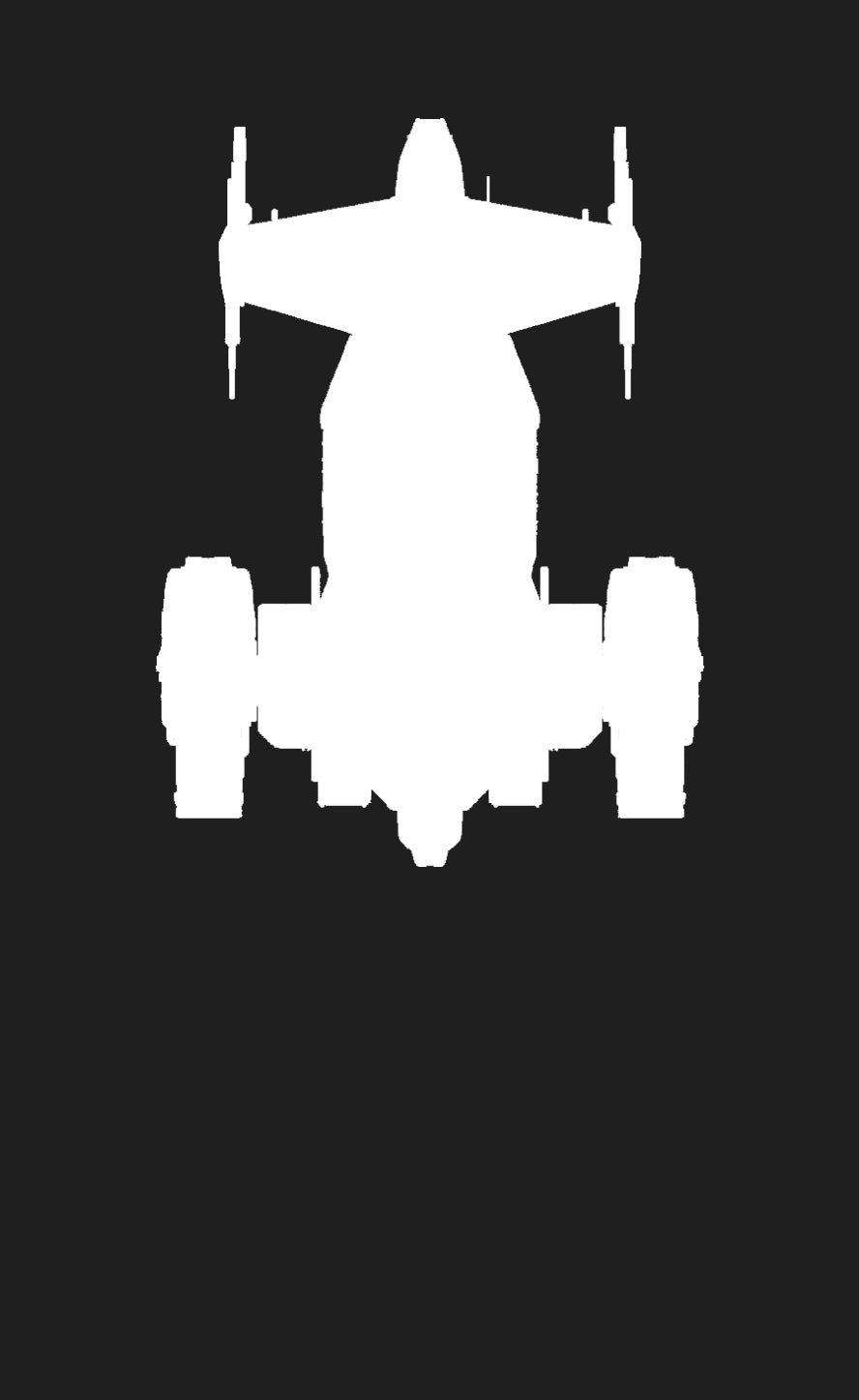
The matching external dimensions explain why the comparison is about equipment and purpose rather than choosing a substantially bigger craft. Both occupy a tiny patch of landing space and put one pilot in charge. The Merlin concentrates part of its armament in the larger Size 2 centre position; the Archimedes spreads its weapons across four Size 1 mounts.
That arrangement does not settle every fight by itself. The fitted weapons, ammunition and current flight model still matter, and four small mounts are not automatically a better answer than three mixed-size ones. What it does tell a buyer is where the difference starts. The P-72’s sporting brief is real, but it is still an armed snub rather than an unarmed racing variant.
Constellation docking and other carriers
The Constellation Andromeda and Aquila are paired with the P-52 Merlin, while the Phoenix and Phoenix Emerald are paired with the P-72 Archimedes. These variants have the rear snub-docking arrangement; the Taurus does not. The compatible dock accepts either Kruger snub, so choosing between them is not the same as choosing an entirely different carrier.
Other ships can carry them using suitable landing space. That is different from a dedicated docking mechanism: the craft needs room to enter, settle and leave again, while the pilot needs access to the cockpit. A hangar or cargo area can provide a home for a snub without becoming a Constellation-style dock.
That makes a Constellation with a willing second pilot a natural home for either ship. Another suitable carrier can provide the same local flying opportunity through its hangar, but someone still has to take care of the transport. If spontaneous travel alone is the priority, the quantum drive aboard an Arrow or Gladius is a much more useful convenience than shaving a few metres from the hull.
There is also a current carrier issue worth knowing about. The Alpha 4.10.1 support list reports carried or docked fighters disappearing after a bed logout aboard certain large ships, including the Idris, Polaris and Tyilui, with no workaround listed. That warning concerns persistence across logout; it does not mean every carrier or every normal launch is affected.
A fighter for the local sortie
The best reason to want one of these craft may be the flight itself. A small cockpit, a short sortie and the sight of a much larger ship waiting nearby can be enough. Not every ship needs to become a self-contained career or the first step towards a larger replacement.
We would pick the Merlin for its escort identity and more flexible centreline gun position. The Archimedes has the stronger pull for someone who wants the sporting interpretation of the same idea, especially when friends already provide the transport. Their shared limitation is also what gives them character: the wider voyage belongs to the carrier, while the snub gets the close, personal part of the flight.