




























RSI Galaxy vs Anvil Liberator: Which Ship Fits Your Fleet?

A Hornet, a Nova tank and 400 SCU of stores can all travel aboard a Liberator. What would you gain by giving that deck space to a Galaxy cargo hold, hospital or refinery?
A pair of MISC Prospectors can ride on the upper deck of an Anvil Liberator. Neither will fit inside an RSI Galaxy, but a Galaxy with the proposed refinery module could take ore from both. For a mining outfit choosing a support ship, the deciding factor is often which leg of the trip takes longest: getting the miners out to the belt or hauling their ore back.
The Liberator keeps its flight deck even with a garage full of vehicles and freight in the hold. Aboard the Galaxy, the big decision comes before departure. Its central bay takes one module at a time; the hospital, cargo deck and refinery all occupy the same space.
Both hulls reached final review in October 2026. CIG was preparing the Liberator for IAE; it did not announce a release date for the Galaxy’s refinery. The figures below describe the ships as designed.
What fits aboard each ship?
| Design | RSI Galaxy | Anvil Liberator |
|---|---|---|
| Aircraft | One XXS hangar aft | Two XS pads above, one XXS pad forward |
| Freight | 64 SCU aft; 512 more with the cargo module | 400 SCU in dedicated holds beside the garages |
| Vehicles | An Ursa fits on the cargo module’s lift | Garages sized for a Nova or Ballista |
| Crew | Quarters for six | Two carrier crew, plus the pilots and drivers travelling aboard |
Inside the Galaxy: what changes when you swap the module?
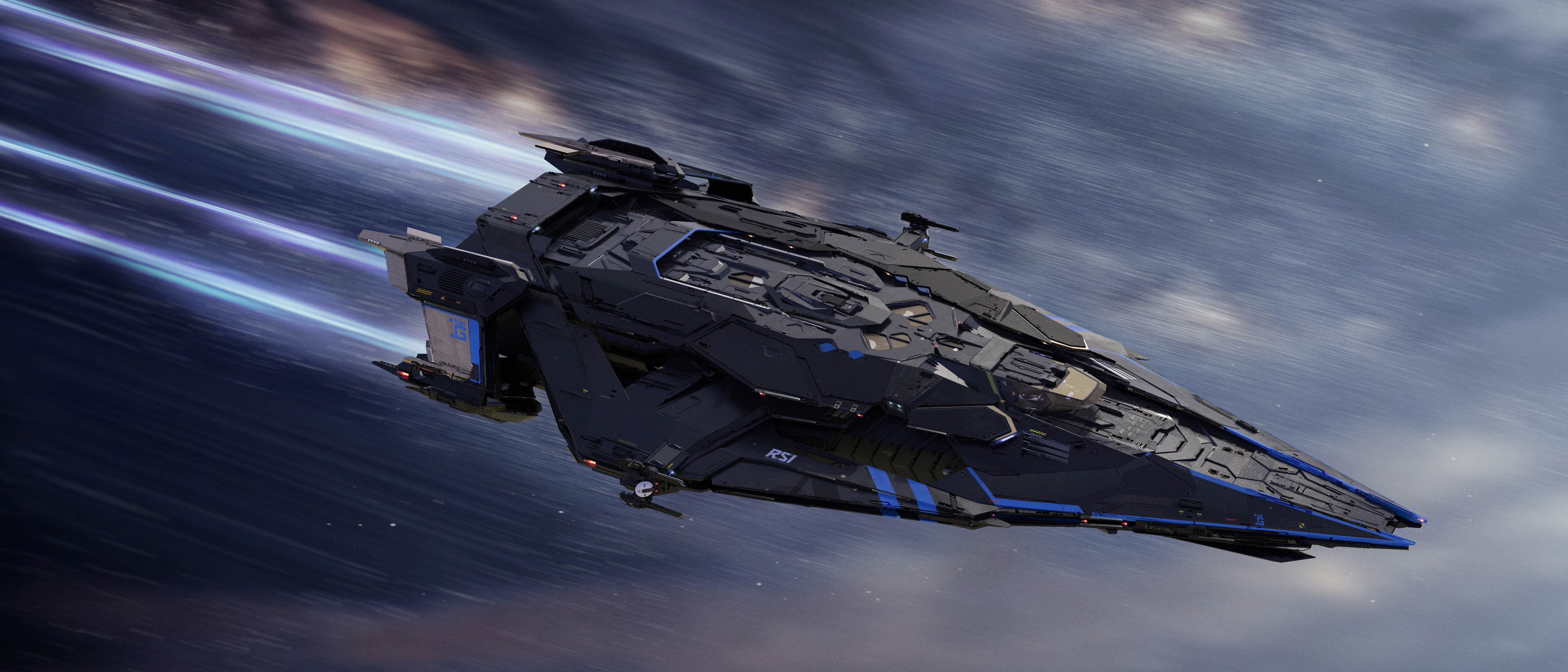
Start at the stern. The Galaxy’s hangar has a 32 SCU grid down either side. The two grids leave the middle clear for an XXS craft, so an MPUV can travel in the same hangar as 64 SCU of stores. That arrangement belongs to the hull. Forward of it, the central module determines what the rest of the lower deck can do.
Freight. The cargo module adds 512 SCU. Its lift takes two 32 SCU containers side by side, or a rover up to the size of an Ursa. There’s no dedicated vehicle bay: if you bring the rover, allow for it when you load the freight. With the hangar grids included, the cargo Galaxy has room for 576 SCU.
Medical. A crew collecting casualties on the surface can bring a stretcher up through the hospital module’s lift. For transfers in space, a Pisces can land in the aft hangar. The concept pairs intensive care with lower-tier beds in the same module; there’s no separate sickbay left aboard when the hospital comes out.
Refining. The proposed refinery accepts ore bags from the Prospector and MOLE. Its two reactors can handle larger quantities per job than those in a MISC Expanse, though the Expanse can run more jobs at once. The Galaxy has storage for ore awaiting processing and for the refined material. A miner could hand over a full set of bags and head back to the rocks while the refinery crew stayed with the load.
Swapping jobs involves a trip to a suitably equipped facility with the replacement module available. A crew setting out in the cargo version can use the rear hangar throughout the trip, but it can’t turn the freight deck into a hospital halfway to a rescue. Our illustrated Galaxy guide has cutaways of all three modules.
Aboard the Liberator: aircraft above, vehicles and freight below

Anvil’s open flight deck has two positions in the XS size class. The Hornet, Arrow and Sabre are fighter examples; the Prospector fits the same class. The smaller spot forward is sized for craft such as the MPUV or Origin 85X. For a group planning to move three fighters, that third pad is the catch. Nor did Anvil design the two upper pads to act as a single berth for a larger ship.
Below the flight deck, a ground crew can bring a Ballista aboard without displacing a fighter. The 400 SCU of secured freight sits alongside the garages, so ammunition and other supplies needn’t occupy the ramp or the vehicle’s parking space.

The two-person crew figure covers the carrier itself. Visiting pilots and drivers have a separate area with seating, food facilities and lockers. If you want two fighters in the air while the Liberator manoeuvres below them, count their pilots in addition to the people on the carrier. Our Liberator deck guide shows where each crew works.
A fighter parked on deck can travel through a jump point with the Liberator, but part of it may sit beyond the carrier’s shields. Servicing is basic: the design allows the crew to refuel, rearm and make repairs by hand with supplies from the hold. There’s no dedicated workshop or refuelling installation.
Which one would we put in the fleet?
On a pure freight run, we’d take the cargo Galaxy. It has 176 SCU more secured capacity than the Liberator. Put a Nova tank and a Hornet on the manifest, though, and the choice shifts to Anvil: both have a berth before you start loading the 400 SCU hold.
For rescue work, decide where you want the patients to go. If a shuttle needs somewhere to deliver them for treatment, that’s the medical Galaxy’s job. If the fleet already has a hospital and needs its rescue craft and rovers brought out together, the Liberator has the better deck. Galaxy buyers should check the individual listing for the module they want.
Sources: RSI Galaxy Q&A, Galaxy concept brochure, Anvil Liberator Q&A and the October 2026 development report. Concept artwork and deck plan by Cloud Imperium Games.