












Star Citizen September 2026 Report: Ships, Mission Fixes and Nyx

Galaxy and Liberator milestones sit alongside a broad run of gameplay repairs, new contract development and work on the skies above future destinations.
The RSI Galaxy has cleared its greybox gate, the Anvil Liberator is approaching its own formal review, and the Kraken’s lifts, tram and engineering rooms are taking shape. September’s Star Citizen development work also reaches into the less glamorous parts of an evening in the verse: a freight kiosk that stops responding, a contract that shows the wrong assignment, or a ship that will not leave its hangar.
Published on 7 October 2026, the September PU Monthly Report covers twelve departments. It combines released work, completed fixes whose individual deployment builds are not specified, and longer-term production plans. The dates attached to ship reviews and upcoming patches below retain those distinctions.
AI characters and landing zones find more personality
New faces are being developed for mission encounters. AI Content investigated a new character type during September, intended to bring more personality and additional interactions to those situations. The team also supported several forthcoming missions by adding communications for new faction representatives already moving through production.
That work extended to the people inhabiting planets and landing zones. Alongside support for placing social AI on planets, existing landing zones were assessed for what works and what needs attention. The aim is targeted changes that bring each place closer to its identity in the lore, giving its population a more appropriate setting and character.
Keeping the valakkar and Starchitect encounters moving
The apex valakkar received targeting corrections and refinements to bullet bending. A new backstop timer addresses a particularly awkward failure: the creature could become stuck while turning towards a player before its submerge-and-emerge sequence. The timer is intended to keep that behaviour from locking the encounter.
Starchitect work included making NPCs carry out their night-time checks with flashlights drawn, and ensuring marok boids spawn correctly. Navigation meshes were also brought into line with recent zone changes. Part of that work restored a navigation component to sector clusters, so the navigation setup reflects the spaces the AI now has to traverse.
Ship attacks and entry animations
Animation developed more apex valakkar movement, including major attacks directed at ships. Entering and leaving an all-new ship also received animation work.
Heavy armour and the gangs of Nyx
A new heavy armour set reached its final Character Art review for the planned Alpha 4.10.2 release. Its variants include a Wikelo reward. Updated eyebrows for the character customiser are also part of that release's planned character work, alongside the much more conspicuous new equipment.
Nyx's gangs are receiving attention too. Work covers the First Legion, Salamanders, Shattered Blades and Moraine, with new armour sets specifically planned for the First Legion and Salamanders.
Galaxy, Liberator and Kraken move through production
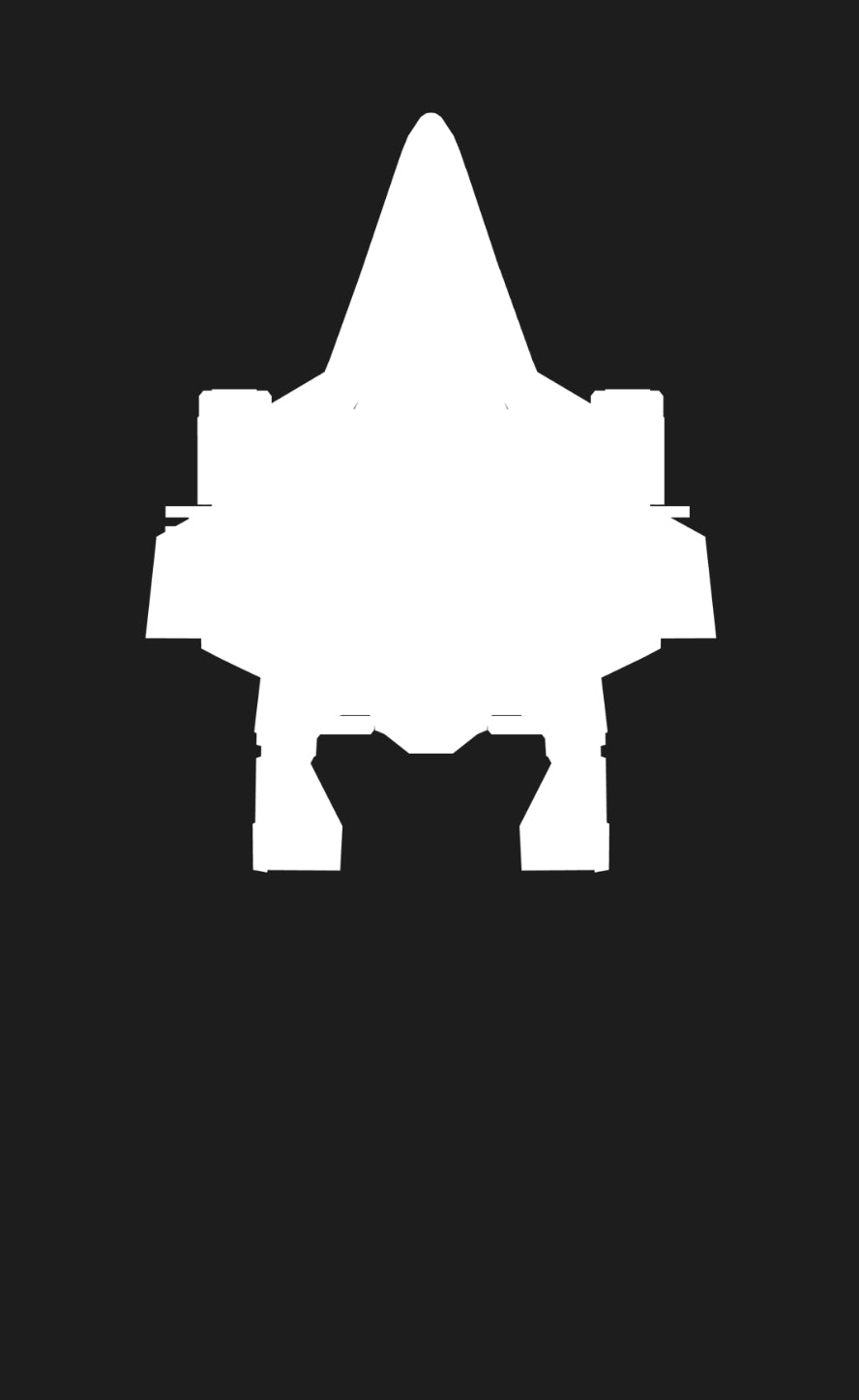
Two unannounced UK vehicles reached final reviews ahead of their planned release with Genesis. The team then started five new projects. The first advanced rapidly in relation to its size and design, although the update leaves its identity under wraps.
The second project progressed through whitebox towards a gate review at the end of September. Feedback prompted changes to the location of its main turret and external tractor beam: equipment placement was still being adjusted at that stage, rather than treated as a finished arrangement.
The third project entered pre-production ahead of its formal start. Projects four and five are a pair of ships from a manufacturer absent from recent announcements; both entered whitebox.
Another unnamed ship, already discussed in earlier reports, moved through greybox. Its interior was ready for the LOD0 gate review, while the exterior was catching up towards a review in early October.
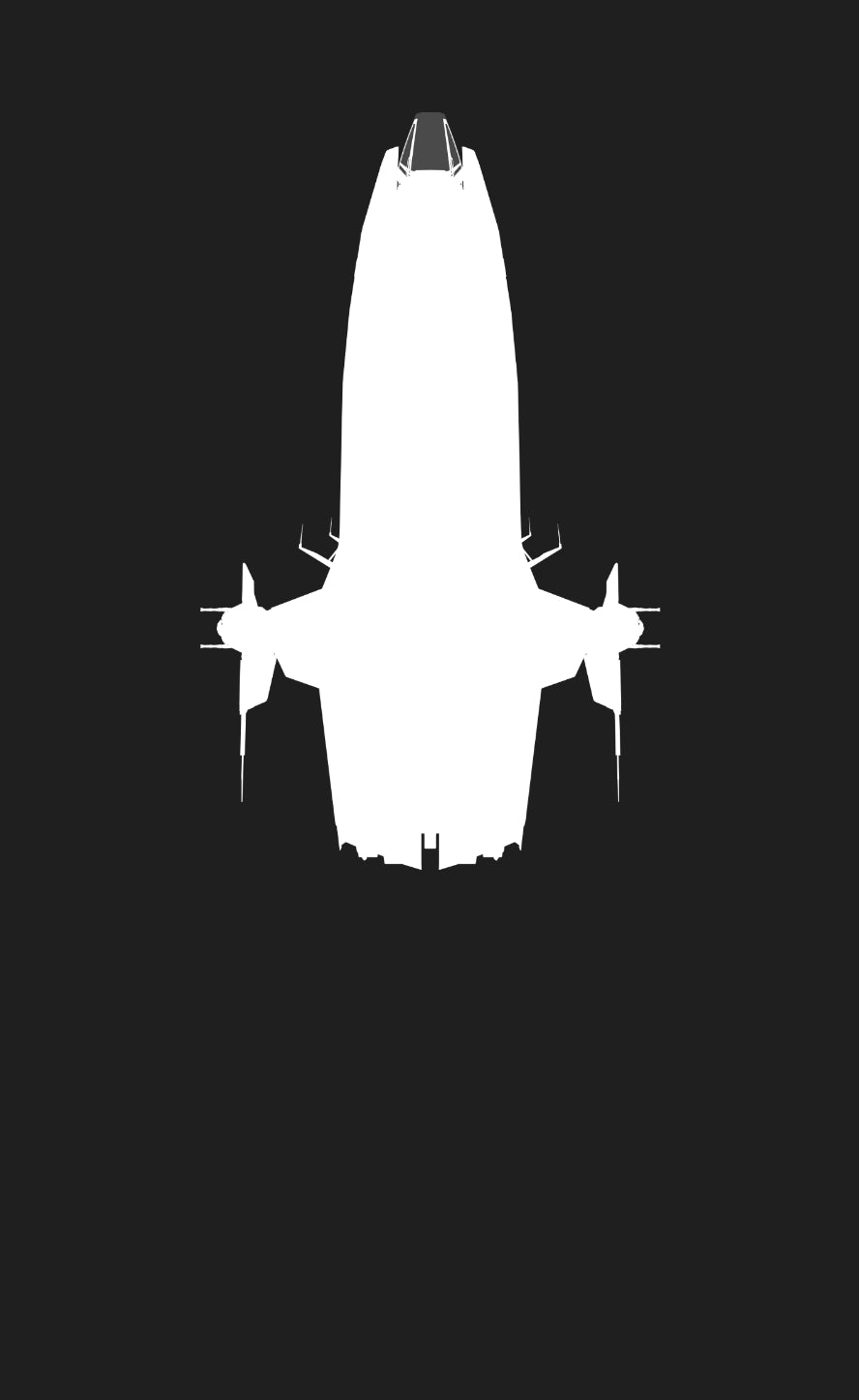
The Anvil Liberator finished its greybox work, with the formal gate review planned for early October. Areas that were safe to develop further had already moved well into LOD0, and that phase was targeted to finish in late October. These are production milestones and targets; neither date is a promise of a playable release.
The RSI Constellation Mk IV Gold Standard continued across all four variants. Moving the ship onto modern material libraries introduced numerous small visual issues to resolve. The team also improved how players move through and interact with the ship, using more logical placements to make those everyday actions easier to navigate.
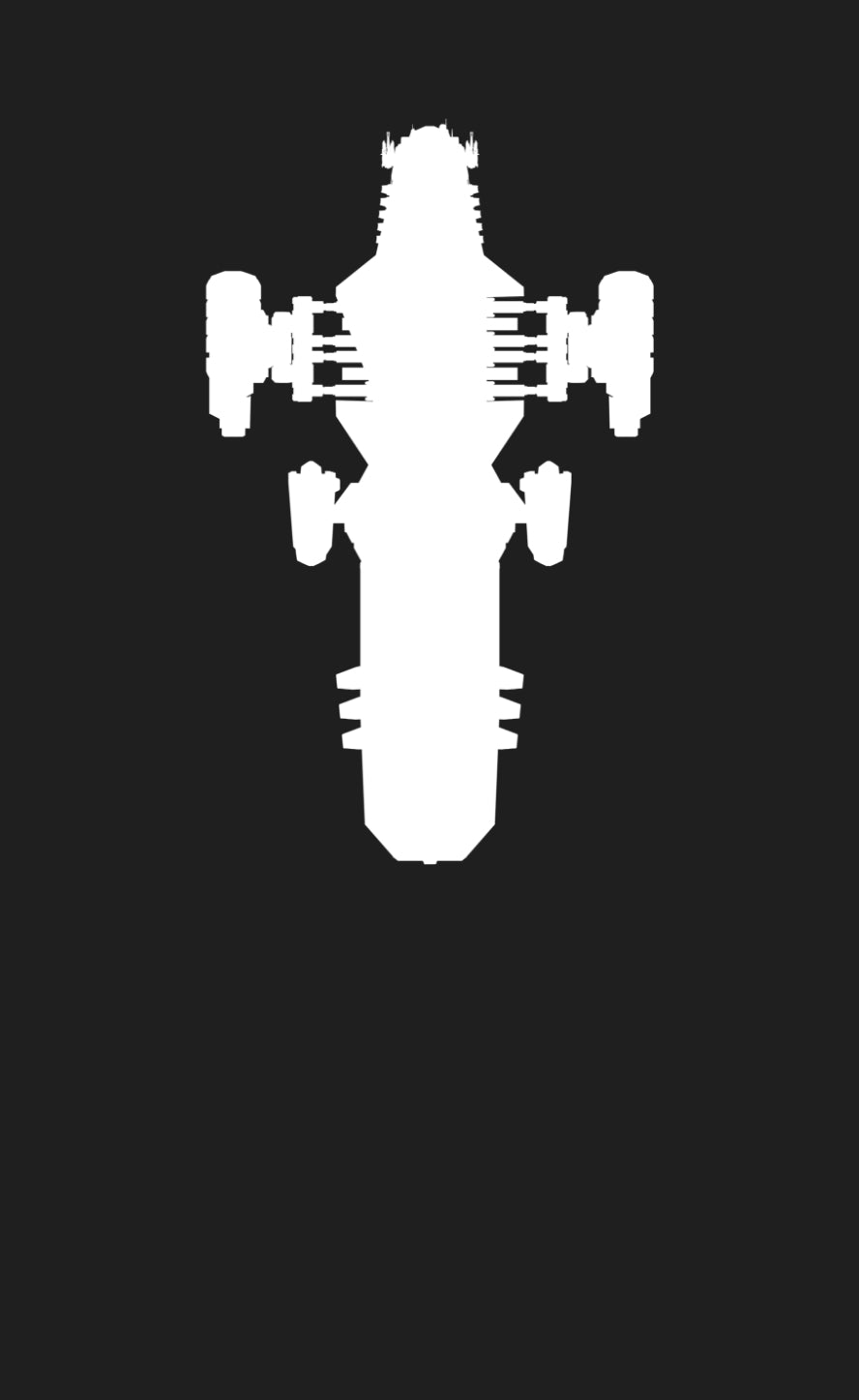
The RSI Galaxy passed its greybox gate review and advanced into LOD0 work. Corridor and wall sections were refined, lighting was updated and signage was added throughout the ship. Its modules remained in development as well, so progress concerns both the shared vessel and the spaces that support its modular role.
A further new UK ship received passes from downstream disciplines, including UI, VFX and Audio. A combined LOD0 and Final review was planned for October.
In North America, production on a new ship wrapped up after internal testing and bug fixing.
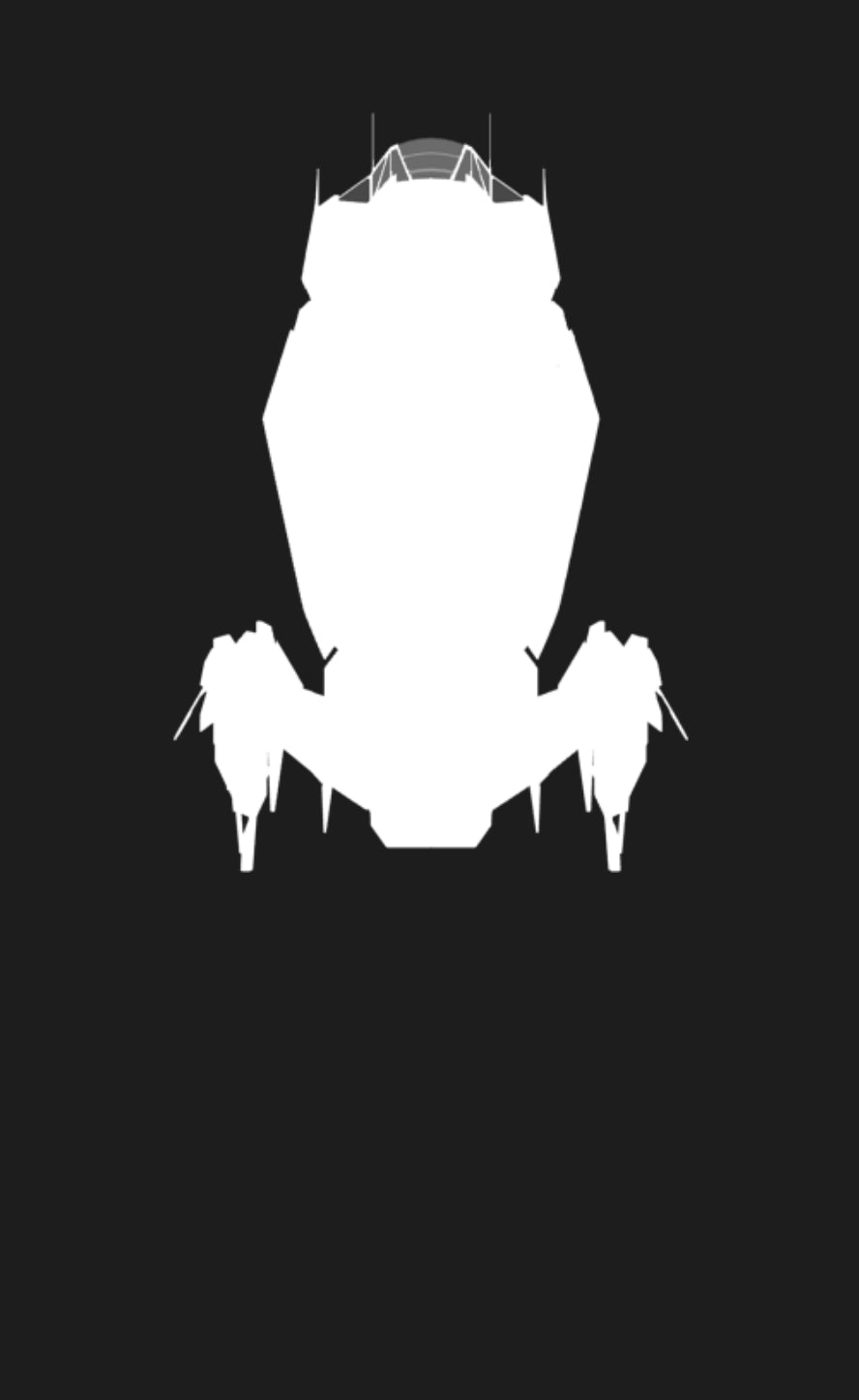
The Drake Kraken continued through LOD0 across the whole ship. Work included its internal transport—lifts and the tram—and dedicated capital components spread between multiple engineering rooms. Those details give a sense of the practical spaces being developed inside the carrier, from moving people around to distributing the machinery they will work on.

A Lightning Bolt rifle and seven weapons in progress
Weapon Content completed a new Lightning Bolt Co. rifle, together with paints for forthcoming events.
Seven other weapons remained in development, including rifles and a medical pistol. Updates to several ship weapons also began, putting work on handheld equipment alongside revisions to weapons mounted on vehicles.
Planning for 2027 was underway with possible manufacturers and new technology in mind. The team also continued fixing bugs in recently released weapons, so future planning ran alongside support for equipment players had already received.
September’s events and the account changes ahead
September opened with the RSI Perseus named Ship Showdown 2956 champion. Community published August's PU Monthly Report and began preparing the events due through autumn and the rest of the year.
Orison Relief Support arrived with Alpha 4.10.1 during the month, supported by an FAQ on helping to rebuild after the Nine Tails attacks. The accompanying vehicle Q&A covered the Sabre Raven EX and Argo ATLS IKTI Akuma.
Pirate Week brought a treasure hunt whose clues were distributed across several channels and pointed towards locations in the game. A central discussion thread collected the latest clues as the event continued. Players were also invited to create their own wanted posters for the Pirate Week 2026 Most Wanted Contest.
Questions were gathered for 10 From the Community, a focused video format bringing a small group of developers together around a particular discipline, including gameplay, art, UI, technology or ships. Community also posted the Aurora Mk I retirement reminder and an FAQ about pledge gifting and game-access changes. The report describes those account changes as preparation for the Game Library system planned for October, within work to make the account experience clearer and more consistent across Star Citizen and Squadron 42.
The Bar Citizen World Tour visited Seattle for PAX West, Milan in Italy and Porto in Portugal. Preparations also continued for October's Squadron 42 event, where a group of original backers and content creators were due to try the game for the first time.
Community feedback continued to be collected and passed to the relevant development teams. The regular This Week in Star Citizen posts and fortnightly Roadmap updates carried on too, maintaining the flow of information between the larger releases and events.
The fixes between accepting a job and getting home
Core Gameplay spent August and September working through bugs and quality-of-life changes, including issues previously discussed in Improving the Live Experience. The work spans the whole journey from retrieving a ship to finishing a contract and storing its rewards. The entries below retain the reported fixes and the investigations still underway; this monthly account does not assign every individual change to a currently available LIVE build.
Refuelling, ship systems and radar
Ship-to-ship refuelling now accounts correctly for the position of the docking connection.
Other vehicle fixes address fuel nozzles releasing fuel after a transaction was cancelled and mismatched item types disrupting engineering screens. Repairs to the Grey's Market Basher at landing pads were fixed, along with modules failing to equip, shields failing to recharge after a server-boundary crossing, disagreement between the on-foot and vehicle compasses while seated as pilot, and ship services stopping after they had begun.
Some newer ships were changed to become disabled when a critical part is destroyed, instead of immediately exploding. That qualification matters: the update does not apply the behaviour to every vessel. Radar detection was also extended across connected areas within a location, rather than stopping at the player's immediate area.
Instancing and transport
Instancing was finalised for release in Alpha 4.10. Several gaps that let ineligible players cross instance barriers were closed. Loading barriers now check that an instance has loaded before allowing entry, and removing a player is more reliable when the player and instance are managed by different servers.
Respawn queues inside instances were reworked. When a bed is occupied, a player can spawn beside it, matching the handling of ship medical beds. Instance recovery was improved after server crashes and transfers of control between servers. Instances also unload when players leave them using an elevator.
Research began into bringing this Instancing technology to Instanced Hangars. That is an investigation into extending the system, separate from the Alpha 4.10 instancing release itself; a completed hangar conversion is not announced.
Transport now gives priority to empty carriages, reducing the likelihood of summoning one someone else is already using. The underlying setup for transport and elevator systems was simplified at the same time.
Freight elevators and item hand-ins
Freight-elevator fixes cover kiosks trapped in an item-transfer loop and becoming unusable, Levski's external elevators acting as though they were in zero gravity, and elevators failing after attempting to retrieve items that had not been requested. Newly split item stacks are tracked correctly during retrieval, while elevator and door visuals were corrected when those objects load in and out.
A limit was introduced for loose items after very large redemptions could crash a kiosk. The example given is 20,000 water bottles; that is an illustration of the problem, not the announced limit. Kiosks display the applicable limit and provide a clear error when a request exceeds it.
Missions requiring several identical items can accept them together in a single hand-in, instead of demanding individual submissions. Work also began on freight-elevator loading messages that show progress as items are stored or retrieved.
Quantum travel and the Starmap
Quantum-route collision checks were restored so plotted routes cannot pass directly through moons or other large objects.
Starmap fixes cover stations obstructing route plotting from inside them, route markers disappearing between destinations, and missing markers on journeys to rest stops or jump points. A rare failure that could leave a ship unresponsive after quantum travel under poor network conditions was also resolved. Routes in Stanton can now go around the sun.
Starchitect and Battaglia missions
Starchitect missions gained direct acceptance through mission boards, with rewards being connected to them. Multiple active missions can share resource locations, and each mission can request either an exact quantity or a range. Randomised mission flows can now finish on a random outcome, as well as advance to another phase.
Trespass areas that were failing to operate at Starchitect locations were fixed.
Battaglia mining missions can track rocks destroyed through overcharging. Fixes also address an entry trigger that blocked progress inside the mission instance, a delivery stage that would not complete there, and the second and third story missions failing to generate. That last fault came from an entity-ID mismatch when several shards were active.
Cargo, retrieval and inventory
Cargo, trading and hauling work included distributing pickups more sensibly according to each pickup's SCU. Fixes cover incorrect spawn and delivery counts in hauling contracts, one commodity purchase preventing other commodities from being bought, the MISC Hull C failing to load automatically in loading zones, and failed fixed-ore sales at commodity traders.
The underlying cause of vehicles occasionally disappearing while being flown in or near hangars was resolved.
Two further retrieval faults were fixed: ships spawning while still marked as being in quantum travel, and landing gear becoming stuck in the hangar so the retrieved ship could not take off.
Inventory fixes include filter and sort menus failing to close and overlapping other controls. Keycards could be equipped into a hidden slot and appear to vanish; that was corrected. Stack All no longer merely appears to work before reverting. The team also fixed loadouts failing to sort items, inability to put down an item after picking it up, inventory not returning on release from prison, and stack splitting making the inventory unresponsive.
More than 97 contracts and two non-combat factions
Bounty missions were rebalanced around recent ship updates, with those changes intended for a future patch.
A new analytics page gives Mission Design a clearer way to read and interpret data, including UEC and engagement imbalances.
A suite of more than 97 new contracts advanced for a future patch. The team expects the collection to change how citizens play, but does not identify a release patch or supply a contract-by-contract list.
Two new factions were approved for development, both associated with careers that do not centre on combat. Their names and the exact jobs involved remain undisclosed, leaving the sign-off as the concrete milestone for now.
The shipped work includes Battaglia and the initial mining missions, Orison Relief Support and the first dedicated crafting mission. Siege of Orison also returned using the new Instancing technology. Those releases are distinct from the bounty rebalance and future contract suite still moving towards a later patch.
Nyx I contracts, InterSec and new story characters
Narrative supported several forthcoming mission packs, including a special event approaching its debut and the many contracts intended to accompany Nyx I. The planetary release remains the condition attached to that group of contracts.
An upcoming story mission received script revisions and will introduce several new characters. Coordination also began on contracts that expand InterSec's work for mercenary-minded players, adding to a named organisation's mission offering without revealing the individual assignments yet.
The team prepared new additions for the Intergalactic Aerospace Expo and continued writing the loading-screen headlines planned for upcoming patches. Both are part of the narrative work that surrounds the larger mission releases.
Mission reliability and which server owns the work
Live Tools finished the second part of Hex 4.0's feature-parity work. Account detail and listing pages were rebuilt with quick view, rental history and tabbed tables; group-detail views gained chat, and dataset and chat exports reached parity. A polish pass covered the search page, drag-and-drop tabs, the header support link and quick view. These are operational tools, rather than new menus announced for the player's cockpit.
Bootstrap's client-revamp initiation phase closed after the technology stack was selected and a proof of concept was built. The client rebuild itself is now underway. Choosing and proving the approach has therefore progressed into implementation, without implying that the rebuilt client is finished.
Error Reporting gained advanced crash-list filters for type and status. Pipeline reliability work included a scheduled Panic Switch database cleanup, while crash-pipeline enrichment, further reliability improvements and Panic Switch polish continued. The completed filtering and cleanup work sit alongside those ongoing efforts.
Online Services corrected a reputation-data mix-up that could show a player the wrong mission. Work continued to reduce the wait before new contracts become available. The team also refined how unavailable contracts are explained, aiming to replace generic error text with clearer messages that fit the game when a contract can no longer be accepted.
Network's largest focus was Claims, a new system for assigning responsibility for areas of the universe to servers. Those assignments include planets, activities and instanced events; this is server responsibility, not a new player insurance claim feature. It lays groundwork for more flexible and reliable allocation. Work also progressed on grouping instanced activities by type, allowing streaming to be tailored to the event or location involved.
Network code was audited in preparation for more advanced streaming. A warning associated with debris when a ship is destroyed in an enclosed space, such as a hangar, was investigated and addressed. Smaller code cleanups and performance improvements continued alongside that work.
Cloud shadows, atmospheric edges and rendering modes
Volumetric-cloud work fixed occasional stale cloud-shadow maps after fast camera movement, and improved stochastic filtering of those maps. The changes concern how cloud shadows update and resolve as the view changes, rather than an announced weather setting available to players.
A new quarter-resolution render mode provides a non-temporal performance option, while a unified guide now covers half-resolution, quarter-resolution and temporal modes. Filters for the half- and quarter-resolution modes were improved to reconstruct the thin atmospheric silhouette seen from distant orbit. In temporal rendering, motion sensitivity was reworked; temporal upsampling gained awareness of scene visibility together with the neighbourhood bounding-box hull. Reducing VGPR use in the spatio-temporal upsampler and optimising the cloud ray marcher remained ongoing work.
Changes to shadow-map encoding reduce occasional banding, particularly on terrain beneath thin ground fog when the sun is low.
The previous months' weather improvements, atmosphere rendering and cloud rendering were merged into development streams. Integration-review issues were fixed, followed by a migration so the integrated work supports streaming of atmosphere, ground-fog and cloud resources. Reaching a development stream is the recorded stage; it does not establish that every change has reached LIVE.
Research began into a proper sky-irradiance solution that accounts for cloud cover, and that investigation remains in progress. Work also continued on injecting clouds into the planetary atmosphere model, extending the relationship between the clouds in the sky and the atmosphere around them.