




























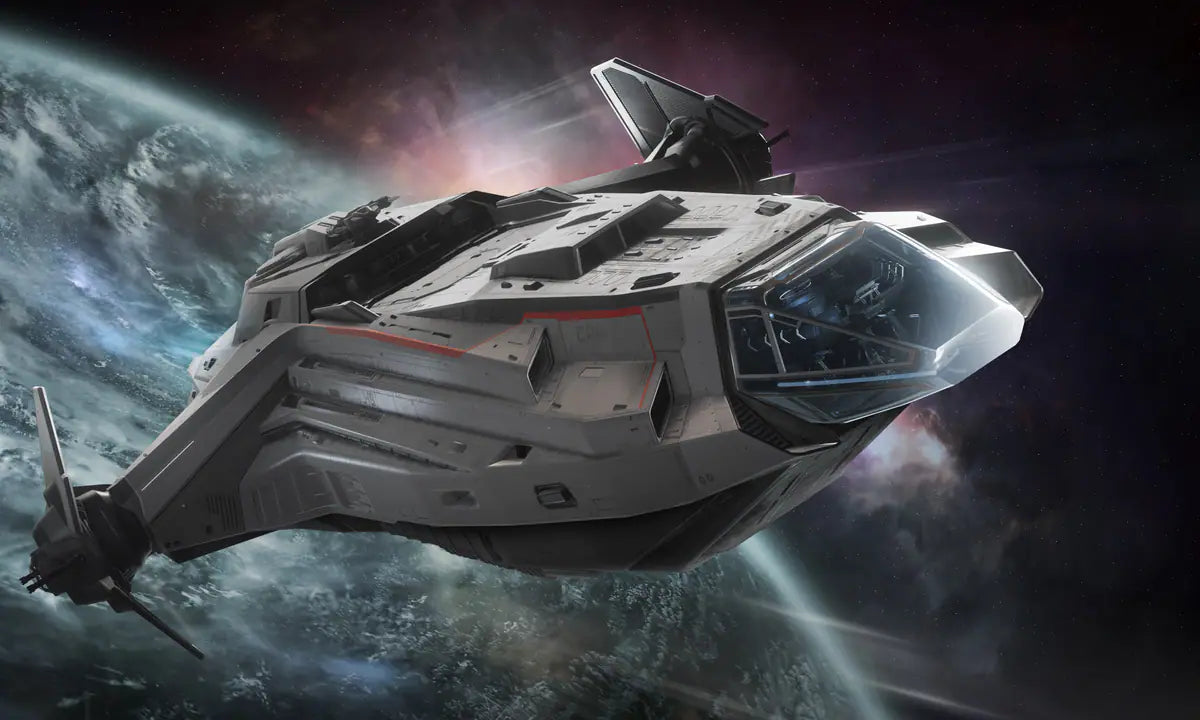
Star Citizen Ship Guide
The right ship for your next chapter.
A good ship does more than fill a hangar. It gets you into the part of Star Citizen you actually enjoy. These are our picks for your first purchase, your next upgrade, and the careers worth building a fleet around.
What do you want to fly for?
Start with the job you enjoy.
The ship comes next.
 01Cargo & tradingBuy capacity you can keep busy.
 02CombatChoose the fight before the fighter.
 03Bounty & interdictionStopping a ship is not the same as winning the fight.
 04MiningLearn the rock. Then scale the operation.
 05SalvageThe wreck is only the beginning.
 06Medical & rescueReach the patient. Bring the right care.
 07ExplorationAn expedition is more than a destination.
 08Ground teamsBuy the transport around the team.
 09RacingThe course is the specification that matters.
 10Fleet supportKeep other people flying.
 11Luxury & touringSometimes the journey is the purchase.
 12Data & scienceA specialist needs a working reason to exist.
 13Building & fleetsBuild the organization before the flagship.
Best starter ships in Star Citizen
A first ship, not your last ship.
Your first ship should give you reasons to undock, not a reason to stretch your budget. Our default is the Avenger Titan for mixed missions; Cutter is the utility-led alternative. The 100i is a preference pick for compact travel, not the strongest all-round value. Compare the Aurora Mk II below before deciding, and keep enough room in the budget to discover which careers you actually enjoy. Starting with an affordable game package and earning other ships in-game is a valid plan.
 Flight ready
Avenger Titan
A rear cargo bay and pilot-controlled weapons give the Titan two useful directions from the same purchase: run deliveries, then try a combat contract without changing ships. We would choose it over the Cutter when learning to fight matters as much as having a cabin. Move into a dedicated hauler when its small hold becomes the recurring limit.
Its hold is still small. Once larger freight jobs become your routine, storage will be the limitation rather than a lack of things to do.
- Cargo
- 8 SCU
- Operating style
- Solo mixed missions
Best fit Deliveries with a side of combat
 Flight ready
Cutter
The Cutter gives everyday trips a useful interior, living facilities and a rear loading ramp. That is the appeal: somewhere to bring a delivery and prepare for the next landing. We would take the Titan for more combat interest, but keep the Cutter when travel and ground errands are the reason to log in.
Buy it for utility, not a dogfighting advantage. If combat is the reason you are logging in, the Titan is the more natural starting point.
- Cargo
- 4 SCU
- Operating style
- Solo utility
Best fit Travel, deliveries and daily use
 Flight ready
100i
The 100i combines a compact touring cabin with a small freight space and Origin's AIR fuel system. We would pick it for light personal travel, not for the biggest hold in the starter class. The Titan is the more natural mixed-combat choice; a Nomad only becomes the next step if carrying a small vehicle matters to you.
The compact hold is the trade-off. It is not our pick for building a hauling business, and the polished cabin does not make it a dedicated luxury liner.
- Cargo
- 2 SCU
- Operating style
- Solo touring
Best fit Compact travel and light errands
| Ship | Best reason to choose it | Cargo |
|---|---|---|
| Avenger Titan | Deliveries with a side of combat | 8 SCU |
| Cutter | Travel, deliveries and daily use | 4 SCU |
| 100i | Compact travel and light errands | 2 SCU |
What to buy after your starter
The best first upgrade solves something you have already noticed. Running out of hold space? Losing access to the cockpit when loaded? Bringing the same friend every night? That is a buying reason. A longer ship, on its own, is not. A second specialist can also be a better purchase than replacing the daily ship you already like.
C1 Spirit
Choose a cargo-first layout and rear tractor. If these loads are already too small, skip a marginal upgrade and compare the dedicated haulers.
Explore cargo & tradingCutlass Black
Give your friend an active turret job while keeping a useful solo daily ship. For two people interested only in fighting, compare a dedicated crewed fighter.
Explore combatGladius
Keep your daily ship and add a focused fighter. Moving sideways into a specialist can teach you more than buying another larger generalist.
Explore combatNomad
A documented ROC pairing opens a ground-mining route. Buy around the exact vehicle fit, not a cargo figure or an assumed upgrade ladder.
Explore ground teams400i
Make this a deliberate luxury purchase for shared trips. If compact travel still suits you, keeping the 100i is also a good outcome.
Explore luxury & touringProspector
Keep a daily ship alongside a dedicated miner, or choose salvage if you prefer working wrecks. Try the job before replacing a ship you already use.
Explore miningThree flexible daily ships
 Flight ready
Cutlass Black
The rear bay handles freight and suitable small vehicles, while a friend can take the turret and contribute during a fight. That combination makes the Black our flexible first shared ship. Choose the C1 when loading cargo is the main routine; keep the Black when tonight's cargo run might become a ground trip or combat detour.
It is a flexible working ship, not the strongest answer to every specialist task. Pick a dedicated fighter if combat is your only priority.
- Cargo
- 46 SCU
- Operating style
- Solo; optional gunner
Best fit Solo or small group
 Flight ready
C1 Spirit
The C1 puts its working space behind the cockpit and a tractor above the rear ramp. The result is a clear freight-first upgrade with room for a second person. We would choose it over the Black for its loading arrangement, not for a gunner experience. Move to the MAX or Zeus CL when the regular load outgrows it.
Its footprint is larger than the starter you are leaving. Check hangar handling and loading access, not just the cargo number.
- Cargo
- 64 SCU
- Loading
- Rear tractor
Best fit Solo-friendly cargo utility
 Flight ready
Freelancer
The Freelancer joins an enclosed freight bay to a living cabin with room for company. We would choose it for a solo working routine that does not exclude friends, rather than assuming its listed crew is mandatory. Compare the C1's tractor-assisted loading before deciding; choose MAX instead if the same freight ceiling keeps interrupting your work.
Choose the variant deliberately: MAX favors hauling, DUR favors exploration, and MIS leans toward combat. They are not interchangeable paint editions.
- Cargo
- 66 SCU
- Operating style
- Solo or company
Best fit Solo use with room for a group
Listed crew describes the ship, not a minimum headcount for every trip. Our recommendations distinguish practical solo use from jobs that need an active second operator.
Cutlass Black vs C1 Spirit vs Freelancer
| Ship | The deciding difference | Choose it when | Capacity |
|---|---|---|---|
| Cutlass Black | An active gunner role and an adaptable rear bay. | Your plan changes between errands, freight and bringing a friend. | 46 SCU |
| C1 Spirit | A rear tractor and a cargo-first working layout. | Loading freight matters more than adding a combat turret station. | 64 SCU |
| Freelancer | An enclosed working cabin with more listed accommodation. | You want one daily hauler that can also bring company. | 66 SCU |
Current hauling and trading; future bulk ships are separated below.
Cargo work begins with a route, not a ship specification. Contract hauling asks you to move someone else's freight; trading asks you to put your own credits into goods and carry the risk until they sell. Either way, a hold you can load, fill and unload regularly is more useful than a spectacular capacity you rarely use.
We would build around the terminals and delivery points you actually visit. Internal bays, external grids, loading equipment and the way a ship handles around a landing zone all change the working day. Leave money for the cargo itself when you trade, and do not let a bigger purchase leave the ship empty.

Our recommendations
3 purpose-led picks Flight ready
Freelancer MAX
We would choose the MAX when the same ship needs to haul freight during the week and carry an Ursa for a ground trip. Its widened bay has a documented fit for that rover, giving the extra width a purpose beyond the cargo figure. If your routine is boxes rather than vehicles, the Zeus CL's loading tractor is the stronger reason to look elsewhere.
There is no onboard tractor in the checked loadout. Arrange external loading equipment, and allow for the freight space a rover occupies.
- Cargo
- 120 SCU
- Loading
- Internal bay / ramp
Best fit Mixed freight and rover transport
Flight ready
C2 Hercules
Front and rear ramps turn the C2's large internal bay into useful freight and vehicle space. We would choose it when the load needs to travel inside the ship and your landing points can handle the hull. The Hull C carries bulk differently; it is an alternative route model, not an automatic upgrade from this one.
Loading time, clearance and a much larger hull are part of the upgrade. More capacity does not automatically mean more profit per hour.
- Cargo
- 696 SCU
- Loading
- Front and rear ramps
Best fit Large freight and vehicle logistics
 Flight ready
Hull C
External cargo spindles give the Hull C its bulk-freight purpose. We would buy it around compatible loading facilities and a repeatable route, not for errands between arbitrary surface outposts. A C2 is the more relevant choice when an internal bay and ramps matter. Grow beyond the Hull C only when the whole logistics chain can absorb more freight.
Do not assume a loaded Hull C can serve the same surface routes as an internal-bay hauler. Check the route and cargo-transfer facilities first.
- Cargo
- 4,608 SCU
- Route
- Compatible freight facilities
Best fit Bulk routes with compatible facilities
The middle cargo step: four different working layouts
| Ship | Why it makes the shortlist | What to check | Capacity |
|---|---|---|---|
| Freelancer MAX | A widened internal bay with a documented Ursa rover fit. | Bring external loading equipment; the checked loadout has no onboard tractor. | 120 SCU |
| Zeus Mk II CL | A rear tractor for a routine built around handling boxes. | Plan the box arrangement; the extra capacity is not proof that the MAX vehicle fits carry over. | 128 SCU |
| Constellation Taurus | An extended cargo hold and lower tractor turret. | Try loading its elevator before committing to that workflow. | 174 SCU |
| Starlancer MAX | Two holds with different access routes and individual crew cabins. | A larger shared-trip layout; check the full loading and parking routine. | 224 SCU |
Start with manageable C1 or MAX loads, then compare Taurus before committing to a much larger hull. C2 and Ironclad are choices for established internal-cargo operations; Hull C belongs to a different, facility-dependent bulk route. Try a full loading and selling cycle before upgrading. The profitable ship is the one your route can keep working.

The organization-scale horizon
The Hull E is a future bulk-freight commitment, not a shortcut to a profitable route today. When it is available, its scale will make loading infrastructure, capital tied up in cargo and reliable support more important, not less.
Explore Hull EWhat should decide this purchase?
Your usual load, loading method, route restrictions and available trading funds. Maximum SCU comes after those questions.
Current combat missions and player-organized combat; balance changes by patch.
A dogfighter, a crewed heavy fighter and a torpedo bomber solve different problems. Calling one of them the best combat ship hides the decision you actually need to make. We start with the target, the people you fly with and whether you want to learn close-range flying or deliver a specialized strike.
Separate PvP dogfighting from PvE contract clearing. A light fighter is a good place to learn positioning, but it is not automatically the efficient answer to a large armored NPC target. A heavy fighter or a Constellation may suit that mission better while being a poor substitute in a close fight against an experienced player. We would test the intended targets, not rank combat ships by SCM speed or shields alone. Turret weapons also need their operator.

Our recommendations
4 purpose-led picksFlight ready
Gladius
A single cockpit and dedicated fighter layout put the work with the pilot: learn positioning, aim and when to disengage. We use the Gladius as a straightforward light-fighter reference, with Arrow as a credible alternative to test. Choose a Warden when an interior and a longer combat routine matter more than staying in this lightweight class.
Its specialization is the point. Keep a daily utility ship if deliveries, living space or freight are also part of your routine.
- Combat role
- Pilot-led dogfighter
- Operators
- One pilot
Best fit Solo fighter practice
 Flight ready
Vanguard Warden
Pilot weapons, an interior and an optional gunner make the Warden a different proposition from a small cockpit-only fighter. We would choose it for repeat combat journeys with room to bring a friend. The Hurricane makes more sense when that friend always wants the turret; a Gladius is the cleaner learning choice for dedicated light-fighter flying.
A larger heavy fighter is not automatically an easier dogfighter. Its crew potential and endurance must matter to your own missions.
- Combat role
- Heavy fighter
- Operators
- Pilot; optional gunner
Best fit Solo missions with optional gunner support
 Flight ready
Hurricane
The Hurricane puts much of its fighting purpose in a crew-operated turret. We would buy it for two people who enjoy working one engagement together, not for a pilot who occasionally hopes a friend will appear. Choose the Warden for a more independent mission routine, or keep a solo fighter alongside the Hurricane for uncrewed evenings.
Much of its appeal sits in the crew-operated turret. For mostly solo evenings, choose a platform that keeps your desired capability with the pilot.
- Combat role
- Crewed heavy fighter
- Operators
- Pilot + active gunner
Best fit A regular two-person team
 Flight ready
Eclipse
The Eclipse centers the purchase on a torpedo attack: approach a suitable target, commit the strike and plan the exit. We would use it as a specialist alongside a general fighter. Choose Gladius or Warden for repeat gun engagements; a larger bomber only helps when your group has targets and logistics that call for it.
Test torpedo hit reliability against your intended targets in the current patch. Countermeasures, finite ammunition and rearming can turn a promising paper loadout into an expensive missed run.
- Combat role
- Torpedo strike
- Operating limit
- Finite ordnance
Best fit Target-specific torpedo attacks, not routine dogfighting
Solo fighter or a pilot-and-gunner team?
| Ship | Main fighting job | Who needs to be aboard | The reason to choose another |
|---|---|---|---|
| Gladius | Pilot-led dogfighting. | One pilot. | Warden adds an interior for a longer mission routine. |
| Vanguard Warden | Heavy fighter with pilot weapons and optional turret support. | Solo is viable; a gunner adds coverage. | Hurricane is a more deliberate purchase around an active gunner. |
| Hurricane | Pilot and turret operator working the same engagement. | Bring a regular gunner for the intended firepower. | For solo evenings, do not pay for a turret you will leave unused. |
Learn one fighter well before chasing every balance change. Move to a heavy fighter when its endurance or crew arrangement fixes a real limitation. For organized combat, compare the Polaris as a coordinated fleet commitment. Its size and stations make it an operation to staff, not the inevitable next personal fighter.
Should I buy the newest fighter?
Only when its actual role improves your own flights. Newness, a larger shield number and a higher price do not establish a better matchup.
Ships for bounty hunting, interdiction and piracy
Combat bounties and interdiction are different jobs. Capture objectives depend on the delivered mission.
Combat bounties
Use Titan or Gladius to learn early contracts. For harder NPC targets, compare a heavy fighter or Taurus instead of assuming a light fighter is the efficient answer to every tier. A prisoner pod is not needed for a kill objective.
Compare combat shipsInterdiction support
Mantis supplies a quantum snare; an escort supplies the fight. Blue offers quantum dampening, which is not the same as pulling ships out of quantum travel.
See specialist picksCapture-oriented ownership
Hawk and Blue have different detention layouts. Check the actual capture and delivery mission before paying for equipment you cannot yet use as intended.
See specialist picksStart by separating a combat bounty from a capture or interdiction plan. If the task is to destroy a target, the combat shortlist is the right place to begin. If your group needs to prevent an escape, a specialized support ship can matter more than adding another ordinary fighter.
The same distinction helps a piracy group: intercepting, fighting, boarding and recovering cargo are separate jobs. We would not turn a cargo ship into a pirate specialist simply because it can carry stolen goods. For smuggling, begin with the cargo, access and risk of the actual mission, and verify that any advertised concealment mechanic works in the current build.

Our recommendations
3 purpose-led picks Flight ready
Mantis
The Mantis supplies quantum-enforcement equipment rather than simply another set of guns. Its snare gives an organized group a specific interception tool; the rest of the group needs to handle the target afterward. We would choose a fighter for ordinary solo combat bounties and add the Mantis only once someone actually needs to fill the interception role.
Interdiction equipment is not a replacement for a combat wing. Check current system limits, jurisdiction and the support your team can provide.
- Equipment
- Quantum snare / dampener
- Support
- Combat escort
Best fit Organized interdiction support
Flight ready
Cutlass Blue
The Blue combines a Cutlass platform with quantum dampening and a prisoner-transport layout. That makes it useful to compare when keeping a nearby target from leaving matters to the team. Choose Mantis for a snare-based plan, or Black for general utility. The detention equipment only earns its place when your intended mission can use it.
Prisoner pods and a bounty-hunting label do not guarantee a complete capture-and-delivery loop. Check the current missions and mechanics.
- Equipment
- Quantum dampener
- Design
- Prisoner transport
Best fit Bounty and interception interest
 Flight ready
Hawk
An EMP and a single-prisoner compartment give the Hawk its compact bounty-specialist identity. We would compare it for those tools, not treat the name as proof it is the easiest combat-bounty ship. Choose a conventional fighter for a simpler gun-focused routine; look toward the Blue when a larger detention layout is relevant to a supported mission.
Choose it for the implemented equipment and missions you intend to use. Do not treat future capture mechanics as a guaranteed earning plan.
- Equipment
- EMP
- Design
- Single-prisoner compartment
Best fit A compact specialist bounty platform
Learn the combat or mission routine first. Add interdiction when a team has a plan for what happens after a target stops. For more crew-oriented bounty support, compare the Zeus Mk II MR and verify its current release state and delivered systems before committing.
Do I need prisoner pods for combat bounties?
Not simply to fight a target. Choose the ship around the mission objective; equipment for a capture role only matters when that is the job you can actually perform.
Best mining ships: from solo work to a mining fleet
Current ship and surface mining; Arrastra and Orion remain future plans in the reviewed snapshot.
Mining rewards a pilot who enjoys making decisions before the payout: finding material, judging whether a rock is worth the effort, controlling extraction and planning what happens to the ore afterward. The right ship is the one whose process you enjoy repeating, not simply the one with the largest storage figure.
A mining hold stores ore, not interchangeable general freight. After refining, you may need a separate hauler to move the output. That makes a second working ship, or a friend with one, a meaningful upgrade. Adding more mining stations also adds coordination; those stations do not operate themselves.

Our recommendations
3 purpose-led picksFlight ready
Prospector
The Prospector gives one operator an adjustable mining arm and a proper living cabin. We would choose it when mining becomes a regular evening's work and having somewhere to live aboard matters. Its appeal is a more complete working space around a one-pilot routine.
You still need a refinery plan and transport for refined output. An ore pod is not a general-purpose freight hold.
- Stock ore storage
- 32 SCU
- Mining
- One pilot / mining station
Best fit Independent mining with living facilities
 Flight ready
MOLE
The MOLE gives a pilot and miners distinct stations and a larger mining setup to work with. A coordinated crew puts those stations to use together. Experienced solo miners also use it, accepting the walk between flying and mining for the equipment and storage. We would try that seat-switching routine before buying it as a solo upgrade; a Prospector keeps control of the trip in one place.
Solo operation is possible, but repositioning interrupts mining. Rock resistance, fitted heads, modules and extraction logistics decide whether that trade is worthwhile.
- Stock ore storage
- 96 SCU
- Mining
- Separate pilot / miners
Best fit A mining team, or an experienced solo operator
 Flight ready
ROC
The ROC works surface gems from a ground-mining arm, giving the carrier flight and the terrain search equal importance in the session. Its mineral load is not a Prospector ore-refining run. We would choose it with a documented carrier such as Nomad; move to a Prospector if you prefer ship mining to unloading and driving at each site.
It needs a suitable carrier to get to the job. Check a documented physical fit; the carrier's cargo capacity alone does not answer that question.
- Mineral storage
- 1.2 SCU
- Logistics
- Compatible carrier needed
Best fit Ground mining with transport support
Golem vs Prospector: choose the working layout
| Ship | Why we would choose it | The compromise | Stock ore |
|---|---|---|---|
| Golem | Compact single-seat mining trips using its Pitman-equipped setup. | No walkable living cabin; plan around returning to base. | 32 SCU |
| Prospector | An adjustable mining arm, a bed and living facilities for a regular mining routine. | A larger hull without more stock ore storage in the checked loadout. | 32 SCU |
Stock ore capacities checked against game-data build 4.10.0: Golem 32 SCU, Prospector 32 SCU, MOLE 96 SCU. Spare pods and different fitted containers are not included. Plan a separate hauler for refined output.
Learn solo ship mining in a Golem or Prospector. Keep the ship that suits your routine, try a MOLE when friends want separate mining stations, then scale with multiple miners and a hauler. That is a working fleet you can build now, without waiting for a future flagship.

Plan for Arrastra and Orion later
Arrastra and Orion are not flight ready in the reviewed data. Arrastra is designed to combine larger-scale mining with onboard refining; Orion is the organization-scale industrial ambition. When those ships arrive, review their actual staffing and refinery workflow before moving an established fleet into them.
Explore ArrastraIs a MOLE always better than a Prospector?
No. Some experienced solo miners prefer its equipment and storage despite switching stations; others find that routine tedious. A crew can use multiple mining stations together. Try the same deposits and a complete unloading cycle before deciding whether the larger ship helps your evenings.
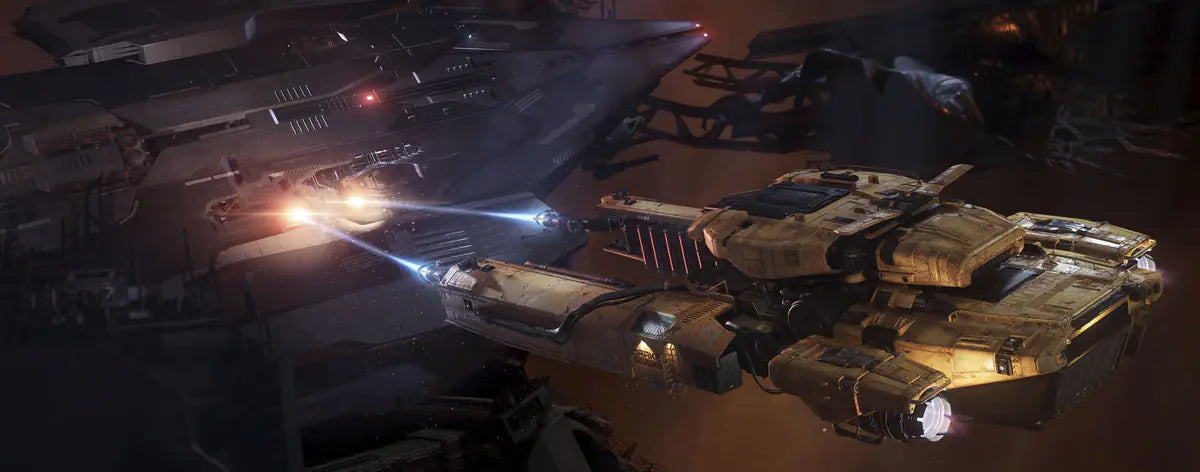
Current salvage operations. Cargo grids and processing buffers are different capacities.
Salvage is a production job as much as a flying job. Finding a wreck, working it, managing the recovered material and getting that material sold are all parts of the same session. We would choose a ship around the amount of handling you enjoy, then grow the operation when that handling becomes a bottleneck.
Keep hull scraping, structural work and moving recovered cargo separate in your buying decision. More processing capacity creates more output to manage. A big crew ship can be an excellent shared workplace, but an empty workplace is not an upgrade for someone who likes quiet solo runs.
Our recommendations
3 purpose-led picksFlight ready
Vulture
The Vulture gives one salvager an enclosed working hold for boxed output. We would choose it when that interior workflow appeals and managing material between passes is part of the routine you enjoy. Fortune is the close alternative for automatic external box handling. Bring a hauler or a crew before jumping to Reclaimer-scale processing.
Cargo handling is part of ownership. Evaluate how often you want to stop working the wreck to manage the material you have produced.
- Cargo grid
- 12 SCU
- Handling
- Enclosed working hold
Best fit Independent salvage runs
 Flight ready
Fortune
Fortune's automatic external container dispenser is the meaningful difference: recovered material is boxed outside, with extra storage at the rear. We would choose it when reducing manual box handling matters more than an enclosed workspace. Vulture is the interior-layout alternative; Reclaimer is a crew decision, not simply the next solo storage upgrade.
Try the operating loop if possible. The ship you find easier to work in can matter more than a small paper advantage.
- Cargo grid
- 16 SCU
- Handling
- External auto dispenser
Best fit An alternative solo salvage layout
 Flight ready
Reclaimer
The Reclaimer combines industrial salvage equipment with space for a crew to process material and work the cargo. We would choose it when different people actually want those jobs. A solo Vulture or Fortune is a better fit for an independent evening; the next step for an established Reclaimer crew may be hauling support rather than another salvager.
Allow for the large hull, transit and logistics. It is not a simple one-person replacement for a Vulture.
- Cargo grid
- 420 SCU
- Operations
- Crewed processing / handling
Best fit A regular industrial crew
Vulture vs Fortune: choose the handling routine
| Ship | Material handling | Why we would choose it | Cargo grid |
|---|---|---|---|
| Vulture | Move boxed output within an enclosed working hold. | You prefer a contained interior workspace and accept the handling trips. | 12 SCU |
| Fortune | Automatic external box dispensing with additional rear storage. | Reducing manual box handling is more important than an enclosed layout. | 16 SCU |
Try the loop in a Salvation or build an independent routine around Vulture or Fortune. Add hauling support when output handling slows the trip down. Compare MOTH as the intermediate crewed step before going all the way to Reclaimer. The next purchase should keep the team working, not leave several salvage stations empty.
Should I keep the smaller salvage ship?
Often, yes. A solo-capable ship gives you something useful to fly on the evenings when the larger crew does not assemble.
Current medical support. Tier 2 treats broader injury levels than Tier 3; bed count is a separate question. Regeneration rules can change independently.
A rescue purchase should begin with the journey to the patient. Can you reach the landing site, get someone aboard and provide the treatment that the situation requires? The largest ship with a medical bed is not automatically the best ambulance. We favor dedicated medical variants over unrelated ships that happen to have a bed.
Treatment capability, regeneration rules, supplies and range can change during development. Check the current medical systems before relying on a specific respawn or treatment promise. A ground ambulance also needs transport to the scene; it does not replace the ship that gets your team there.

Our recommendations
3 purpose-led picksFlight ready
C8R Pisces
A compact hull and a treatment bed make the C8R a focused ambulance rather than a cargo shuttle with medical branding. We would choose it for straightforward extraction and minor-injury care. Red adds a second bed; Terrapin Medic raises the treatment tier. Pick the limitation you need to solve before buying the larger rescue ship.
Choose the C8R medical variant, not the standard C8 or C8X. Compact access comes with limited onboard space.
- Treatment
- 1 bed / Tier 3
- Role
- Compact ambulance
Best fit Compact rescue and fleet support
 Flight ready
Cutlass Red
Two treatment beds let the Red care for two patients at once, while its remaining freight space carries supplies. We would choose it when patient throughput matters more than the smallest landing footprint. C8R is the compact alternative; Terrapin Medic offers a higher treatment tier, but not a second bed.
Its Tier 3 beds do not provide every level of treatment. Plan where to take a patient whose injuries require a better-equipped facility.
- Treatment
- 2 beds / Tier 3
- Role
- Two-patient support
Best fit Everyday rescue and ground-team support
 Flight ready
Terrapin Medic
The Medic replaces the Terrapin's reconnaissance purpose with a treatment bay inside a protected extraction hull. We would choose it when reaching a hazardous pickup and providing higher-tier care matters more than carrying two patients in beds. Red remains the two-bed option; the base Terrapin does not provide this medical role.
It has one medical bed, so treatment capability and patient capacity pull this choice in different directions. Be sure you are buying the Medic variant.
- Treatment
- 1 bed / Tier 2
- Role
- Protected extraction
Best fit Focused casualty recovery
From compact ambulance to configurable medical base
| Ship | Treatment facilities | The buying reason | The limit |
|---|---|---|---|
| C8R Pisces | 1 bed / Tier 3 | A small rescue footprint and straightforward ambulance role. | One treatment bed; not the broadest injury care. |
| Cutlass Red | 2 beds / Tier 3 | Treat two patients at once and bring supplies. | Two beds do not improve the treatment tier. |
| Terrapin Medic | 1 bed / Tier 2 | More capable treatment in a protected extraction hull. | One patient bed; it is not a two-bed Red replacement. |
| Apollo Triage | Two configurable medical rooms. | Choose treatment capacity around a regular rescue team. | Available bed count and tier depend on the fitted modules. |
Apollo room configurations checked 10 September 2026. Treatment capability follows the installed module; do not assume the default loadout includes the most intensive care.
Begin with accessible rescues and a ship you can deploy reliably. Compare Apollo Triage and Apollo Medivac when the wider medical operation justifies moving up. An Ursa Medivac can add ground support to a team, but the ordinary Ursa is not an ambulance.
Should I buy a Carrack just for the medical bed?
We would buy a Carrack for its expedition role. For a rescue-first purchase, begin by comparing the dedicated medical ships and their actual facilities.
Best exploration ships for personal trips and expeditions
Current travel and player-led expeditions; not every intended discovery or data-selling system is delivered.
Exploration can mean a personal journey, a reconnaissance flight or a long session with friends and supporting vehicles. Those are different buying decisions. We would choose the ship around the trips you can take now and treat future scanning, discovery and data-selling ambitions as future features, not guaranteed income.
Useful living space, access to the ship and the resources needed to keep a group moving all deserve attention. Carrying a rover can turn a landing into an expedition, but that does not make every rover a complete exploration business. Likewise, an elegant touring ship is not automatically a dedicated explorer.

Our recommendations
3 purpose-led picks Flight ready
Freelancer DUR
The DUR gives the Freelancer family an exploration-focused direction while retaining freight space for a smaller expedition. We would choose it when the trip matters more than maximum cargo. Corsair adds a different crew-and-vehicle layout; MAX is the better family choice when your real problem is running out of hold space.
Do not confuse it with the cargo-focused MAX. Choose its travel role deliberately rather than treating every Freelancer as identical.
- Cargo
- 36 SCU
- Role
- Smaller expedition ship
Best fit Solo or small-group journeys
Flight ready
Corsair
A rear ramp, usable freight space and individual crew quarters make the Corsair a working expedition base rather than a touring lounge. We would choose it when a group wants to land, unload and keep several plans open. DUR is the smaller commitment; Carrack is the next comparison when the expedition needs supporting craft and a fuller crew operation.
Firepower is not the same as protection. Its large outline and crew-operated positions deserve as much attention as the gun list.
- Cargo
- 72 SCU
- Access
- Rear cargo / vehicle ramp
Best fit Exploration with a flexible itinerary
 Flight ready
Carrack
The Carrack brings a hangar, ground-vehicle capability and onboard expedition facilities into one crewed platform. We would choose it when people will fly the supporting craft and use those spaces, not merely sit aboard. Corsair is a more restrained shared expedition purchase. Beyond this scale, staffing and logistics should decide the next addition.
It asks for an expedition plan and people to make use of the platform. It is an awkward answer to a simple solo daily-driver question.
- Cargo
- 456 SCU
- Operations
- Crewed expedition
Best fit A coordinated exploration crew
Get comfortable with smaller trips, bring a rover when the carrier fit is confirmed, then move to a Carrack-sized operation when the expedition actually needs the facilities. Ursa, MTC and Lynx are surface companions; none replaces the spacecraft that carries them.

Keep the Odyssey on the future list
The Odyssey is an unreleased exploration platform in the reviewed data. Its self-sufficiency ambitions are interesting for a crew, but we would judge it against the delivered systems when it arrives, not retire a useful current ship on a concept promise.
Explore OdysseyIs the 400i an exploration upgrade?
It can be an appealing travel ship, but our main reason to recommend it is luxury touring. Compare Zeus ES for a smaller shared journey and Corsair for a working expedition layout. None of these purchases guarantees a completed discovery-for-profit career.
Current transport and ground operations. Exact carrier compatibility must be checked.
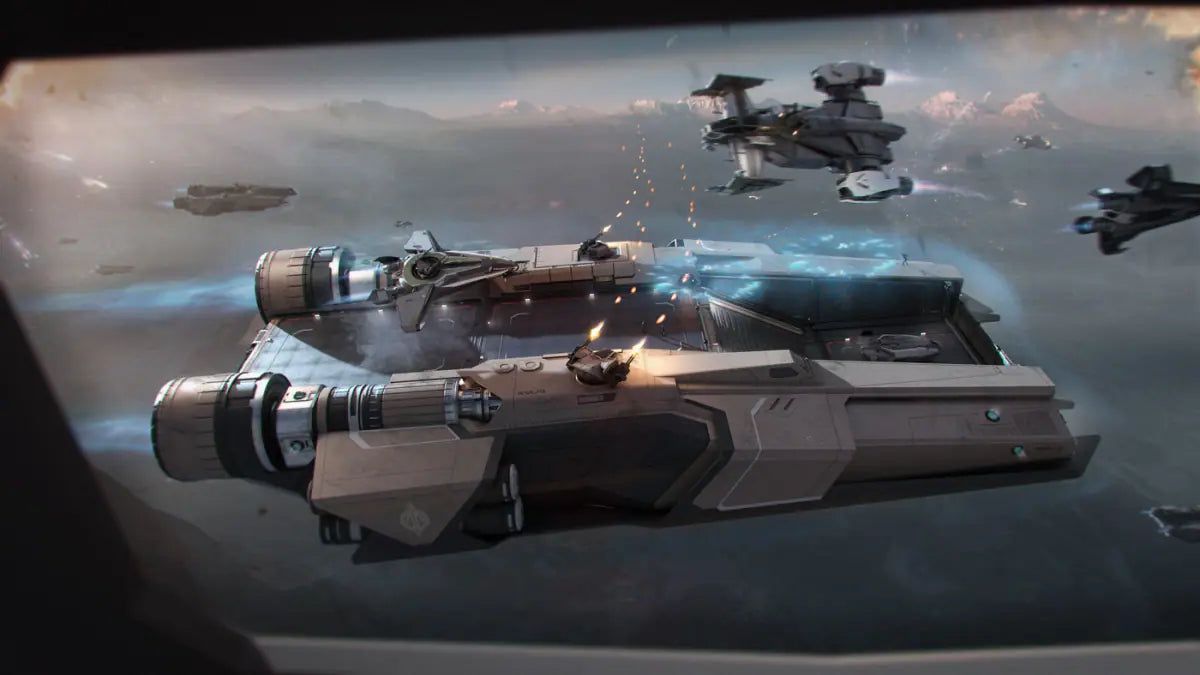
A ground operation needs people, equipment and a way home. Before buying a vehicle, decide which ship will transport it and where that ship can land. Before buying a dropship, decide whether the group needs troop seats, a vehicle bay or a compact shuttle. Those are related jobs, but they are not interchangeable.
Physical fit comes first: ramp width, internal clearance and the space left for other cargo. A ship with enough SCU on paper is not automatically compatible with a particular rover. Picture the return trip too: everyone needs a way aboard, and a vehicle filling the bay may leave less room for the equipment you hoped to bring home.

Our recommendations
3 purpose-led picks Flight ready
Nomad
The Nomad's open cargo bed supports a documented ROC pairing, turning a solo ship into a carrier for a ground-mining session. We would choose it for that useful combination rather than as a universal successor to every starter. A Cutlass offers an enclosed alternative; a Valkyrie only follows when moving a proper ground team becomes the job.
Use documented fits, such as the ROC pairing, and account for access and clearance. The open bed is a different arrangement from an enclosed cargo bay.
- Cargo
- 24 SCU
- Documented pairing
- ROC ground miner
Best fit One pilot and a small supported vehicle
Flight ready
Valkyrie
Troop seating and a vehicle-focused deployment bay give the Valkyrie a reason to exist before the first shot is fired: getting the ground team into place together. We would choose it for organized deployment. Nomad suits a smaller personal setup; compare Hercules transports when the actual vehicles and loads demand more space.
It is a team asset. An empty troop compartment and unused crew stations do not improve a solo delivery run.
- Role
- Troop / vehicle deployment
- Operations
- Pilot and ground team
Best fit Organized troop deployment
 Flight ready
Ursa
An enclosed rover gives an expedition a shared way to travel after the carrier lands. We would choose standard Ursa for the surface transport role and arrange the exact carrier fit first. A smaller ground vehicle may suit a tighter bay; Ursa Medivac is the separate choice when a medical bed is the reason for buying.
The standard rover is not the Ursa Medivac. Choose the medical variant only when that is the role you actually need.
- Role
- Enclosed ground transport
- Logistics
- Compatible carrier needed
Best fit Surface transport and expedition support
Start with a small carrier-and-vehicle combination. Choose Valkyrie when deploying infantry is the job; compare Asgard when a taller military vehicle decides the bay you need. Hercules comes into the discussion for larger loads. Check the exact vehicle, ramp clearance and remaining freight space before treating any carrier as an upgrade.
A future transport fleet
The Liberator is still unreleased in the reviewed data. Treat its light-carrier role as a future fleet plan. When available, check the delivered pads, vehicle access and operating requirements before assigning specific ships to it.
Explore LiberatorCan cargo capacity tell me whether a vehicle fits?
No. SCU measures cargo capacity, not ramp clearance or the usable shape of a vehicle bay. Check the exact pairing.
Best racing ships and ground-racing options
Current racing and player-organized events. The comparisons below use checked 4.10 loadouts, not measured lap times.
Racing turns a ship into something you learn corner by corner. We would choose around the events you actually want to enter: a spacecraft course, low-altitude racing or a ground route. Buying the highest listed speed does not tell you how the vehicle will behave through a turn or recover from a mistake.
A useful comparison includes visibility, response and how naturally you can place the ship. Try the same route in the candidates when possible. Specialized racers also sacrifice general utility, so keeping a separate daily ship can be more useful than expecting the racer to handle every errand.

Our recommendations
3 purpose-led picks Flight ready
M50
For repeated practice laps, we would start with the M50's larger hydrogen tank. It gives you more reserve to plan around than the base Razor. Choose it when carrying that reserve matters more to your routine than a narrower hull or the highest forward-boost figure.
Its wider body asks for more room through tight gates. Boost use and fuel burn still determine how long that tank lasts.
- Type
- Spacecraft racer
- Hydrogen tank
- 1.6 SCU
Best fit Practice sessions that prioritize fuel reserve
Flight ready
Razor
We would shortlist the base Razor when clearance through tight gates and fast straight-line bursts are priorities. Its narrower hull and higher forward-boost speed give you two concrete reasons to try it beside an M50 on your regular course.
You trade away hydrogen capacity, so plan refueling around the event. Do not assume the LX or EX shares this configuration.
- Variant
- Base Razor
- Hydrogen tank
- 0.5 SCU
Best fit A boost-focused alternative with a narrower footprint
 Flight ready
X1 Velocity
The Velocity takes the X1 platform toward gravlev racing close to the terrain. We would choose it for that surface experience, with a carrier already planned. It cannot substitute for an M50 or Razor on a spacecraft course. Event transport and recovery may be more useful next purchases than a second racing vehicle.
A gravlev vehicle needs a way to reach the route. Plan its carrier and storage before making it your only purchase.
- Type
- Gravlev racer
- Logistics
- Carrier needed
Best fit Gravlev racing and surface routes
M50 vs Razor: fuel reserve or boost-focused runs?
| Ship | A useful reason to choose it | The trade-off | Hydrogen tank |
|---|---|---|---|
| M50 | More hydrogen reserve for planning repeated practice laps. | 11 m wide versus Razor's 9 m; lower listed forward-boost speed. | 1.6 SCU |
| Razor | A narrower hull and 595 m/s forward boost versus M50's 490 m/s. | Less hydrogen on board; a boost-speed advantage is not a lap-time result. | 0.5 SCU |
These stock figures were checked in game-data build 4.10.0, not timed on a track. Fuel consumption, pilot technique, route and patches can change the outcome. Older concept descriptions of fuel collection are not treated as proof of a working endurance advantage.
Practice a route before upgrading. Then compare a second racer on that same route, with the same pilot and conditions. For group events, transport, recovery and a place to stage the vehicles can be a more useful next purchase than another racing hull.
Is SCM speed a racing ranking?
No. It is one operating statistic. Course layout, handling, acceleration and your own consistency change the result.
Current refueling and towing; the unreleased repair platforms are future purchases.
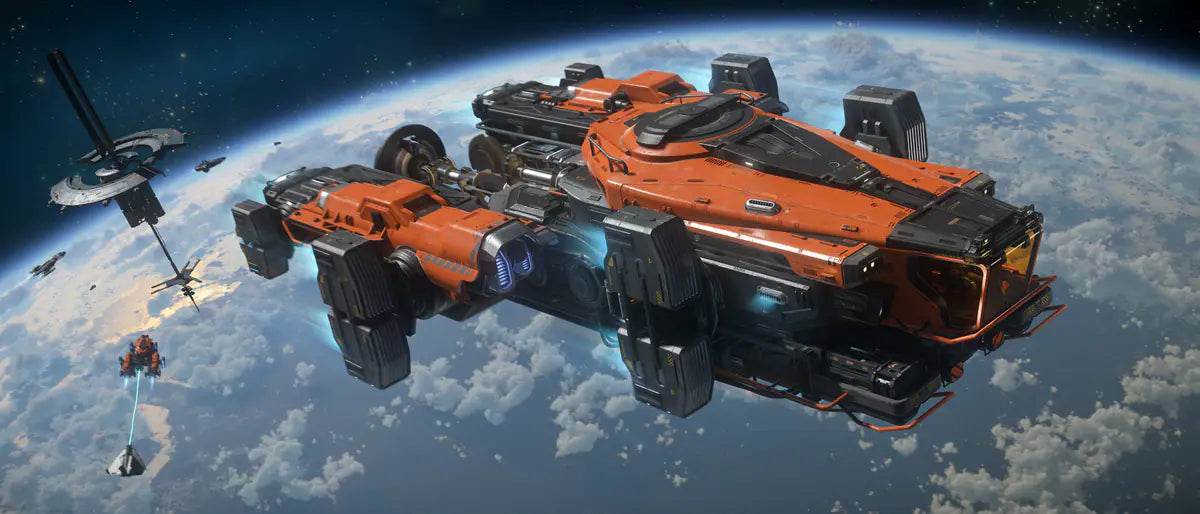
Support work suits players who like solving another crew's problem. A ship needs fuel, a disabled hull needs moving, or an operation needs a practical way to recover from a bad landing. Choose the service first. A towing vessel, a tanker and a future repair ship are not three versions of the same career.
Before committing, think about where the customers come from. A regular organization can create a reliable reason to own a support ship; a solo owner may spend more time finding a job than performing one. Check current service mechanics, permissions and operating limits before promising a rescue or repair to another player.
Our recommendations
3 purpose-led picks Flight ready
Starlite
The Starlite is the compact way into refueling, but we would try a complete contract before committing. Its two-pod arrangement makes the fuel type and amount requested as important as the size of the customer. Choose it for jobs that fit its actual supply; compare Starfarer when your regular service outgrows that setup.
Fuel balance and mission requirements have changed across patches. Confirm that the installed pods can complete the current contract and that docking and payment work; older earnings claims are not a buying guarantee.
- Service
- Refueling
- Operating style
- Single-seat tanker
Best fit Small refueling jobs verified in the current patch
 Flight ready
Starfarer
The Starfarer's tank-and-refueling arrangement makes fuel support its reason to join a fleet. We would choose it for planned service to other crews, with people handling the larger operation. Starlite is the smaller focused alternative; carrying ordinary freight is not enough reason to choose a tanker over a dedicated hauler.
Its size and operations ask more from the owner. Buy it for planned fuel support rather than as a generic next ship.
- Service
- Fuel support
- Operations
- Larger tanker logistics
Best fit A larger industrial support crew
Flight ready
SRV
The SRV uses its towing tractor to move a ship or load that needs help getting somewhere else. We would buy it for recovery work with a destination and permission already arranged. It neither processes salvage like a Vulture nor turns a damaged ship into a repaired one. Add complementary support when your group regularly needs it.
Towing is not the same as repairing. Check current towing restrictions and arrange another repair solution when a recovered ship still needs work.
- Service
- Tractor towing
- Not included
- Dedicated repair
Best fit Tractor-based recovery operations
Learn one support service, build relationships with crews who need it, then add complementary equipment. A tanker and a recovery ship make more sense when there are other ships to support than when they are competing for the same empty evening.

Repair is a separate future commitment
The Crucible and Vulcan are unreleased in the reviewed data. They belong on a future repair-and-support plan, not in a promise that a player can deliver their full intended service today. Recheck the implemented repair workflow when they arrive.
Explore CrucibleCan an SRV replace a repair ship?
No. Its recovery and towing role does not imply that it can perform the work of a dedicated repair platform.
Current personal touring and hosting. Passenger-income ambitions are a separate purchase decision.
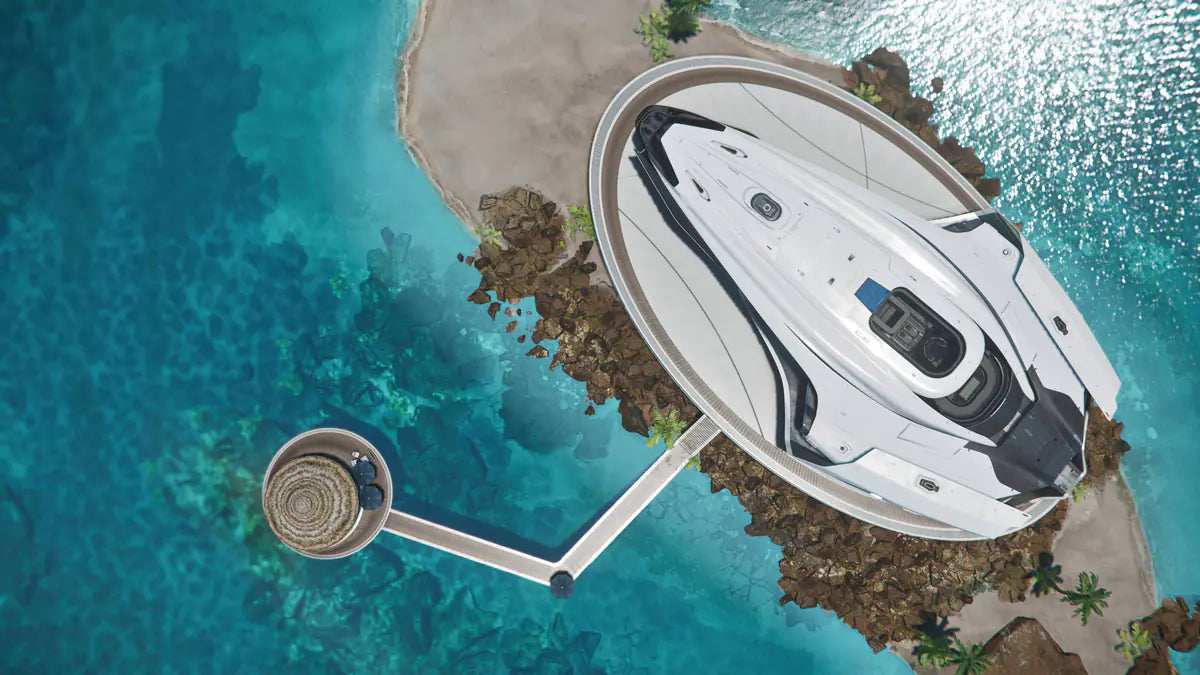
Luxury is a valid reason to buy a ship. You might want somewhere to travel with friends, host a group or simply enjoy the interior between destinations. We would be honest about that preference rather than inventing an industrial justification for a ship whose real appeal is how it feels to spend time aboard.
Separate personal touring from a future passenger-transport business. Comfortable seats and a beautiful interior do not guarantee an implemented income loop. Larger luxury ships also bring larger operating responsibilities, so the size of the group matters as much here as it does in a working fleet.
Our recommendations
3 purpose-led picks Flight ready
400i
The 400i offers a smaller luxury interior and a place for company on personal trips. We would choose it when the travel experience matters more than squeezing the most freight into the hull. DUR and Corsair address different expedition priorities; move toward 600i Touring when the people aboard need a larger social interior.
Choose it for the experience and layout you value. A less luxurious working ship may be a better fit for a cargo-first routine.
- Purpose
- Personal luxury touring
- Listed crew
- 3
Best fit Personal touring with company
Flight ready
600i Touring
The Touring configuration makes guest space and the shared interior the point of the 600i. We would choose it for spending the journey with friends rather than an exploration-first equipment list. The 400i is a smaller commitment; the 890 Jump belongs to a group that will use a substantially larger hosting platform.
Be precise about the variant. The 600i Explorer and Touring should not share an identical buying argument.
- Purpose
- Social / touring interior
- Listed crew
- 5
Best fit A dedicated luxury touring role
 Flight ready
890 Jump
Guest areas and support facilities make the 890 Jump a large shared destination as much as a transport. We would choose it for planned group hosting, with people willing to operate a capital ship. A 600i Touring is the more restrained social purchase; an onboard medical facility does not make the yacht our first ambulance recommendation.
Plan the people and operating effort. A large luxury ship with a medical facility is still not our first recommendation for a dedicated rescue purchase.
- Purpose
- Group hosting
- Operations
- Capital-scale ownership
Best fit Group hosting and large-scale touring
Start with the touring ship whose size suits the people you fly with. Move up when the larger interior has a purpose. If your interest is scheduled passenger operations instead, compare that separate role before buying a luxury hull.

Passenger transport is its own path
The Genesis Starliner is an unreleased passenger-transport platform in the reviewed data. Its commercial passenger role is different from buying a yacht for personal touring. Treat it as a future operating business and verify the passenger mechanics when delivered.
Explore Genesis StarlinerDoes luxury mean exploration?
Not in our main recommendations. The 400i, 600i Touring and 890 Jump are luxury-led choices, even when they can also take you on an interesting trip.
Data, science and other specialist ship choices
Flyable specialist designs with incomplete intended professions. Do not assume a finished paid career.
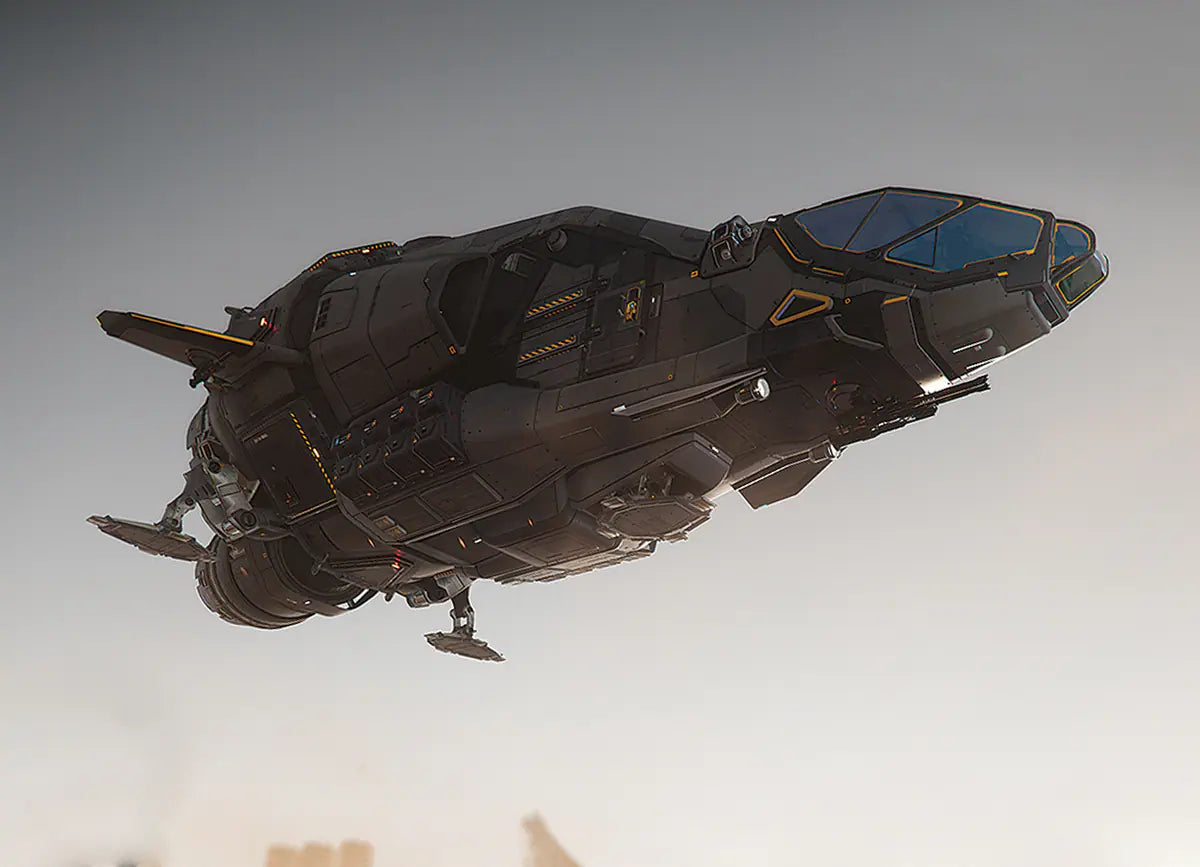
Some of Star Citizen's most interesting ships are built around information rather than freight or weapons. Their design can be compelling even while the surrounding gameplay continues to develop. We would buy one because you understand that distinction, not because its career label promises a finished earning loop.
A ship can be flight ready while its full intended profession remains incomplete. That matters for data running, reporting and science. If the future role is the only reason you are interested, waiting is a reasonable decision. If you enjoy the ship for current travel or roleplay, make that the honest buying argument.
Our recommendations
3 purpose-led picksFlight ready
Herald
The Herald is built around carrying information, giving it a more specific identity than an ordinary package courier. We would buy it for that design interest or current personal use, not a promise of finished data-running income. Keep a useful daily ship; a larger information platform only follows when its delivered gameplay supplies a reason.
Flight-ready status does not certify a complete data-running business. Check what you can actually do in the current build.
- Design role
- Data courier
- Career
- Future-facing systems
Best fit Data-courier interest and specialist roleplay
 Flight ready
Reliant Mako
The Mako's optical camera turret gives an event observer a concrete reason to choose this Reliant: document the race, expedition or fleet gathering instead of leading it. We would verify the needed camera functions first. Sen is the research design, not an equivalent reporting ship; a larger purchase should follow a real production requirement.
Check which camera and broadcasting functions are usable before buying for a specific production workflow. The intended reporting career is not a promise of paid news missions.
- Equipment
- Optical camera turret
- Design role
- Reporting
Best fit Reporting-focused ownership
 Flight ready
Reliant Sen
The Sen directs the compact Reliant platform toward scientific observation and research rather than the Mako's reporting equipment. We would choose it with a clear understanding of which systems are usable and which remain intended features. Keep everyday transport separate, and consider Endeavor-scale ownership only when delivered research work calls for it.
Separate the flyable ship from its intended research mechanics. Future scientific systems should not be presented as guaranteed income today.
- Design role
- Science / research
- Career
- Future-facing systems
Best fit Science interest and future planning
Keep a currently useful daily ship alongside any future-facing specialist. Grow into the profession when its delivered systems give you a real reason to do so, rather than buying a larger science hull simply to complete a theoretical progression chart.

The long-term science platform
The Endeavor is unreleased in the reviewed data. Its intended modular roles depend on the modules and systems ultimately delivered. Do not assume a base hull includes every advertised configuration or a complete medical, research and farming fleet at once.
Explore EndeavorDoes flight ready mean the career is finished?
No. It describes the ship's release state, not the completeness of every system or profession associated with its design.
Ships for base-building plans and large operations
Current freight support alongside future construction and modular-ship plans.
Large fleet purchases should follow an operation that needs them. Building, transport and carrier support involve more than a flagship: materials, people, smaller working craft and a reason to bring everything together. The most impressive ship on a plan is not always the next useful ship to buy.
For future-facing building and modular platforms, separate the design promise from delivered functionality. We would keep a practical logistics ship earning its place today, while treating future construction and carrier purchases as plans to revisit when the systems are ready.

Our recommendations
3 purpose-led picks Flight ready
Caterpillar
Separate freight sections and a cargo-focused layout give the Caterpillar current logistics work while a group builds toward larger plans. We would choose it for moving the material, not constructing the destination. C2 is a relevant internal-bay alternative for different loads; a dedicated builder comes later, when the job and the ship are both ready.
Freight capacity does not make it a builder. It supports an operation by carrying the goods that the operation needs.
- Cargo
- 576 SCU
- Current job
- Freight logistics
Best fit Current cargo logistics
 Not flight ready
Galaxy
The Galaxy's intended module choices ask the group to select a job, not assume every job comes with the base hull at once. We would consider it only as a future configurable platform, with the included module checked carefully. A working cargo ship is the practical alternative today; commit when the delivered configuration fills a genuine fleet need.
It is not flight ready in the reviewed data. Confirm the included modules and delivered functionality before treating a configuration as available.
- Intended role
- Configurable multirole
- Purchase check
- Included module
Best fit Future modular operations
Not flight ready
Pioneer
Pioneer centers a future fleet on construction, with the accompanying need for materials, transport and people to run the operation. We would treat it as a long-term organization purchase while it remains unreleased. Put logistics ships to work first, then review Pioneer's delivered building workflow before replacing a functioning plan with a concept.
It is unreleased in the reviewed data. Do not buy it expecting its intended construction operation to be usable immediately.
- Intended role
- Base construction
- Operations
- Organization planning
Best fit Future organization-scale building
Start with useful transport and a regular group. Decide which job is genuinely missing. Consider a future construction platform, modular ship or carrier only after that question has a clear answer. The Kraken family, Idris and Javelin are fleet commitments, not universal upgrades for individual owners.
Do I need to own the flagship myself?
No. Joining an existing crew can be the more practical way to experience a large ship. Buy ownership when you want the responsibility as well as the bridge.
How we choose these ships
We start with the job, the people available to operate the ship and the limitation an upgrade should solve. We compare working layouts and practical trade-offs, not purchase price or a single headline statistic. These are The Impound's editorial recommendations based on reviewed specifications and documented features, not a claim of personal flight testing or guaranteed earnings. Renting or joining another owner's crew can be a better next step than buying immediately.
Specifications use the buyer-guide snapshot dated 2026-09-03, with gameplay profiles reviewed 2026-09-08. This article was reviewed 10 September 2026. Live balance and mission availability can differ.


