




















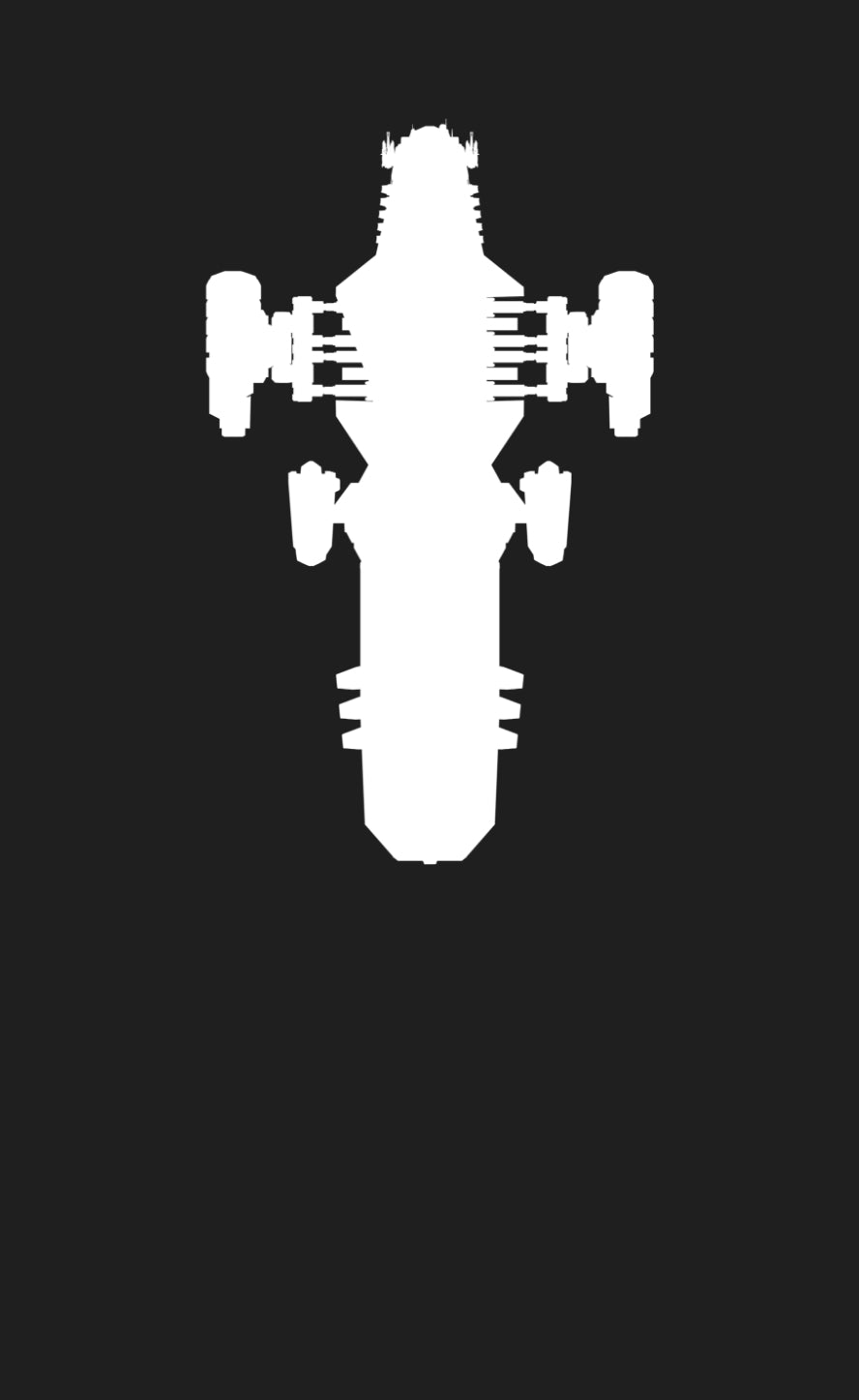
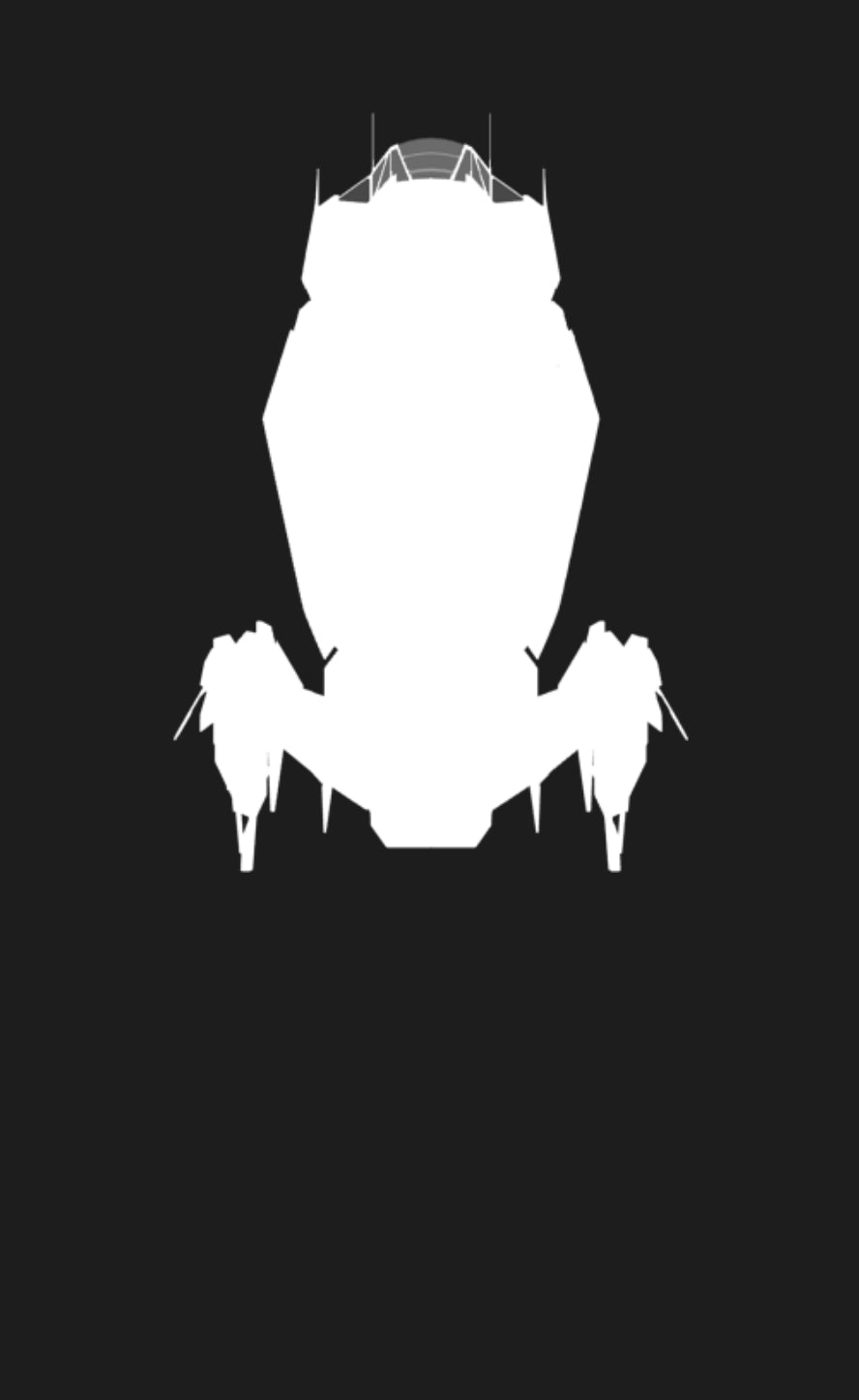


Idris Guide, Specs & Features

What to know
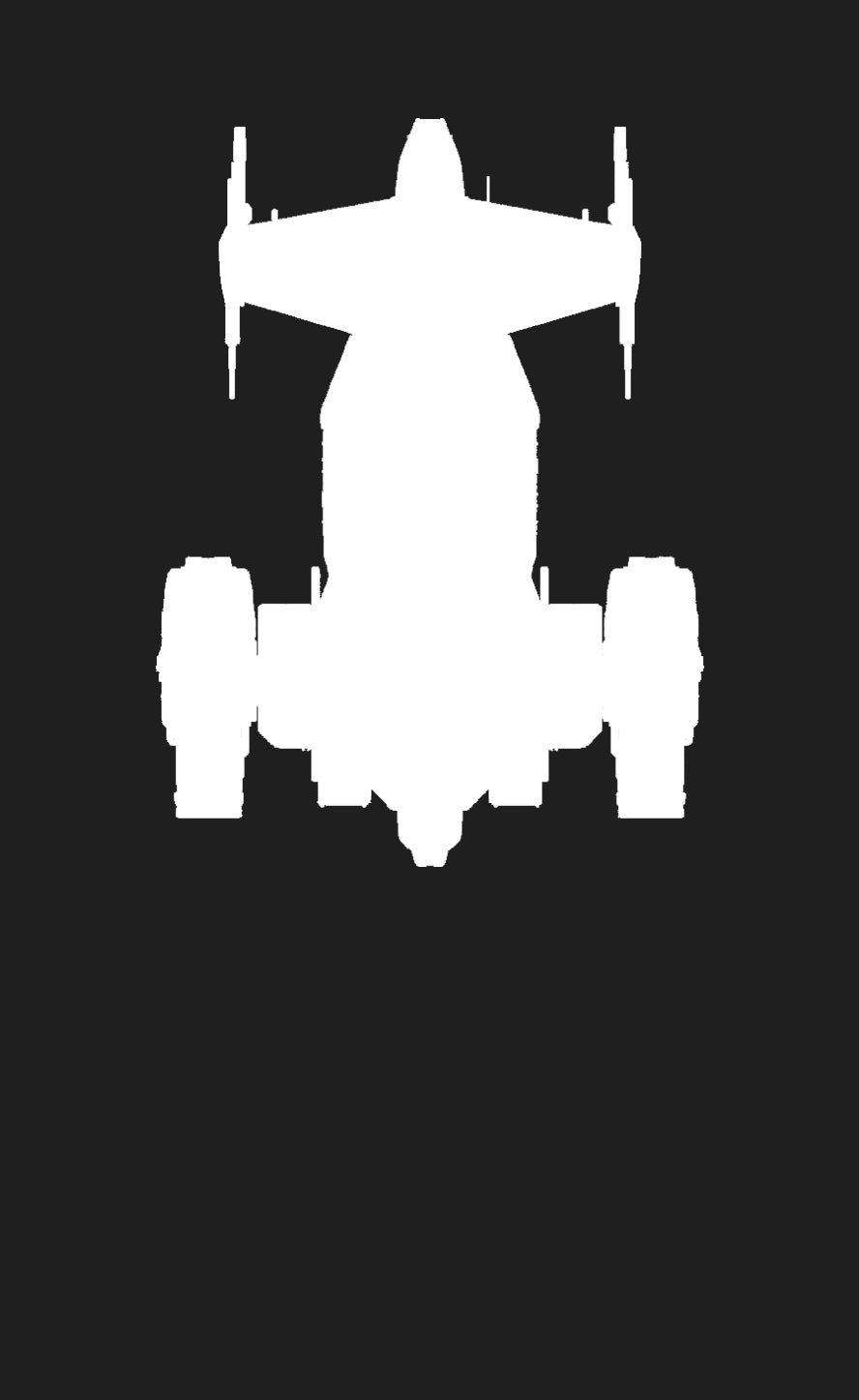
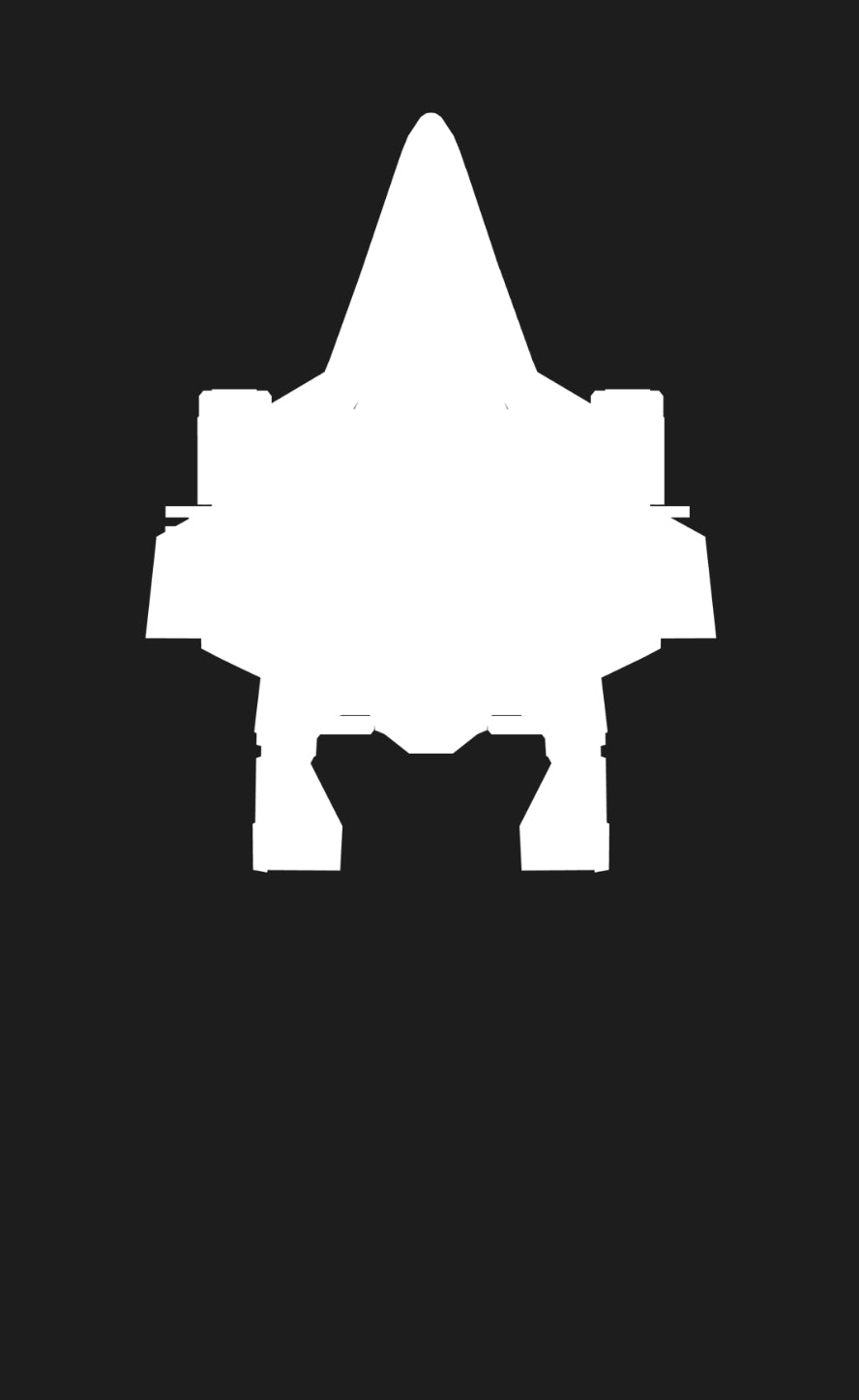
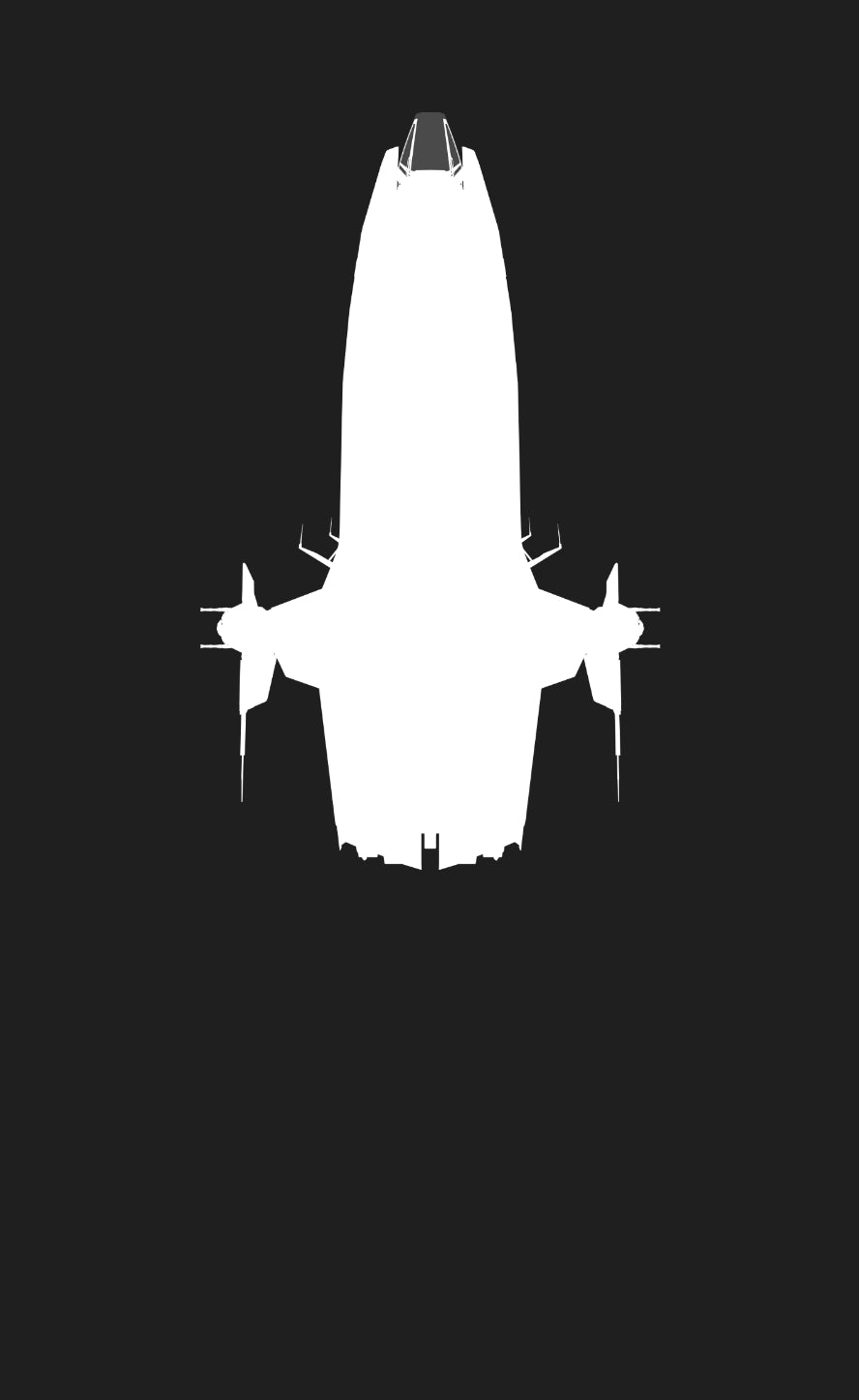
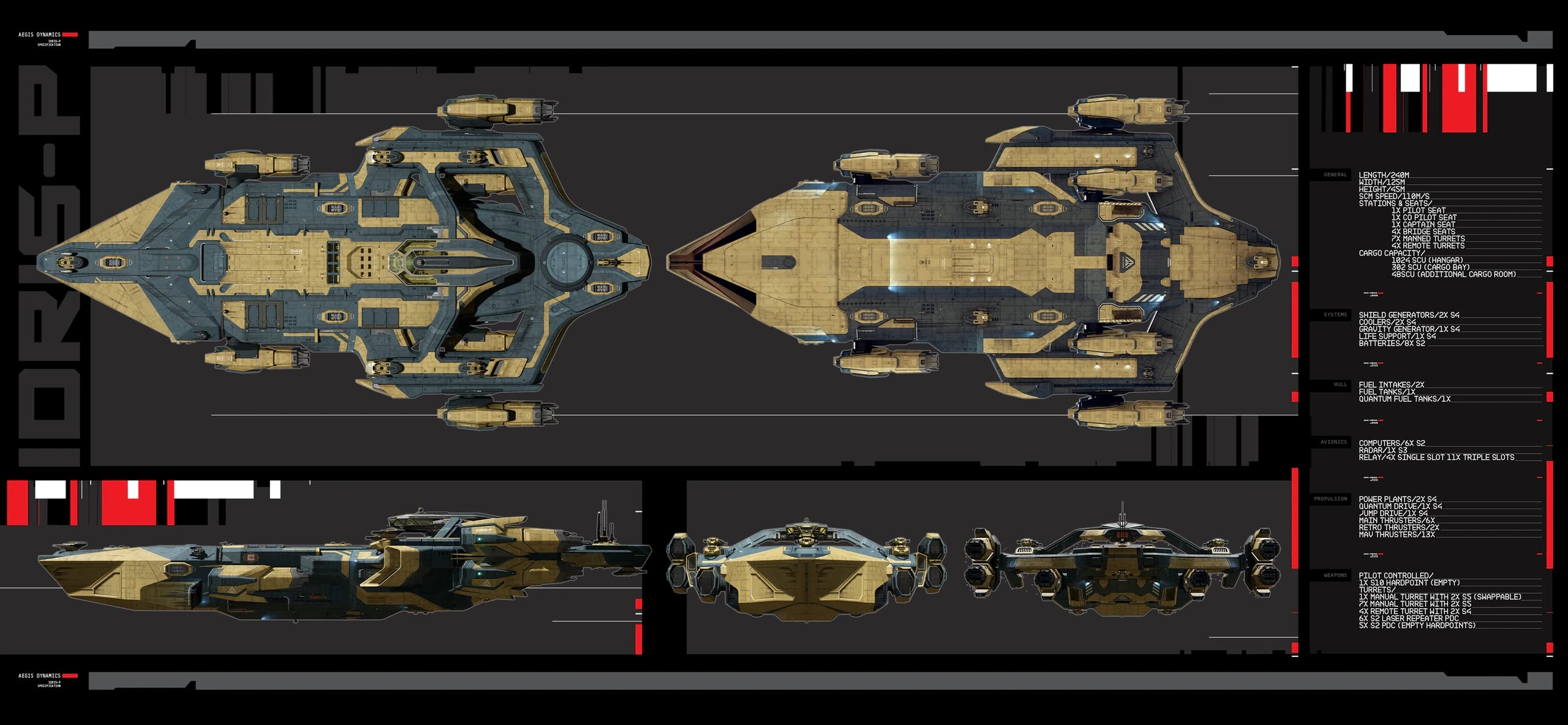
The Idris is a 243-metre Aegis frigate built around command, heavy weapons, a working flight deck, and the crew spaces needed for long operations. Start with the military Idris-M or the configurable Idris-P, then tailor the main battery with the K and T weapon kits.
Idris specifications
Two starting points for the same capital platform
Both variants carry a full hangar, bridge, medical ward, engineering spaces, crew accommodation, and more than 1,300 SCU of cargo. The difference is how they begin: the Idris-M arrives as the military gunship, while the Idris-P leaves more of the main armament choice to its owner.

Idris-M military: The original front-line configuration
The Idris-M is built around its Size 10 Destroyer mass driver, anti-ship missiles, heavier defensive coverage, and 1,326 SCU of cargo. It is the direct choice for fleets that want Aegis' military loadout from the start. The Idris-P keeps the hangar, support spaces, and capital-ship scale, but trades the M's factory-fitted spinal mass driver for a configurable main mount and 1,374 SCU of cargo. It is the flexible base for owners planning a K kit, T kit, or another compatible Idris weapon.

More than a very large gunship
An Idris can launch fighters, direct a fleet, treat casualties, move cargo, and keep a large crew working away from port. Those support systems are what turn its weaponry into a sustained capital-ship operation.
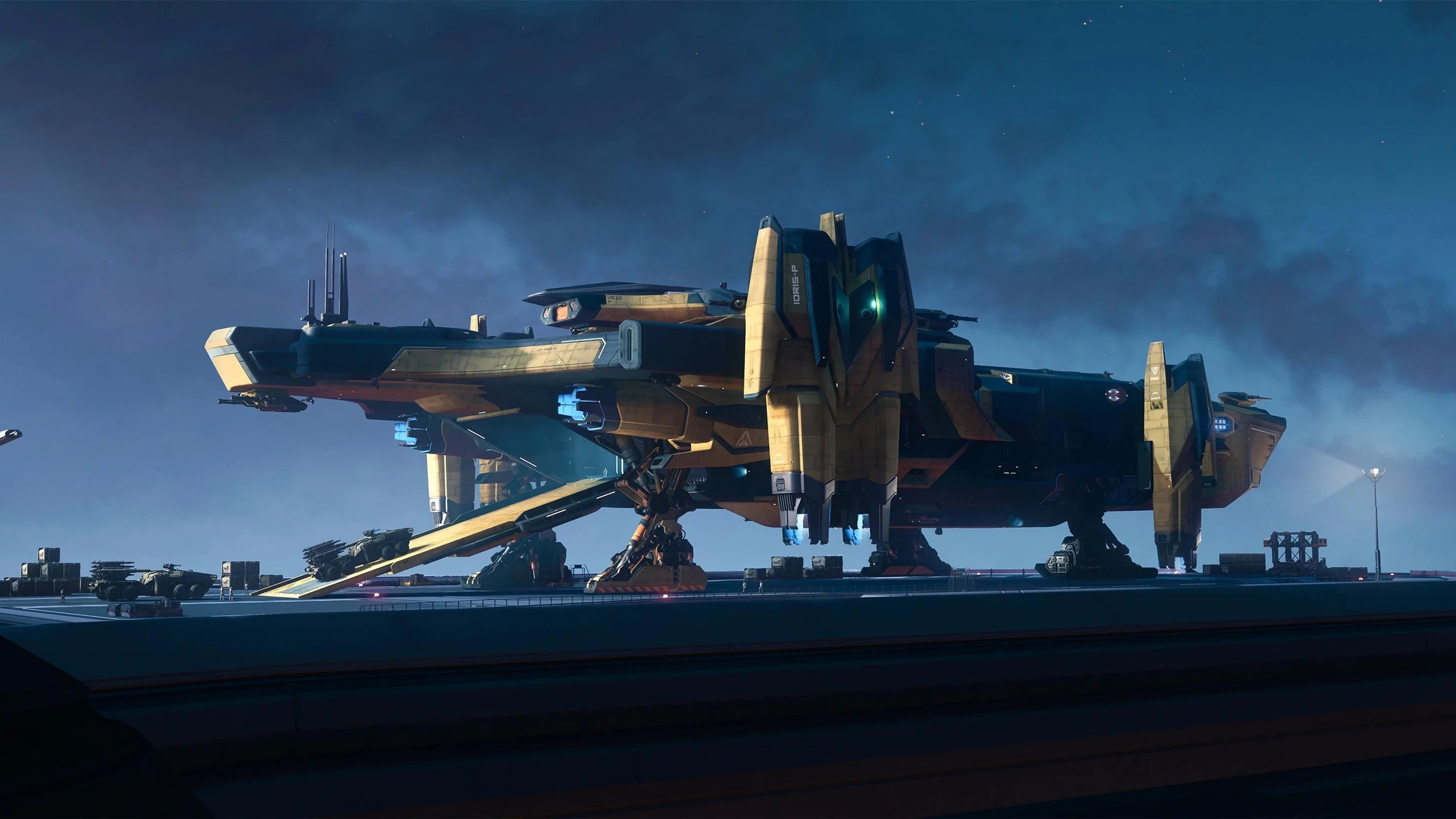
Three marked pads, doors at the bow and stern, and dedicated flight-control facilities let the Idris launch and recover small craft without turning the whole ship around.
The bridge gives navigation, sensors, weapons, and flight operations one place to share information and make decisions for the ship and the fleet around it.
Manned and remote turrets cover the approaches around the hull, while point-defence systems are intended to intercept incoming ordnance and smaller attackers.
More than 1,300 SCU of capacity, cargo lifts, and a rear ramp support supplies, ground vehicles, and the steady movement of equipment through the ship.
Crew quarters, washrooms, a mess, and working areas give the Idris the basic services needed to keep a full complement aboard for extended operations.
One Tier 2 bed and four Tier 3 beds give the ship a proper treatment space for its own crew, embarked pilots, and casualties recovered during an operation.
Idris-K: sustained energy fire
The K kit equips the Idris with a Size 10 Exodus-10 laser beam, a manned Size 7 missile turret carrying two Size 5 racks, and five Size 2 M2C Swarm laser point-defence turrets. It uses existing Idris hardpoints, so the components can also be mixed with compatible equipment from other kits.
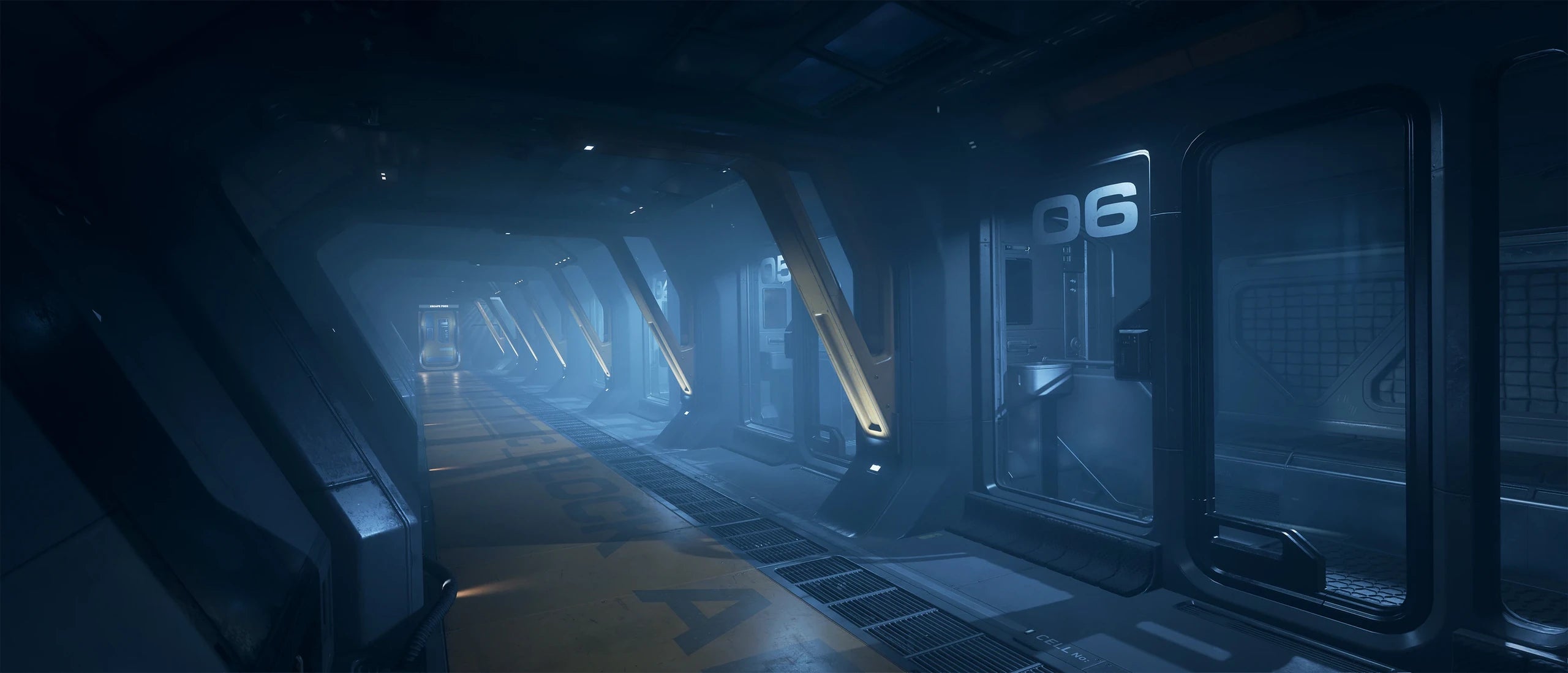
A laser-led alternative to the military mass driver
The Exodus-10 changes the Idris from a mass-driver platform into a ship built around repeated energy fire from its spinal mount.
A dedicated operator controls the Size 7 turret and its pair of Size 5 missile racks independently of the spinal weapon.
The five Swarm turrets provide an energy-based defensive layer around the hull without drawing from a missile magazine.
Idris-T: bring capital torpedoes to the fight
The T kit gives the Idris a different answer to large targets: a Size 12 Hammerfall torpedo launcher, a manned ballistic turret, and missile-based point defence installed on the ship's existing mounts.
-
Size 12 Hammerfall torpedo launcher
The HMF-T12 replaces the Idris' main spinal weapon with a launcher designed to deliver capital-class torpedoes.
-
Size 7 ballistic fire
The IFR-BC7 gives a dedicated turret crew a separate heavy ballistic weapon while the torpedo team prepares the next launch.
-
Five Pepperbox missile systems
Five Size 2 PPB-116 mounts replace compatible point-defence positions with missile systems intended to protect the ship at close range.
-
Install the full kit or mix components
K and T equipment uses existing Idris hardpoints, so owners can fit a complete package or combine compatible weapons from both kits.
A flight deck with a capital ship built around it
The hangar is not a decorative garage. It is an active flight deck for fighters, support craft, vehicles, cargo, maintenance teams, and wounded crew returning from the mission.
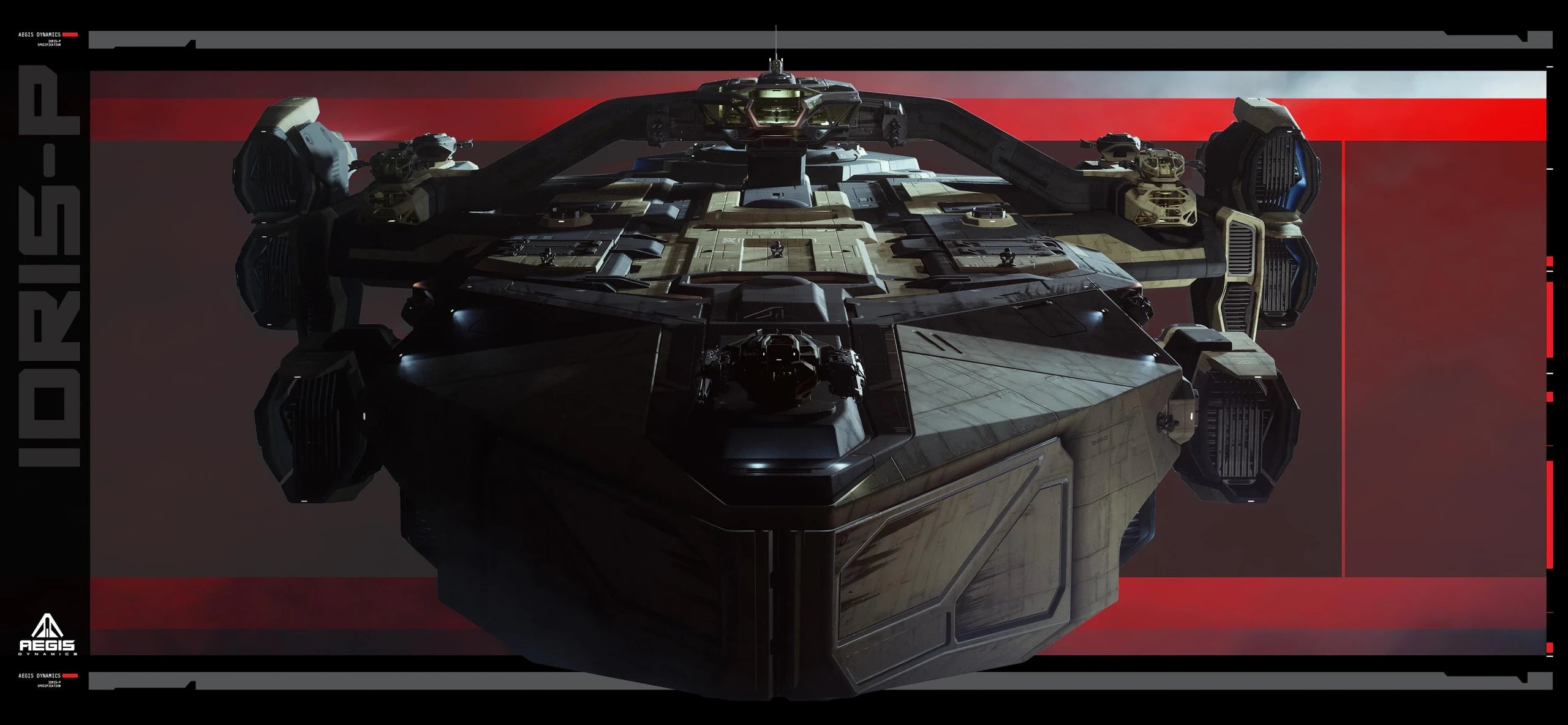
A full-length deck with three marked landing areas, jet-blast deflectors, and doors at both ends supports launch, recovery, and maintenance for embarked small craft.
The stern ramp accepts ground vehicles and equipment, while cargo lifts connect the aft hold to the main hangar for loading and resupply.
A separate underside bay stores and services an Argo MPUV for moving people and cargo when the Idris cannot land or dock directly.
The medical ward sits inside the same support chain, giving injured crew and returning pilots access to one Tier 2 and four Tier 3 treatment beds.
A capital ship that gives every crew member a real job
An Idris can operate with eight people, but its bridge, turrets, flight deck, engineering spaces, medical ward, logistics, and damage-control teams are built for a complement of up to 28.
One ship, several departments, one objective
The Idris works best when its teams are not acting as separate groups. The bridge sets priorities, the flight deck supports embarked craft, gunners protect the hull, and engineering keeps enough power, cooling, and repairs available to bring everyone home.
The bridge coordinates navigation, sensors, weapons, and flight operations while keeping the Idris useful to the rest of the fleet.
The main battery, manned turrets, remote guns, and point-defence systems cover different threats, so their crews need clear priorities rather than all firing at the same problem.
Engineering and damage-control teams manage power, cooling, repairs, and fire response while the rest of the crew continues the mission.
See the Idris in action
Watch the official Aegis Idris presentation for a closer look at the ship's scale, interior, flight deck, and capital-ship role.
Open the original Idris brochure
Find your Idris
Explore in-stock Idris ships, upgrades, and game packages available from The Impound.