












Star Citizen Monthly Report June 2026 Recap

A readable recap of Star Citizen’s June 2026 PU Monthly Report, covering AI, ships, Core Gameplay, Starchitect, Item Recovery, Siege of Orison, Online Technology, and VFX.
CIG’s June 2026 PU Monthly Report tracks a busy month across the Persistent Universe, with work spanning Alpha 4.9 support, Alpha 4.8.1 follow-up, alien ships, creature tech, Starchitect, Item Recovery, Siege of Orison, Online Services, and the usual quiet mountain of tools work that keeps the ‘verse from folding itself into a decorative pretzel.
For you, the broad shape is clear: mission content is getting more authored support, AI creatures are gaining sharper attack and detection behaviors, ships like the Railen, Tyilui, Liberator, Galaxy, and Kraken are moving through production, and several core gameplay systems are being refit for larger-scale planetary content.
AI Content
In June, the AI Content team continued supporting several initiatives for Alpha 4.9. They also worked with Mission Design to set up comms calls and NPCs for several upcoming missions and locations.
The team supported a performance-capture shoot to help the content flow cleanly once audio is mastered and animations are solved. Alongside that, they planned Narrative-driven initiatives around new behaviors and directions to explore.
AI Features & Tech
AI Features & Tech fixed an issue that prevented Super Heavy NPCs from using their miniguns. Human AI also received fixes, including one for NPCs continuing to fire at targets they could not see.
The apex valakkar gained the ability to be constrained to one area while avoiding another. It also received laser and EMP attacks, can switch between attacks, and saw improvements to surface sound detection. For the Yormandi, the team fixed a bug that caused it to get stuck in reactions.
Although not yet integrated into the PU, flight AI improvements were made for fleeing behind objects and counter-chasing behaviors, with additional updates to general Flight behavior.
Animation
The Animation team fleshed out animations for the apex valakkar while planning the next round of creatures. They also worked on the mission-giver Battaglia, both at her physical location and when she is contacted over comms.
Art: Characters
Character Art spent June on a new armor set, mission rewards, updates to the Nine Tails gang, and other upcoming items. Support for the StarWear initiative continued, while Concept Art progressed on a new combat armor.
Art: Ships
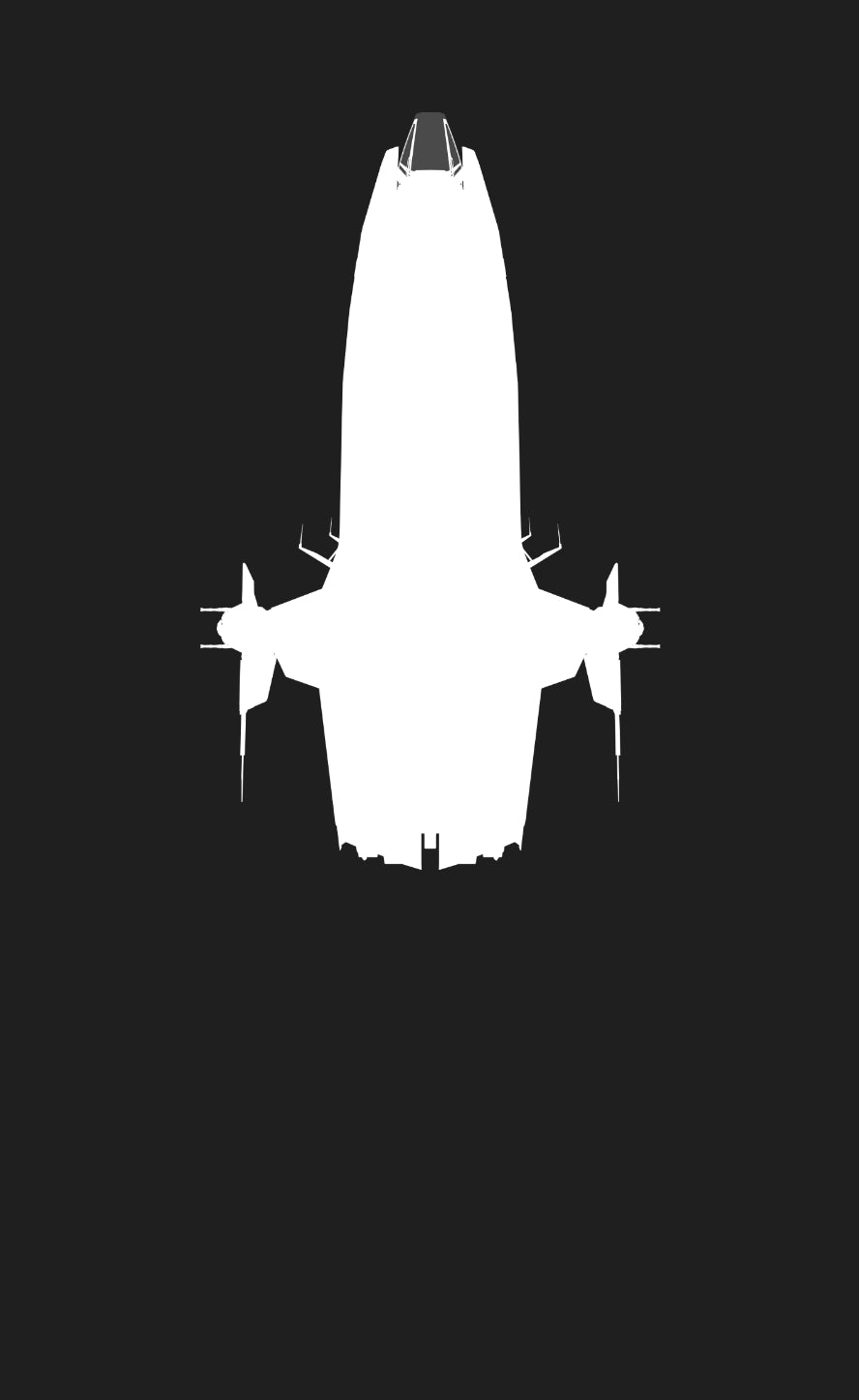
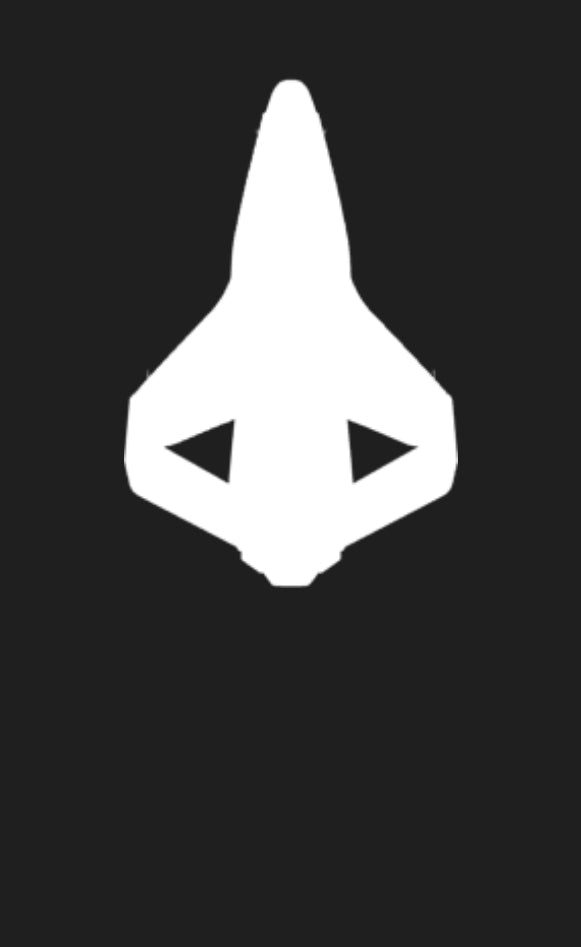
In the UK, the Ships team finalized and launched the Gatac Railen and Tyilui. After that, they turned to another Grey’s Market ship that had been parked last year due to other priorities, beginning by checking that nothing had degraded since it was last touched.
The Liberator received further work, including the integration and repurposing of numerous Anvil kit pieces from recent ships such as the Asgard and Paladin. That approach significantly reduces the amount of new content required.
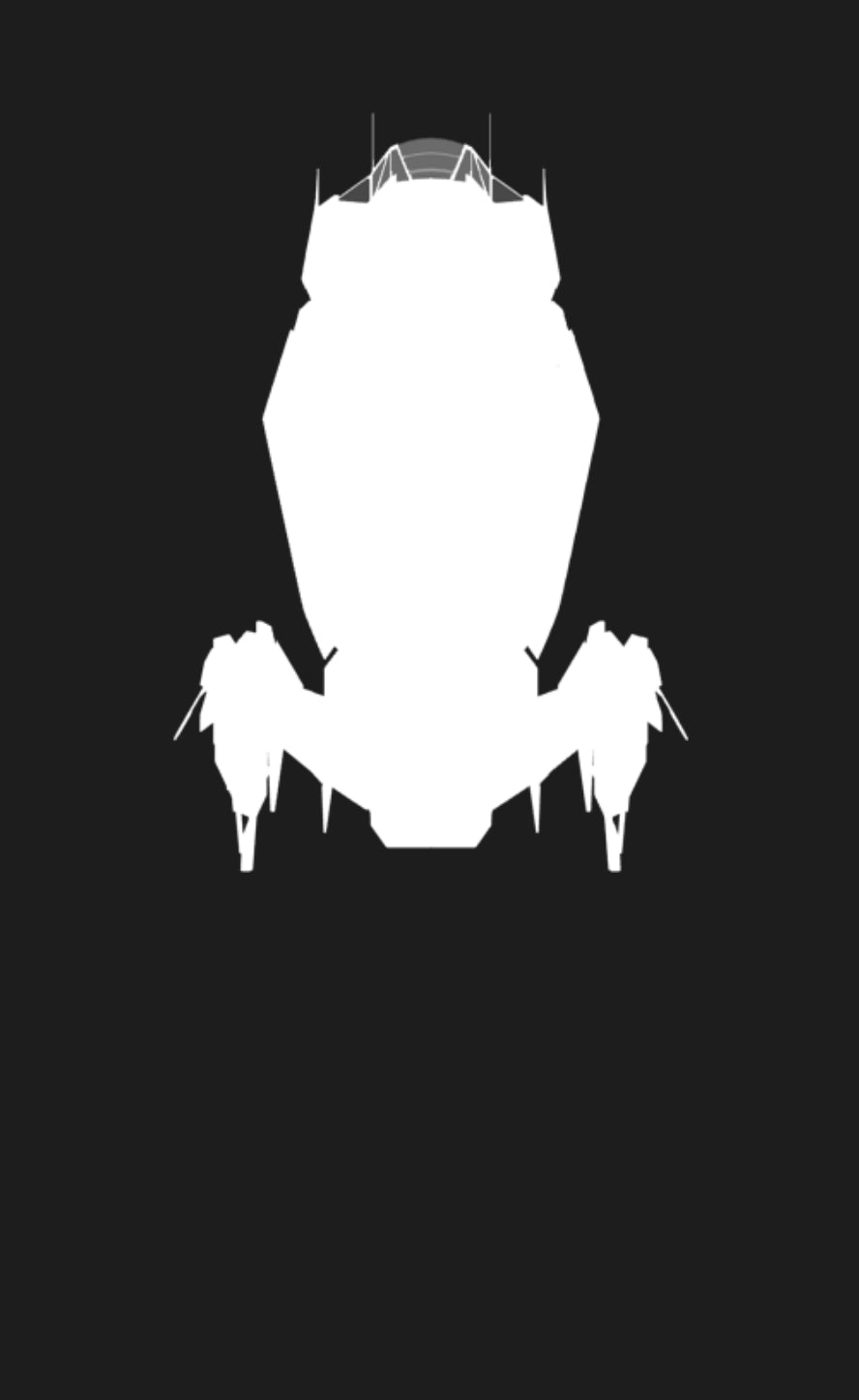
More artists moved onto the RSI Galaxy after the release of the recent alien ships, helping push progress across all areas.
Two new ground vehicle variants moved quickly down the pipeline. One passed a combined whitebox and greybox gate review, while the other is rapidly approaching its whitebox gate review.
Four unannounced ships progressed as well. The first, a new fighter, passed its whitebox gate review and will continue to have its geometry refined during greybox in preparation for November.
The second, a new ship from a Xi’an manufacturer designed for a generalist role, entered pre-production.
The third moved toward its LOD0 gate. As part of that push, the team added detail across the hull and ensured animated parts do not interfere with each other.
The fourth had its greybox gate review. Afterward, adjustments were made to component and weapon locations, while the Mo-cap team began preparing for the complicated animations required for this ship.
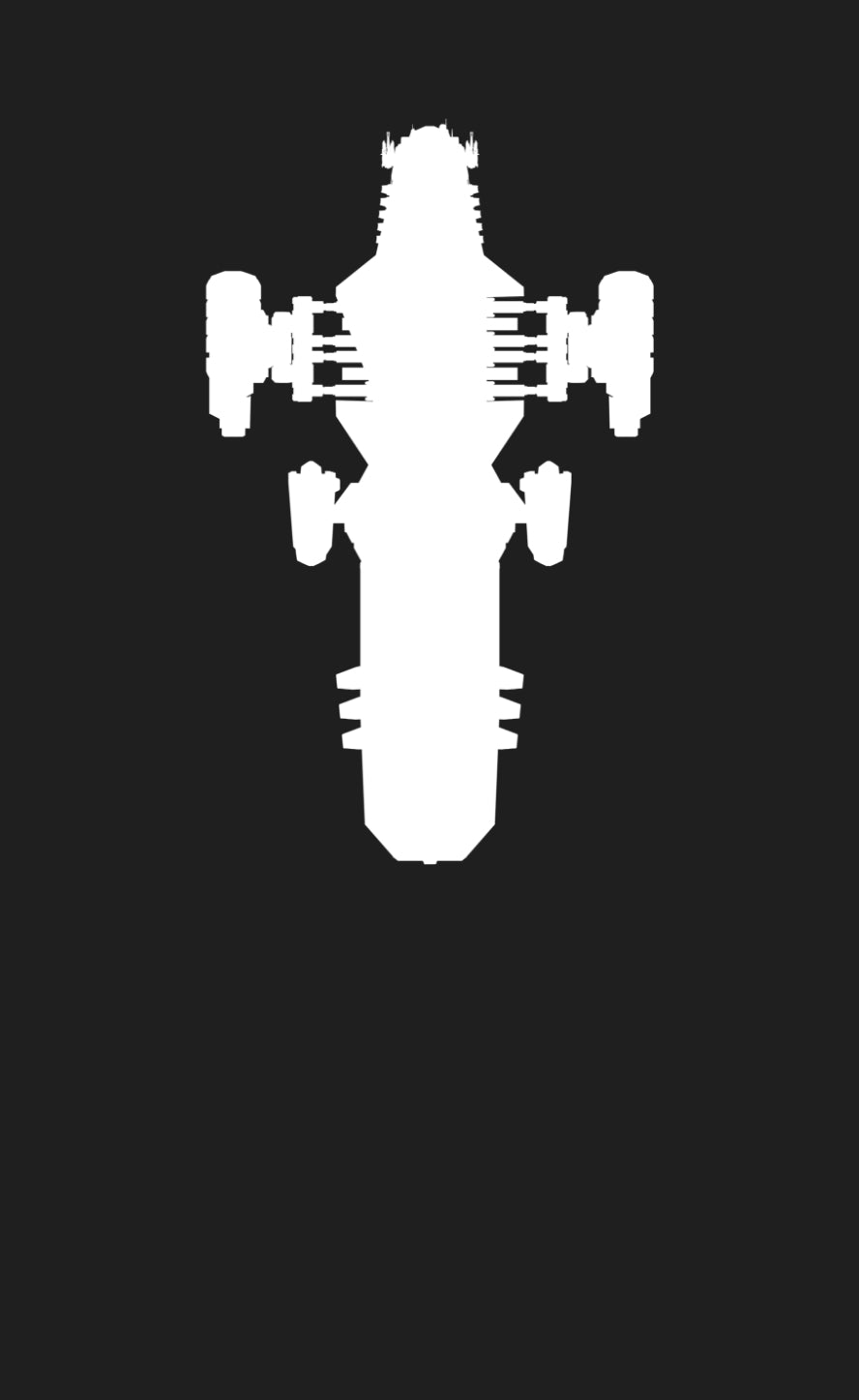
Finally, the North American team continued moving the Kraken toward its greybox gate review, focusing on use of the finalized Drake kit from the Ironclad. Its initial lighting pass was completed to set the ship’s tone.
Art: Weapons
The Weapons team continued through the final phase of production on a new large-caliber weapon. They also pushed forward content for upcoming patches and numerous weapon paints for various upcoming events.
Ongoing material polish passes and updates continued, and the team is looking ahead to upcoming tech that will require cross-team collaboration.
Community
The Community team began Pride Month with the Show Us Your Colors Celebration contest, inviting players to express their creativity in honor of the many colorful ways the community shines. The team also published the May PU Monthly Report and prepared for June’s events.
Community supported the release of Alpha 4.8.1, an update that introduced new missions and additional content. They published a Player-to-Player Trade Update covering changes intended to streamline in-game trading while limiting exploit potential. They also maintained a Known Issues thread tracking issues being investigated, awaiting implementation, or already in progress, and updated it regularly as development addressed them. Throughout and after release, the team monitored player feedback and sentiment so development stayed informed of emerging issues.
Alien Week returned, with the team providing a Catch All thread for the event’s otherworldly activities. They also published a Q&A for the new Gatac Tyilui and hosted a Xeno Craft Challenge community contest, encouraging participants to show how Star Citizen’s alien cultures inspired them.
The Bar Citizen World Tour picked up speed in June with International Bar Citizen Weekend. The Community team hosted events in Austin, Frankfurt, Montreal, and Manchester. Attendees received a Shattered Vanduul Lance for their hangars, with more opportunities to pick one up as the tour continues to new locations throughout the year.
“Meeting the community in person and coming together over our shared love of the ‘verse is what Bar Citizen is all about. With many stops planned across the globe for 2026, we hope to see you there!” Community Team
The team also maintained its regular cadence of This Week in Star Citizen and bi-weekly Roadmap updates.
Core Gameplay
Core Gameplay shifted into a dedicated bug-fixing push alongside Player Experience and QA. Much of June was spent identifying root causes for day-to-day gameplay issues, including hangar and freight-elevator flow, quantum travel, Starmap routing, and vehicles being falsely destroyed or flagged for claim.
Alongside that, the team continued work across content, technology, and feature initiatives.
The upcoming Apocalypse Arms heavy machine gun received support for magazines mounted to the Super Heavy suit’s backpack. Players can now load magazines into the backpack by hand, even when it is worn by another player, and empty magazines now eject automatically. This also prompted a smaller rework of explosion damage so it spreads more evenly across body parts, plus fixes for the ammo count display and magazines not ejecting correctly.
Supporting the HMG also required melee-system changes to handle different buttstock-strike damage values, which fixed a bug where those strikes dealt no damage. Separately, holographic previews for tractor-beamed items now use each item’s attachable offset where available, improving their accuracy.
For Item Recovery, the team finished a basic version of Individual Item Claim mode and began work on the full version. Ship paints can now be bricked and recovered like other components. Fixes were added for bricked ships that remained flyable after a full component swap, and for loadouts not being respected after a claim. Claim timer improvements continued, and ships destroyed inside a hangar can now be claimed for free to reduce unnecessary claims.
For StarWear, a new tool validates and repairs player and NPC loadouts, catching setup errors that would otherwise break compatibility. The team added clothing prerequisites for certain armors; for example, the Caldera Novikov suit may require a specific clothing item to be worn first. Work also began on the StarWear UI, which went through several iterations with UX Design due to the complexity of equipment rules. New UI additions include a blocked state that tells players when an item cannot be equipped because another item is in the way, indicators showing whether a piece is spaceworthy, and an improved weight bar at the top of the inventory.
Several core systems were updated for Starchitect, which will fundamentally change how designers place locations and sandbox content across planets. Harvestables and loot are now context-aware of their surrounding location and environment, allowing designers to match loot to the environment more easily. Instead of manually placing outlaw-specific loot boxes, for instance, the system can detect that a location is outlaw-controlled and select the appropriate loot type automatically. Crafting is undergoing similar Starchitect compatibility changes, and the Mission System required significant rework so designers can set up mission locations and contracts at much larger scale. Freight elevators and security systems are now Starchitect-compatible too.
This procedural shift triggered a broader review of core gameplay systems. The team rewrote how nav-points are handled and accessed so any system reading that data keeps working even when a location is fully streamed out. This will allow Starchitect locations to appear correctly on the Starmap, be routed to, show up in the quantum travel HUD, and support location inventories for freight elevators.
For the Command Module, the team provided heavy post-release support, addressing player-reported bugs across hangar and air-traffic control interactions, damage handling, quantum travel markers, locked doors, camera override, Starmap routing, physics collisions, server transition issues, room atmosphere, and more.
Ahead of Tech Preview and player testing, critical instancing bugs were fixed, including players losing ownership of their instance, causing it to despawn, and players being incorrectly moved into someone else’s instance. Eviction logic was added so a player kicked from a party gets teleported to a safe location outside the instance.
To support the reworked Siege of Orison, Core Gameplay gave designers a way to assign NPCs to defend specific areas, removing the need for complex spawn-closet setups inside instances. Designers can now also set custom respawn locations, such as sending a player to the nearest medical facility after completing an objective, functioning as a checkpoint system. That is especially useful for long-form content like Siege of Orison.
For Transport, shuttles can now be gated behind mission logic, matching functionality already available in the legacy system. The team cleaned up code for elevator carriages with a single door and completed the major work to bring vehicle elevators under the Transport system, replacing many of the convoluted elevator setups currently used by vehicles.
Work continued on the toolset designers use to build mission content, with numerous workflow fixes and optimizations. The developers began building a Mission Board UI Provider component to support local interactable mission boards, first planned for new Starchitect locations. Progress also continued on bringing back physical mission givers. Players can now receive a one-time comms call from a mission giver when certain conditions are met, such as entering a specific star system. Mission delivery directly to an instance is now supported and is used by various Battaglia missions.
To close out some work on the Ship Hangar Services feature, support was added for missile containers when stacking missiles on a cargo grid.
Finally, for Social and Orgs, chat was re-implemented with more robust customizable tabs. A new location-based channel lets players near a planet chat with others nearby, automatically switching channels as they move between areas. The team also entered the discovery phase for a reworked Friends app.
Creature Content
The Creature team worked on improvements to existing valakkar-family behaviors. Work on the apex sand variant is still underway, with the team refining gameplay to provide a better experience for players in ships.
Pre-production began for a brand-new creature family, with exploration around visual identity, silhouettes, combat legibility, and gameplay archetypes going through several rounds of iteration.
Economy
The Economy team evaluated economic data from the Alpha 4.8 release and worked to improve underlying systems such as repair and reclaim. This should allow outliers to be priced more reasonably and help the systems behave more intuitively.
Mission Design
Progress continued on Siege of Orison, with Mission Design pushing technology boundaries and working through limitations as they appeared.
The upcoming Battaglia missions received polish throughout June, with improvement plans made to help the team reach the intended experience.
After the recent armor rebalance changed the tags ships use to spawn in combat missions, the team began rebalancing mission content. The first target is the Defend Ship archetype.
Narrative
Narrative began the month working with Mission Design on several parallel events spread across upcoming patches. Narrative designers will help generate placeholder versions of scripted lines so reviews better reflect the final experience. This also includes initial passes on mission text, objectives, and markers to provide more context and direction.
The team also began breaking down future patches to understand what additional performance-capture or voiceover content may be needed. In addition, Narrative continued evergreen work on names and descriptions for new items, armor pieces, weapons, ships, and paints.
Online Technology
Live Tools made significant progress across internal tools, wrapping up several long-running projects while shipping steady updates and fixes.
The biggest work was the completion of two major overhauls to Hex, the internal platform used by Player Support and operations staff. The first was Hex 4.0, a full visual and experience redesign that established a fresh look and feel for future platform development.
The second was an expanded set of player investigation tools, giving support teams richer information and faster ways to investigate player accounts, track item ownership history, and manage entitlements. Multiple Hex releases also shipped during the period, delivering new features, improvements, and critical fixes, including security patches for access management and backend components.
For Bootstrap, the tool that helps developers quickly set up and configure local work environments, the team continued resolving reliability issues. They also advanced the design phase of a larger overhaul intended to make the developer experience significantly smoother.
The developers continued improving how crashes are captured and reported, making the data richer and more actionable for issue investigation. Panic Switch, the live incident management tool, received ongoing polish and bug fixes, including completion of a configuration migration that had been in progress for some time. The team also began work on automatically handling crash reports tied to a known hardware issue affecting a specific generation of Intel processors, reducing the manual triage load for operations staff.
Online Services resolved over 30 bugs across two-weekly cycles and focused on a mix of upcoming player-facing features and live game stability work.
The biggest active development area was Item Recovery, also known as Item Imprint, the long-awaited feature that will allow players to reclaim items lost due to bugs or crashes. Online Services completed a key alignment session with the UI team to define how the individual item claim flow will work, including how the game handles a player’s full list of owned items and lets them selectively recover what is missing.
Significant work also went into stability issues with the game’s mission and contract systems. Dedicated design and technical review sessions were held, and a formal optimization effort was created to rebuild the contract generation process more efficiently.
Global Database Sharding, which improves how player data is distributed across servers at scale, was completed. The team also moved deeper into discovery and design for the future Crafting and Refining system, holding multiple sessions to resolve complex questions around how crafted items interact with player-owned equipment, insurance, and persistent item upgrades.
R&D
R&D made further progress on the look of gas clouds. Support for a density-based LUT to recolor gas clouds was added, the phase function controlling light scattering was improved, and the min/max raymarch path was simplified and optimized.
Focus then returned to ground fog. The new model finalized earlier this year was added into production. As a finishing touch, support for local height as well as density was added. This is cheaper to evaluate and render, extends visible range, and improves ground fog modelling and lighting. It will also self-shadow and cast shadows like rain volumes and clouds. Part of this work includes optimizations for the atmosphere raymarcher. Broken sub-object culling was also fixed.
VFX
The VFX team finished the last of its Alpha 4.8 content work by giving the Railen and Tyilui a full pass.
“The alien visuals are always fun to work on and the images attached definitely show why!” VFX Team
Beyond Alpha 4.8, VFX started its pass on Siege of Orison to add high-impact atmospheric visuals and elevate the already intense mission and locations. Work also began on upcoming weapons and vehicles.
Source: Roberts Space Industries