




















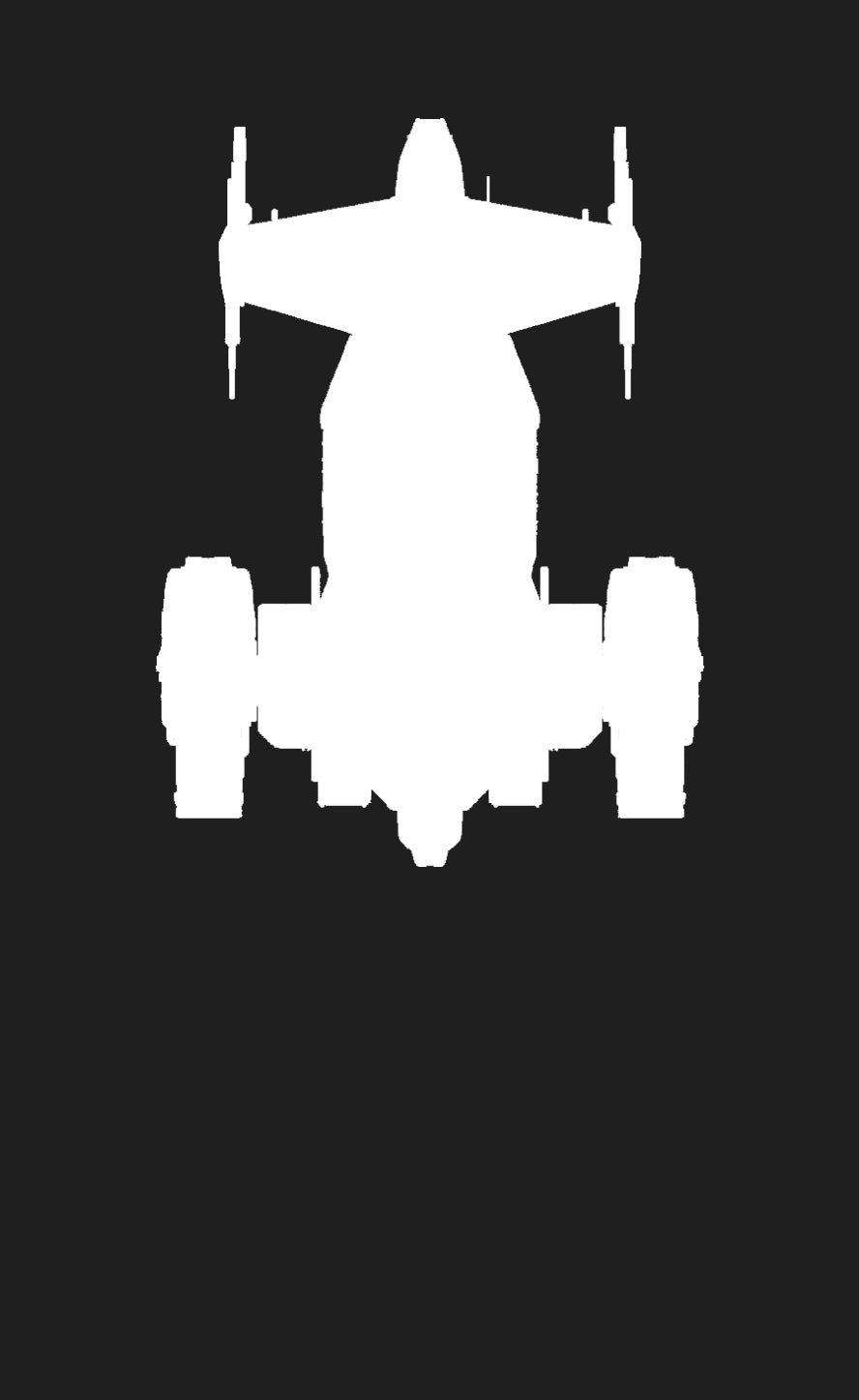

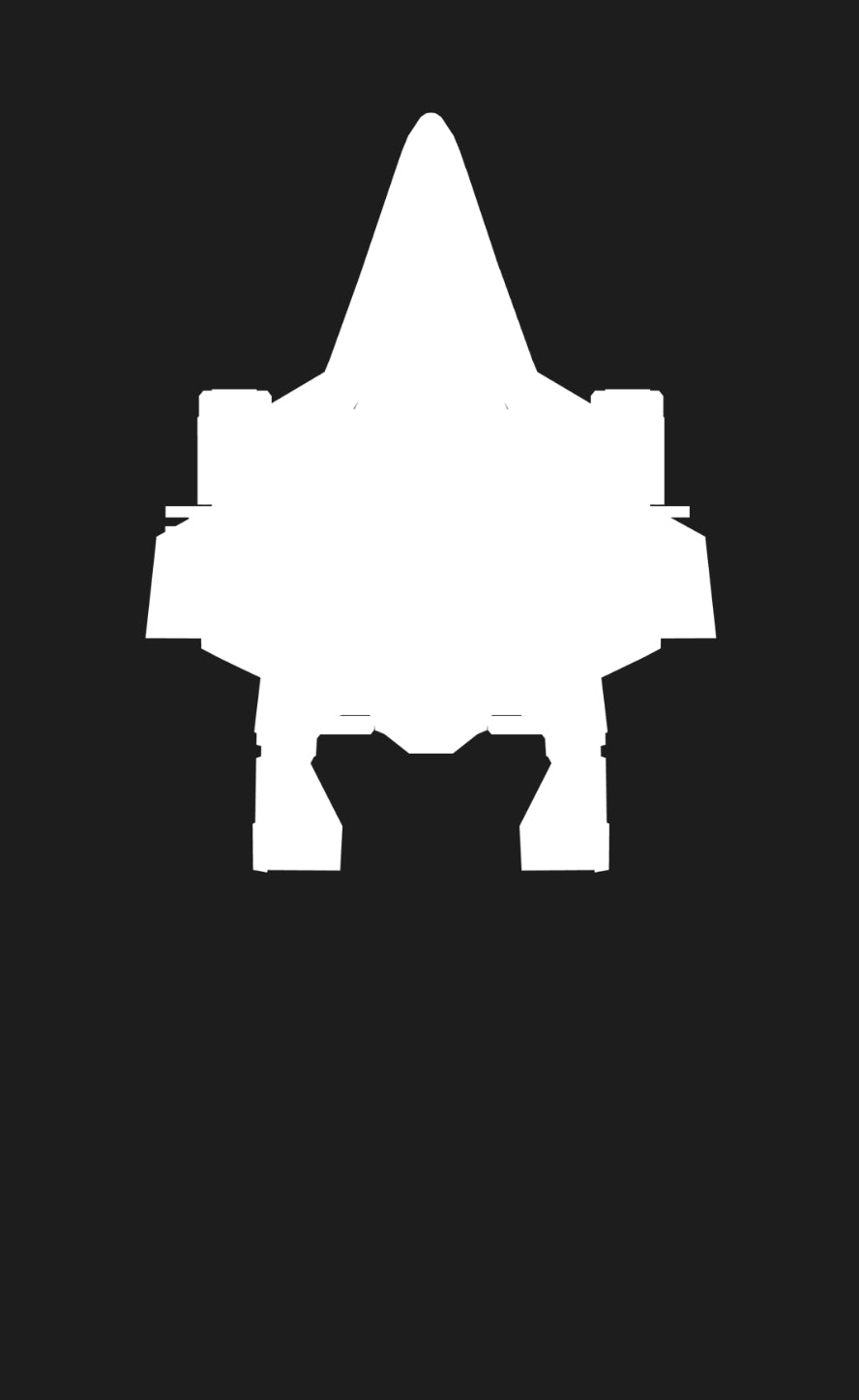
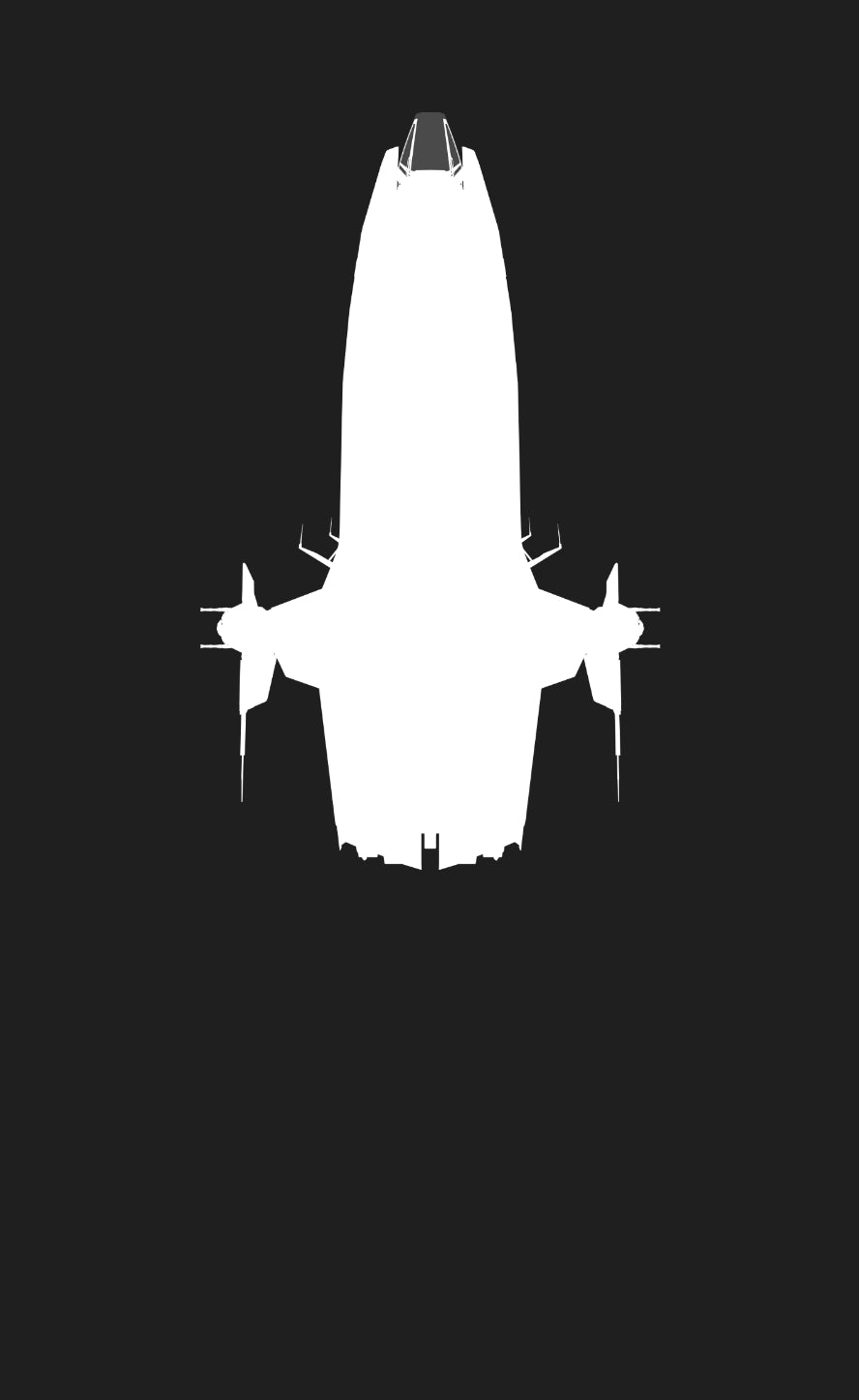
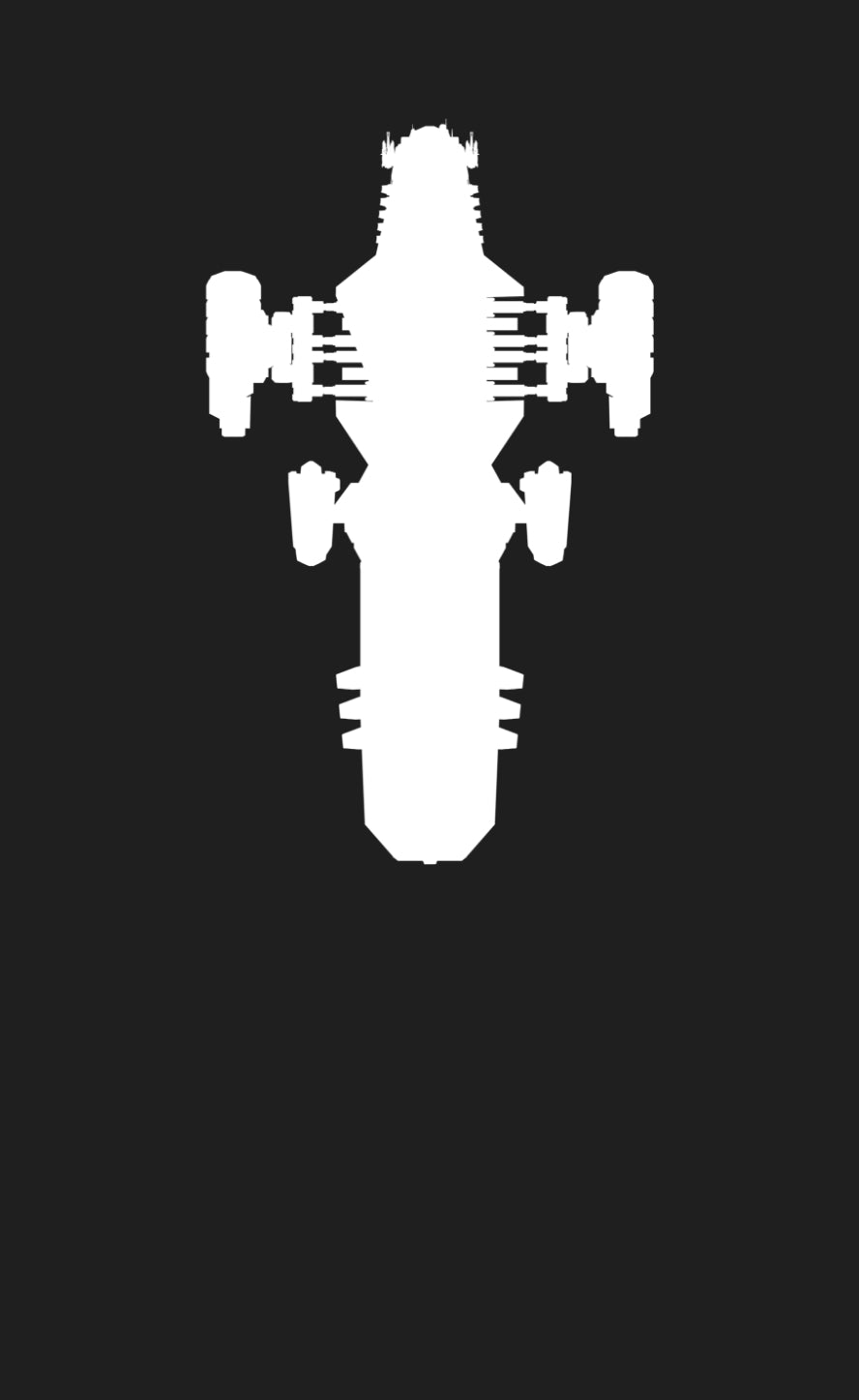

RSI Hermes – The Medium Freighter Built to Break Blockades

The RSI Hermes is RSI’s first dedicated medium freighter, built for fast, protected hauling with 288 SCU of internal cargo and a rail-mounted tractor beam that makes loading simple—even solo. Designed with “blockade runner” performance in mind, it’s the practical step up for pilots who want more capacity without moving into heavy haulers.
Hermes, in Greek myth, is the herald of the gods — the one trusted to move messages, people, and vital goods across dangerous distances. It’s a fitting name for RSI’s newest hauler, because the RSI Hermes is built around the same core promise: keep moving, keep the cargo safe, and get it delivered even when the route gets ugly.
RSI positions the Hermes as a medium freighter, but its DNA leans into something more specific: a ship designed to push through. Fast pace, high endurance, and a job-first layout define it. The sales pitch is straightforward, and the ship’s actual design backs it up: 288 SCU of internal cargo, a small-crew operating model, and the kind of straight-line performance that makes “blockade runner” feel less like marketing and more like intent.

Born From Apollo Styling, Rebuilt for Freight
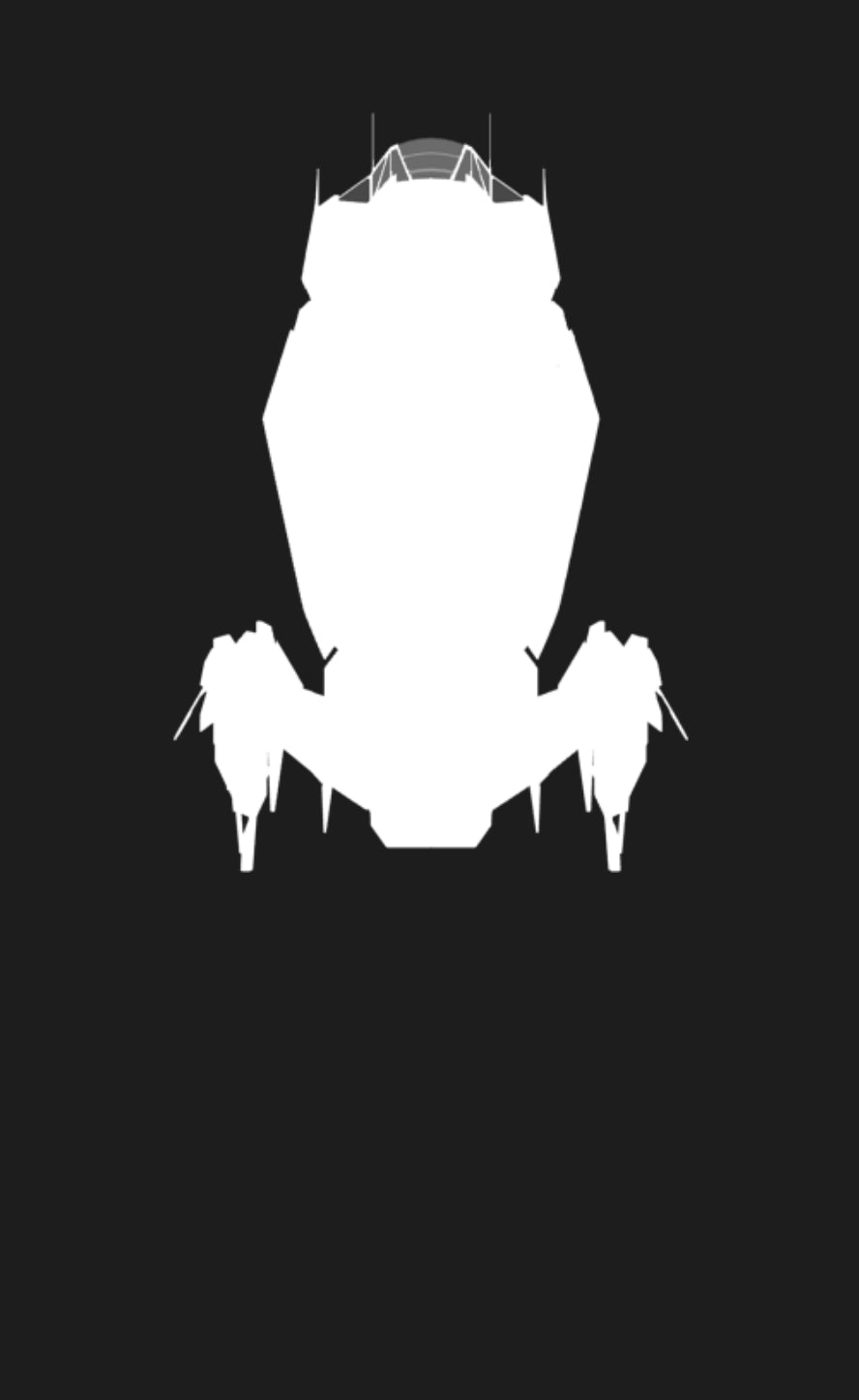
The Hermes traces its silhouette to the Apollo’s chassis and styling, but it doesn’t simply reskin a medical ship into a hauler. RSI leaned into the Apollo’s strong reception and used that language to speak to a new audience—players who loved the look, but never cared for medical gameplay.
Visually, the Hermes makes its purpose obvious. It wears larger, beefed-up external thrusters to convey the power needed to move weight with confidence, and it swaps out the Apollo’s cleaner lines up top for a more reinforced presence. The structure feels tougher because it is: girders, plating, and a sturdier “workhorse” character that reads like a ship meant to take the long way through trouble.
Inside, the front half remains familiar—bridge, habs, component spaces—while the rear becomes a dedicated cargo machine. It’s not trying to do everything. It’s trying to do this extremely well.

288 SCU Where It Actually Matters: Protected, Internal, Practical
The Hermes carries 288 SCU entirely inside the hull, and that single detail defines where it sits in the wider hauling ecosystem. There’s been a long-standing “middle zone” gap: ships like the RAFT offer meaningful cargo but cap out lower, while the next step up often means bigger frames, more exposure, or more complexity. Hermes aims directly at that space, giving mid-scale haulers a real “move up” option without forcing them into the full heavy-hauler lifestyle.
Because the cargo is internal, it’s fundamentally better protected than external-grid designs, especially when routes get contested. The bay supports standard container sizes up to 32 SCU, which is a big deal for mission flexibility, and it’s also deliberately shaped to be manageable in play. Rather than creating tall, awkward stacking that turns every run into a vertical puzzle, the Hermes uses a short-and-wide approach that keeps the work readable, fast, and less error-prone under pressure.
It also plays nicely with real “Star Citizen cargo” rather than idealized crate diagrams. The hold can accept awkward, non-standard items and rewards that don’t pack cleanly into other ships—exactly the kind of thing that tends to cause frustration when time is tight and the landing zone is busy.

The Anti–Cargo Tetris Feature: Rail-Mounted Tractor Beam
The Hermes’ headline quality-of-life feature is the rail-mounted tractor beam. Instead of making you fight the geometry of a wide cargo bay from a fixed point, RSI built a tracked beam that runs along a central rail, letting you pull freight inward smoothly and position it with far less fiddling.
Control is available from the co-pilot position or from a dedicated rear station, which keeps the ship friendly to both solo haulers and two-person crews. The solo loop is simple: fly, land, hop to the station, load cleanly, return to the cockpit, and go. With a second player, the process becomes even faster and safer, but crucially, the ship isn’t designed to punish you for flying alone.
This is the part of the Hermes that feels most “modern RSI”: it isn’t just more SCU; it’s a better workflow.

Blockade Runner Reality: Speed, Armor, and Enough Bite to Break Contact
The Hermes isn’t sold as a dogfighter, and it shouldn’t be flown like one. Its identity is closer to “take the hit, keep the line, leave the area.” RSI frames the ship as practical in unexpected eventualities, and the Q&A supports the idea: strong main thrusters, improved hull health and armor, and performance tuned around straight-line capability.
If someone insists on stopping you, the Hermes can still answer back. It mounts two Size 4 pilot-controlled weapons and a remote turret with two Size 4 guns, which can be optionally slaved to keep fire concentrated forward. That’s not a promise of victory, but it is a serious deterrent—especially when paired with the Hermes’ role as a ship that wants to escape, not circle. The loadout is built to punish anything that commits directly into your nose while you burn a line out of danger.

A Medium Freighter That Fits Fleets Without Demanding One
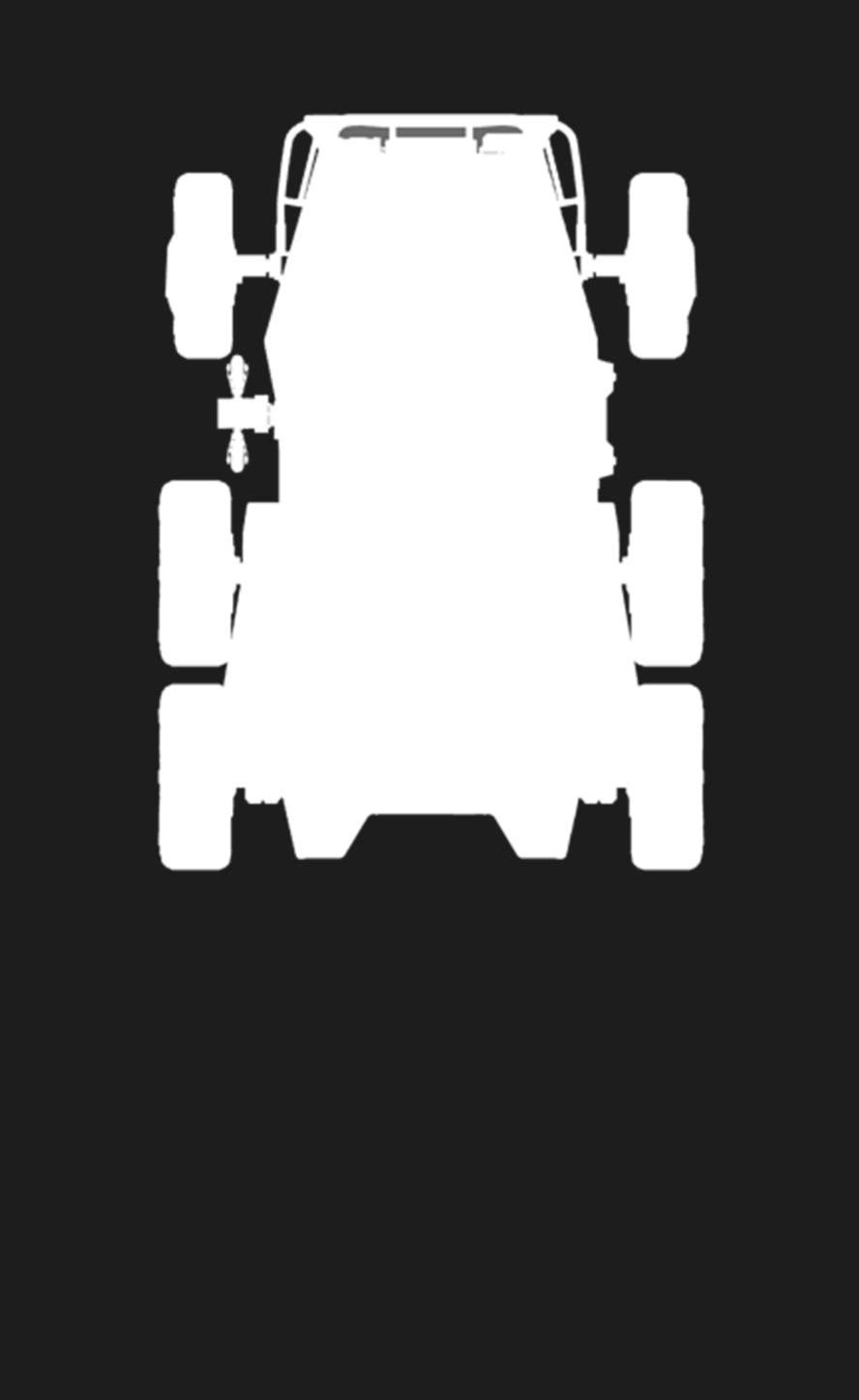
What makes the Hermes interesting isn’t just capacity, it’s the way it supports different styles of play without forcing a lifestyle change. As a solo ship, it’s a meaningful step up for pilots who want higher-value hauling and mission variety while staying self-sufficient. As a small-crew ship, it becomes an efficient, fast-turnaround work platform that can move not only standard crates but also vehicles that fit through the rear ramp—up to and including many small ground options like the Cyclone series.
It also speaks directly to a very specific player group: those who love the Apollo’s design language but never wanted medical gameplay. Hermes gives them a ship that looks and feels like RSI, but lives entirely in logistics, delivery, and “get in, get out” freight runs.
RSI Hermes FAQ
What does “blockade runner” mean for the Hermes?
In practice, it means the Hermes is designed to move valuable cargo through risky space by prioritizing straight-line performance, improved survivability, and the ability to break contact. It’s not intended to out-turn fighters; it’s intended to outlast the moment and get away with the payload intact.
How does 288 SCU compare to other medium haulers?
The Hermes sits above ships like the ARGO RAFT in raw volume and focuses on a higher-value mid-tier hauling bracket. Compared to ships that carry cargo externally, the Hermes’ defining advantage is that its freight is stored internally, reducing exposure and improving protection. RSI also positions it as offering notably more capacity than some similarly-sized multi-role ships despite being physically shorter.
What cargo sizes can the Hermes carry?
It supports standard container sizes from 1 SCU up to 32 SCU, and the ship is explicitly designed around accommodating 32 SCU containers inside the hull.
Can it carry vehicles as well as crates?
Yes. If it fits through the rear ramp, you can park it inside. The Q&A specifically calls out compatibility with most vehicles up to and including the Tumbril Cyclone series.
How does the Hermes handle compared to the Apollo?
Relative to the Apollo, the Hermes gains hull health and achieves higher SCM and NAV speeds, trading away some acceleration. It’s tuned to be effective in a straight line and easier to place around stations and landing zones than some Apollo variants.
Are Apollo paints compatible with the Hermes?
No. The Hermes is treated as a separate chassis rather than an Apollo variant, and paints do not carry over between them.
How does the rail tractor beam work?
The tractor beam runs on a rail system with two dedicated positions you can move between, similar in concept to other rail-mounted systems in the game.
Can a solo pilot do the entire loading process?
Yes. The ship is designed so a solo pilot can land, move to the co-pilot seat or the rear station, operate the tractor beam, load cargo, and then return to the cockpit. A second player makes loading easier, but it isn’t required.
Is the tractor beam controllable from the co-pilot seat right now?
The Q&A notes the intent is for it to function from the co-pilot seat, and that the team is aware of an issue with those controls not working as expected, with a fix planned for an upcoming update.
How well can the Hermes fight back?
It’s not meant to dogfight, but anything sitting in front of it has to respect four Size 4 guns in total—two pilot-controlled and two from the remote turret (which can be slaved). It’s designed to discourage commitment long enough for the Hermes to escape.