























Cargo
Back to News Hub
Drake Ironclad and Ironclad Assault — Haul Hard, Fight Harder
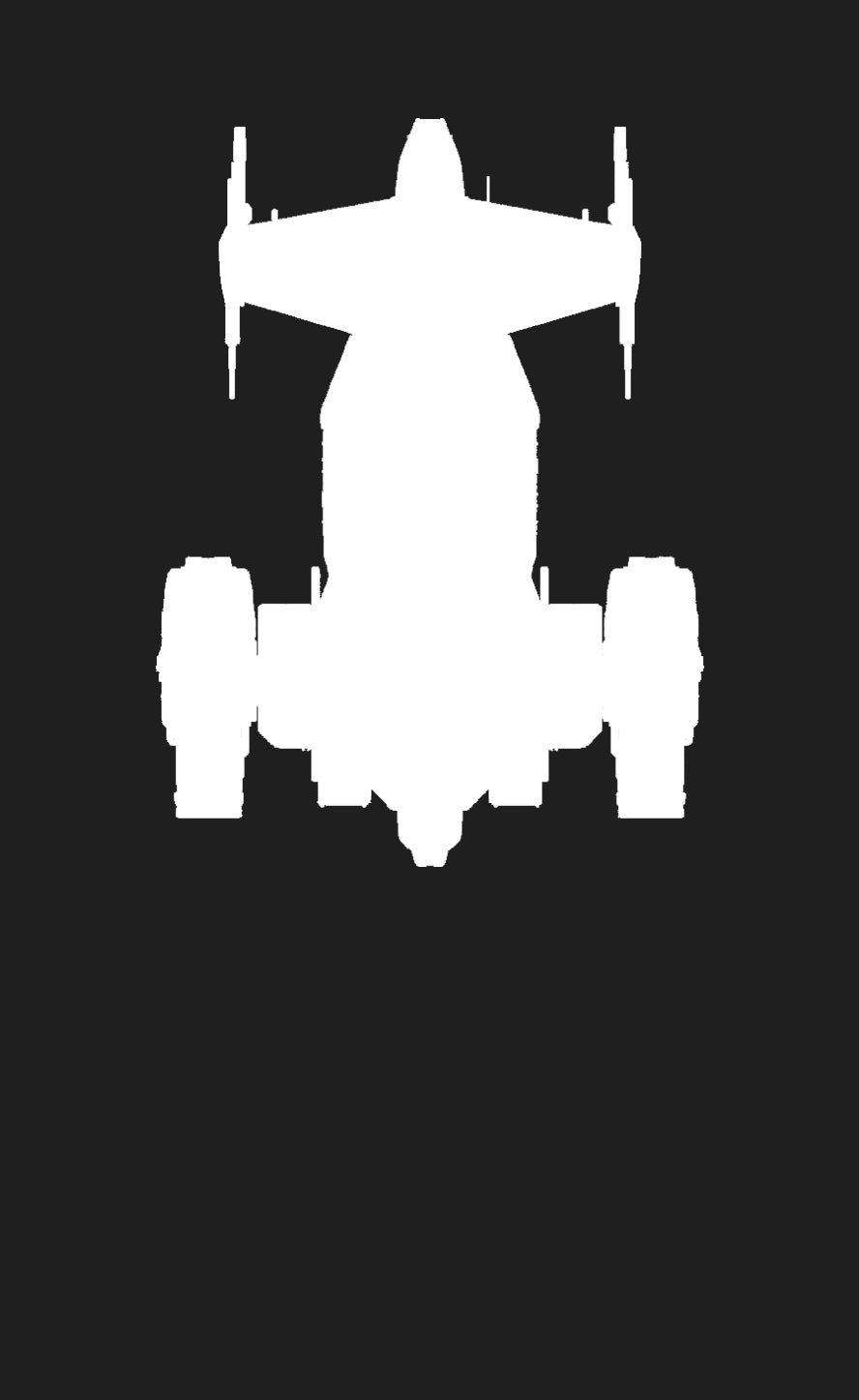
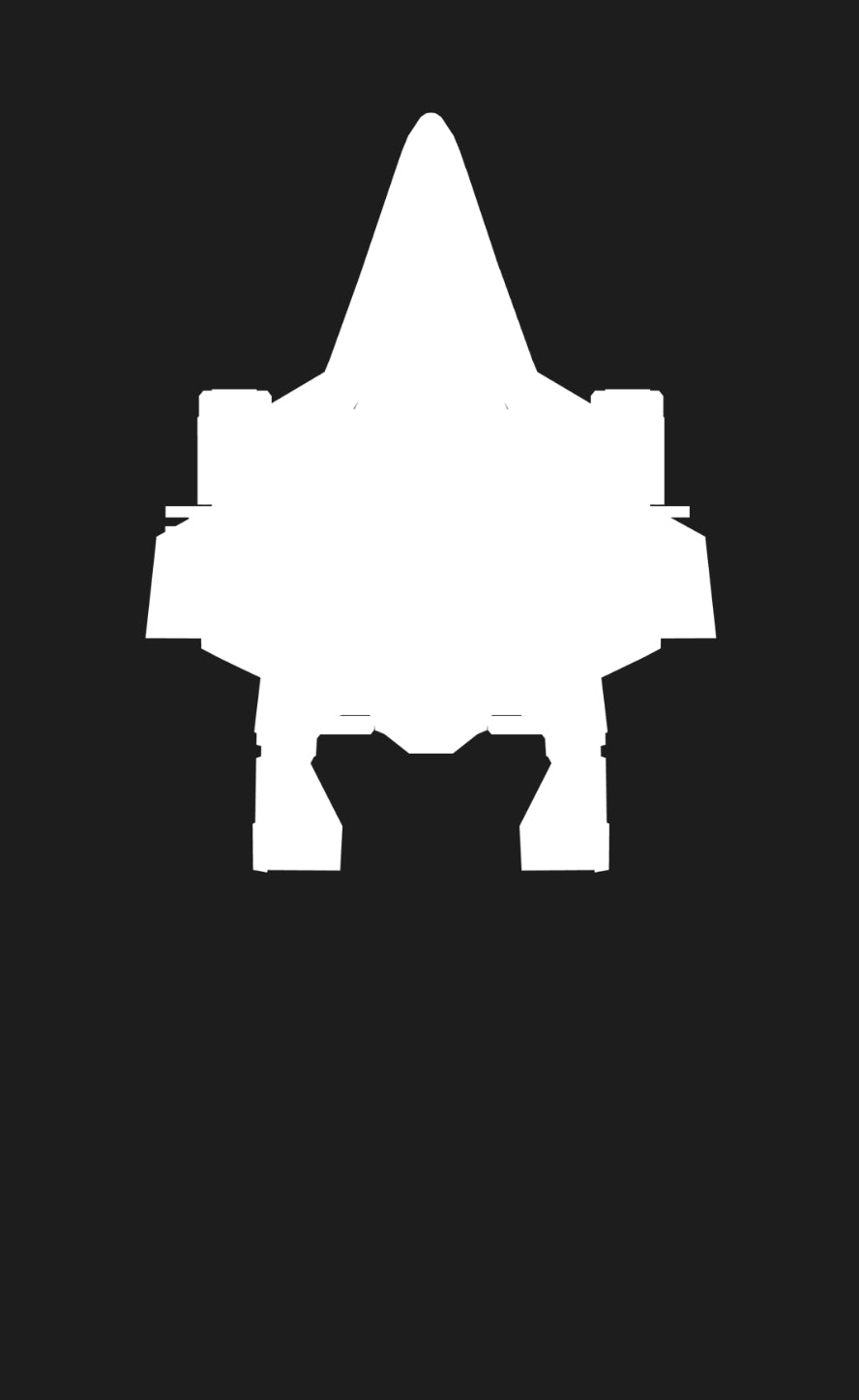
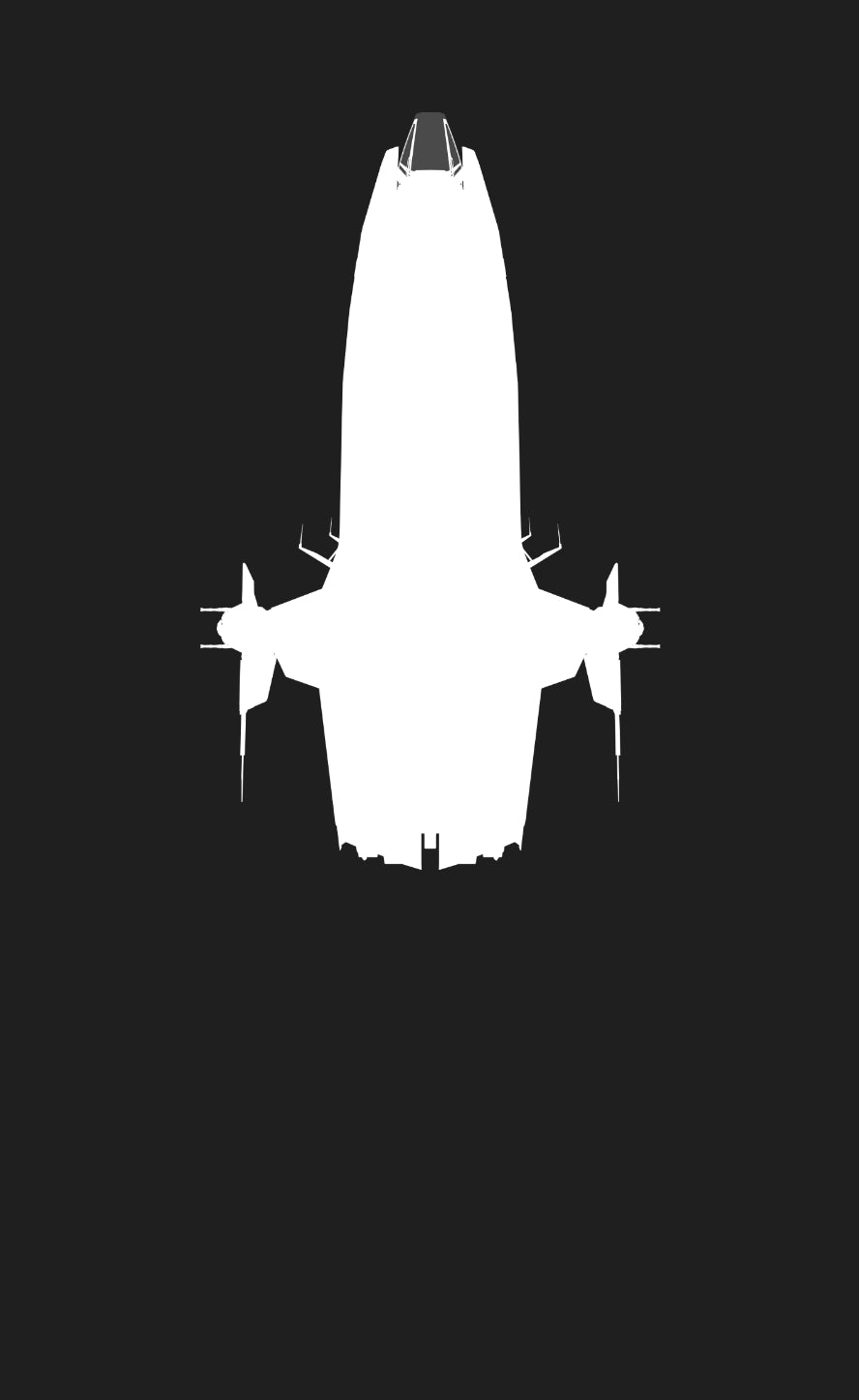
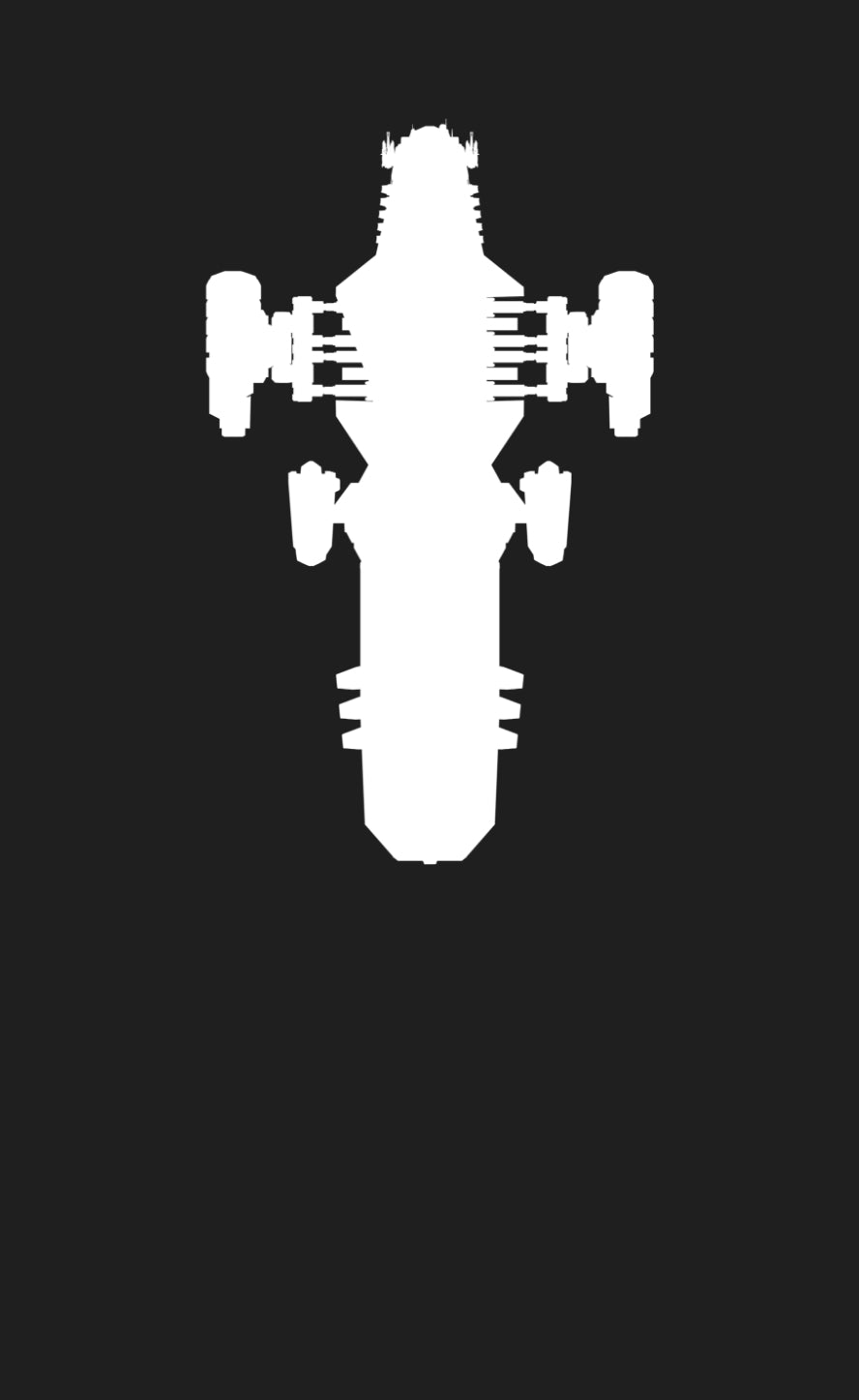
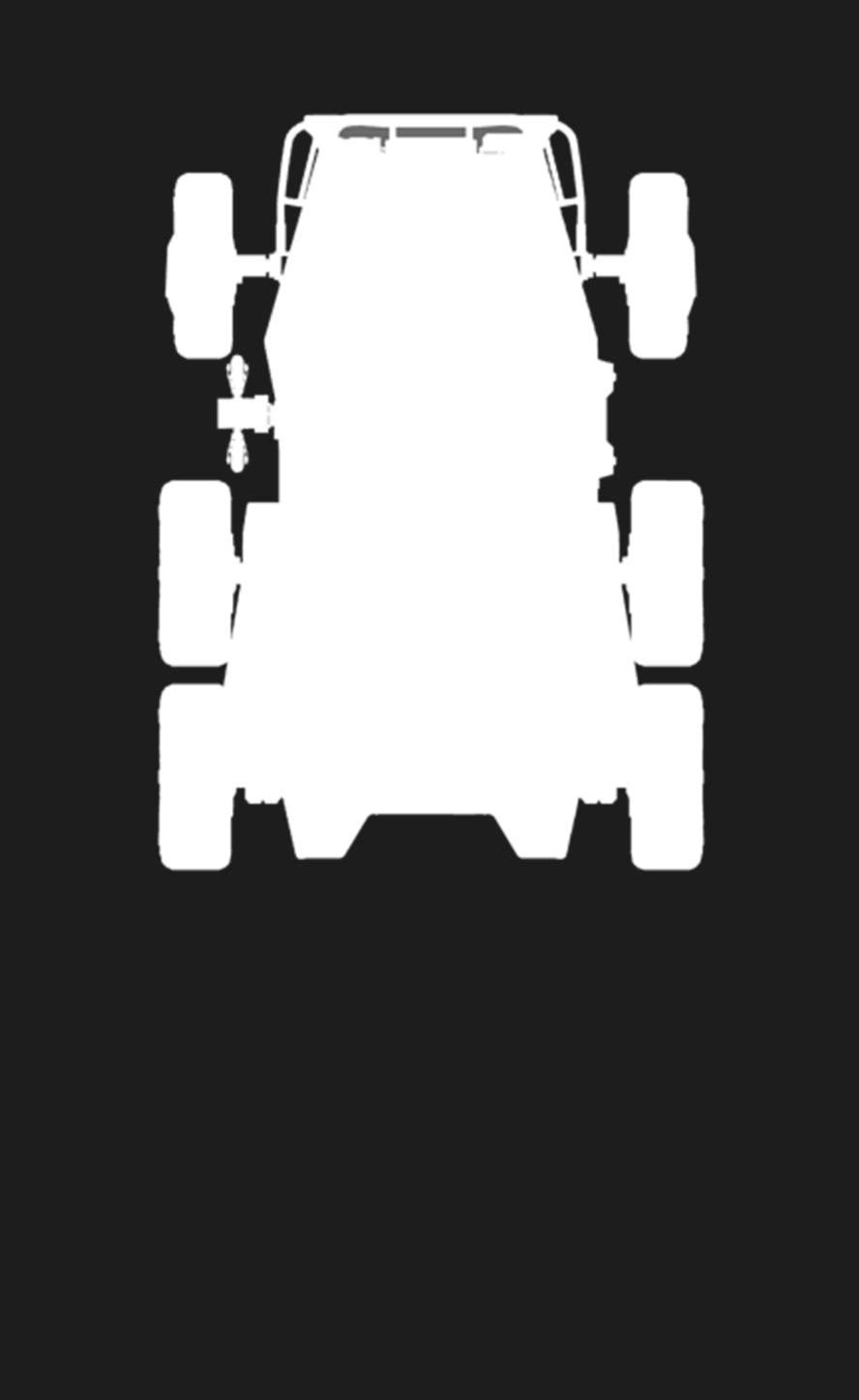
Drake's most durable transport ships are now flyable in Alpha 4.8. The Ironclad brings 2204 SCU of armored deep-space freight capacity, while the Ironclad Assault adds 34 infantry seats, a combat service bay, and full Ship Hangar Services. Both ship with the detachable Command Module as standard.

SHIP SPOTLIGHT
Drake Interplanetary has never pretended the verse is a safe place. Where other manufacturers sell you a hauler and assume someone else handles the trouble, Drake builds ships for the reality: out here, haulers and fighters are the same person, and the cargo is coming through whether the opposition likes it or not. The Ironclad and Ironclad Assault are that philosophy at its most literal — two of the most durable ships on the market today, both heavily armed, both built around the understanding that deep-space work demands deep-space resilience.
Both variants ship with the detachable Command Module as standard. Both are built on the same formidable hull. Where they split is purpose: the Ironclad is a pure-capacity freight juggernaut, the Assault a combined-arms platform designed to bring troops, vehicles, and sustained fire support to wherever they are needed.
TECHNICAL SPECIFICATIONS
LENGTH
120m
WIDTH
52m
HEIGHT
20m
IRONCLAD
CREW
7
CARGO
2204 SCU
IRONCLAD ASSAULT
CREW
9 + 34 infantry
CARGO
1440 SCU

THE IRONCLAD
The Ironclad is the largest capacity dedicated transport on the market — 2204 SCU of open-roof, ramp-accessible cargo space with the armor and weapons to make sure it arrives. It does not ask you to choose between hauling capacity and self-reliance. Drake's position has always been that the two are inseparable, and the Ironclad is the clearest expression of that yet.
Since concept, the interior has been substantially reworked to address traversal across what is a genuinely large and complex environment. The original layout required considerable back-and-forth movement across the ship's width. The production version adds stairwells and ladders to cut down movement time, and the cargo hold itself has been adjusted — the grid size was refined to maximize usable volume while keeping a clear path through the center. The result is a ship that is faster to operate internally than the concept suggested.
Multiple tractor beams are fitted throughout, all the same size but positioned and articulated — similarly to the RSI Hermes' tractor rail — to provide broad angular coverage for loading and unloading from multiple approaches. The sheer volume of the cargo hold also creates secondary utility that goes well beyond freight: ground vehicles and smaller ships can be stowed inside, turning the Ironclad into a capable mothership or forward operations hub for other gameplay loops.
Since concept, the interior has been substantially reworked to address traversal across what is a genuinely large and complex environment. The original layout required considerable back-and-forth movement across the ship's width. The production version adds stairwells and ladders to cut down movement time, and the cargo hold itself has been adjusted — the grid size was refined to maximize usable volume while keeping a clear path through the center. The result is a ship that is faster to operate internally than the concept suggested.
Multiple tractor beams are fitted throughout, all the same size but positioned and articulated — similarly to the RSI Hermes' tractor rail — to provide broad angular coverage for loading and unloading from multiple approaches. The sheer volume of the cargo hold also creates secondary utility that goes well beyond freight: ground vehicles and smaller ships can be stowed inside, turning the Ironclad into a capable mothership or forward operations hub for other gameplay loops.

THE IRONCLAD ASSAULT
The Ironclad Assault trades 764 SCU of the standard variant's cargo capacity for everything a combined-arms platform requires. Thirty-four infantry in jump seats. Additional turrets. A service bay with room for combat vehicles and ships. And — live in Alpha 4.8 — full Ship Hangar Services, meaning the Assault can repair, refuel, and rearm any ship or vehicle that lands in its bays, drawing from real resources on its cargo grid.
The Assault carries improved armor over the standard Ironclad, fitting for a ship that will regularly be operating in environments where contact is the plan rather than the contingency. For operations hauling through hostile space without a full combat escort, the Assault's additional turrets and hardened hull mean the cargo reaches its destination regardless.
A fabricator is also fitted, intended to craft any available blueprint directly to and from the cargo grid when the supporting systems come online. It is not active at launch in 4.8 — fabrication to and from vehicle grids is not yet supported — but the hardware is there and will be enabled in a future patch.
The Assault carries improved armor over the standard Ironclad, fitting for a ship that will regularly be operating in environments where contact is the plan rather than the contingency. For operations hauling through hostile space without a full combat escort, the Assault's additional turrets and hardened hull mean the cargo reaches its destination regardless.
A fabricator is also fitted, intended to craft any available blueprint directly to and from the cargo grid when the supporting systems come online. It is not active at launch in 4.8 — fabrication to and from vehicle grids is not yet supported — but the hardware is there and will be enabled in a future patch.

THE COMMAND MODULE
Both Ironclad variants ship with the Command Module as standard, and it is identical to the one introduced on the Caterpillar in the same patch. When docked, it controls the host ship's systems — power allocation, management functions, everything. When detached, it becomes a fully independent quantum-capable ship with its own weapons loadout, capable of flight, quantum travel, and self-defence.
In practical terms, detaching the module allows a captain to leave the main hull behind — holding position above a planet, running tractor operations, maintaining self-defence — while the Command Module handles atmospheric work independently. The main hull retains core functions including power, cooling, tractor-beam control, and point defence when the module is away.
The module is interchangeable across all three ships it supports: the Caterpillar, the Ironclad, and the Ironclad Assault. Owners of any of the three can use the same module across their Drake fleet. It was built to preserve the "life raft" function of the original Caterpillar concept — hence the retained bunk beds and drop seats — while being scaled up to accommodate the larger combined crew of the Ironclad lineups. Personal storage is integrated into each drop seat base.
In practical terms, detaching the module allows a captain to leave the main hull behind — holding position above a planet, running tractor operations, maintaining self-defence — while the Command Module handles atmospheric work independently. The main hull retains core functions including power, cooling, tractor-beam control, and point defence when the module is away.
The module is interchangeable across all three ships it supports: the Caterpillar, the Ironclad, and the Ironclad Assault. Owners of any of the three can use the same module across their Drake fleet. It was built to preserve the "life raft" function of the original Caterpillar concept — hence the retained bunk beds and drop seats — while being scaled up to accommodate the larger combined crew of the Ironclad lineups. Personal storage is integrated into each drop seat base.

ARMOR AND FLEET POSITION
With armor now active across the game, the Ironclads occupy a clear position in the heavy transport hierarchy. Both sit in the middle of the protection landscape — better covered than civilian haulers like the C2 Hercules and Starlancer series, but below dedicated military platforms like the M2 Hercules. The Ironclad Assault carries improved armor over the standard variant, giving it more endurance in combat-adjacent situations.
What distinguishes both Ironclads from ships with higher armor ratings is base hull HP. The Ironclads absorb more total damage before becoming combat-ineffective than lighter rivals — they keep operating longer under sustained fire, even when ships with better armor ratings would already be pulled from the line. In hostile space, that extended operative window is often the difference between the cargo arriving and it not.
What distinguishes both Ironclads from ships with higher armor ratings is base hull HP. The Ironclads absorb more total damage before becoming combat-ineffective than lighter rivals — they keep operating longer under sustained fire, even when ships with better armor ratings would already be pulled from the line. In hostile space, that extended operative window is often the difference between the cargo arriving and it not.

AVAILABLE PAINTS
Four paint options are available across the Ironclad lineup: Wind Chill, Commando, Sediment, and Aquamarine.
DEVELOPER Q&A
How have the Ironclad and Ironclad Assault evolved since they were first concepted?
The primary change to both Ironclads since concept has been the internal layout of the rear half of the ship. The original concept interior required significant back-and-forth traversal across the ship's width — not ideal for a large, complex working environment. Production added stairwells and ladders to cut down movement time and improve flow throughout.
The hold also saw changes, with the cargo grid adjusted to allow better space utilization while keeping a clear path through the center. The result is a net increase in usable cargo capacity despite the same overall footprint.
The hold also saw changes, with the cargo grid adjusted to allow better space utilization while keeping a clear path through the center. The result is a net increase in usable cargo capacity despite the same overall footprint.
What multi-crew gameplay do the Ironclads excel at beyond hauling?
Both platforms are capable of operating well beyond their primary roles simply due to the sheer size and volume of their cargo areas. Other vehicles can be stowed inside the hold, allowing either Ironclad to function as a mothership or hub for other gameplay loops — effectively acting as a mobile base of operations for exploration, salvage, or combat support missions that require a mix of ship types working together.
The Ironclad Assault takes this further with its service bay, jump seats, and Ship Hangar Services, enabling it to actively support the ships and vehicles it is carrying rather than simply transporting them.
The Ironclad Assault takes this further with its service bay, jump seats, and Ship Hangar Services, enabling it to actively support the ships and vehicles it is carrying rather than simply transporting them.
Does the Command Module work interchangeably between the Caterpillar and the Ironclad variants?
Yes — all three ships now share an identical Command Module. The design decision was deliberate: CIG wanted to ensure the original Caterpillar concept's "life raft" role was preserved for existing owners, which is why the module retains its bunk beds and drop seats regardless of which ship it is attached to. Whether it is docked to a Caterpillar, an Ironclad, or an Ironclad Assault, it functions as the same emergency escape and command vehicle.
What can the Ironclad Assault's fabricator craft, and is it active at launch?
Like the Drake Clipper, the Ironclad Assault features a fabricator that — when fully enabled — will be able to craft any available blueprint directly to and from the cargo grid. It is not active at the launch of Alpha 4.8 due to a current limitation: fabricating to and from vehicle grids is not yet supported. The hardware is installed and the functionality will be enabled in a future patch once that system is in place.
What are the Ironclad's tractor beams capable of, and how do they differ?
All of the Ironclad's tractor beams are the same size, but their real value is coverage. Thanks to their positioning and articulation — similar to the moveable tractor rail on the RSI Hermes — they provide multiple angles of approach for loading and unloading. This means the ship does not need to be perfectly positioned for every cargo operation; the beams can be directed to cover a wide range of angles, making field loading and unloading significantly more practical.
How does the Ironclad Assault's repair and refuel functionality work, and does it cover ground vehicles?
The Ironclad Assault is one of the ships supporting Ship Hangar Services at the launch of Alpha 4.8. In the current implementation, the service coverage is ship-wide — any ground vehicle or ship within the Ironclad Assault can access repair, refuel, and rearm services. All services draw from real resources on the cargo grid: repairs consume RMC, refueling consumes hydrogen and quantum fuel, and rearming consumes ammo, missiles, and countermeasures.
In a future patch, this will be refined: coverage will be limited to the rear third of the cargo bay, which is the designated repair area. For now, the full bay is active.
In a future patch, this will be refined: coverage will be limited to the rear third of the cargo bay, which is the designated repair area. For now, the full bay is active.
What can the main hull do when the Command Module is detached?
The main hull retains core functions when the Command Module is away — power, cooling, tractor-beam control, and self-defence remain operational. It cannot be independently piloted without the module, but it can continue functioning as a stationary platform.
The practical application CIG envision is atmospheric operations: the main hull holds position above a planet while the Command Module handles surface entry and exit. For a ship of the Ironclad's size, leaving the parent hull in orbit while the module goes planetside is a significant operational advantage — atmospheric entry for a 120m freighter is a different proposition from a small command craft.
The practical application CIG envision is atmospheric operations: the main hull holds position above a planet while the Command Module handles surface entry and exit. For a ship of the Ironclad's size, leaving the parent hull in orbit while the module goes planetside is a significant operational advantage — atmospheric entry for a 120m freighter is a different proposition from a small command craft.
How do insurance claims work when the Command Module is detached and the main ship is lost?
If the main ship is lost or destroyed, filing a claim returns the host vehicle with a new Command Module already attached — effectively claiming both at once. Any previously stored Command Module from that ship will be bricked, whether it was in storage at the time of the claim or not. Bricked modules remain visible in the Fleet Manager and can be removed from the ASOP terminal through the new scrap option.
If the loadout is insured, selecting the insured loadout option when filing returns both the Command Module and host vehicle with a snapshot of prior loadout changes applied. The Command Module can also be claimed independently, without triggering a full claim on the host ship.
If the loadout is insured, selecting the insured loadout option when filing returns both the Command Module and host vehicle with a snapshot of prior loadout changes applied. The Command Module can also be claimed independently, without triggering a full claim on the host ship.
How does armor affect the Ironclads' position relative to ships like the M2, C2, and Starlancer?
With armor active, the Ironclads sit in the middle of the heavy transport protection landscape. Both are better protected than lighter civilian haulers like the C2 Hercules and the Starlancer variants, but below dedicated military platforms like the M2 Hercules. The Ironclad Assault carries improved armor over the standard variant, giving it additional endurance in more demanding situations.
What sets both Ironclads apart from ships with higher armor ratings is base hull HP. They absorb more total damage before becoming combat-ineffective, keeping them operational longer under sustained fire than lighter rivals — even those with nominally better armor. In hostile space, that extended window is often the critical difference.
What sets both Ironclads apart from ships with higher armor ratings is base hull HP. They absorb more total damage before becoming combat-ineffective, keeping them operational longer under sustained fire than lighter rivals — even those with nominally better armor. In hostile space, that extended window is often the critical difference.