

















MISC
MISC Starlite - Get Them on Their Way

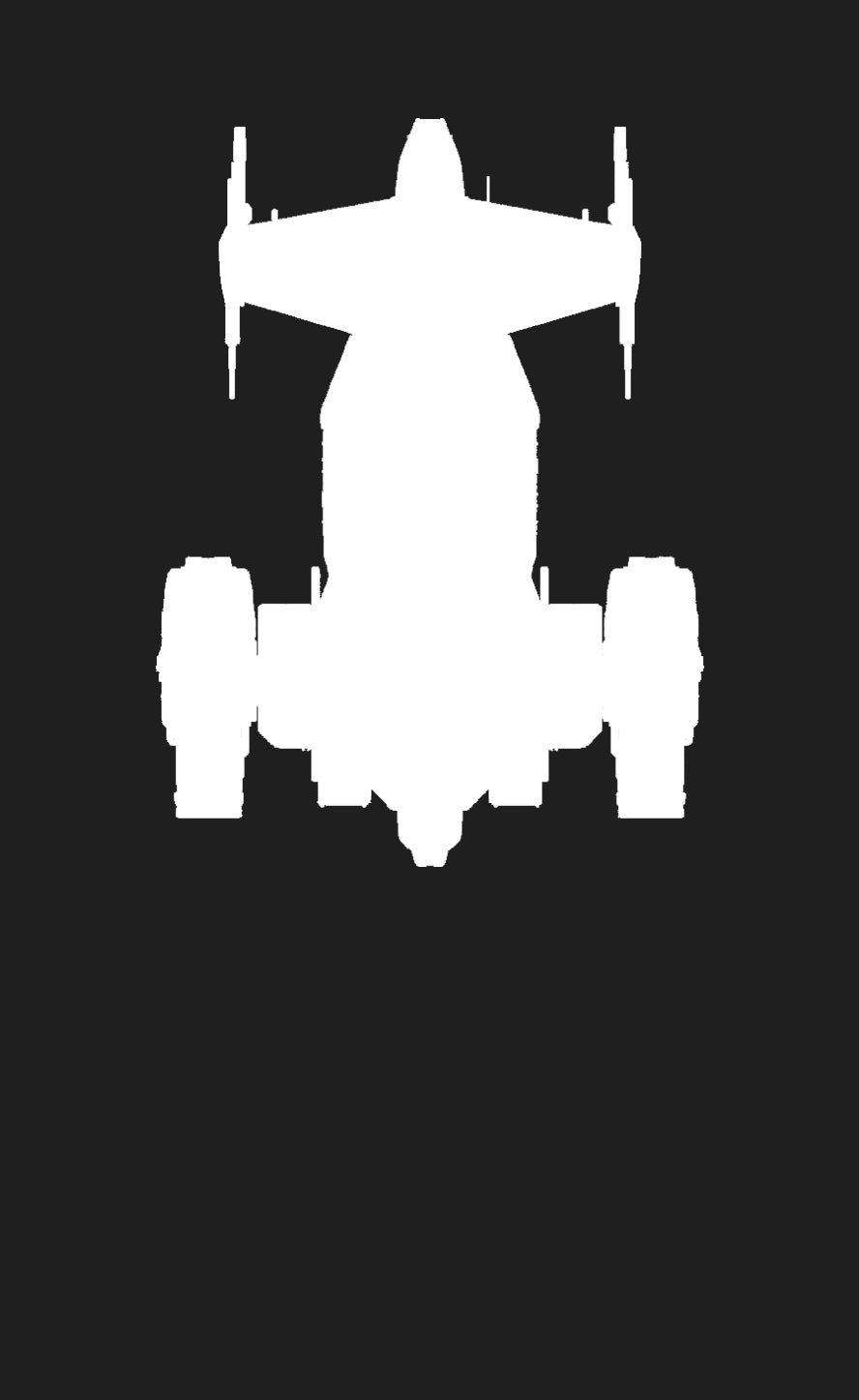
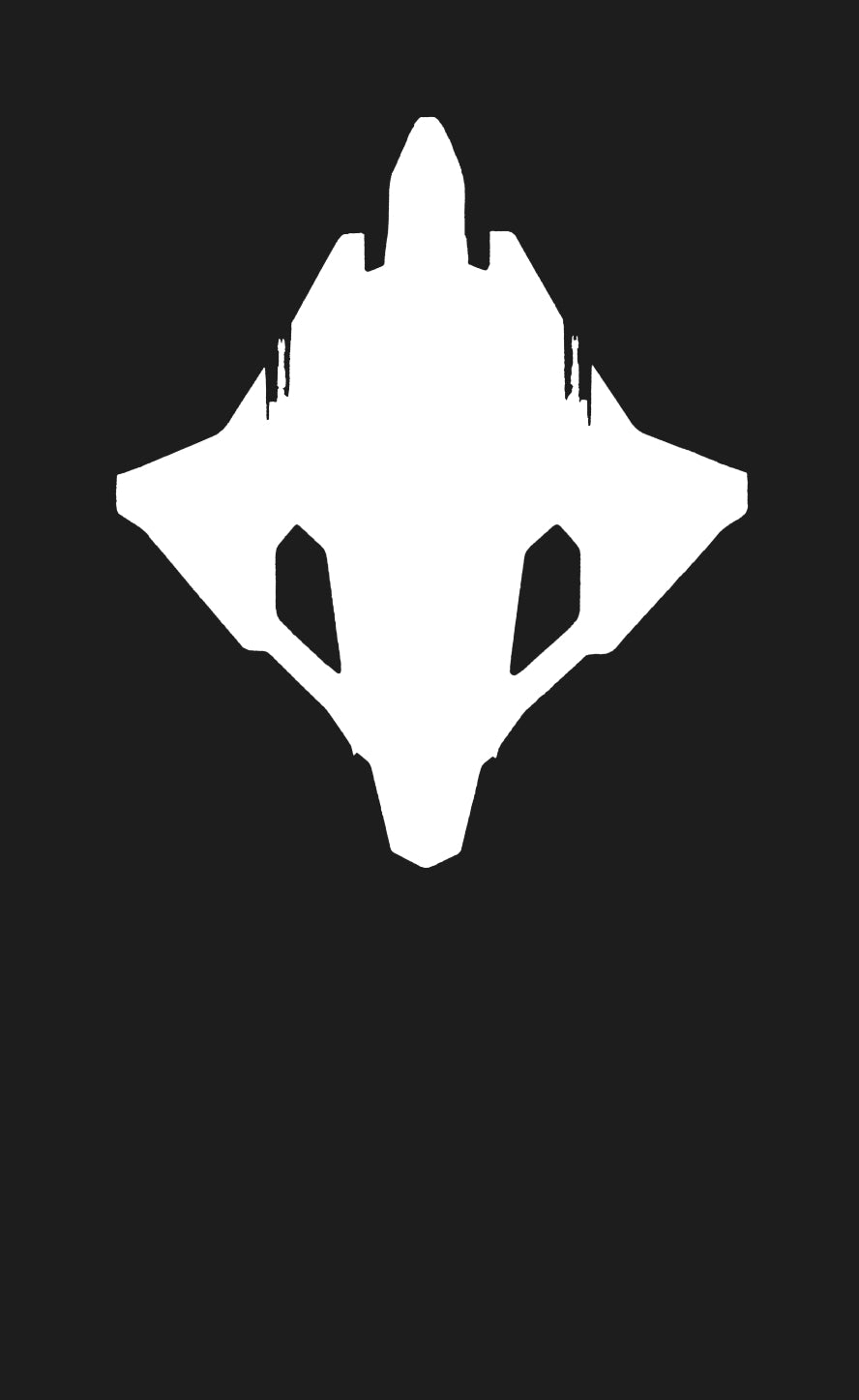
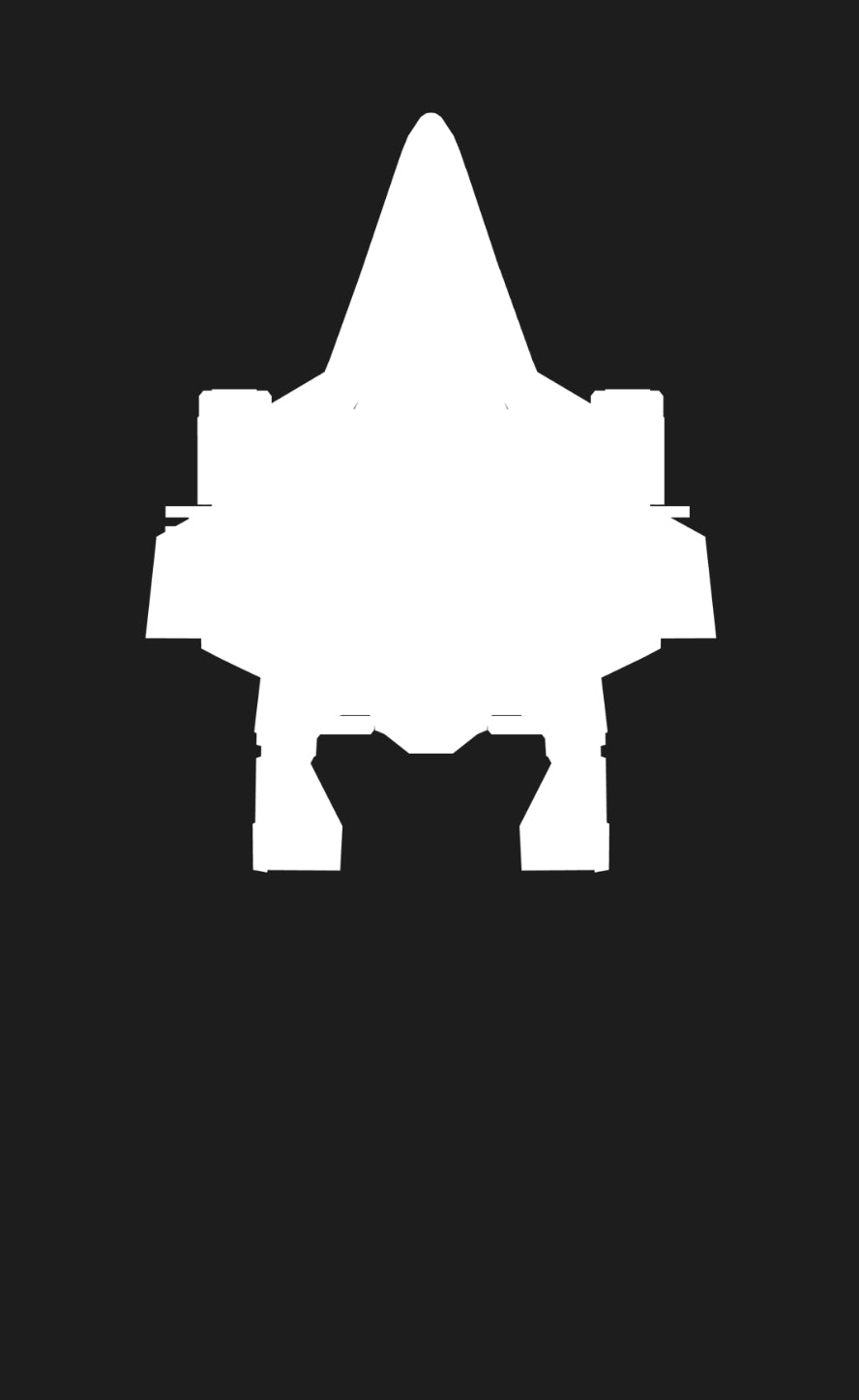
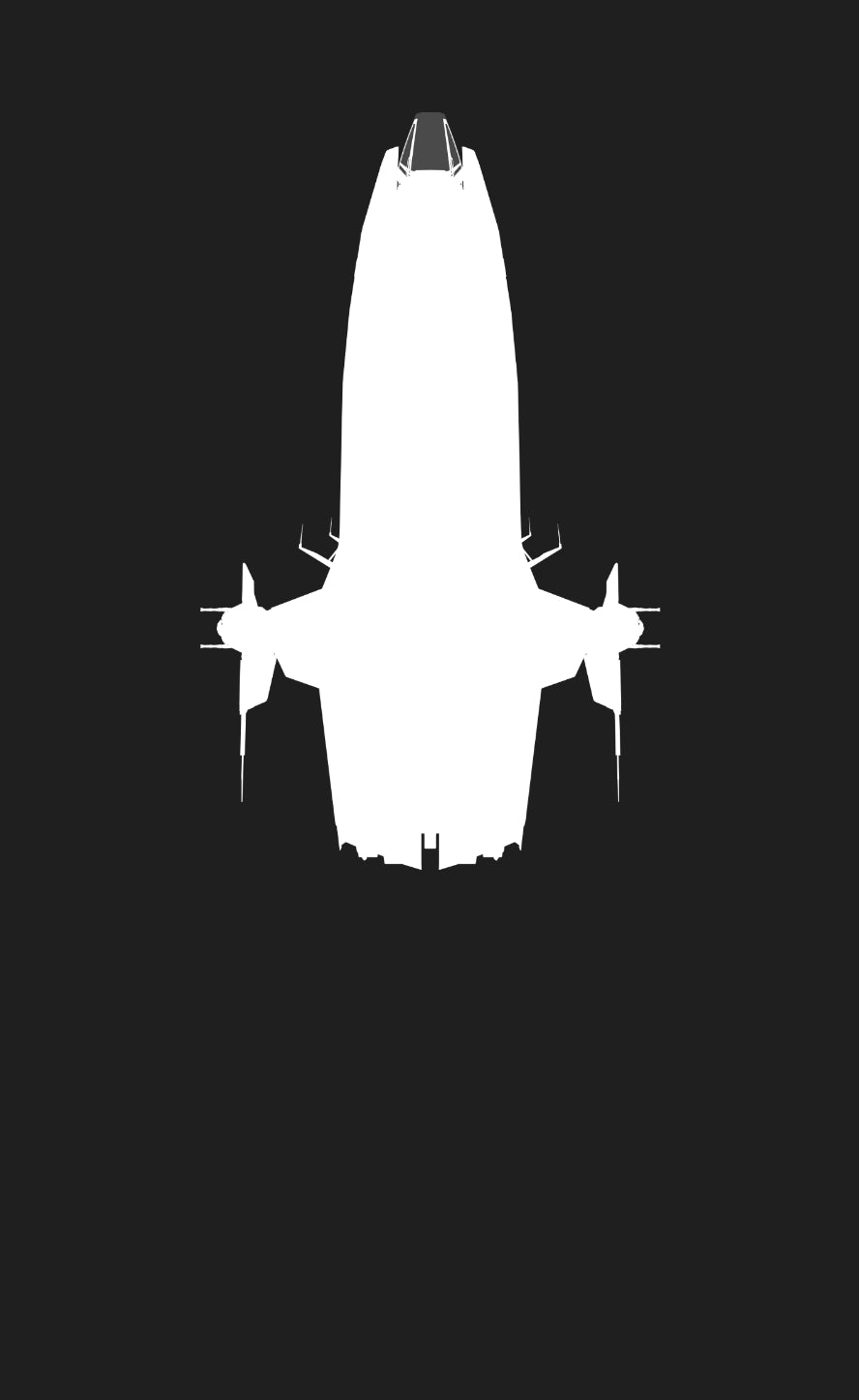
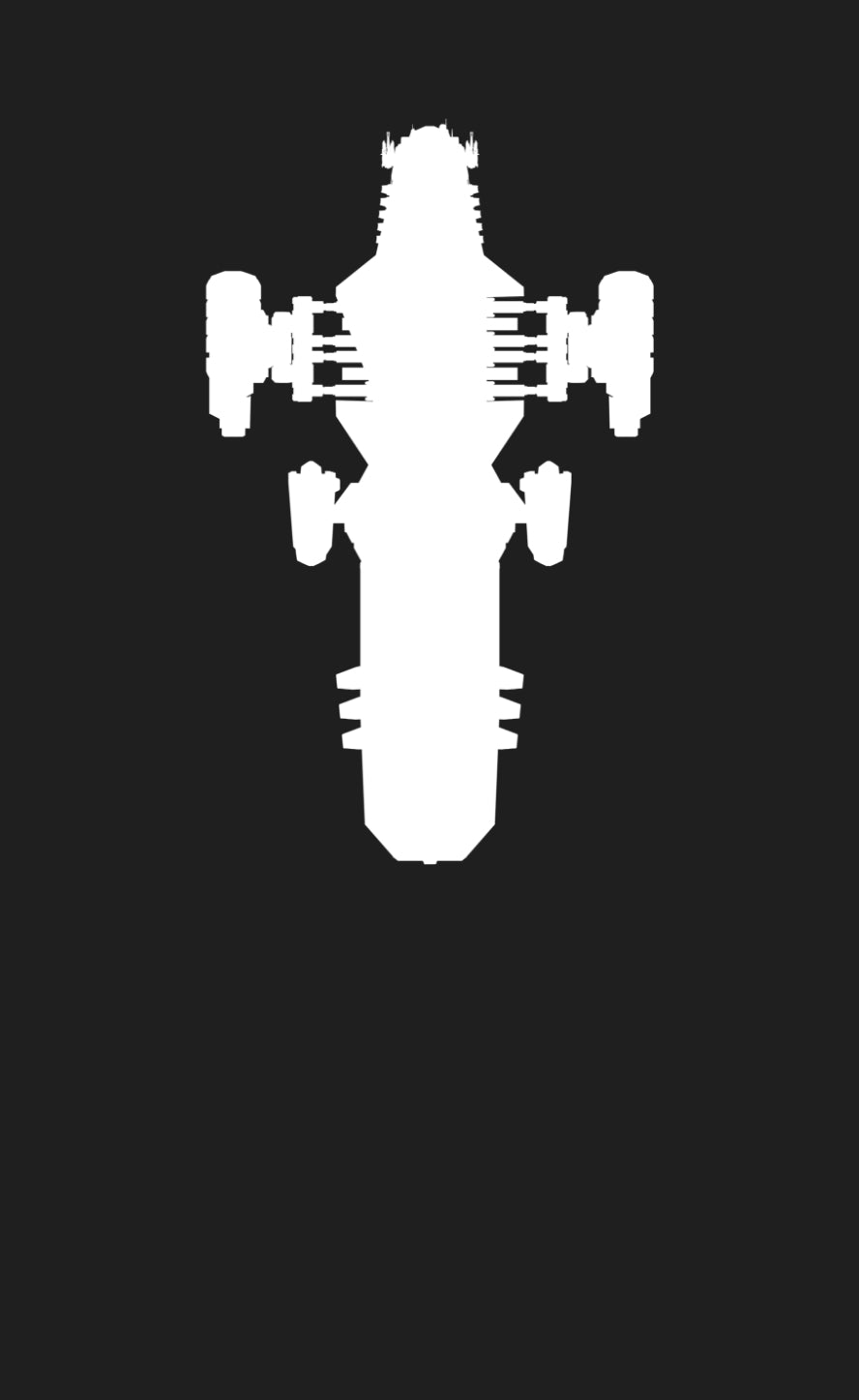
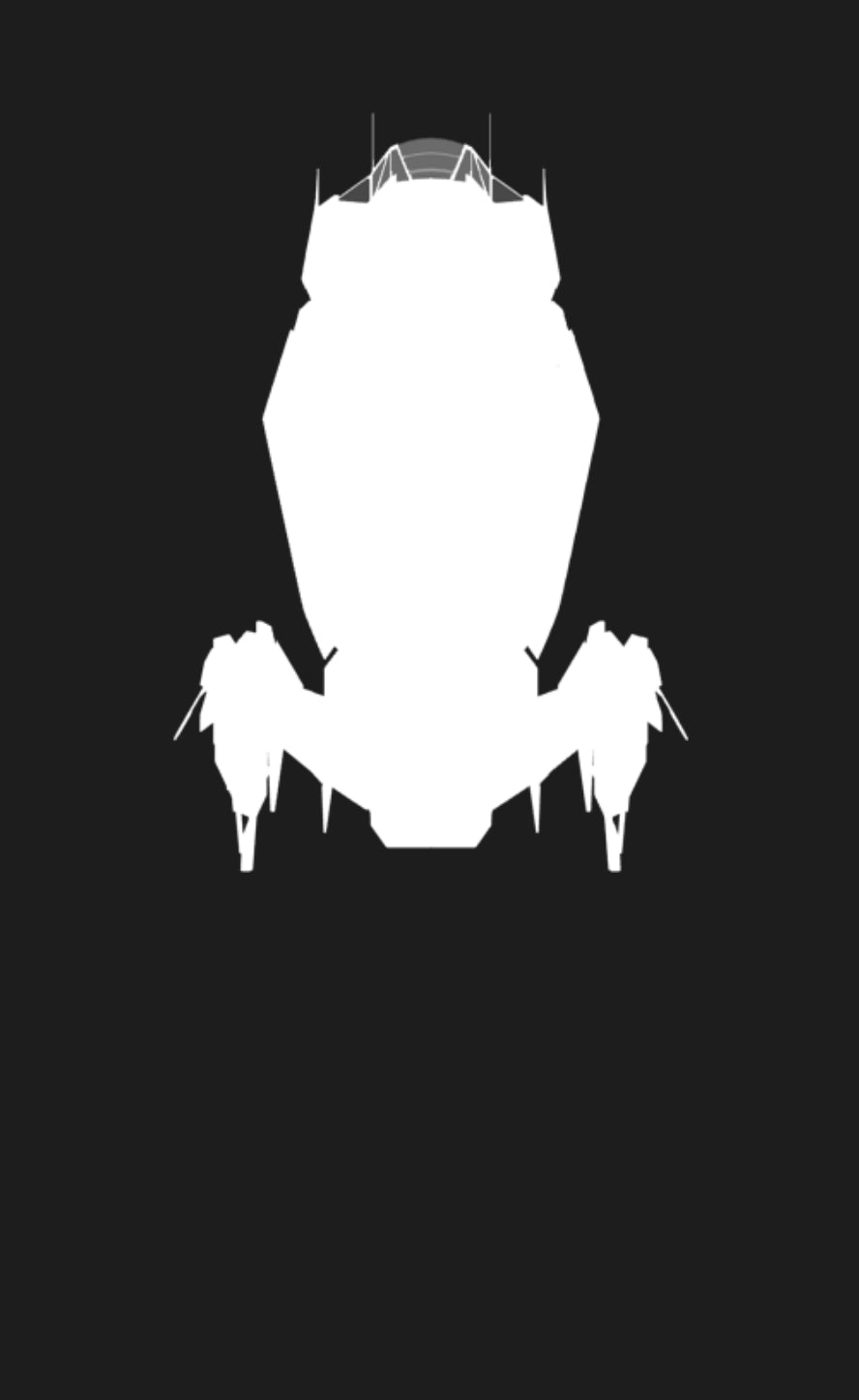
MISC's first dedicated light refueler is now flyable. The Starlite ventures solo to the furthest edges of the verse, delivering mid-flight fuel transfers via a rear-facing refueling arm to the ships that need it most. Built for the pilots others count on to get home.
SHIP SPOTLIGHT
THE LIGHT REFUELER THAT KEEPS THE VERSE MOVING
Most ships in the verse exist to fight, haul, or explore. The MISC Starlite exists to make sure everyone else can keep doing those things. A solo-flyable light refueler built on MISC's long-standing legacy of practical, purpose-driven design, the Starlite answers a question that every miner, hauler, and explorer eventually faces out beyond the safe shipping lanes: what happens when the fuel gauge hits zero and the nearest station is hours away.
The answer, with a Starlite on the other end of a distress call, is that it does not have to be a crisis. With a rear-facing refueling arm designed for mid-flight transfers and self-defence systems to operate in the kind of space where rescue calls tend to come from, the Starlite fills a role that no other light refueler currently occupies.
TECHNICAL SPECIFICATIONS
LENGTH
19.9m
WIDTH
32m
HEIGHT
9m 9.07m landed
SCM SPEED
150 m/s
WEAPONS
2× S2 pilot
1× Turret 2× S2
MISSILES
2× S1
UTILITY
Refuel Arm
CREW
1
THE REFUELING ROLE
The Starlite's defining feature is its rear-facing refueling arm. The operational model is straightforward: a ship that needs fuel approaches from behind and falls in to receive a transfer. No docking collar, no complicated port alignment — the receiving ship closes up behind the Starlite and the arm does the rest. It is a design built for field operations where the ship being refueled may not be in a position to navigate to a precise dock.
This positions the Starlite as the light counterpart to the Starfarer's heavier refueling operations. Where the Starfarer operates at scale — large volumes, capital and multi-crew ships — the Starlite is a solo response to a solo problem. A single pilot who ran their tanks dry on a deep-space run, a miner who pushed too far from the refinery, an explorer who found something worth staying longer than the fuel budget allowed. The Starlite reaches those situations.
In Alpha 4.8, refueling missions provide direct contract-based incentives for Starlite pilots — NPC ships that have run out of fuel generate callouts for any fuel-capable ship to respond to. With player-to-player beacons confirmed for a future update, the reactive emergency-response version of the role is coming. For now, the contract system gives the career a real reward structure for the first time.
Two VTOL thrusters suggest the Starlite was designed with planetary refueling operations in mind alongside its deep-space applications — the ability to land in difficult terrain and service ships on the ground extends its utility considerably beyond purely orbital or transit refueling.
This positions the Starlite as the light counterpart to the Starfarer's heavier refueling operations. Where the Starfarer operates at scale — large volumes, capital and multi-crew ships — the Starlite is a solo response to a solo problem. A single pilot who ran their tanks dry on a deep-space run, a miner who pushed too far from the refinery, an explorer who found something worth staying longer than the fuel budget allowed. The Starlite reaches those situations.
In Alpha 4.8, refueling missions provide direct contract-based incentives for Starlite pilots — NPC ships that have run out of fuel generate callouts for any fuel-capable ship to respond to. With player-to-player beacons confirmed for a future update, the reactive emergency-response version of the role is coming. For now, the contract system gives the career a real reward structure for the first time.
Two VTOL thrusters suggest the Starlite was designed with planetary refueling operations in mind alongside its deep-space applications — the ability to land in difficult terrain and service ships on the ground extends its utility considerably beyond purely orbital or transit refueling.

SELF-DEFENCE CAPABILITY
A refueling ship that ventures into contested or frontier space needs to be able to protect both itself and the ships it is servicing. The Starlite is not defenceless. Two S2 pilot-controlled weapons and a S2 turret mounting two additional guns give it four guns total — enough to discourage opportunistic pirates and handle situations that escalate while a transfer is underway. Two S1 missiles round out the loadout.
Two shield generators on a ship this size is a meaningful commitment to survivability for what is categorized as a support vessel. The Starlite is not expected to win a stand-up fight, but the dual-shield configuration means it can absorb fire long enough to disengage or see off a single attacker, which is the realistic threat profile for a solo refueling operation at the edges of settled space.
At 370,190 kg, the Starlite is heavier than its size might suggest — a reflection of the fuel storage systems and refueling arm hardware rather than armor. The 150 m/s SCM speed places it below combat-focused ships, which is the expected trade for a vessel whose job is to be in the right place for a rendezvous rather than to chase or evade. The 12 maneuvering thrusters give it enough directional control to hold position during an active transfer.
Two shield generators on a ship this size is a meaningful commitment to survivability for what is categorized as a support vessel. The Starlite is not expected to win a stand-up fight, but the dual-shield configuration means it can absorb fire long enough to disengage or see off a single attacker, which is the realistic threat profile for a solo refueling operation at the edges of settled space.
At 370,190 kg, the Starlite is heavier than its size might suggest — a reflection of the fuel storage systems and refueling arm hardware rather than armor. The 150 m/s SCM speed places it below combat-focused ships, which is the expected trade for a vessel whose job is to be in the right place for a rendezvous rather than to chase or evade. The 12 maneuvering thrusters give it enough directional control to hold position during an active transfer.
AVAILABLE PAINTS
Five paint options are available for the Starlite: Factory Standard, Bonfire, Empyrean, Dusk, and Mojave.
Source: Roberts Space Industries