
























 TRUSTPILOT REVIEWS
Join thousands reviewers who rated our store!
 TERMINOLOGY
Visit terminology page to find out what's the difference between OC, CCU, CCU'ed and more
 LOANER MATRIX
Unsure if the ship you are purchasing is flight ready? Check the official Loaner Matrix!
CHECK NOW
Buying Upgrades? Make sure you are getting a correct one!
Anvil Odin Battlecruiser | Wishlist Now!
 ACCOUNT BUYING GUIDE
Please make sure to read our guide before purchasing an account
Odin Account - Coming Soon
Odin accounts will be available soon. To be among the first to know when stock is added, click “Notify When Available” on the right side of the page.
As soon as Odin accounts are in stock, we’ll send you an email letting you know they are available to purchase.
Please note that this page is currently a placeholder and will be updated with the final product description, details, and pricing once the listing is live.
Anvil Odin Battlecruiser
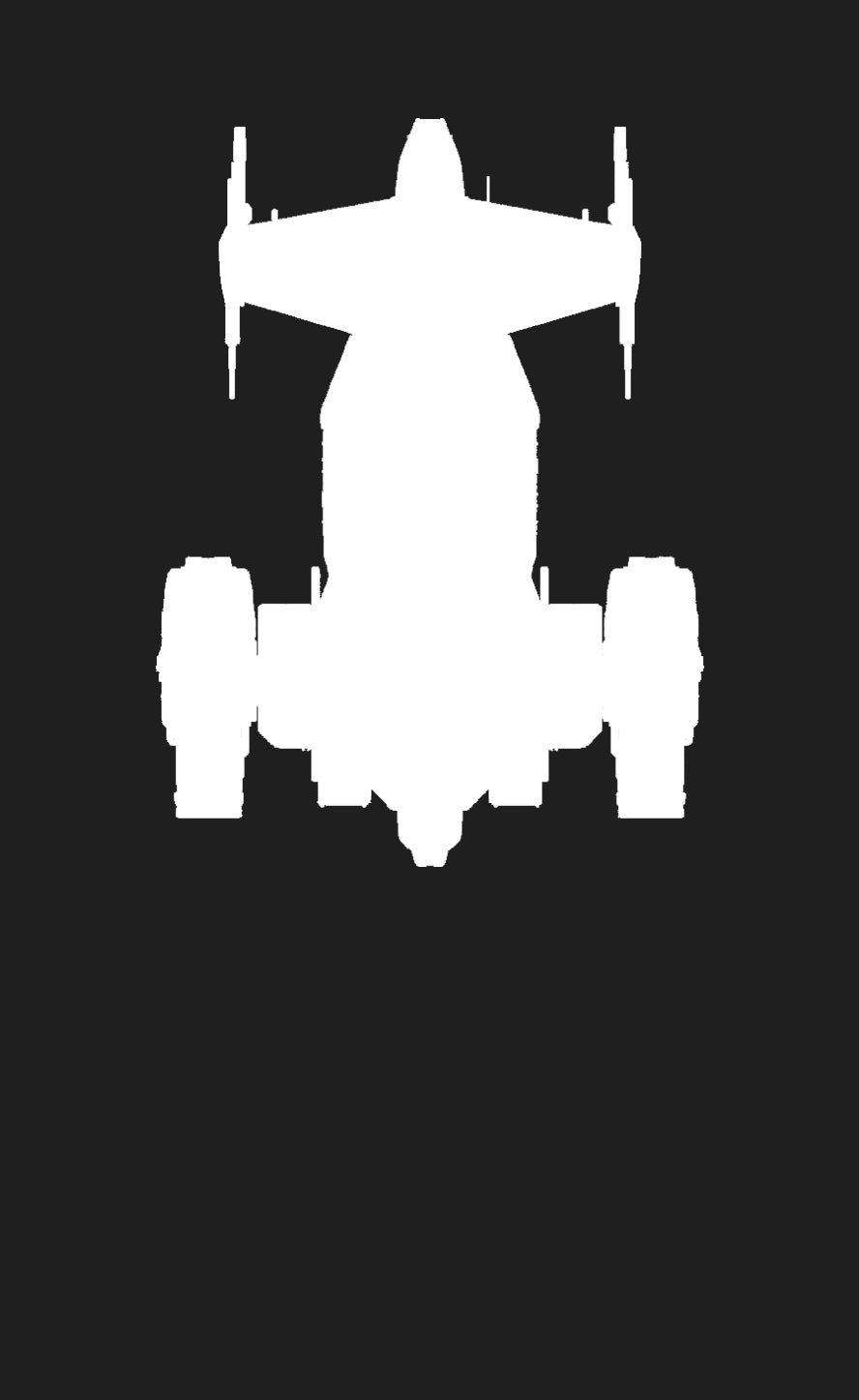
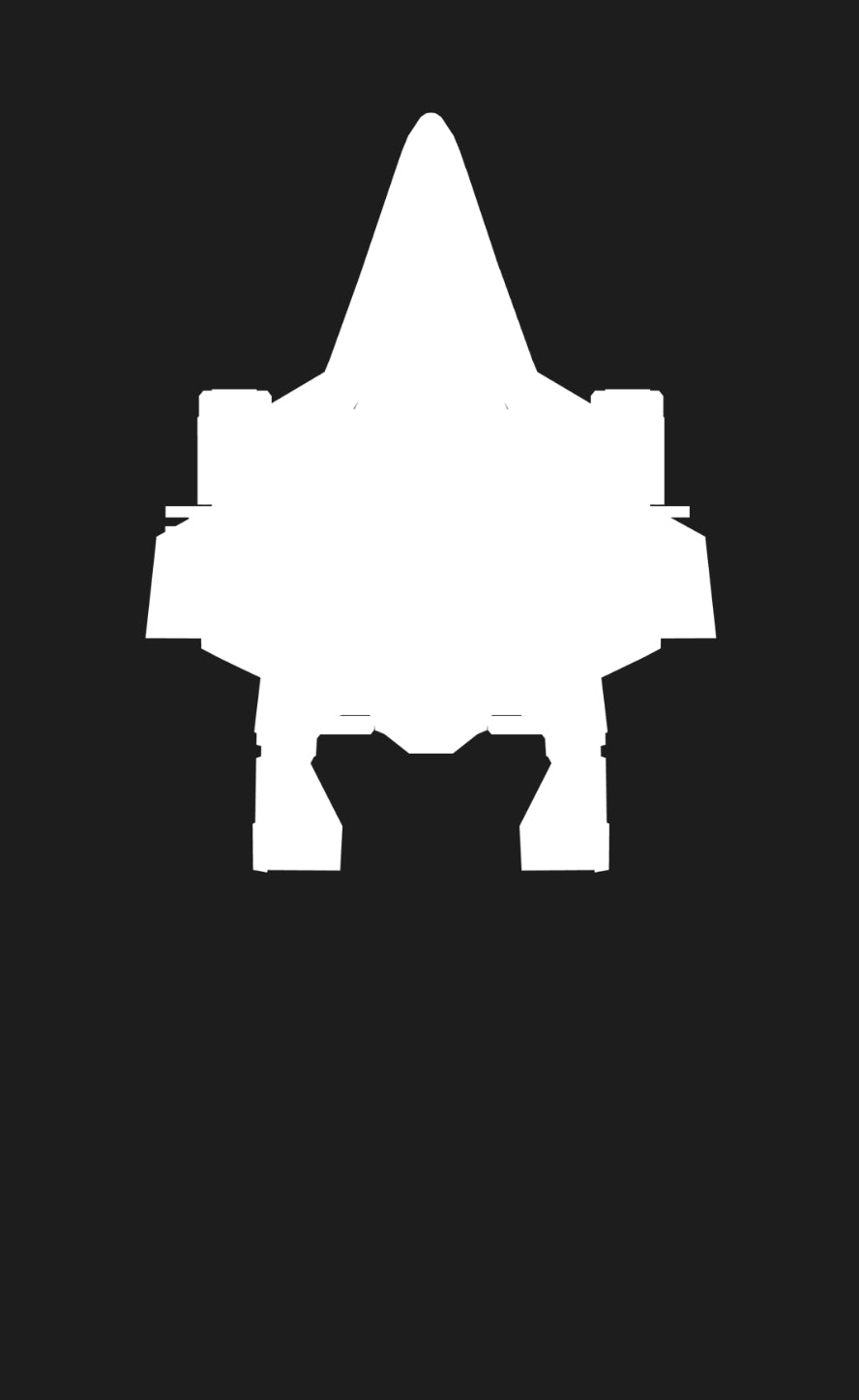
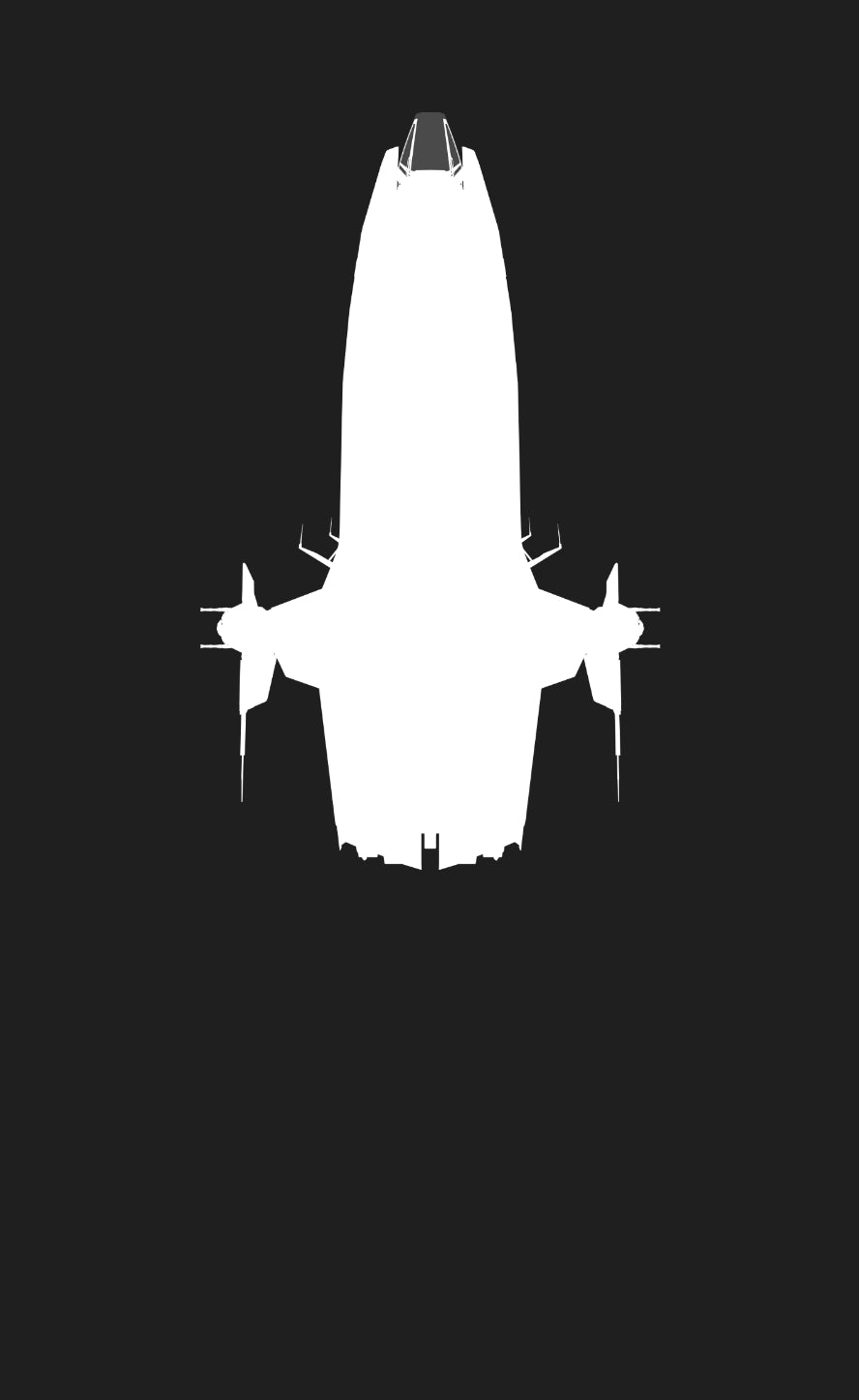
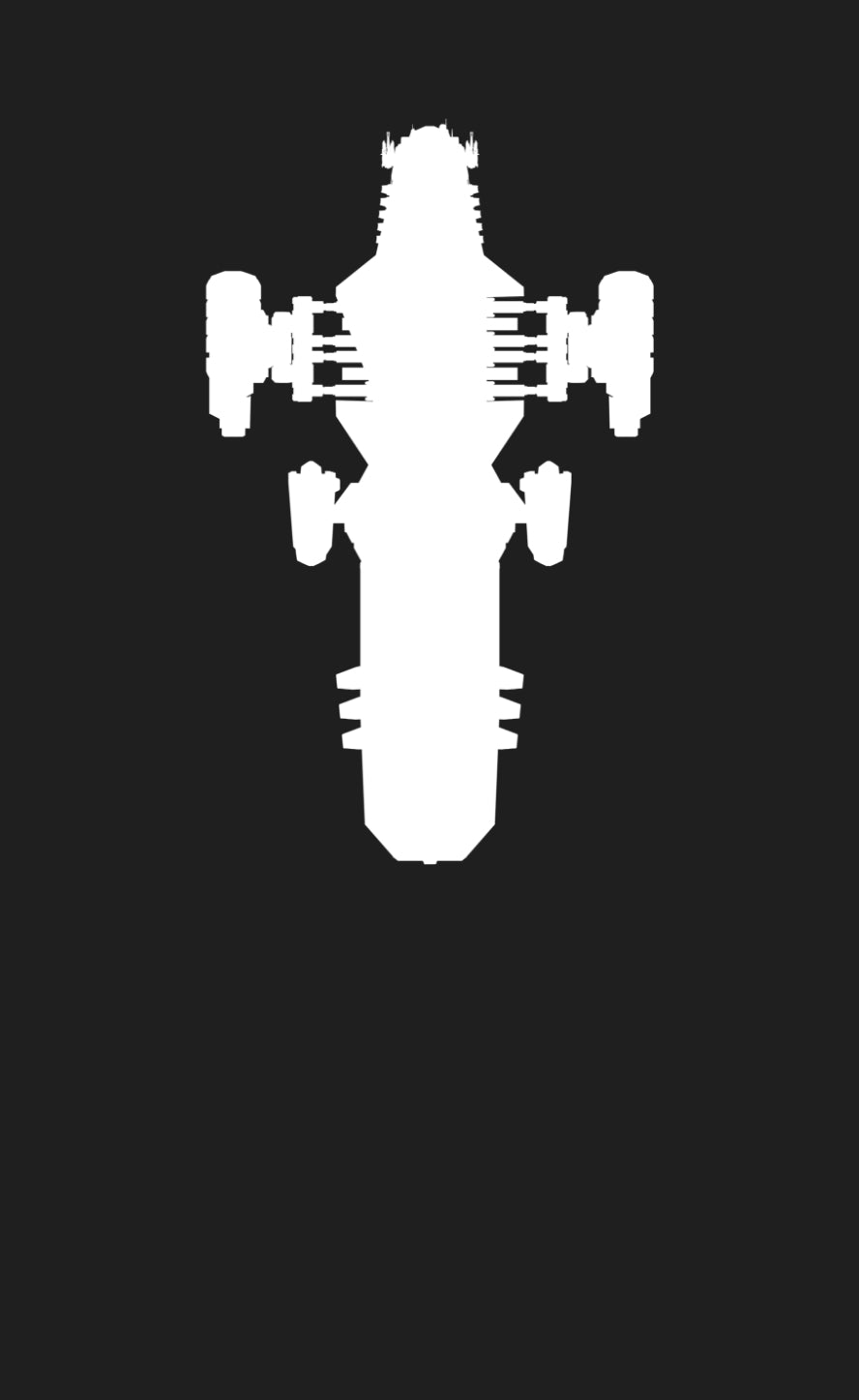
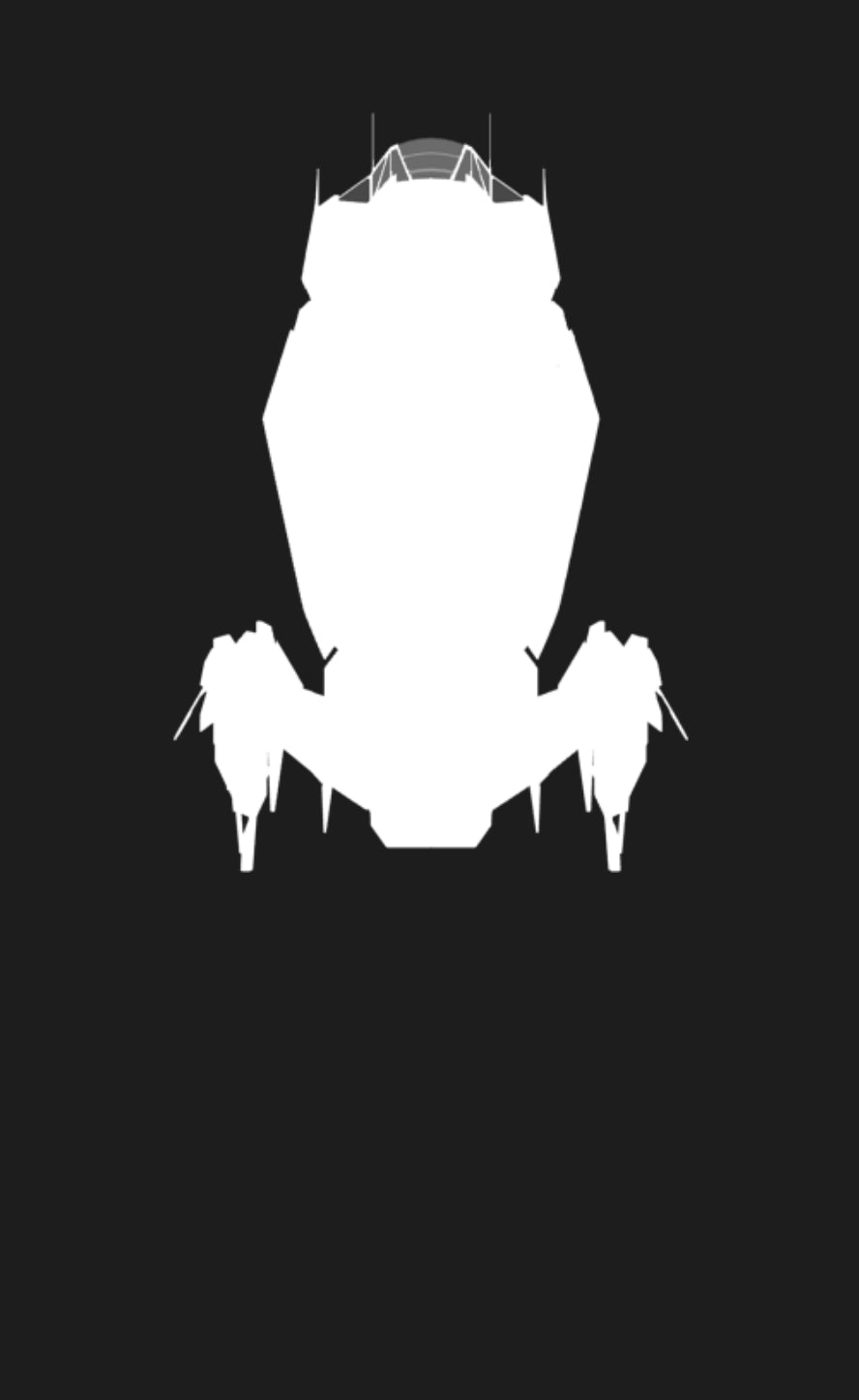
The Anvil Odin is a capital-class battlecruiser built by Anvil Aerospace, designed for large-scale combat operations and total battlefield dominance. As the first recognized battlecruiser class, the Odin combines battleship-level firepower with a cruiser-inspired frame, emphasizing power, reach, and strategic command capability.
Built to challenge the largest threats in the verse, the Odin is intended to destroy carriers, break fortified ships, and decimate enemy fleets. Its most feared weapon is a massive fixed forward beam weapon, supported by twelve emitters positioned around the nose of the hull and heavy armored radiators designed to manage extreme heat output.
At the heart of the Odin is a massive internal hangar and cargo complex. The main hangar is built to support medium craft and connects to an upper operational level through a large cargo lift. Additional ready-launch hangars on the port and starboard sides allow small craft to be deployed quickly, giving the Odin strong fleet-support and strike-launch capabilities.
- Manufacturer: Anvil Aerospace
- Role: Combat Battlecruiser
- Size: Capital
- Crew: 33–65
- Cargo Capacity: 8,000 SCU
- Length: 752 m
- Width: 222 m
- Height: 213 m
- Status: In Concept
Odin accounts are not currently in stock. To be notified when availability is added, click “Notify When Available” on the right side of the page. Once stock is added, you will receive an email letting you know that the Odin account is available to purchase.
This page is currently a placeholder and will be updated with the final product details, description, and pricing once the listing is live.


