
















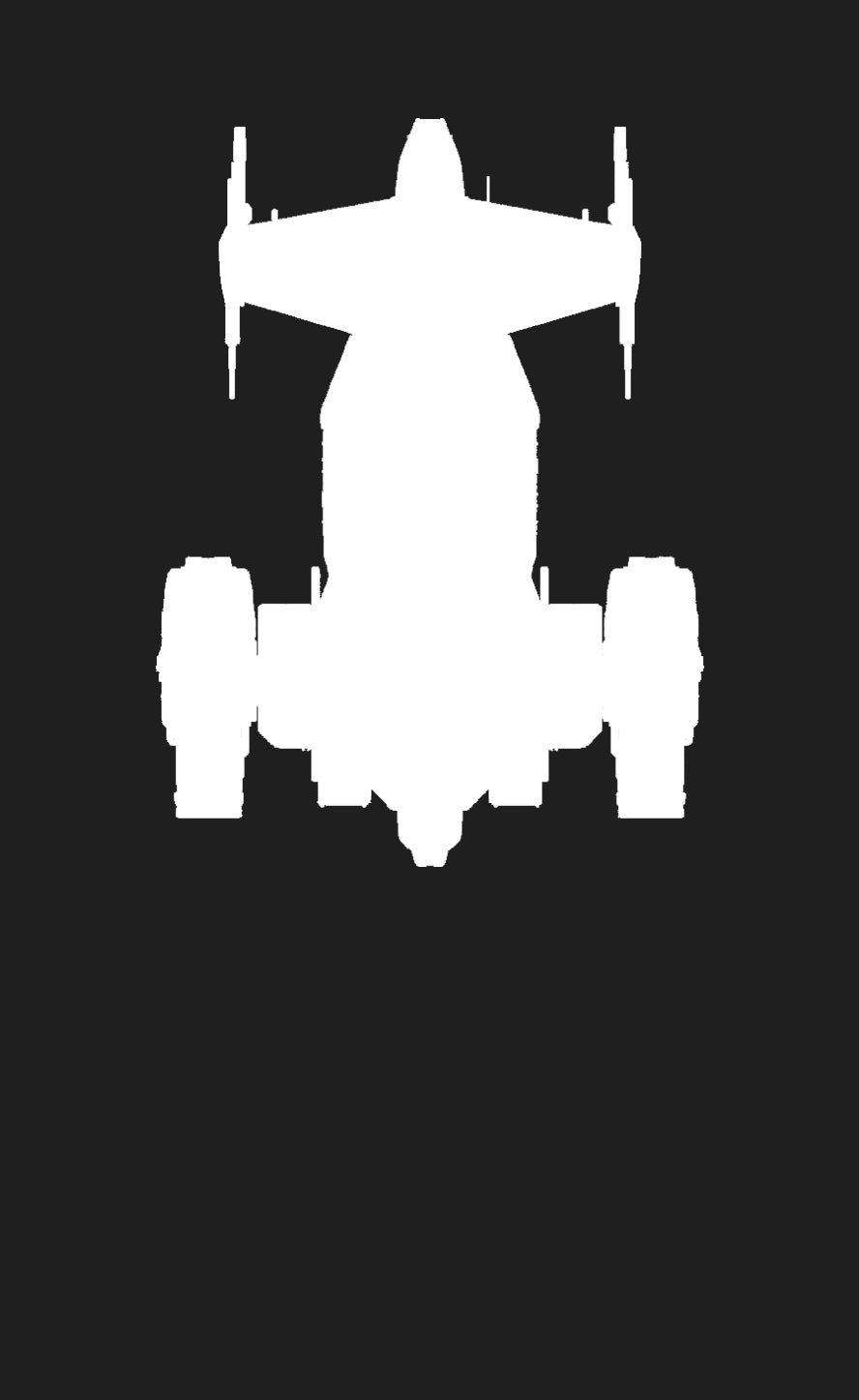

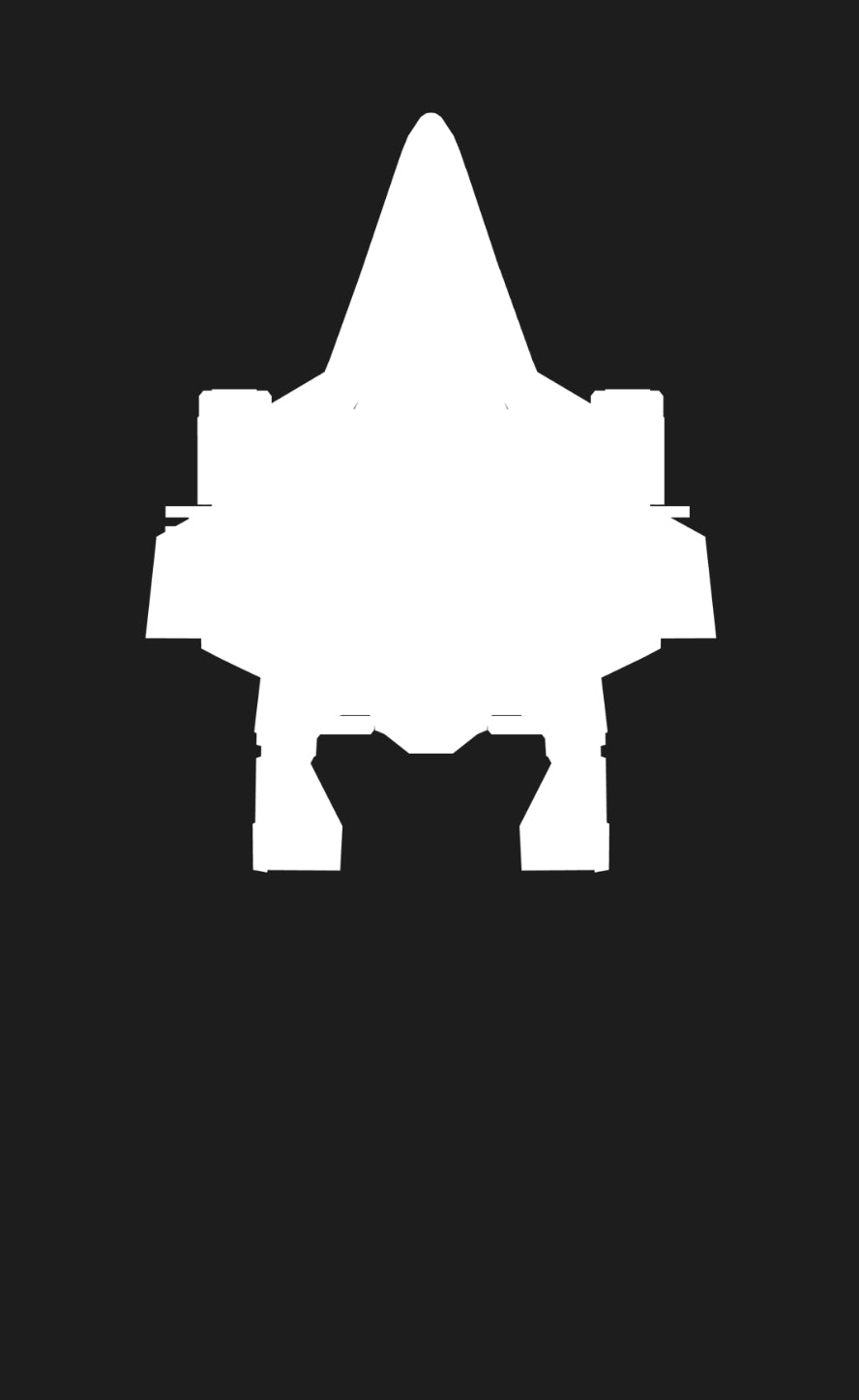
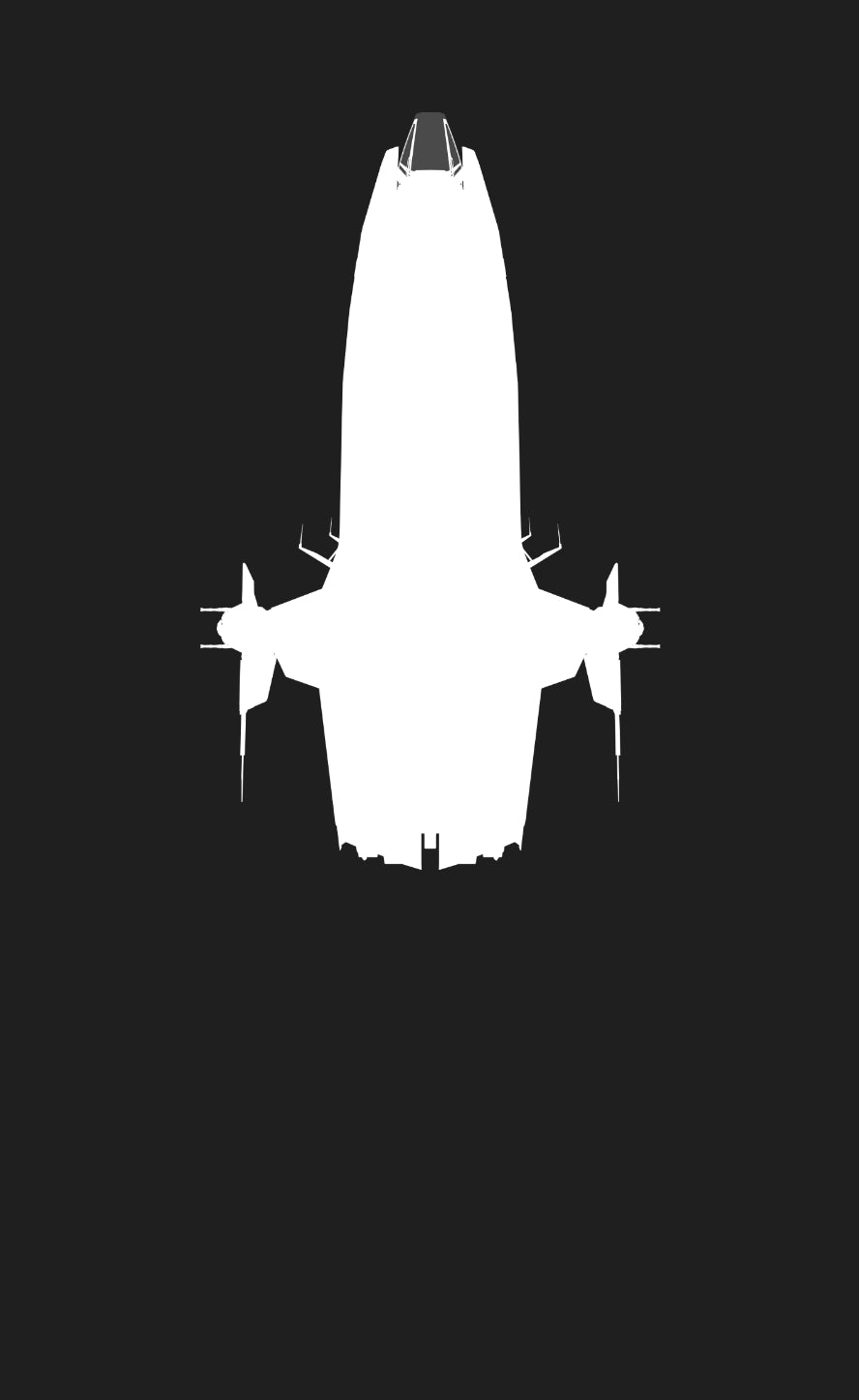
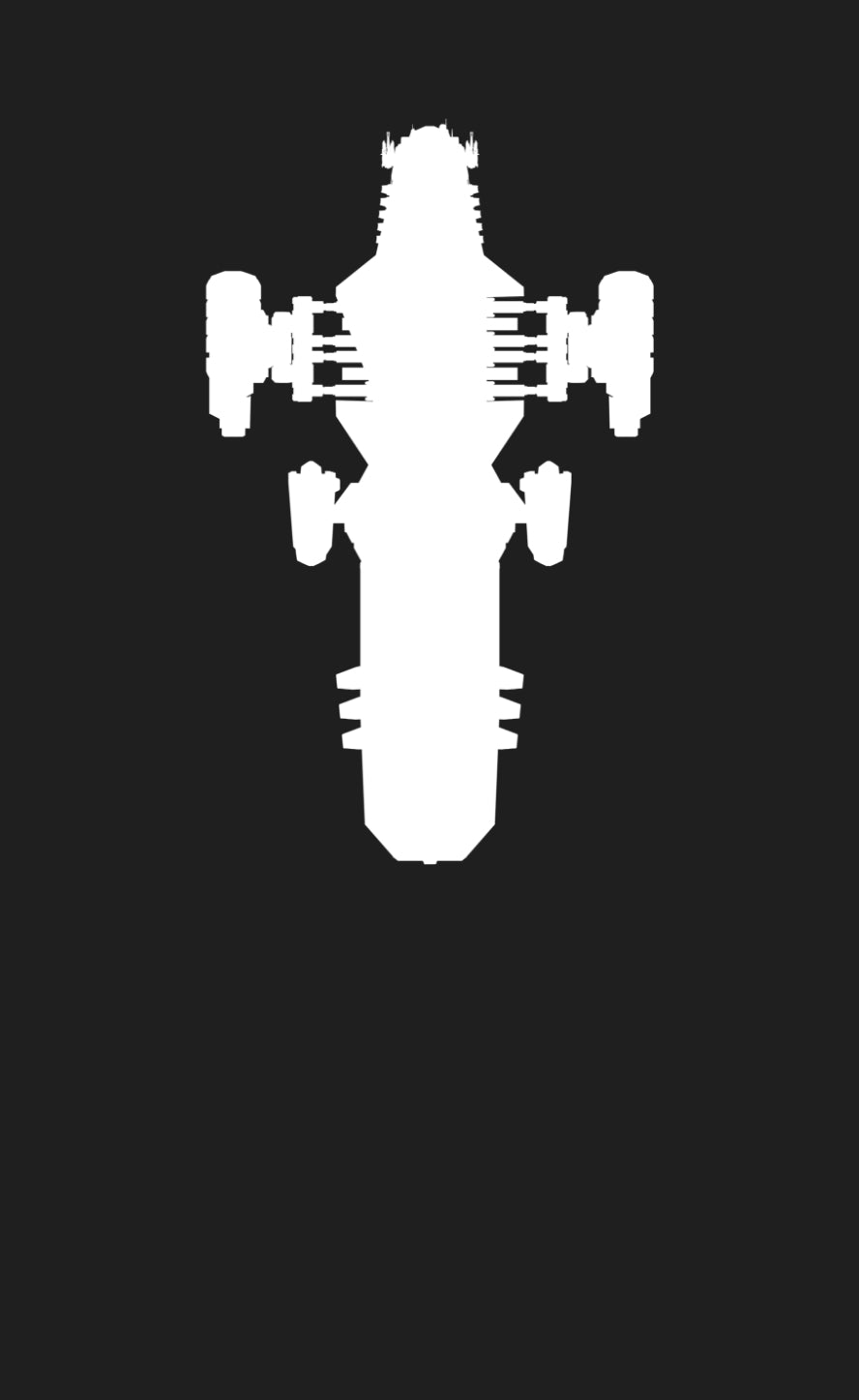
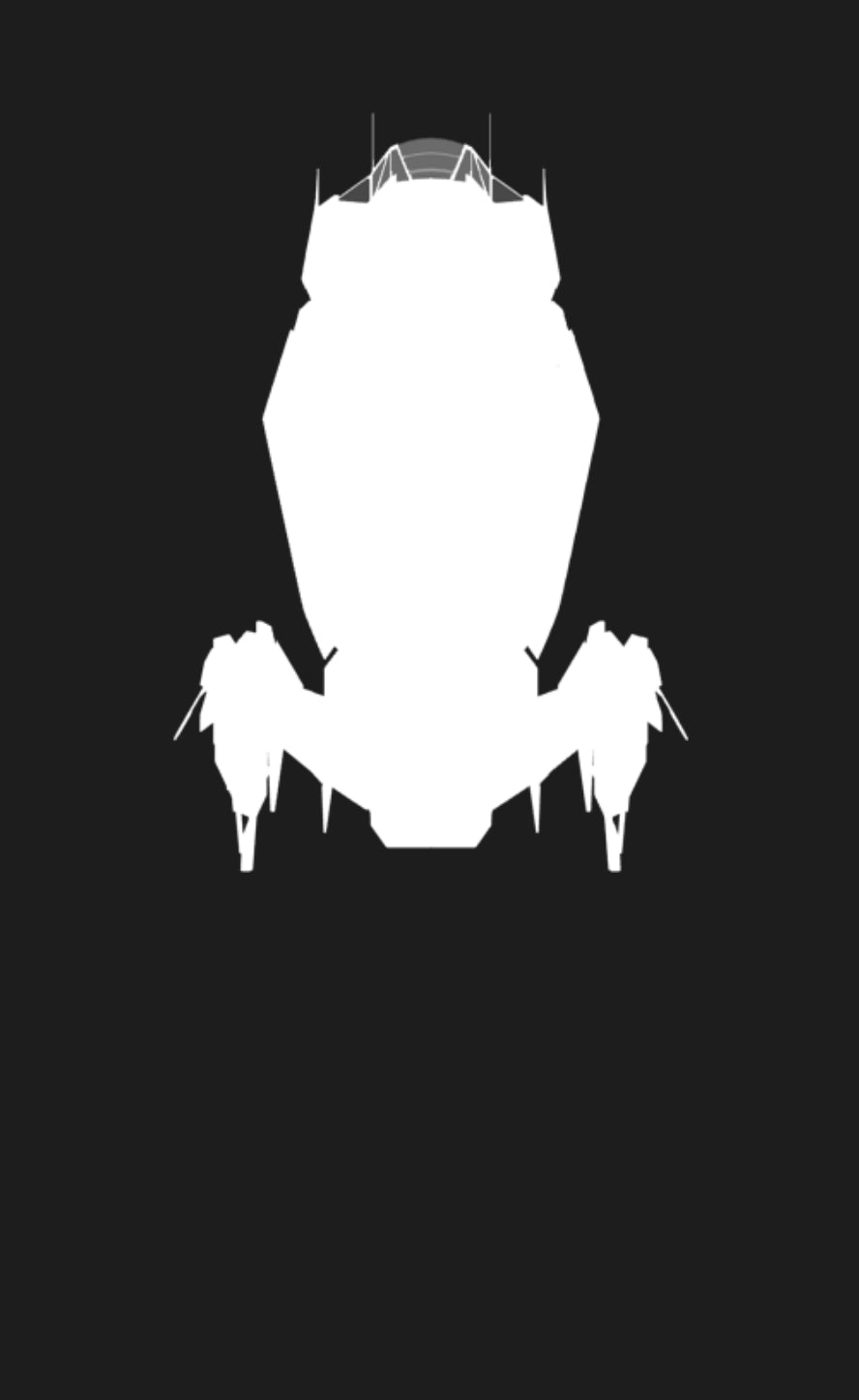

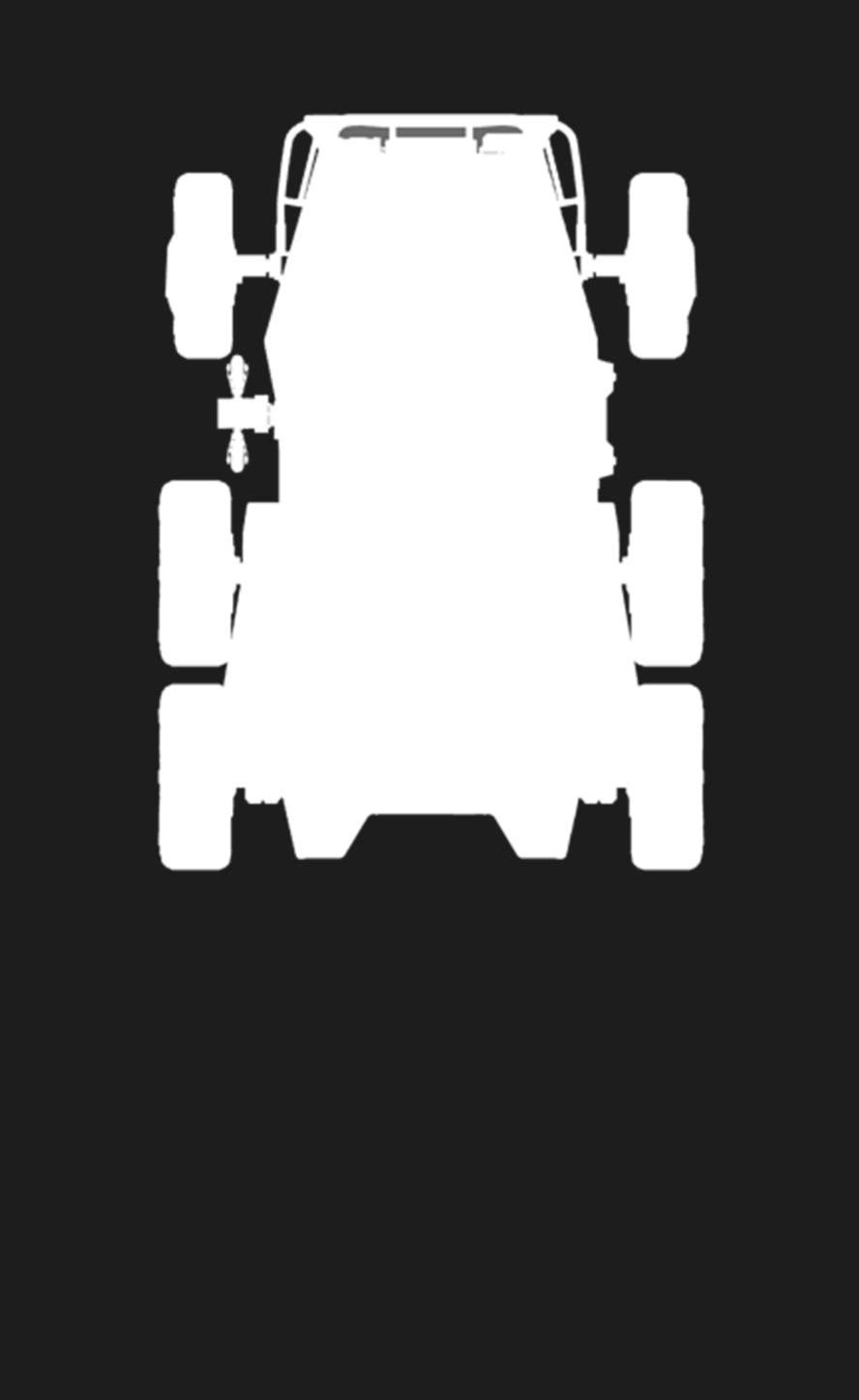
Argo MOTH – Multi Operator Targeted Harvester

The Argo MOTH gives Star Citizen salvagers a true middle step between the solo-friendly Vulture and the industrial-scale Reclaimer. With three scraping turrets, pilot-controlled salvage arms, and cargo capacity built for longer jobs, it looks set to become a practical multi-crew workhorse.
Star Citizen’s salvage lineup finally has its missing middle tier. The newly revealed Argo MOTH is designed to bridge the gap between light salvage ships like the Drake Vulture and large industrial platforms like the Aegis Reclaimer, giving players a ship that meaningfully expands output without demanding the scale or crew commitment of the game’s biggest recovery vessel. Official materials describe it as Star Citizen’s first dedicated medium salvage ship, with 224 SCU of listed cargo capacity and a design focused on multi-operator efficiency.
A true mid-tier salvager
The biggest takeaway from both the developer video and the official Q&A is that the MOTH is not just a bigger Vulture. It is positioned as a career step for players who want higher yields, longer jobs, and more meaningful crew play, while avoiding the overhead of running a Reclaimer. CIG describes that role directly, calling the MOTH a “great midground” for salvagers looking to scale up output or take on larger contracts.
That positioning matters because salvage has gradually expanded into a more layered profession. The MOTH introduces a new material output tier as well: where smaller salvage ships produce rubble and larger industrial salvage can generate more refined construction material salvage, the MOTH produces Construction Material Pieces. In the official Q&A, CIG also says it is capable of structurally salvaging ships up to the size of an Origin 600i or MISC Starfarer, which gives it a clearly defined place in the profession rather than leaving it as a vague in-between chassis.

Built around crewed efficiency
The MOTH’s full name, Multi Operator Targeted Harvester, is not just branding. Its design is centered on parallel work. The ship carries three manned salvage turrets for hull scraping, while the pilot controls the forward structural salvage arms. That means multiple crew members can work the same target at once instead of handling each step sequentially. Officially, the recommended crew ranges from two to four, though CIG says it can still be flown solo with the usual compromises that come from seat swapping and reduced efficiency.
That is likely where the MOTH will find its audience fastest. The Vulture remains attractive for solo players, and the Reclaimer still dominates the top end, but the MOTH looks tailored for small groups who want everyone actively involved in the loop. Rather than one pilot hauling everyone else along, all four positions have something meaningful to do during a salvage run. That should make it one of the more practical industrial ships for regular multiplayer crews. This is an inference from the ship’s stated station layout and role split.
Familiar bones, new purpose
The MOTH is heavily informed by the Argo MOLE, and the devs are unusually direct about that. In the video, they explain that the MOLE’s turret coverage and successful multi-crew format made it a natural foundation for salvage. The result is a ship that reuses a proven industrial silhouette while adapting its internal spaces and lower deck for a new profession.
That reuse is more than aesthetic. CIG says the MOTH has nearly identical handling to the MOLE, though differing cargo layout can affect how it behaves when unevenly loaded. At the same time, the team used the new ship as an opportunity to modernize some interactions and cockpit elements, with improvements expected to feed back into the MOLE later.
For players already comfortable with Argo’s industrial design language, that should make the MOTH feel readable from the first landing. It is an evolution of an established work platform rather than a radical departure.

The defining feature: structural salvage arms
Visually, the MOTH’s standout feature is obvious. The front-mounted salvage arms, repeatedly described by the developers as the ship’s “grabby hands,” give it a more aggressive industrial identity than the MOLE. They are not just there for style, either. Those pilot-controlled arms handle the structural salvage side of the loop, distinguishing the MOTH from lighter salvagers that focus on hull scraping alone.
That combination of scraping turrets plus structural salvage hardware is what makes the ship feel like a genuine new class instead of a salvaging skin over an existing miner. It gives the MOTH its own workflow, its own crew rhythm, and a stronger sense of progression for players moving deeper into the recovery profession.
Cargo space that broadens its usefulness
One of the more interesting details in the reveal is how flexible the cargo arrangement appears to be. Officially, the ship holds 224 SCU: two external autoloader cargo grids at 96 SCU each, plus a 32 SCU rear cargo lift. CIG also notes that each autoloader has a 32 SCU buffer, bringing the maximum theoretical capacity to 288 SCU, though the team has already acknowledged an issue with the buffer size and says it intends the total buffer to be 64 SCU across both sides in a future update.
Just as important, the devs say those autoloaders are standard cargo grids rather than salvage-only storage. In practice, that means the MOTH is not locked into one job type. It can output salvage into standardized crates, but it can also carry other cargo-compatible items, and the rear lift supports two 16 SCU containers for additional hauling utility. That makes the ship more versatile than a pure specialist and opens the door to mixed runs where crews salvage opportunistically instead of committing exclusively to one loop.
For players thinking in terms of sandbox value rather than narrow roleplay, that may end up being one of the MOTH’s strongest selling points.

Lightly armed, clearly industrial
The MOTH is not being pitched as a combat-capable bruiser. CIG is explicit that it is first and foremost an industrial ship. Its listed armament is modest: 2x S2 pilot guns and a remote missile turret carrying 16x S2 missiles under copilot control. The official framing is straightforward—enough to deter a threat or cover an exit, not enough to stand and fight.
That limitation is important because it reinforces the ship’s role. The MOTH is meant to work, not duel. Crews operating one will still need route planning, situational awareness, and a realistic understanding of risk in unsecured areas.
Interior changes support the job
Inside, the MOTH is more than a simple room swap. The lower section now centers on a vertical salvage cargo arrangement, while the old engineering space has been converted into a processing room with an onboard refinery. The ship also includes crew living essentials such as beds, a bathroom, and suit lockers, supporting the idea that it is meant for longer operations than a small starter salvager. Developers also say internal routes, doors, and ladders were widened to improve movement and component extraction, which points to a more deliberate focus on moment-to-moment usability.
Those quality-of-life adjustments may not headline the reveal, but they are often what determine whether a ship feels good to live with after the novelty wears off.
What the MOTH means for salvage progression
The MOTH matters because it fills a gap players have been asking about for years. Star Citizen now has a clearer salvage ladder: lighter entry points, a more capable solo or small-scale option, a dedicated medium multi-crew salvager, and finally the Reclaimer at the top end. In practical terms, that gives the profession a more natural progression path and makes it easier for groups of friends to scale their operation without leaping straight into one of the game’s largest industrial ships.
It also suggests CIG is continuing to build professions in layered steps rather than around one dominant endpoint. The MOTH is not trying to replace the Vulture or the Reclaimer. It is there to make the road between them feel complete.