





















RSI Hermes Q&A – The Impound

Every question and answer from RSI’s official Hermes Q&A, rewritten for clarity and lore context. Learn how the new Medium Freight blockade runner stacks up.
RSI’s Hermes steps into the Medium Freight lineup with a very particular attitude: carry big, move fast, and muscle your way through trouble without blinking. It’s a small‑crew hauler with the endurance to keep pace with the rougher edges of the modern verse. To get a clearer picture of what the ship brings to working haulers, couriers, and fleet logisticians, the Vehicle and Gameplay teams fielded a series of focused questions about its design and intended role.
Here’s your full breakdown, straight from the developers.
Blockade Runner: What does the designation mean?
The Hermes inherits the classic role of a blockade runner: a cargo ship built to slip past enemy forces or heavily monitored routes. Its internal cargo capacity, powerful main thrusters, and reinforced hull and armor make it well-suited for hauling valuable payloads into dangerous situations without folding under pressure.
How does its 288 SCU compare to other medium haulers, and what sets it apart?
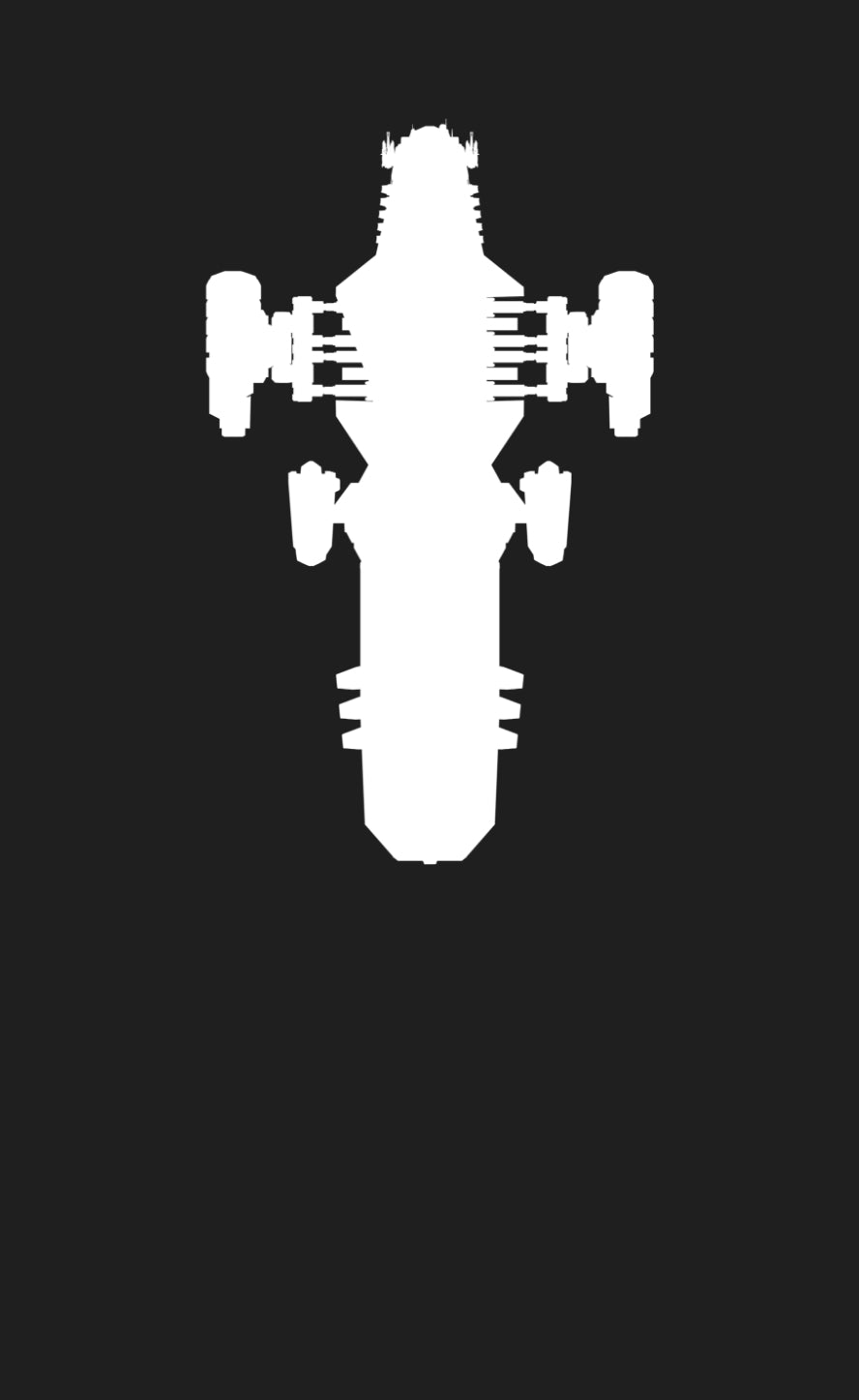
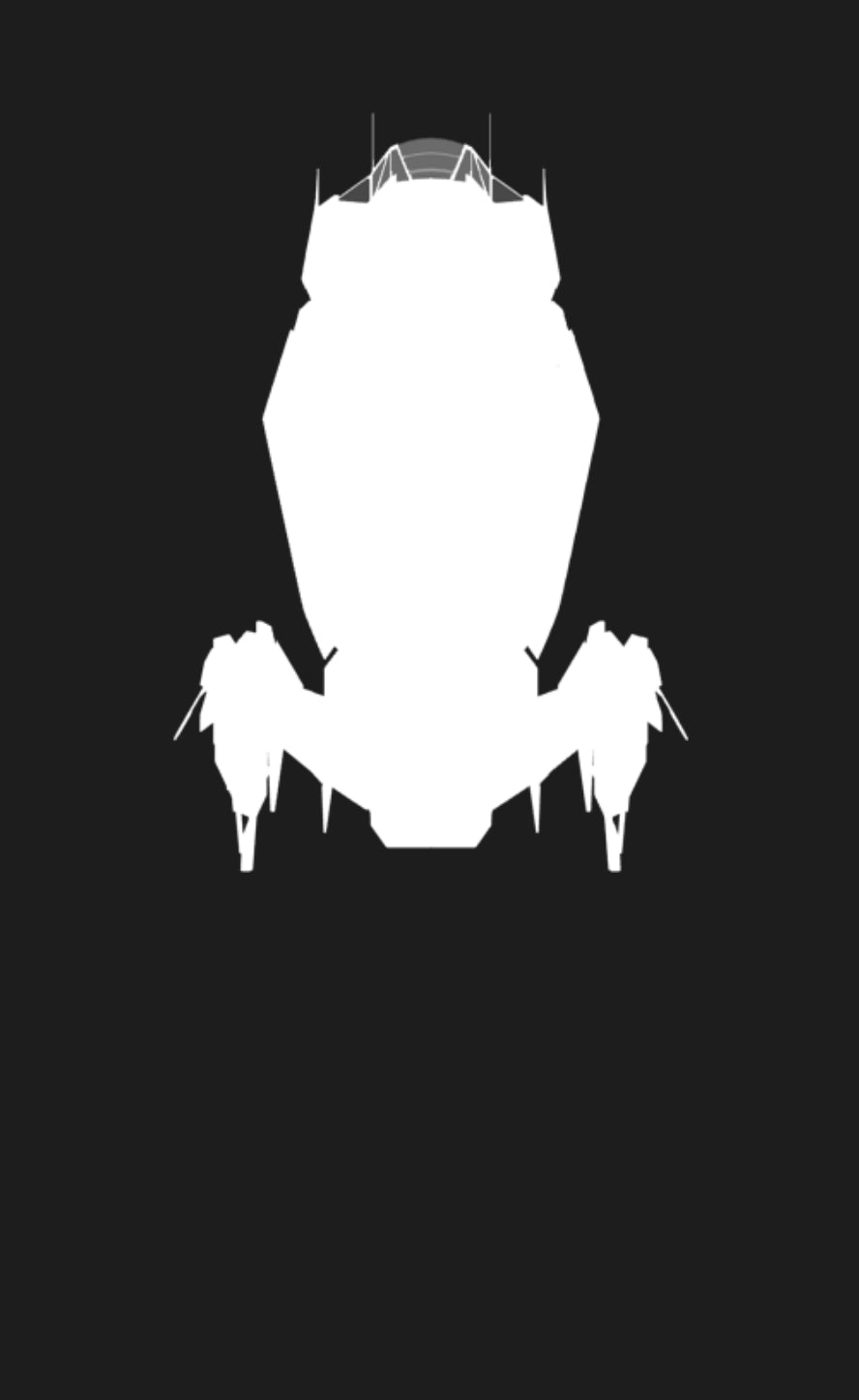
Compared to peers like the Argo RAFT and MISC Hull B, the Hermes distinguishes itself by storing all cargo internally, not externally. Against ships like the RSI Constellation Taurus and MISC Starlancer MAX, it offers significantly more cargo room despite being physically shorter.
Where does the Hermes fit within a personal or group fleet?
Designed to carry the full range of standard crate sizes from 1–32 SCU, the Hermes gives you access to a broad set of contract types whether flying solo or with a crew. Its large, open hold also makes it unusually capable with awkward or non-standard cargo, including vehicles or mission rewards—everything from a simple crate stack to something as exotic as Valakkar fangs.
How does it compare to the Apollo, and do Apollo paints work on the Hermes?
The Hermes has more hull health and higher SCM and NAV speeds than the Apollo, trading those gains for lower acceleration. Its agility outperforms the Apollo Triage, making station approaches and pad work easier. Because the Hermes isn’t an Apollo variant but a unique chassis, Apollo paints do not fit.
What’s the maximum cargo container size for the interior hold?
The ship’s layout is designed around 32 SCU containers, which can be loaded and stored directly inside the hold.
Can the cargo bay handle more than standard containers—like vehicles?
Yes. Any vehicle that fits through the rear ramp can be carried, including most of the Tumbril Cyclone lineup.
What guided the decision for a short, wide cargo hold?
The cargo bay proportions reflect the ship’s hull shape and the intent to stick to standard SCU volumes rather than trying to push every centimeter of vertical space. Older ships with tall cargo grids can be difficult to manage, and player feedback encouraged a more practical, less fiddly layout.
Can players still reach components for engineering tasks when the ship is fully loaded?
Yes. Key components remain accessible even with the hold filled, thanks to open central floorspace in the main cargo grid. You can place unsecured cargo there if you choose, though it will restrict movement through the ship.
How does the tractor beam on rails operate?
The rail-mounted tractor beam works much like the Scorpius’ rail turret system, featuring two fixed positions you can slide between as needed.
Can the pilot handle cargo ops and tractor beam work alone?
The Hermes is fully solo‑capable. You can land the ship from the pilot seat, then hop to the co-pilot chair or the dedicated rear tractor station to move cargo until the job is done. A second player can speed things up, but they’re not required.
How well can the Hermes defend itself during a run?
The Hermes isn’t a dogfighter and doesn’t maneuver like one. But anything caught in front of it will face four Size 4 guns—two controlled by the pilot and two on the remote turret, which can be slaved if desired. It’s not built to chase trouble, but it won’t shy away from returning fire either.